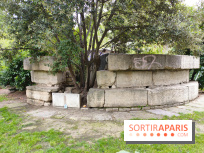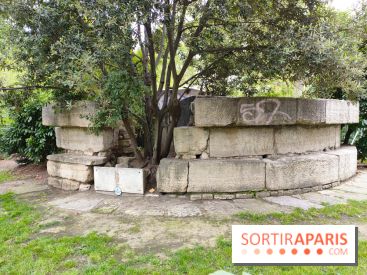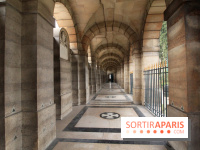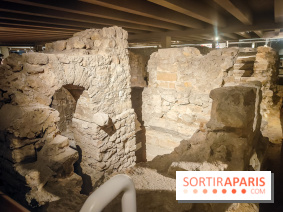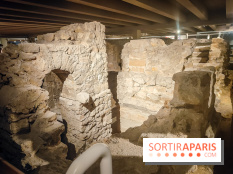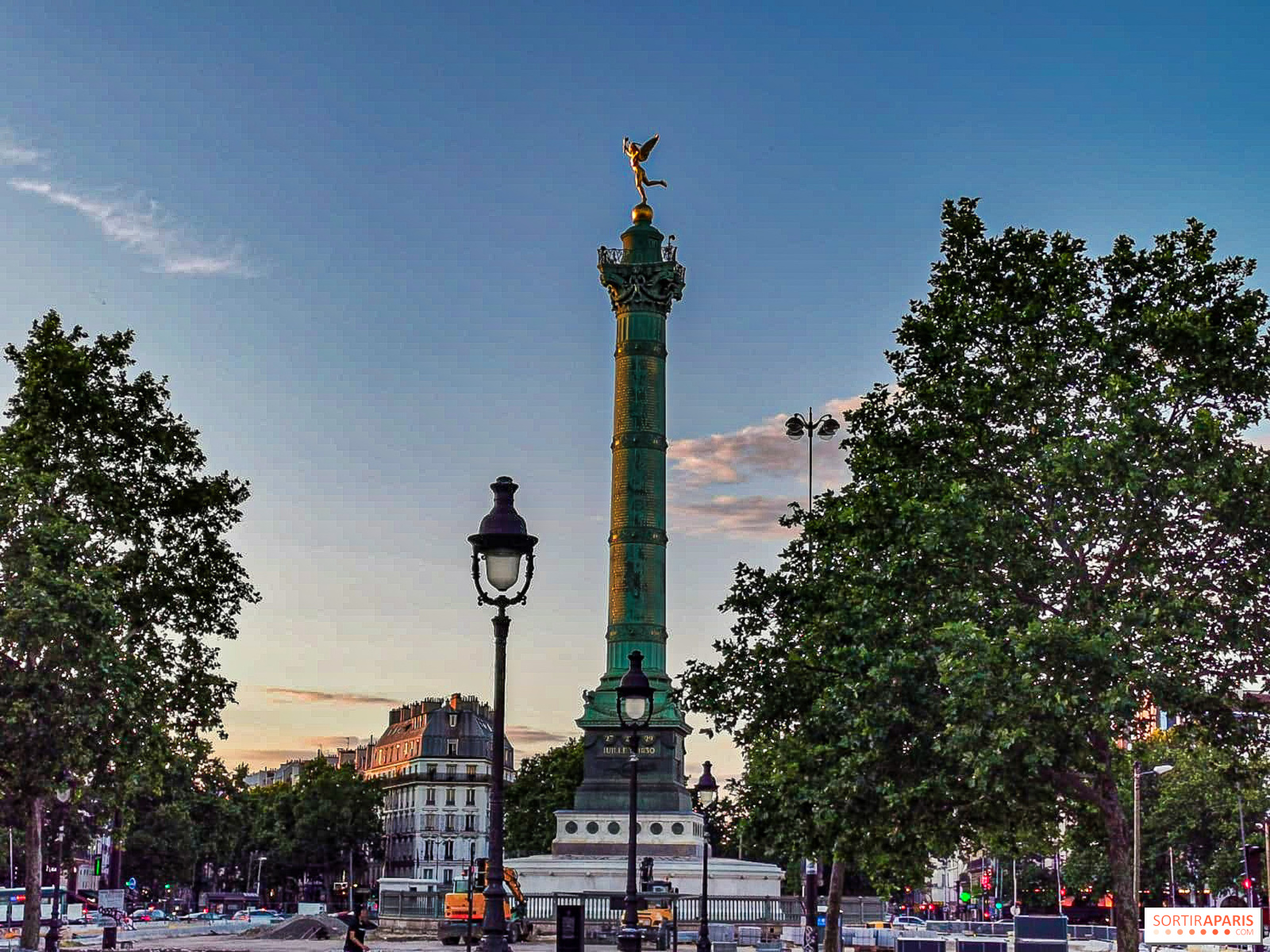
What's inside the Bastille Column? Parisians old and new can finally unravel the mysteries of the Colonne de Juillet. This Saturday, October 23, 2021, the lower parts of the monument will open to the public for the first time.
Stained glass windows, floors, ironwork, decorations - this Parisian monument has undergone restoration work in preparation for its reopening. The work, carried out by the Centre des monuments nationaux, began in October 2016 and will continue until spring 2018, restoring this symbolic Parisian landmark to its former glory.
The Colonne de Juillet has stood on the Place de la Bastille for 180 years. But what exactly does it stand for? Contrary to popular belief, it's not there to symbolize the storming of the Bastille, but to commemorate the Three Glorious Years, the second French Revolution. In fact, the bottom of the column reads:
"À la gloire des citoyens français qui s'armèrent et luttirent pour la défense des libertés publiques dans les mémorable journées des 27, 28, 29 juillet 1830" (To the glory of the French citizens who armed themselves and fought for the defense of public freedoms during the memorable days of July 27, 28 and 29, 1830).
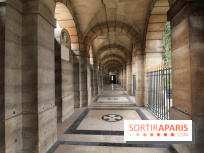
All along this bronze column are the names of the victims who fell during these days of revolution. The monument itself rises above a necropolis in which lie the bodies of revolutionaries who fell during the Three Glorious Days.
From now on, you can discover the July Column necropolis through guided tours limited to 18 people, every Saturday and Sunday at 2.30pm and 4.30pm. Reservations are required on the Centre des Monuments Nationaux website, and the tour costs €13 and lasts 1h30.
Location
July column
Pl. de la Bastille
75004 Paris 4
Access
Bastille metro station (lines 1, 5 and 8)
Prices
€13
Average duration
1 h
30 min
Official website
www.colonne-de-juillet.fr
Booking
www.monuments-nationaux.fr