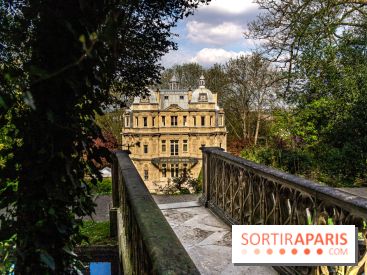
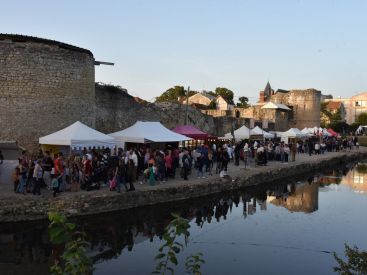
Paris is home to many medieval relics, but so are the Yvelines! The town of Houdan is a fine example, less than an hour from the capital, from the Gare Montparnasse. Just a Navigo ride away, this medieval town and its many remains are still well-preserved and offer a lovely stroll through town, nature and French history. Although traces of ancient times can be found in Houdan, most of the monuments were built in the Middle Ages.
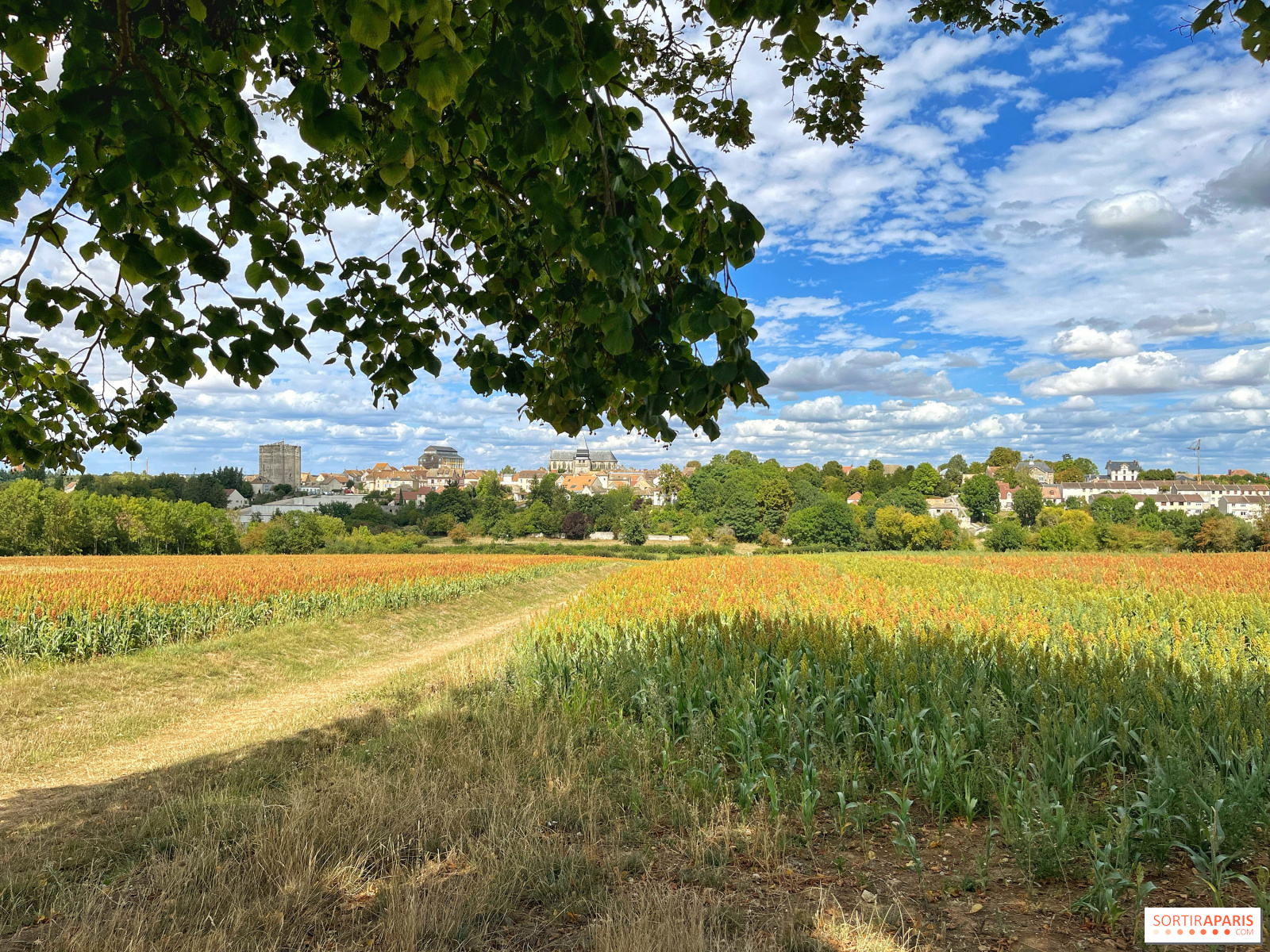
In addition, the Houdan region began to be populated from the 5th century onwards, becoming a major settlement by the year 1000. The shape of the town and its elevation above the surrounding countryside gave it a strategic position, used by the lords of Montfort-l'Amaury, another town in the Yvelines region. At war with the King of England, Lord Amaury III erected a stone keep and fortified walls. From then on, Houdan became an important town and a renowned trading center. In the 16th century, the town's fortifications were extended, and it is these that can still be admired today.
During the French Revolution, the Houdan region became the capital's granary, and one of the largest wheat markets in the Ile-de-France region was held here.
If you're arriving in Houdan by car, via the N12, you can start your stroll at the town hall and the Houdan church, but if you're coming by train, it's a good idea to start at the Tour Guinant and the hospital. Numerous little lanes and secret passageways allow you to get to certain places more quickly, and to discover some surprising places. Allow two hours for your visit. We're off!
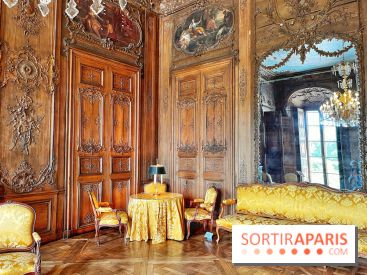
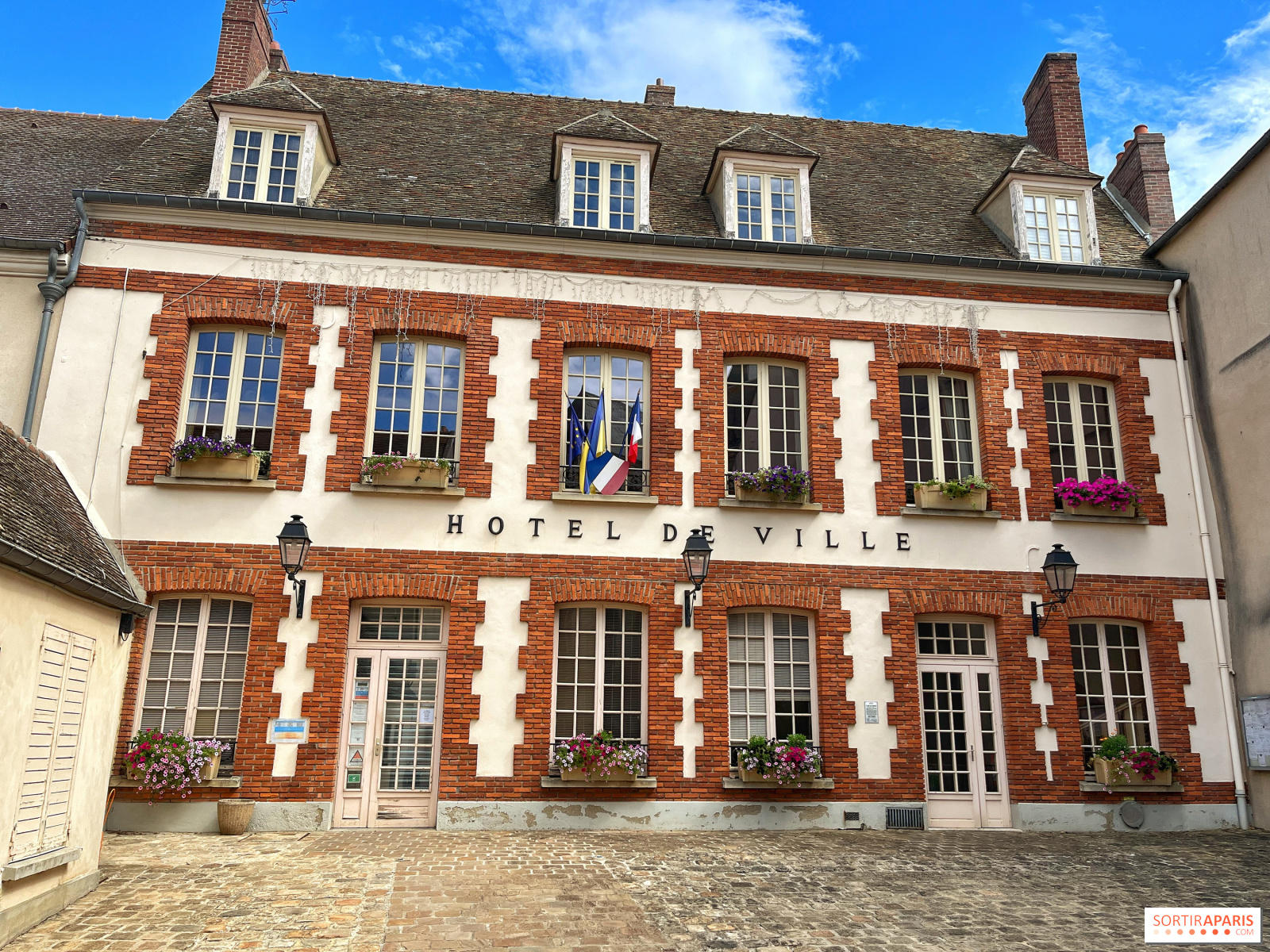
The Houdan town hall is housed in a former 17th-century nobleman's residence.
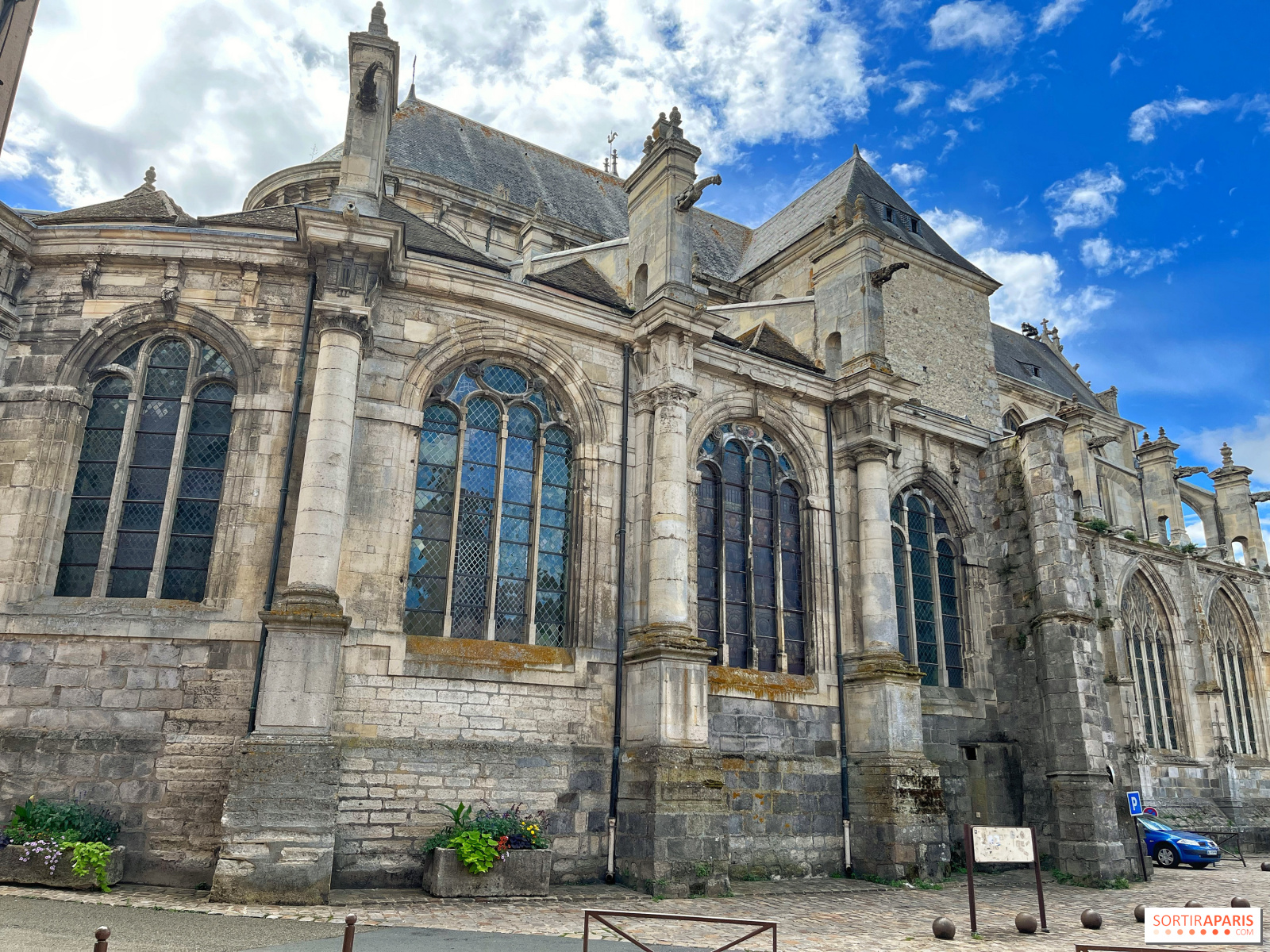
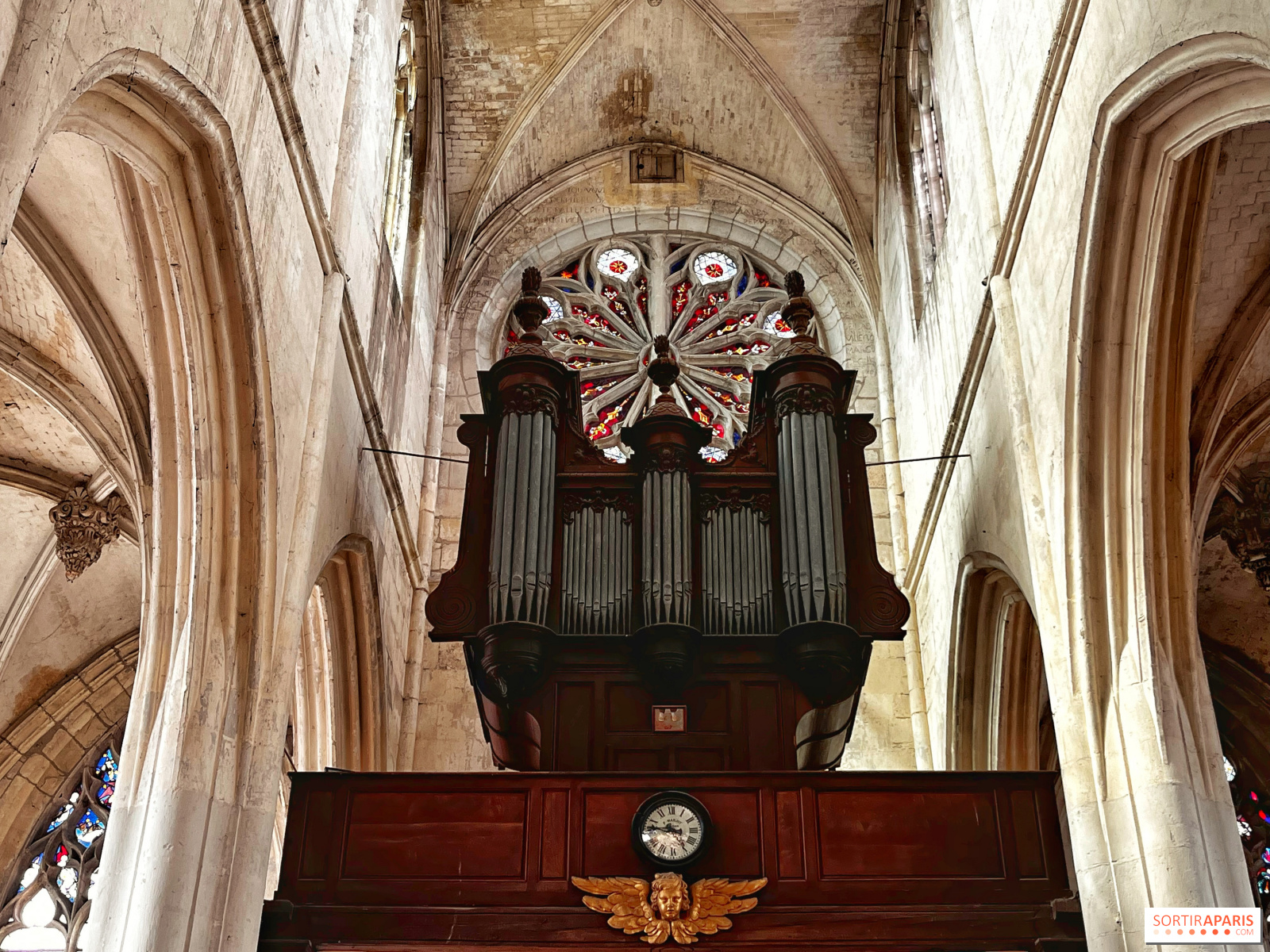
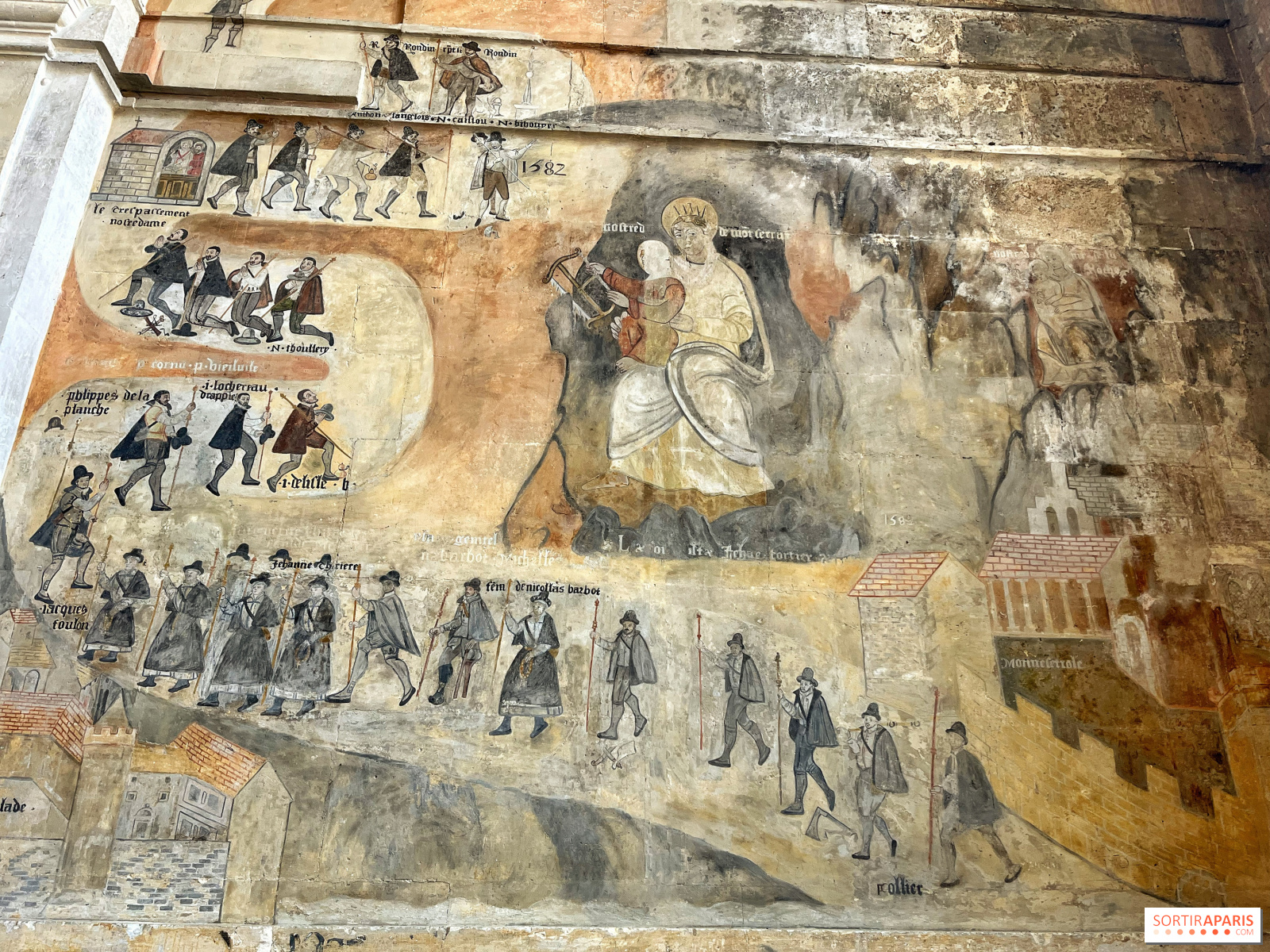
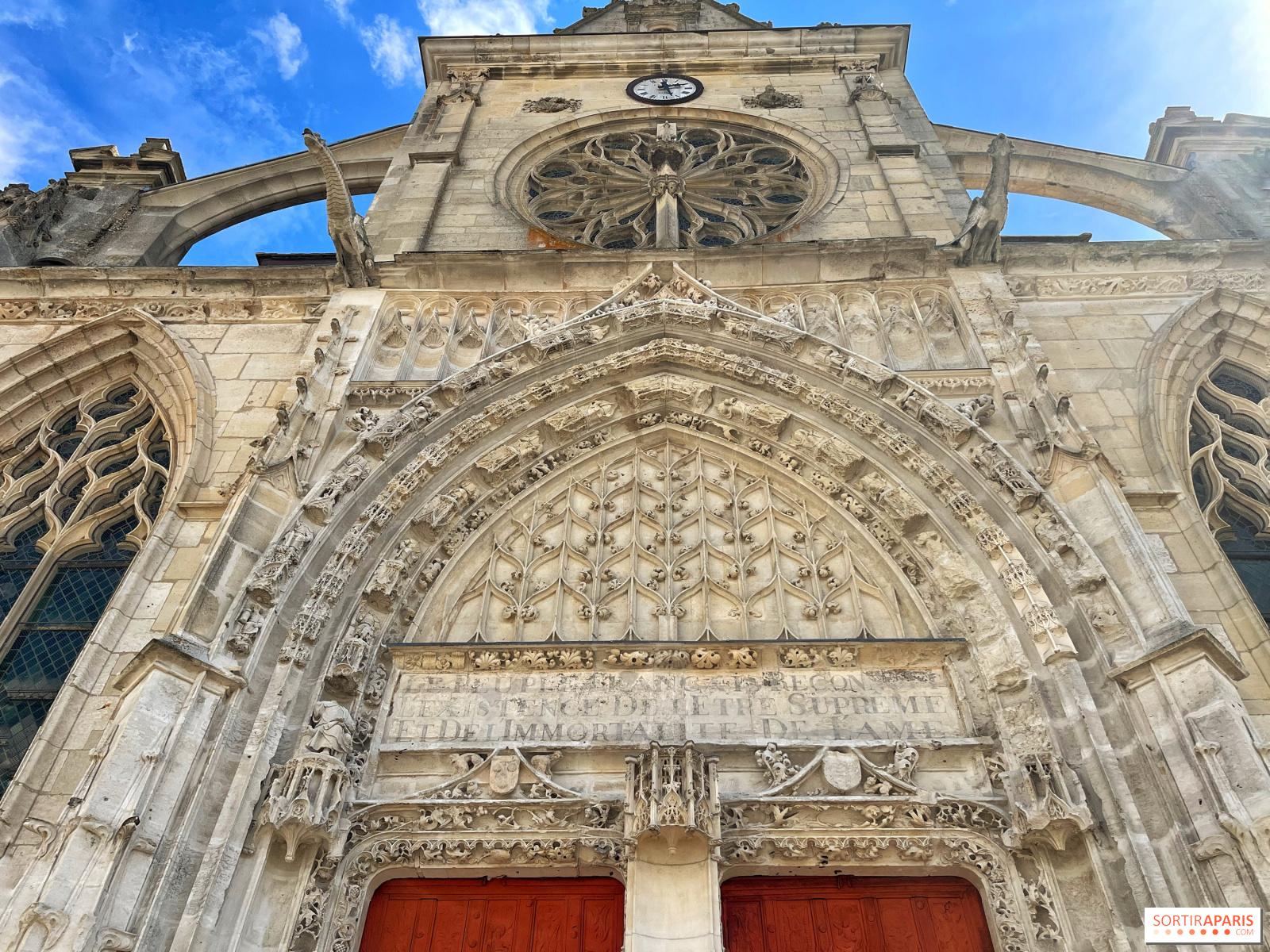
Renowned for its Cliquot organs dating back to 1734, this church, designated a historical monument in 1840, is currently undergoing extensive renovations but remains open to visitors. Inside, it conceals a medieval fresco depicting a pilgrimage of Houdan residents to Montserrat from 1582. A remarkable and rare inscription from the Revolutionary period can be found on the lintel of the portal: "The French people acknowledge the existence of the Supreme Being and the immortality of the soul." Built in the 13th century, it underwent reconstruction work until 1777, which explains the uniqueness of its architecture.
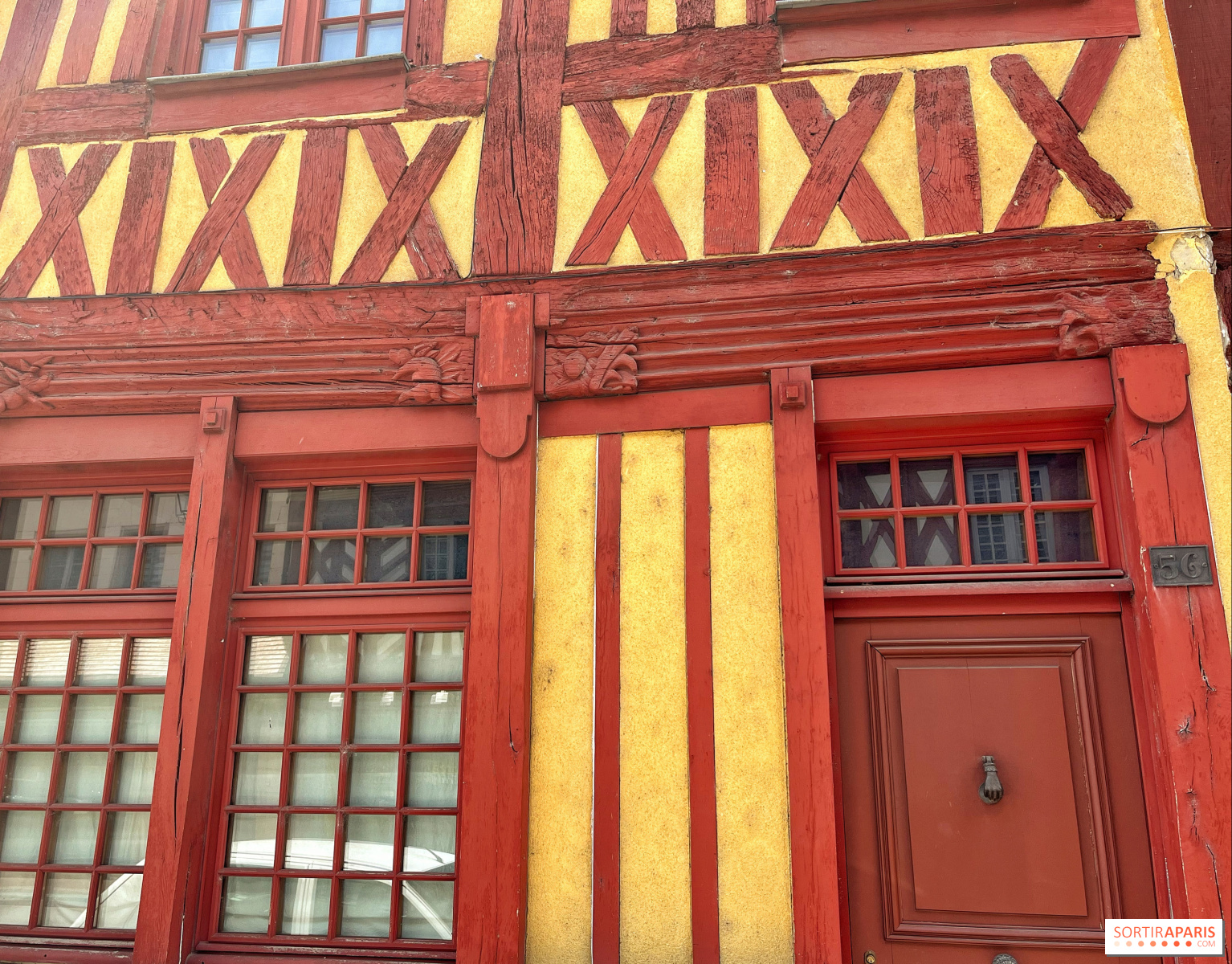
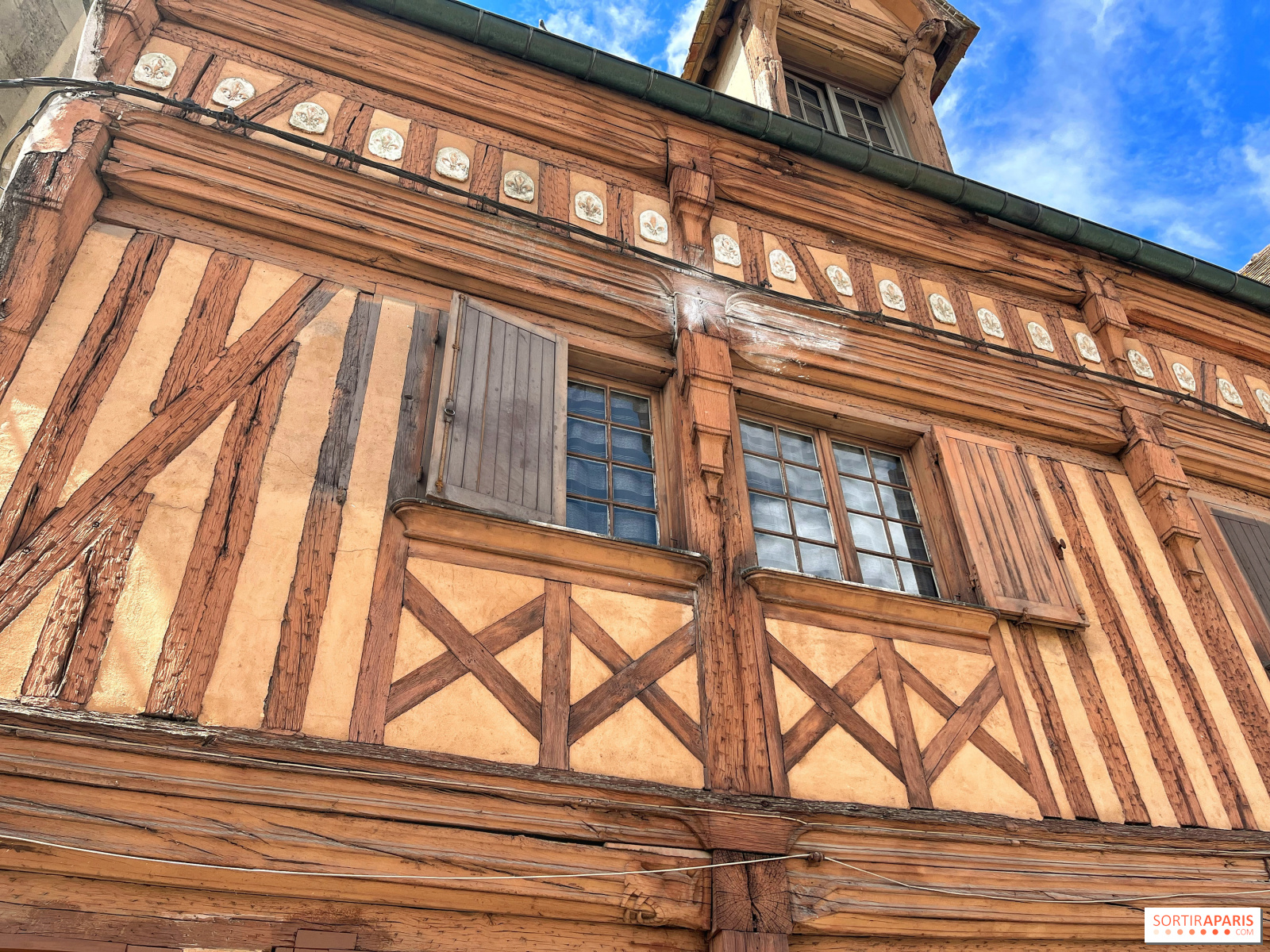
This first inn, located at 64 rue de Paris, bears witness to Houdan's past as a stopping point. Its wooden facades date from the 17th and 18th centuries. It is particularly notable for being adorned with lily flowers, recalling the visit of Louis XVI to the town on June 21, 1786.
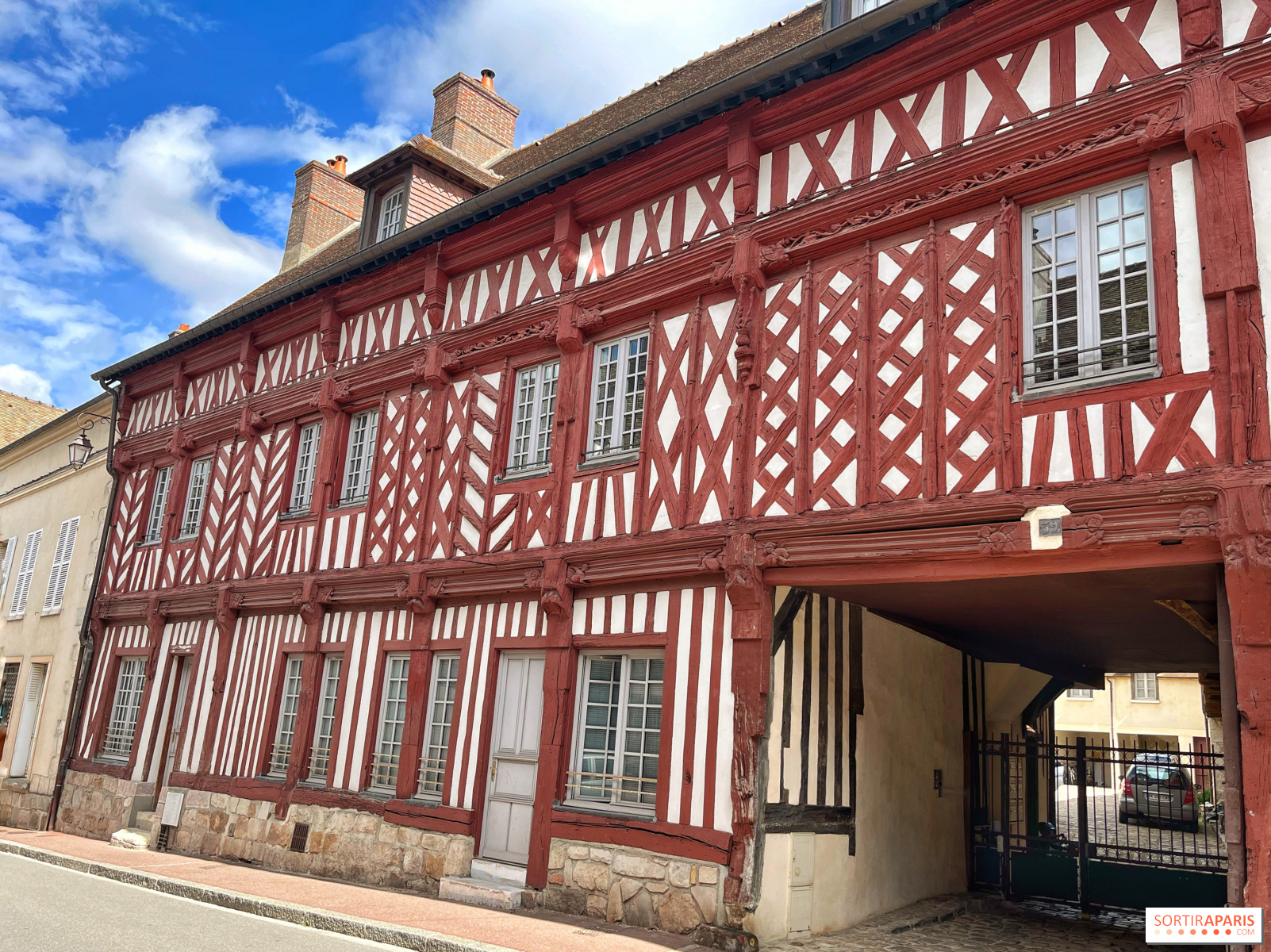
The Ecu de France was Houdan’s oldest and most significant inn, according to records dating back to 1569. It consisted of buildings at 37, 39, and 41 rue de Paris. Sculptures depicting wheat sheaves and grape clusters on the facade were meant to invite travelers to stop by.
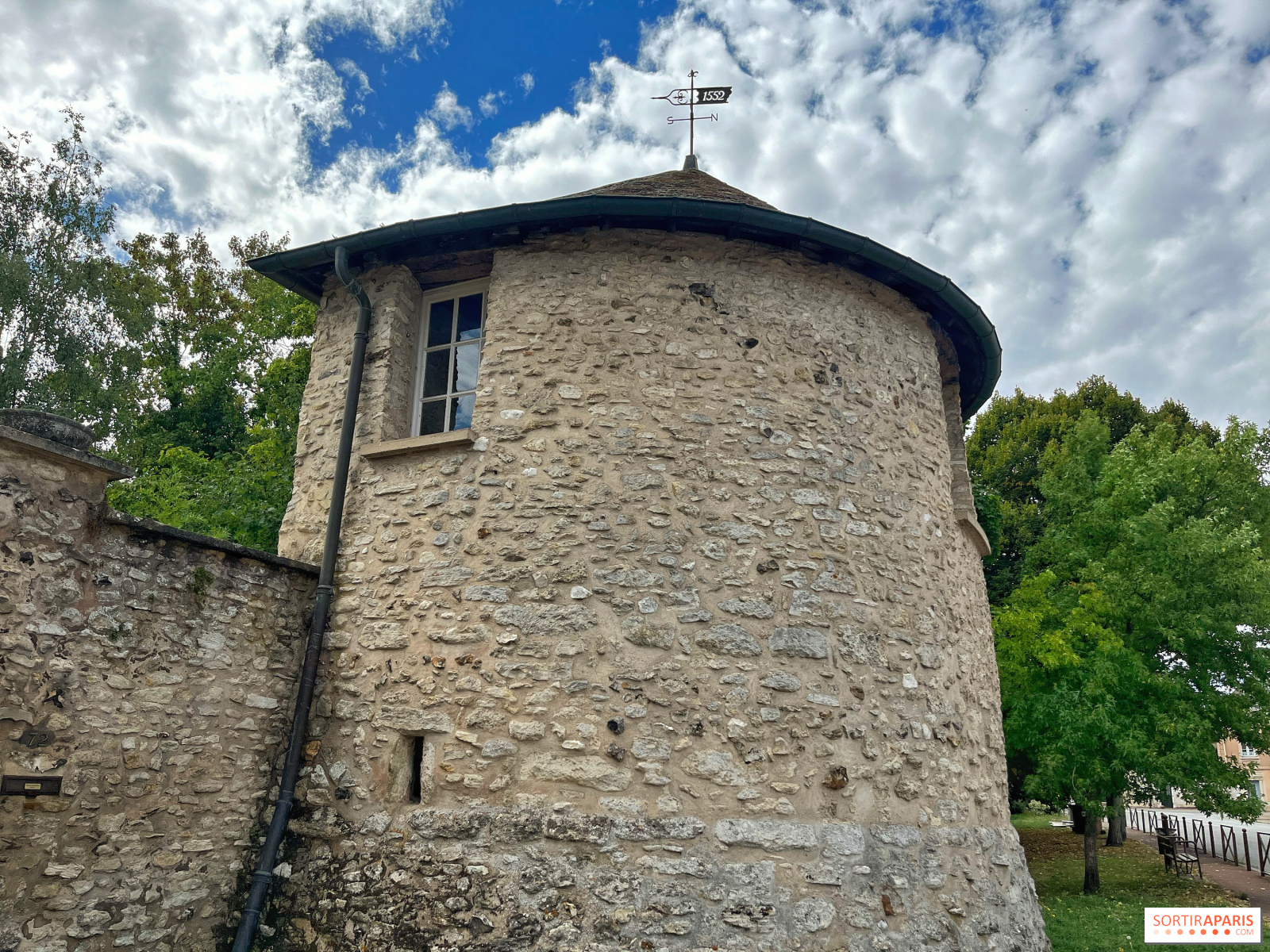
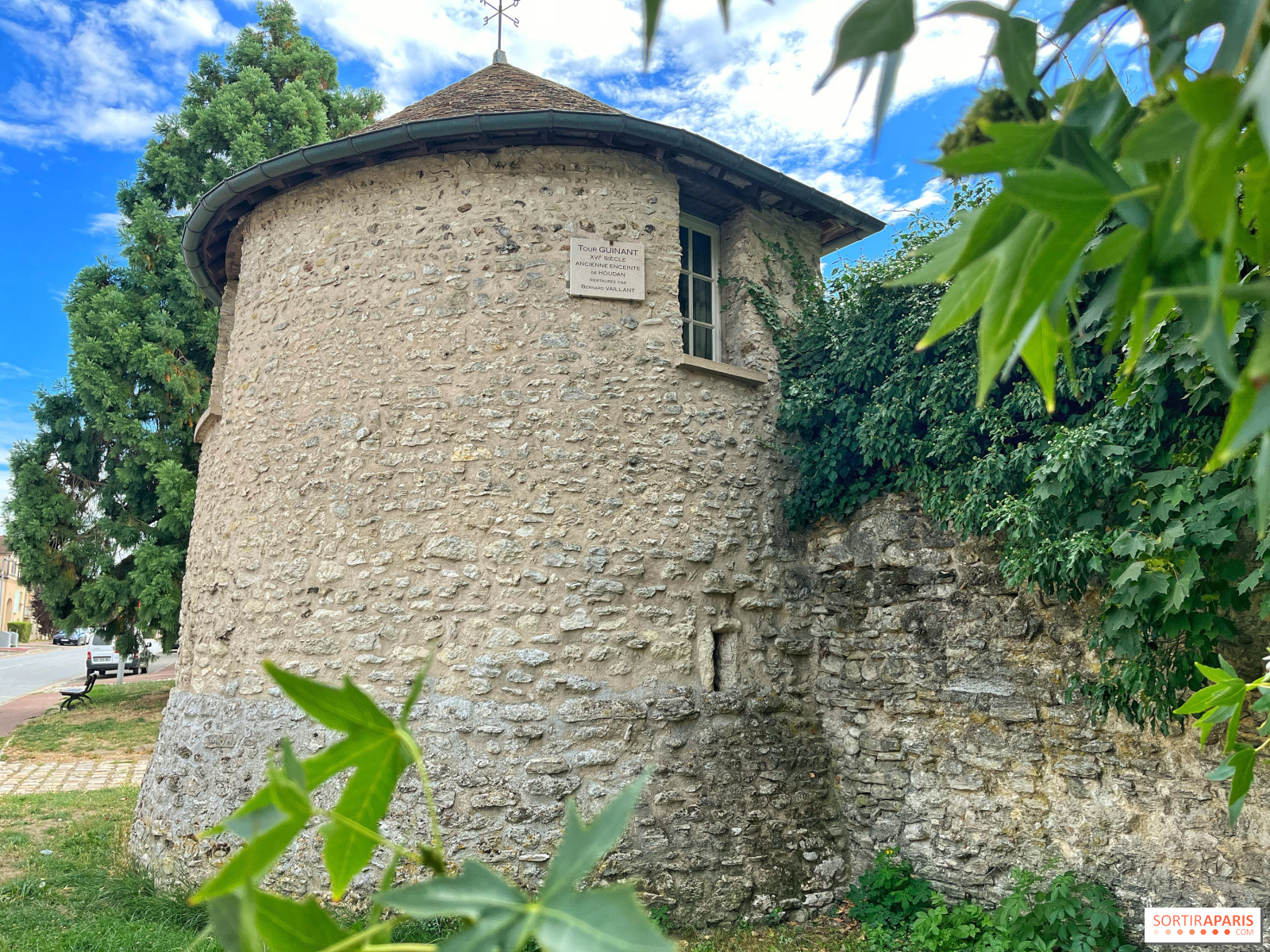
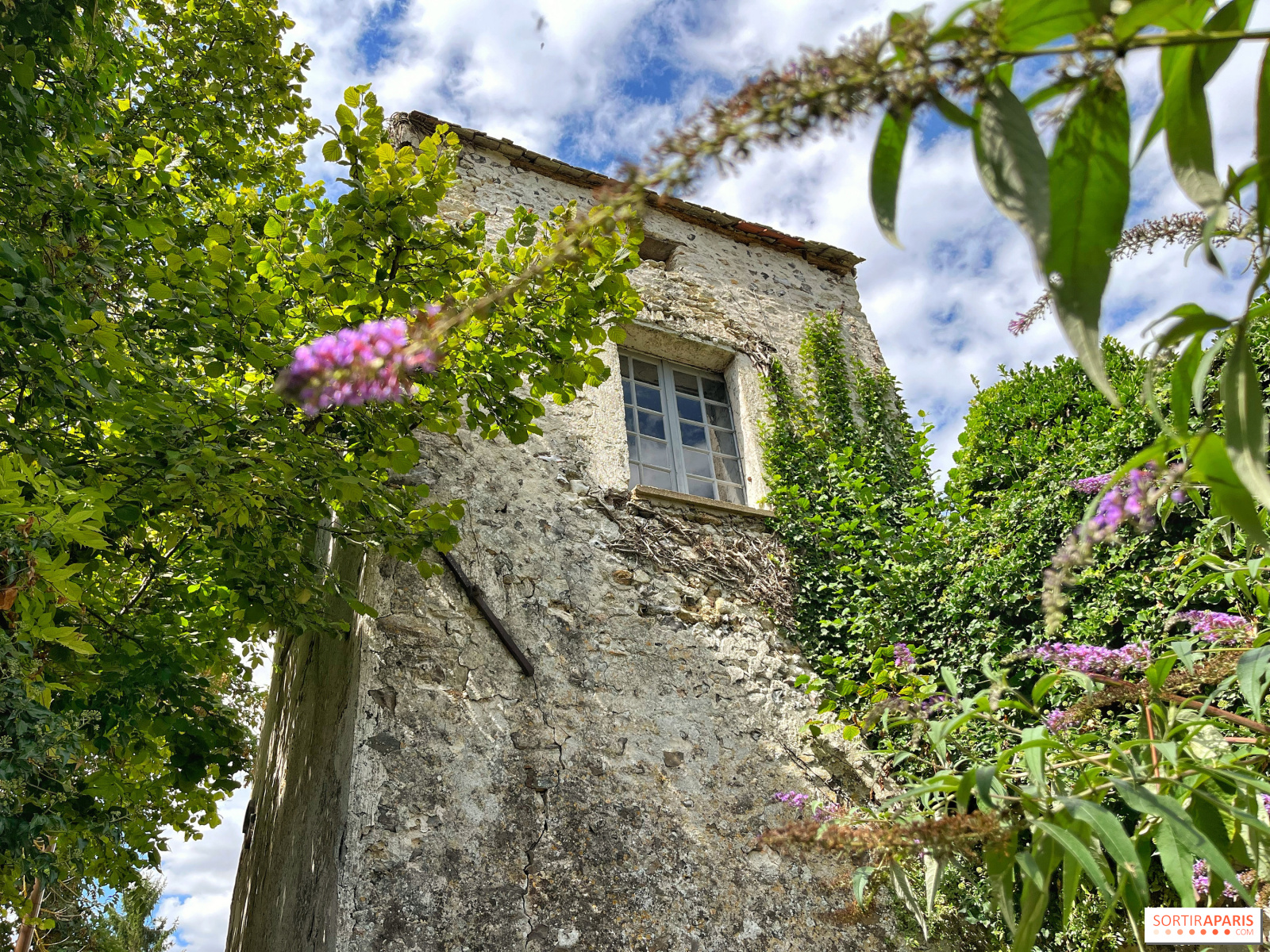
Located on rue des Remparts, the Tower is remarkably well-preserved and blends seamlessly into the urban landscape, situated near residential areas. It is positioned more centrally within the town than the other two towers.
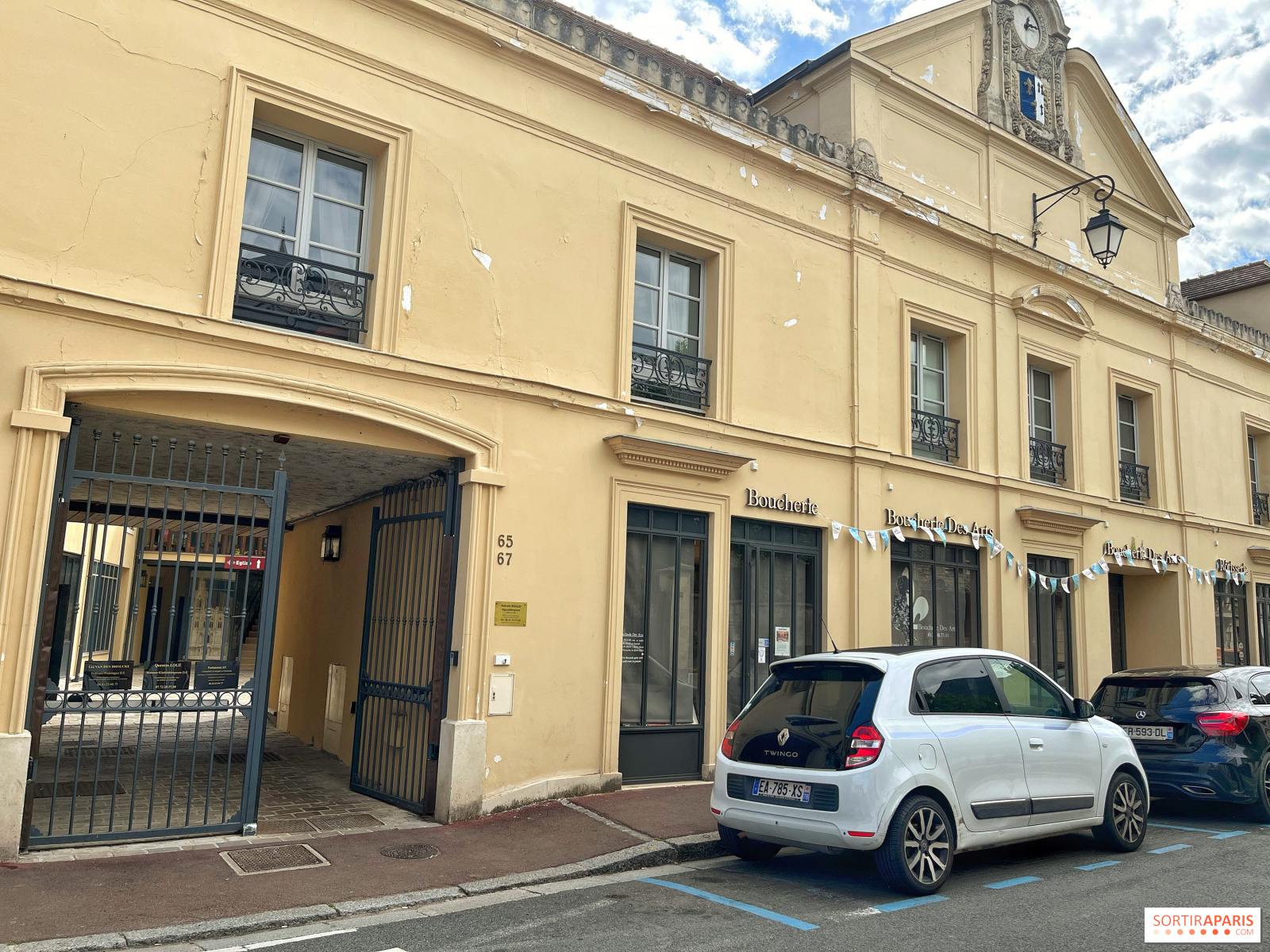
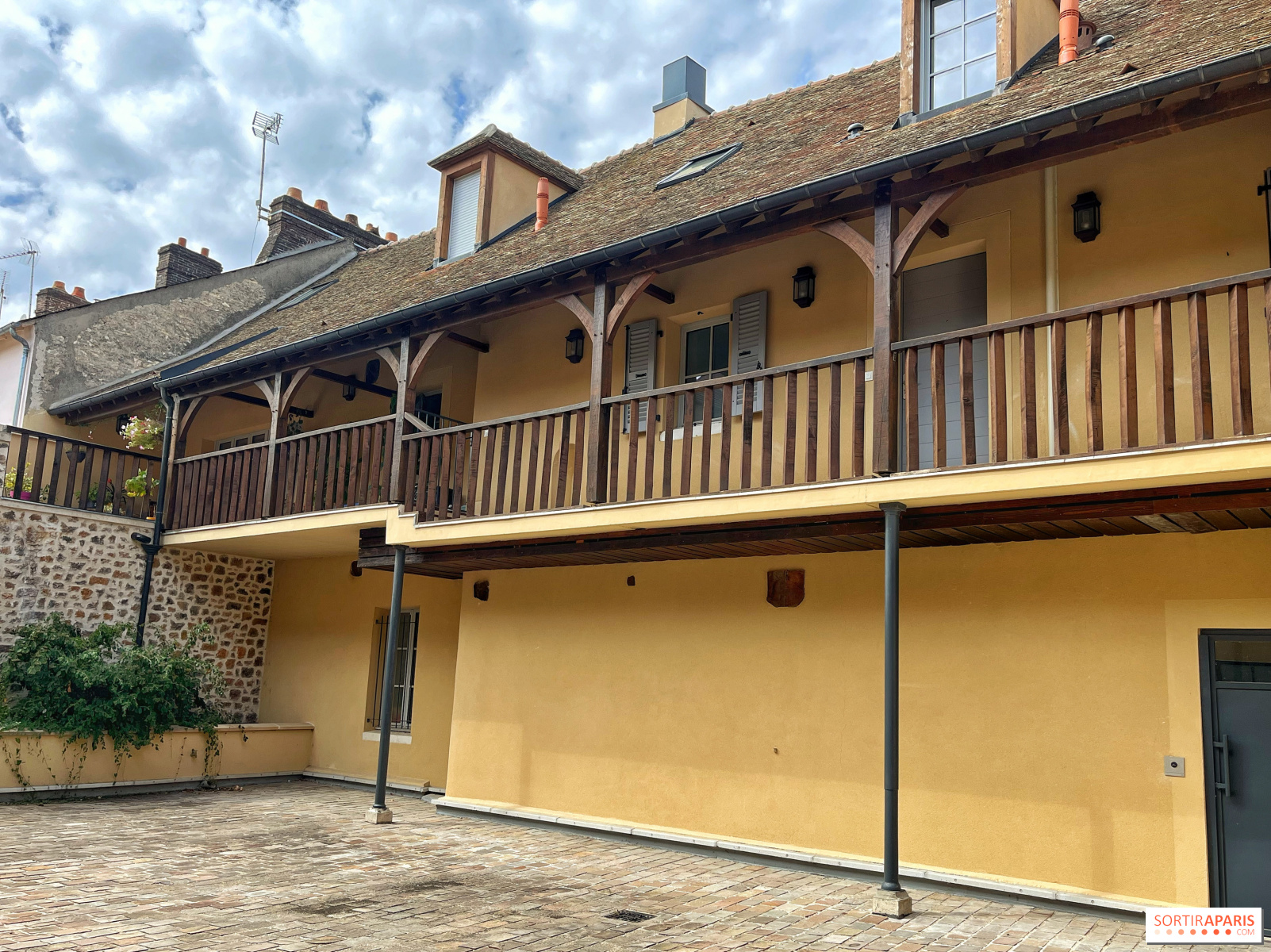
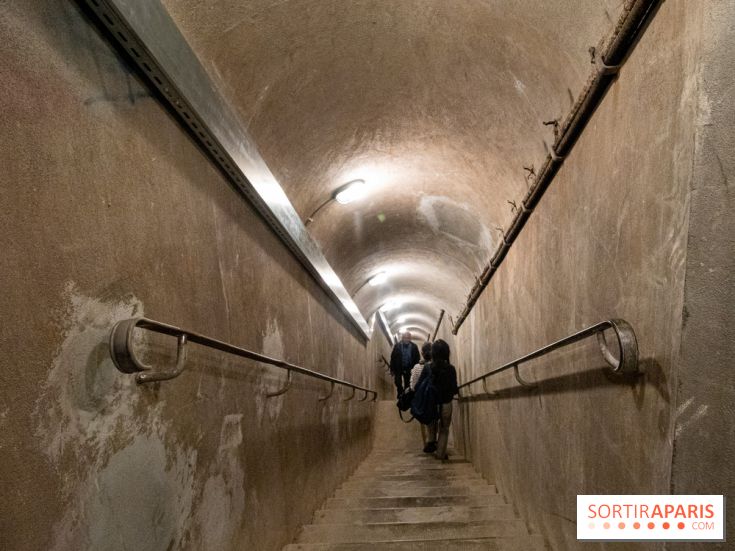
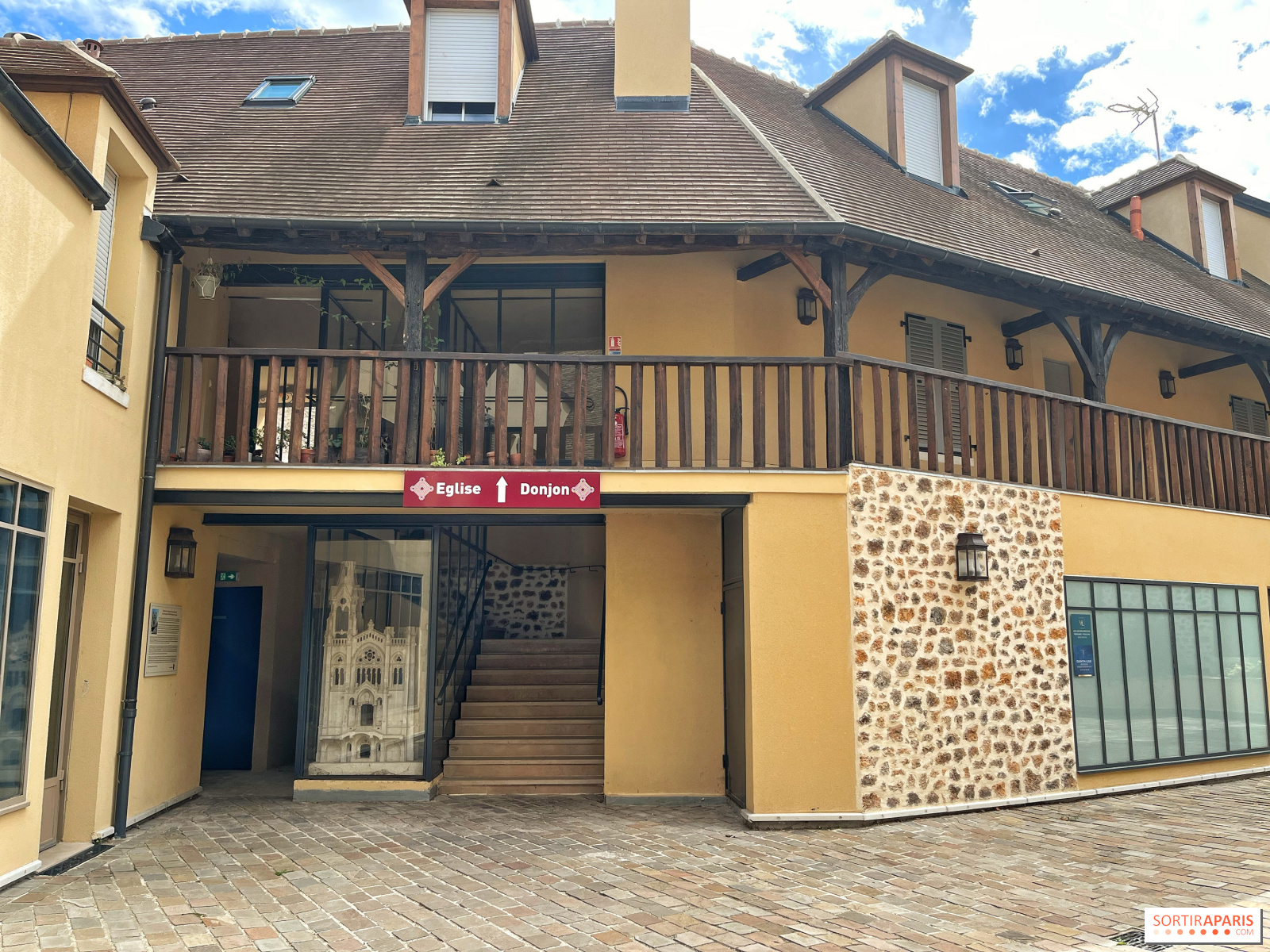
At 65 rue de Paris, you’ll find one of the oldest inns, its name appearing on maps dating from 1692. Originally a medieval inn and later an administrative center for the town, it also housed gendarmes' quarters and tax offices. Its exterior facade features a town crest symbolizing Houdan's dual allegiance to the Kingdom of France and the Duchy of Brittany. Renovated in 2018, its courtyard remains open to the public, complete with authentic wooden walkways. An underground passage, created for quick access to the Rue des Fossés, also exists within the premises.
Located at 94 rue de Paris, this inn is famously associated with The Seznec Affair. On May 25, 1923, Guillaume Seznec and Pierre Quemeneur dined there after their car broke down on the way to Paris. Later that night, Quemeneur made a phone call and took a train at almost 10 p.m., never to be seen again. His friend was then accused of murder and forgery, despite maintaining his innocence.

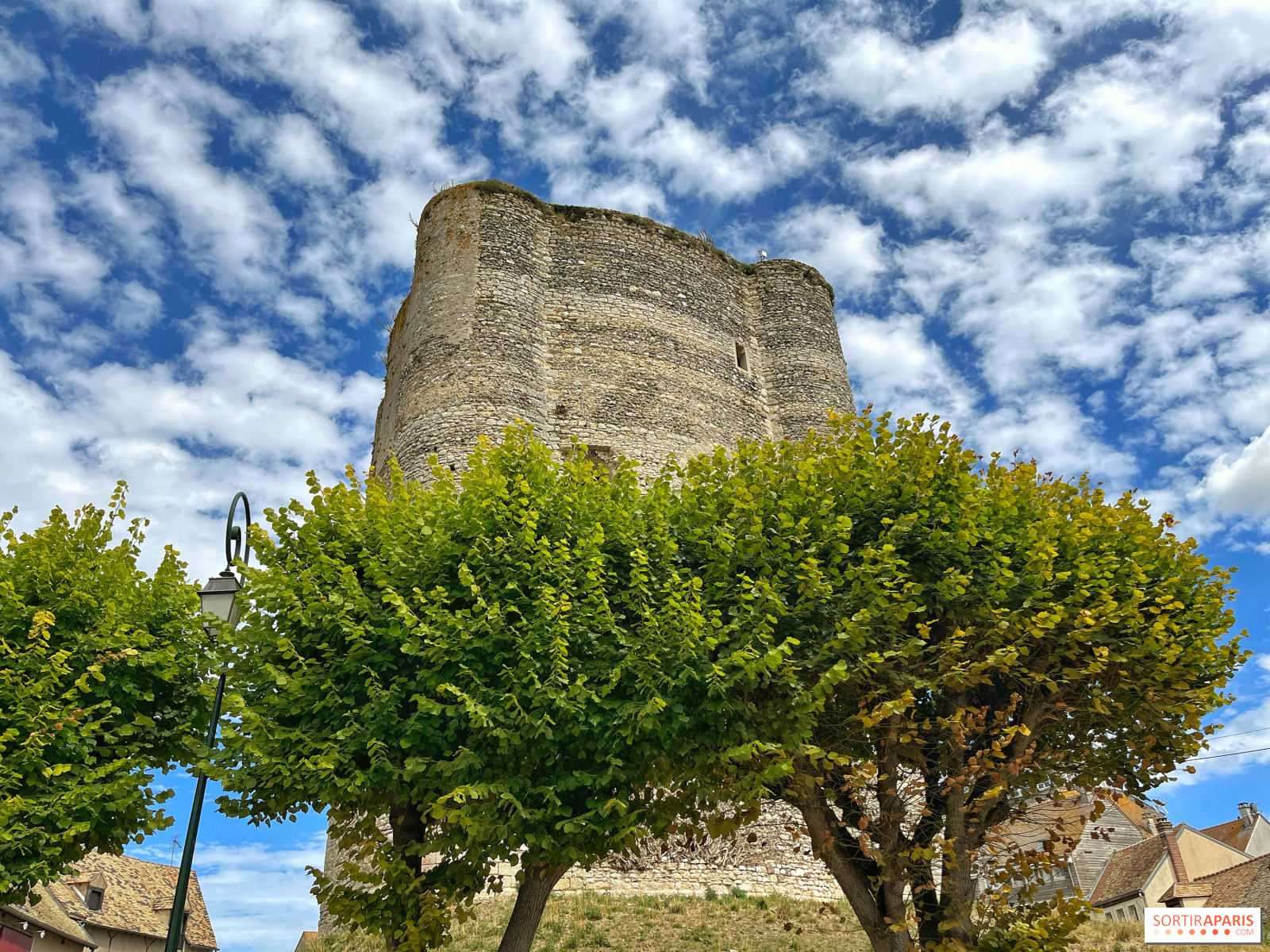
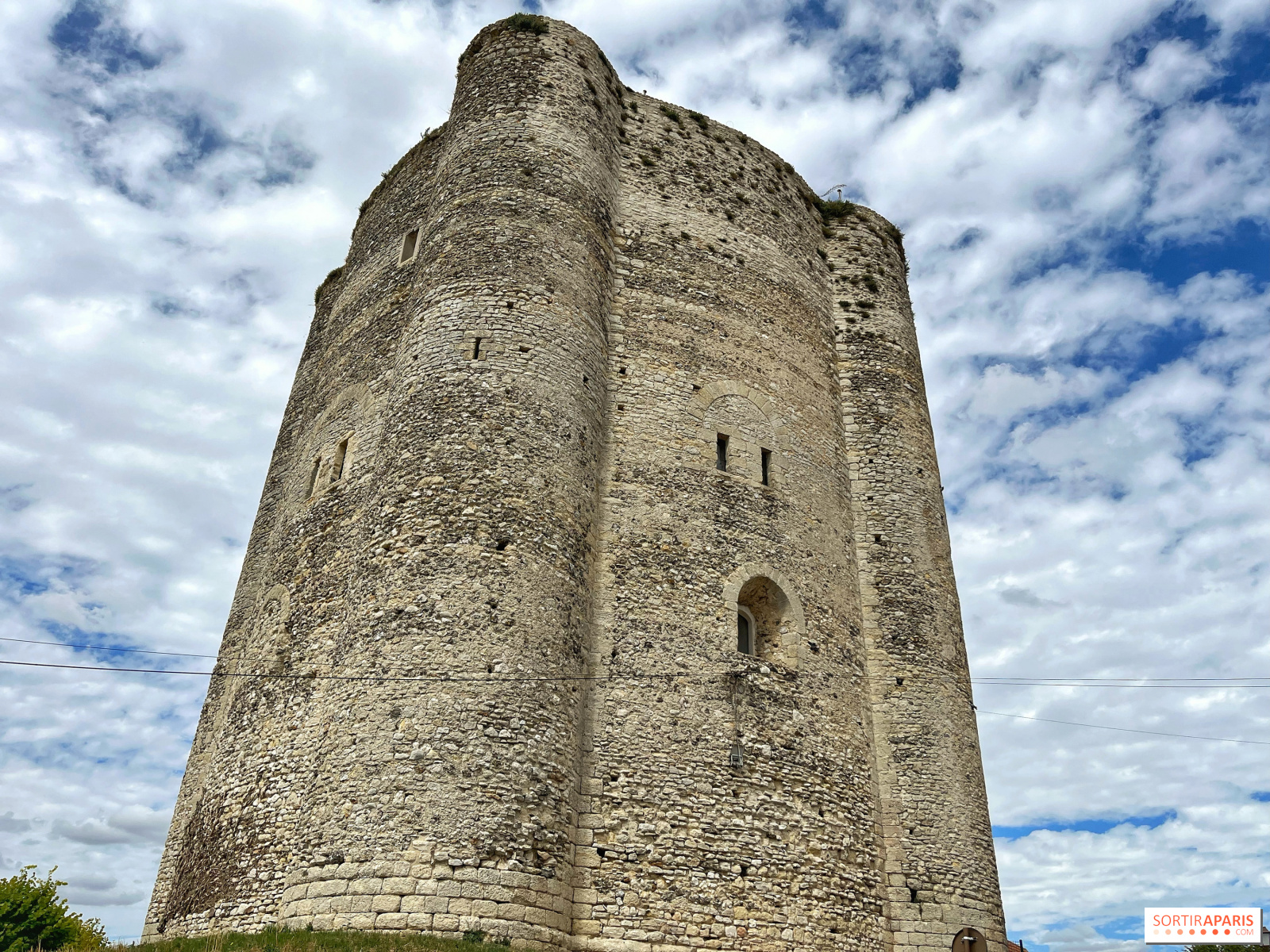
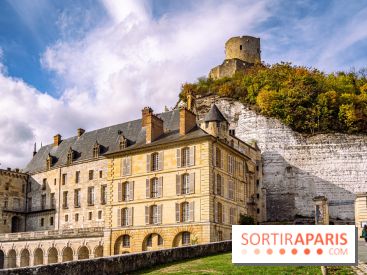
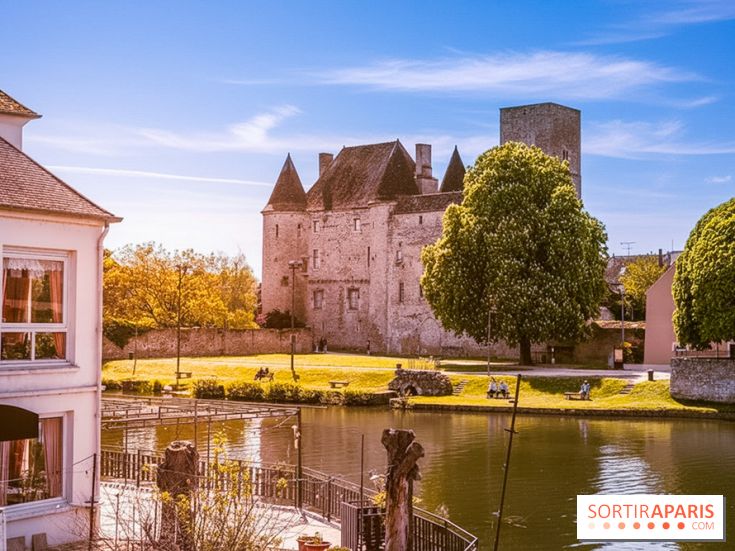
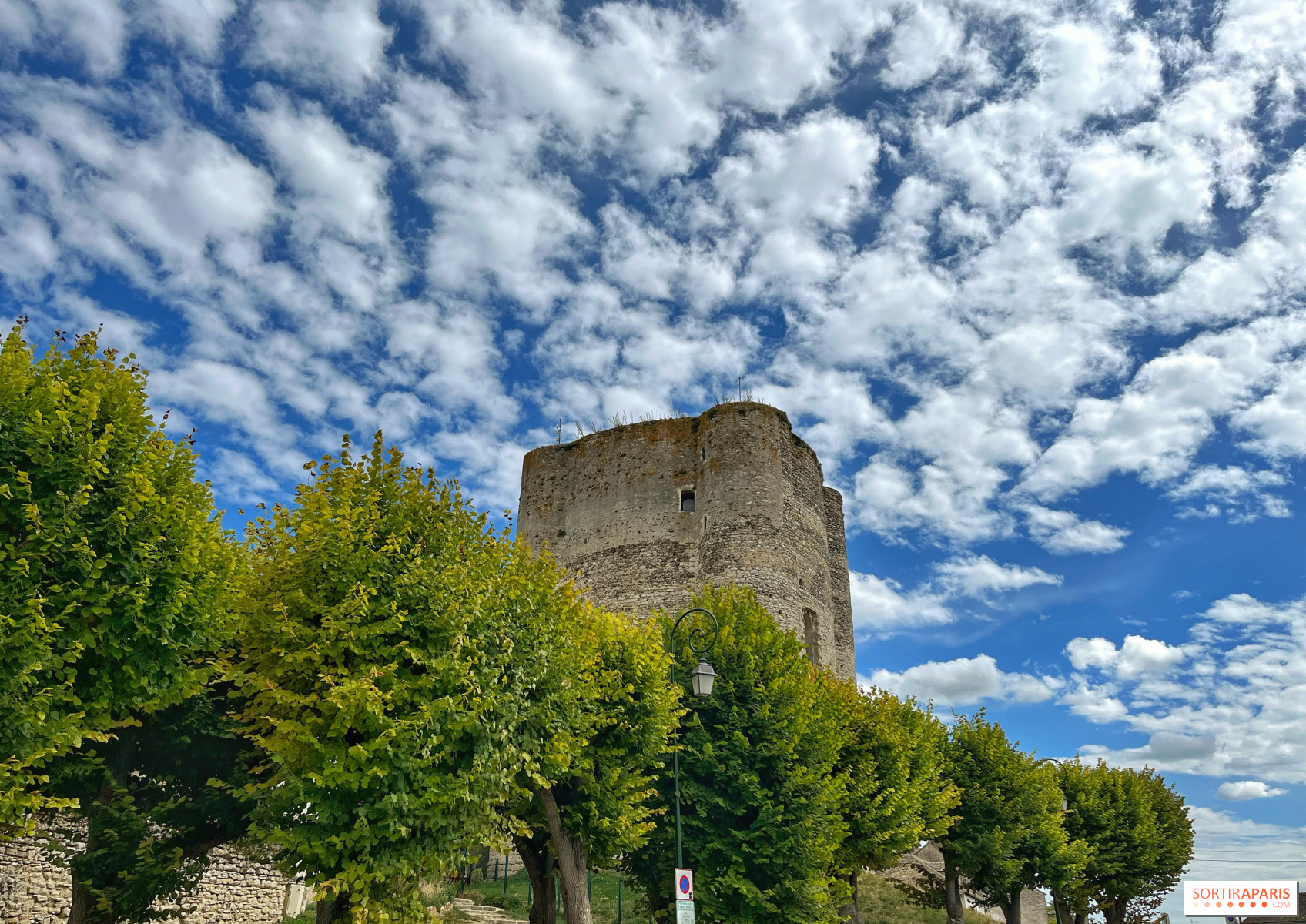
It's the highlight of the visit! Built between 1125 and 1132 during the reign of Amaury III, the keep was used to watch out for enemies and defend the town. Comprising a tower 15m in diameter and 25m high, it has 4 turrets. In the 16th century, the monument was used as a prison, and executions took place at the foot of the tower. In 1880, a first water reservoir was installed, replaced in the 1970s by a second. After a lengthy renovation, it is now open to visitors on Wednesdays, Fridays, Saturdays and one Sunday a month, with exhibitions for younger visitors and a panoramic view of the city from the top. Full price: 5 euros; children aged 6-18: 3 euros.
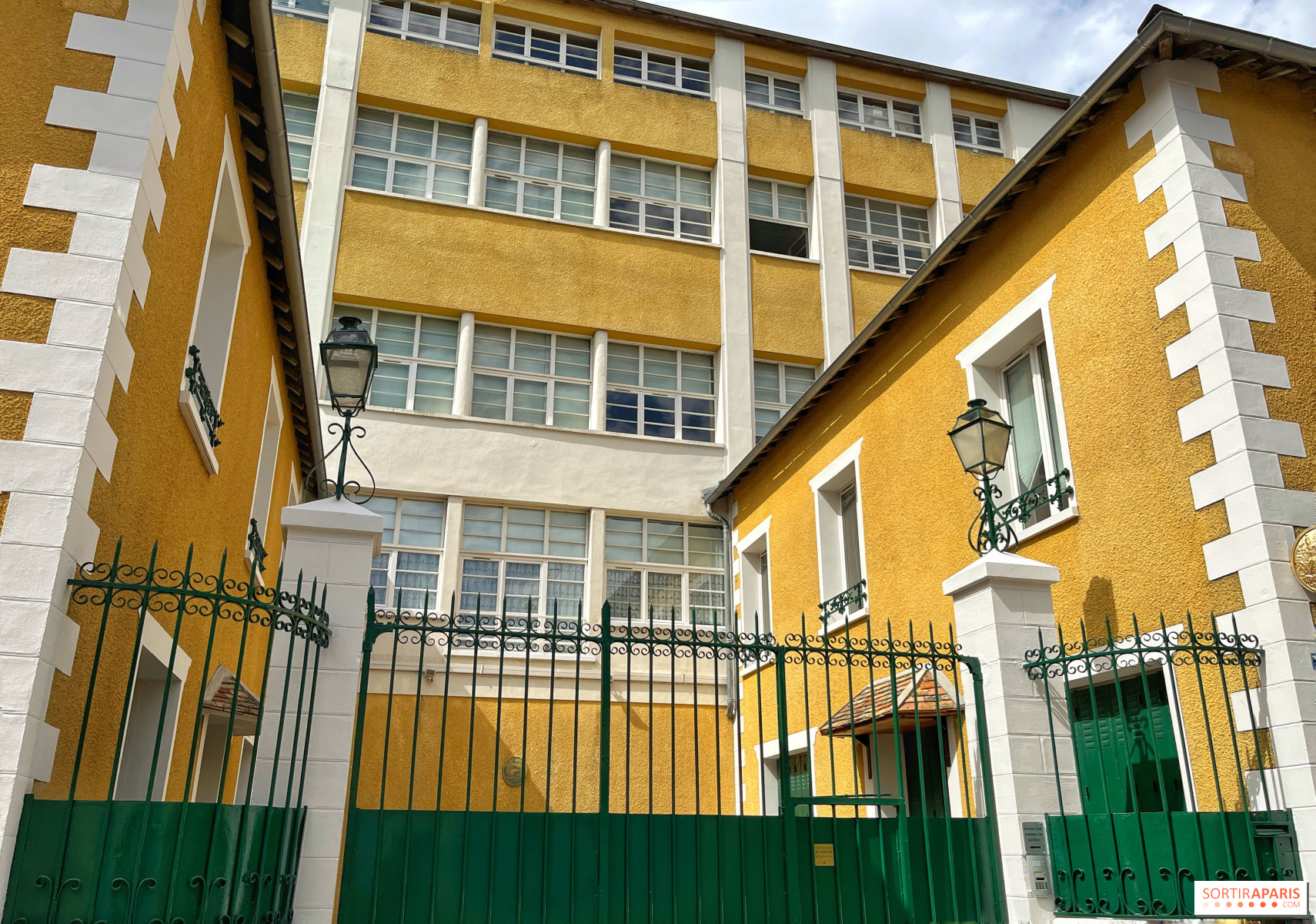
This strikingly colored building once housed a factory that, between the 19th and 20th centuries, produced the famous Boldoflorine herbal tea. Pierre Fouché crafted his own spirits here, including Houdanais Guignolet, cider, and absinthe. The latter was banned in 1915, prompting a shift to pharmaceutical products and herbal teas. Boldoflorine became a major commercial success, even promoted on the radio, but production ceased in 1999. Today, the former factory has been repurposed into apartments and offices, retained within the original structure nestled between Rue du Mont-Rôti and Passage de la Boldo.
They can be seen on the Chemin de la Croix aux Pèlerins, surrounded by the surrounding walls. Their construction was authorized by François 1er in the 16th century, as the old fortifications were becoming too narrow.
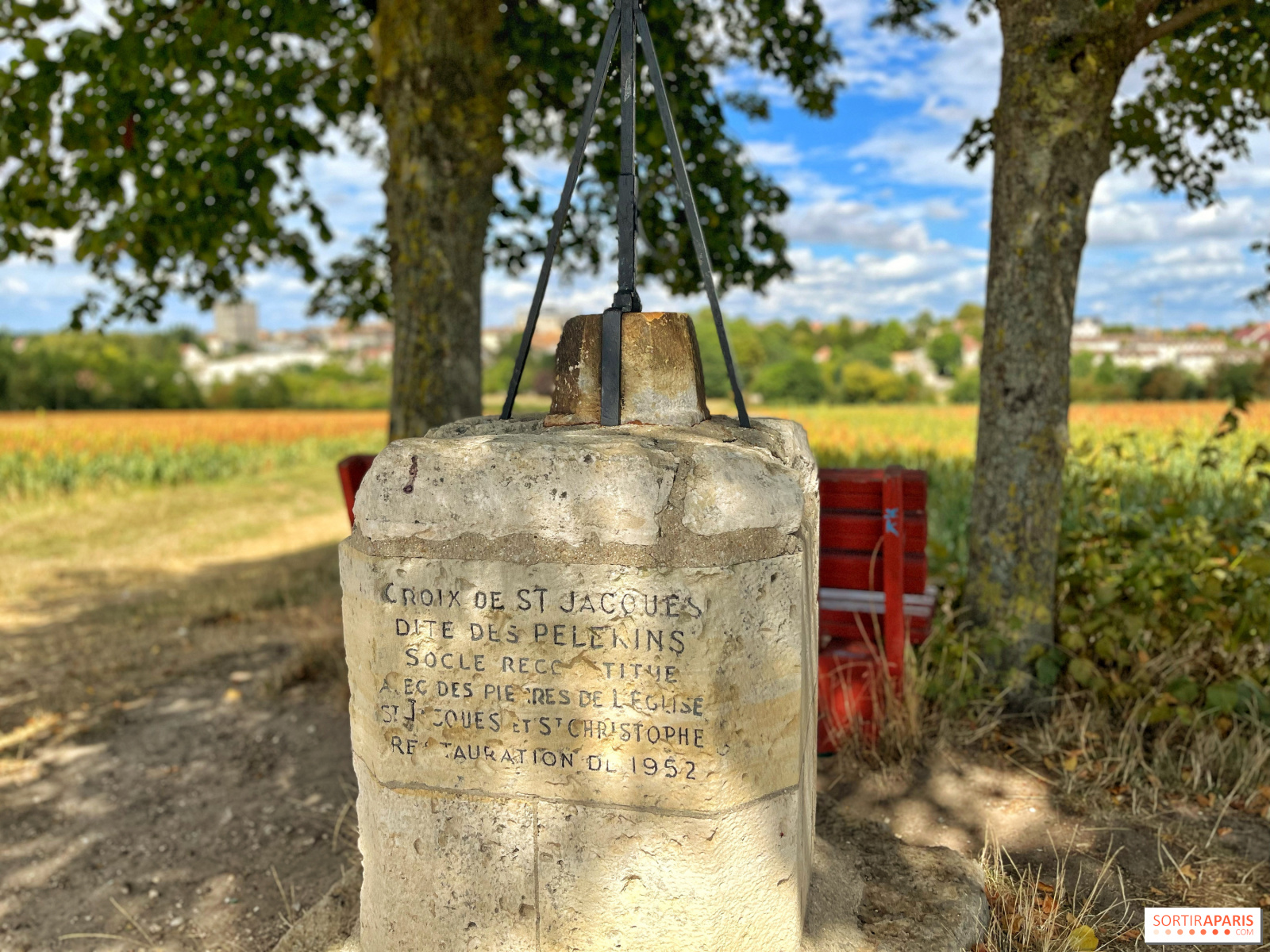
This cross was erected in tribute to the first pilgrims to set off from Houdan for Montserrat in 1582. This pilgrimage led from the medieval town to Spain, in the center of Catalonia, where since the Middle Ages, a wooden statue of the Black Madonna has attracted pilgrims. The site, sheltered by the only two trees in the vicinity, offers a lovely view and another vantage point over the medieval town.
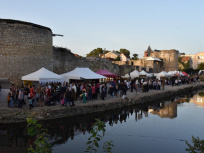
Today, the town of Houdan has no shortage of activities, with the presence of a contemporary art center, La Tannerie, numerous eclectic shops and an annual festival, the Foire Saint-Matthieu, which takes place on the last weekend of September.
So, shall we take a little tour of the Yvelines?
Dates and Opening Time
Next days
Wednesday:
open
Thursday:
open
Friday:
open
Saturday:
open
Sunday:
open
Monday:
open
Tuesday:
open
Location
Houdan
houdan
78550 Houdan
Route planner
Accessibility info
Average duration
2 h