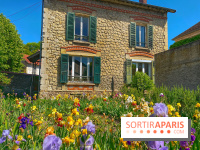
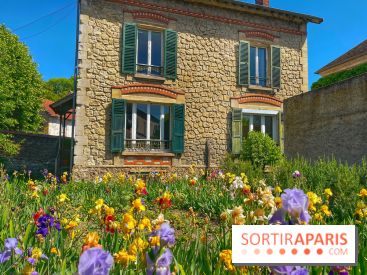
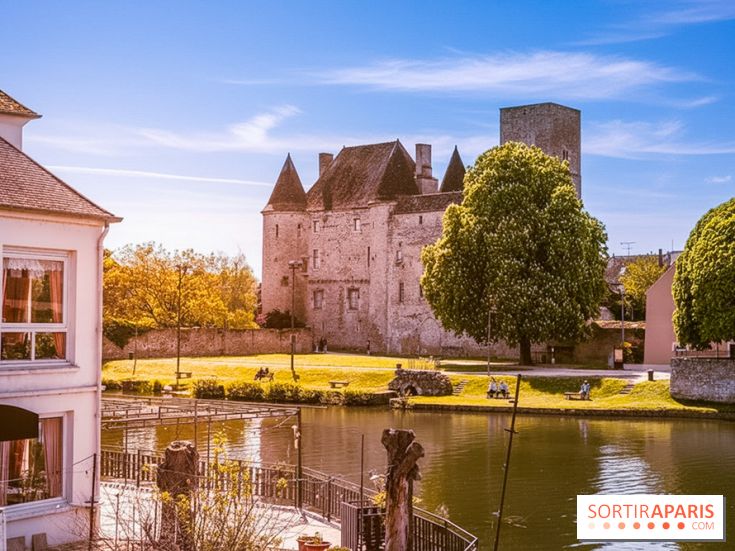
Located in the heart of Barbizon, Jean-François Millet's museum and studio offers a unique experience for art and history lovers. Immerse yourself in the atmosphere of the period and discover how this iconic artist left his mark on the history of painting.
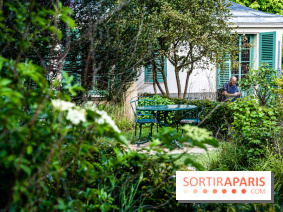
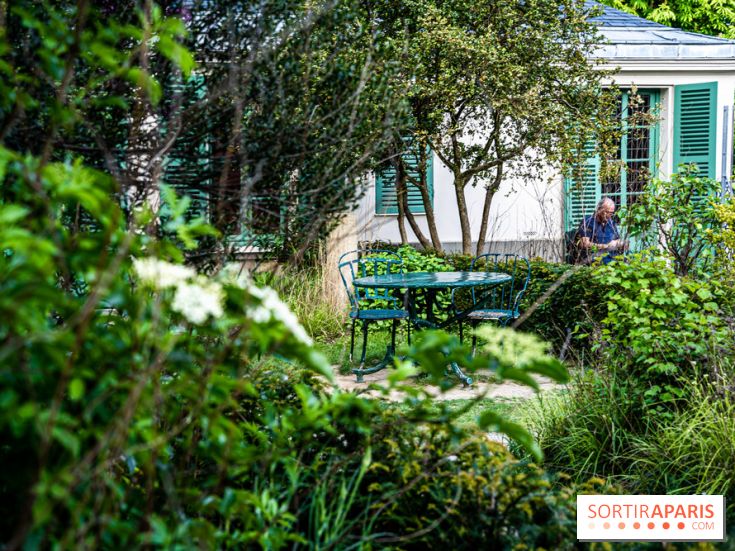
When you visit Barbizon, you can follow in the footsteps of Jean-François Millet and discover the landscape that so inspired him. It was here, in this small village on the edge of the Fontainebleau forest, that he produced most of his work, including the famous painting"L'Angélus" and"Les Glaneuses". The studio, now a museum, has been open to visitors since 1923. His home, in which he lived with his wife and 9 children, once located nearby, has unfortunately collapsed. Nothing remains of it, but his workshop, which was originally a large one, allows us to discover his history and his work.
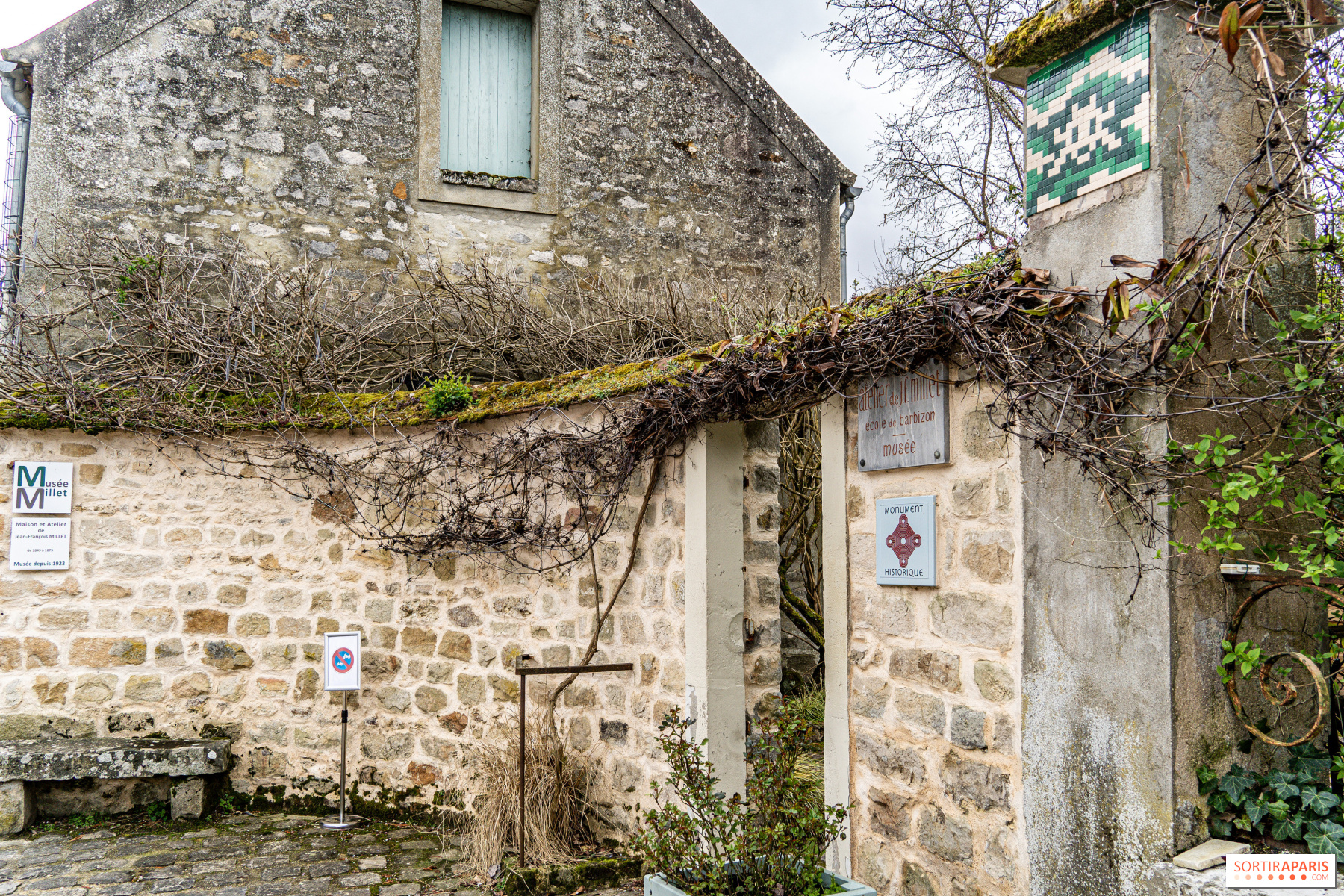
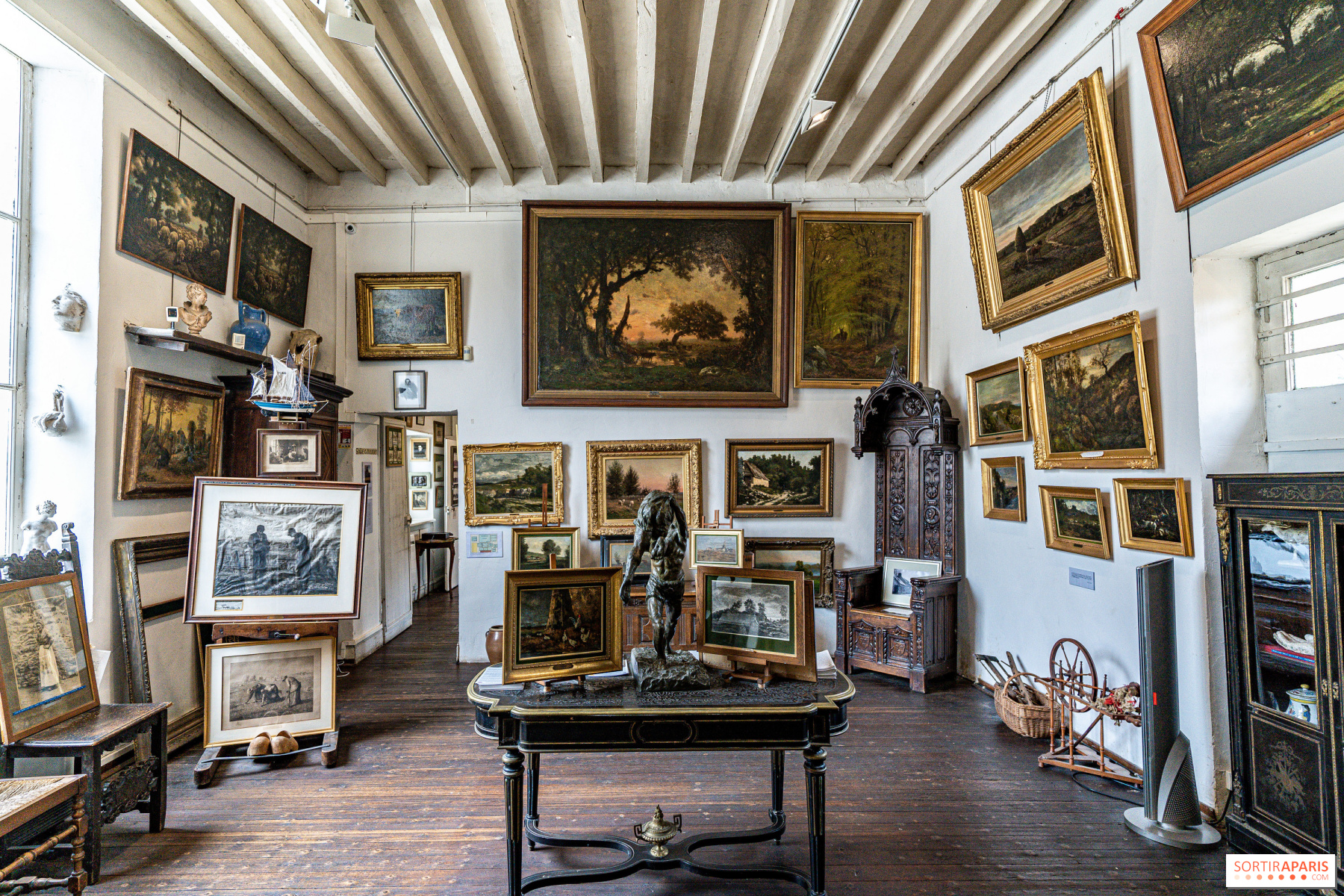
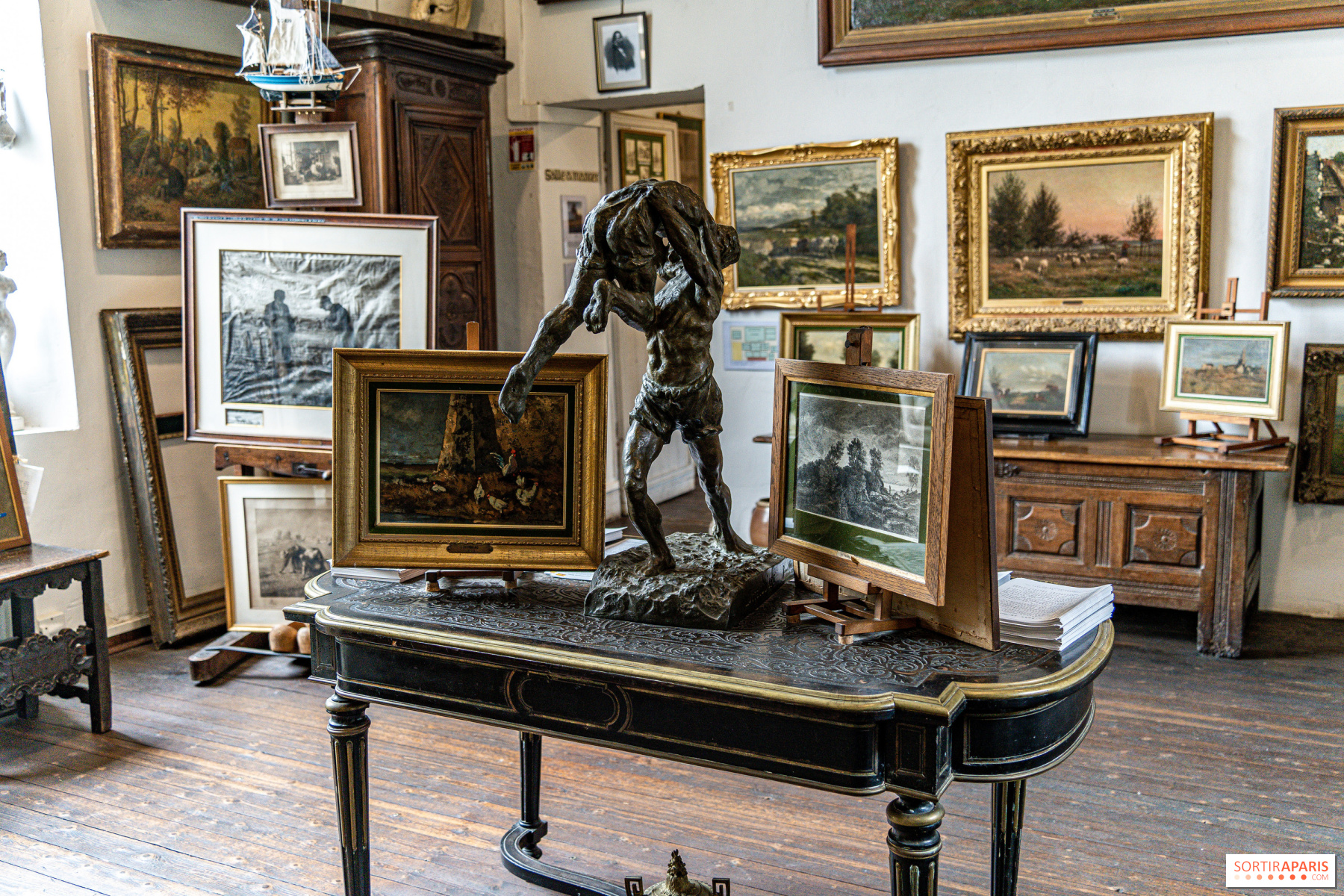
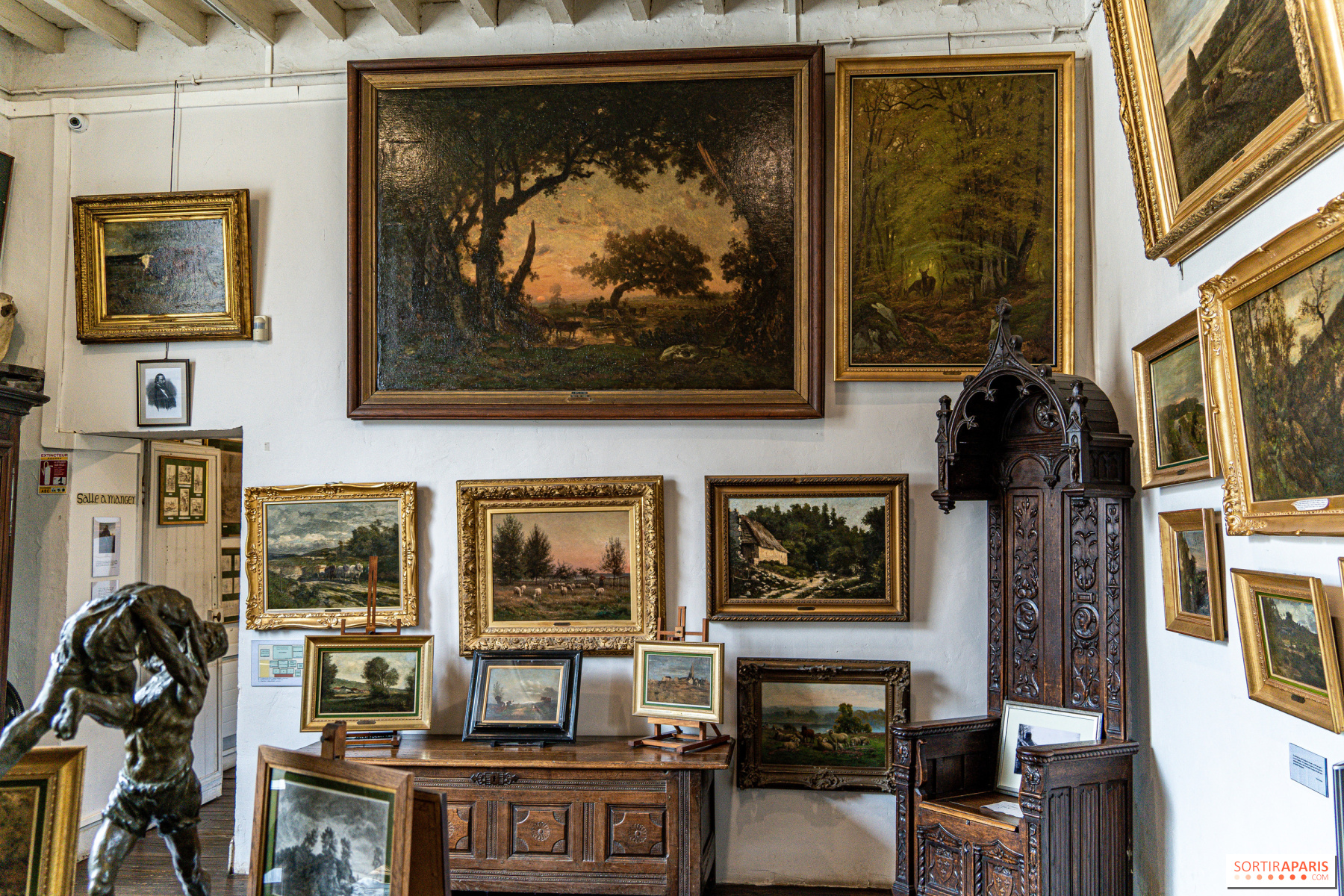
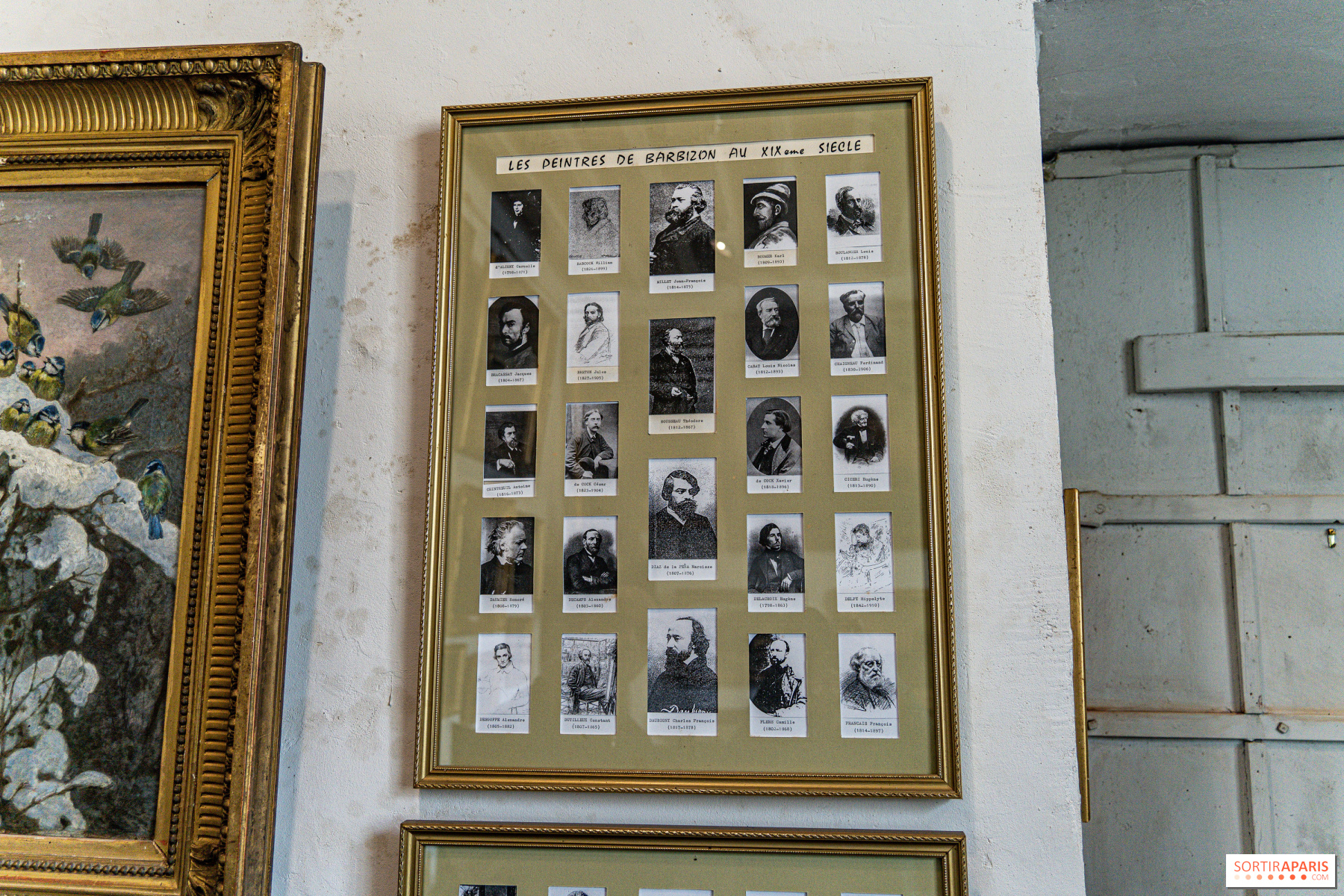
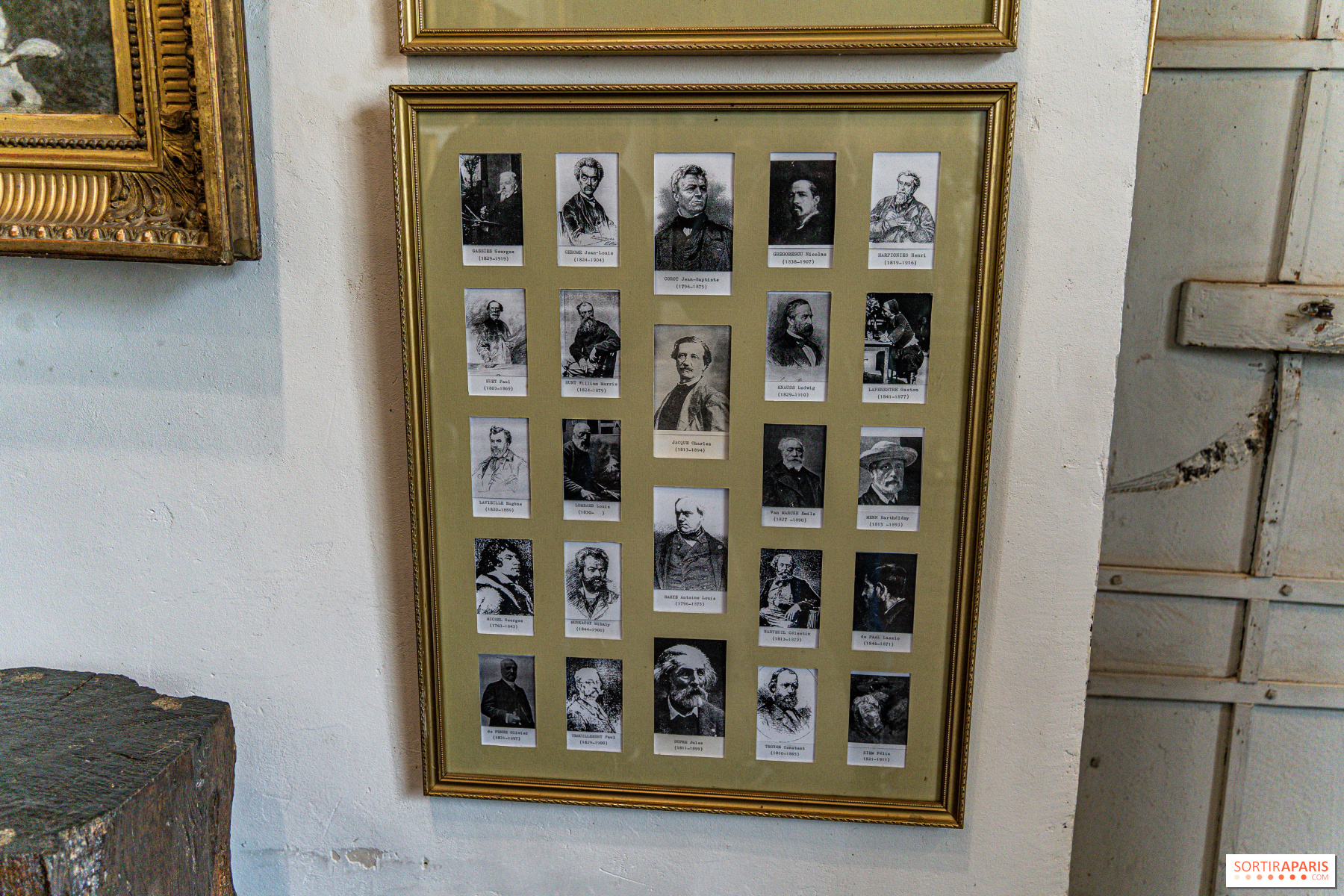
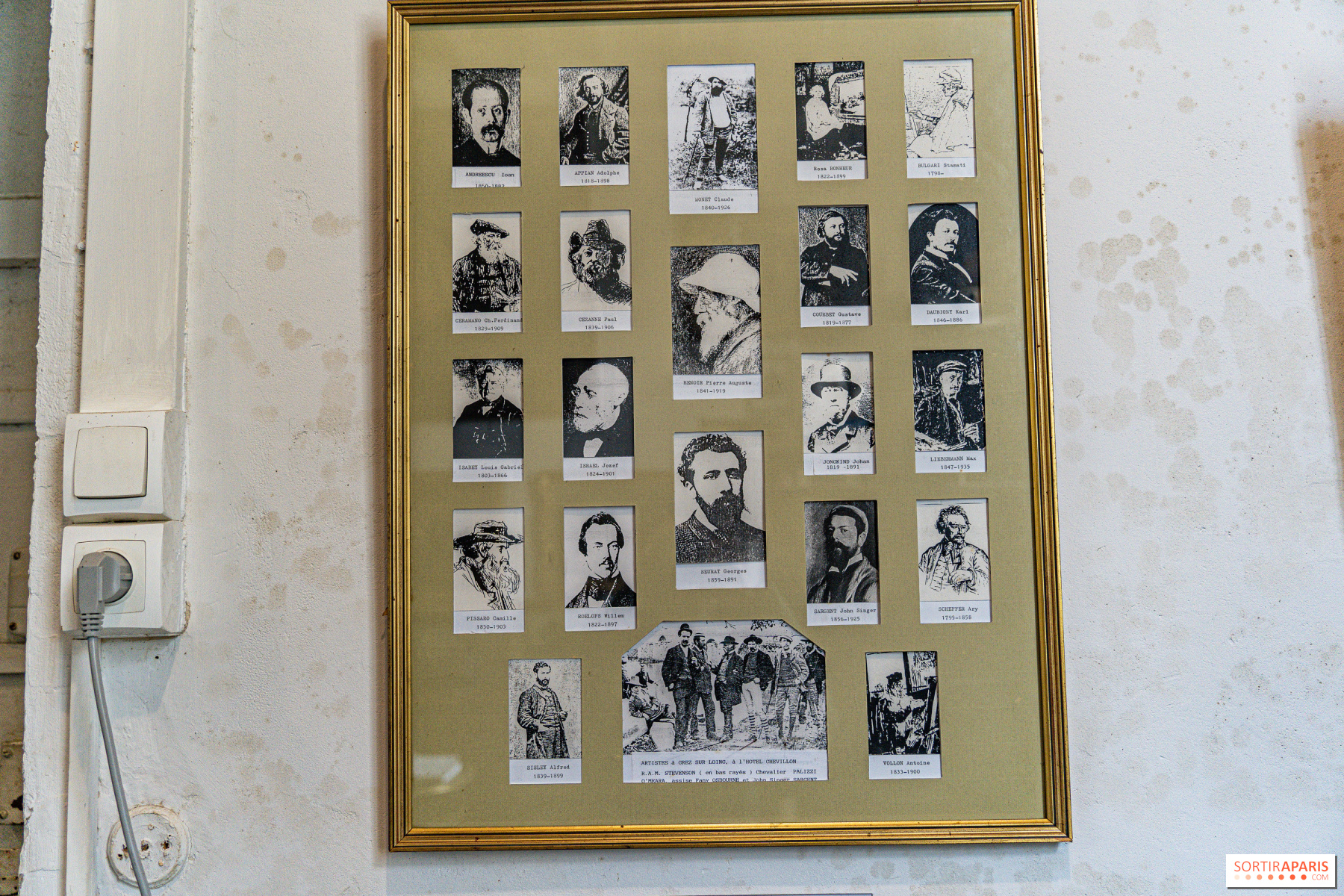
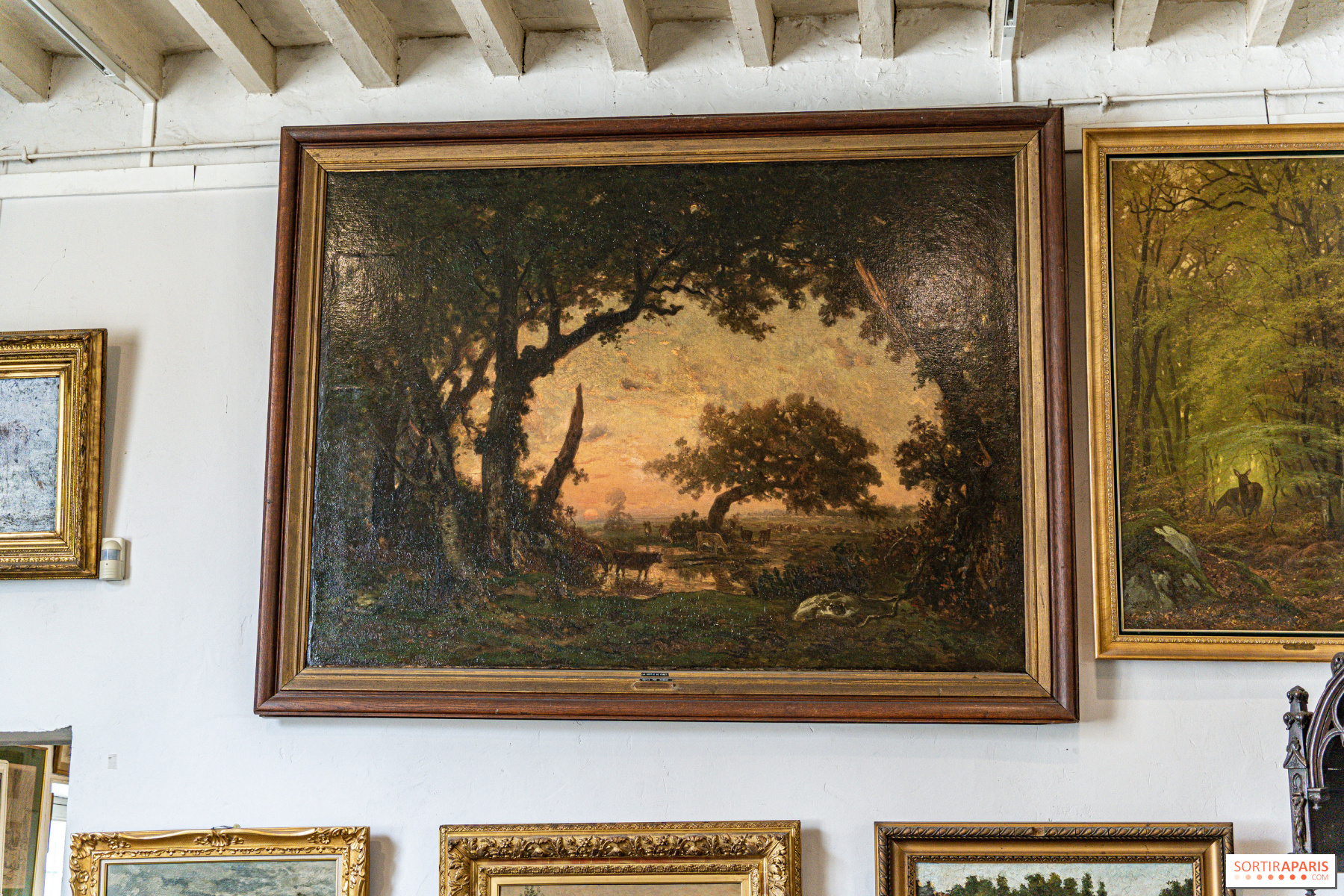
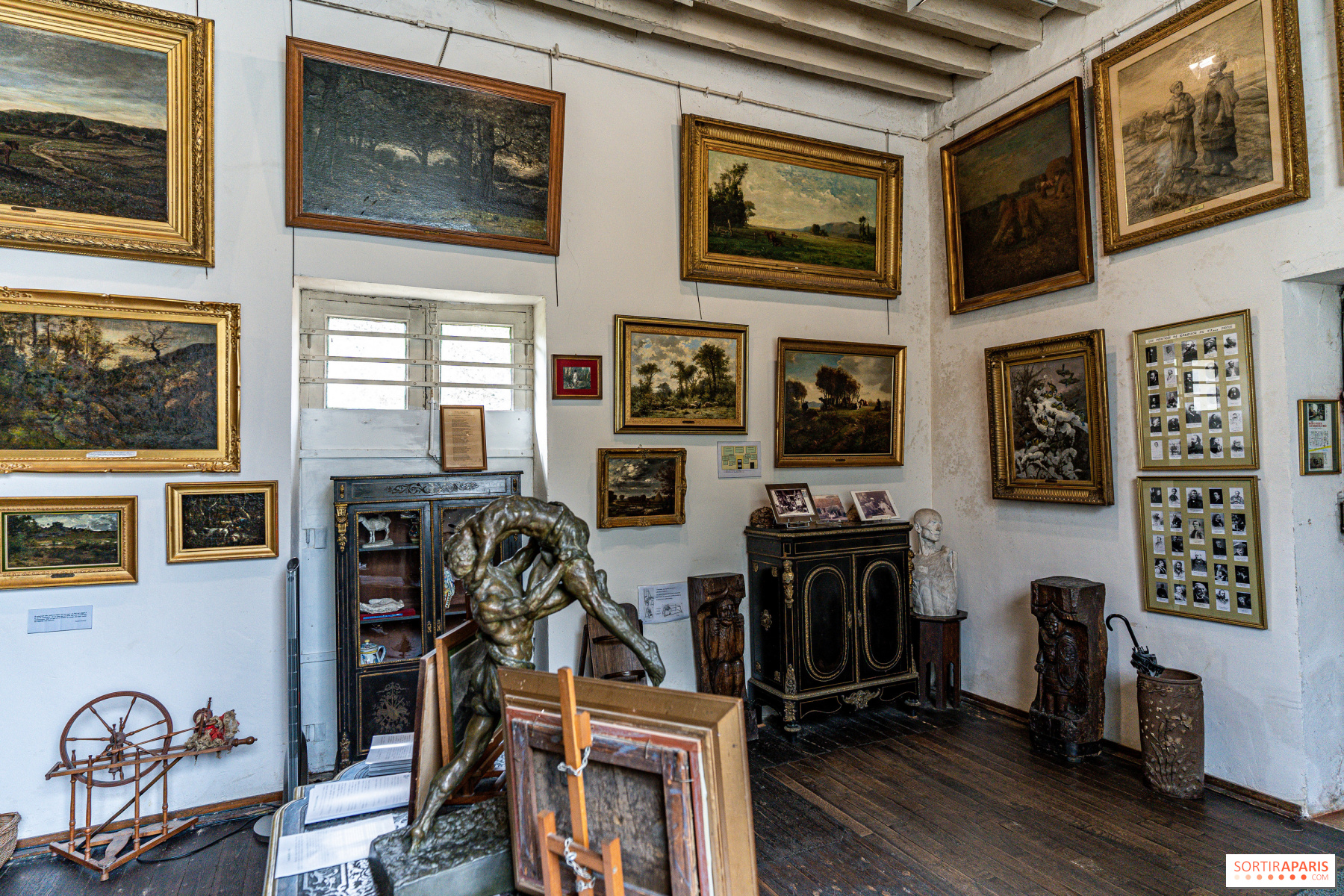
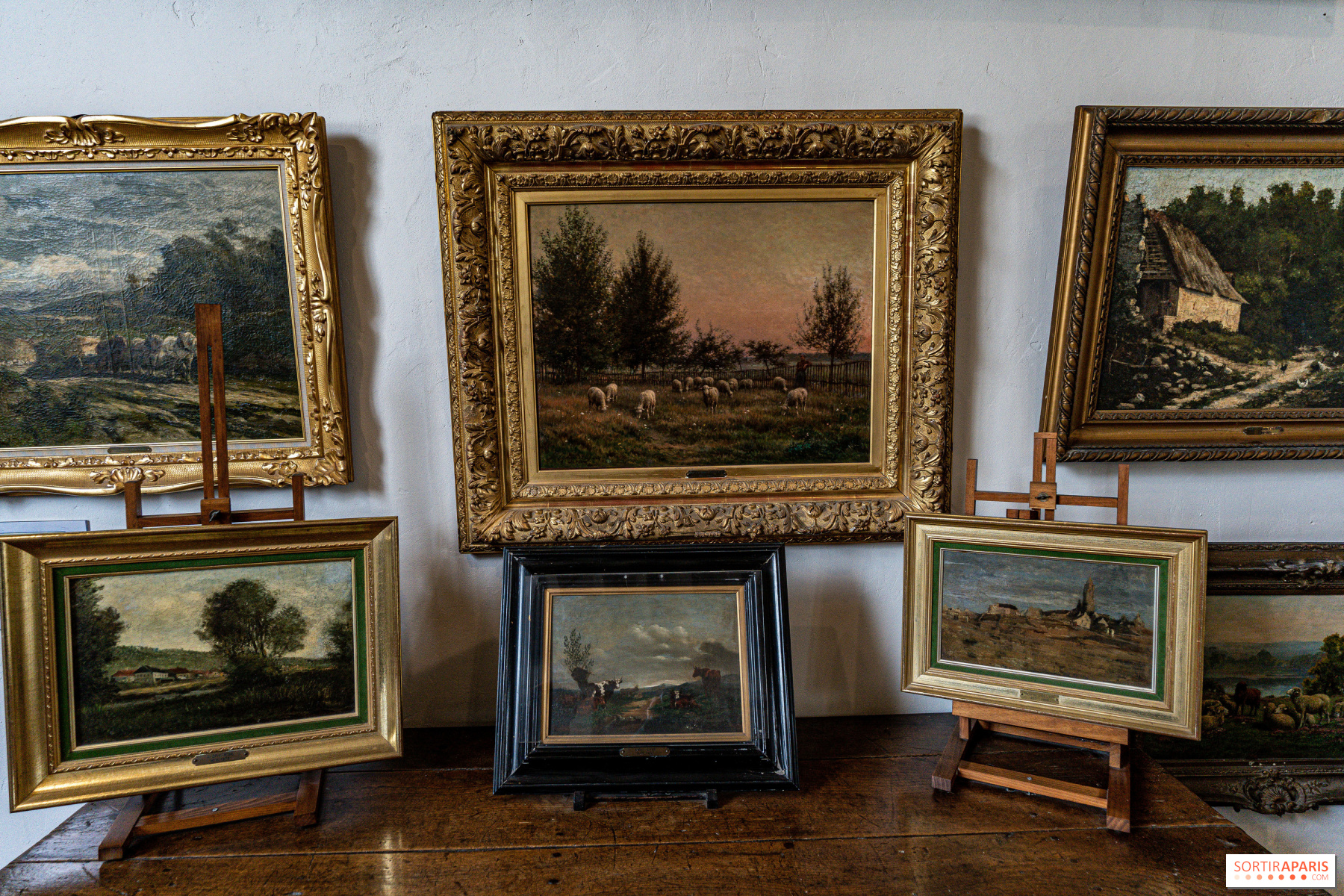
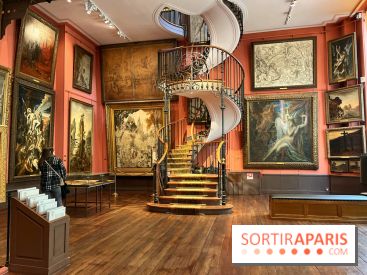
Jean-François Millet's museum and studio is a veritable goldmine for art enthusiasts. You'll find an impressive collection of works by 19th-century masters such as Rousseau, Anquetin, Courbet and Daubigny. More than 150 artists attended the Barbizon art school between 1840 and 1870, forming a major artistic movement.
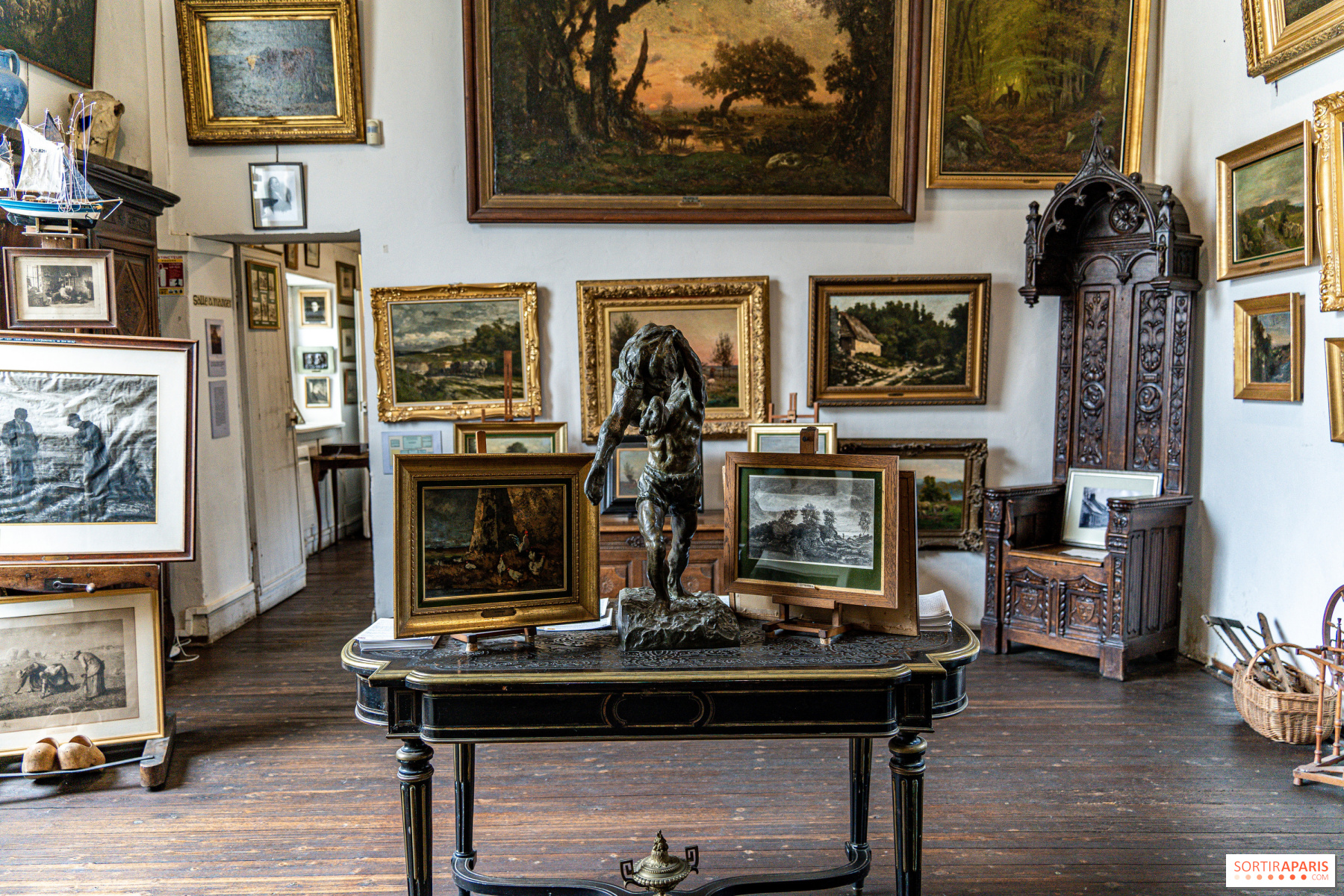
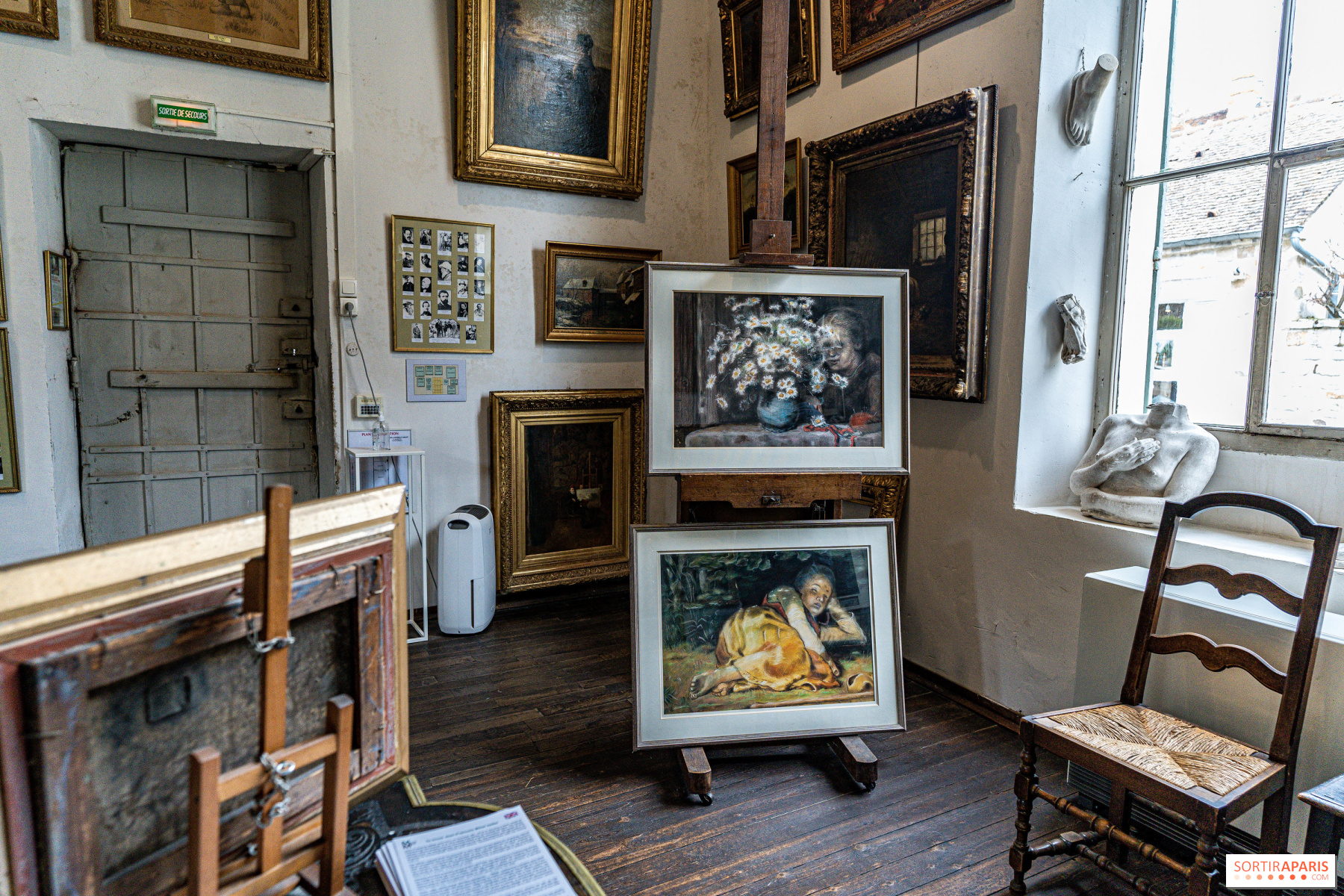
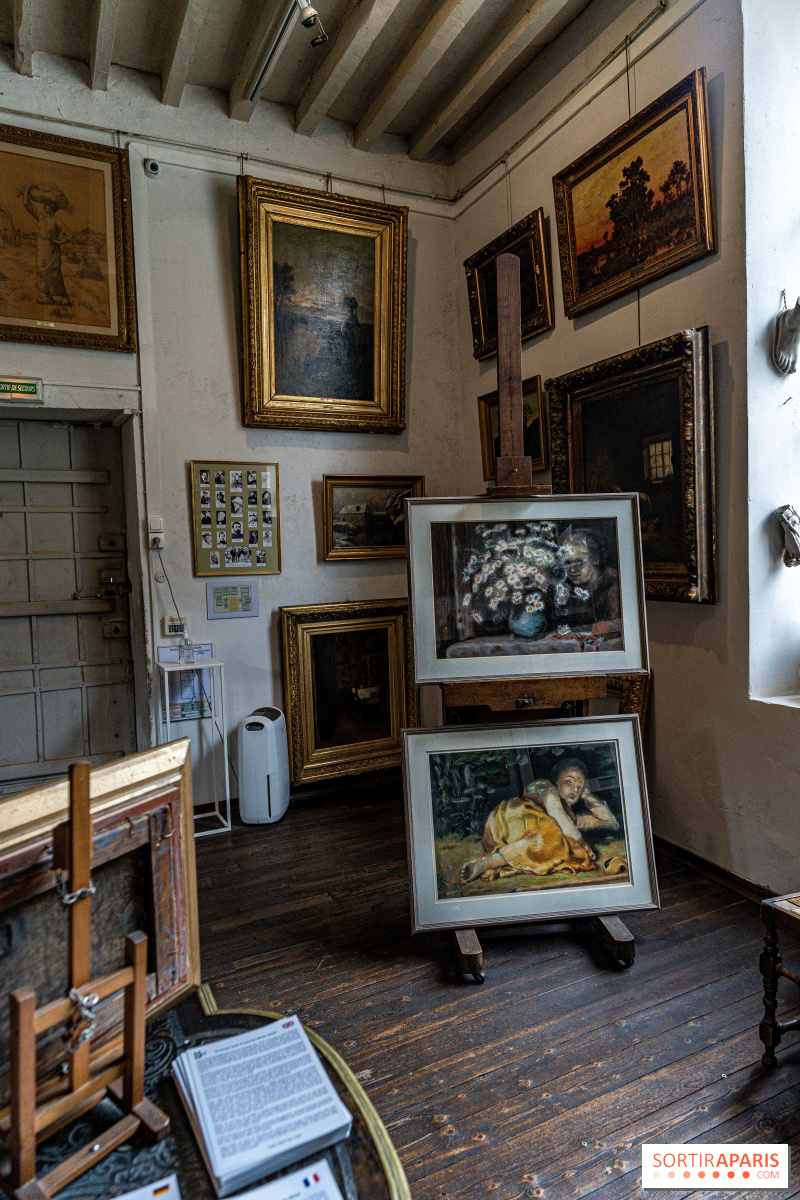
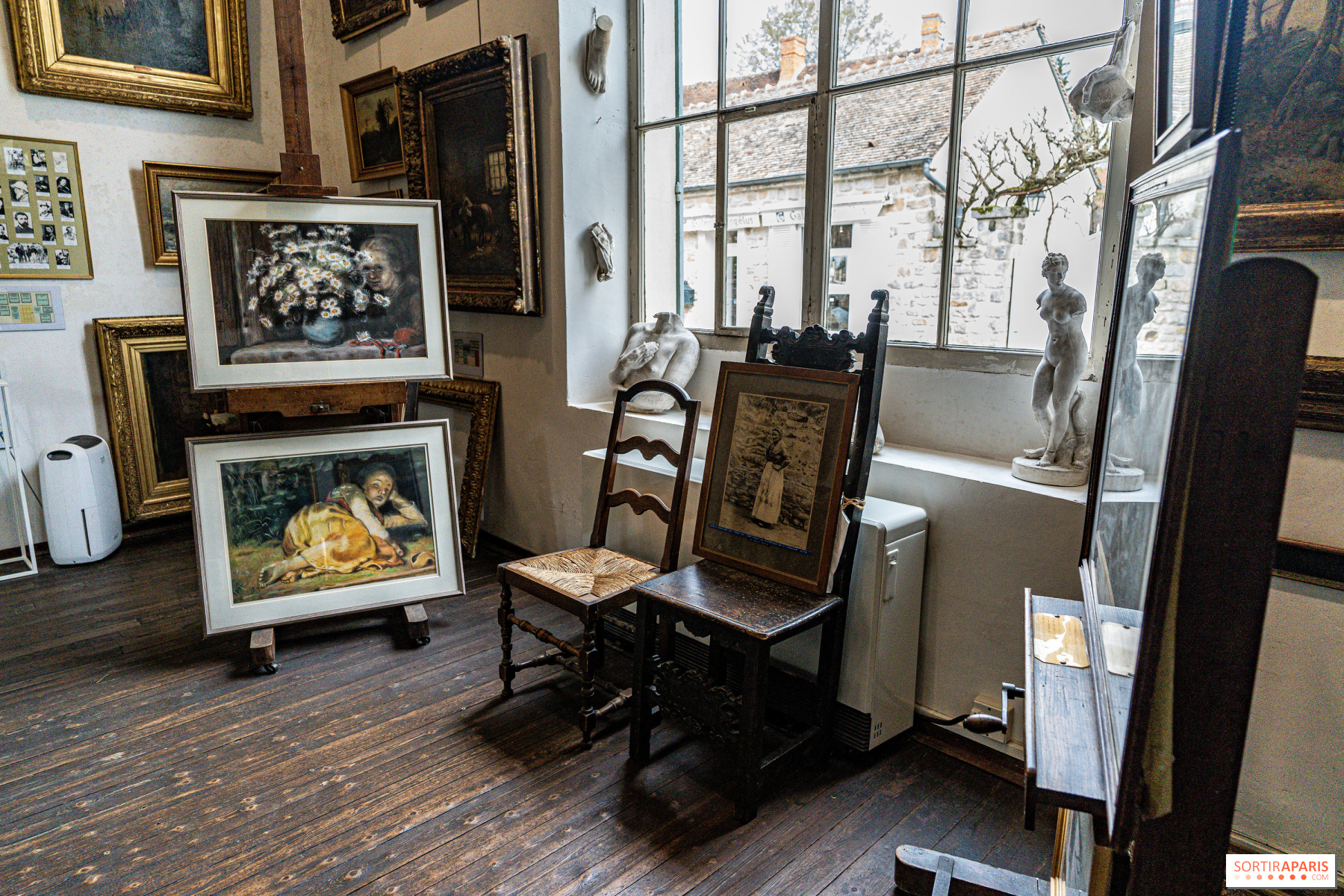
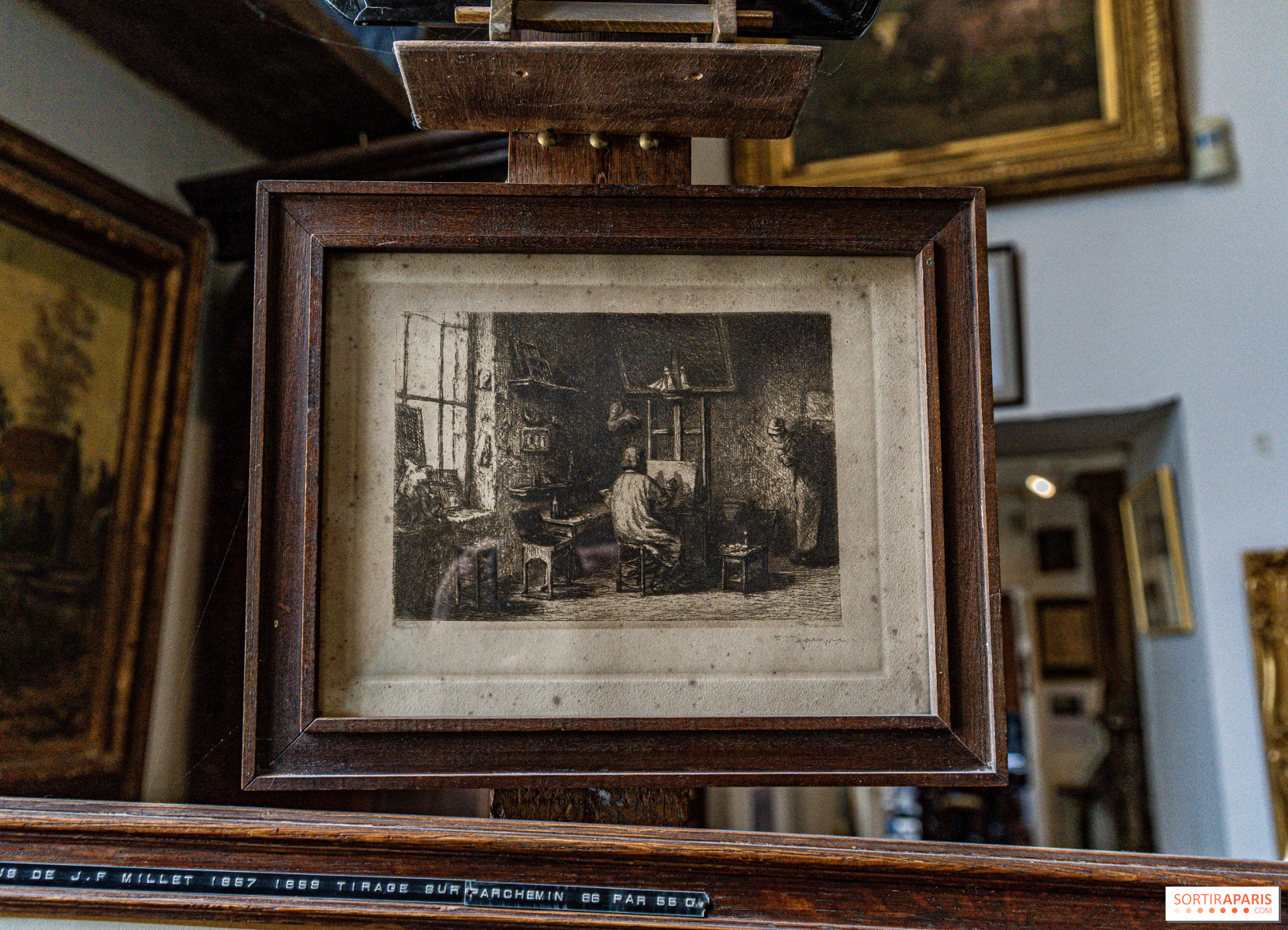
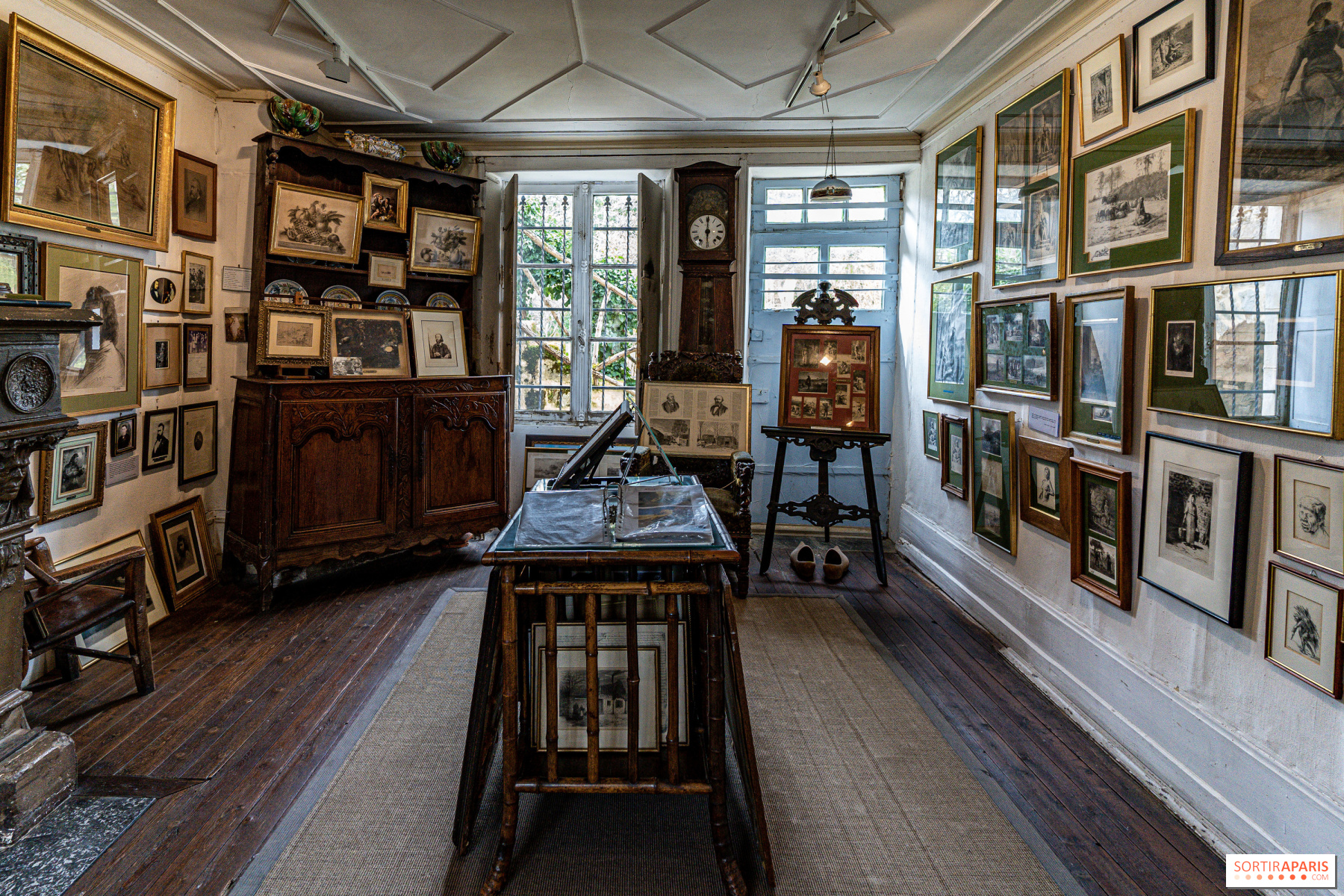
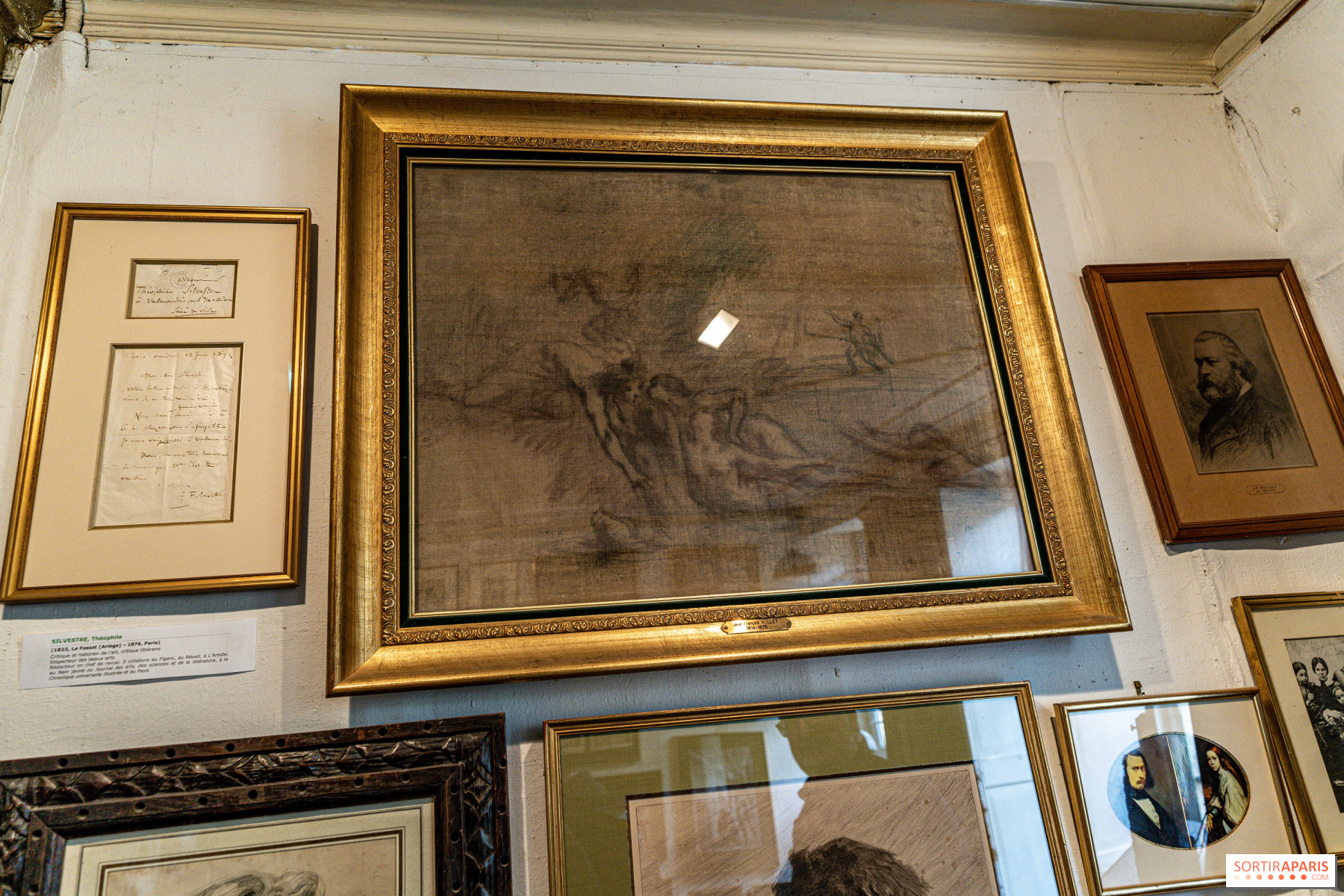
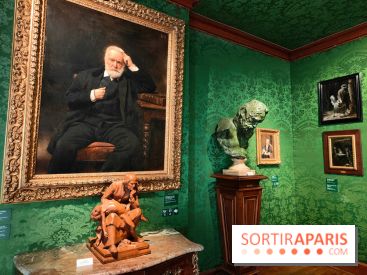
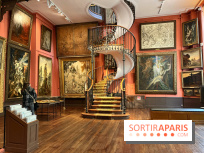
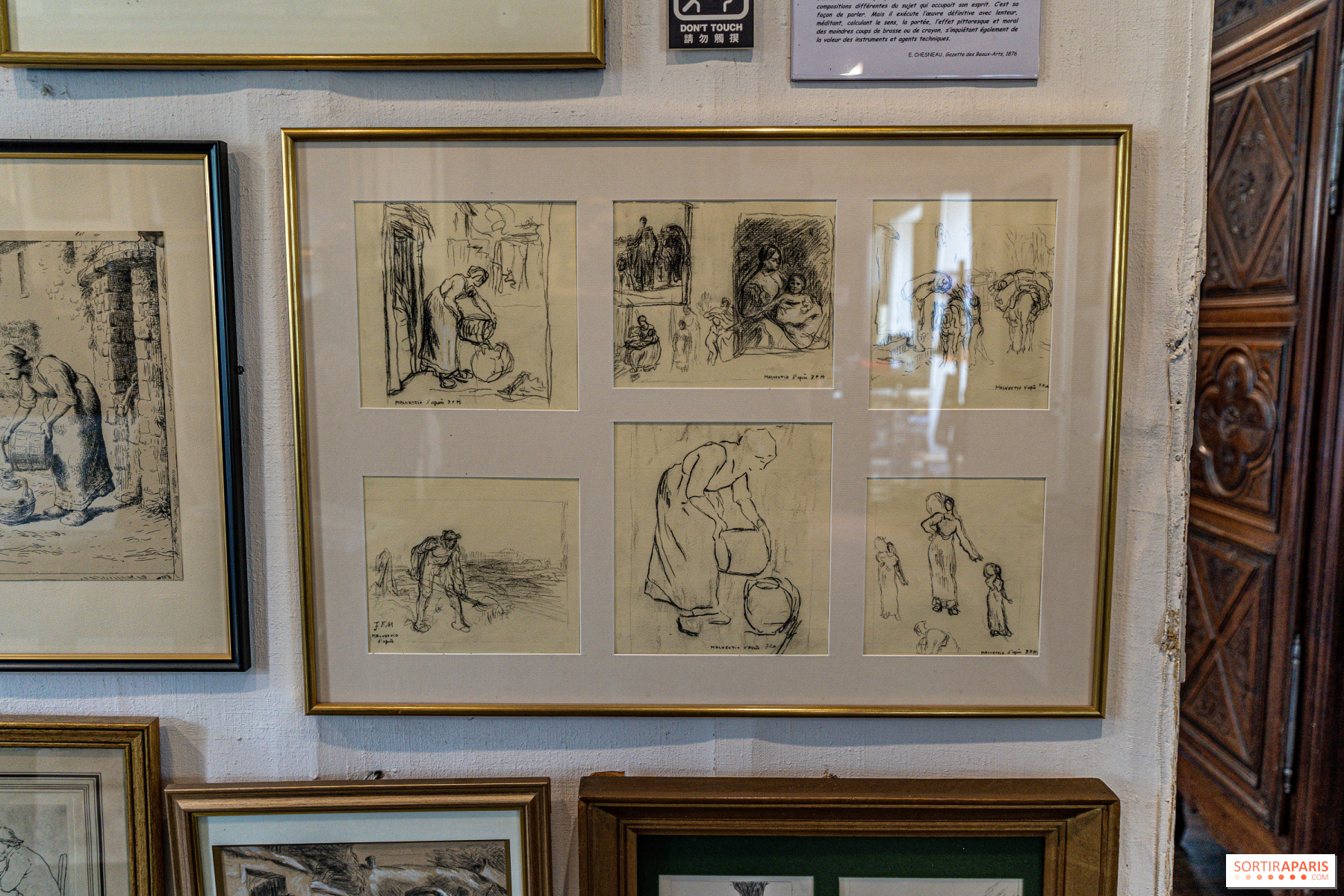
When you visit the museum, you'll have the opportunity to plunge into the intimacy of Jean-François Millet. You'll discover personal objects, letters, drawings, sketches, a number of preparatory studies, a self-portrait and photographs taken by him and his family. The house-studio has remained virtually unchanged since the painter's death, offering an authentic and unique atmosphere.
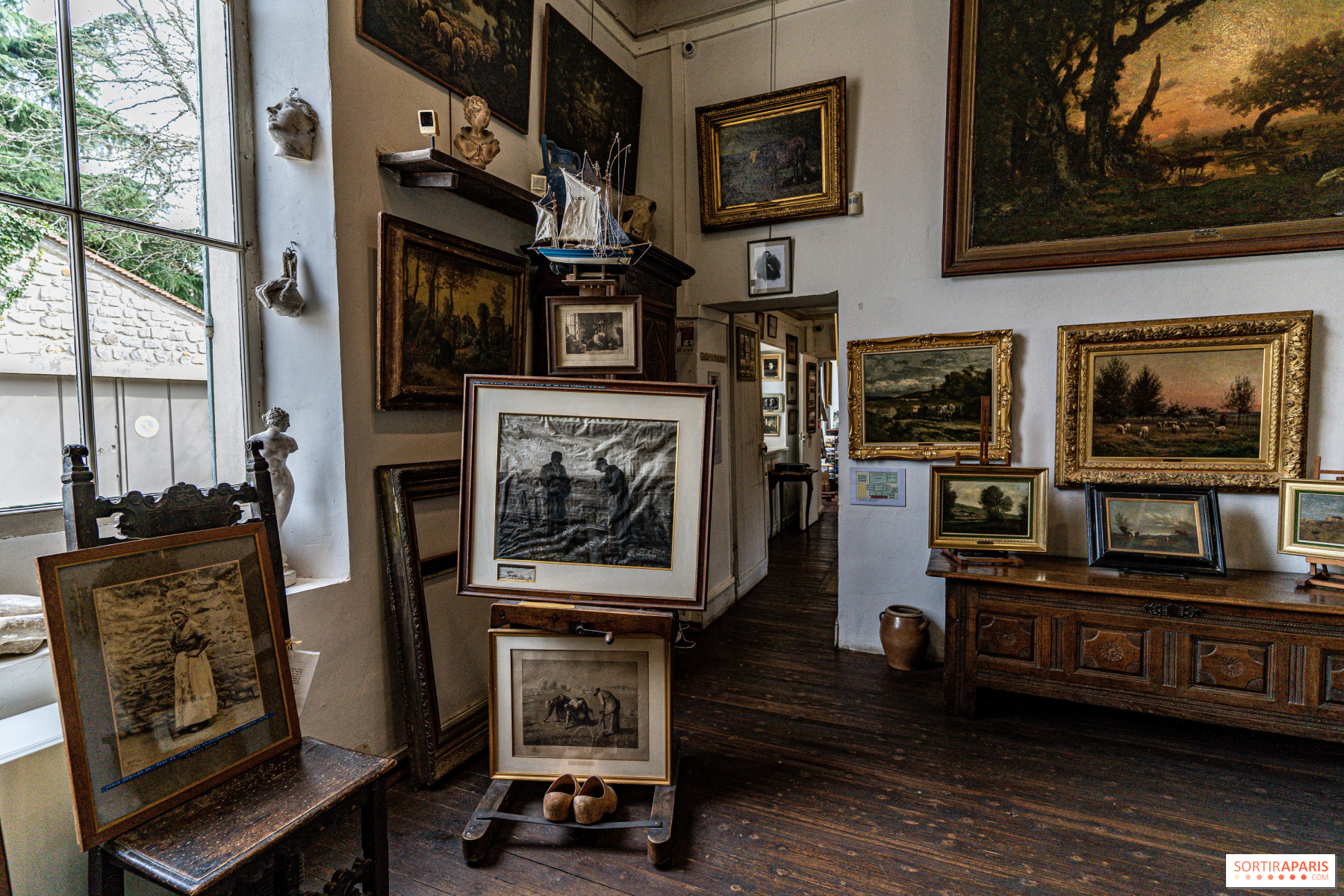
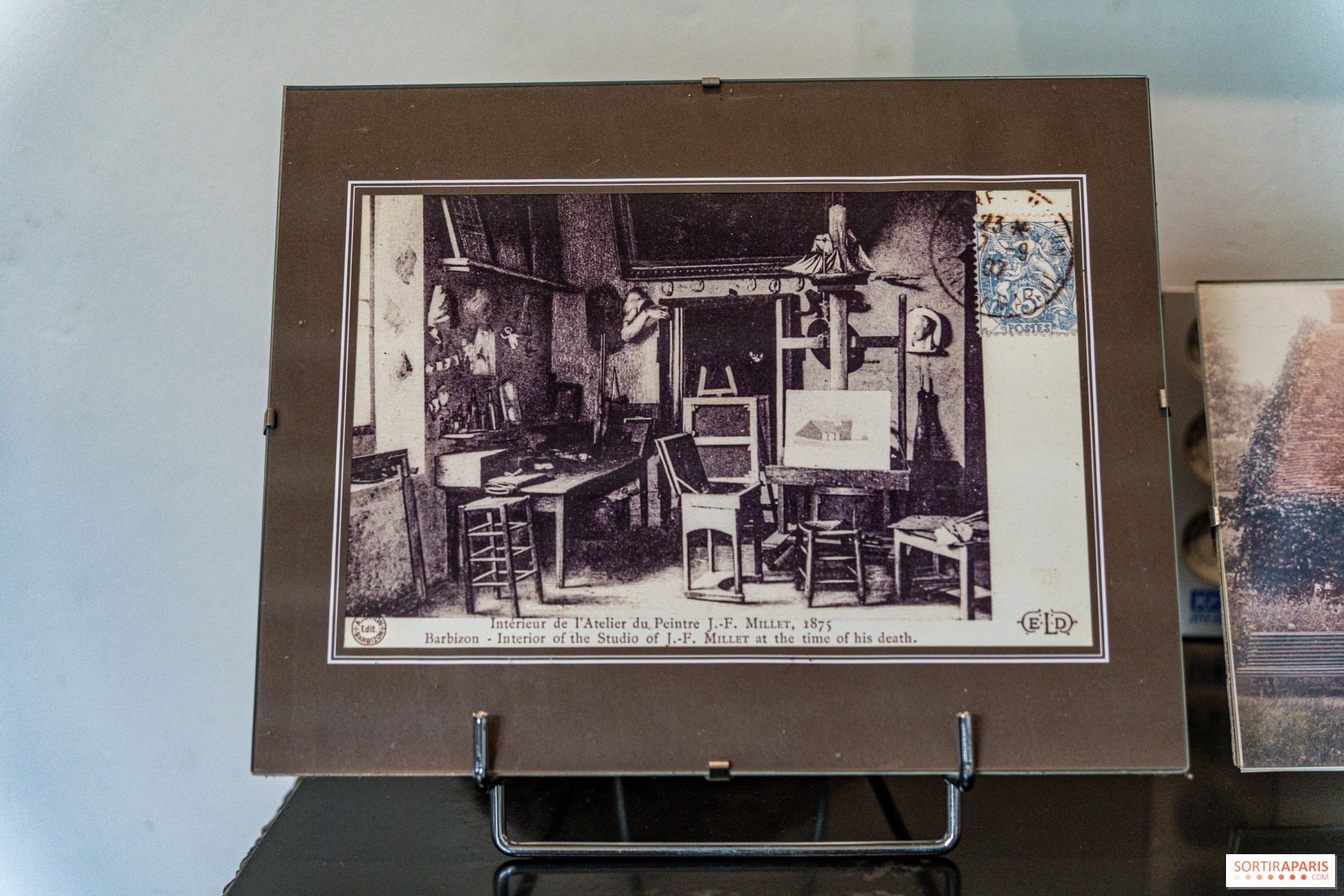
Jean-François Millet's (1814-1875) attraction to rural subjects is obvious. Born into a well-to-do farming family in the Cotentin region, he worked on the farm until he was twenty. Thanks to his talent for drawing, in 1835 his father enrolled him in the studio of the painter Du Mouchel in Cherbourg. Although Millet is best known for his scenes of rural life, this theme did not emerge in his work until 1849, when he settled in Barbizon. Before that, he painted pastoral, historical or mythological scenes, as well as portraits (to survive), in an academic style.
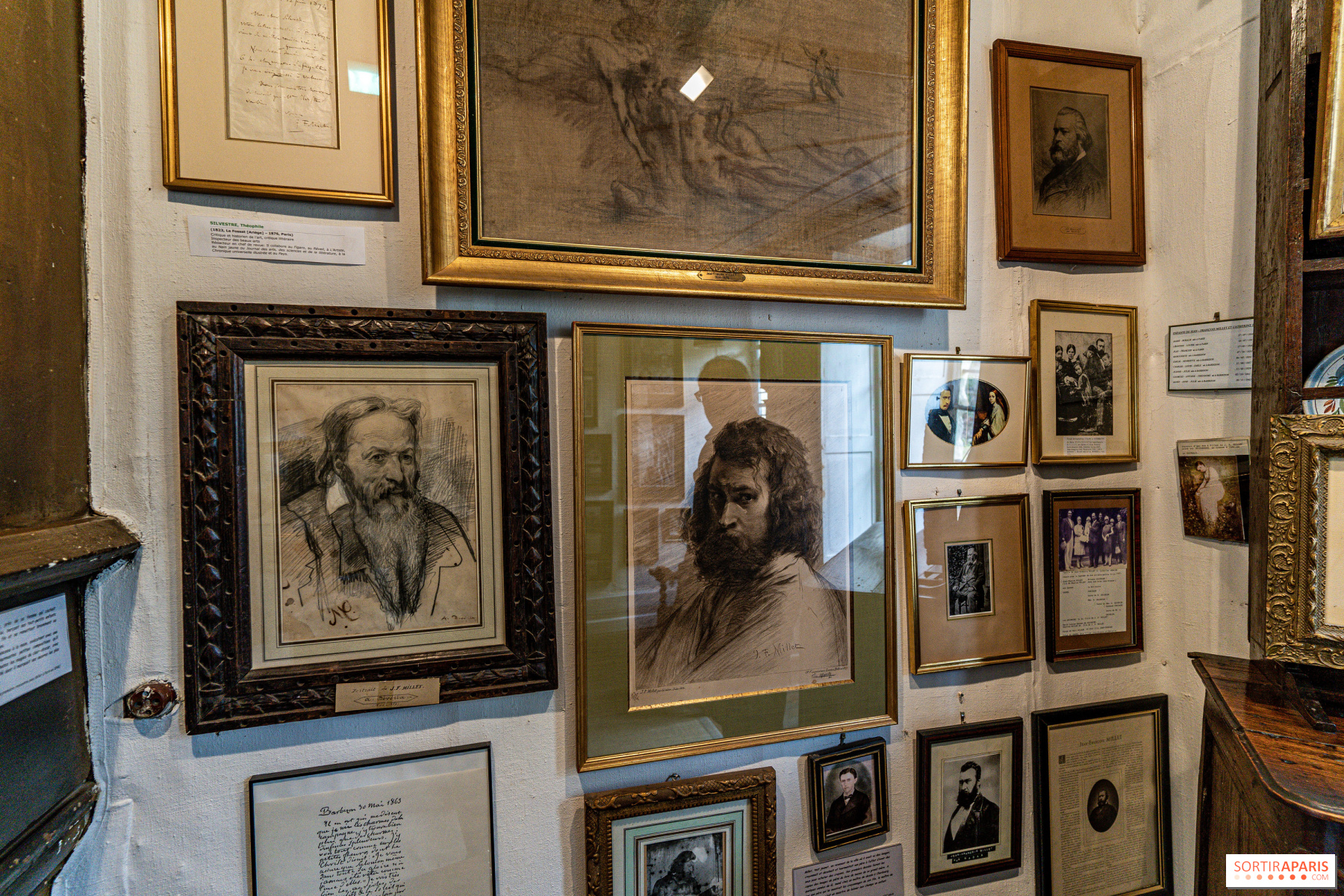
Contrary to what you might think, Jean-François Millet never painted outdoors. He made sketches, which he then used to paint in his studio. The realist movement, to which Millet belonged, challenged the academic conventions of the 17th century, emphasizing historical, religious and mythological painting. Realist painters sought to overturn this hierarchy and reproduce observed reality.
Since the late 18th century, a number of painters, such as John Constable and Théodore Rousseau, have been producing oil sketches en plein air. The latter settled in Barbizon, where other realist painters joined him, forming the Barbizon School. This artistic movement met with success in the mid-19th century, with artists such as Jean-Baptiste Camille Corot and Charles-François Daubigny. Although each had a personal style, they shared a desire to transcend academic rules. Millet, for his part, retained the classical model of composition, applying it to peasant scenes.
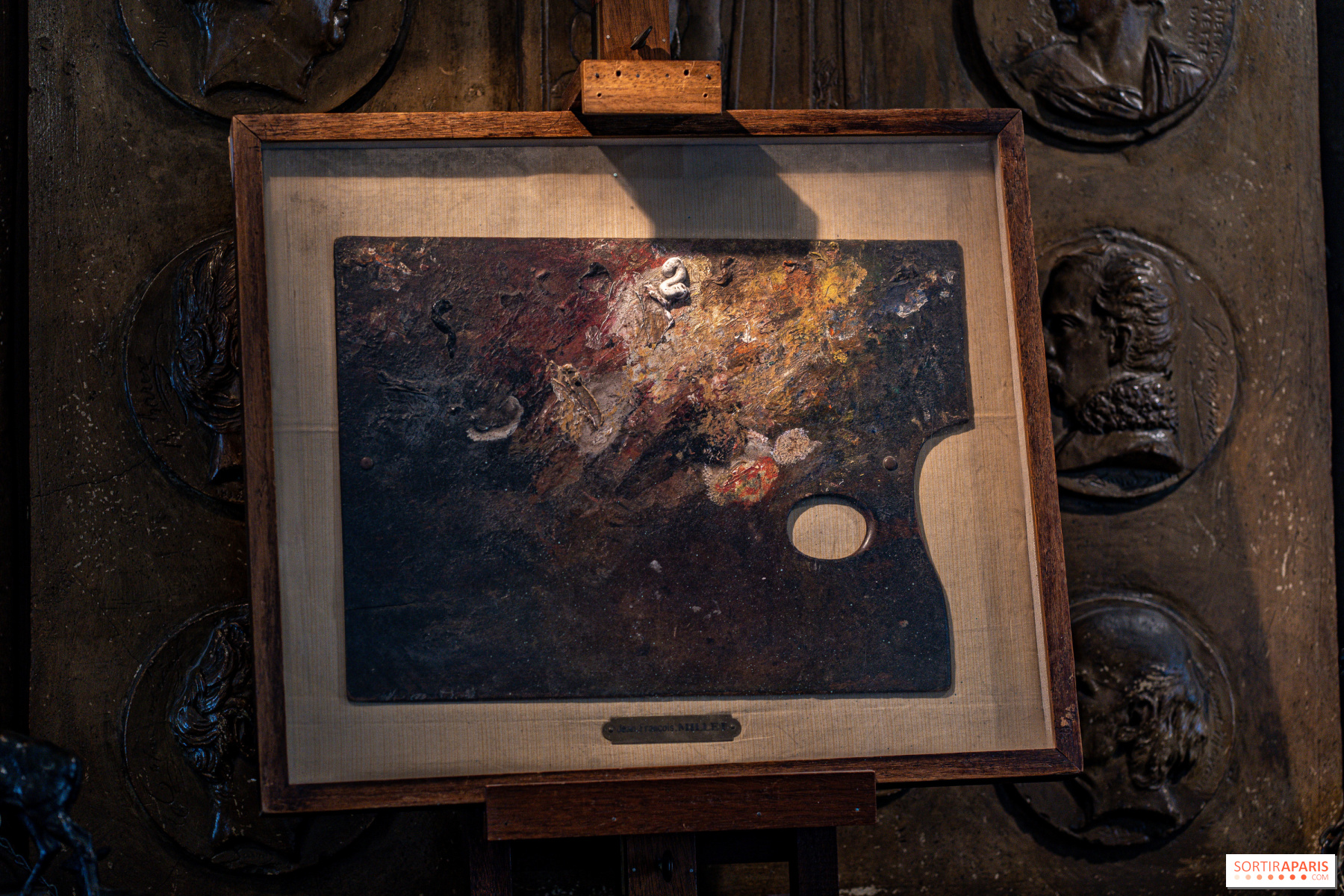
Although Jean-François Millet's great works are preserved in prestigious museums such as the Musée d'Orsay in Paris and the Museum of Fine Arts in Boston, the Barbizon museum and studio remains an essential place of memory for art lovers. Here, however, you'll find his original drawings and sketches, and even one of his and Rousseau's painting palettes. In 2019, 15,000 people visited this place steeped in history, 50% of them foreign visitors.
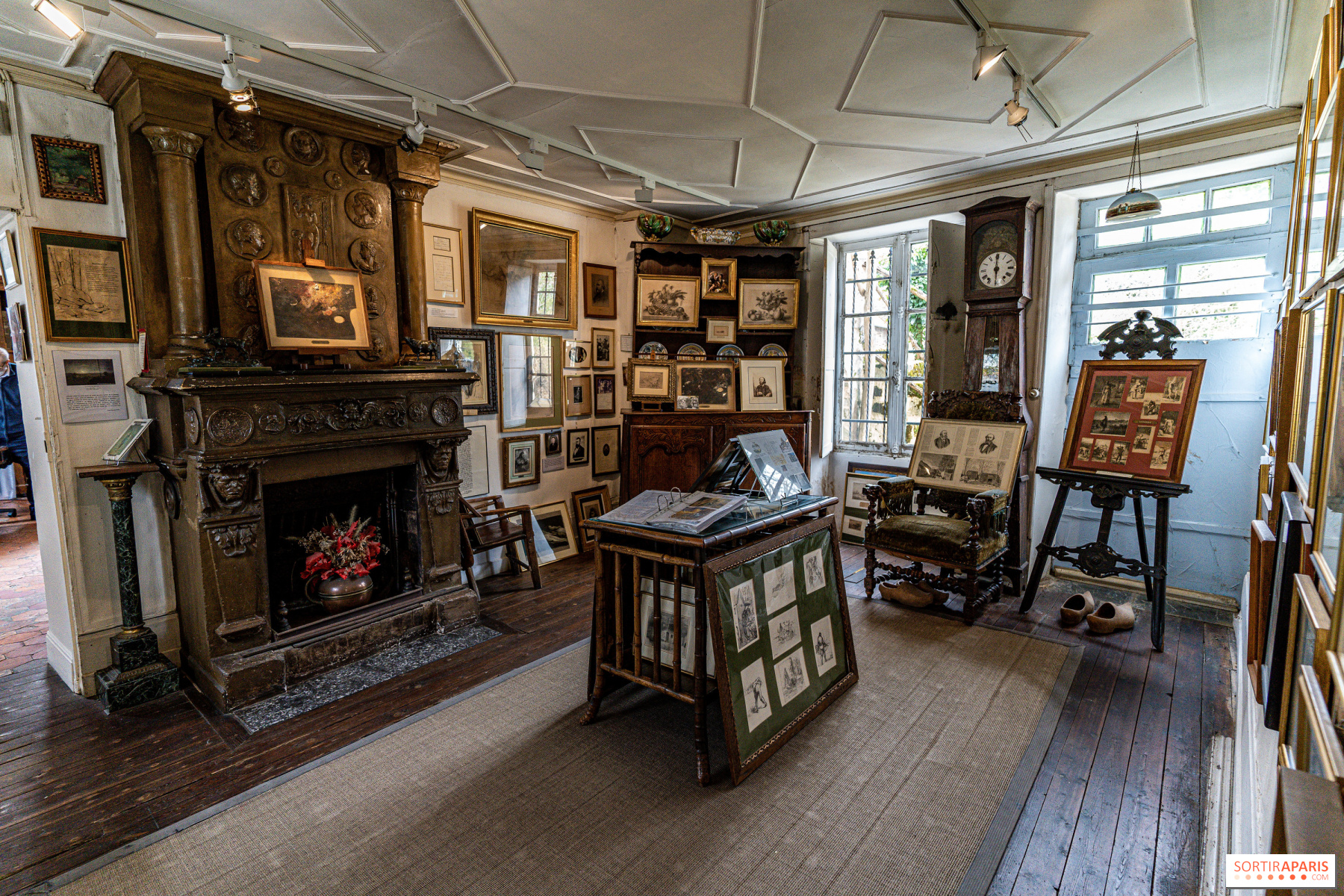
A visit to Barbizon takes you on a journey into the past, where the present still bears the traces of Jean-François Millet's influence. That's what Vincent Van Gogh said of Millet, when he described him as "an essentially modern painter, thanks to whom the horizon has opened up before us", and a list of all the painters he went on to inspire.
Don't hesitate to visit Jean-François Millet's home and studio at 27 Grande Rue, Barbizon. The museum is open from 10 a.m. to 12:30 p.m. and from 2 p.m. to 6 p.m., closed on Tuesdays. Admission is €5, reduced to €4 for groups of 6 or more and children under 12.
In conclusion, a visit to Jean-François Millet's Barbizon museum and studio is a not-to-be-missed experience for art and history lovers. Immerse yourself in the world of this emblematic painter and discover the atmosphere that reigned at the time of the Barbizon School. You'll be amazed by the wealth of works on display and the authenticity of this place of memory.
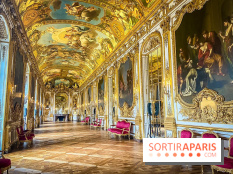
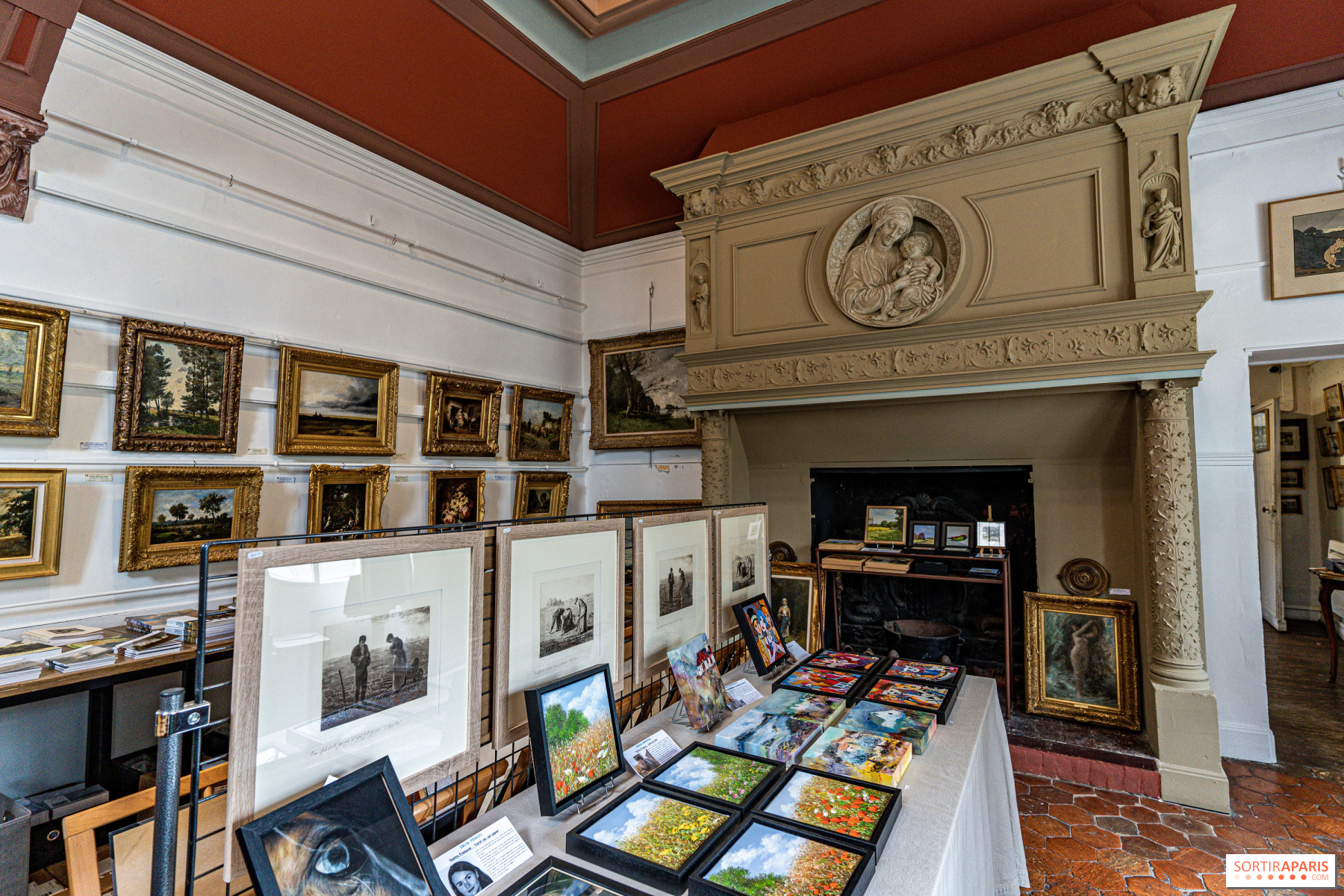
The final room features works from Millet's period, works by Millet himself for sale, and contemporary works. To prolong this immersion in art, be sure to visit the nearby Galerie de l'Angélus. Here you'll find a selection of original works by the masters of the Barbizon School available for sale, as well as contemporary creations inspired by Millet and the Barbizon School. A unique opportunity to take home a piece of art history and support today's artists.
So don't wait any longer and treat yourself to a cultural getaway in Barbizon, where the charm of the village and the beauty of the works on display will leave you with unforgettable memories.
To get to Barbizon by car, take the A6 freeway and turn off towards Fontainebleau. Then drive about 6 km on the N 37/D 637 before exiting to arrive in Barbizon.
If you prefer to use public transport, bus 21 is available Monday to Saturday (but not on Sundays or public holidays) and serves the village of Barbizon from the Fontainebleau-Avon station. The bus journey takes around 20 minutes. You can consult the timetable for bus 21 on the relevant timetable page.
Dates and Opening Time
Next days
Saturday:
open
Sunday:
open
Monday:
open
Wednesday:
open
Thursday:
open
Friday:
open
Location
Jean-François Millet Museum and Workshop
27 Grande Rue
77630 Barbizon
Route planner
Prices
Enfants: €4
Entrée: €5
Recommended age
For all
Official website
www.musee-millet.com