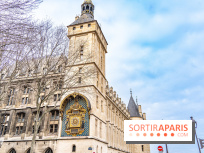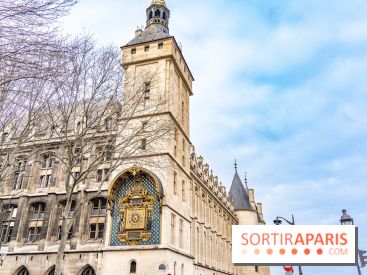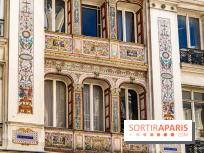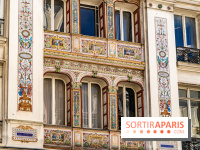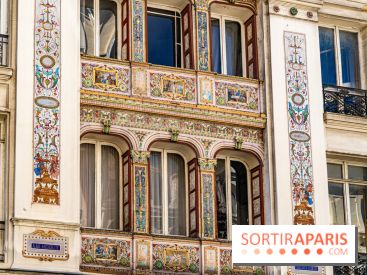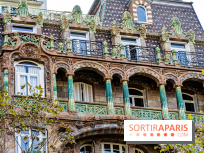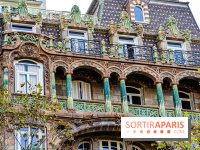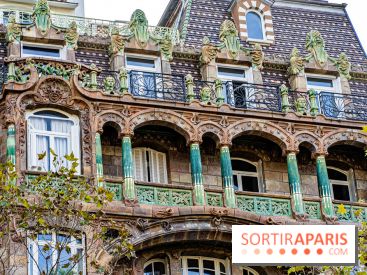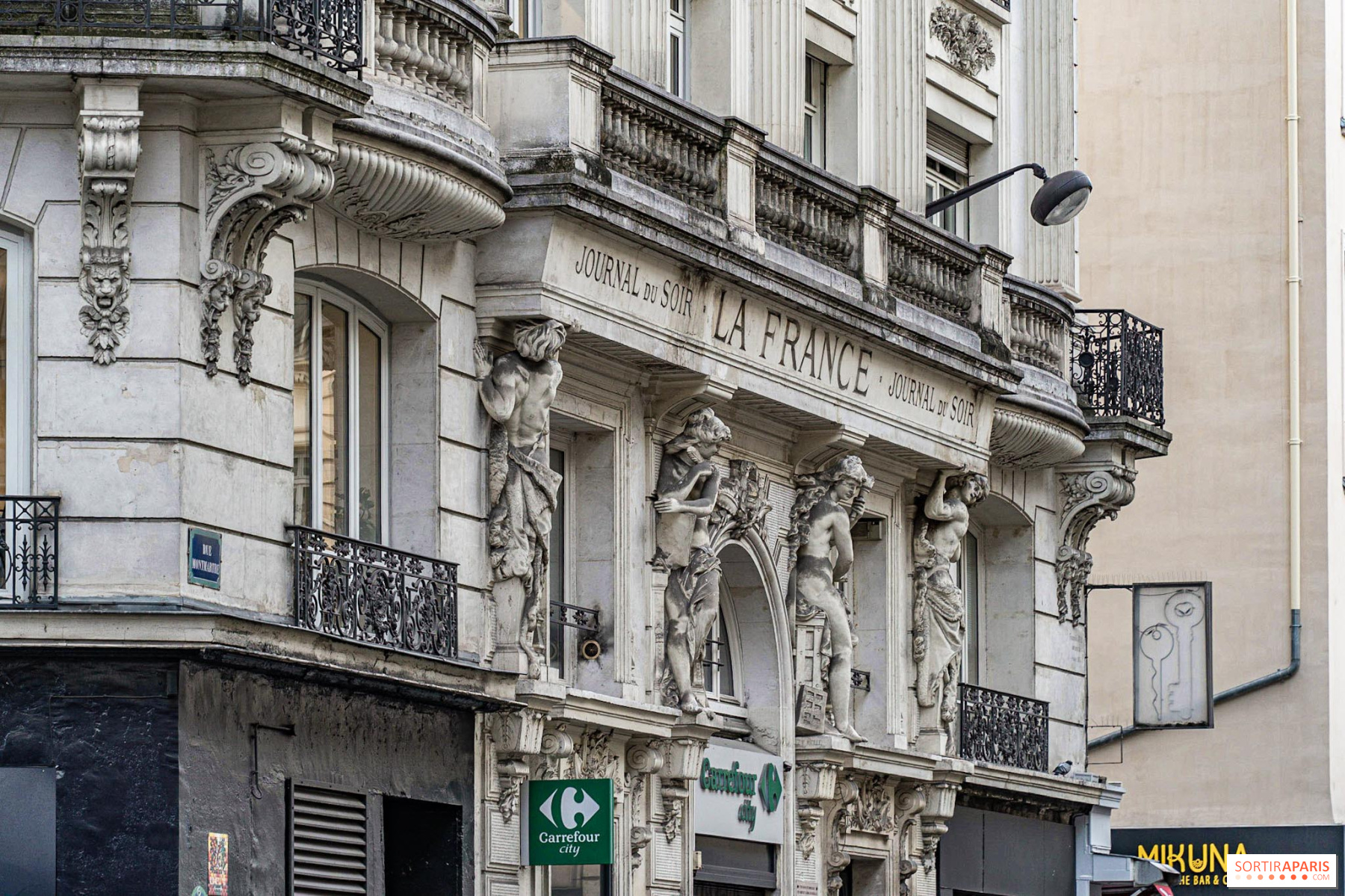
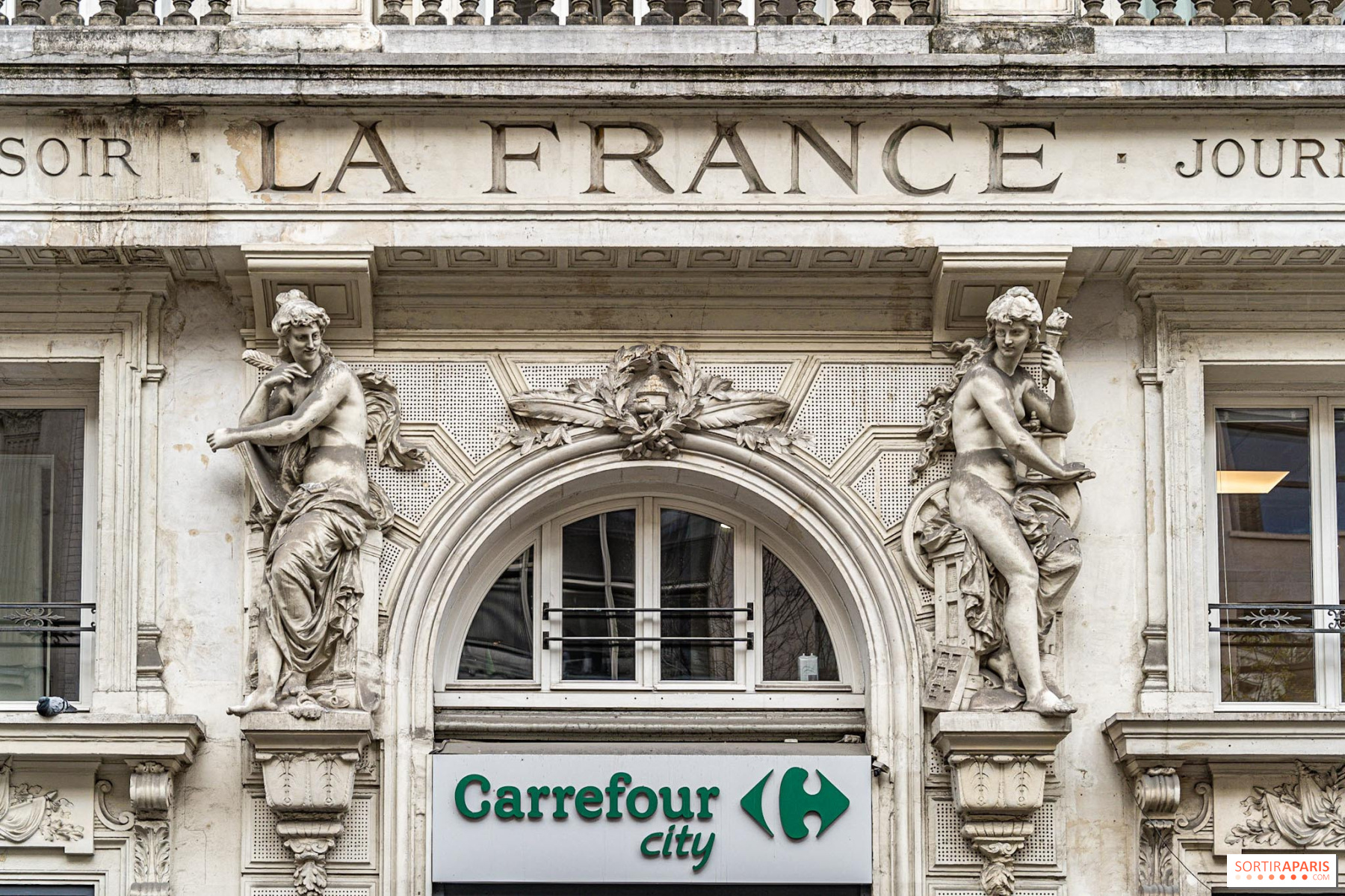
144 rue Montmartre in Paris boasts a facade steeped in history. It was once the headquarters of Journal du Soir - La France, founded in 1862 by Arthur de La Guéronnière and bought out in 1874 by Emile de Girardin, former founder of La Presse. The name "La France" is still engraved on the façade of the building, testifying to the importance of journalism in this historic area.
Nicknamed the Republic of the Crescent, this district between Réaumur and Opéra was Paris's press district from the end of the 19th century. Major newspapers such as Le Temps, L'Humanité, Paris Soir and France Soir were all based here.
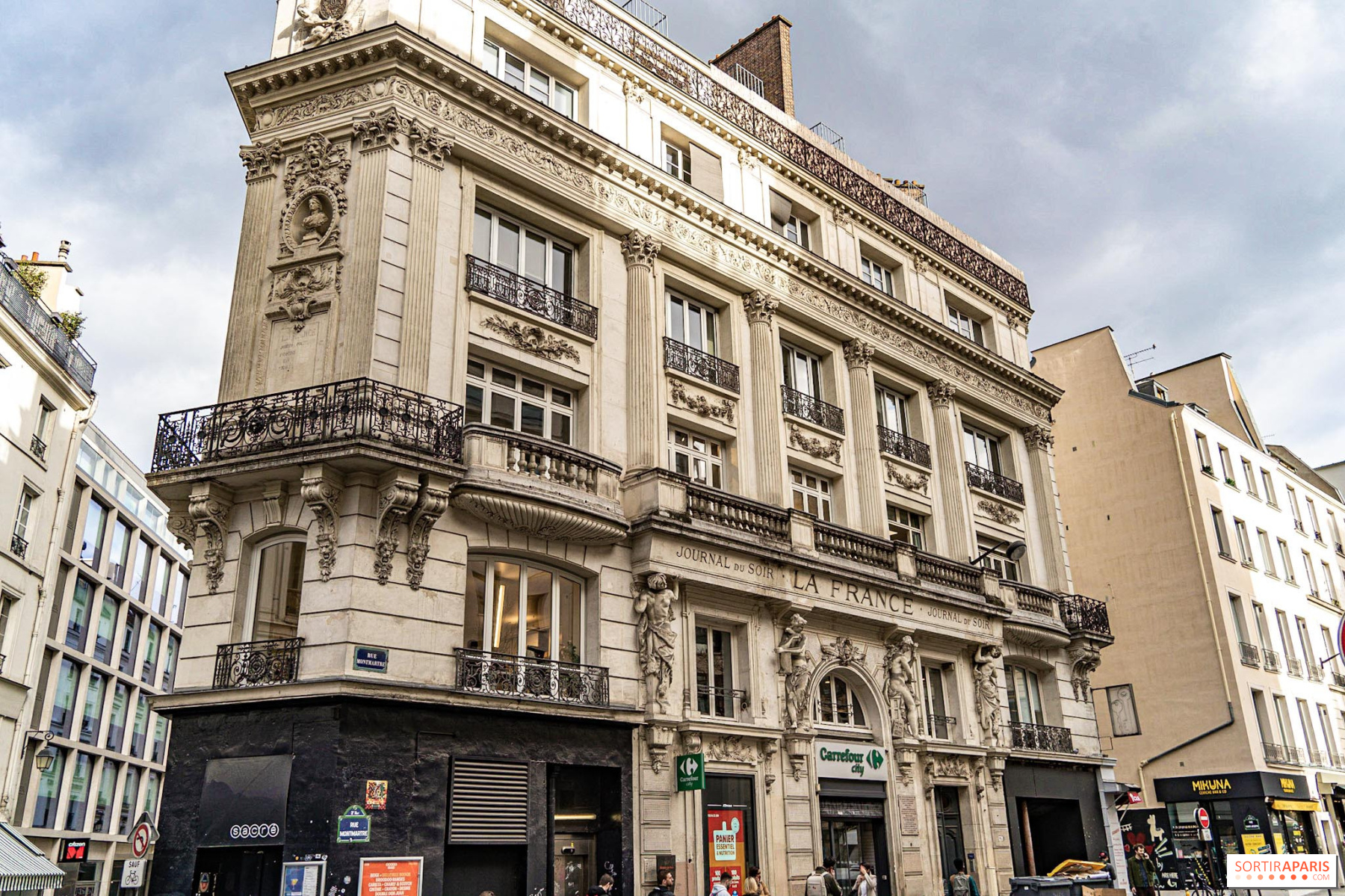
At 142-140 rue Montmartre, the building that once housed the headquarters of the newspaper La France was built in 1885 by Ferdinand Bal on the site of theformer Saint-Joseph cemetery, where Molière and police lieutenant Nicolas de La Reynie were buried. A market specialized in the sale of edibles, the Marché Saint Joseph, operated here from 1806 to 1882.
This remarkable building features an imposing allegorical ensemble created by sculptor Louis Alexandre Lefèvre-Deslongchamps. Two Heracles carry the remains of the Nemean lion.
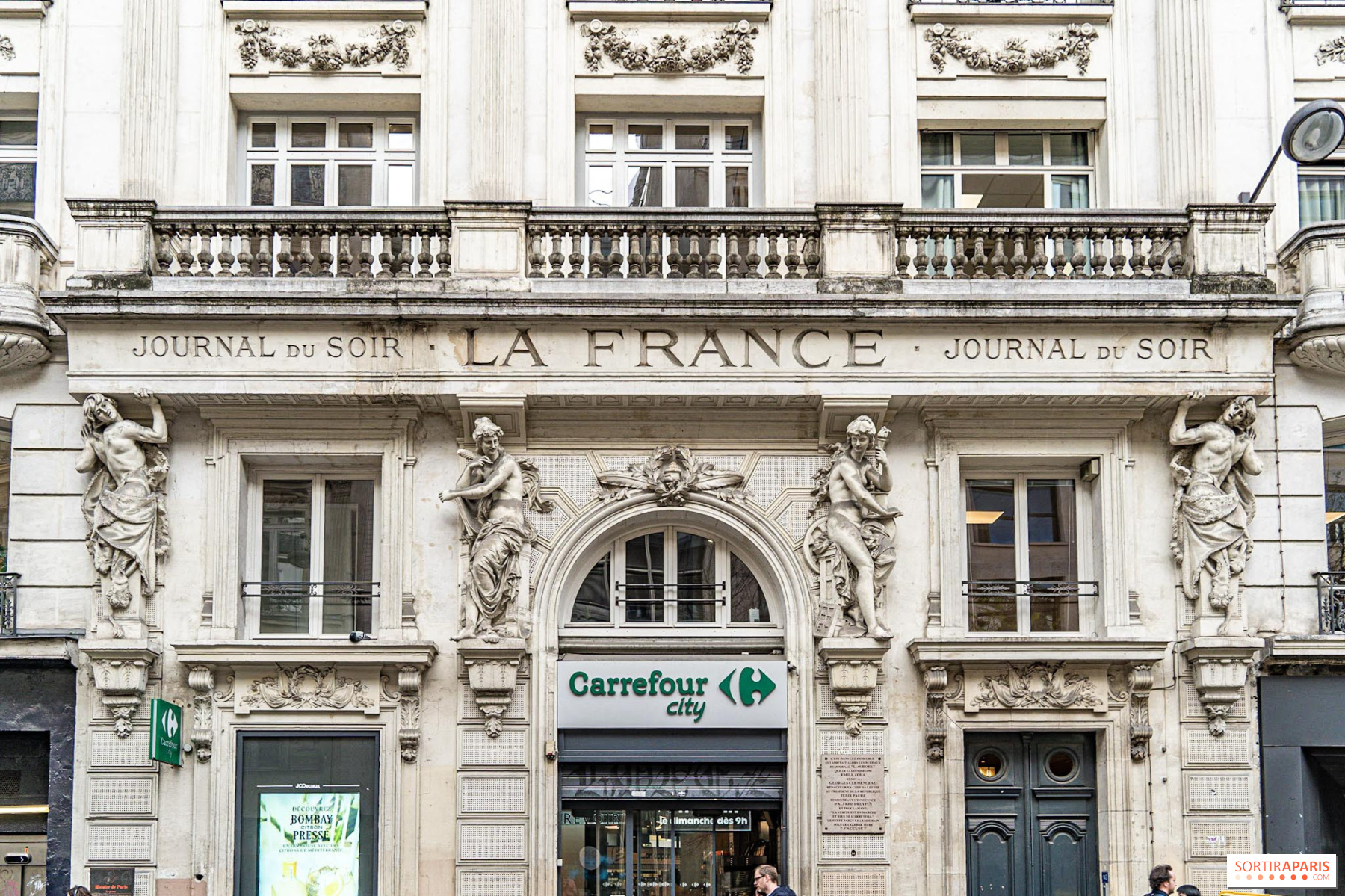
On the second floor, two caryatids byErnest-Eugène Hiolle symbolizing journalism and typography support the balcony.
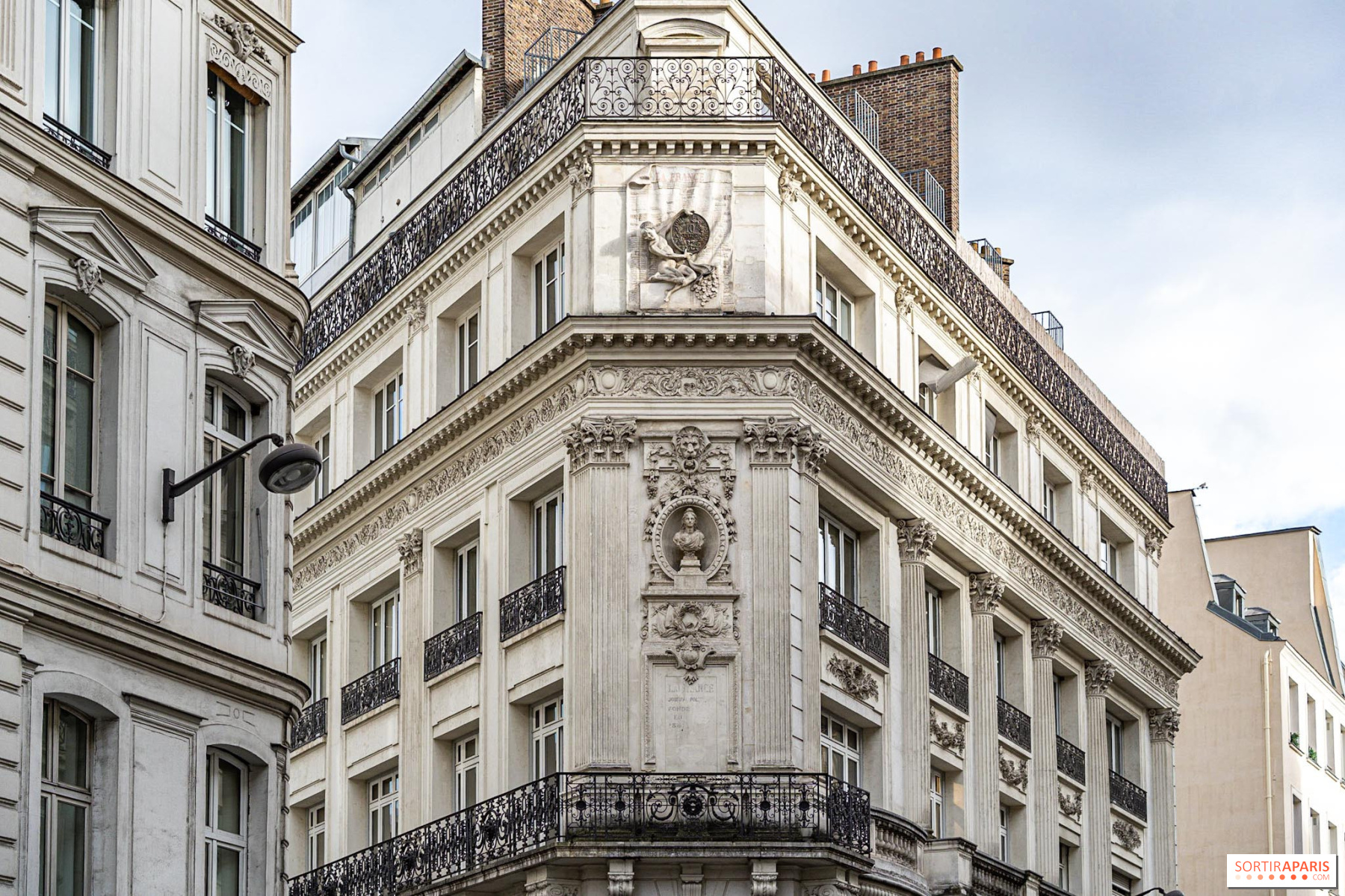
The corner of the building features the rolled-up newspaper and 10-cent coin representing the innovation of journalist and politician Emile de Girardin. In 1836, he launched "La Presse" with an innovative formula. He managed to halve the paper's selling price through advertising, and sold it individually, at newsstands or by auction, instead of by subscription.
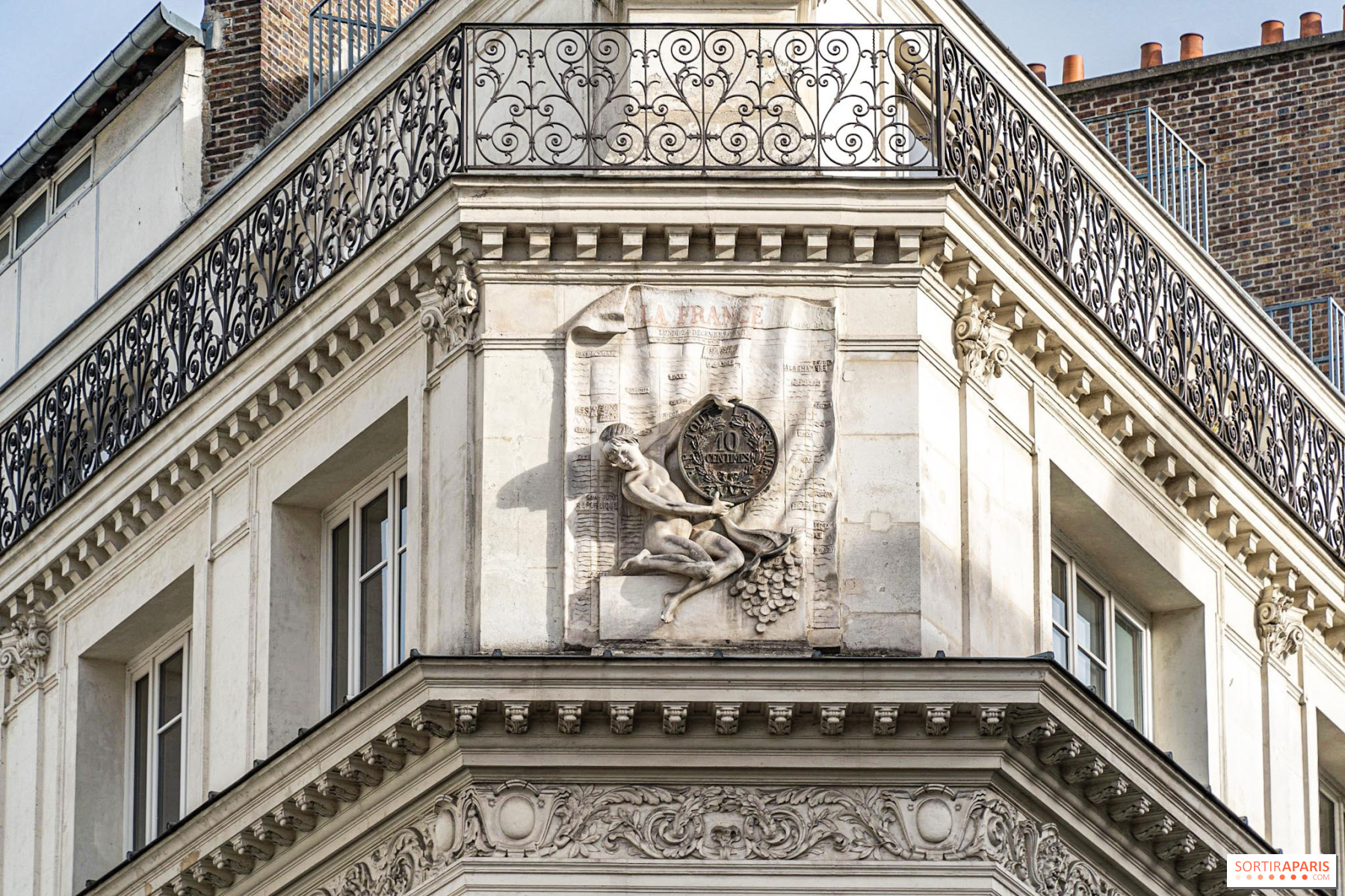
La France, which sold for 10 centimes, appealed to a popular readership and featured serials by famous authors such as Sue, Hugo, Sand, Nerval and Dumas. Under the direction of Emile de Girardin, the newspaper gained notoriety for its editorials, press reviews and news.
Several other newspapers occupied the building at 144 rue Montmartre, including Le Radical, L'Aurore, L'Univers, Le Jockey, La Patrie and La Presse. The Paul Dupont printing works also operated there until 1914.
In 1898, the writer and journalist Emile Zola wrote his famous article "J'accuse!" denouncing the injustice of the Dreyfus affair. The article had a considerable impact in France and abroad, boosting L'Aurore's circulation from 30,000 to 300,000.
A visit to 144 rue Montmartre is a true testament to the history of journalism in Paris, from the creation of the newspaper La France to the landmark event of the Dreyfus Affair. The visit plunges you into a bygone era, and gives you a better understanding of the importance of journalism in French society.
Prices
Free
Recommended age
For all