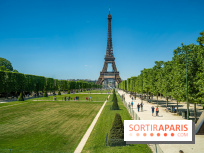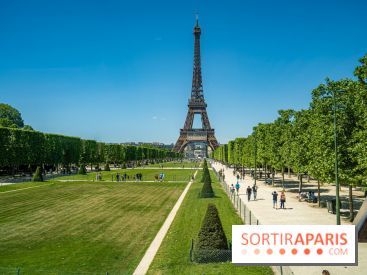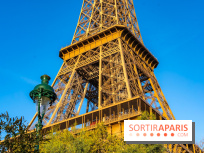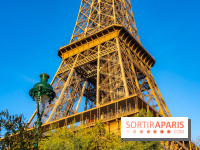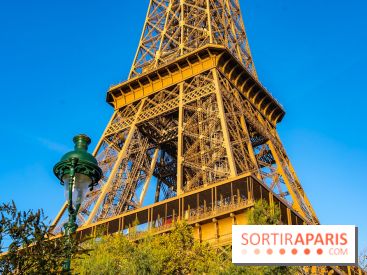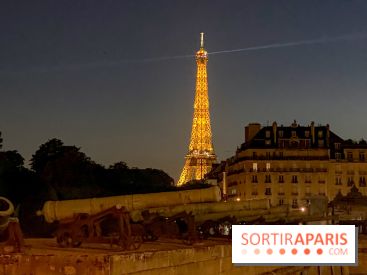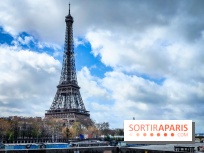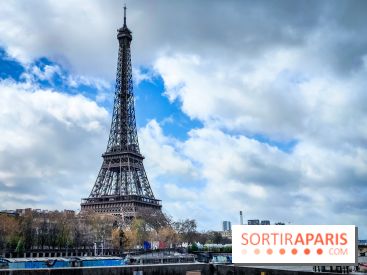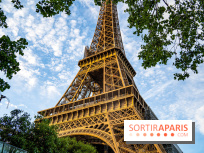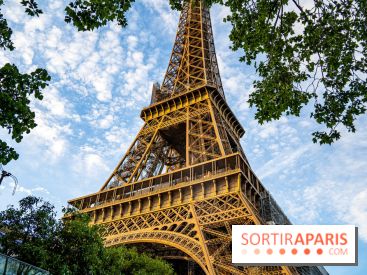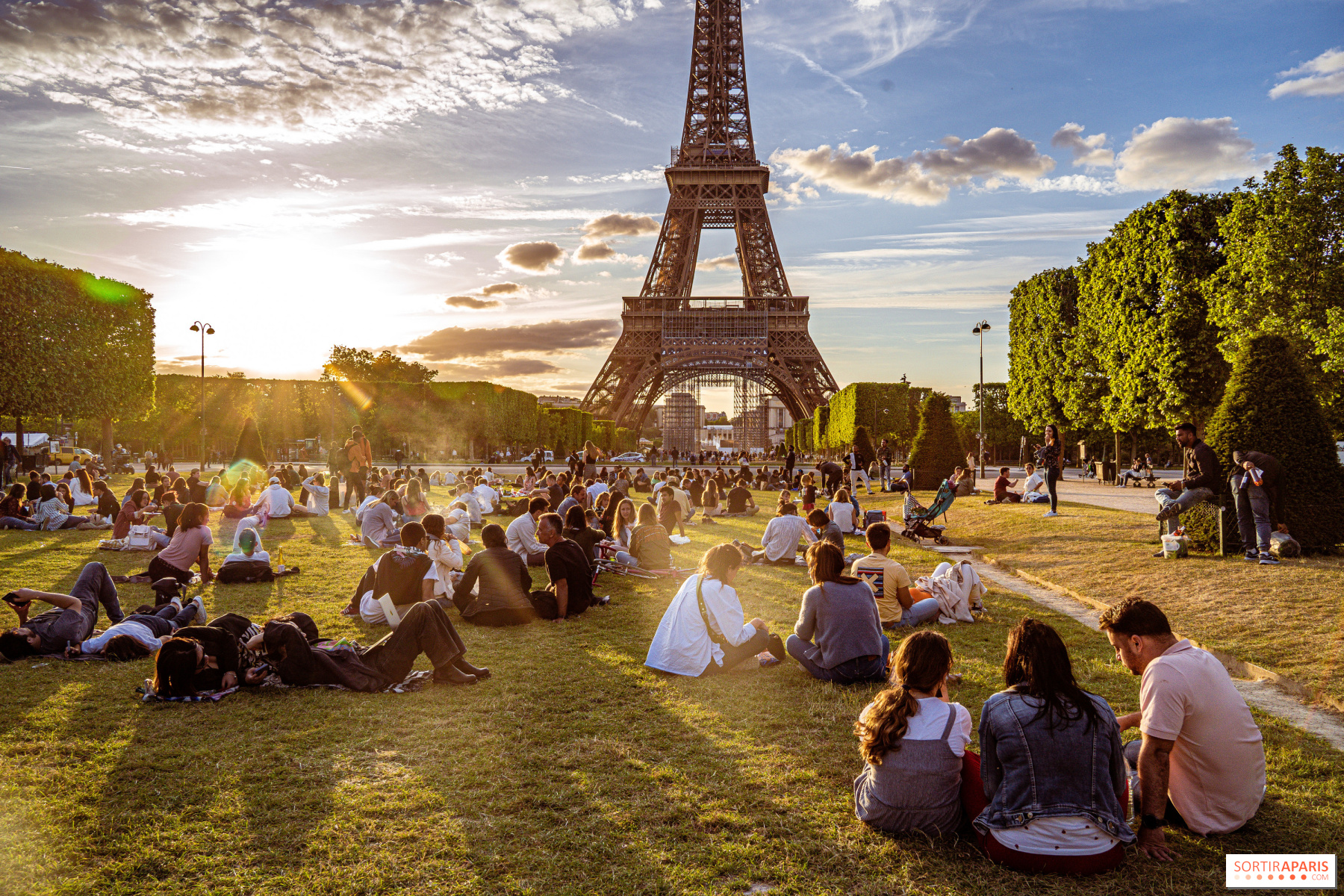
For 131 years, the Eiffel Tower has been playing yo-yo with centimetres. No, it's not an optical illusion: its puddled iron reacts to the whims of the weather. In summer, under the effect of heat, the iron lady expands and can gain a few millimeters. Conversely, inwinter, thermal contraction causes it to lose height. The Eiffel Tower thus lives to the rhythm of the seasons, without anyone noticing.
Better still, the sun doesn't act uniformly. When it hits just one of the four sides, the expansion creates a slight imbalance, with the tower tilting to the opposite side. Over the course of the day, its top can describe a circular curve some 15 centimetres in diameter. A spectacular phenomenon... but invisible to the naked eye.
Of course, there's no need to panic: these variations are minute and in no way affect its solidity. Gustave Eiffel 's engineers had anticipated climatic constraints right from the start. Its curved shape offers maximum resistance to the wind, even in strong gusts. When the wind becomes too violent, safety alone sometimes means closing the top, or even the whole tower.
312 metres high when it was inaugurated in 1889, the "300-metre Tower" was the world's tallest for 42 years, before being dethroned by the Empire State Building. Today, topped by antennae added in 1957, 2000 and 2022, it stands 330 metres tall. And who knows? It may yet grow even taller...
Location
Eiffel Tower
Avenue Gustave Eiffel
75007 Paris 7
Access
Metro and RER: Line 6 or 9 "Trocadéro" station Line 6 "Bir-Hakeim" station RER C "Champ de Mars - Tour Eiffel" station