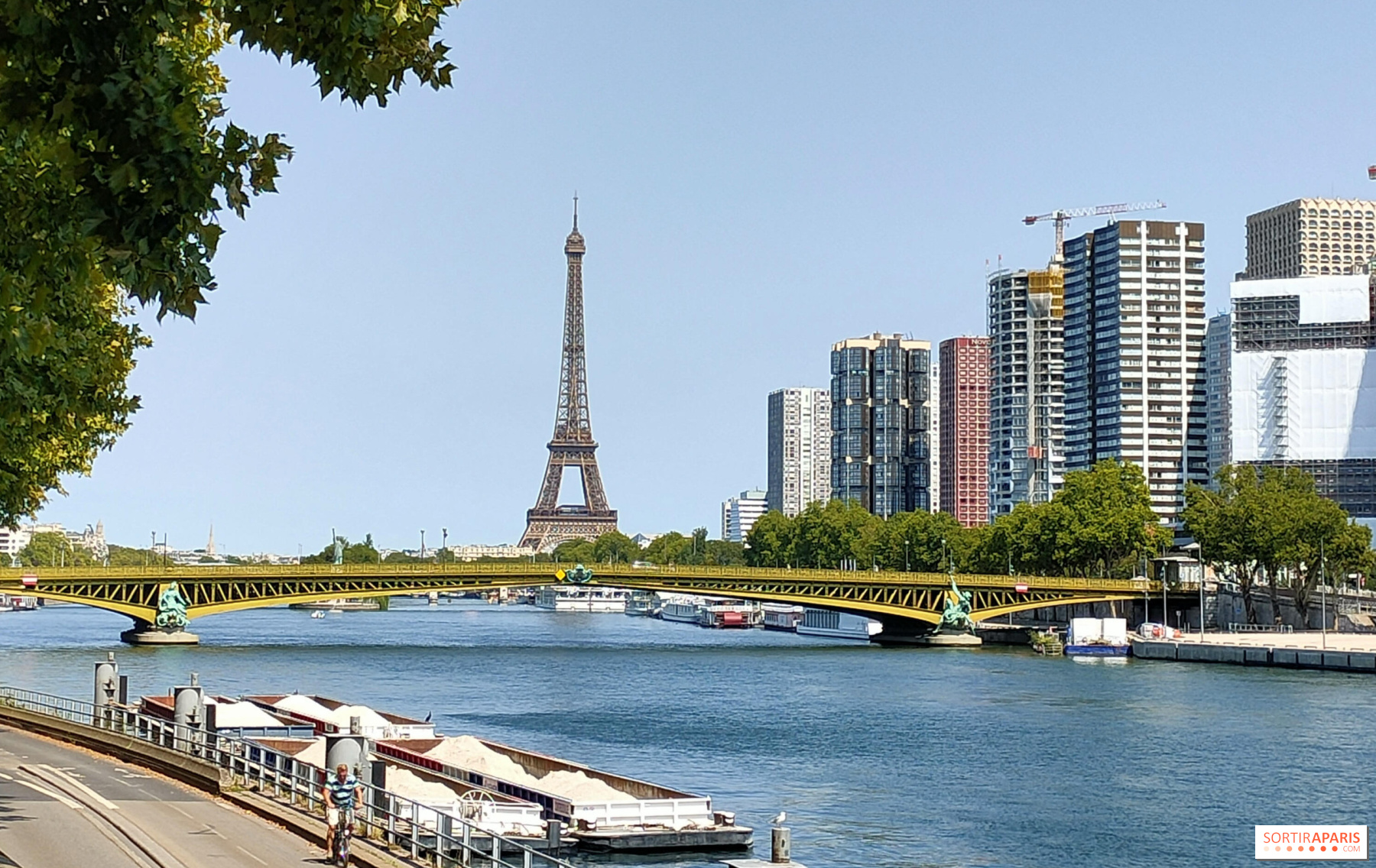
Do you still confuse the two sides of the Seine—Right Bank and the Left Bank? To never again feel like a tourist — even if you visit Paris often — here are some foolproof, simple tricks to remember for good, so you don’t have to wonder each time.
Everything is based on a simple geographical principle: the direction of the current. The Seine always flows from East to West, heading towards the sea (Normandy). If you're in the capital and want to find your bearings, stand on one of the 37 bridges across Paris and look downstream (where the water heads, with Notre-Dame, for example, behind you).
Beyond geography, the two banks are also distinct mindsets. Historically, the Left Bank has been the realm of knowledge and bohemia. It’s the area of the universities (notably the Sorbonne), writers, and artists, especially in Saint-Germain-des-Prés. It’s often called the “intellectual” side of Paris.
On the opposite bank, the Right Bank is the domain of power and business. From royal palaces like the Louvre to grand department stores, not to mention the Élysée and the Stock Exchange, this side of the river symbolizes vibrancy, commerce, and celebration. This division dates back to the Middle Ages, when the city was already divided between the University to the south and the residential city to the north.
If you don’t have a view of the Seine, check the district number. The Left Bank is a bit more “exclusive”: it comprises only six districts (5, 6, 7, 13, 14, 15). The rest of the iconic snail-shaped shape of Paris belongs to the Right Bank, which is a bit more lively. So next time you’re trying to find your way around, remember this!