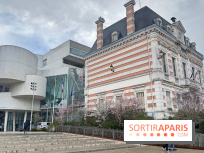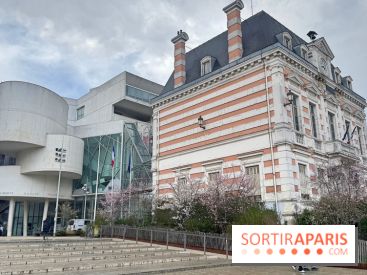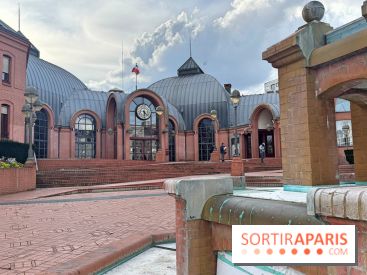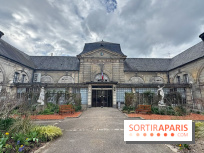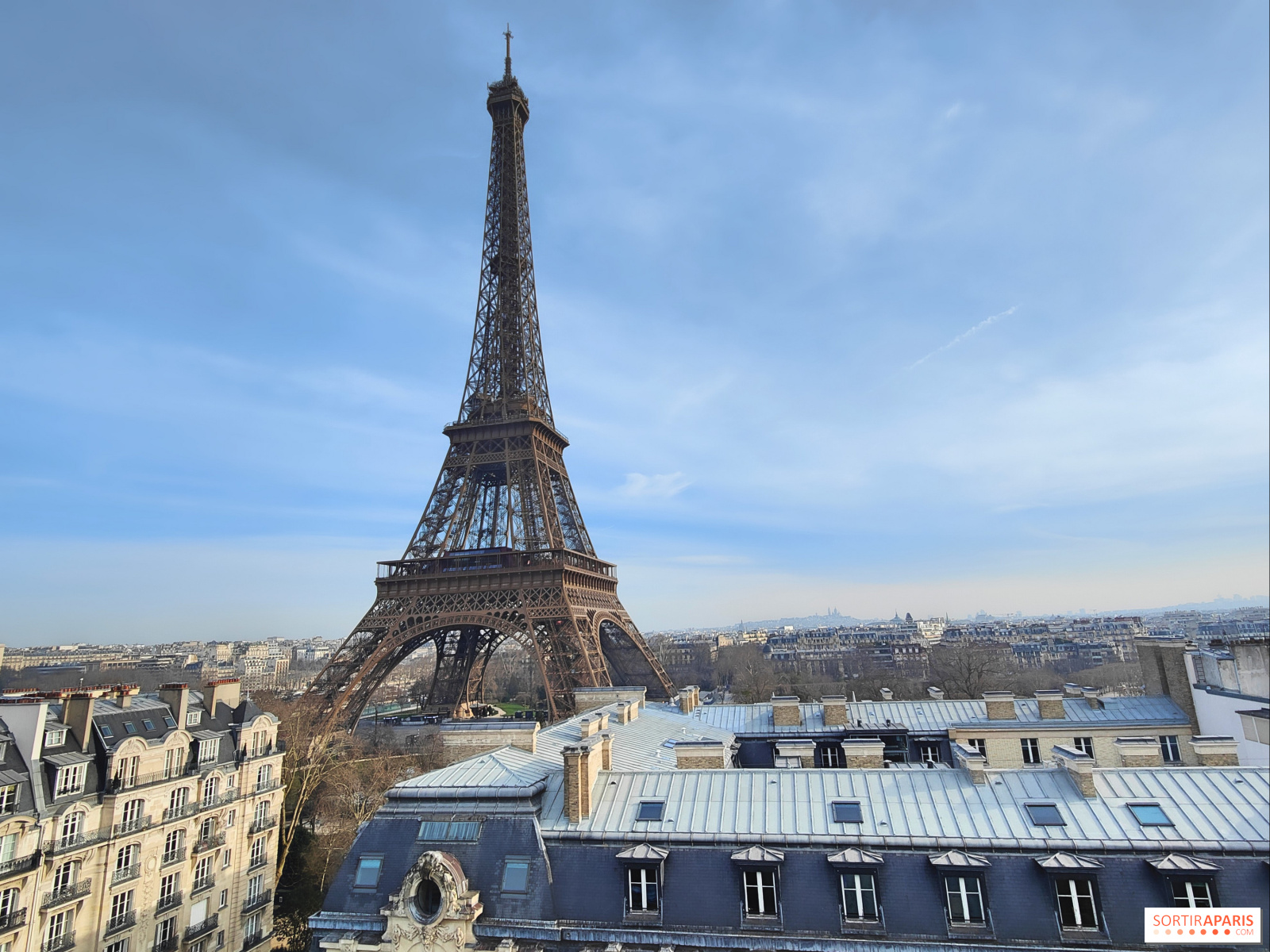
Before becoming the iconic symbol of Paris, the Eiffel Tower was manufactured and assembled just outside the city. It is instinctively associated with the Champ-de-Mars, postcards, and Parisian sunsets. However, the Eiffel Tower was not born in Paris. Prior to being erected in the capital, it was built, pre-assembled, and tested in Levallois-Perret, at the Gustave Eiffel workshops.
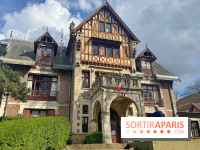
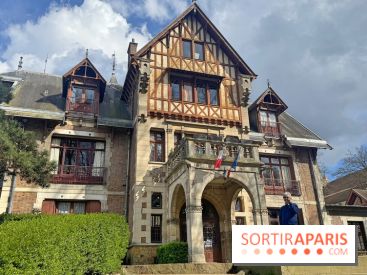
An often-overlooked historical fact that brings the suburban outskirts back into the heart of Parisian history. A well-documented anecdote that highlights the crucial role of Île-de-France in the creation of Parisian monuments. At the end of the 19th century, Gustave Eiffel operated large workshops in Levallois-Perret, then a hub of industrial growth. It was within these vast metallurgical sheds that the 18,038 pieces of the Eiffel Tower were crafted. Every component was carefully drawn, riveted, fitted, and assembled on a test basis to ensure flawless precision.
The pieces are then numbered, disassembled, and transported to Paris by rail and river. This preparatory work explains the striking speed of the final construction. Thanks to this ahead-of-time preparation carried out in Levallois-Perret, the assembly of the Eiffel Tower on the Champ de Mars was completed in just over two years, between 1887 and 1889. Nothing was left to chance: every detail had already been tested in the suburbs.
According to some accounts, workers are said to have already nicknamed the structure “The Iron Lady” even before it became a dominant feature of Paris. Although this nickname has become popular, it likely stems more from oral tradition than from any formal written source. This way of describing the tower perfectly reflects the innovative spirit of Gustave Eiffel, a visionary engineer and entrepreneur.
He employs innovative industrial techniques: standardization, prefabrication, and millimeter precision. These principles have now become fundamental to modern architecture. Ironically, the Eiffel Tower, initially criticized by Parisian artists, has since become the iconic symbol of the city… yet much of its existence is thanks to Levallois-Perret.
This page may contain AI-assisted elements, more information here.
Location
Levallois-Perret
levallois-perret
92300 Levallois Perret