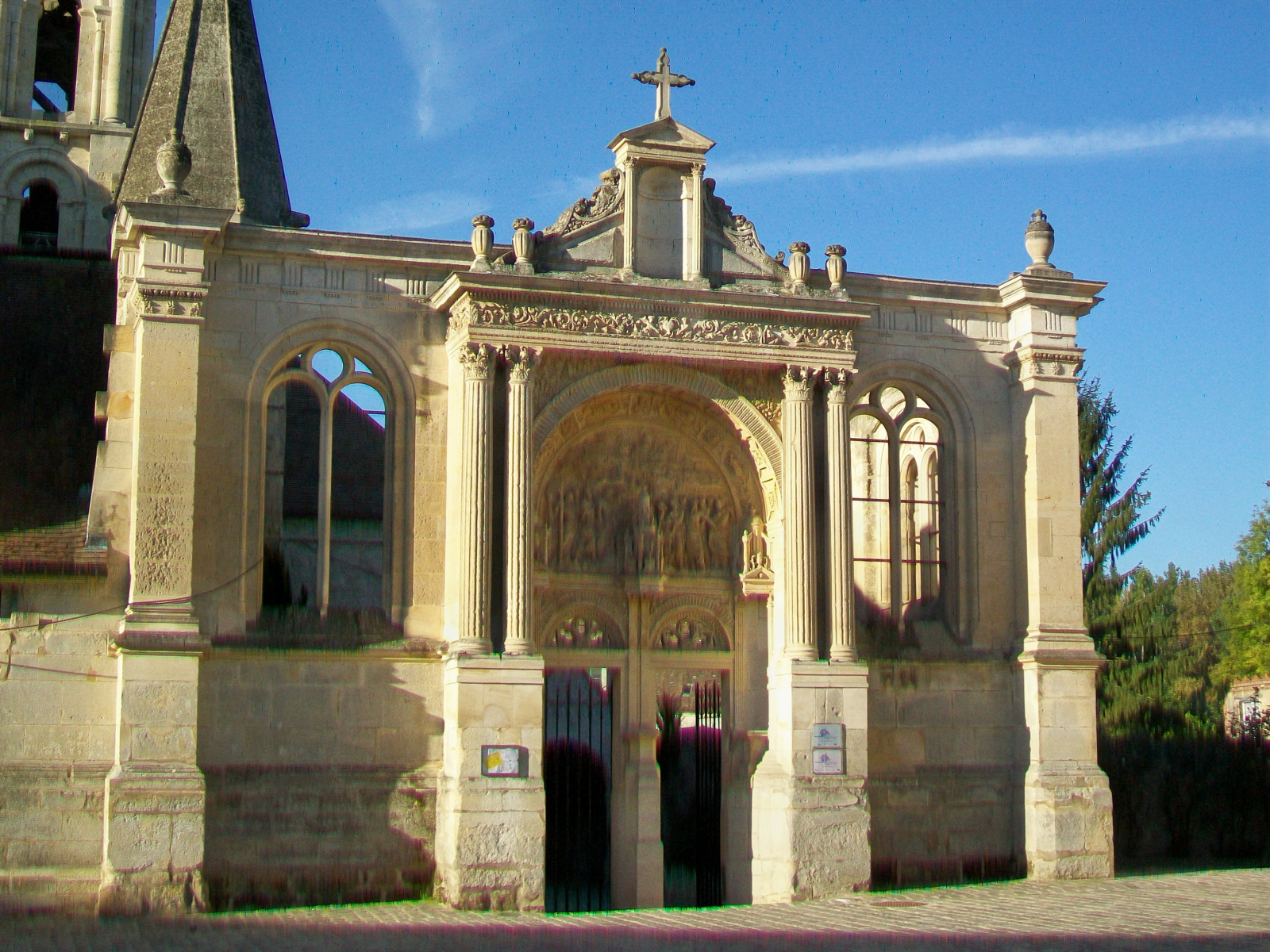
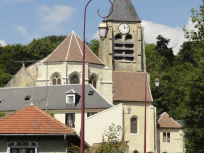
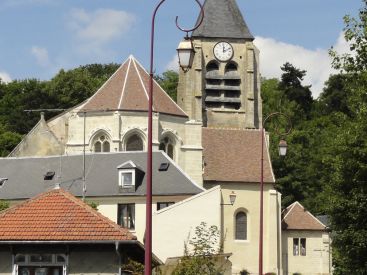
Nestled in the heart of the old village of Cergy, a church captures the attention of passersby: Saint-Christophe Church. Behind its elegant façade lies a turbulent history, shaped by numerous transformations, unfinished projects, and architectural elements that bear the marks of various eras.
Its Renaissance-style portal, facing the old village, is the most striking feature of the building. It reflects a period when French architecture drew inspiration from Antiquity, rediscovering harmonious proportions, decorative pilasters, and intricate sculpted details typical of the era. In the French Vexin, such elaborate decoration remains quite uncommon, making the one at Cergy especially noteworthy.
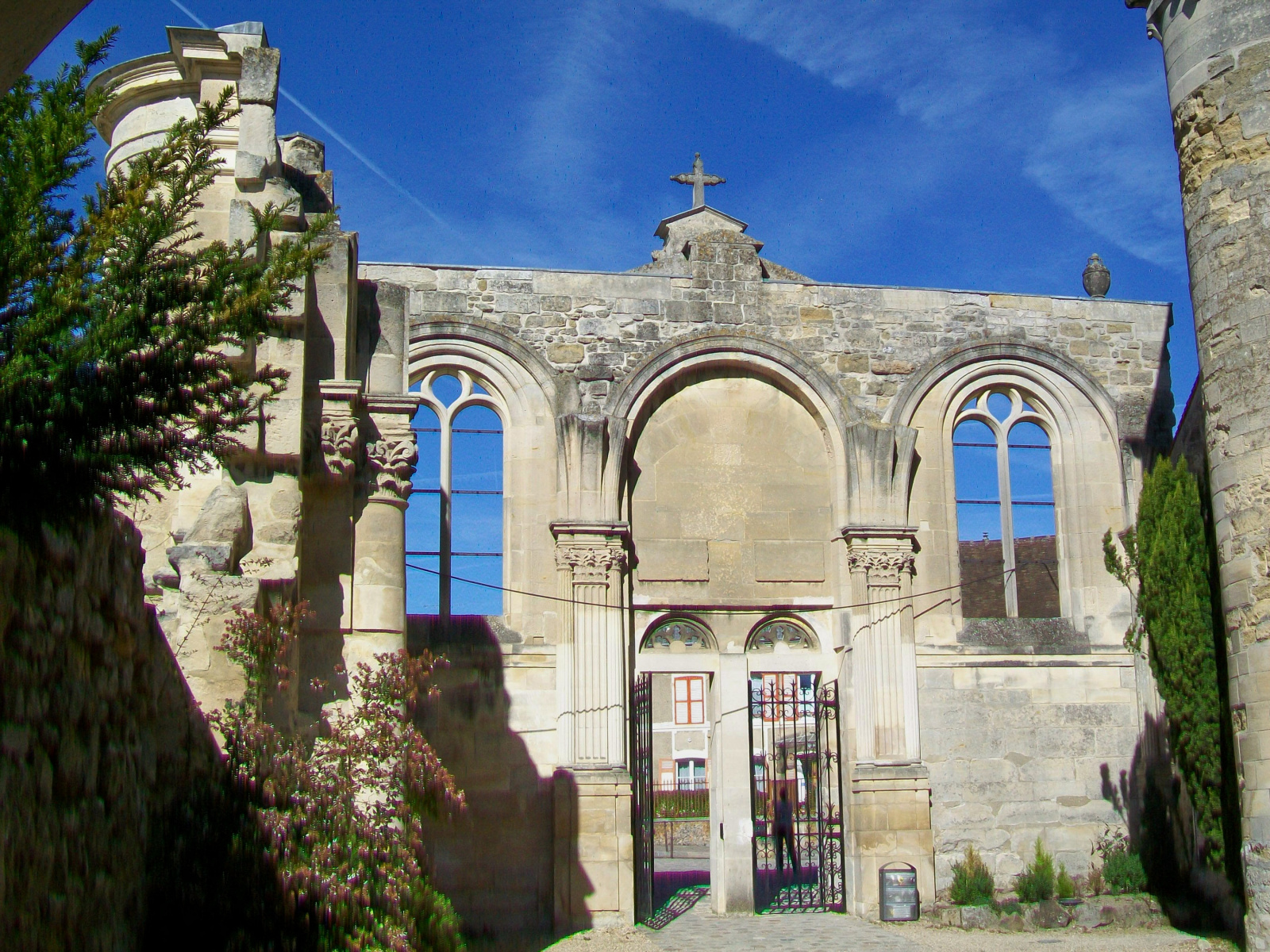
However, passing through this gateway doesn't immediately lead into the nave as it does in most churches. Instead, visitors first encounter a sort of open-air vestibule—a surprising space that almost feels like stepping into a romantic ruin… even though the church itself remains very much intact.
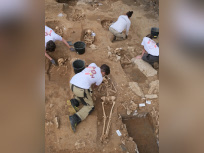
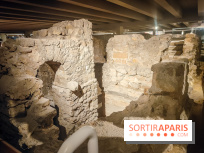
The history of Saint-Christophe Church dates back centuries: archaeological excavations have uncovered traces of religious activity as far back as the Merovingian era, when the site is believed to have hosted a small primitive chapel. By the 12th century, a full-fledged Romanesque church had been built. Today, the Romanesque bell tower from that period still stands, recognized as one of the oldest in the Val-d’Oise department.
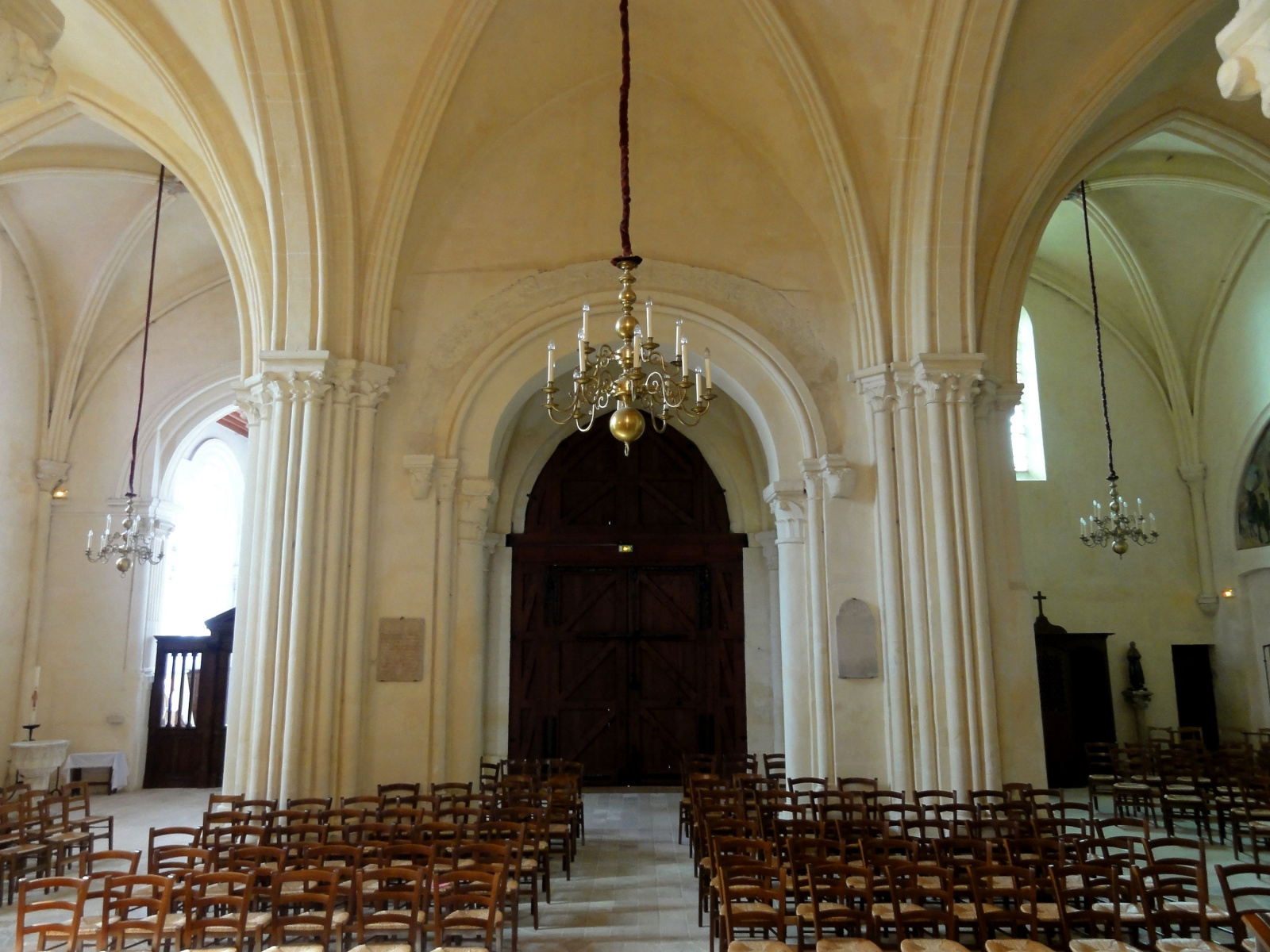
Over the centuries, the building has evolved significantly: the Gothic choir was constructed in the early 13th century, and during the Renaissance, efforts were made to transform and expand the church. It was during this period that the renowned portal was built, along with a double northern aisles. However, financial or technical challenges reportedly hindered the completion of these renovations, leaving the work unfinished to this day.
This unfinished project reveals the striking characteristic of the site: a church that sometimes appears partially open or incomplete, as if frozen in a moment of its history. In the early 20th century, the fragile old Romanesque nave was ultimately demolished in 1904 to reinforce the bell tower.
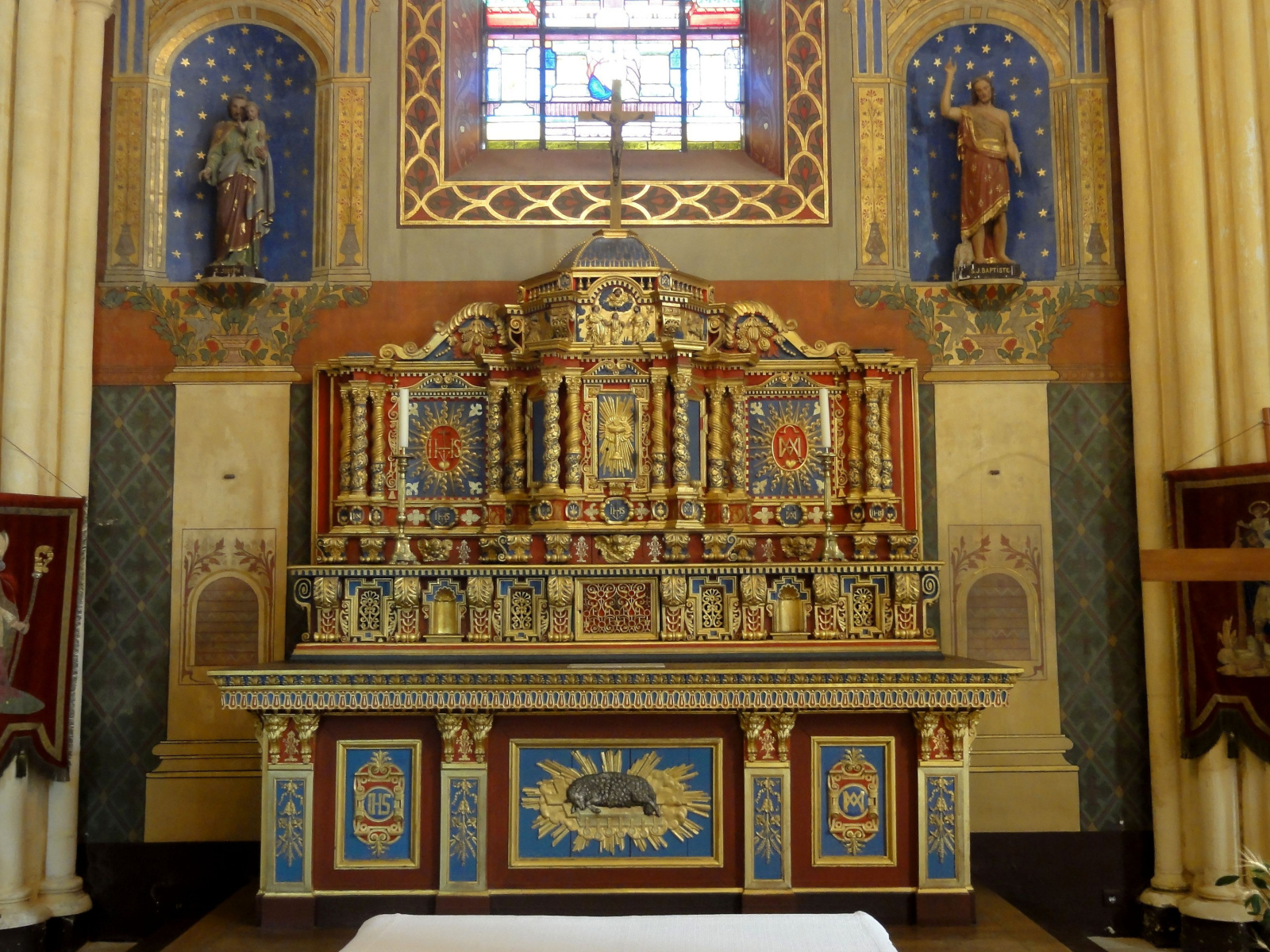
This disappearance alters the way the monument is viewed. The interior space feels more confined, almost square, allowing visitors to better observe the various architectural layers that make up the structure: the Romanesque remains from the 12th century, the Gothic volumes of the choir, and of course, the Renaissance elements that give it its distinctive character. Since 1913, the site has been designated a historical monument!
This page may contain AI-assisted elements, more information here.
Location
Saint-Christophe Church in Cergy
6 Place de l'Église
95000 Cergy
Route planner