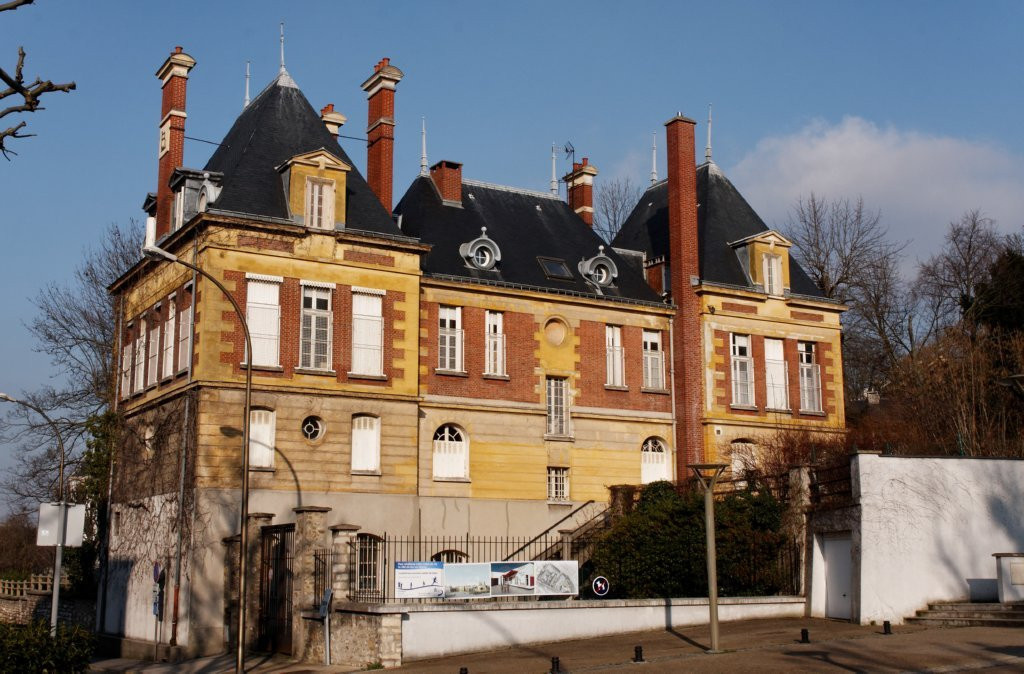
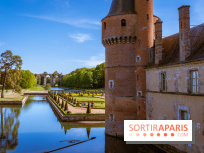
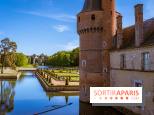
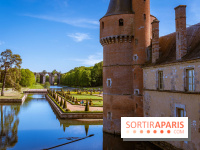
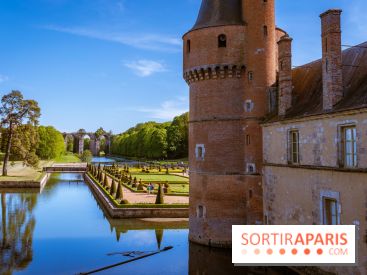
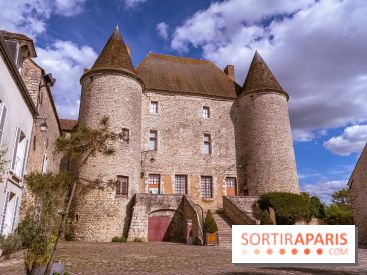
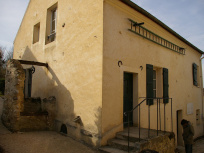
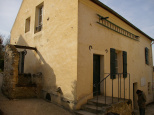
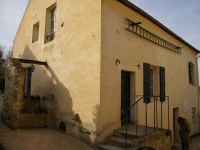
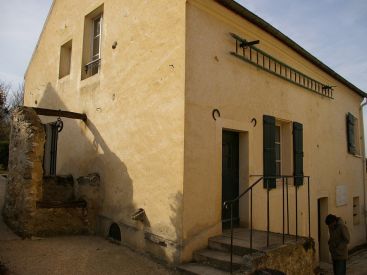
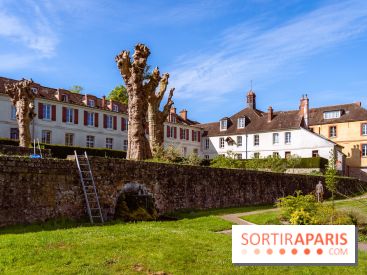
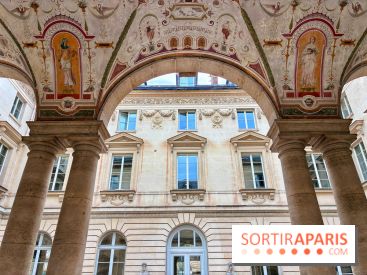
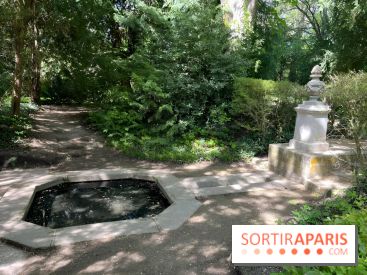
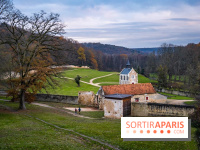
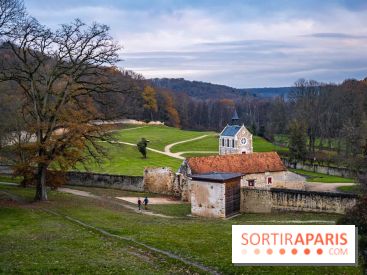
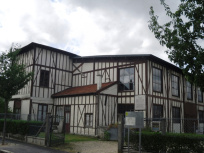
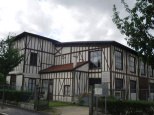
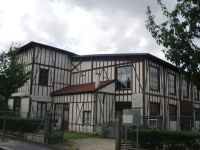
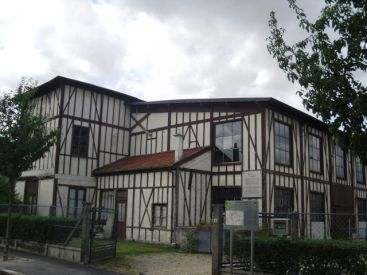
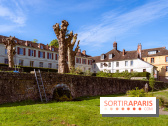
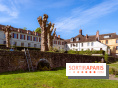
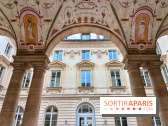
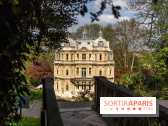
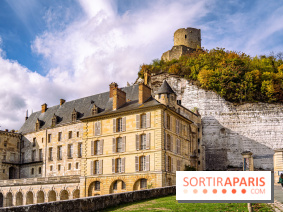
In Bry-sur-Marne, in the Val-de-Marne, this handsome residence preserves inside its walls a chapter of history tied to an invention that now sits at the heart of everyday life. The propriété Daguerre has nurtured the legend of an artist-inventor who would become one of the great names associated with the birth of photography. In 1840, a year after the daguerréotype was publicly disclosed, Louis-Jacques-Mandé Daguerre bought this old Bry-sur-Marne property and settled there with his wife Louise Georgina Arrowsmith and their niece Félicie. He chose Bry-sur-Marne as a retreat, but a Daguerre-style retreat: with light, optical effects, and still plenty of magic in the luggage.
When Daguerre arrived in Bry-sur-Marne, he wasn’t a nameless wanderer chasing inspiration by the Marne: he already had Paris buzzing about him. In 1839, the daguerreotype method was unveiled: a way to fix an image onto a silvered copper plate. Picture those first spectators, eyes widening at images with astonishing precision. Before family albums, holiday snaps, wedding photos, and smartphones drawn faster than their shadows, there stood this delicate, slow, singular process. Each daguerreotype was an image without a negative, precious and fragile as a secret.
Before he became tied to the birth of photography, Louis Daguerre was already a painter, a theater designer, a creator of visual illusions. His playground? Light. He knew how to coax it in, hold it, bend it, stage it. His world belongs to that 19th century appetite for optical spectacles, monumental sets, and trompe-l’oeil. The diorama, developed with Charles Marie Bouton, builds on this idea: paint grand canvases and transform them through lighting tricks to give the audience the impression that the scenery changes, moves, and breathes.
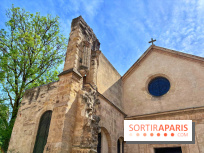
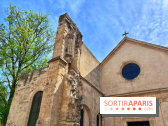
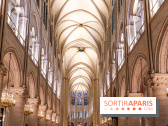
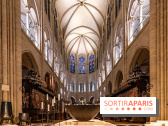
In Bry-sur-Marne, Daguerre’s footprint goes beyond his house. Hidden in the église Saint-Gervais-Saint-Protais is a piece of décor: the diorama de Louis Daguerre, created in 1842. This trompe-l’œil work, installed behind the choir, gives the impression that the church extends into a far grander Gothic architecture.
This diorama is all the more precious for being presented as the only surviving remnant of Daguerre’s invention. Designated a historic monument in 1913, it underwent an ambitious restoration from 2006 to 2013 to recover some of its transparency and light effects. Today, the Daguerre estate is regarded as a major memory site in Île-de-France. Its heritage value stems from its direct connection to Louis Daguerre, a pivotal figure in the history of photography.
This page may contain AI-assisted elements, more information here.
Location
Daguerre House
4 Rue du 136EME de Ligne
94360 Bry sur Marne