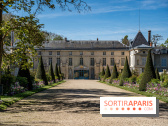
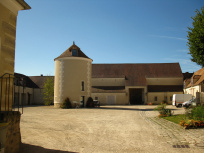
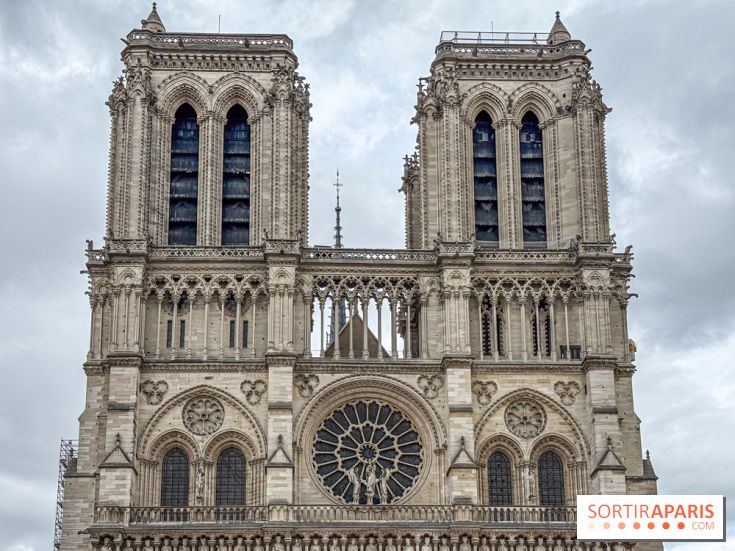
There are monuments that keep silent about their past. L'église Saint-Pierre d'Avon, perched a kilometer from the château de Fontainebleau, in Seine-et-Marne (77), belongs to that category. We pushed open its heavy door, and behind a rustic façade waited nearly a thousand years of royal history. This is the story of Fontainebleau’s royal parish, long before the château had its own church.
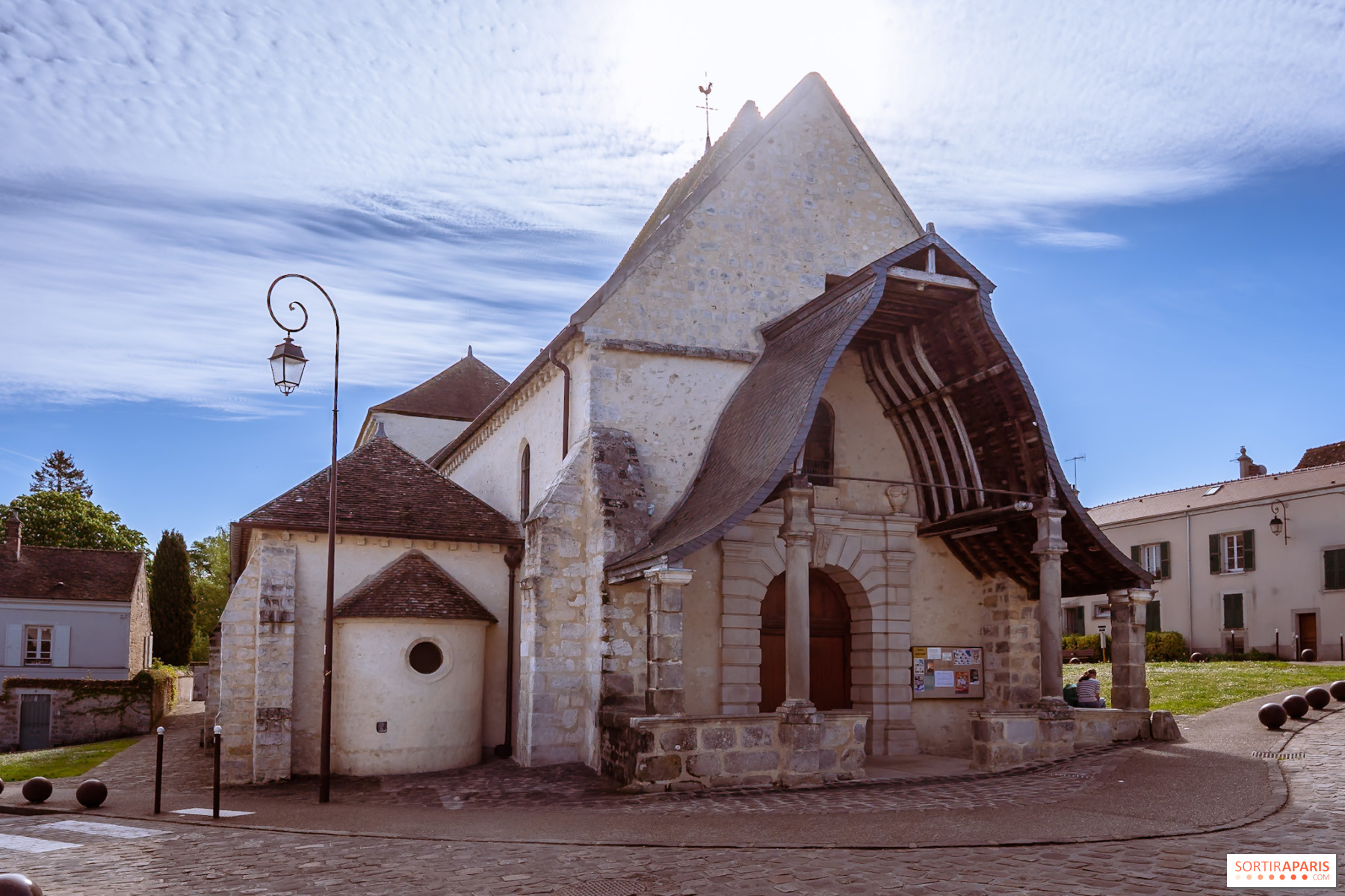
Everything begins around 1100. At that time, Fontainebleau is still just a modest hunting site, and it is in Avon that people go to pray. The building, originally Romanesque, gradually becomes the heart of the village. When the Kings of France stay at the château, it is here, right nearby, that they come to hear Mass.
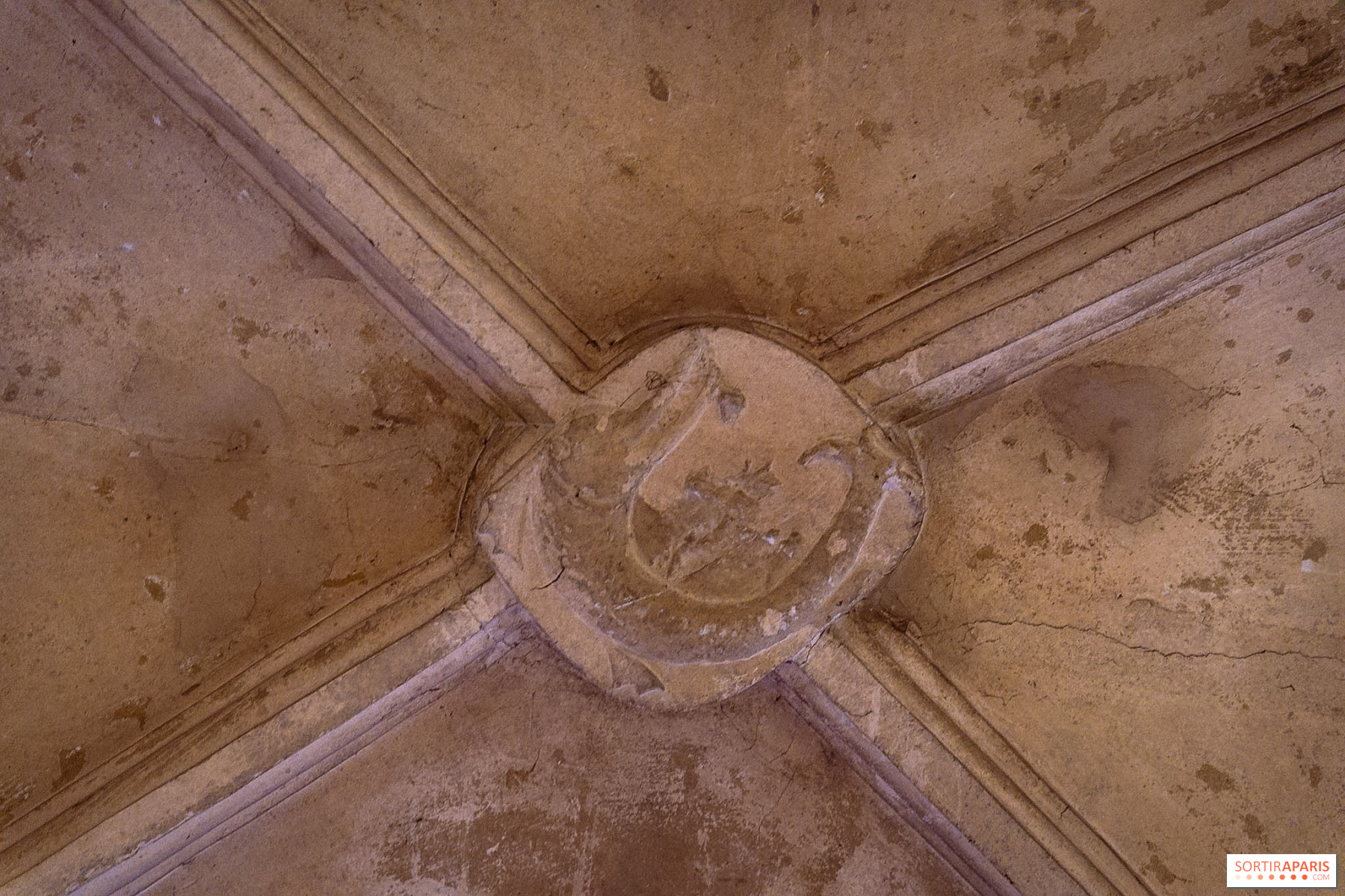
The Avon coat of arms, where lilies and Saint Peter’s keys mingle, still recalls the town’s unusual past for a small rural borough. The village grew up around its church, closely tied to the life of the court.
From the 16th to the 17th century, Saint-Pierre becomes the royal parish of Fontainebleau. The Trinitarians keep the registers there and record the court’s most momentous events. The most famous? The baptism of the future Louis XIII, born in 1601 and baptized in 1606: his entry is indeed found in Avon’s registers, not Fontainebleau.
The archives also recount the visits of Louis XIII and Anne of Austria. One even encounters Madame de Maintenon, Louis XIV’s second wife, who settles under the stone porch to teach catechism to the young Avonnaises. The village grows in step with the castle, and its church then concentrates all the religious life of the court. A history that can be explored further on the site of the pôle missionnaire de Fontainebleau.
The turning point comes from a history of a protective wall and distance. In the early 17th century, Henry IV decides to fence in the château grounds to hunt game at will. The result: the residents of Fontainebleau, the Bellifontains, must now go around this enclosure and travel nearly three kilometers to attend Mass in Avon—a journey that quickly grew tedious.
To address this, Queen Mother Marie de Médicis, widow of Henry IV and regent for Louis XIII, commissioned a chapel at the heart of Fontainebleau, initially a modest annex to the Avon parish. Built by Claude Martin between 1611 and 1614, it is dedicated to Saint Louis, the revered Bourbon ancestor.
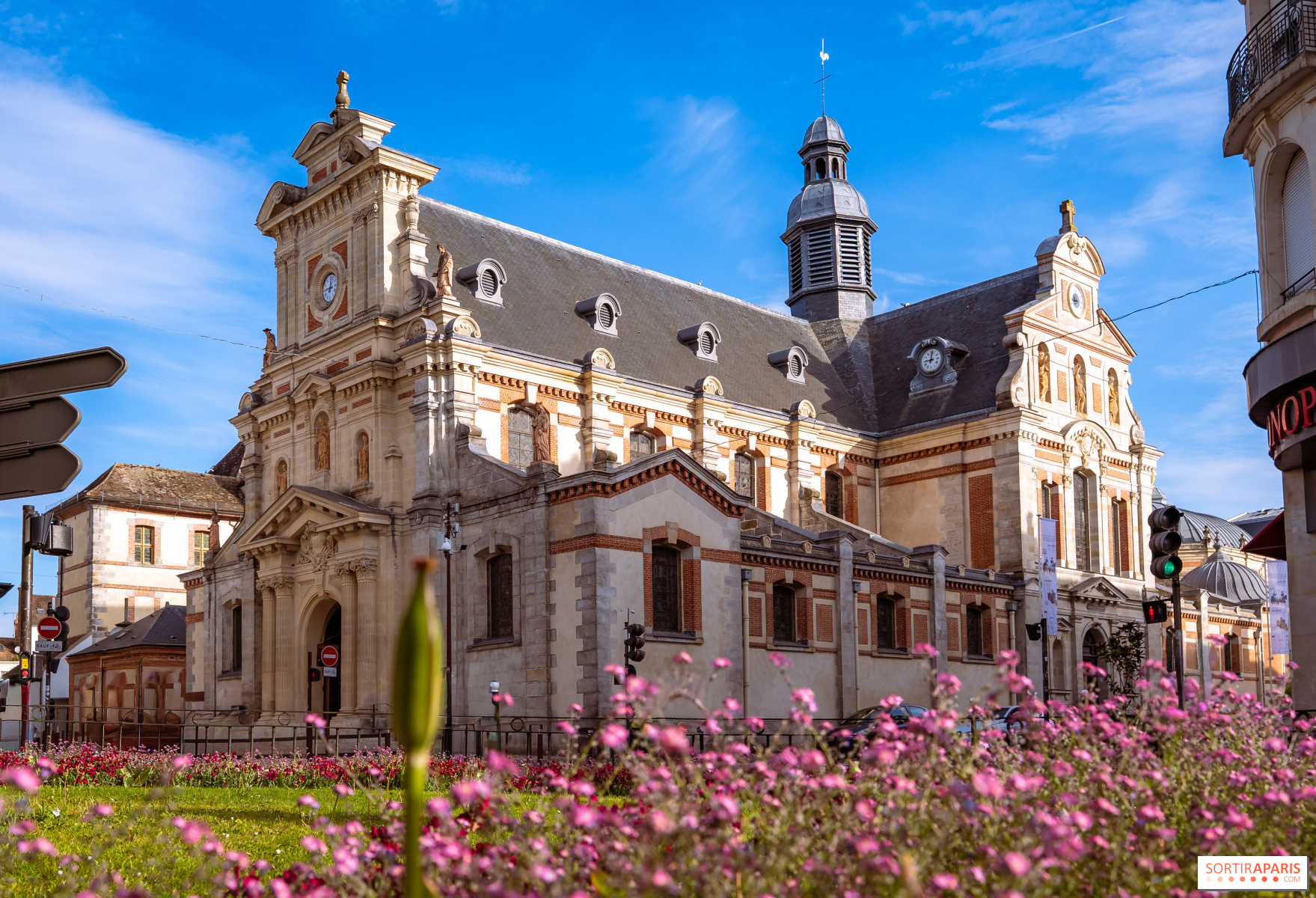
The shift was formalized on November 16, 1661: Louis XIV and the queen mother Anne of Austria elevated the chapel to the status of Fontainebleau’s parish church. The Saint-Louis Church thus became the town’s main place of worship, while Avon gradually relinquished its royal parish status. Reworked during the Second Empire, Saint-Louis remains today Fontainebleau’s parish church.
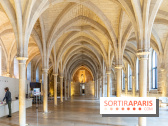
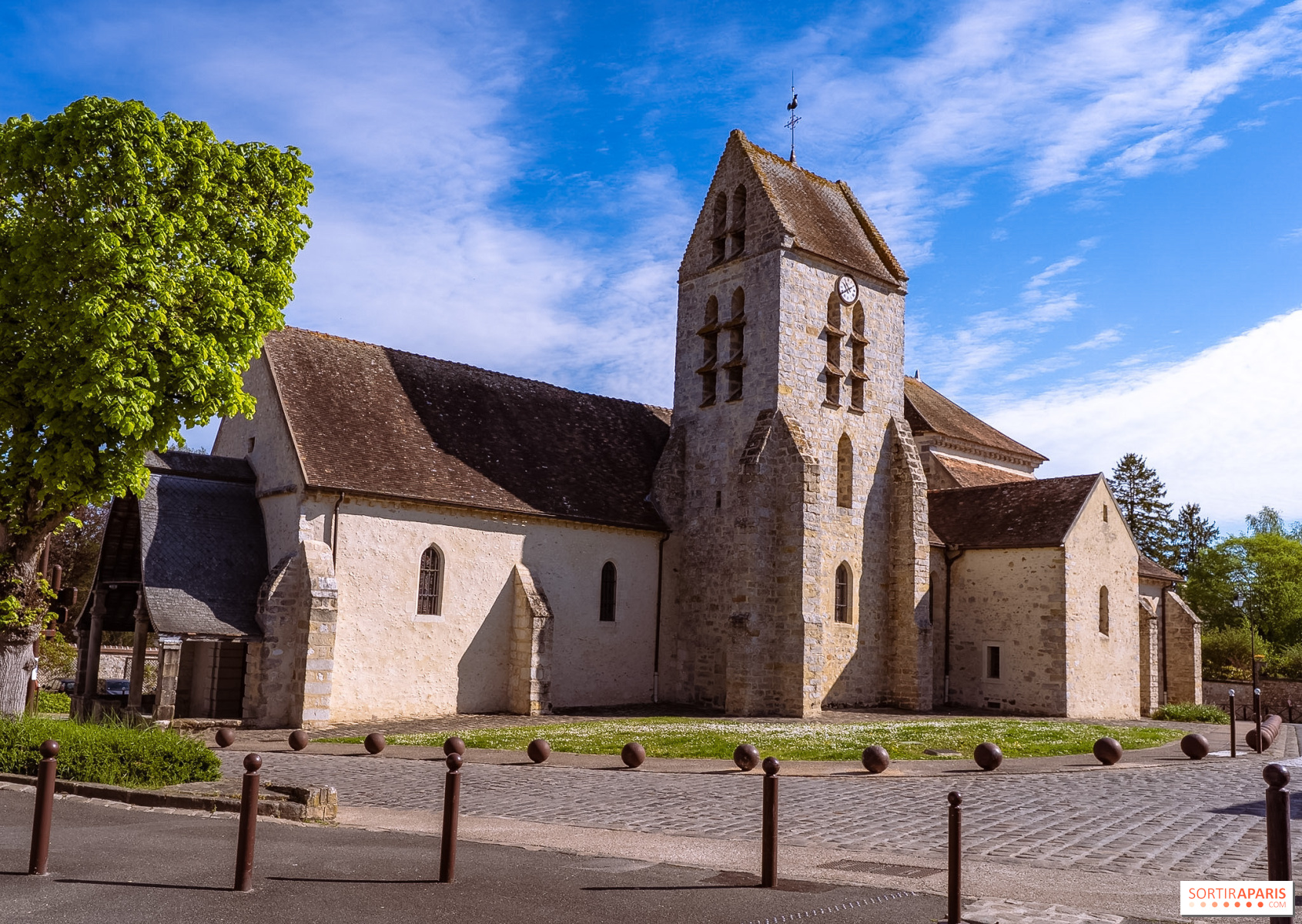
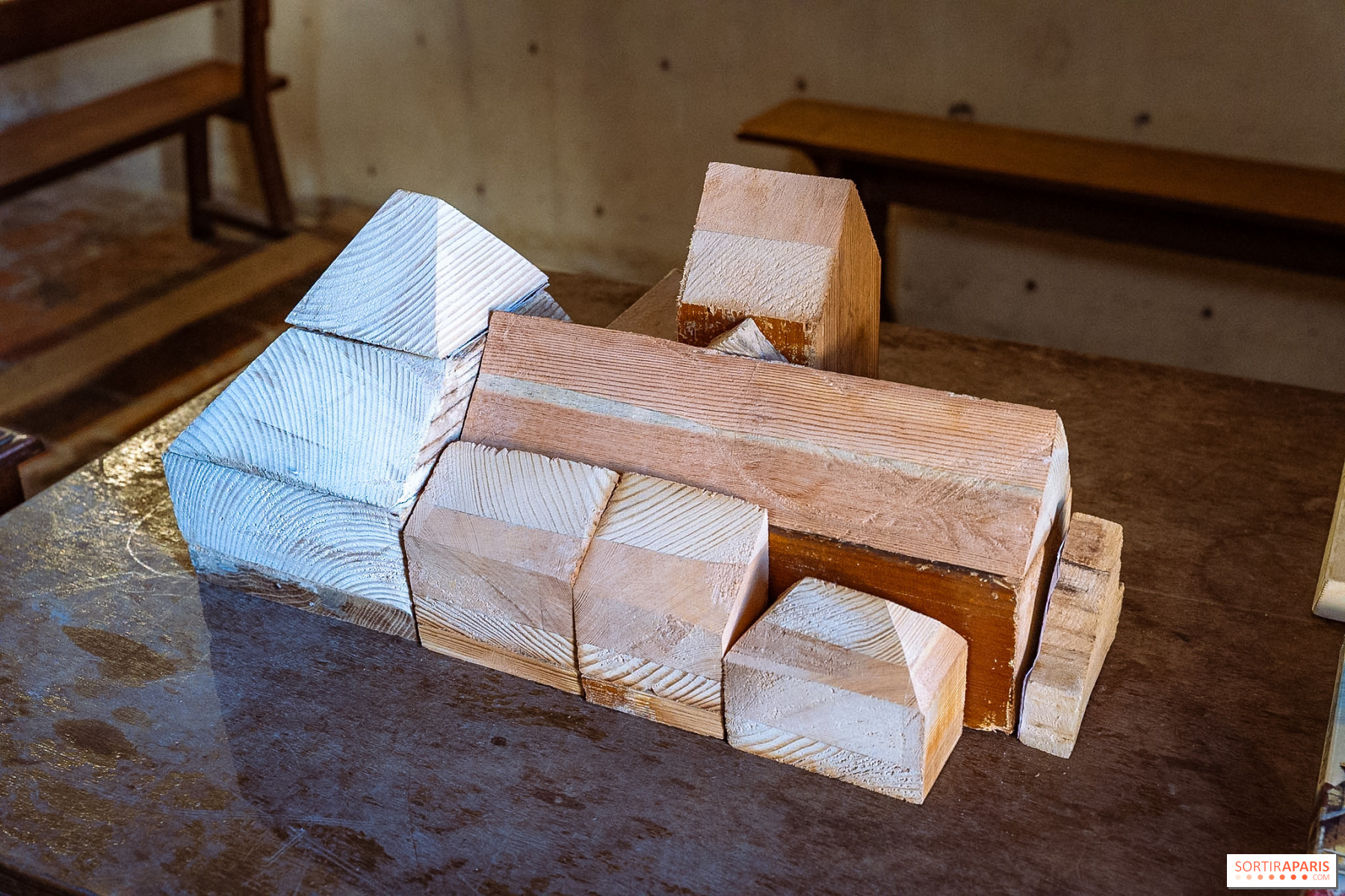
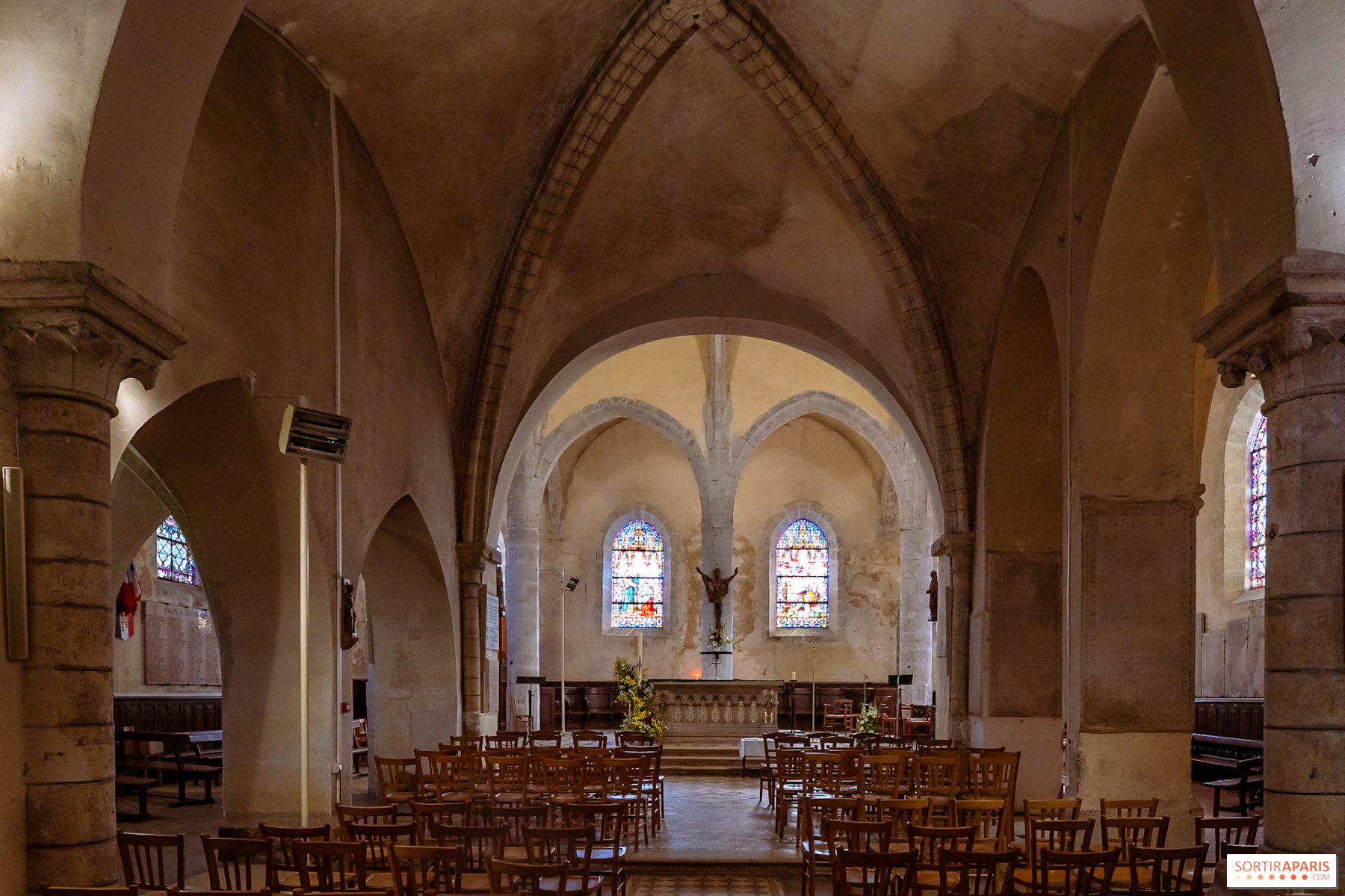
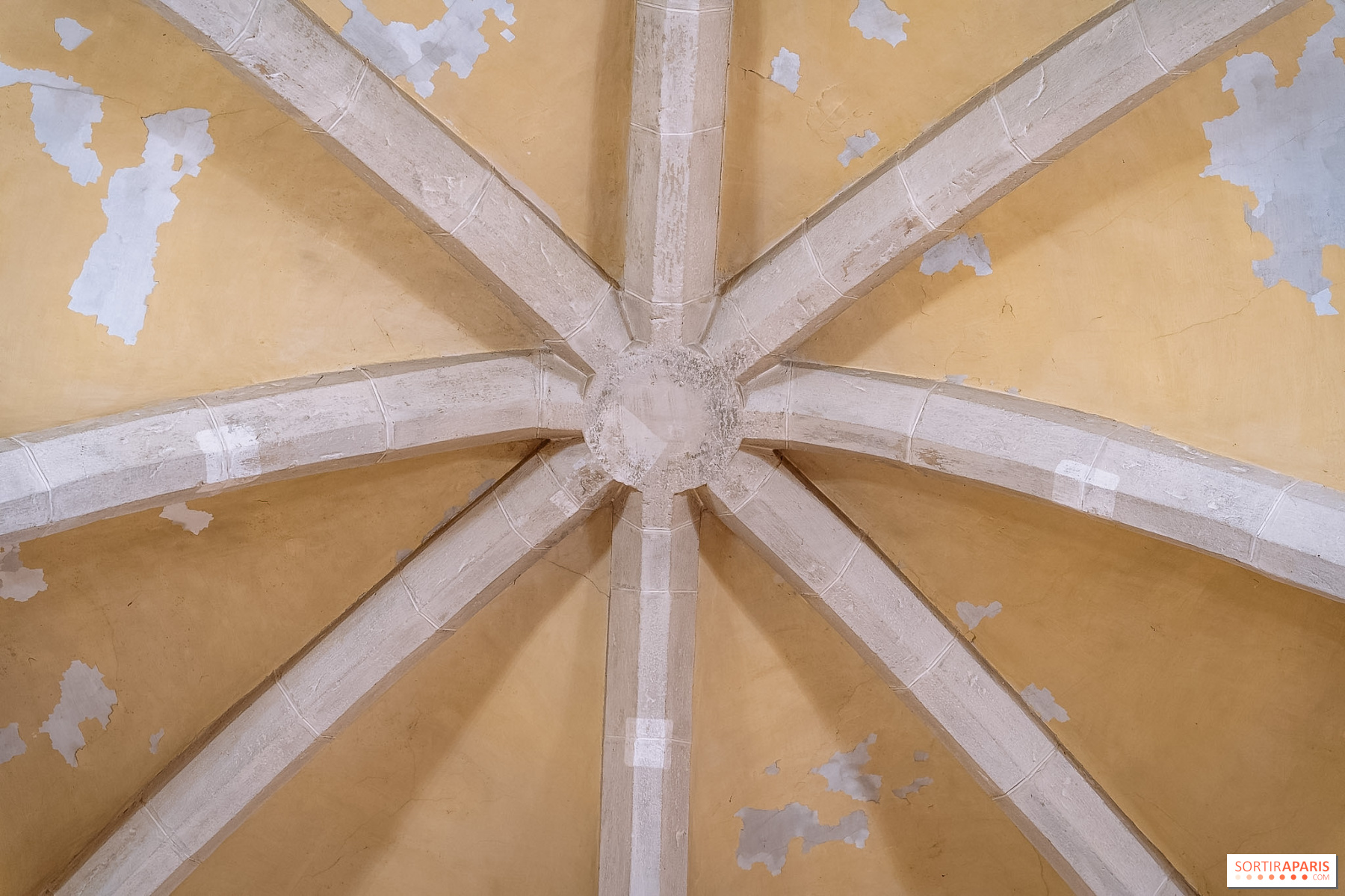
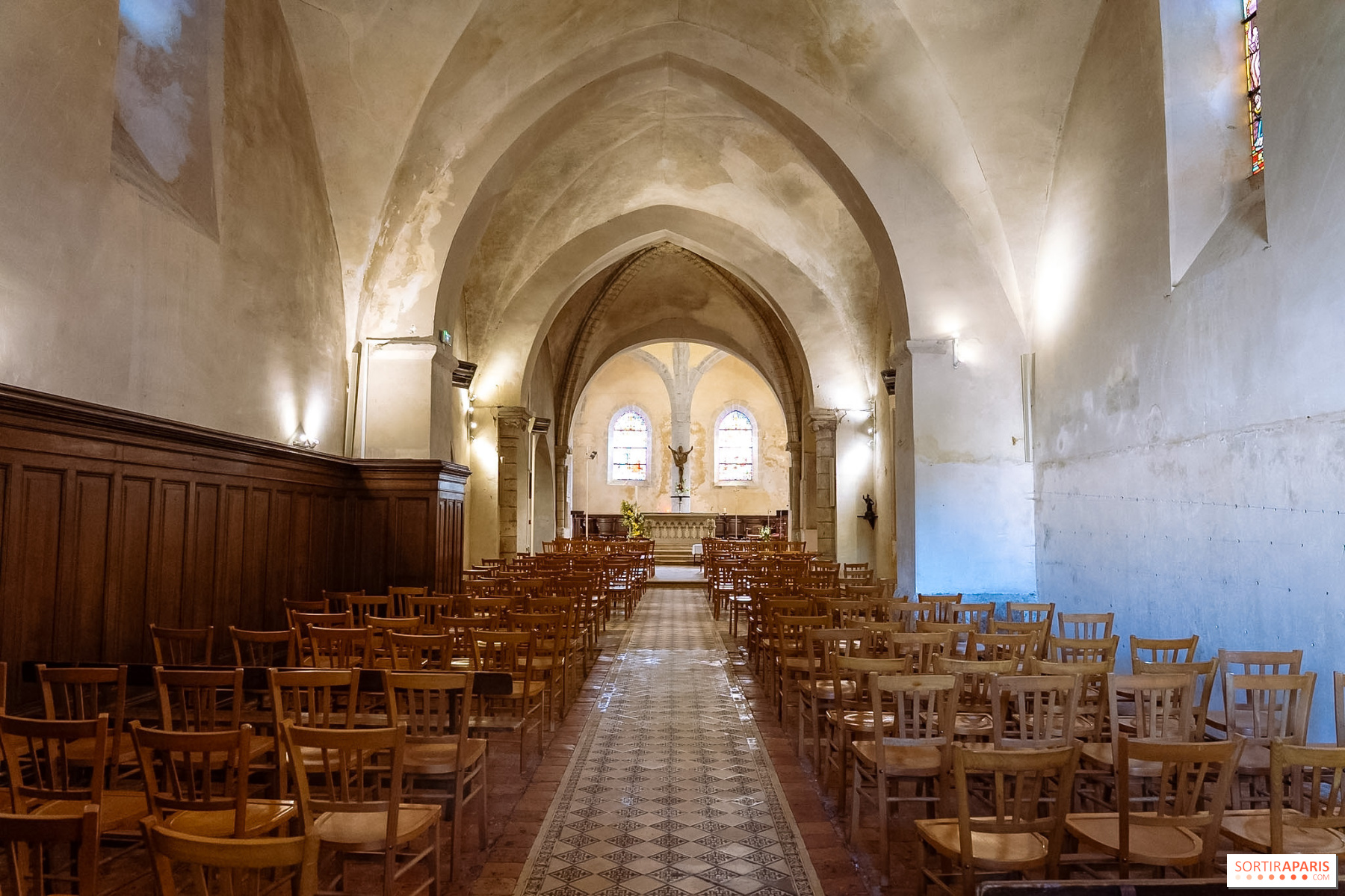
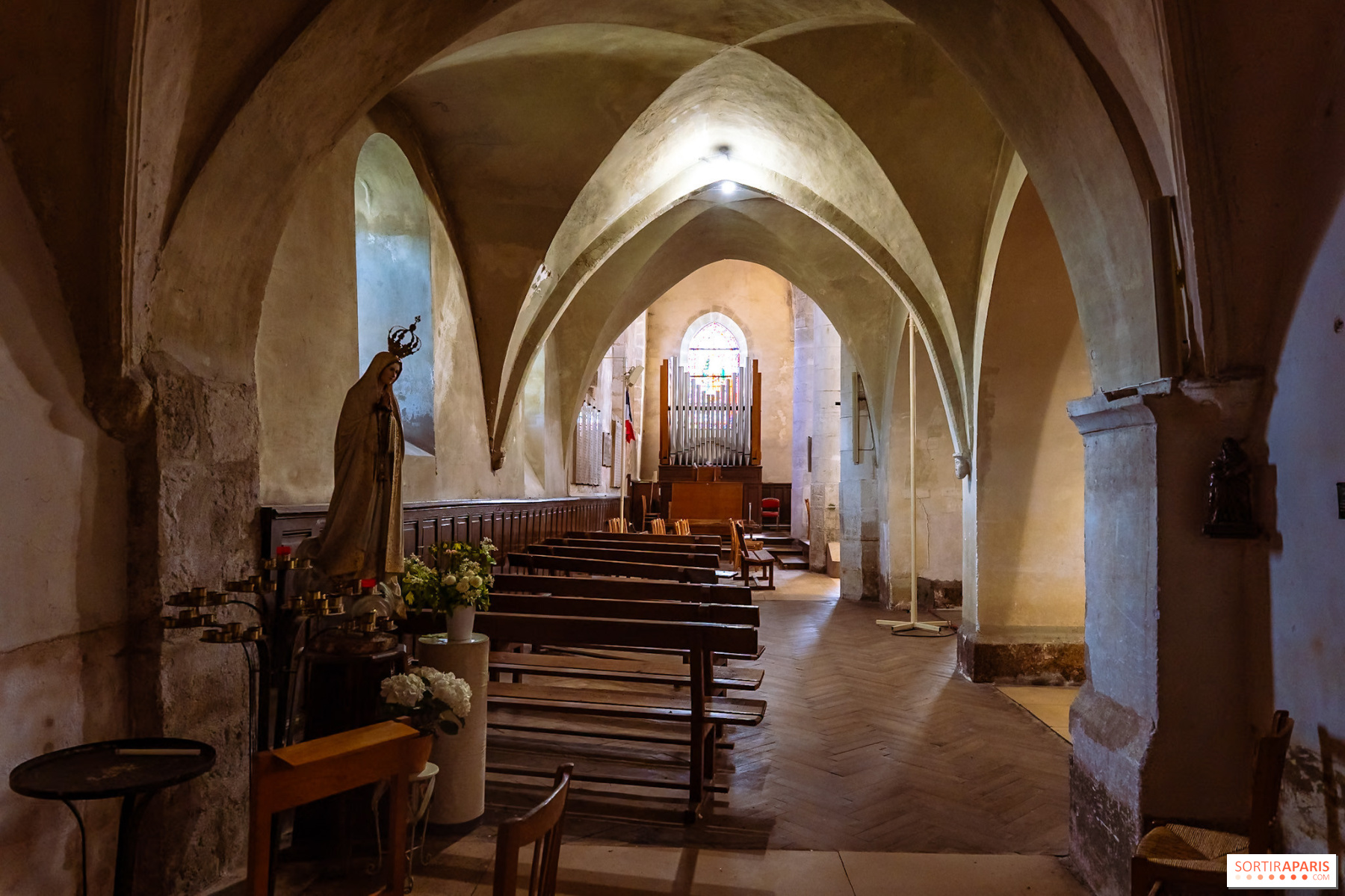
History is read in the walls as well. To the Romanesque nave, in 1555, a flamboyant Gothic choir by Jean de Monceau, lord of Avon, was added, along with side aisles to accommodate a larger congregation. The shift from one style to another is striking, both inside and out.
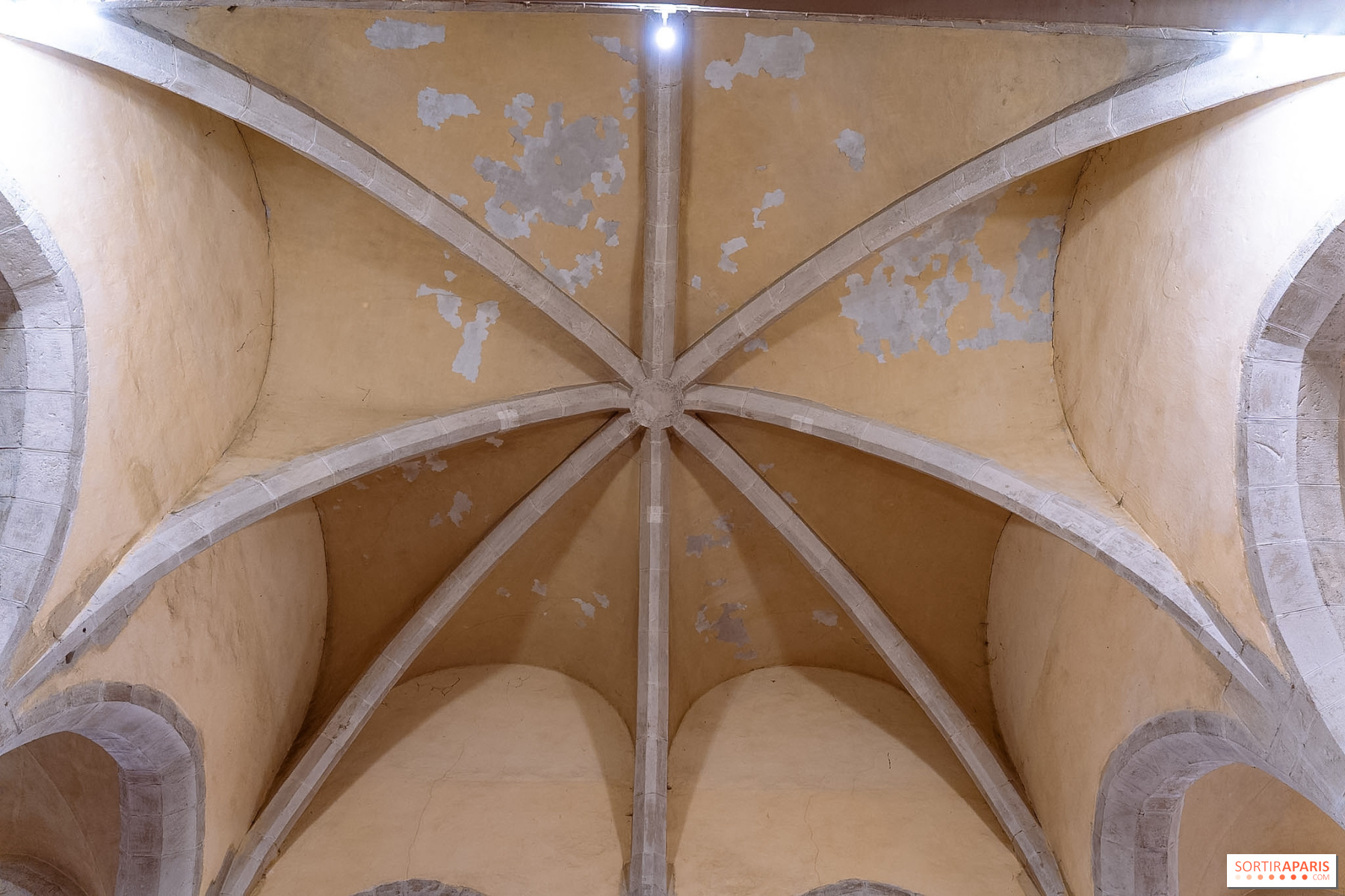
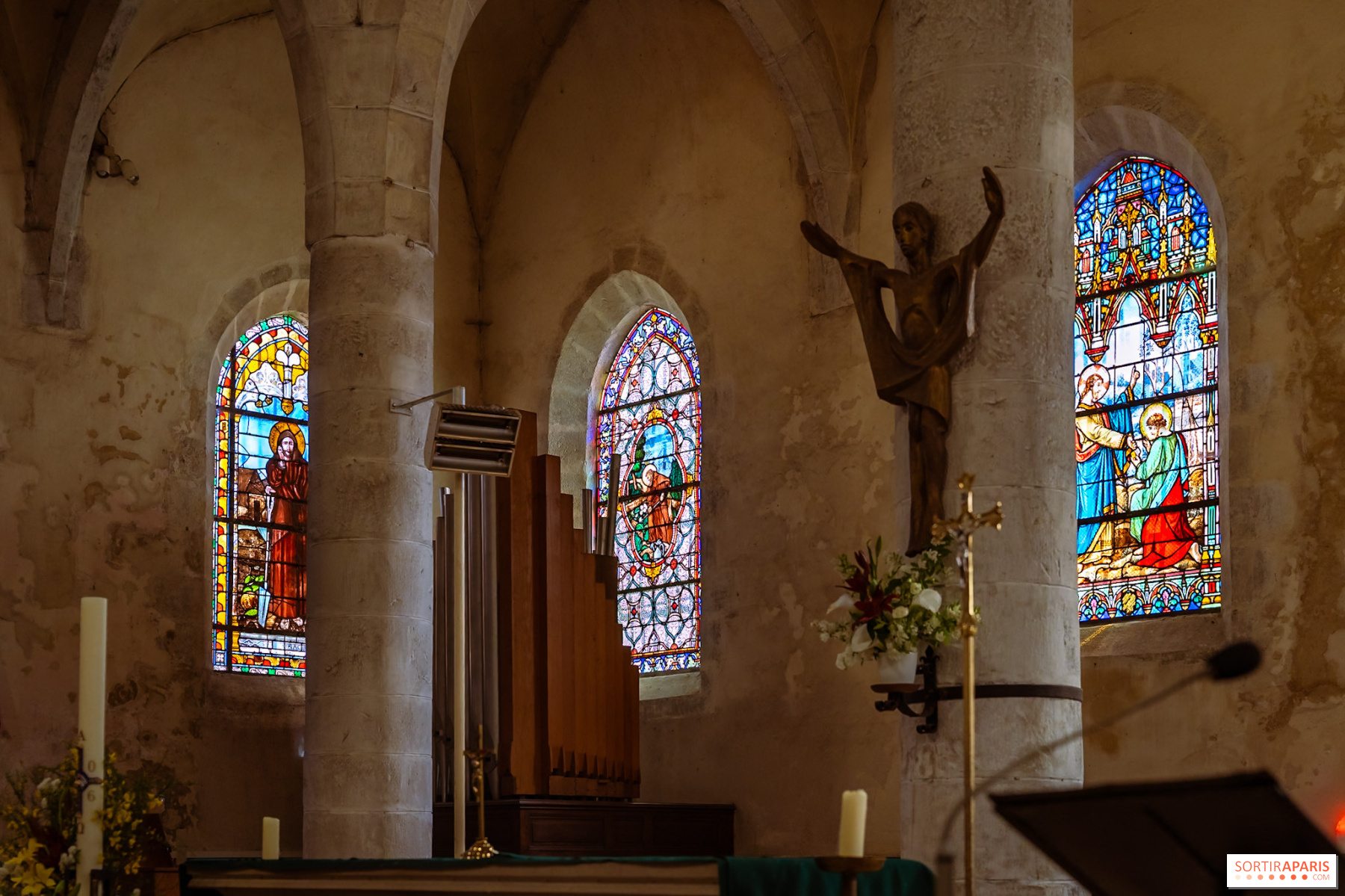
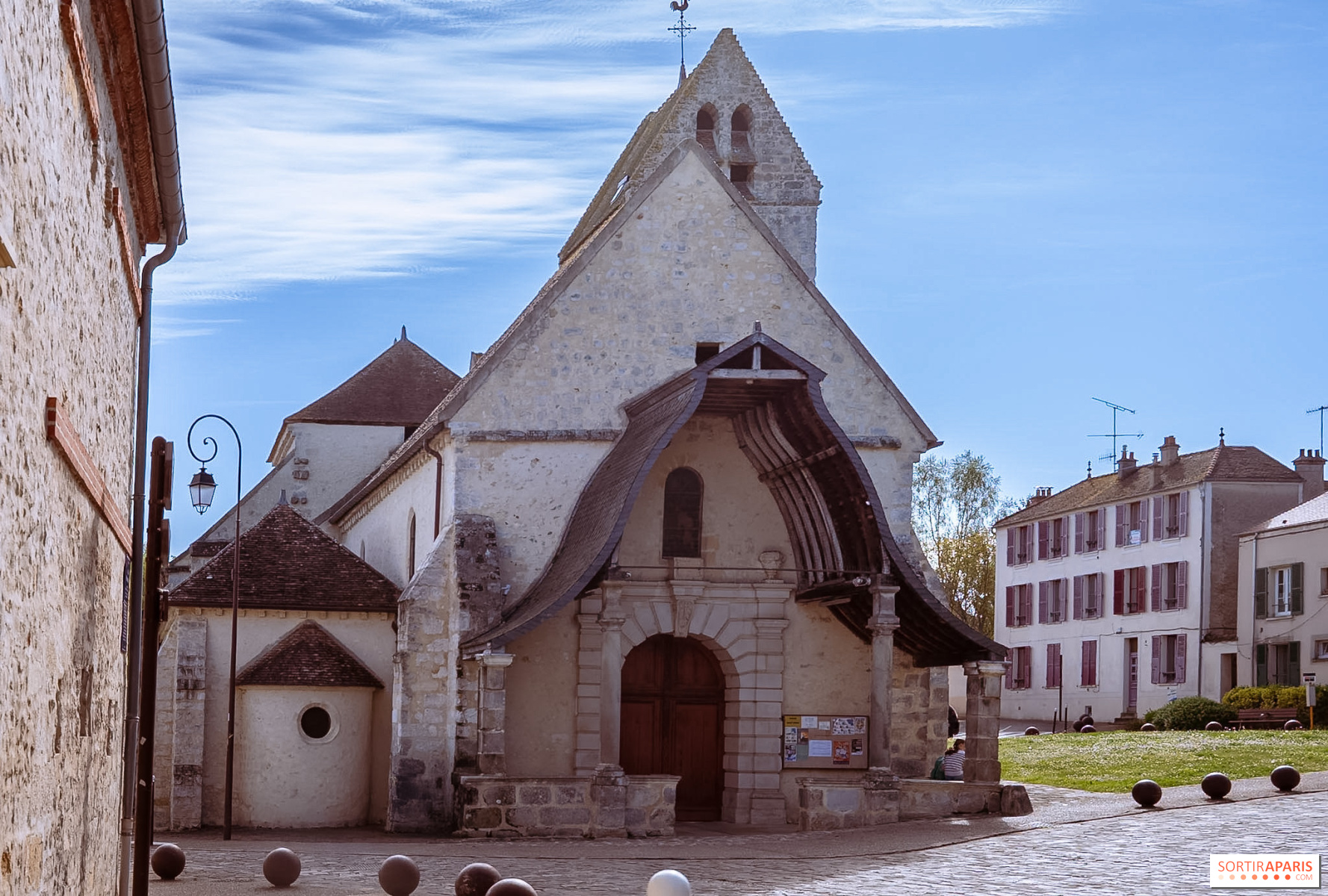
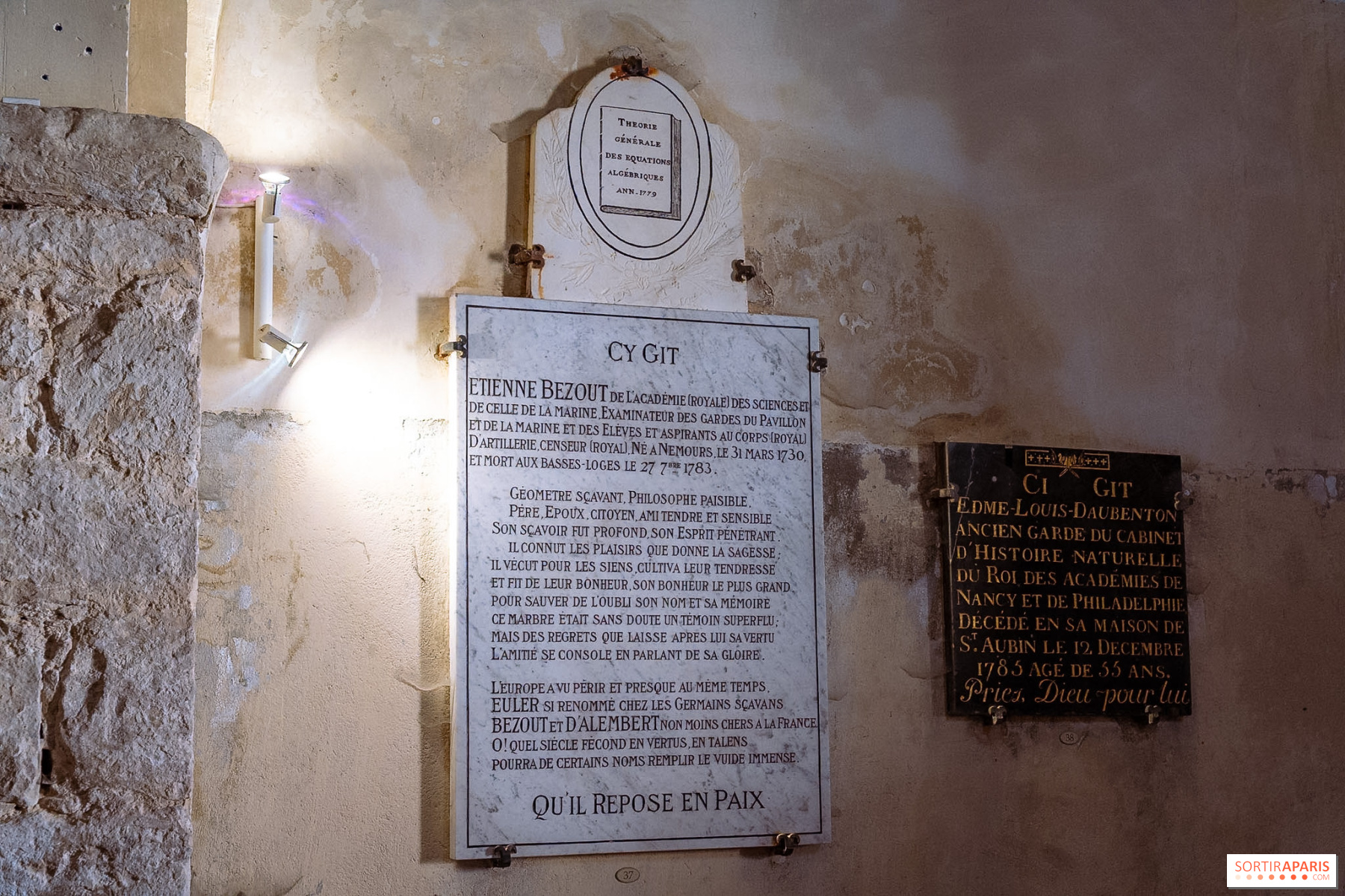
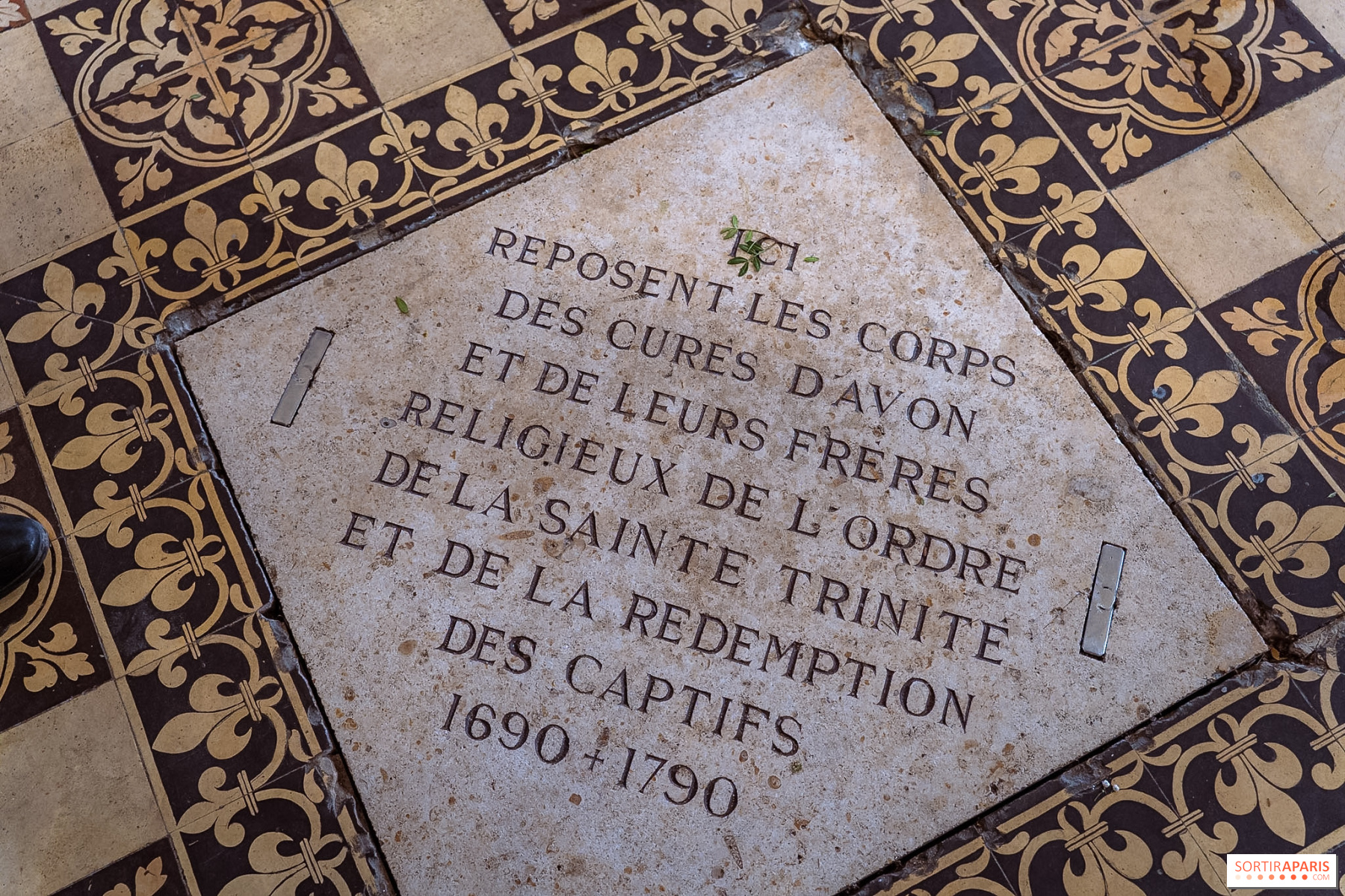
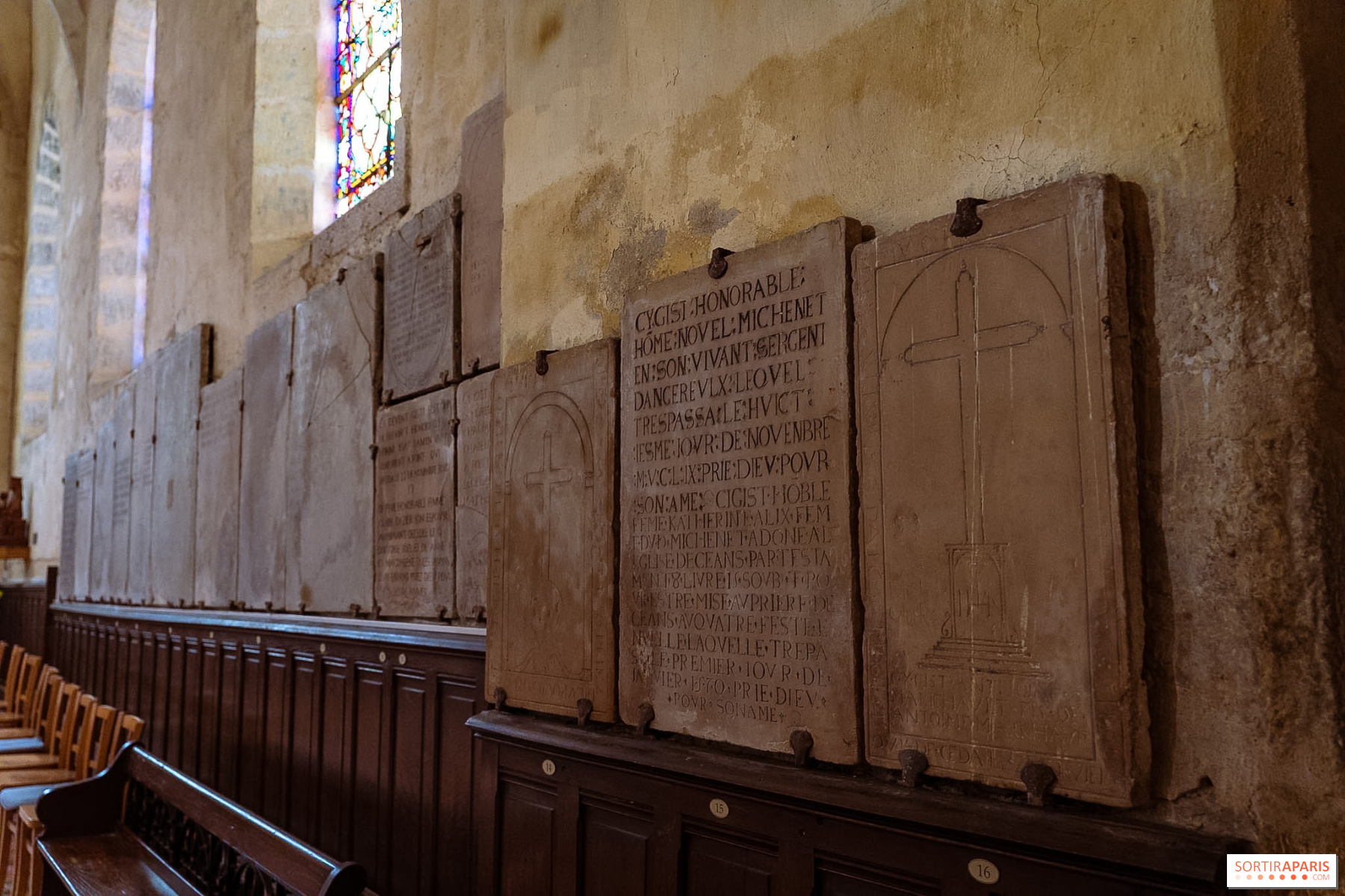
Each century has left its mark: a sturdy square bell tower from the 13th century, a stone porch from the Renaissance, a sacristy topped with a small tower in the 19th. Along the south aisle, more than fifty dalles funéraires tell the story of the officers, artists, and craftsmen who served the kings at the castle, among them the mathematician Étienne Bézout and the naturalist Daubenton.
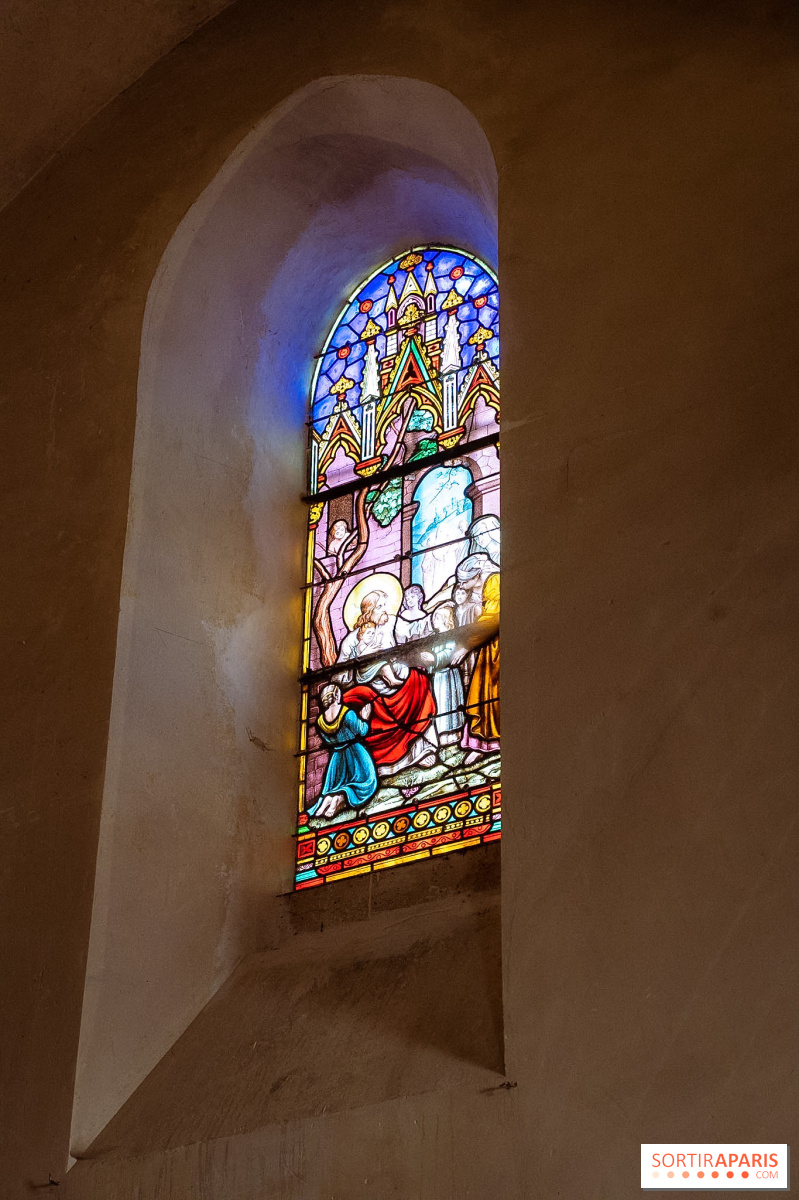
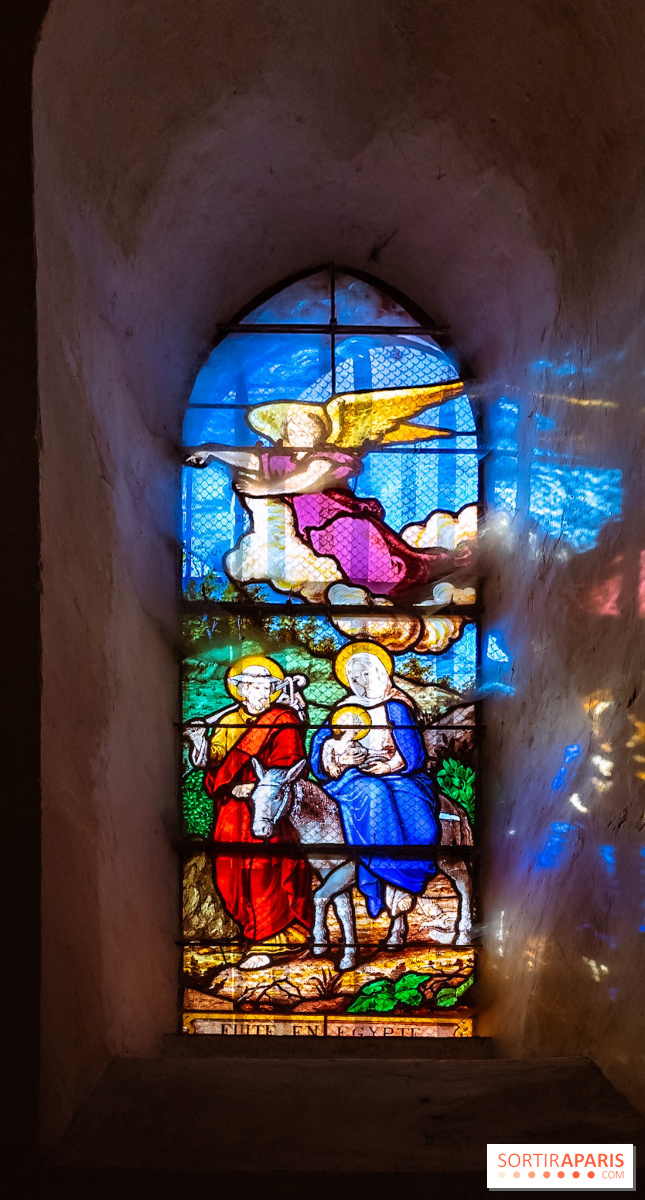
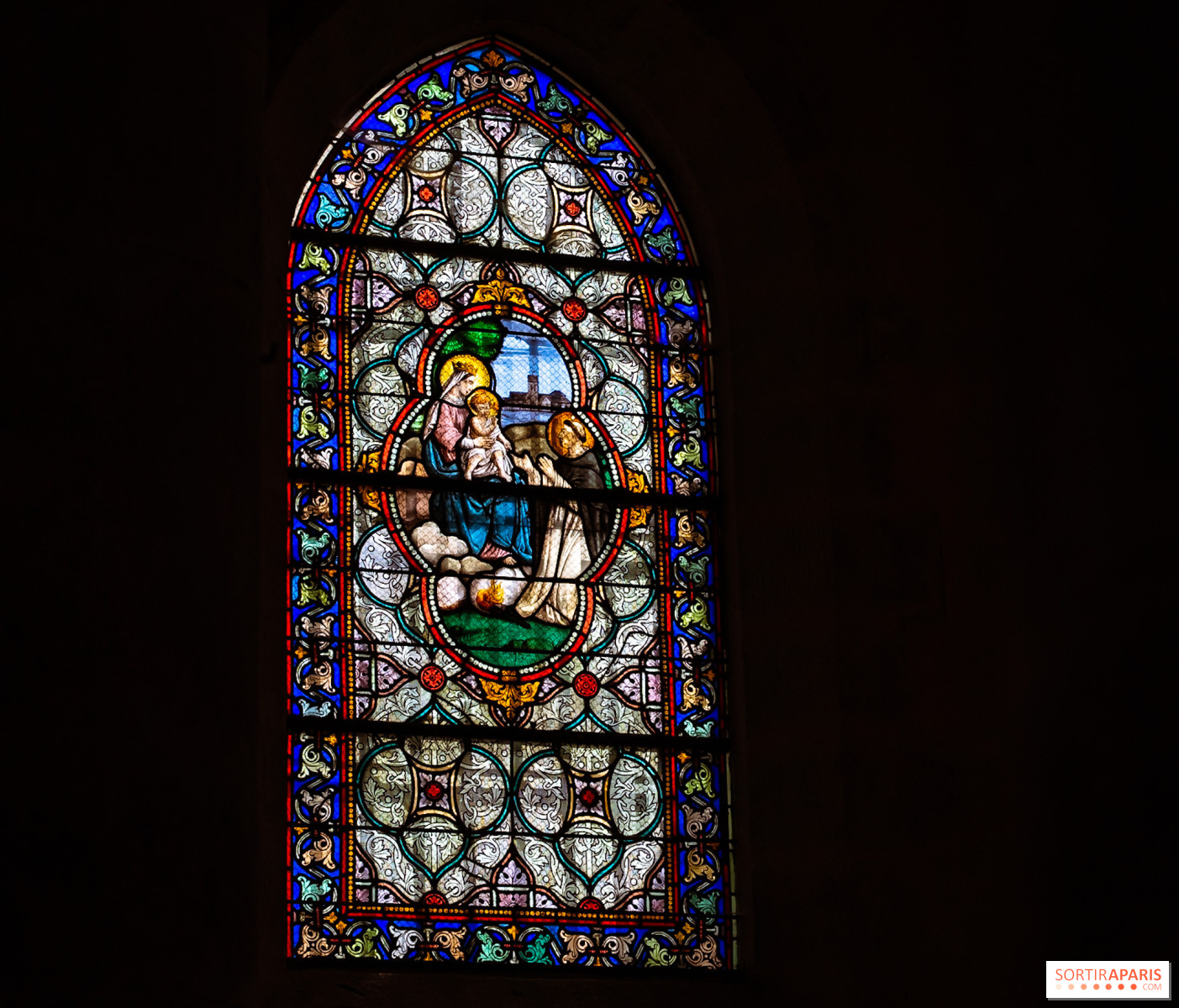
Time also took its toll on the building. In 1892, a fire swept through much of the royal gifts, banners, and 16th-century stained glass. Two polychrome wooden statues, a Virgin and Saint John from Henry II’s altarpiece, escaped the flames. It’s also worth noting that the church was designated a Monument historique as early as 1840, at the initiative of writer Prosper Mérimée.
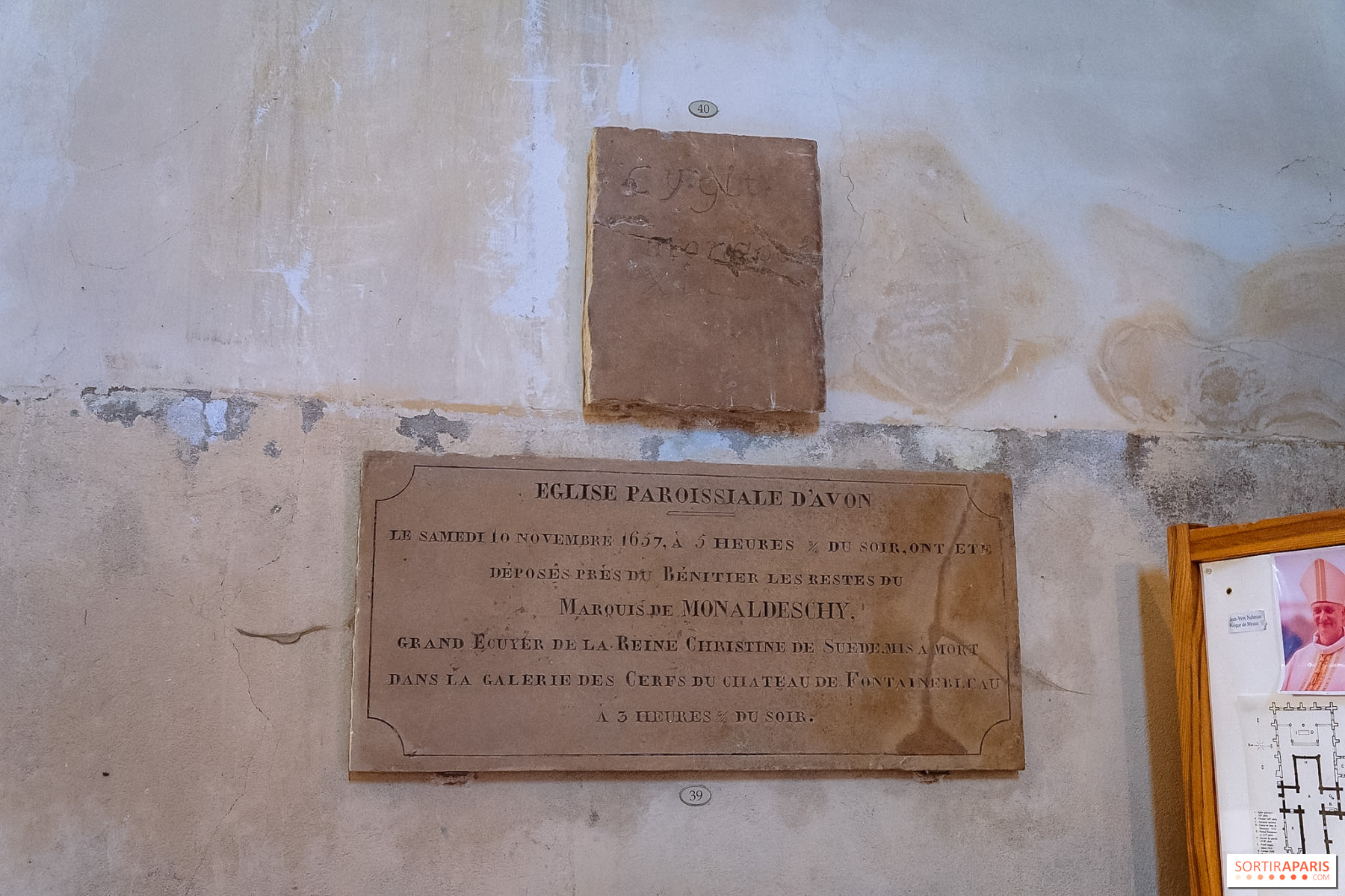
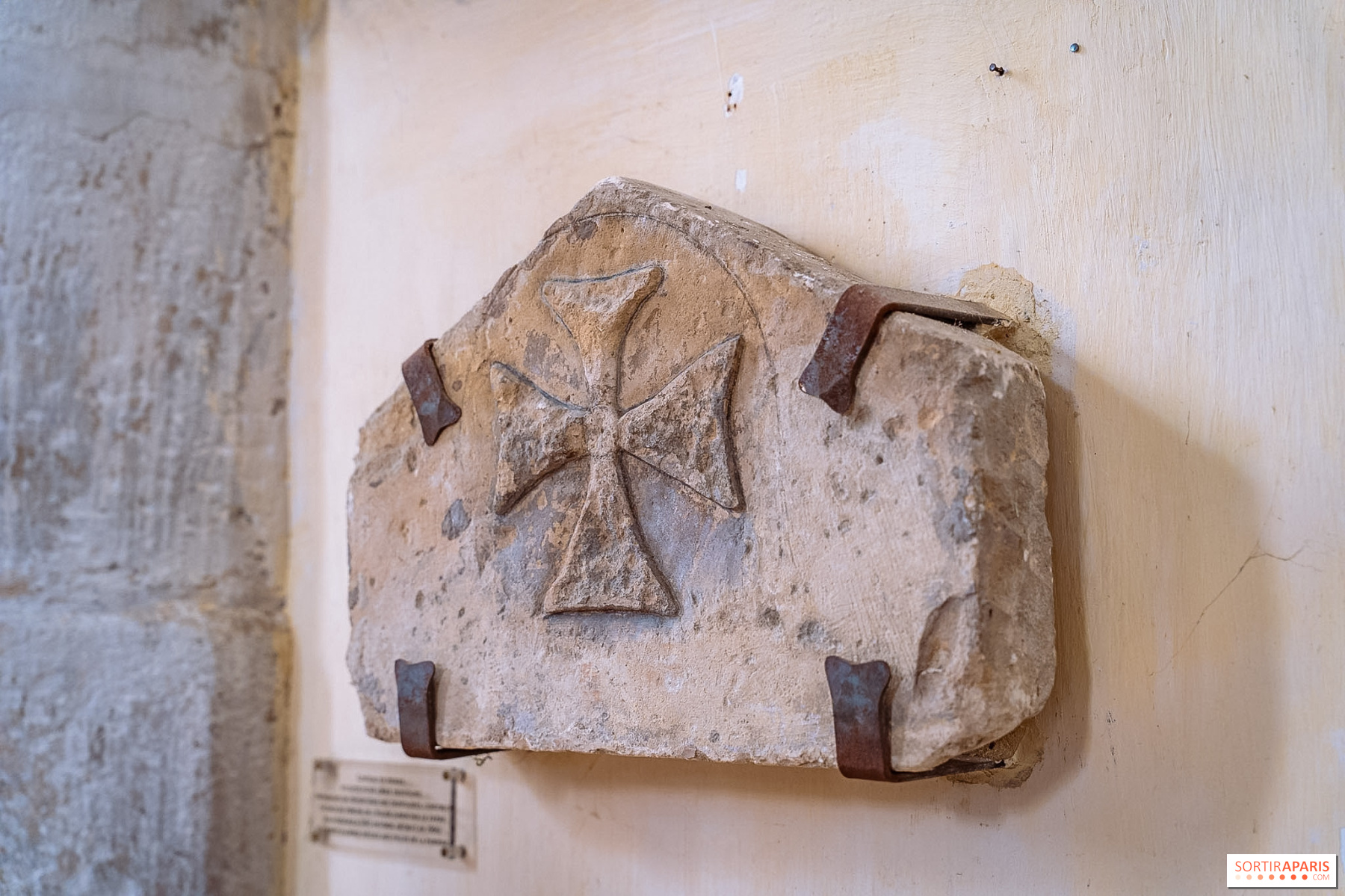
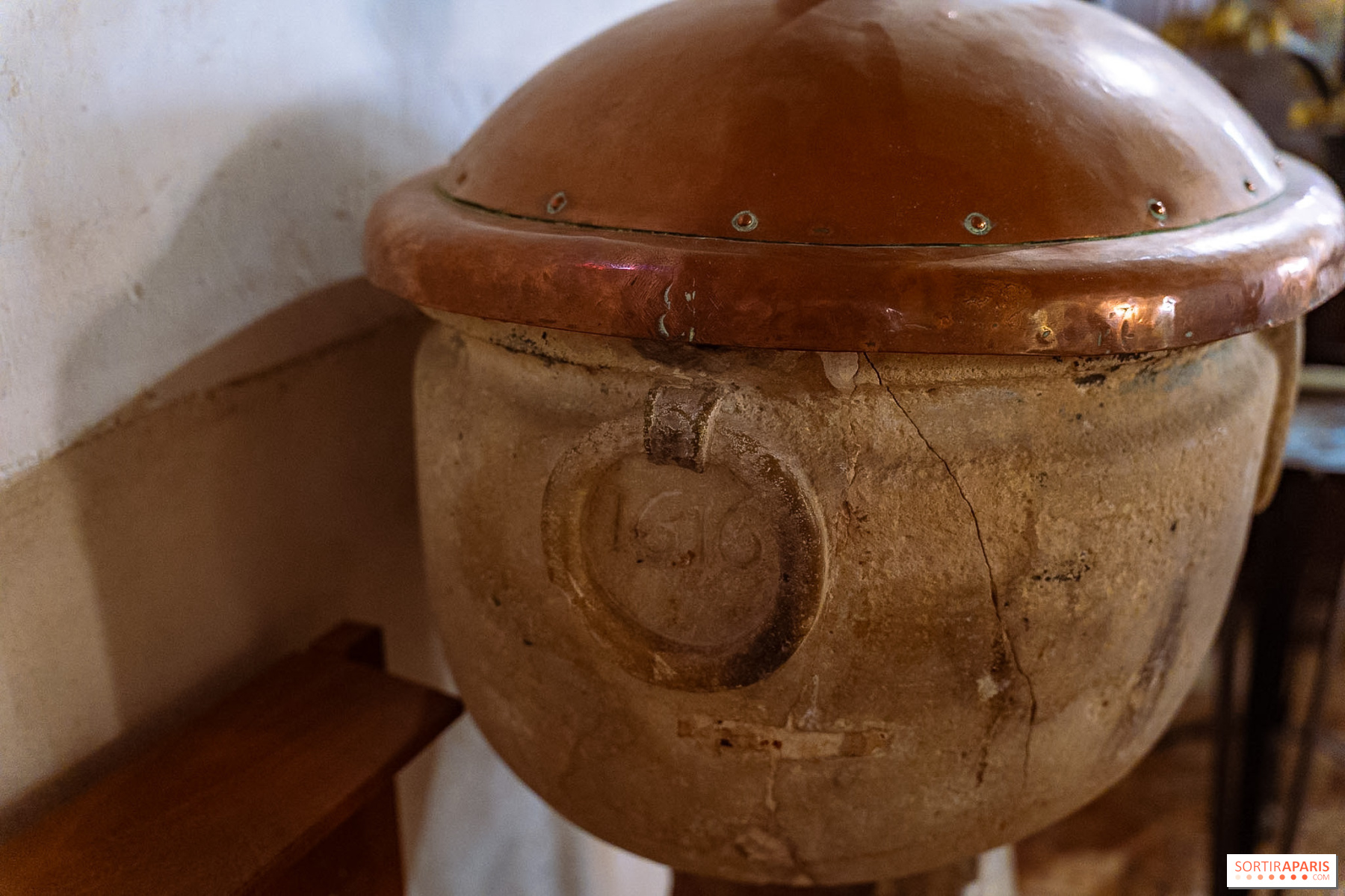
And then there is this rough stone plaque, crudely carved, above the baptismal font. It looks inconspicuous, but it hides one of the site’s darkest chapters. It is the funerary slab of Gian Rinaldo Monaldeschi, the queen’s Master of the Horse, Christine of Sweden, who sought refuge in France after her abdication.
It is said he betrayed diplomatic secrets that jeopardized the queen’s ambitions. Enraged, she had him executed on 10 November 1657 in the Cerfs Gallery at the Château de Fontainebleau, before a hurried burial at Avon. The affair sent shockwaves across Europe and would haunt Christina of Sweden for years, now famed as much for her ardor as for her ruthlessness.
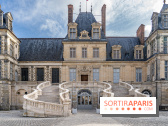
Today, you can still take the time to explore this history on site. The Saint-Pierre Church is open for visits from Wednesday to Saturday (3:00–6:00 pm in summer, 2:30–5:30 pm in winter), with welcoming duties handled by the parishioners. A few steps away, the red door opens onto the estate of the Château de Fontainebleau, listed as a UNESCO World Heritage site, and this link between village and kings continues. Worn by the passage of centuries, the church awaits restoration, a project being carried out under the supervision of the town of Avon.
Our take: here’s a standout find for anyone visiting Fontainebleau who enjoys veering off the beaten path. We go for the atmosphere of a humble village church that became royal, for its slabs steeped in history, and for a tragedy that most visitors never suspect. The site will charm heritage fans and lovers of French history, curious to link the grand monuments to their behind-the-scenes, overlooked stories. One tip, though: check the opening hours before you go, as access depends on the parishioners’ availability.
To go further, the Saint-Pierre Church is exactly the highlight of the new 2026 edition of the livret-guide du patrimoine religieux au Pays de Fontainebleau. Edited by the Tourist Office with the collaboration of the École du Louvre, this 60-page guide brings together 25 remarkable buildings, from the forest to the banks of the Seine, and on every page captures the students’ favorite details not to be missed, with a clearly evident emphasis on royal chapels and foundations. It is available at the Tourist Office (in Fontainebleau and Barbizon) or consultable en ligne.
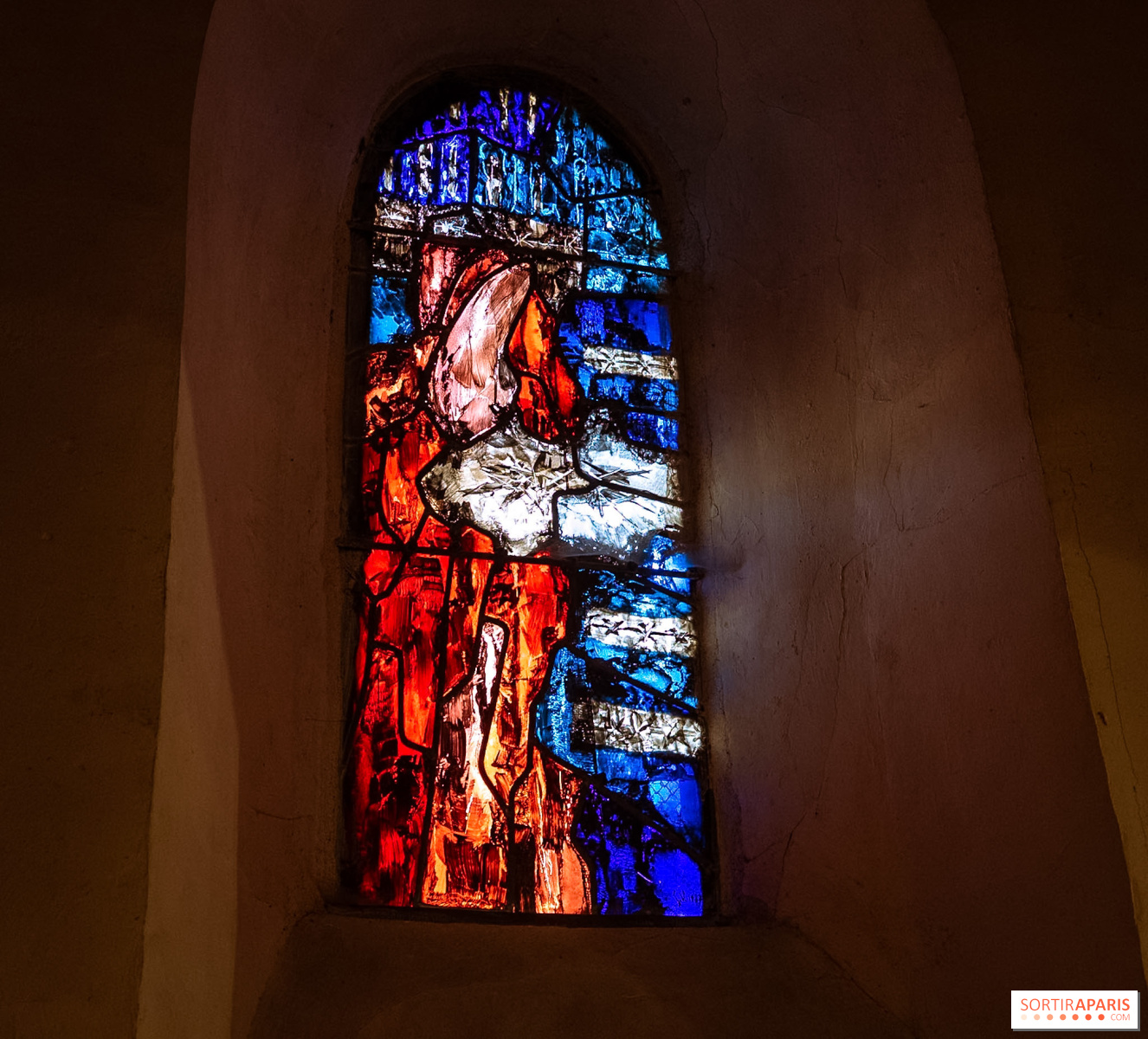
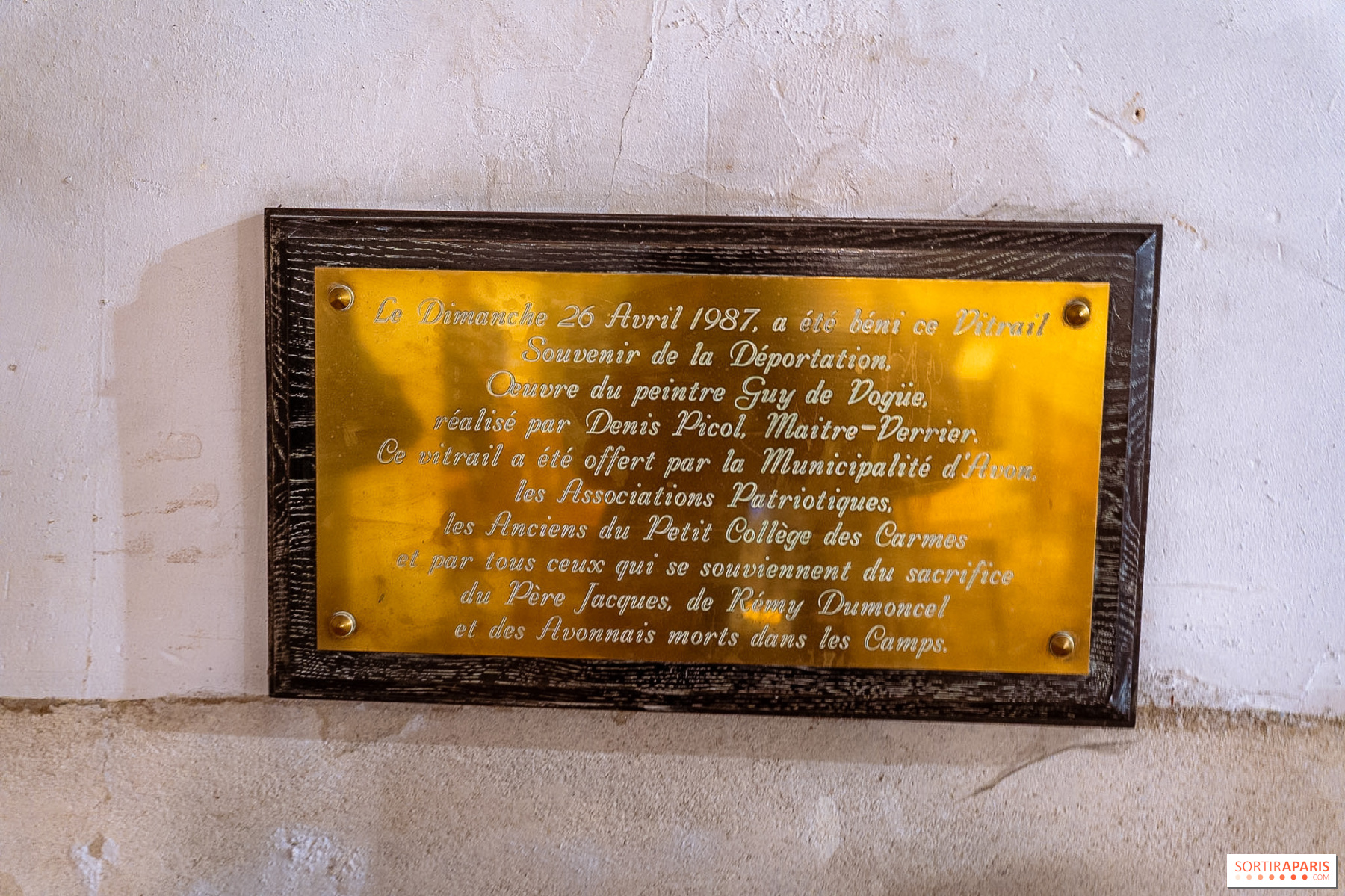
Want to dive deeper into the story? Two nearby spots are well worth a detour: in Avon, the Carmelite convent and its free memorial dedicated to Father Jacques, and, right inside the castle, the Lower Saint-Saturnin Chapel, rarely opened to the public.
Location
St. Peter's Church in Avon
11 Rue Père Maurice
77210 Avon
Route planner
Prices
Free