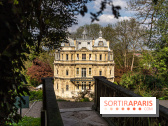
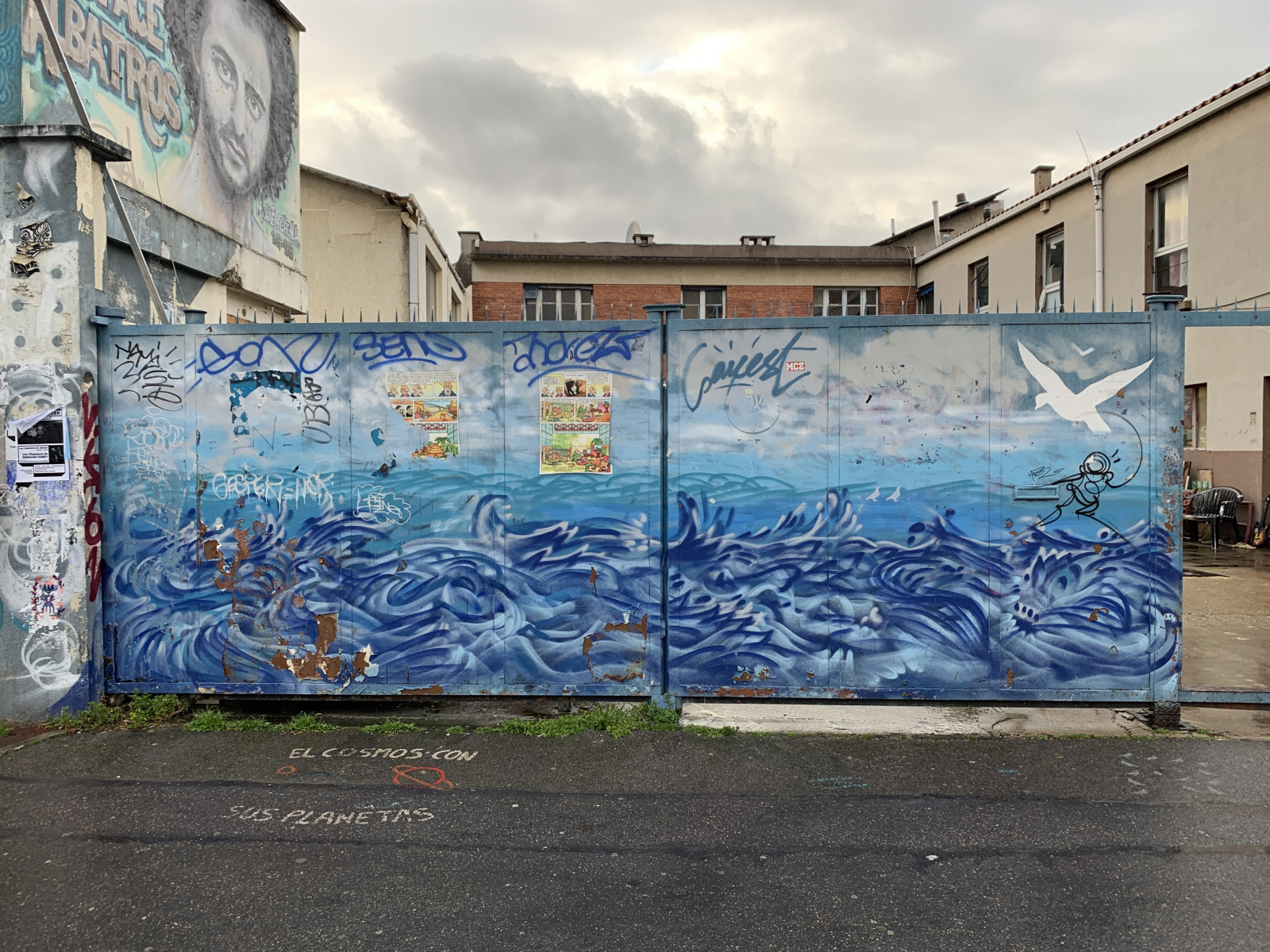
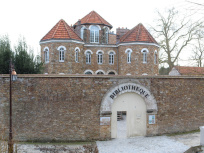
In Montreuil, the former Pathé-Albatros studios tell the story of a way of making films that has now disappeared. Their vast glass-roofed hall, built in 1904 at the initiative of Charles Pathé, belongs to the first generation of “film studios.” Before soundstages became entirely dependent on artificial lighting, daylight streamed in through the glass roof to make filming possible.
The building was converted from a former stable: the stalls became dressing rooms, while the glass structure provided workspace for the crews. Its greenhouse-like appearance therefore served a technical purpose. What survives here is not the façade of a place depicted in a work of fiction, but a film-making facility: a studio where sets are built and actors are directed.
After the 1917 revolution, film professionals left Russia and settled in France. A group gathered around producer Joseph Ermolieff and set up in the Montreuil studio rented from Pathé. Ermolieff-Cinéma became Société des Films Albatros in 1922. Producer Alexandre Kamenka and actor Ivan Mosjoukine were among the leading figures in this venture, which brought Russian artists together with French cinema.
The Cinémathèque française describes the studio of the 1920s as a place of collective work, bringing together actors, directors, technicians and set designers. In its presentation of the documentary Albatros, standing firm despite the storm, it highlights experiments in acting, lighting, set design and editing. The glass-roofed studio thus housed a creative community, not merely a succession of independent film shoots. This history explains Albatros’s place in the heritage of silent cinema.
The site later served other purposes, including industrial use, before artistic activities resumed in 2001. Its former studio and plot have been listed as historic monuments since July 18, 1997. The Ministry of Culture’s entry highlights the rarity of this glass building, which has retained much of its structure. In Montreuil, the history of cinema can therefore also be read in a working architecture designed to capture light, long before it became heritage to be preserved.
This page may contain AI-assisted elements, more information here.
Dates and Opening Time
Next days
Thursday:
from 09:30 a.m. to 10:00 p.m.
Friday:
from 09:30 a.m. to 10:00 p.m.
Saturday:
from 09:30 a.m. to 10:00 p.m.
Sunday:
from 09:30 a.m. to 10:00 p.m.
Monday:
from 09:30 a.m. to 10:00 p.m.
Tuesday:
from 09:30 a.m. to 10:00 p.m.
Wednesday:
from 09:30 a.m. to 10:00 p.m.
Location
Espace Albatros
52 Rue du Sergent Bobillot
93100 Montreuil
Route planner
Official website
www.espacealbatros.fr