For over a century,Chinese immigration to Paris has shaped a discreet but essential part of the capital's urban and social history. From the peddlers of the early 20th century to the workers recruited during World War I and the waves of migration fromIndochina in the 1970s, the Chinese community has gradually taken root in certain Parisian neighborhoods that have since become iconic.
In the early decades of the 20th century, the first Chinese immigrants arrived in Paris, often from the Wenzhou region, an internationally-oriented trading port. Peddlers and small traders settled in the center of Paris, particularly in the Arts-et-Métiers district, where Rue du Temple became one of the first community hubs. This initial settlement remained modest but laid the foundations for a presence that would continue to grow.
Starting in 1916, during World War I, thousands of Chinese workers were recruited to participate in the war effort. At the end of the conflict, some chose to remain in France, thus contributing to the formation of the very first stable Chinese population in the capital.
The 1970s marked a turning point in the history ofChinese immigration to Paris. After the Vietnam War and the fall of Saigon, many refugees of Chinese origin, who had previously settled in Indochina, fled communist regimes and found refuge in France. Upon their arrival, they moved en masse into the newly built high-rise apartment buildings in the 13th arrondissement.
This is how the large Chinatown in the 13th arrondissement, often called the Choisy Triangle, came into being, bounded by Avenue de Choisy, Avenue d'Ivry, and Boulevard Masséna. In this new town-like area, Asian restaurants, import supermarkets, tea rooms, and Buddhist temples gradually took root, weaving a dense and lively community fabric.
In the following decades, immigration continued with new arrivals coming directly from mainland China, particularly from the northeast (the Dongbei region), seeking better economic prospects. This more recent wave is characterized by greater social and professional diversity.
While the 13th arrondissement remains the symbolic heart of this community, other areas are gradually emerging: Belleville is becoming a hub for younger generations and new businesses, while northeast Paris and certain municipalities in the inner suburbs, such as Aubervilliers, Ivry-sur-Seine, and Vitry, are welcoming a growing Chinese population.
This diverse migratory journey has now carved out its own geography, blending memory, economy, and culture. In Paris, the Chinese presence is not limited to a few exotic restaurants; it continues to leave a lasting mark on the city's landscape.
From hidden temples to dragon fountains and magnificent pagodas, embark on a journey of discovery through the heritage, monuments, places, and Chinese neighborhoods of Paris!
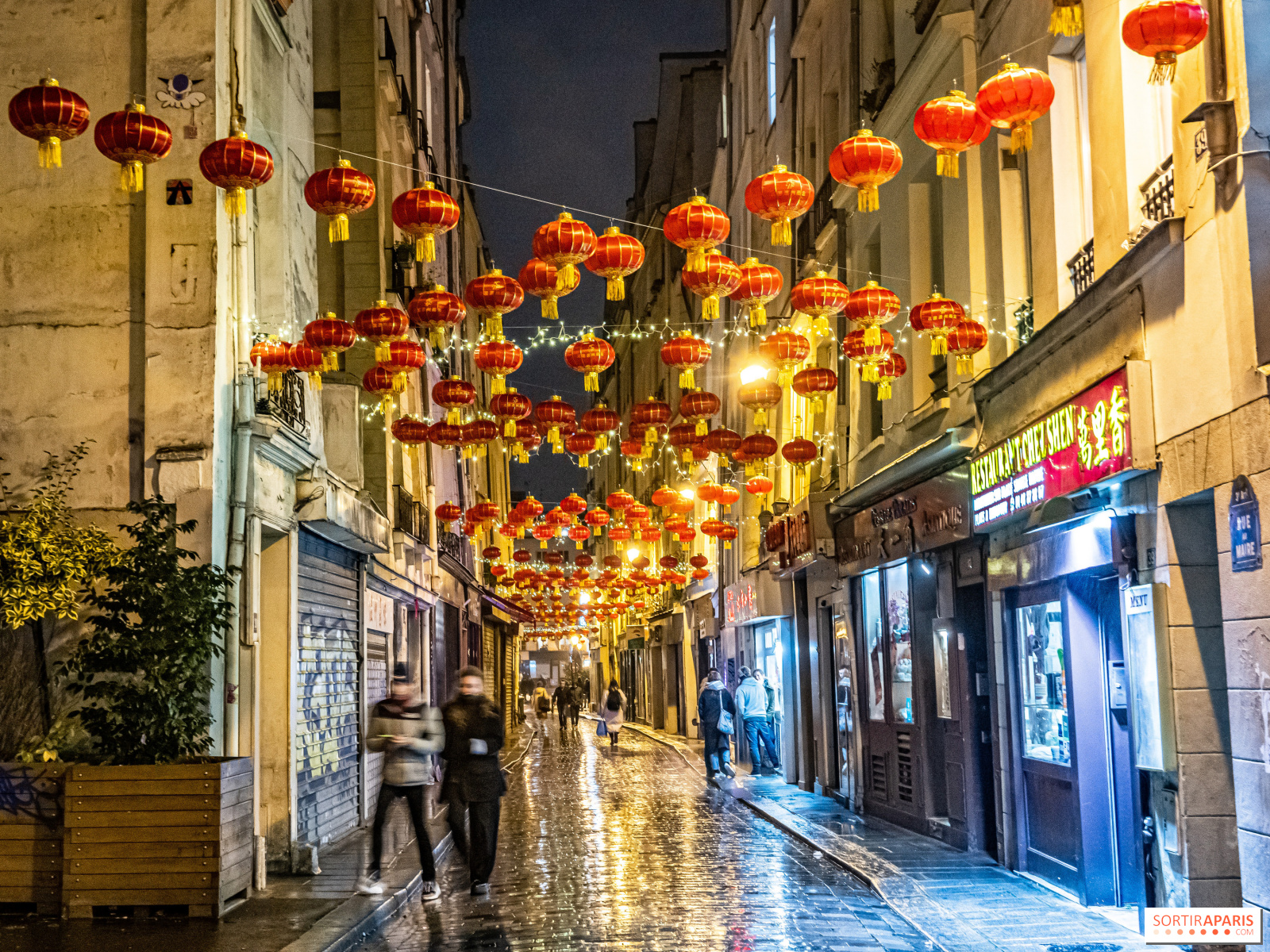
Before the spectacular rise of the Chinese quarter in the 13th arrondissement, a small 'Chinatown' already existed in the Marais, more precisely in the 3rd arrondissement, centered around Rue Volta, Rue au Maire, and Rue des Gravilliers. This discreet, residential area was taken over by Chinese immigrants after the war, who opened grocery stores, authentic restaurants, andAsian craft shops.
More intimate and less spectacular than the 13th arrondissement, this Chinatown retains the atmosphere of a small village within Paris, with its buildings steeped in history, Chinese character signs, and string of red lanterns during the Lunar New Year.
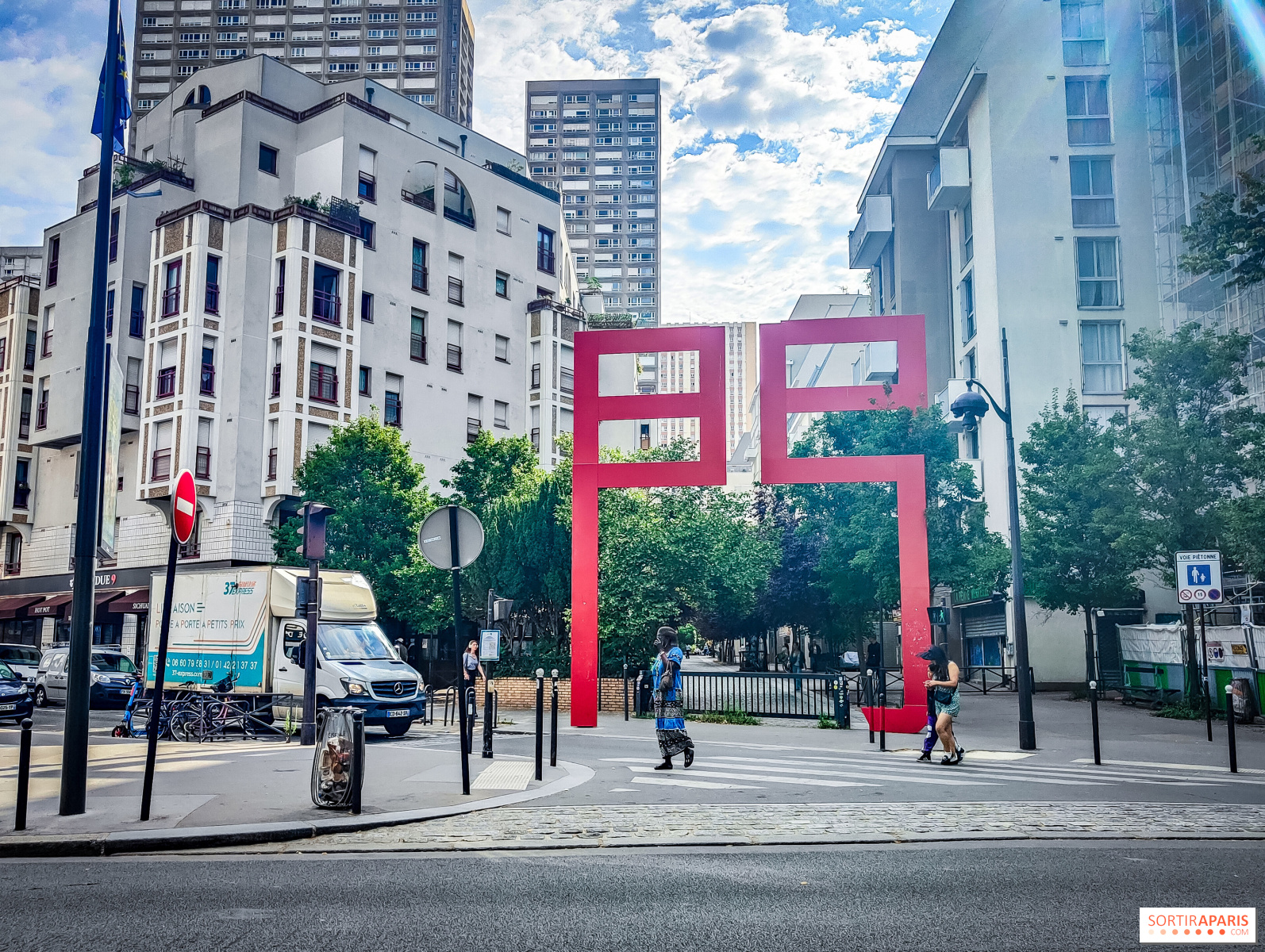
The Chinese quarter in the 13th arrondissement, sometimes called Chinatown, is centered aroundAvenue de Choisy,Avenue d'Ivry, and Boulevard Masséna, in what is known as the Choisy Triangle. This area underwent a major transformation in the early 1970s, when large towers were built and many Asian migrants, opponents of the regimes in Indochina or from mainland China, settled there en masse.
The 13th arrondissement, previously marked by industrial areas and working-class housing, welcomed this Asian immigration, giving rise to a neighborhood with modern architecture made up of towers, slabs, and shopping malls, with a strong commercial and cultural identity. Very quickly, the new arrivals opened shops, restaurants, grocery stores, and tea rooms.
Even today, when walking along Avenue de Choisy or Avenue d'Ivry, you find yourself immersed in a unique atmosphere, surroundedby Chinese signs, neon lights, supermarkets stocked with traditional products, and restaurants with Peking duck in their windows. Visitors are guaranteed a change of scenery!

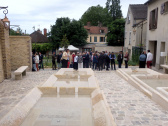
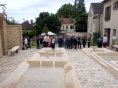
Among the visual landmarks of the Chinese quarter in the 13th arrondissement is the monumental work called 'The Dance of the Emerging Fountain', installed on Place Augusta-Holmes, near the banks of the Seine. Created by French-Chinese artist Chen Zhen in collaboration with his partner Xu Min, it was inaugurated in 2008 and takes the form of a stylized dragon made of stainless steel and glass that seems to emerge from the ground or an underground factory before diving back into the urban landscape.
Thetransparent body reveals the water flowing through it at high pressure and consists of three sections: a bas-relief on a wall, then two transparent arches rising from the paved floor. At nightfall, the lighting highlightsthe brilliance of the dragon's body. It is a work that embodies contemporary urbanism, contemporary art, and the Asian presence in Paris.
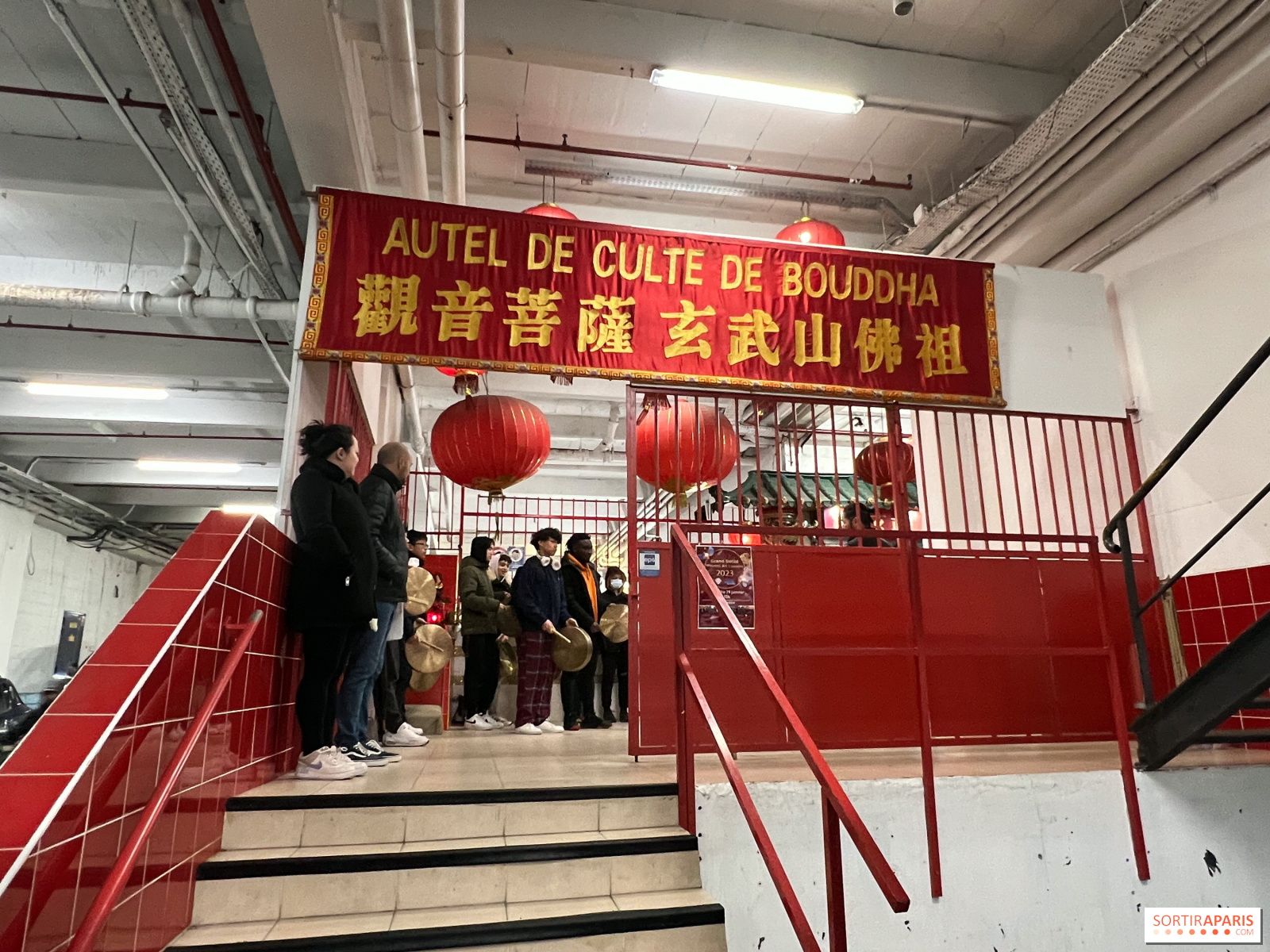
In the heart of the vast Olympiades district in the 13th arrondissement, Rue du Disque slips under the pedestrian slab and leads to a Buddhist temple that is invisible from the outside.The Buddha Worship Altar, managed by the Association of Residents of Indochinese Origin in France, is located at number 37 on this discreet street.
To enter, you must go through an ordinary parking lot entrance and walk through a discreet door that opens onto a room decorated with golden statues, hanging lanterns, and decorated in the style of a traditional Indo-Chinese sanctuary. Hidden but active, the temple offers a spiritual respite from the hustle and bustle of the neighborhood.
Located at 44 Avenue d'Ivry in the Oslo shopping mall, this Buddhist temple was established by the Teochew Chinese community, originally from Guangdong. It is accessed via the shopping mall, then an elevator or staircase leads to an upper level where the sanctuary has been set up as a place of worship but also a gathering place for the Asian community through meetings and language classes.
The temple is distinguished by red and gold lanterns, floral offerings, Buddha statues, and an atmosphere of contemplation that contrasts sharply with the modern, cold architecture of the surrounding towers. Blending into the city, this temple is a reminder that the history of Asian immigration to Paris is not only commercial but also spiritual. It is possible to attend ceremonies and celebrations there during the Lunar New Year.
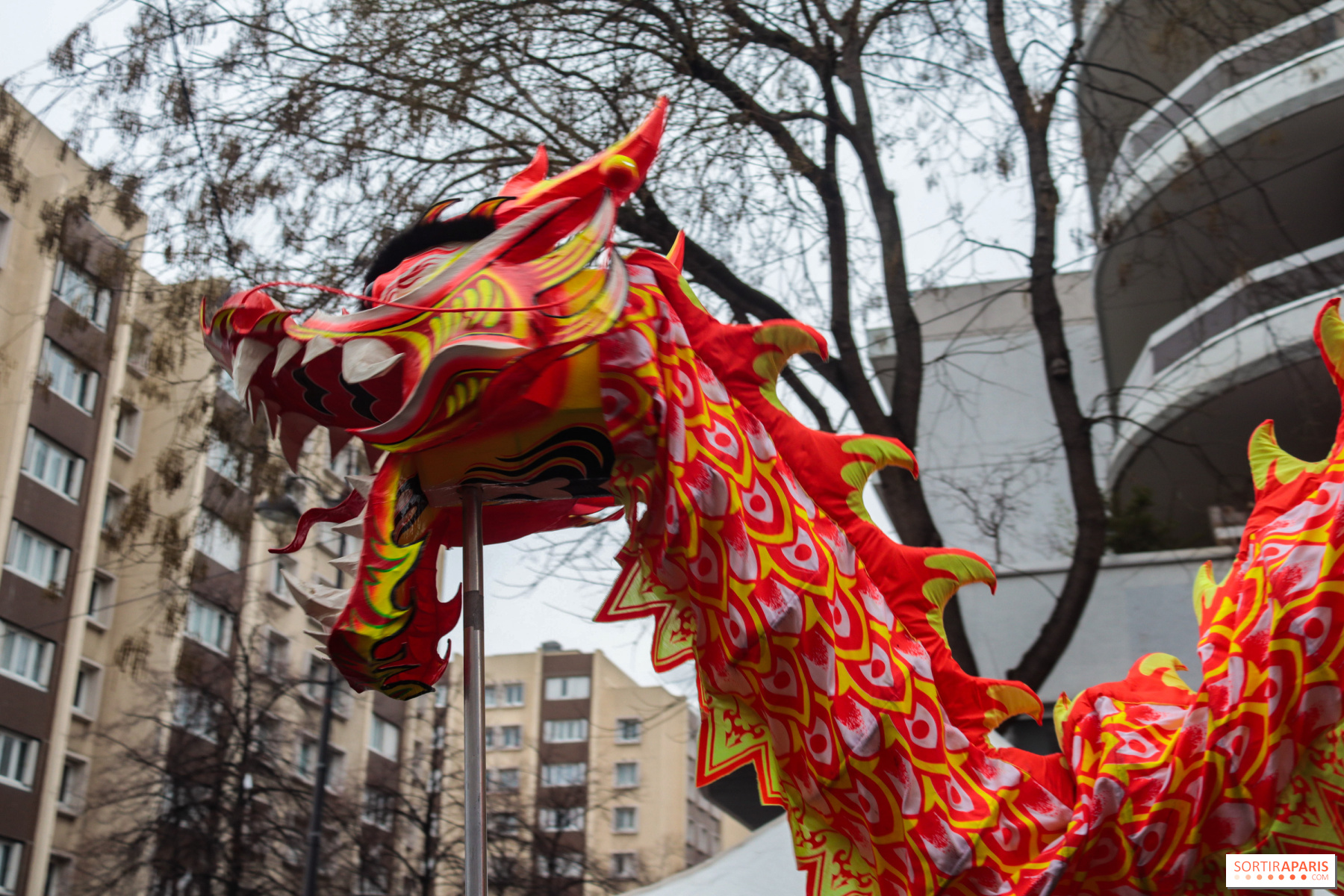
The Belleville neighborhood, which stretches between the 19th and 20th arrondissements, is one of the hotspots of Chinese immigration and community life in Paris. With the gradual opening up of China and the arrival of migrants of Chinese origin, the first Chinese restaurant opened on Rue de Belleville and its surroundings in 1978, quickly followed by Asian food stores. Gradually, supermarkets, clothing stores, herbalists, and community workshops sprang up, making Bellevillea popular and lively Chinatown for both residents and visitors alike.
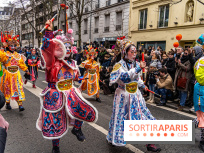
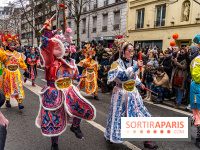
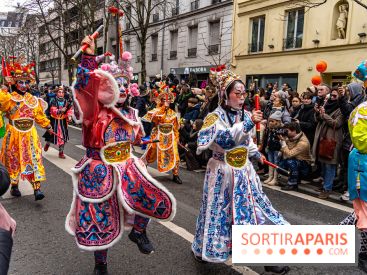
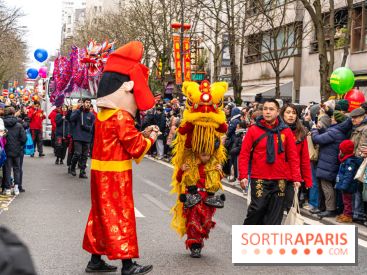
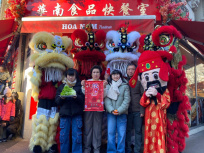
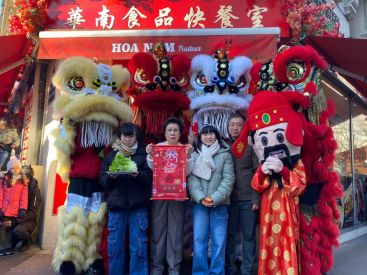
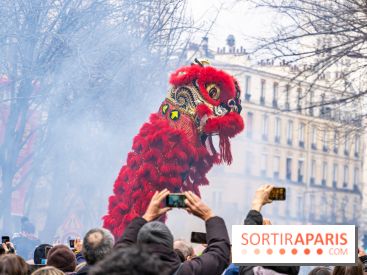
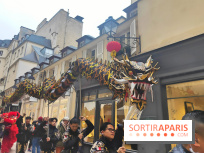
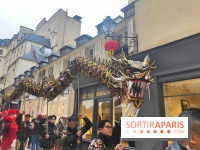
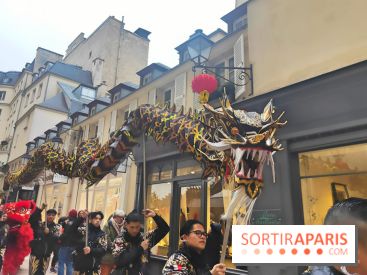
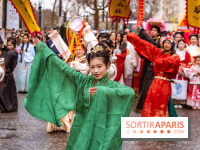
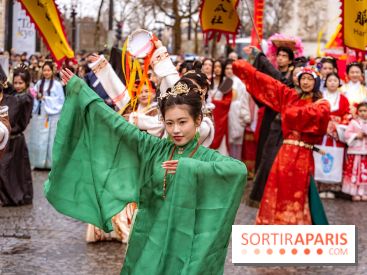
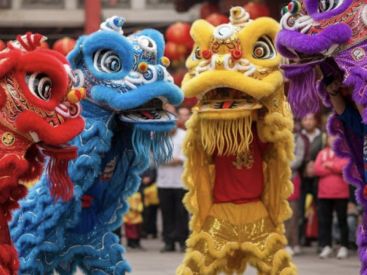
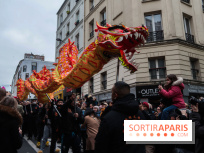
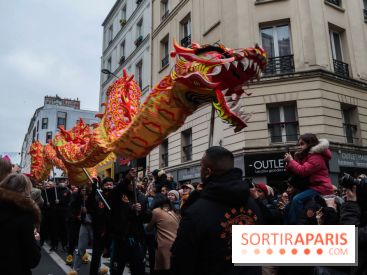
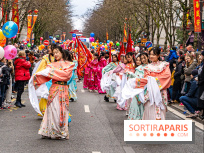
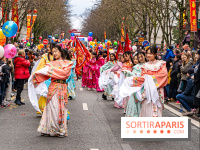
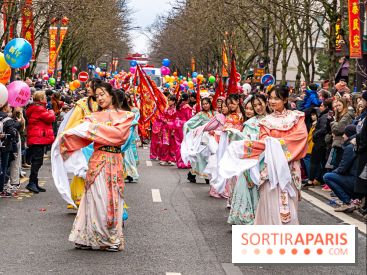
The Chinese community is mainly concentrated in the lower Belleville area, on Rue de Belleville, Rue de Rampal, and Rue Julien-Lacroix, but its influence extends throughout the neighborhood. The Lunar New Year parade, which takes place there every year, attracts hundreds of visitors and curious onlookers.
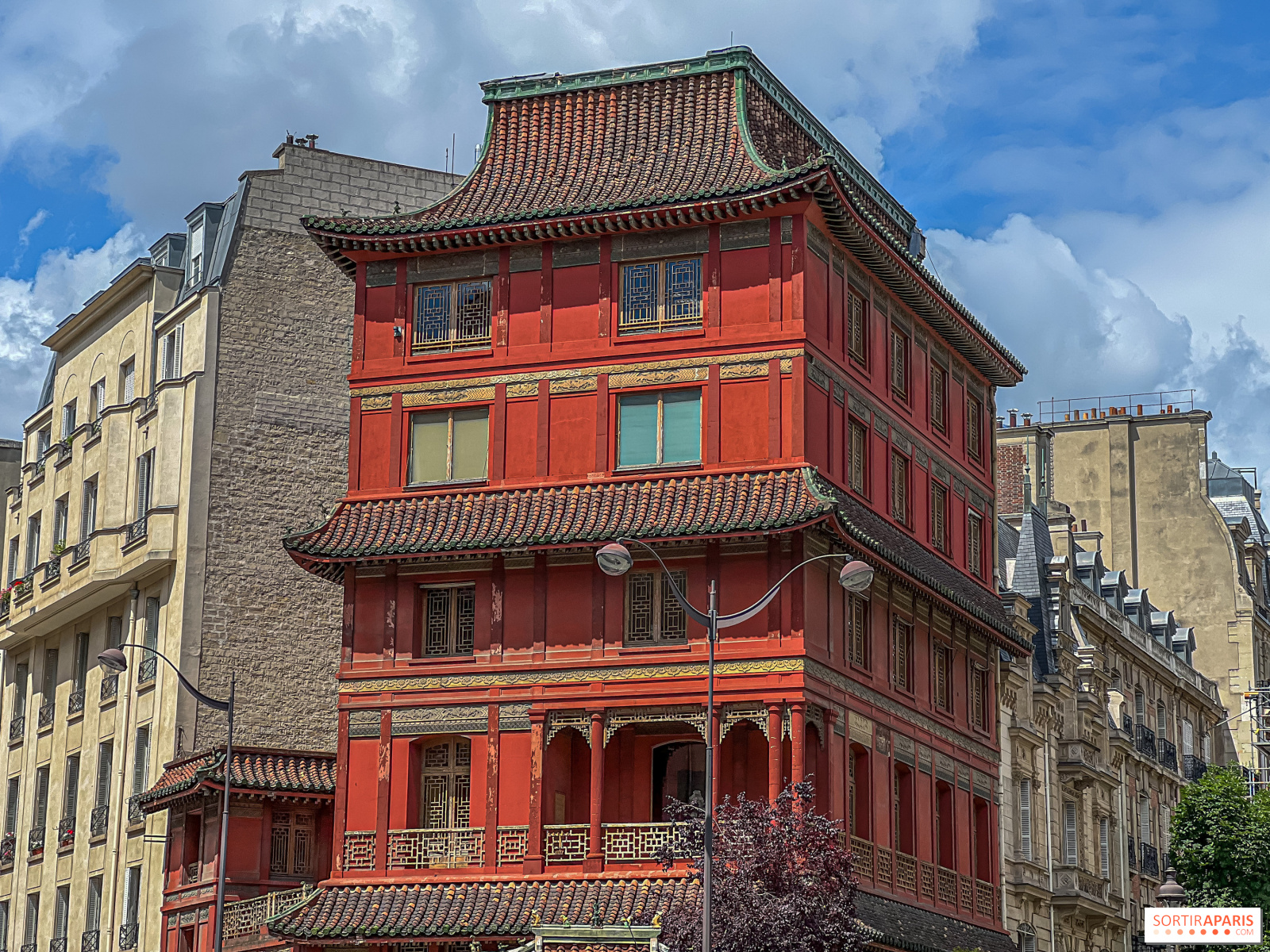
The Pagoda of Monsieur Loo, also known as Maison Loo, is an extraordinary building located at 48 rue de Courcelles in the 8th arrondissement, at the corner of rue Rembrandt. This mansion, originally built in the 19th century in the Haussmann style, was acquired in 1922 by Chinese art dealer Ching Tsai Loo, who had been living in Paris since 1902. He commissioned architect Fernand Bloch to completely transform the building in 1925-1926.
It is then transformed into a veritable Chinese pagoda: two additional floors are added, the façade is painted in a typical bright red, and the roof is redesigned with curved eaves, glazed tiles, and balconies decorated in a Chinese imperial style. The effect is striking in the middle of the classic urban fabric of the 8th arrondissement, a piece of China in the heart of Paris!
Inside, although access is very limited, is a rich collection of Asian art (furniture, porcelain, books, objets d'art) assembled by Loo. Listed as a historic monument since 2002, the pagoda hosts temporary exhibitions and private events, making it a rare and precious place to visit when open houses are organized.
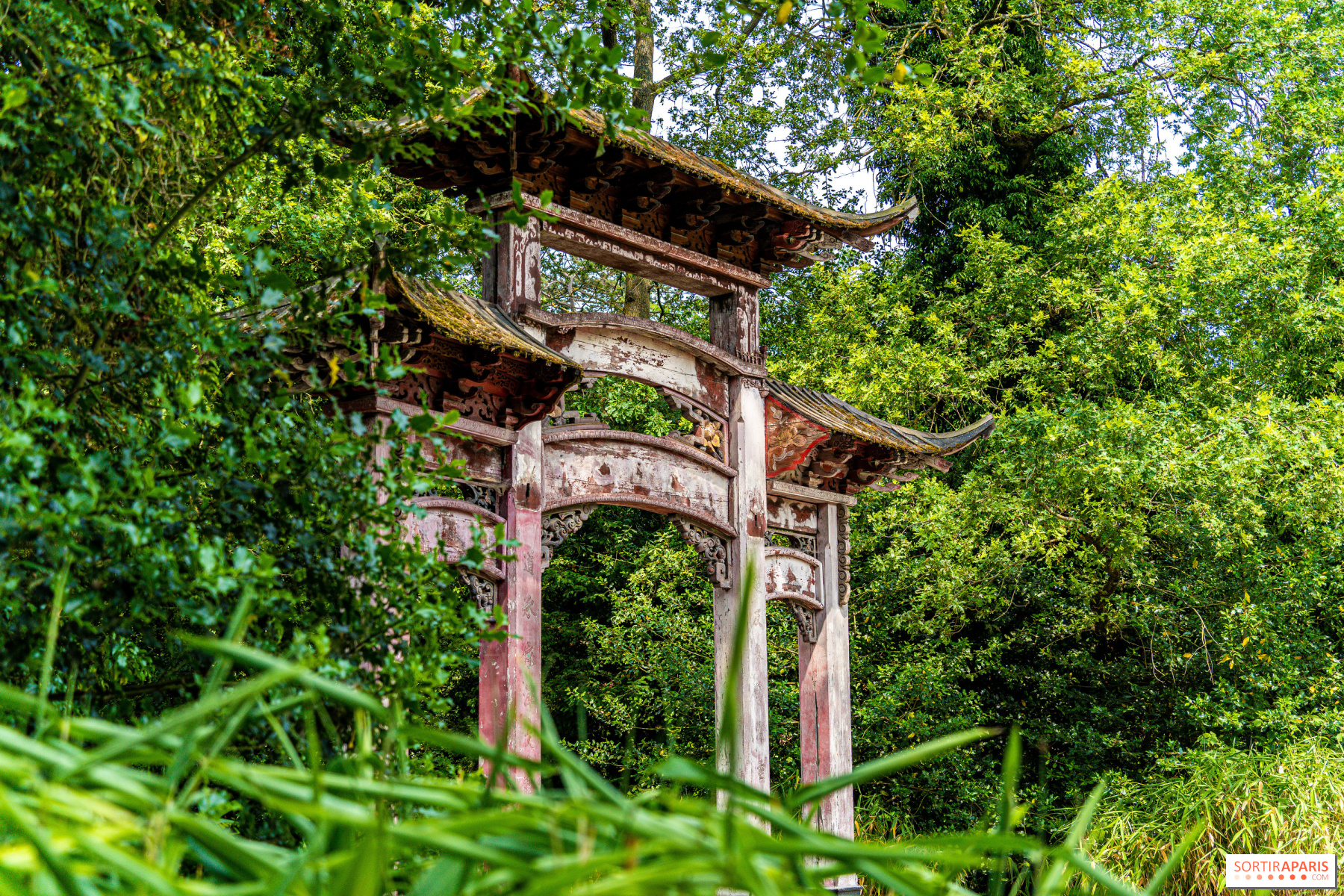
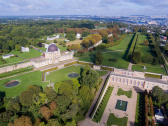
At the end of the Bois de Vincennes, at 45 bis avenue de la Belle-Gabrielle, is the Jardin d'Agronomie Tropicale, a little-known witness to French colonial history. Among the remains of the 1907 colonial exhibition stands a splendid Chinese gate topped with tiles.
The garden, created in 1899 to test tropical plantations, saw the construction of pavilions, greenhouses, and porticos for the exhibition, such as the Indochina pavilion. Open to the public, it offers an unexpected blend of colonial architecture, nature, and memory.
And if you venture a little further into the Ile-de-France region, you can discover the Désert de Retz and the Jardin Yili, two Chinese gardens hidden away in the Yvelines.

The Guimet Museum, located in the 16th arrondissement, is one of Europe's great sanctuaries ofAsian art. Founded in 1889 on the initiativeof Émile Guimet, an industrialist and traveler, it brings together exceptional collections spanning several millennia from China, India, Japan, and Southeast Asia. From the entrance, the monumental stone facade and the rotunda dominated by a discreet dome give a sense of the prestige of the place.
As you walk through the rooms, you pass from an ancient Chinese bronze to a Tang ceramic, from a pre-Ming Buddhist sculpture to a 19th-century scroll painting. The museum devotes an entire floor to China, displaying porcelain, lacquerware, and jade sculptures, all arranged in a cozy atmosphere.
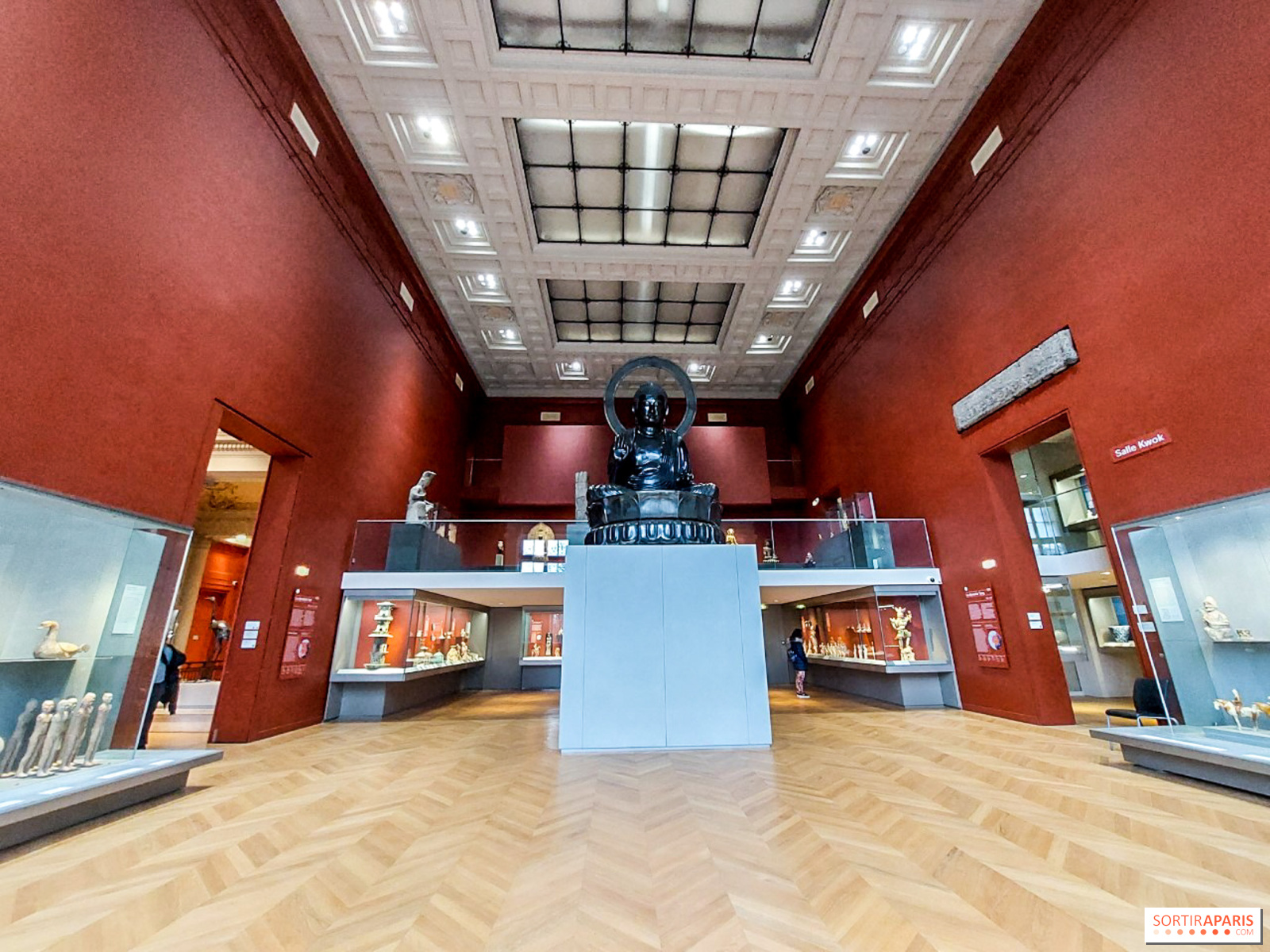
Located on Boulevard Malesherbes, near Parc Monceau, the Cernuschi Museum occupies an elegant 19th-century mansion, bequeathed by financier Henri Cernuschi in 1896. The building, surrounded by trees and tranquility, contrasts with the hustle and bustle of Paris's main thoroughfares. Inside, the focus is particularly onChinese art: bronzes, jades, and ancient ritual objects are displayed in rooms on a human scale, conducive to contemplation.
The museum stands out for its "small but high-quality collection": visitors don't get lost in endless corridors but can savor each piece like a treasure.

The Chinese Cultural Center in Paris, located in the 7th arrondissement, is a true hub of exchange between China and France. Opened in 2002, it was the first Chinese cultural center to open in a Western country. This 4,000 m² space houses a media library, an exhibition hall, an auditorium, and language classes.
The façade of this beautiful mansionleads to a discreet garden, while the interior combines modernity and simplicity. It hosts film screenings, conferences, and exhibitions on contemporary Chinese painting and heritage.

La Maison de la Chine, located on the campus of the Cité internationale universitaire de Paris, is a recent building that symbolizes the establishment of Chinese culture. It was designed by the Franco-Chinese architectural firm FCJZ and comprises around 300 student rooms, communal living spaces, interior gardens, and a multipurpose hall.
Designed around the idea of a tulou, a traditional collective dwelling in Fujian province, the city is characterized by its ring shape combining sober materials and careful volumetry, with open galleries, walkways, and a landscaped roof terrace.
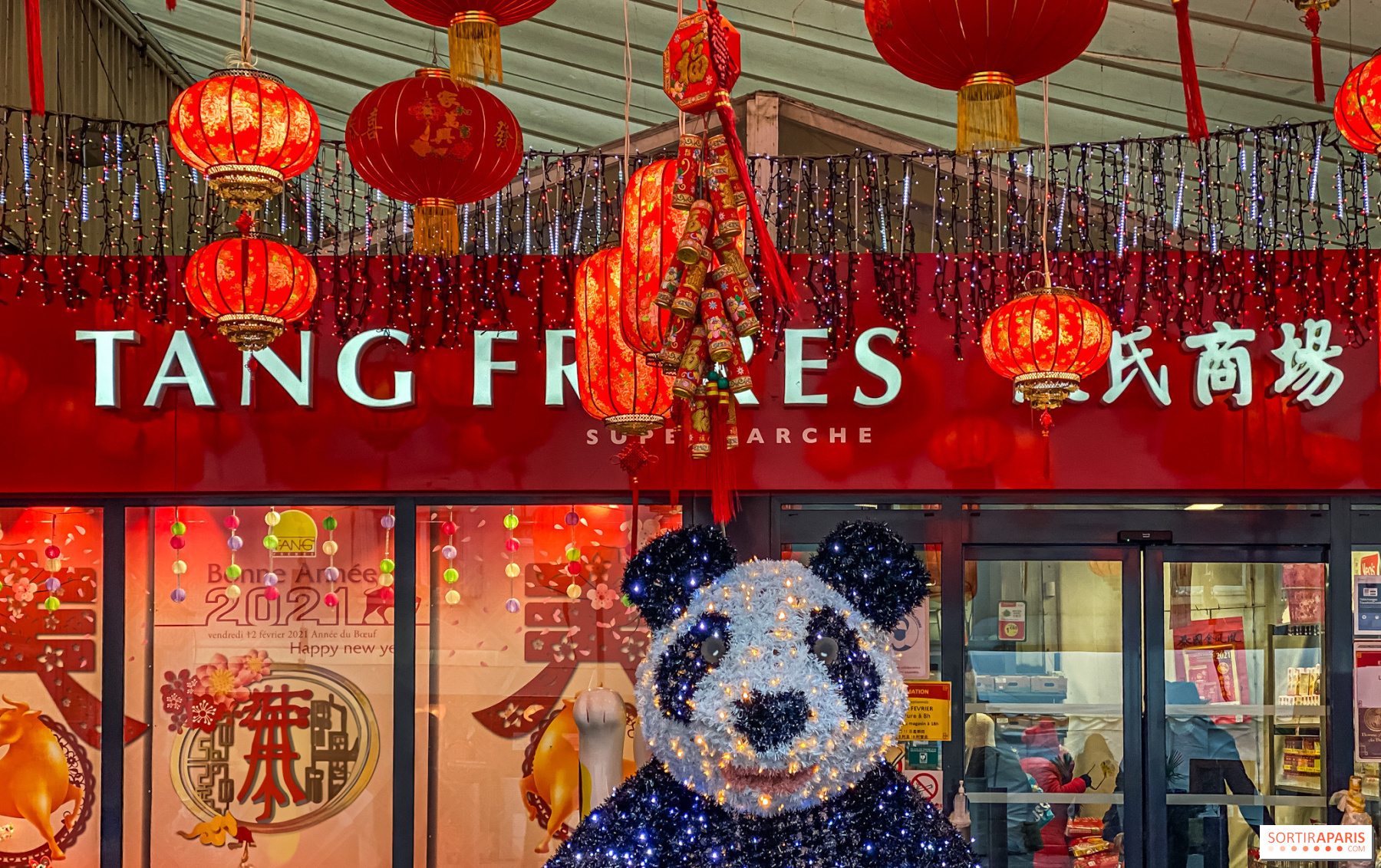
At 48 Avenue d'Ivry, in the 13th arrondissement, is an institution of Asian food in Paris: the Tang Frères supermarket, which has been open at this location since 1981. Inside, aisles are lined with imported products: sauces of all kinds, sticky rice, exotic fruits and vegetables, Asian kitchen utensils, fresh fish, and prepared meats. There is also a Tang Gourmet deli section.
Tang Frères is a major landmark for Asian families, but also for anyone who wants to discover traditional and authentic Chinese cuisine.

Located at the confluence of the Seine and Marne rivers in Alfortville in the Val-de-Marne, this impressive complex was built in 1992 based on plans byChinese architect Liang Kunhao, drawing direct inspiration from the imperial city of Beijing and the Forbidden City. Now operating under the nameHuatian Chinagora Hotel, it has 187 rooms with private balconies, an indoor Chinese garden, two traditional Chinese restaurants, and terraces offering views of Paris.
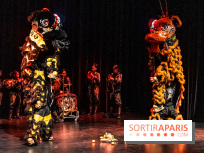
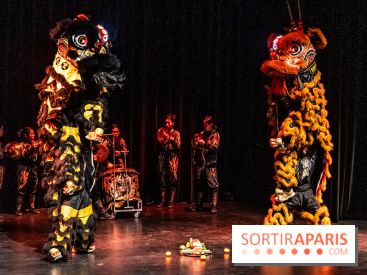
During the Lunar New Year, the hotel organizes lion dance performances and fireworks, but access to the interior is generally reserved for guests. This "little China on the outskirts of Paris" is a remarkable architectural and cultural curiosity for those who wish to venture beyond the limits of the capital.

In the 13th arrondissement is the You Feng bookstore, which specializes in Asian and Chinese books. This modest address, which looks like a neighborhood store, hides a very rich collection: literature, Mandarin language learning methods, comic books, children's books, as well as books in Chinese or bilingual. You can also find items related to calligraphy and the Chinese language. It's a real landmark for students, researchers, and lovers of Chinese culture.
Located in the 3rd arrondissement, Le Phénix bookstore is renowned as the oldest bookstore specializing in Chinese culture in France. It has a classic Parisian bookstore facade, with windows filled with Chinese characters, but inside there are three levels of books: Chinese literature, fine arts, calligraphy, Mandarin books, comic books, Chinese cuisine, and Chinese medicine. For lovers of foreign languages or simply discovery, it is a must-see.
Multicultural Paris: Gastronomy, heritage, culture, a world tour without leaving the capital
Gastronomy, culture, heritage, themed walks, exhibitions... Treat yourself to a trip around the world without leaving Paris thanks to these great places to visit! [Read more]





 Multicultural Paris: Gastronomy, heritage, culture, a world tour without leaving the capital