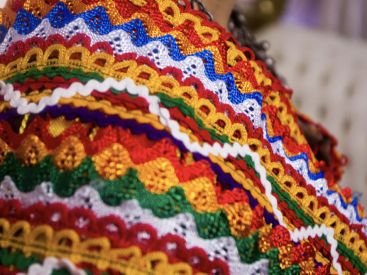
Yennayer, often referred to as Berber New Year or Amazigh New Year, marks the first day of the traditional agricultural calendar used by the Imazighen, the indigenous peoples of North Africa, since ancient times. This celebration takes place each year between January 12 and 14, depending on cultural interpretations, and coincides with the first day of January on the Julian calendar. This calendar is slightly offset from the Gregorian calendar, which is now widely used today.
Rooted in agricultural cycles, Yennayer symbolizes renewal, the hope for a fertile year, and the rebirth of nature after winter. Its origins lie in age-old traditions connected to the land, seasons, and farming activities, which have since evolved into a powerful emblem of Amazigh cultural identity.
Across many regions of North Africa, families gather to enjoy a festive feast, often featuring hearty dishes that symbolize prosperity and abundance. While celebrations of Yennayer vary slightly from one area to another, they share common rituals and traditional practices rooted deeply in Amazigh culture.
Quite often, the day before Yennayer, known in certain regions as "Assegwas Ameggaz" (meaning "Happy New Year"), is also a time for household purification rituals and the preparation of traditional dishes. Families undertake a thorough cleaning of the home, burn incense, and symbolically cast away the negativity of the past year. Some also perform blessing rituals, such as pouring olive oil or milk at the doorstep.
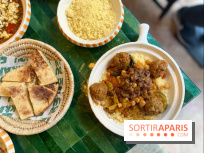
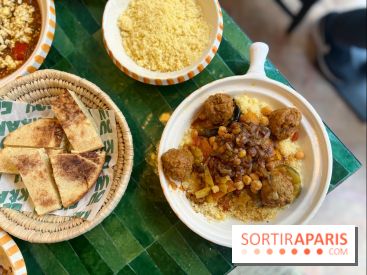
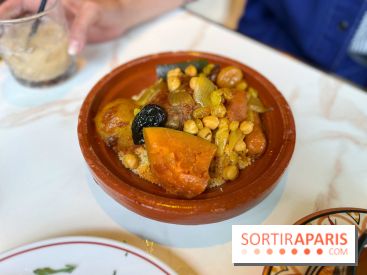
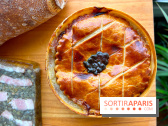
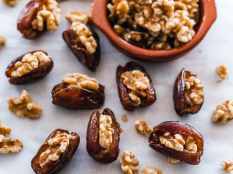
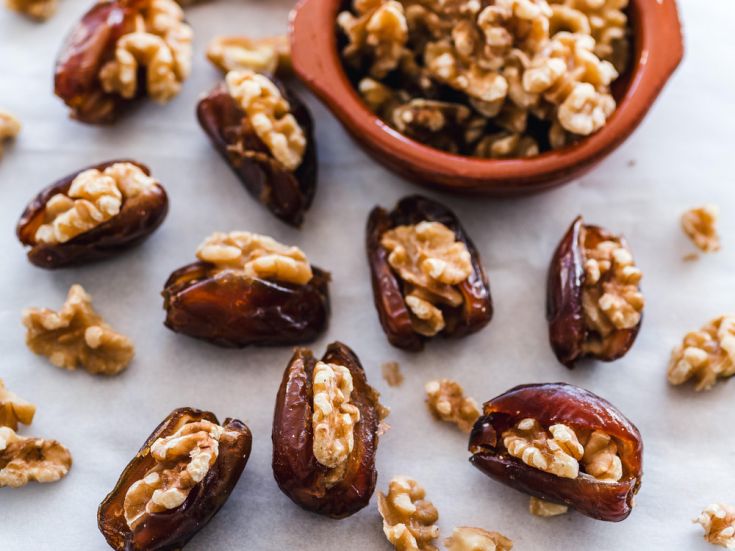
At the heart of the celebration lies the traditional feast, prepared with great care. While it varies across regions, it generally includes dishes based on meat, roast chicken, grains like , dried vegetables, and sometimes symbolic seeds believed to bring good luck. In some families, a special ceremony for children is held: they are presented with dried fruits, hard-boiled eggs, or coins as tokens of wishes for happiness and success.
Yennayer also sparks vibrant festive gatherings, featuring chants, traditional dances such as ahwach or ahidous, and sometimes costumed performances depicting symbolic characters. These moments serve to strengthen social bonds and revive a shared collective memory. Beyond its festive aspect, the Berkere New Year is an identity celebration that reinforces intergenerational ties and the preservation of customs.
Interested in exploring more about the ancient Berber culture as we welcome the 2026 Amazigh New Year? Check out the festivities happening in Paris!


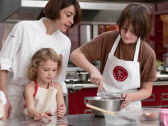
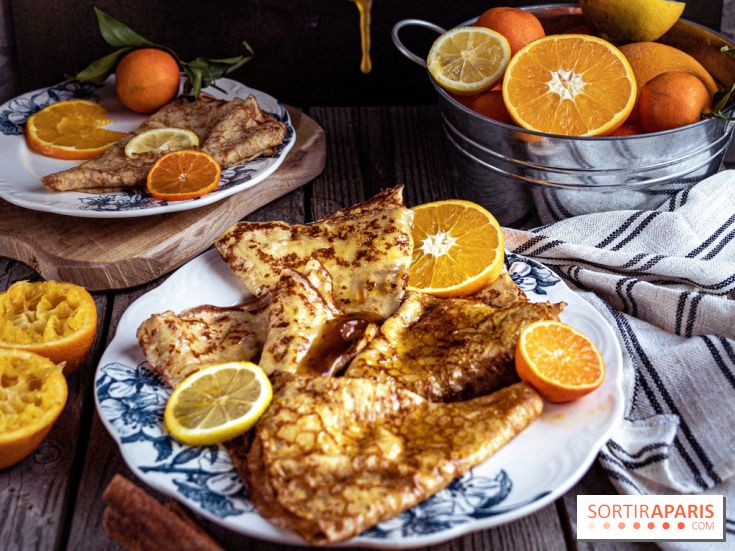
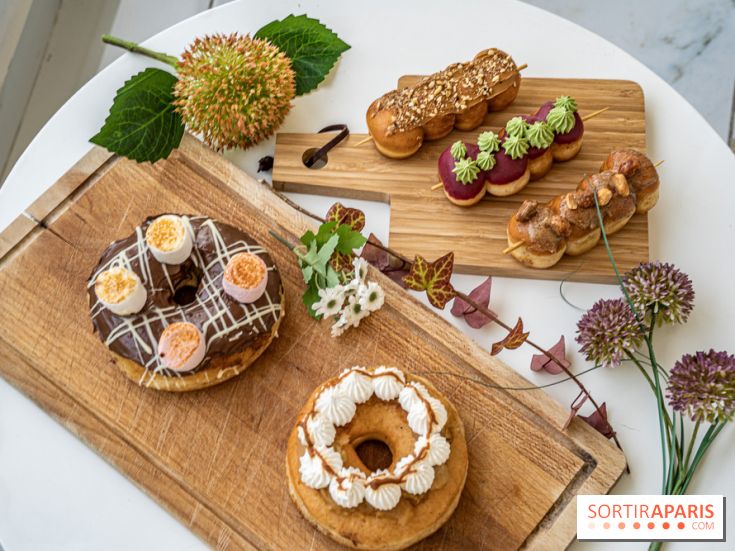
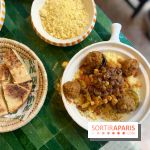 What do we eat for the Berber New Year, Yennayer 2026? Traditional Amazigh delicacies
What exactly do people eat to celebrate the Berber New Year? Explore the traditional Amazigh delicacies prepared and savored during Yennayer, on January 12, 2026. [Read more]
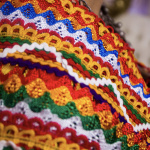
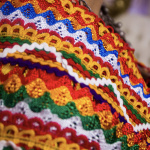
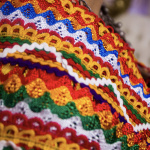
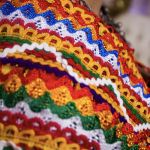 Parade celebrating Berber New Year / Yennayer 2026 in Paris
A vibrant carnival parade will take place on January 10, 2026, celebrating the Berber New Year, Yennayer 2026, in Paris. The event is free and welcomes everyone to join in the festivities! [Read more]
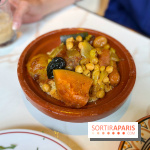
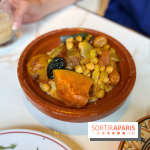

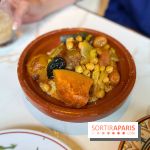 Where to eat couscous in Paris? Our best addresses
Looking for a good couscous in Paris? Here are the best addresses for Parisian restaurants where you can enjoy this much-loved French dish! [Read more]
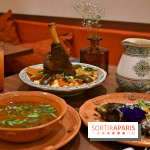
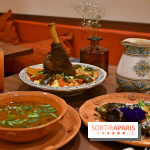
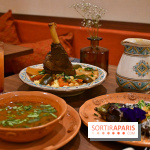
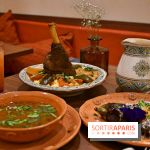 Hanaa Restaurant: Where Parisian bistro charm meets Algerian cuisine
In the 11th arrondissement of Paris, Hanaa Restaurant has established itself as a leading ambassador of Algerian bistronomy! Set in a cozy yet trendy atmosphere, it offers a taste of Algerian flavors from across the country, with a menu that changes with the seasons. [Read more]
 Zoutra, the Levantine restaurant, wine bar, and eatery that delights Montmartre
Zoutra is the new Levantine restaurant and bar in the 18th arrondissement in Montmartre. The little sister of Adraba, this wine bar with beautiful, creative dishes to share and rich in flavor is a wonderful discovery. We'll tell you more about our discovery. [Read more]
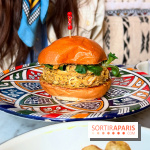
 Coderak, delicious burgers with traditional Moroccan recipes
Head for Marrakech without even getting on a plane, thanks to Coderak, a charming Moroccan-style burger restaurant packed with good ideas and flavors from elsewhere. [Read more]
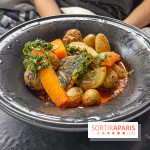
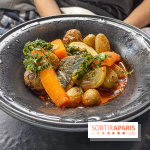
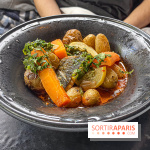
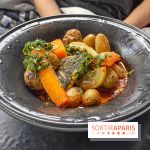 Sonia, an elegant and affordable Moroccan restaurant
Located a stone's throw from Place Pereire, Restaurant Sonia offers Oriental flavors in a setting inspired by a Moroccan riad. The dishes are generous and delicious. [Read more]
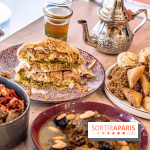
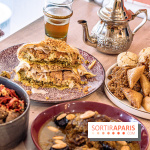
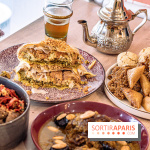
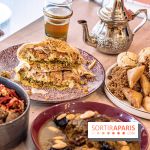 Maison Ambre, Moroccan canteen and tea room with home-made pastries, brunch and Ftour menu
Maison Ambre is the name of this canteen, tea room and pastry shop in the 15th arrondissement, just a stone's throw from Gare Montparnasse. Bowls to compose, tagine and pastries of the day await you. [Read more]
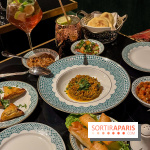
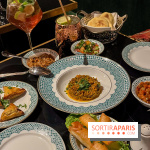
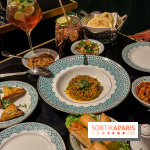
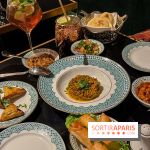 Figuig, the excellent Moroccan restaurant where tradition, modernity and a good atmosphere meet
Not far from the Arc de Triomphe, nestled in the Rue de Brey, the Figuig restaurant is an invitation to travel and celebrate! Here, you'll find authentic Moroccan cuisine prepared according to the rules of the art, with the added bonus of live music and Oriental dancing on weekends, all in a setting that's both elegant and exotic. [Read more]
Choukran, couscous and Moroccan sandwiches by Abdel Alaoui
Abdel Alaoui opens the Choukran restaurant in the 9th arrondissement. On the menu: couscous, chakchouka and Moroccan sandwiches. [Read more]
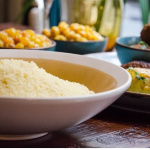
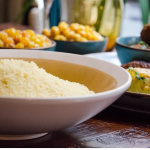
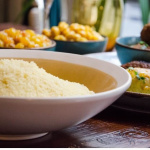
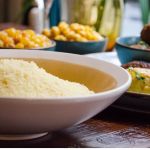 Le Méchoui du Prince, the Moroccan restaurant that bewitches the taste buds
Le Méchoui du Prince is a Moroccan restaurant in Paris where you really feel... like a prince. Here you can taste an authentic, tasty and generous Moroccan cuisine that gives you a taste of travel! [Read more]
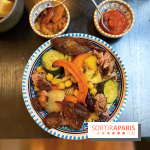
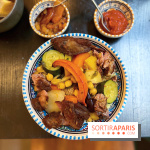
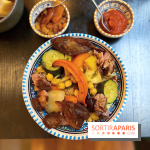
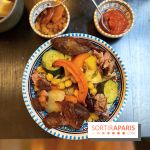 Loov, tasty and (very) affordable couscous in République
A couscous full of flavor and love, and above all at a very reasonable price, you'll find it at Loov! [Read more]
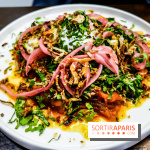
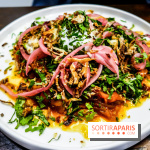
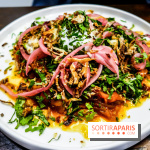
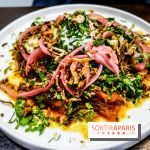 Mama Nissa: the restaurant serving regional Algerian specialities in Paris
Mama Nissa is the place to go for a gourmet yet healthy voyage of discovery of the Algerian terroir. Nestled in the Montorgueil district of Paris, this warm, fast-good restaurant showcases regional Algerian specialities in authentic, generous recipes: rechta, calentica or shakshuka... take off! [Read more]
Click on the map below to see all the locations listed in this article
Dates and Opening Time
On January 12, 2026