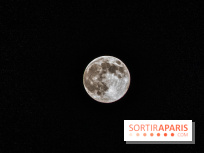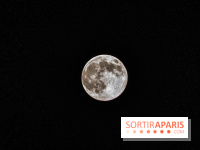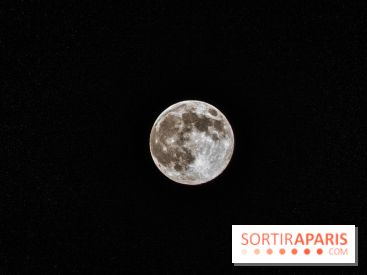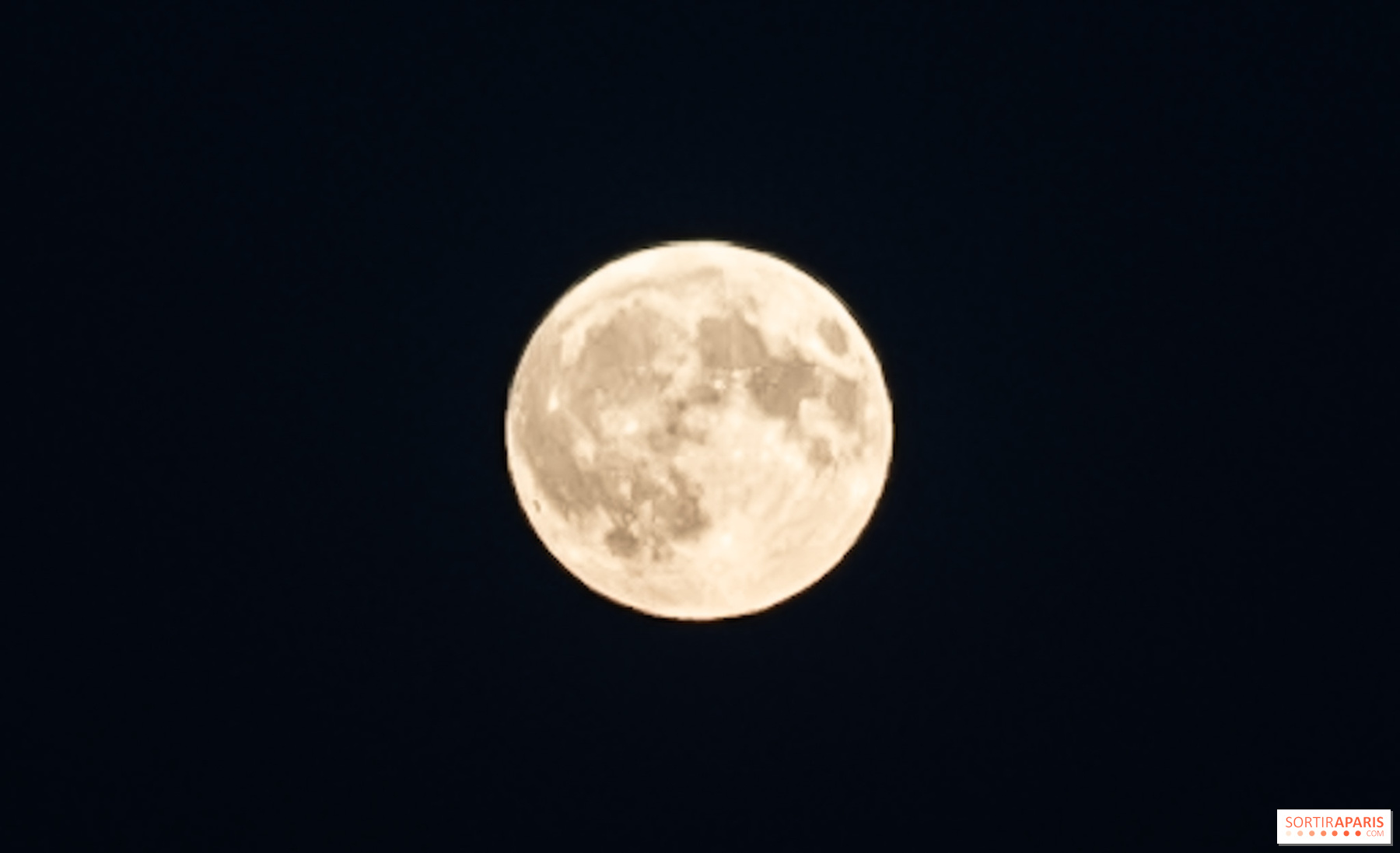
Every year, three to four Supermoons rise in our skies, and the cold Supermoon looks set to be the last of the year, on December 4, 2025, but not before time, since the next one will be in November 2026. This astronomical phenomenon associated with the full moon occurs when the Moon is at perigee, i.e. closest to its orbit, the Earth, at a distance of around 356,500 kilometers.
The Moon then appears closer to us, but this is only an impression, as the change is not detectable with the naked eye, 7.9% larger and 15% brighter. However, it really is a little brighter, which always makes for a dazzling spectacle to observe. The term"supermoon" dates back to 1979. That year, astrologer Richard Nolle decided to use the term to describe the phenomenon, which has since been adopted by NASA and the media.
Astronomers and scientists prefer to speak of a"perigee-syzygy". Known as the cold full moon, it implies that temperatures drop significantly at this time, which isn't hard to guess as winter sets in.
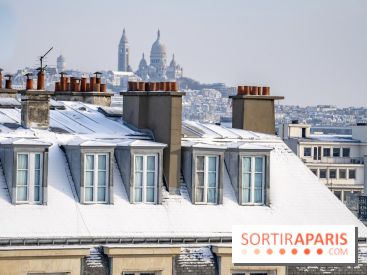
At the beginning of December, the weather is likely to be less clement than during the summer and rather cold, with perhaps even a little snow, who knows? You'll be able to observe it at 00:14 a.m. French time, for three days during which it continues to be full. It's also the closest full moon to the solstice: at this time of year, the northern hemisphere experiences long winter nights, so it's the highest of the year until 2042!
Although easily seen with the naked eye, a telescope or binoculars are highly recommended for a more detailed view. And don't hesitate to take to the heights of the capital for a superb view!