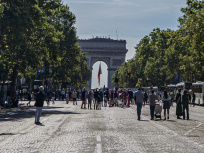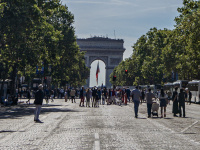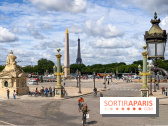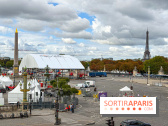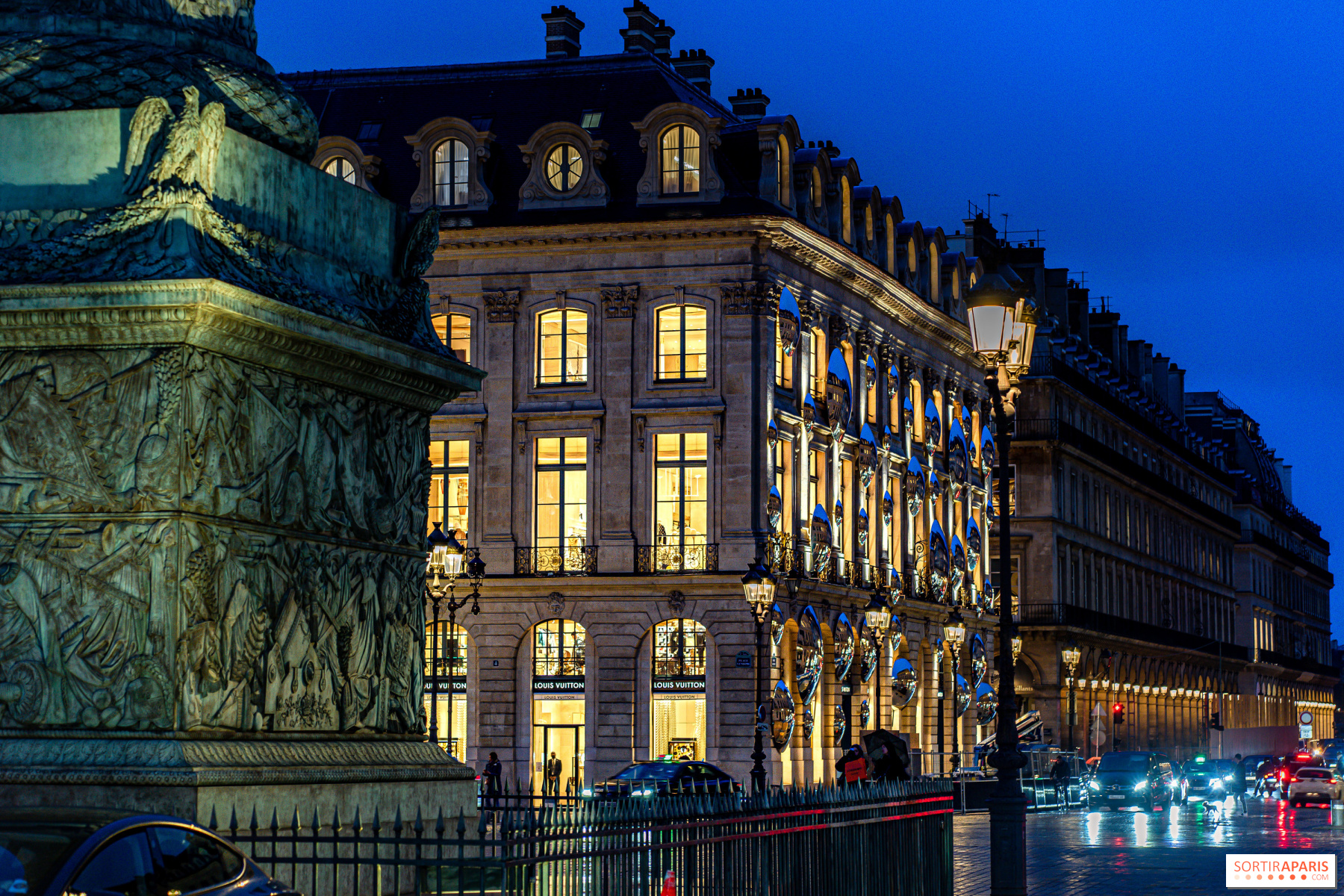
As every year, we won’t forget Earth Hour, happening this Saturday, March 28, 2026, from 8:30 p.m. to 9:30 p.m.. This event encourages people to turn off the lights in millions of homes and thousands of iconic monuments worldwide, dedicating one hour to celebrating Nature.
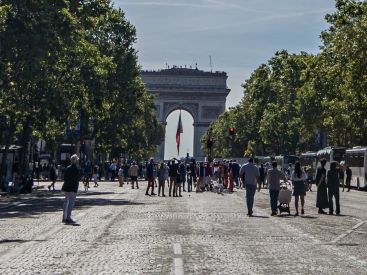
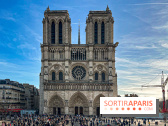
Across the globe, the WWF is calling on all segments of civil society, from individual citizens and businesses to local authorities and governments, to remember how precious our planet is and how vital it is to protect it. In Paris, the outdoor lighting of hundreds of public buildings, including the Arc de Triomphe, Sacré-Cœur, and Notre-Dame Cathedral, will be switched off for one hour.
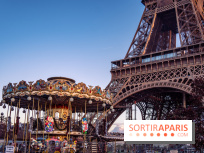
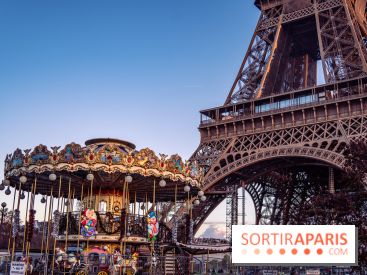
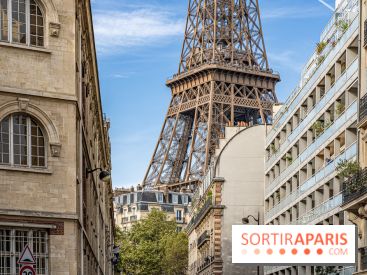
Huge are scheduled at the foot of national landmarks to celebrate nature. The Eiffel Tower will also go dark around 8:30 p.m. to symbolize Paris's commitment to fighting climate change.
Launched in 2007 by WWF with the goal of raising awareness—particularly among decision-makers—Earth Hour first saw Sydney plunge into darkness. By 2012, hundreds of millions of people across nearly 4,000 cities in 126 countries were turning off their lights for an hour. Worldwide, iconic landmarks went dark: the Empire State Building, the Pyramids of Giza, the Colosseum in Rome, Christ the Redeemer in Rio, the Acropolis in Athens, Dubai’s Burj Khalifa, the Forbidden City...
Beyond the symbolic act of turning off the lights for 60 minutes, participants of Earth Hour are encouraged to join the global movement initiated by WWF to cut down greenhouse gas emissions. It’s important to realize that by adopting a few simple, routine actions, millions can save energy and help protect the environment — all without sacrificing daily comfort!
This global event is symbolic and aims to raise awareness among everyone to secure our future. It's not about turning off all electricity but simply switching off the lights (at least the ones that aren't essential) to make a statement.
Did you know that between 1970 and 2014, global populations of vertebrates—including fish, birds, mammals, amphibians, and reptiles—have declined by 60%? The most severe drop, an alarming 89%, has been observed in the tropics, particularly in South and Central America. If we had to pay for fresh air, clean water, and food, the estimated annual cost would reach a staggering 125 trillion dollars—more than the entire world’s gross domestic product, which stands at around 80 trillion dollars a year.
Intensive agriculture, soil degradation, overfishing, climate change, plastic pollution — the main threats facing biodiversity today—loss and destruction of habitats, and overexploitation—are all directly linked to human activities.