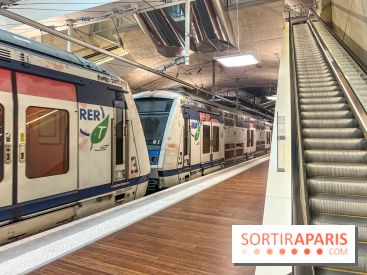
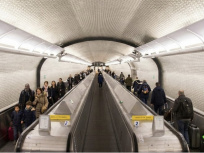
Two stations in the Paris region have just received significant international recognition. Saint-Denis Pleyel station in Seine-Saint-Denis and Villejuif-Gustave Roussy station in Val-de-Marne are among the seven most beautiful stations in the world selected by the Prix Versailles, a global architectural award supported by UNESCO. This is a wonderful accolade for these two iconic Grand Paris Express infrastructure projects, which reflect the architectural renewal of transport in the Paris region.
This selection, unveiled in early November in Paris, shows that stations are once again becoming a privileged playground for the big names in architecture, as Jérôme Gouadain, secretary general of the prize, points out. For the first time since the launch of the Prix Versailles in 2015, so many prestigious names feature in the station category. This is a sign that the revival of public transport around the world is accompanied by a genuine architectural ambition.
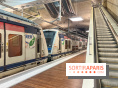
The Saint-Denis Pleyel station, designed by Japanese architect Kengo Kuma, is set to become one of the major hubs of the Île-de-France network. This strategic station, inaugurated in June 2024, will eventually serve four automatic metro lines (14, 15, 16, and 17) and up to 250,000 passengers per day. The building covers 30,000 m² and nine levels, four of which are underground, all organized around a spectacular atrium that allows natural light to penetrate to a depth of 27 meters.
The Japanese architect designed this station as an urban origami structure, with folds connecting the ground to the building. Wood, the project's signature material, adorns the interior and exterior facades, creating a warm atmosphere rarely found in underground facilities. Beyond its transport function, Saint-Denis Pleyel will also house a 5,000 m² cultural space called "Pleyel en mouvement," dedicated to social innovation and contemporary creations. A monumental work of art by Prune Nourry, consisting of 108 sculptures suspended in the atrium, completes this space designed as a place for living and meeting.


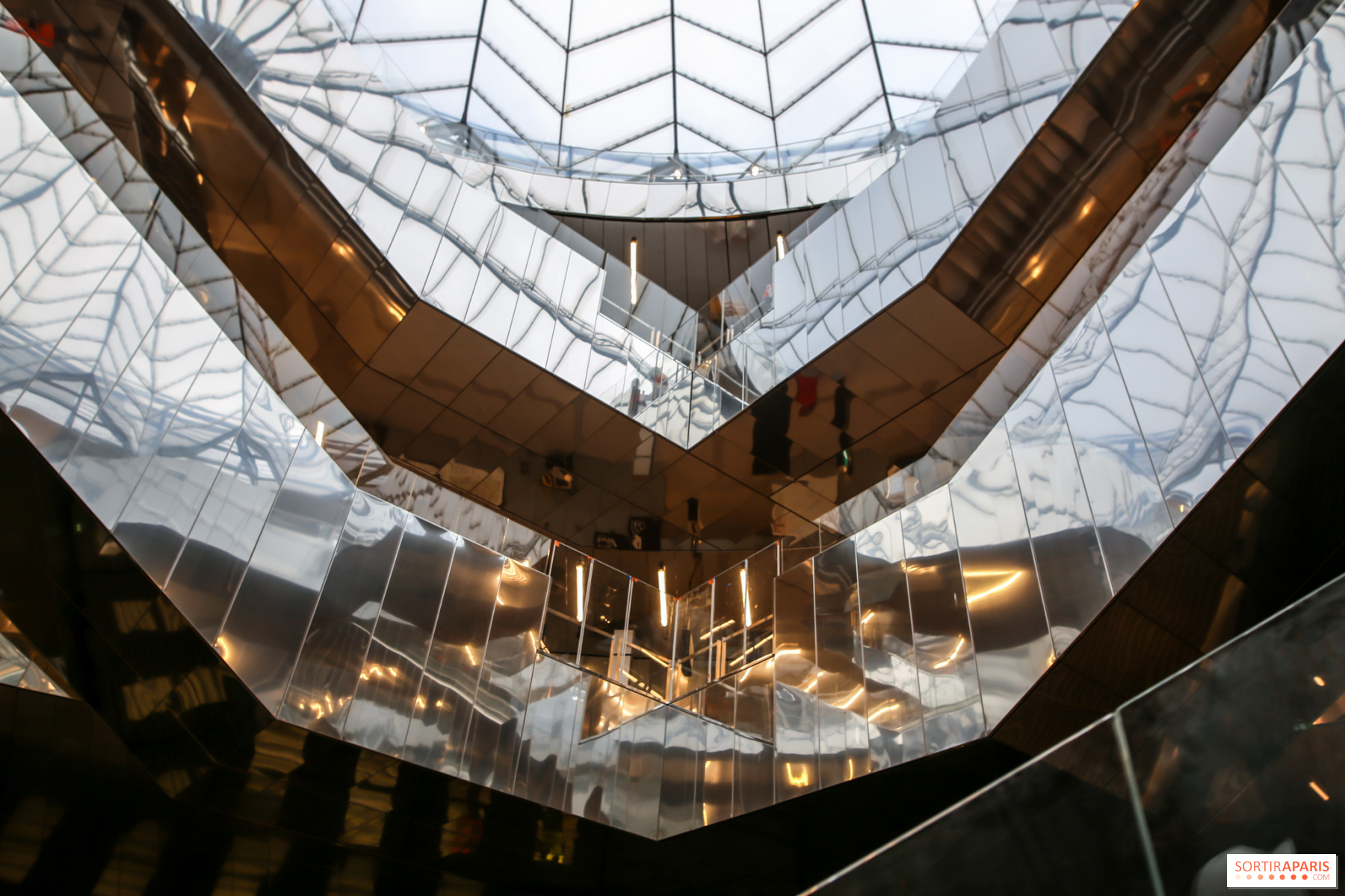
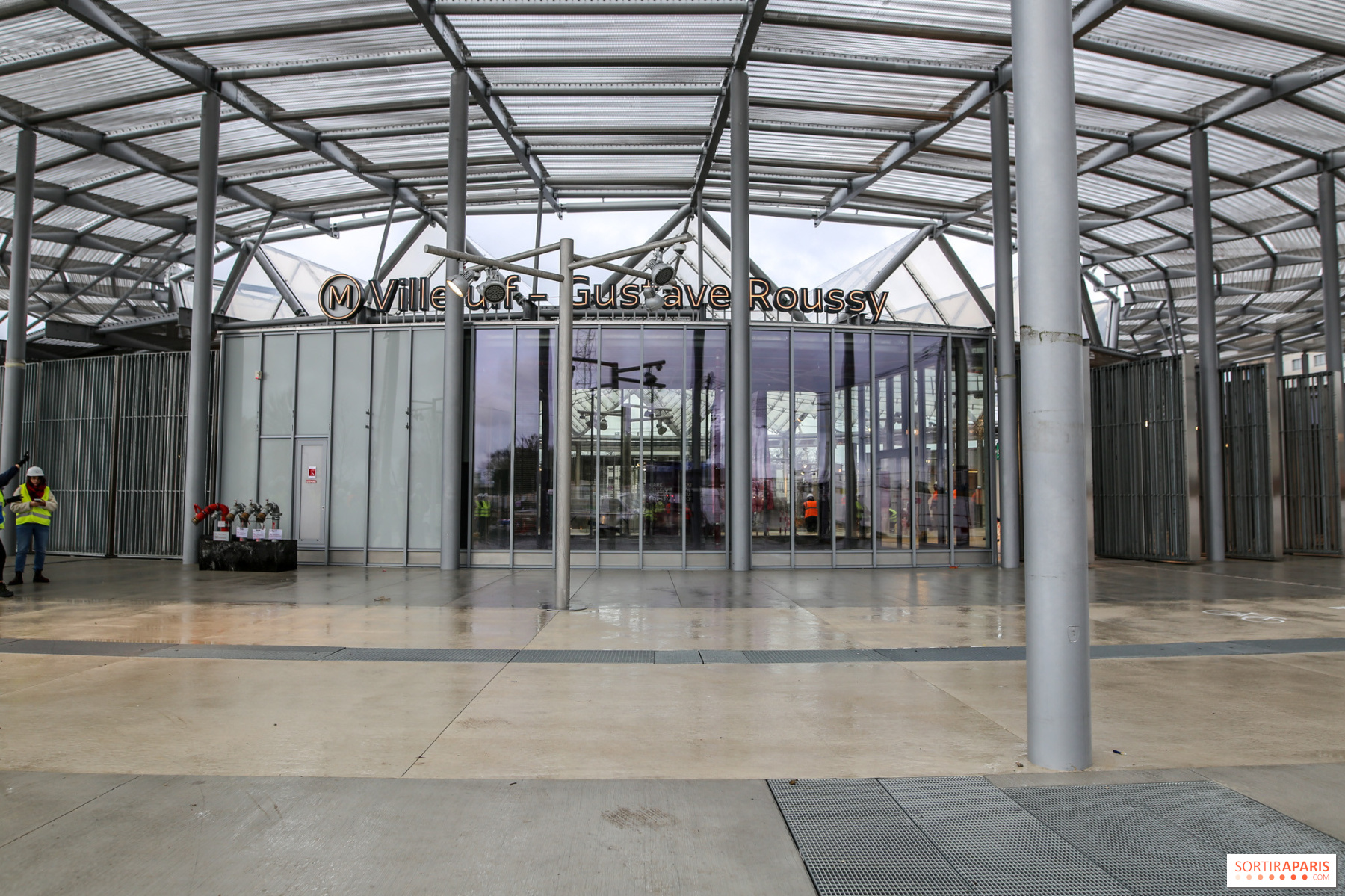
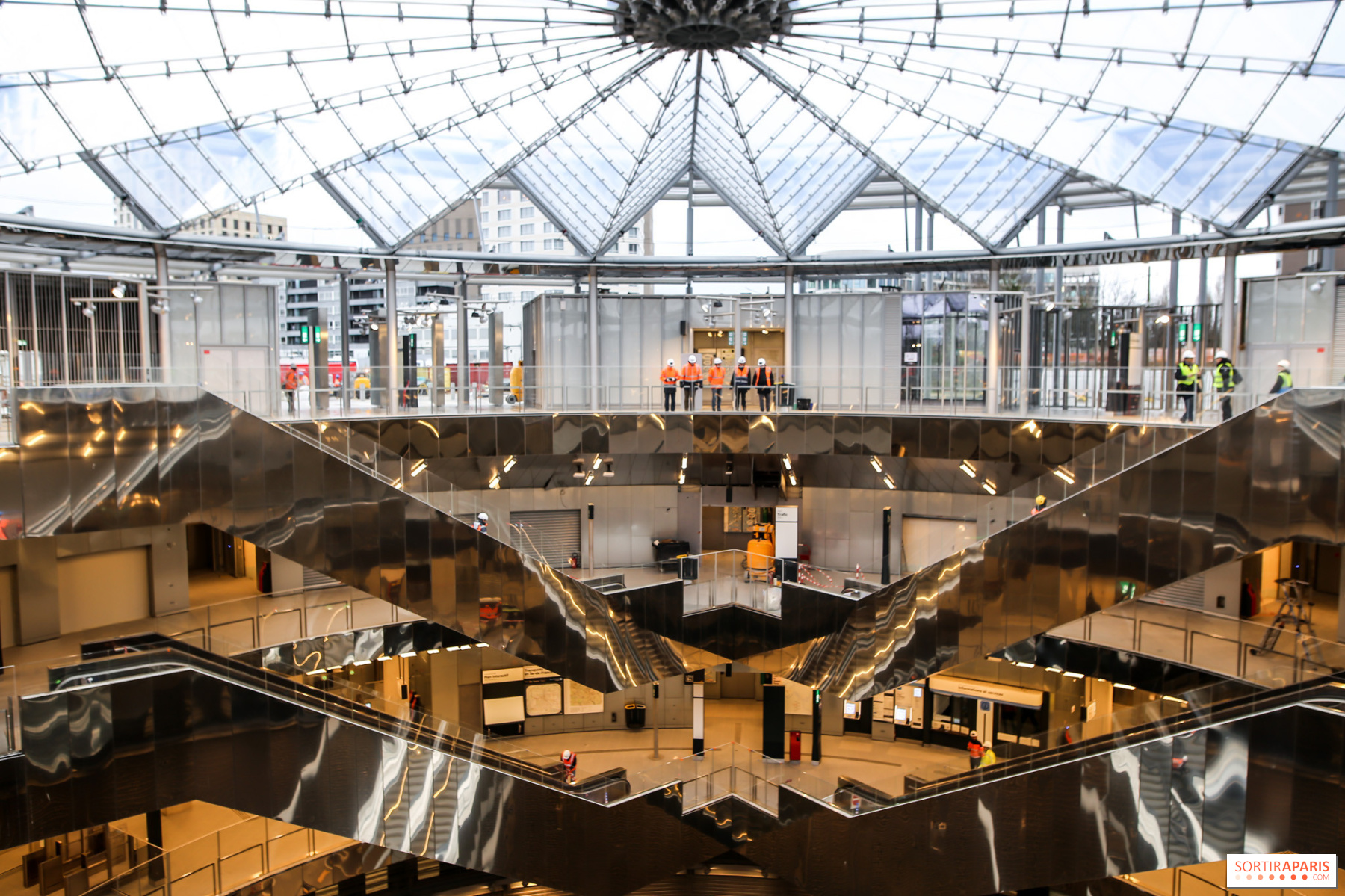
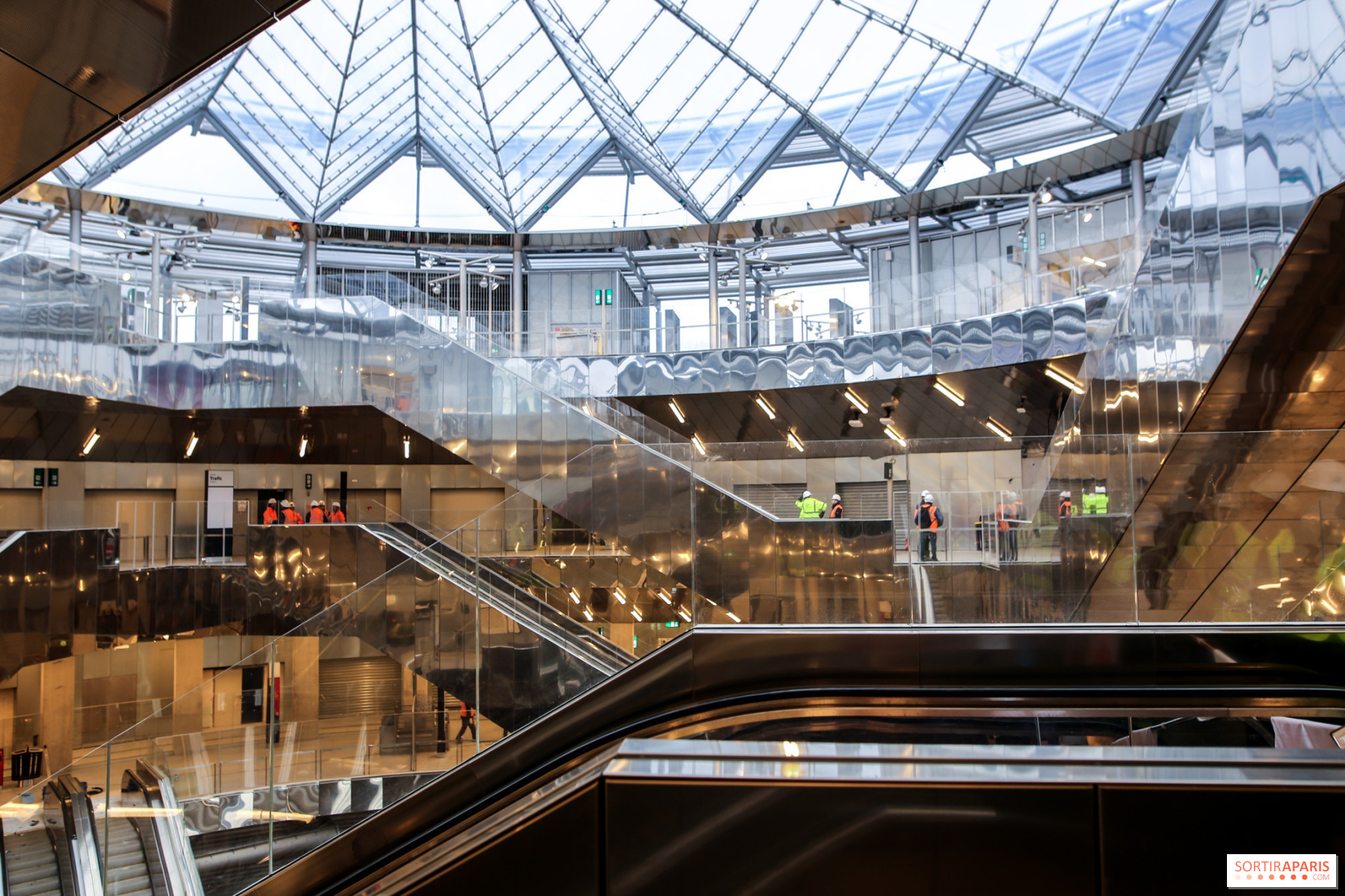
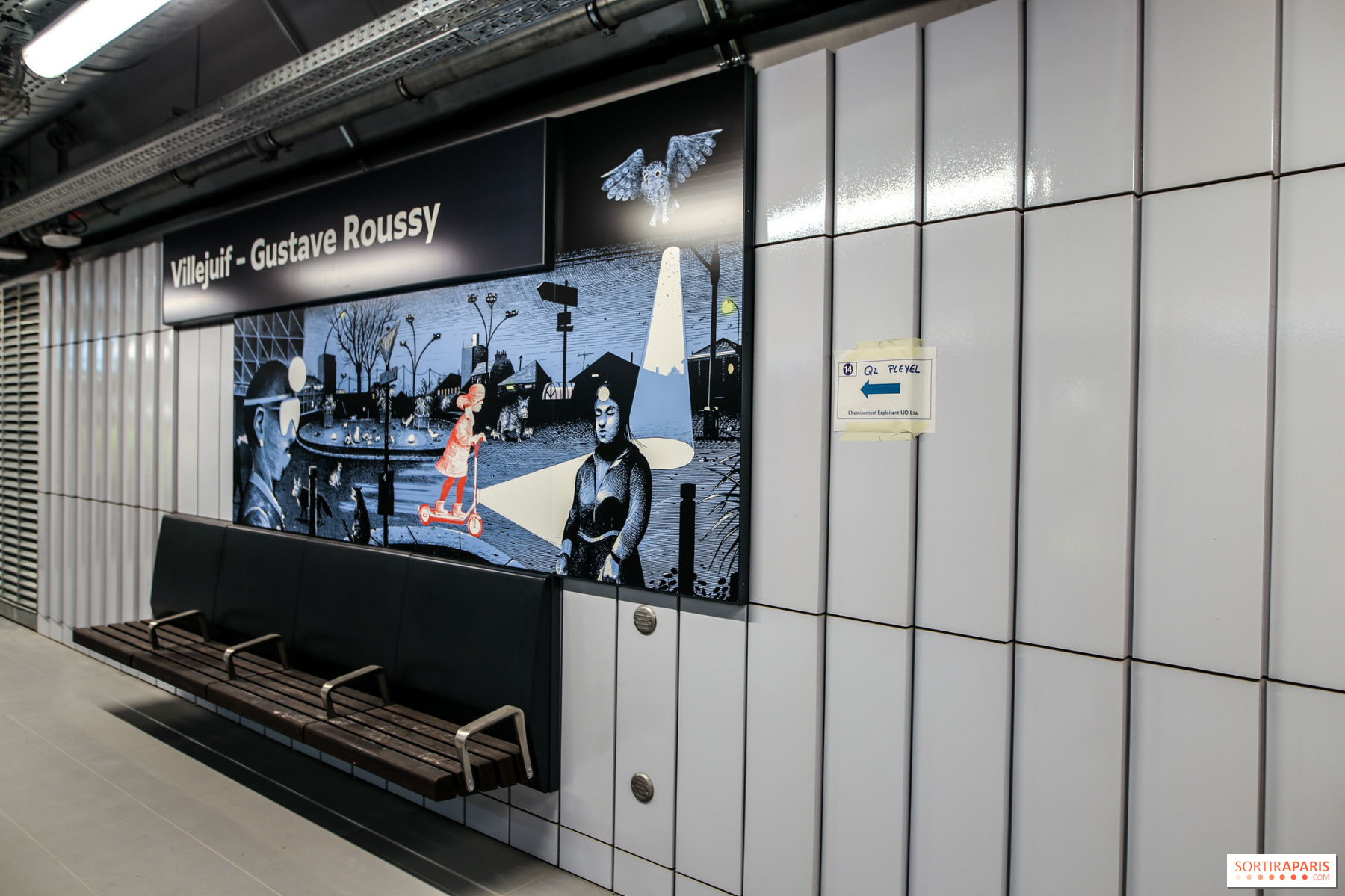
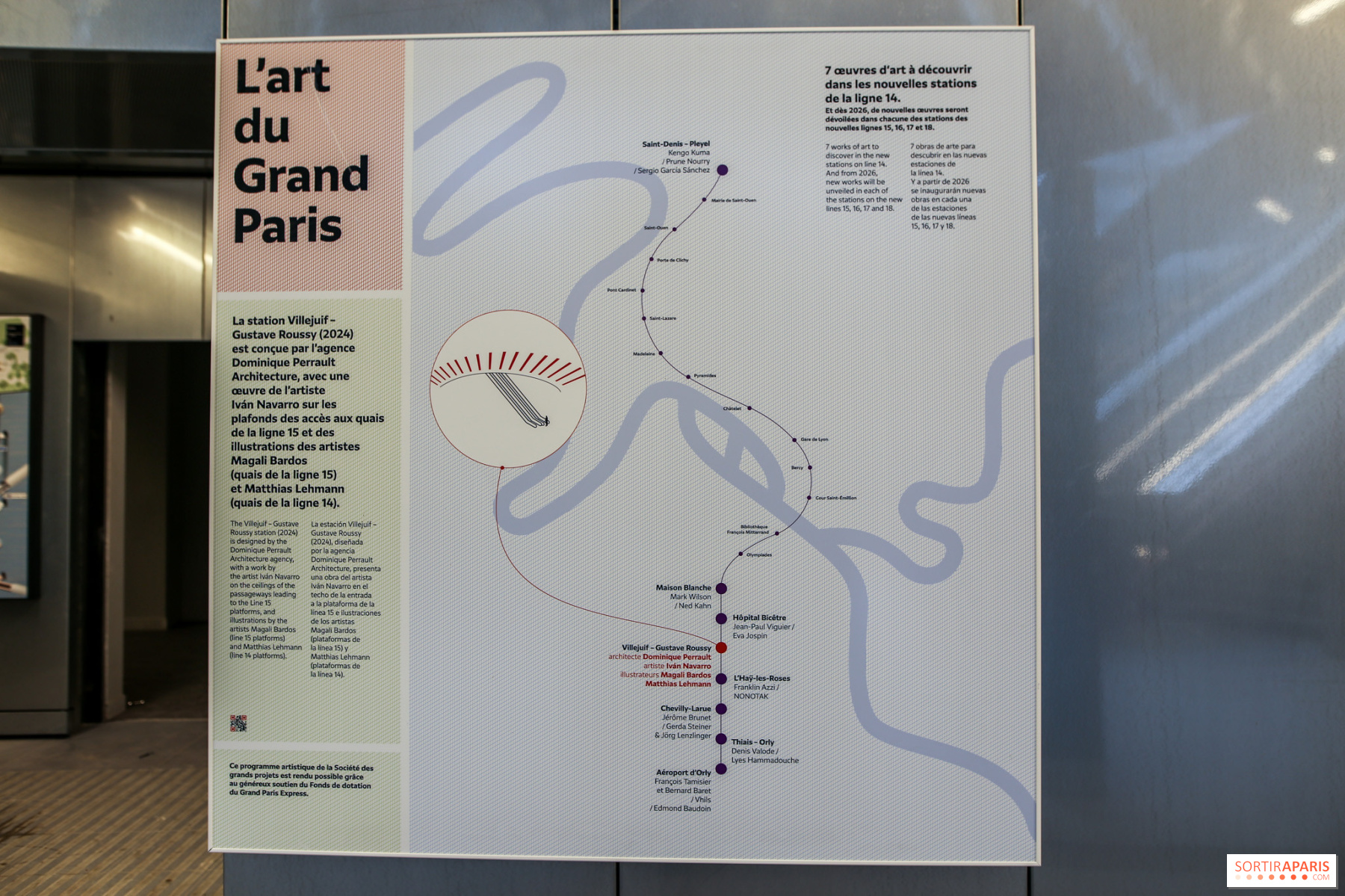
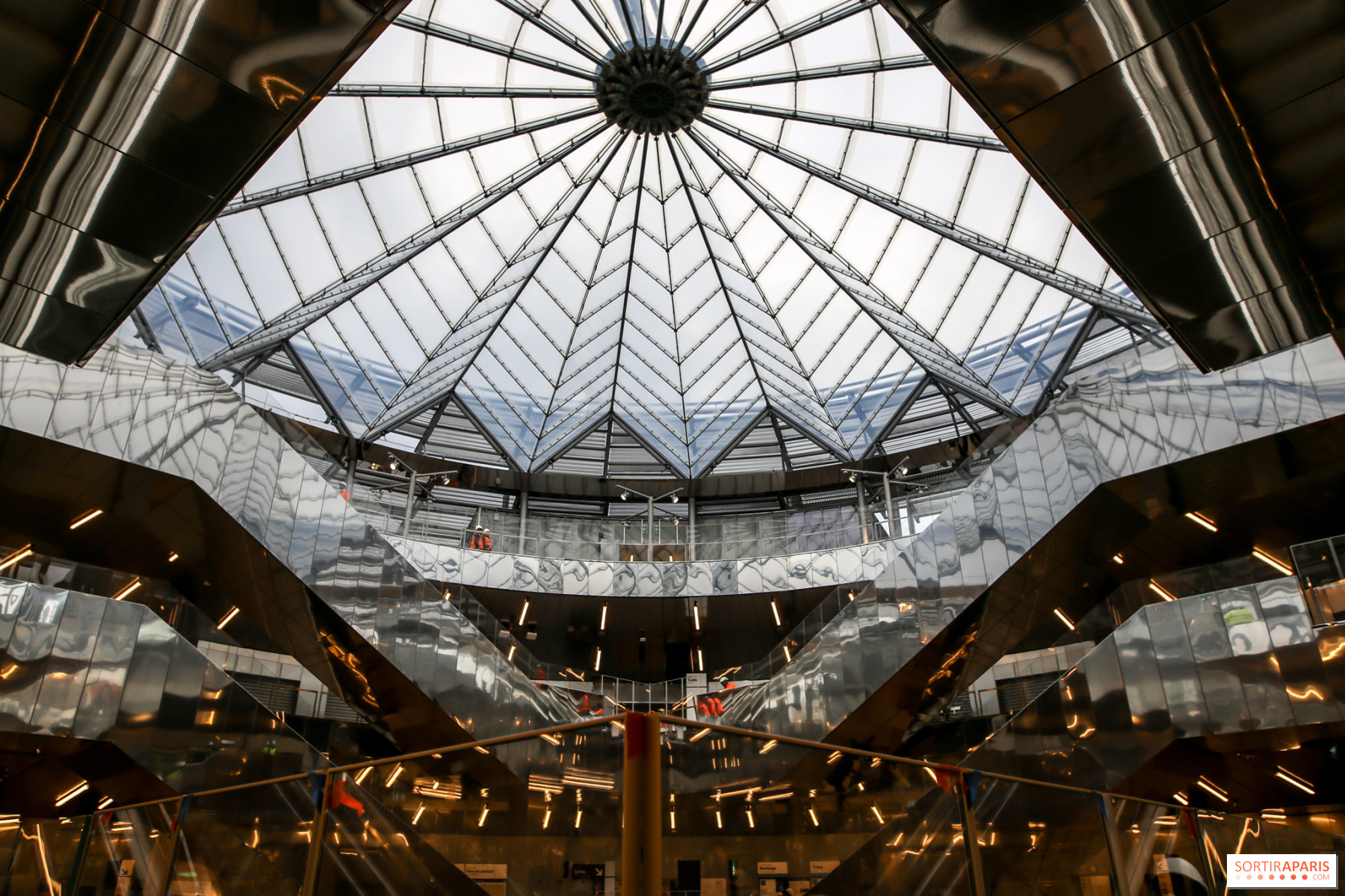
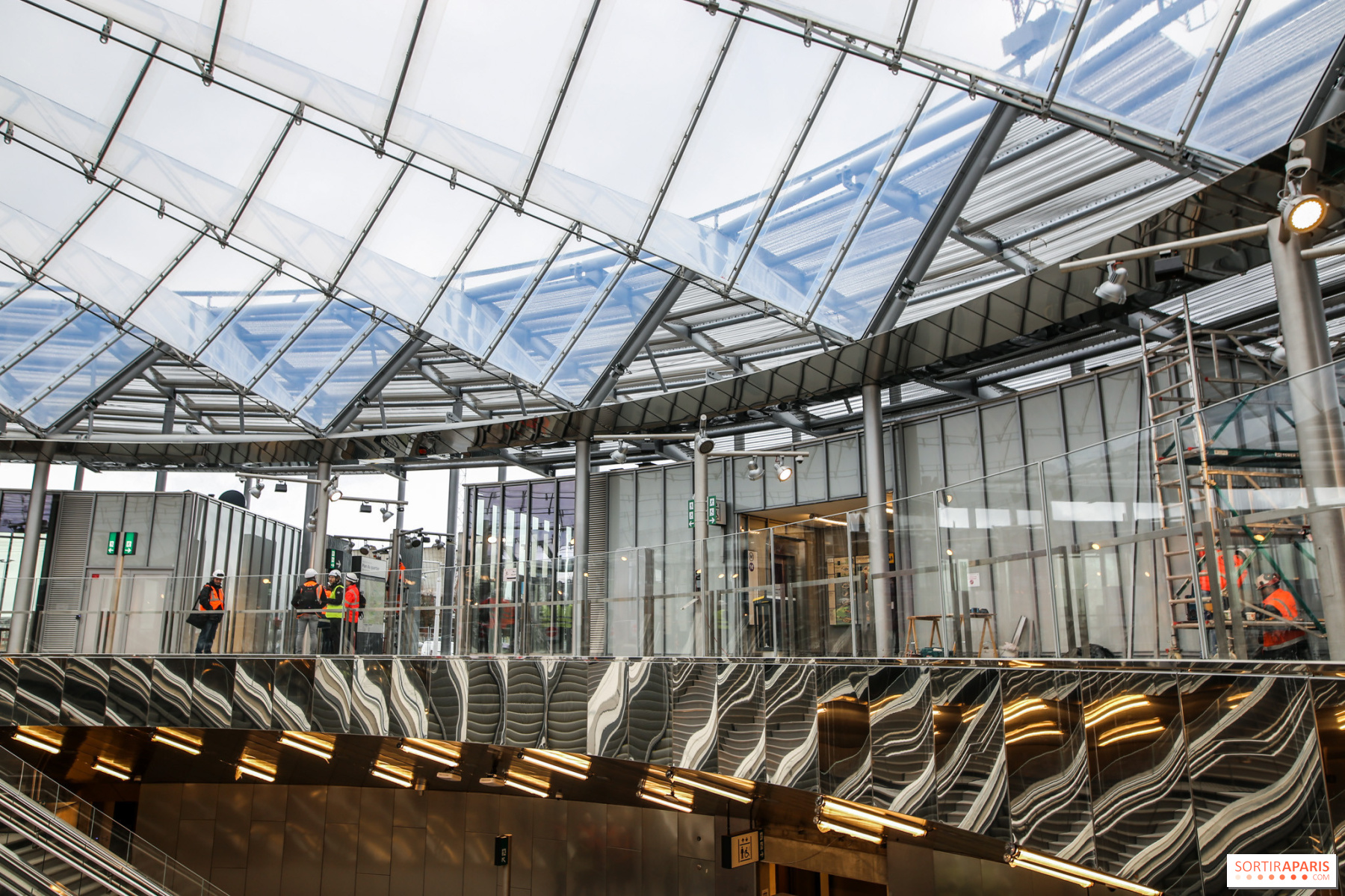
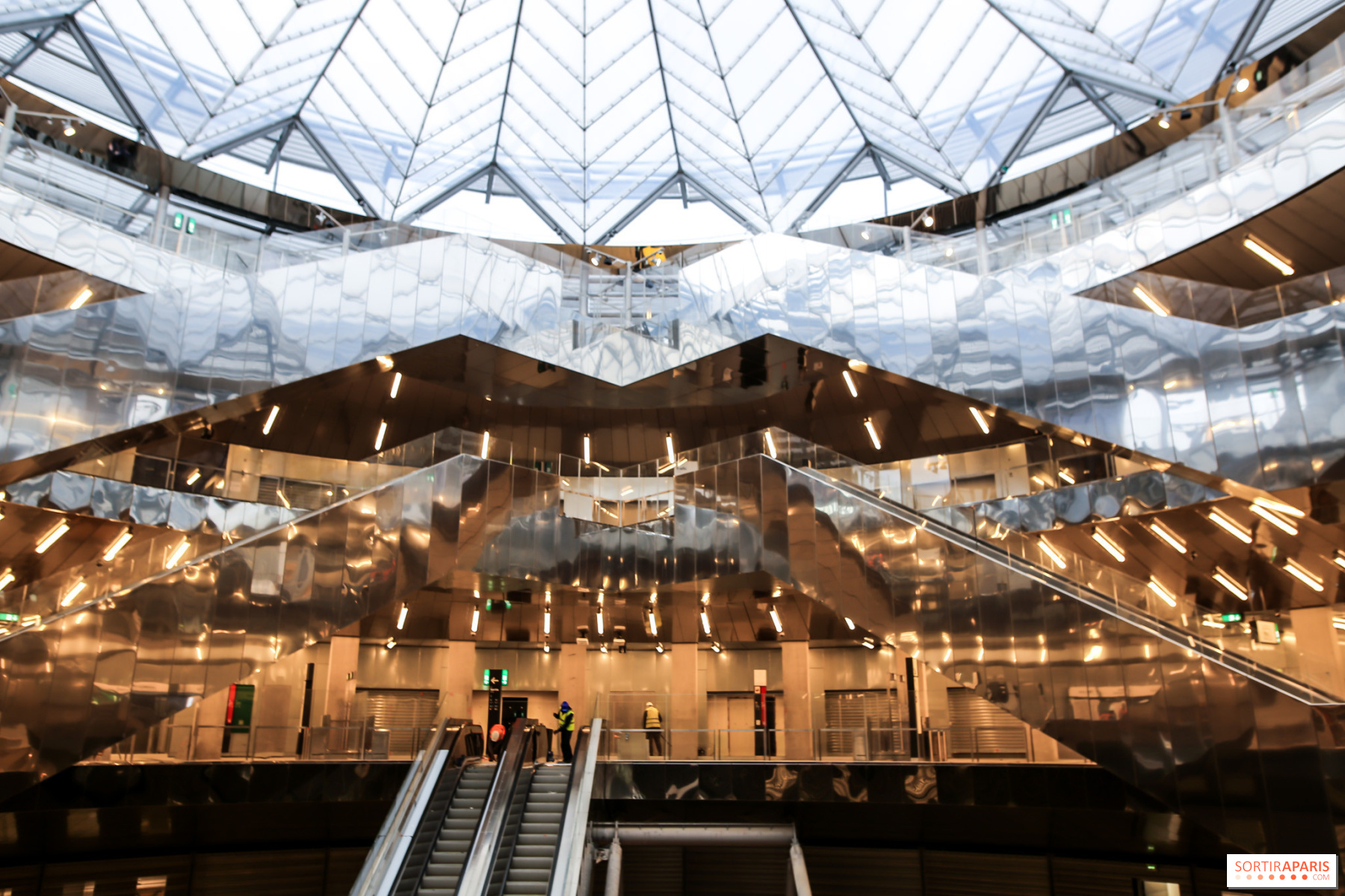
On the other side of the capital, the Villejuif-Gustave Roussy station impresses with its verticality. Designed by Dominique Perrault, this station, which opened in January 2025, takes travelers nearly 50 meters underground, making it one of the deepest stations in France. The French architect, who is also responsible for the Bibliothèque nationale de France, designed a 70-meter-diameter cylinder topped by a monumental glass roof that floods the underground spaces with natural light.
The architecture plays on transparency and reflections through the use of stainless steel in all its variations: smooth, perforated, mesh, mirror-polished, or satin-finished. Located in the Hautes-Bruyères park, a stone's throw from the Gustave-Roussy Institute, Europe's leading cancer center, this station will welcome up to 100,000 passengers daily. It currently serves line 14 and will soon be connected to line 15 South. Chilean artist Iván Navarro has created a spectacular light installation, a "sundial" composed of 312 light boxes that give the illusion of infinite depth, establishing a poetic bridge between the underground world and the sky.

The two Parisian stations are competing against five other infrastructures from around the world. Among the finalists are Gadigal Station in Sydney (Foster + Partners), celebrating Aboriginal culture with its futuristic rows of strobe lights, Mons station in Belgium, a 165-meter white steel cathedral designed by Santiago Calatrava, and Baiyun station in Guangzhou, China (Nikken Sekkei), a veritable vertical park connecting shops and offices. Saudi Arabia has two projects in this selection: the KAFD station by Zaha Hadid Architects, whose undulating roof evokes desert dunes, and the Qasr Al Hokm station by Norwegian firm Snøhetta, with its inverted periscope-shaped canopy.
The final verdict will be announced in early December during a ceremony at UNESCO headquarters in Paris. An international jury, chaired by a prominent figure from the world of culture and composed of four renowned architects, will award three global titles among the seven finalists. Last year, the jury included figures such as Daniel Libeskind, Sou Fujimoto, and Wang Shu, winner of the Pritzker Prize. This award celebrates achievements that combine aesthetics, innovation, ecological performance, and user-friendliness, values that are at the heart of the renewal of transport infrastructure.
In short, these two nominations prove that the Paris region knows how to transform its transport facilities into true architectural works of art. If you're looking for a great cultural and architectural experience, go and discover these stations that are changing our vision of urban transport. Mobility is finally becoming an aesthetic experience in its own right.
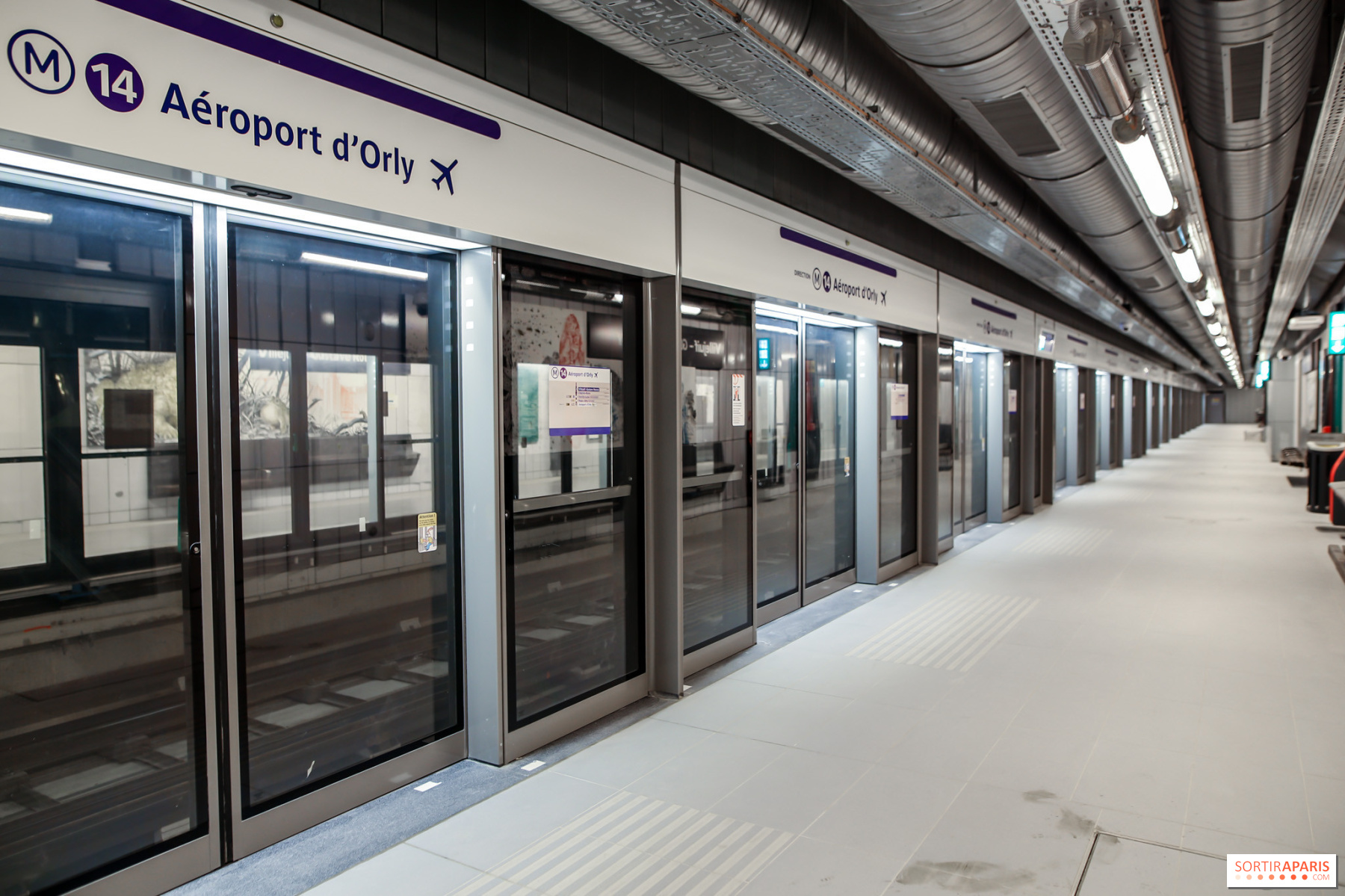
The Saint-Denis Pleyel station is accessible via metro line 14 and is located in the immediate vicinity of the Carrefour Pleyel station (line 13). The Villejuif-Gustave Roussy station is also served by line 14, with a future connection to line 15 South planned for summer 2026. The winners of the 2025 Prix Versailles will be announced at the ceremony on December 4 at UNESCO headquarters.
Recommended age
For all