“ All of Île-de-France’s forests are affected. And with climate change, this trend isn’t going to ease,” warned the National Office of Forests forests (ONF) in 2022. Four years later, after the fires that swept the south of France, a massive blaze has erupted in the Forest of Fontainebleau this Sunday, July 12, burning already 8,00 hectares, about 5% of the massif.
As heatwaves have persisted since May and France’s soils—especially in Île-de-France—are hit by a severe drought, a single spark can unleash widespread devastation. And Île-de-France is not immune to these blazes, with 287,000 hectares of forests at risk. This time, the Three-Pignons sector faces an environmental catastrophe without precedent, marking the largest fire ever recorded in Île-de-France since modern records began.
A blaze of unprecedented scale for the Paris region, crossing a critical threshold typically reserved for the great Mediterranean or Gironde fires. For comparison, the last major fire to strike the area, in the summer of 2022 at Rochefort-en-Yvelines, burned about a hundred hectares, which was already a very serious warning at the local level.
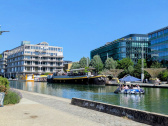
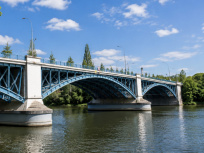
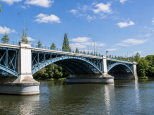
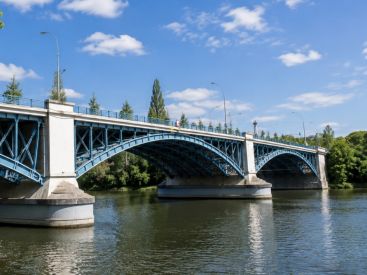
The scale of the operation is thus enormous, as demonstrated by the use of two Canadairs that are to scoop up water from the Seine between Chartrettes and Bois-le-Roi, something that had never happened before.