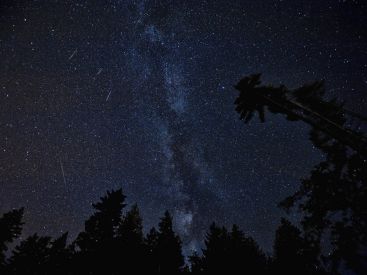
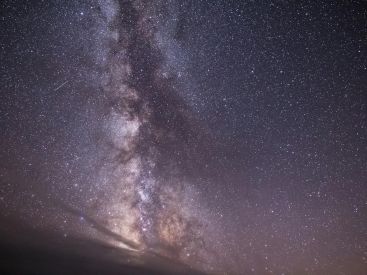
The peak is over, but the sky isn’t done glittering. After a maximum expected in the night of August 12–13, 2026, the Perseids remain visible for several more days. Those who missed the big rendezvous can still keep an eye on the celestial vault.
Missed the Perseids peak in 2026 after the solar eclipse? Here’s when the next one will take place.
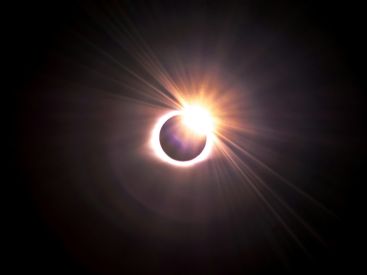
Following the solar eclipse on August 12, 2026, the Perseids have taken over the night sky. If you missed their peak, here’s how long you can still observe them and when the next one will occur. [Read more]
According to the International Meteor Organization (IMO), the shower remains active from July 17 to August 24, 2026. The peak occurs as Earth passes through the densest part of the dust stream left by comet 109P/Swift-Tuttle. Once this zone has been crossed, the shooting stars don't vanish into thin air: they simply become rarer as the nights go by.
NASA pins the maximum between the evening of August 12 and the morning of August 13, 2026. This year, the New Moon on August 12 dimmed the night sky substantially, a real boon for observers. The IMO cites up to 100 meteors per hour in a theoretical ZHR under ideal conditions, a figure not to be confused with the actual number of shooting stars visible from a given location.
Good news: it's still possible to see Perseids after the peak. Activity is winding down, and the nights immediately after the maximum remain the best chances to try your luck. Meteors can streak across a wide swath of the sky, even if they seem to originate from the Perseus constellation.
No need to break out the big guns. NASA simply recommends choosing a dark and open spot, far from city lights, and then giving your eyes about 30 minutes to adjust to the darkness.
August 12 was not, after all, the last chance. The Perseids keep streaking across the sky until August 24, 2026, at a pace that is gradually easing off. That should yield a few more bright trails… and a few wishes for a late catch-up!
This page may contain AI-assisted elements, more information here.






 Missed the Perseids peak in 2026 after the solar eclipse? Here’s when the next one will take place.