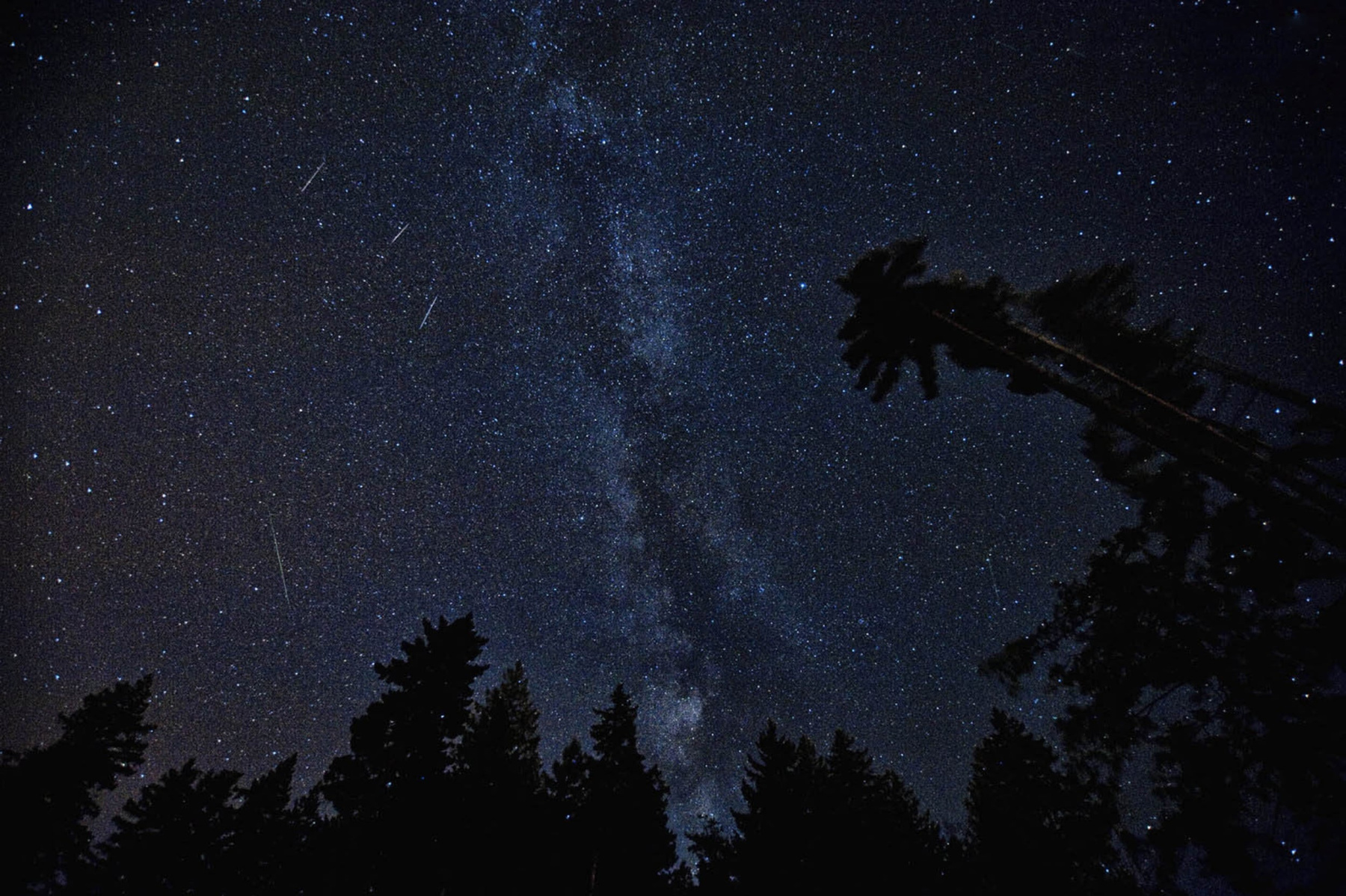
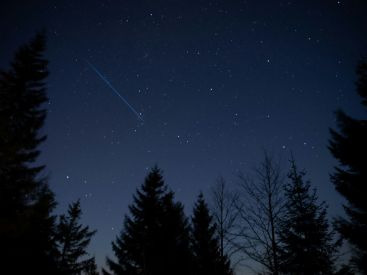
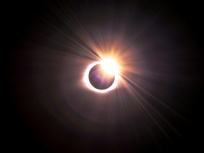
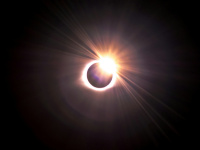
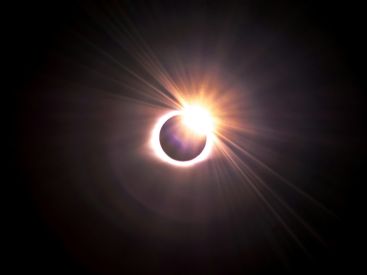
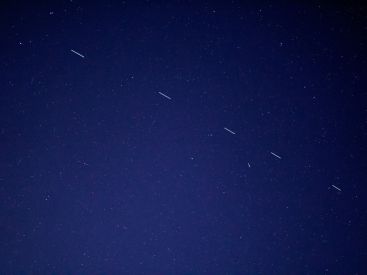
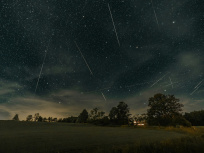
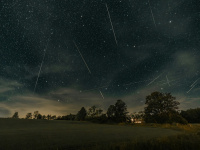
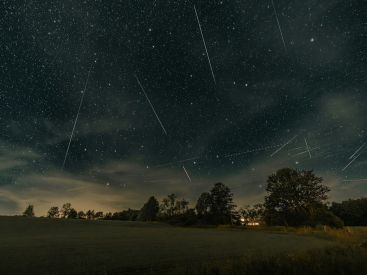
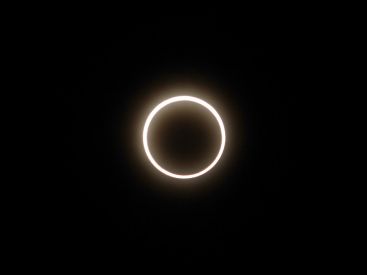
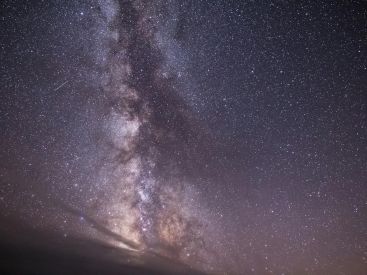
The sky stacked one celestial rendezvous after another in just a few hours. After the solar eclipse of August 12, 2026, partial in metropolitan France and total in parts of Spain, the Perseids lit up the night. According to the International Meteor Organization (IMO), the peak of this famous meteor shower was expected on August 13 between 2 a.m. and 4 a.m. UTC, i.e. between 4 a.m. and 6 a.m. in metropolitan France.
Have you chosen your pillow over the stars? The Perseids 2026 aren’t quite over yet. According to the IMO, the meteor shower remains active until August 24. You can still spot shooting stars after the peak, but their numbers will gradually fade.
For the next major annual peak of the Perseids, though, we’ll have to wait until August 2027. According to the International Meteor Organization’s 2027 calendar, the shower will be active from July 17 to August 24, with its maximum expected on August 13, 2027 between 08:00 and 10:00 UTC, i.e. between 10:00 a.m. and noon in mainland France. Since the peak falls during daylight in France, the night of August 12–13, 2027 should be favored for trying to observe them before dawn.
The 2027 edition, in particular, warrants close monitoring: according to the IMO, interactions with portions of the Perseid debris stream perturbed by Jupiter could boost activity. We will, however, have to contend with a Moon that is already quite bright, as the Full Moon is slated for August 17, 2027, per NASA's astronomical calendar.
To be clear, there’s no need to pack away the deck chair just yet: according to the IMO, the Perseids remain active until August 24, 2026. To witness a true Perseid peak, however, you’ll have to wait until August 13, 2027.
This page may contain AI-assisted elements, more information here.