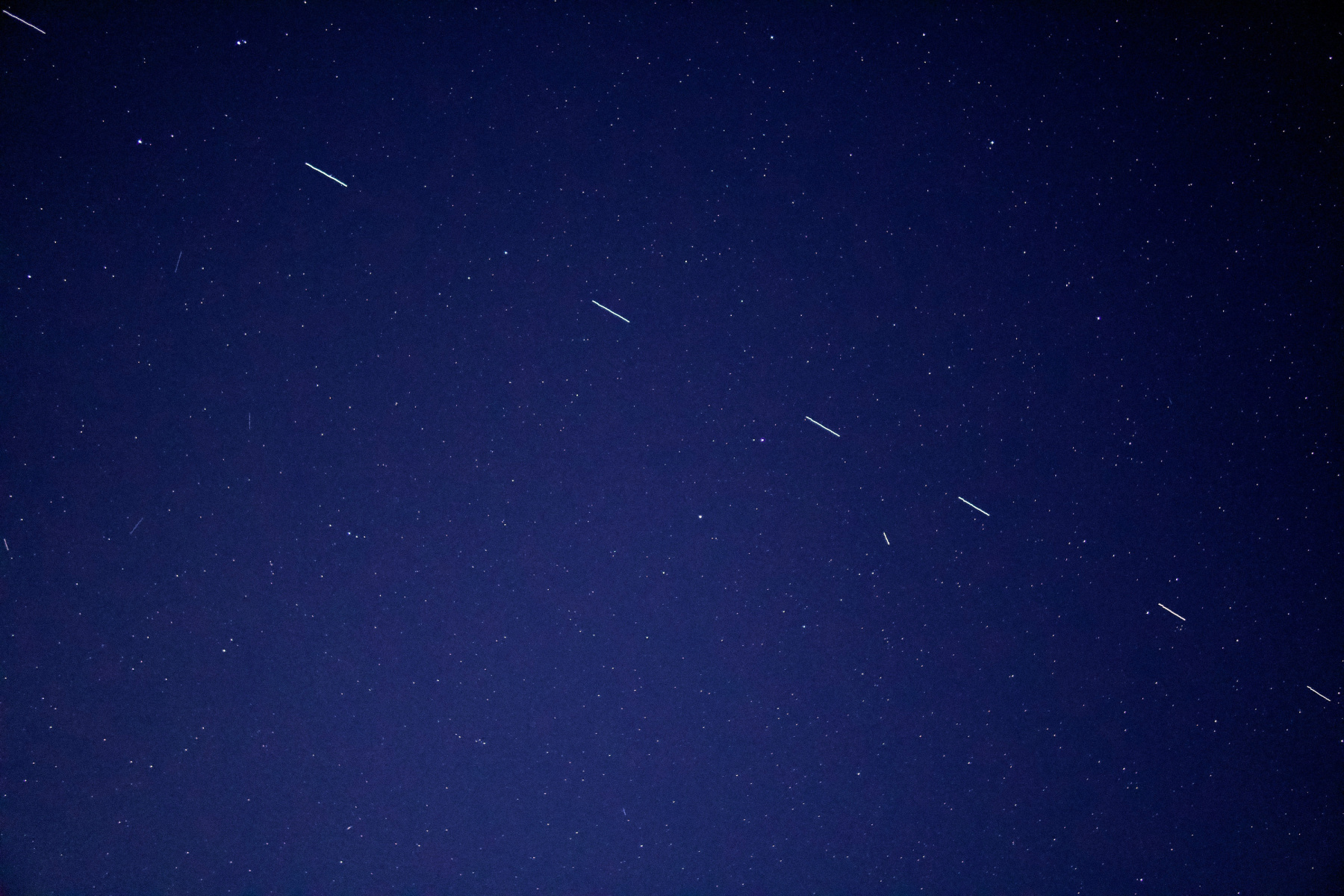
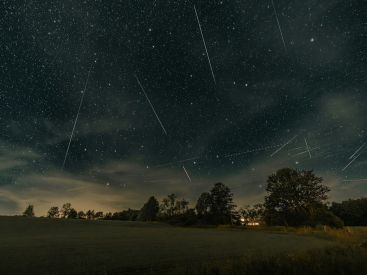
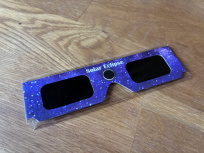
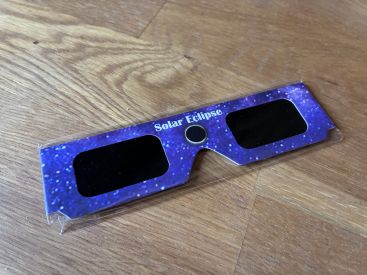
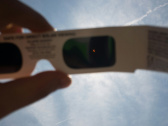
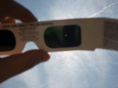
The skies over Île-de-France are far from done with their spectacle. After the partial solar eclipse of August 12, 2026, which will cover more than 92% of the Sun at its peak, eyes can stay fixed on the heavens for a second show: the peak of the Perseids, one of the most famous meteor showers of the year.
The Perseids light up every summer as Earth travels through the dust shed by the 109P/Swift-Tuttle comet. Plunging into our atmosphere at incredible speeds, these tiny particles create the bright streaks we know as shooting stars.
Their name derives from the Perseus constellation, from which they seem to originate due to perspective. But there's no need to fixate on that part of the sky: meteors can appear almost anywhere.
And in 2026, the conditions are especially favorable: the peak falls around the New Moon, which should spare observers from a too-bright moonlight washing out the faintest shooting stars.
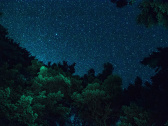
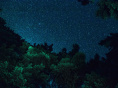
Meteor showers can be observed as soon as the sky is sufficiently dark. But conditions should improve as the night wears on. In Paris, the best window for observing will be between 2 a.m. and 4 a.m. on the night of August 12–13.
So we'll have to be night owls… or early birds.
To catch the Perseids without leaving Paris, Parc de la Villette is one of the evening’s top hotspots. The Cité des sciences et de l'industrie hosts skywatching sessions from 9:45 p.m. to midnight, with guides and astronomical instruments. The site is especially handy for getting a feel for the phenomenon, even though Paris’s light pollution will inevitably limit the number of meteors you can see.
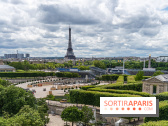
Another option in the capital: choose a large open space with an unobstructed view of the sky. The Champ-de-Mars, open 24/7, offers this advantage, even if the many surrounding lights are far from ideal for astronomy.
But you don’t have to trek across the whole Île-de-France to find a bit more room: to the east, the Bois de Vincennes offers wide-open spaces where the sky feels clearer than over the Paris streets. Prioritize open areas over wooded sectors and check the rules for nocturnal access.
To the west and southwest, Meudon and Saint-Cloud are also attractive options for exploring. The higher ground and open spaces in these areas can offer a broader view, even though the glow of the Paris metro area remains very much present. Meudon also has a long astronomy-related history, as it hosts one of the sites of the Observatoire de Paris. That said, this does not mean the observatory or its grounds are freely accessible in the middle of the night.
For a wildlife-watching session lasting between 2 and 4 hours, it’s worth checking the opening times of parks and estates before you head out: the most beautiful viewpoint in the world loses a lot of its appeal once it’s behind a closed gate.
The most driven will do well to move even further away from Paris's glow. The rural areas of Yvelines, Essonne and Seine-et-Marne, especially around the Fontainebleau Massif, can offer a noticeably darker sky.
The rule is simple: the less artificial light there is, the more the fainter Perseids become visible. So opt for a dark, wide-open space where nighttime access is permitted.
However, there’s no need to bring a telescope. For watching the Perseids, the naked eye remains the best instrument: meteors appear suddenly and can streak across a wide swath of the sky. Sit back and give your eyes about twenty minutes to adjust to the dark.
This page may contain AI-assisted elements, more information here.