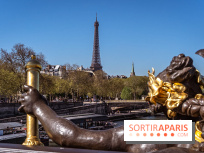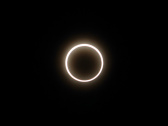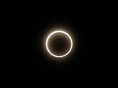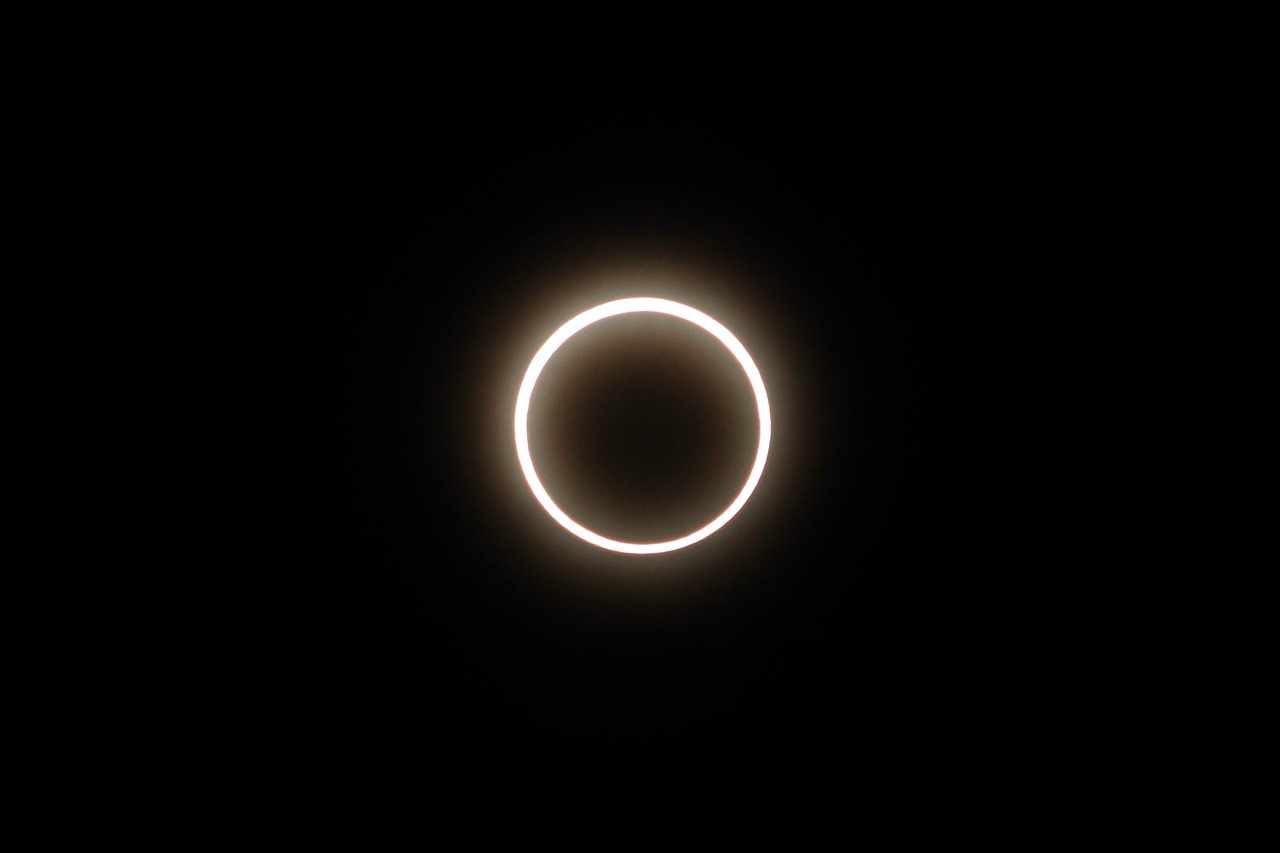
This is the cosmic event you won’t want to miss. On Wednesday, August 12, 2026 in the late afternoon, the Moon will nibble at the Sun, offering us a rare spectacle. Even if the eclipse won’t be completely dark in Paris, the Sun will still be obscured by more than 92%! An astonishing occultation that will plunge the Île-de-France region into a strangely orange twilight. Peak hours, safety guidelines, and spots to view it well: here’s the guide to make sure you don’t miss it if you can’t go to Spain to see it at full potential.
There's no looking up at the sky at just any moment this afternoon. The eclipse is a gradual phenomenon that will accompany the body's descent toward the horizon. Make a note of the exact timings for the Paris region (local time):
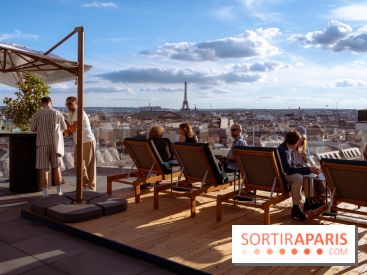
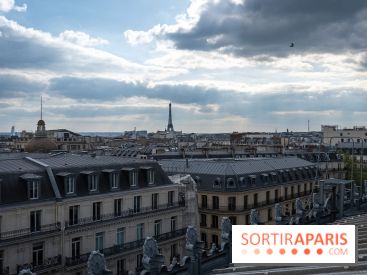
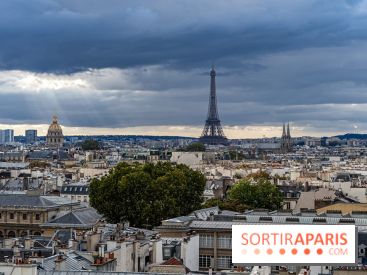
Heads up: watching this eclipse in Paris will be a geometric challenge! The maximum occurs at 20:17, and the Sun will then be very low on the horizon (only 7.6° above the line). What does that mean? At the slightest building, tree, or hill opposite you, the spectacle will be completely obscured. So forget bowl-shaped parks or your south-facing balconies. You absolutely need a view that is completely clear to the West-North-West (WNW).
For this height constraint, you'll need to gain altitude or seek out wide, unobstructed plains.
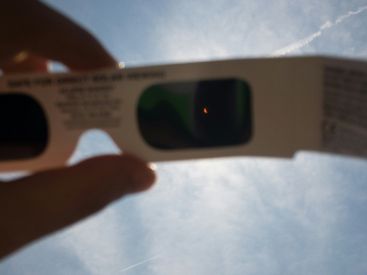
We can't stress this enough: watching a solar eclipse with the naked eye can burn the retina irreversibly, and you won't feel any pain. Even if the eclipse won't be total in Paris, wearing special eclipse glasses is mandatory from the start to the end of the observation. Forget regular sunglasses, radiographs, or old CDs that do not filter infrared and ultraviolet rays at all.
Total eclipse and shooting stars on the same day: what makes this event so extraordinary?
Get ready for the astronomical event of the century. On August 12, 2026, France and much of Europe will witness a rare celestial phenomenon—an unprecedented event in modern history: a total solar eclipse coinciding with the peak of the Perseids meteor shower. A once-in-a-lifetime spectacle happening all on the same day! [Read more]
This page may contain AI-assisted elements, more information here.





















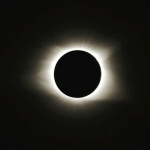
 Total eclipse and shooting stars on the same day: what makes this event so extraordinary?