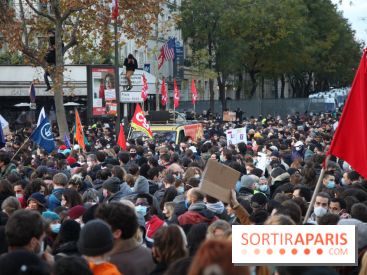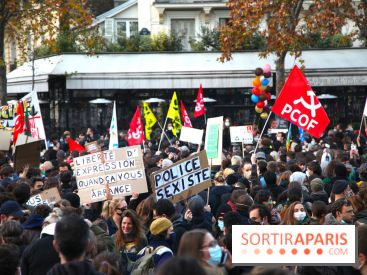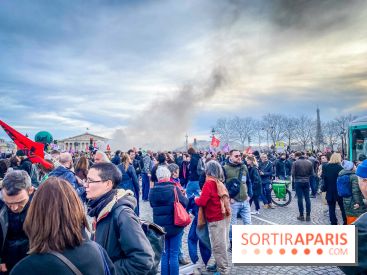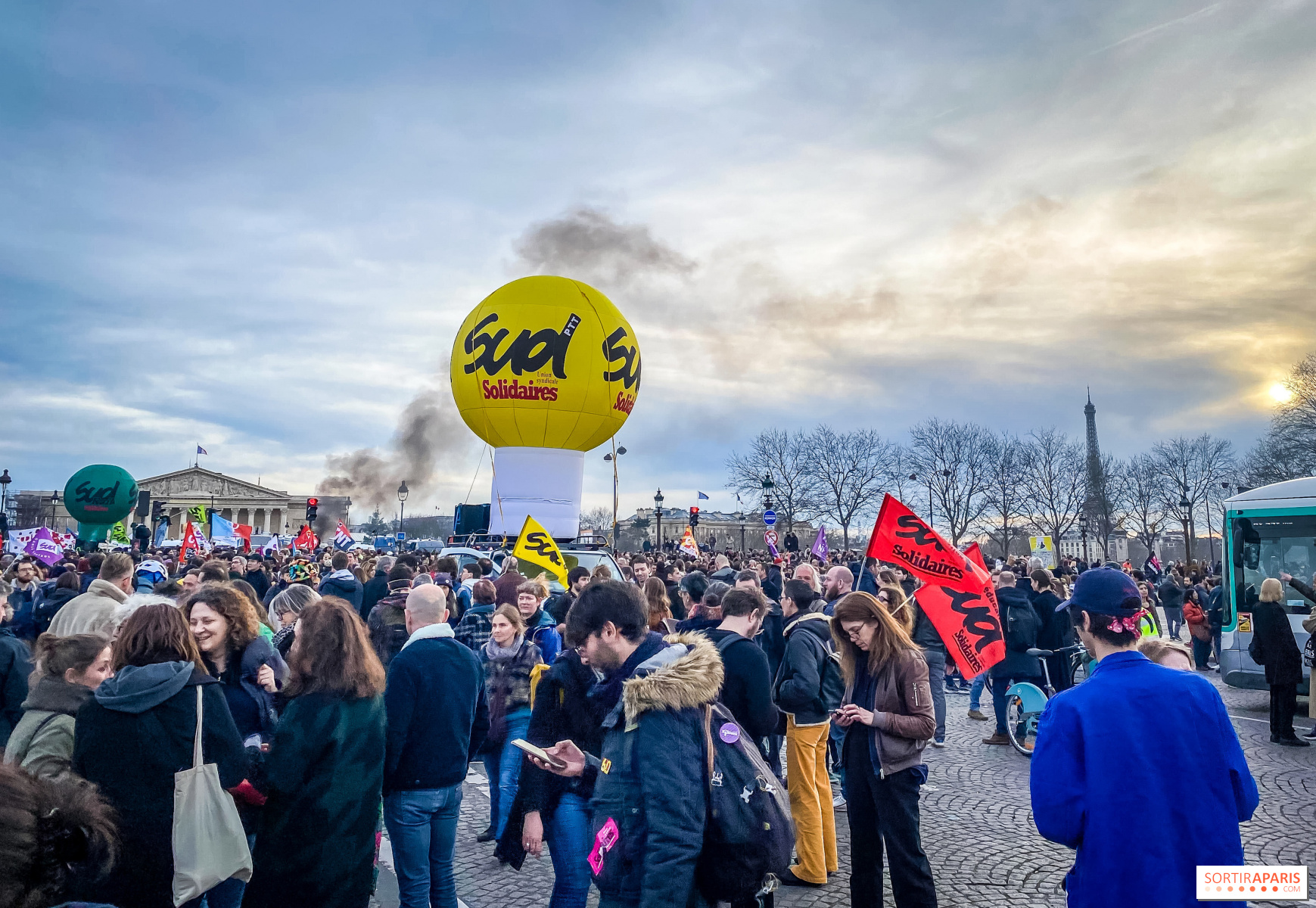
As high school students and college students are once again urged to demonstrate, history reminds us that youth mobilisations do not always end after a few days of blockades. Some have left a lasting mark on educational policies, when they have not directly prompted the withdrawal of a government project.
The current movement, which began at the end of September among Île-de-France schools,重点 focuses on the shortage of teachers and staff, overcrowded classrooms, the state of the buildings, Parcoursup, and overall study conditions. In a matter of days, around 30% of the roughly 3,600 French high schools have been affected by the action, signaling a nationwide mobilization.
But which earlier protests really moved the dial?
You can't discuss student movements without starting with May 1968. Originating notably in Nanterre and then at the Sorbonne, the student movement quickly spilled beyond the university to join a broader social and political challenge. May ’68 then became a national crisis, with a general strike uniting several million workers.
In higher education, the consequences are tangible. A few months later, the Edgar Faure law of November 12, 1968 reshapes the organization of universities. It notably introduces more autonomie, greater participation by students and staff in governance, and profoundly changes the traditional university structures. May 1968 contributes to a refonte profonde of how the French university system operates.
Another major chapter unfolds in Autumn 1986. The bill pushed by Alain Devaquet, the minister for higher education, envisions greater autonomy for universities and paves the way for tougher entrance selection. The protests quickly spread across campuses. General assemblies vote for strikes, universities are occupied, and demonstrations gain momentum across France.
The movement tipped over in the night of December 5 to 6, 1986, after the death of Malik Oussekine, 22, who was struck by riot police in Paris. Public emotion ran high. Alain Devaquet resigns and Jacques Chirac’s government finally announces the withdrawal of the bill. François Mitterrand publicly acknowledged the gravity of the situation as early as December 6. This stands as one of the clearest examples of a student mobilization that achieved the outright abandonment of a reform.
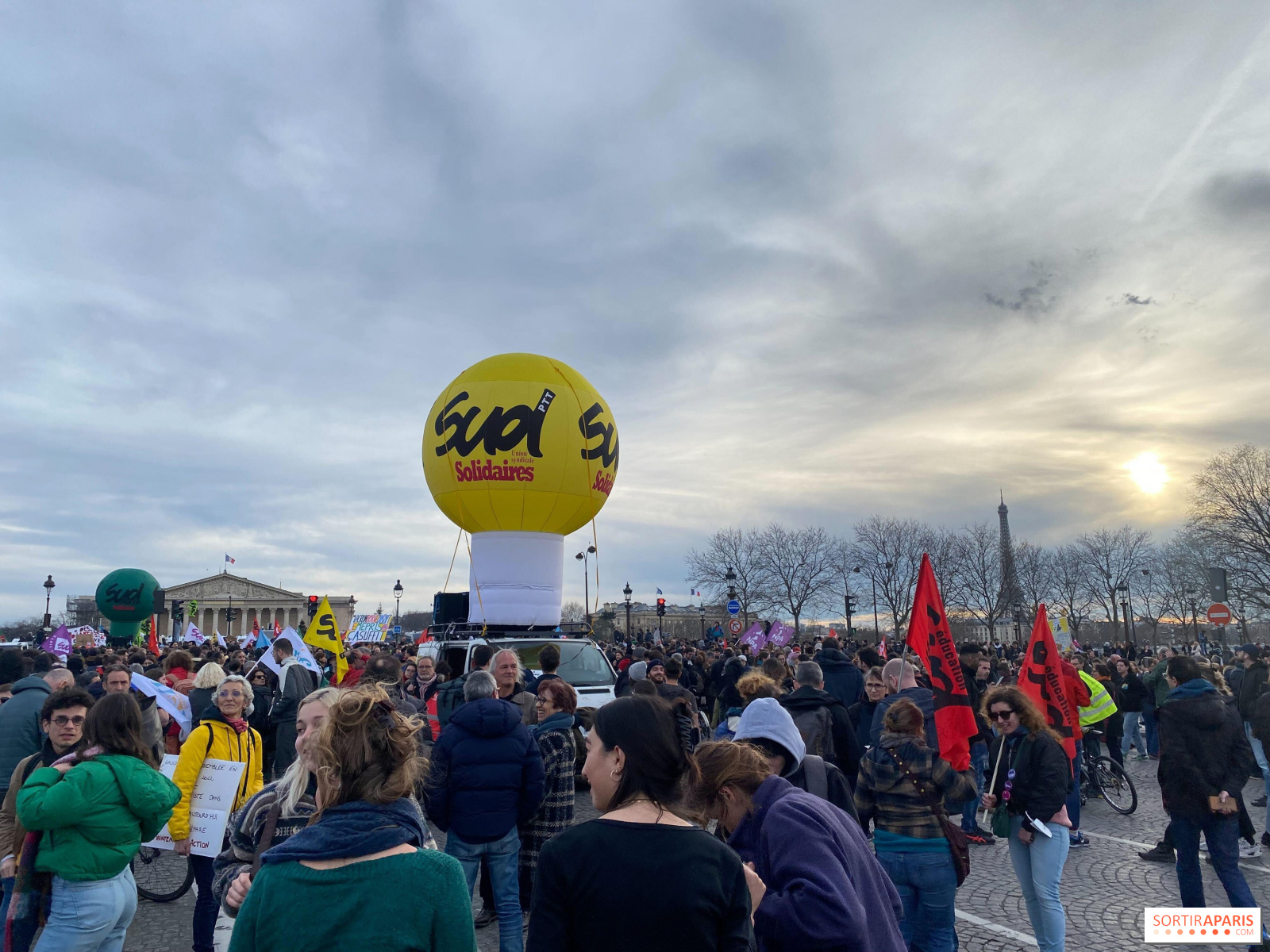
In October and November 1990, it was once again high school students who took center stage. The movement kicked off notably in Seine-Saint-Denis, and already spotlighted problems startlingly familiar in 2026: overcrowded classrooms, dilapidated buildings, staff shortages, and a sense of insecurity in schools. The protests peaked on November 12, 1990.
Facing the scale of the protest, the Minister of National Education Lionel Jospin announces an emergency plan for the high schools. The plan’s implementation is then closely monitored by the ministry, while representatives from the high school coalitions are received on rue de Grenelle. The movement does not overhaul the entire education system, but it succeeds in turning a protest born in several schools into a national budgetary and administrative response.
Eight years on, the pattern seems to be repeating itself. In the autumn of 1998, high school students were once again demanding more teachers, more resources and better study conditions. On October 13, around 200,000 pupils took to the streets across France, according to estimates at the time. Bordeaux, Toulouse, Lyon, Rennes, Marseille, and Grenoble saw marches by thousands of young people. In Paris and the suburbs, the first large demonstrations had already drawn about 10,000 youths the day before.
Their demands centered on overcrowded classrooms, a shortage of teachers, packed schedules, and safety in schools. Minister Claude Allègre ultimately announced on October 21 a package of measures addressing high schools. The movement then continued in a more diffuse fashion, with some students deeming the announcements insufficient. Once again, the protests did not deliver a complete victory, but they pressured the government to roll out specific measures quickly.
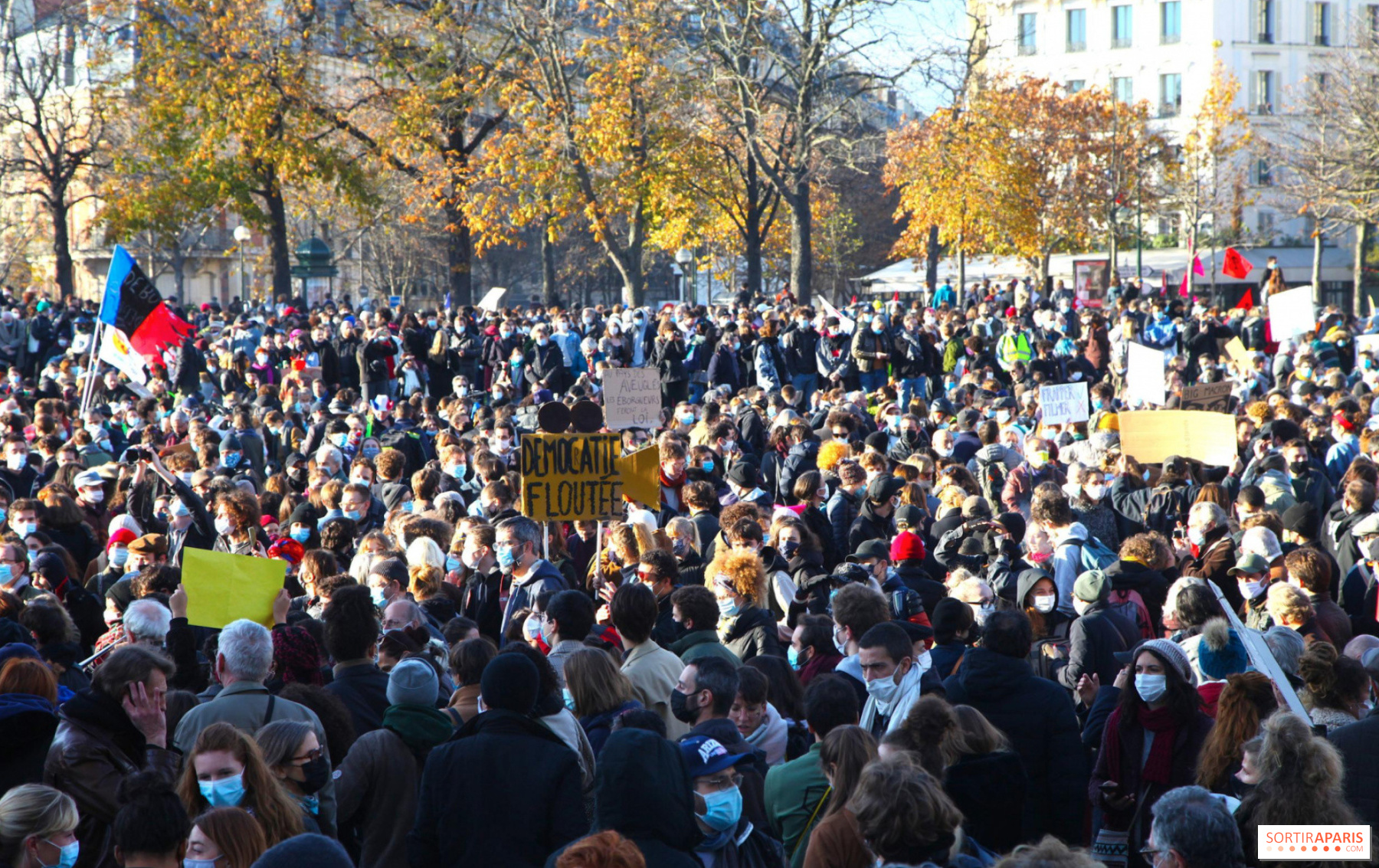
The most frequently cited precedent is undoubtedly the First Employment Contract, the infamous CPE. In early 2006, the government of Dominique de Villepin sought to introduce a contract for those under 26 in companies with more than 20 employees. The bill provides for a two-year period during which the termination of the contract is easier. Students and high schoolers condemn a measure they say could heighten the precarity of young people entering the labor market. Some universities are being occupied or blocked, and protests are taking on a national dimension.
From February onward, union groups make their objective clear: to scrap the CPE, and the conflict drags on for more than two months. On March 23, 2006, a new student demonstration takes place in Paris; by March 28, the issue still dominates parliamentary debates as protests continue. Ultimately, on April 10, 2006, Jacques Chirac and Dominique de Villepin announce that the CPE will be replaced. The measure will ultimately never be implemented. The following days' parliamentary debates explicitly reference the disappearance of the CPE after the mobilization of student, high school, and union groups.
While the October 2026 strikes cannot be directly compared to 1986 or 2006, several elements recall earlier movements: a protest born from concrete problems in schools, a rapid spread beyond traditional organizations, and demands centered on the resources for education and the living conditions of young people.
What remains to be seen is whether these new mobilizations will, in turn, secure sufficiently significant measures to join the list of youth movements that have actually reshaped the French education policy.
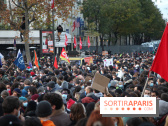
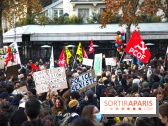
Student protest on October 6: Why are students marching and blockading?
High school students and university students are set to protest across France this Tuesday, October 6, 2026, with a rally planned in Paris. Shortages of teachers and staff, crowded classes, deteriorating buildings, long days, and Parcoursup: behind the blockages, the demands are numerous. Here’s the lay of the land. [Read more]
This page may contain AI-assisted elements, more information here.











































 Student protest on October 6: Why are students marching and blockading?