Two shots from the same scene may have been filmed under different lighting. Yet their sequence must form a coherent whole. The color grading affects how the images read, but its role goes beyond correction: it also helps shape the film’s chosen look.
In an interview published by the CNC in 2021, colorist Yov Moor describes the continuity work between shots. The sun’s movement can, for instance, alter the lighting within a scene. The adjustments bring the images closer together; they can also steer the viewer’s gaze or refine their texture.
The work is carried out in close dialogue with the director and the cinematographer. Moor says he can begin during the pre-shoot tests to trial cameras, lenses and the overall look. Color grading isn’t necessarily a decision made only after all the footage has been edited.
There isn’t a single color palette that dictates every genre. For Perdrix, Erwan Le Duc’s film, Moor says he leaned on the tone and the storytelling aesthetic rather than simply the film’s classification as a comedy. Harmonizing the imagery can serve an intent; maintaining a contrast between shots can also be a deliberate choice.
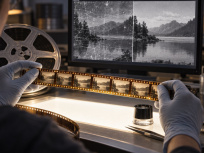
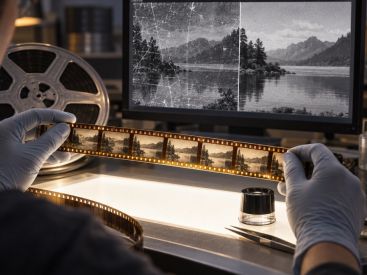
In restoration work, the aim requires a different kind of attention. The CNC spoke with Guillaume Schiffman about Marcel Pagnol’s films. The director of photography explains that he does not freely alter the colors of the restored works. The task is to preserve an existing image and its lighting, while trying to understand the choices made during shooting.
These challenges go beyond 4K film restoration: digital resolution and image rendering are two distinct aspects. A scan provides material to work with; color grading then makes the calls on lighting and color.
This page may contain AI-assisted elements, more information here.