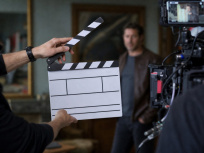
Two shots that run one after another on screen may have been filmed days apart. The script supervisor ensures their continuity: what’s shot must flow coherently during editing, regardless of the shooting order. The work begins even before the first takes, with a careful reading of the script and its characters, sets, props, costumes, and time cues.
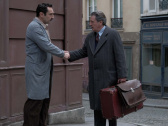
Onisep describes this meticulous continuity, grounded notably on precise guidelines and photographs. An object must not vanish between two shots meant to follow one another. The same principle applies to the portrayal of characters. For example, if a character wears a jacket at the start of a scene, the next shot must account for what happened: does he still have it, has he taken it off? The cut hinges on the continuity of the action.
This tracking goes beyond what's visible on set. In an interview published by the CNC in 2021, script supervisor Bénédicte Kermadec also discusses the rhythms and emotional states of the characters. A scene may have been shot earlier in the production schedule while occurring later in the story. Keeping this progression in mind helps the crew build coherent transitions.
The timing of each shot and the accompanying notes also lay the groundwork for editing. The editing log describes the takes and records details about performances. It helps convey what happened on set, beyond the images captured on camera. Onisep thus underscores the role of shot timing in tracking the progression of scenes.
Bénédicte Kermadec says this transmission can also flag an idea that arose during a take, an unscripted shot, or a promising bit of improvisation. The function then ties technical observation to the director’s staging intent. Through the preserved notes, the editing team can trace the choices and possibilities that surfaced on set.
This page may contain AI-assisted elements, more information here.