It’s not just a pivot — it’s a clean slate. Ubisoft is rewriting its story with a full-scale restructuring aimed at restoring stability after years marred by project failures, internal strife, and financial losses. The announcement was made on January 21, 2026, against a challenging backdrop of canceled projects, declining sales, and an apparent leadership crisis, according to industry analysts.
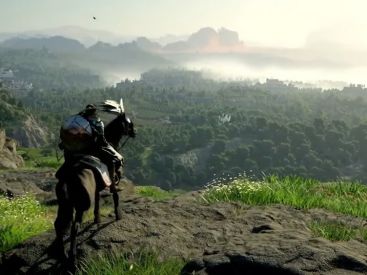
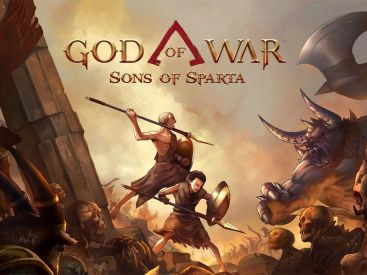
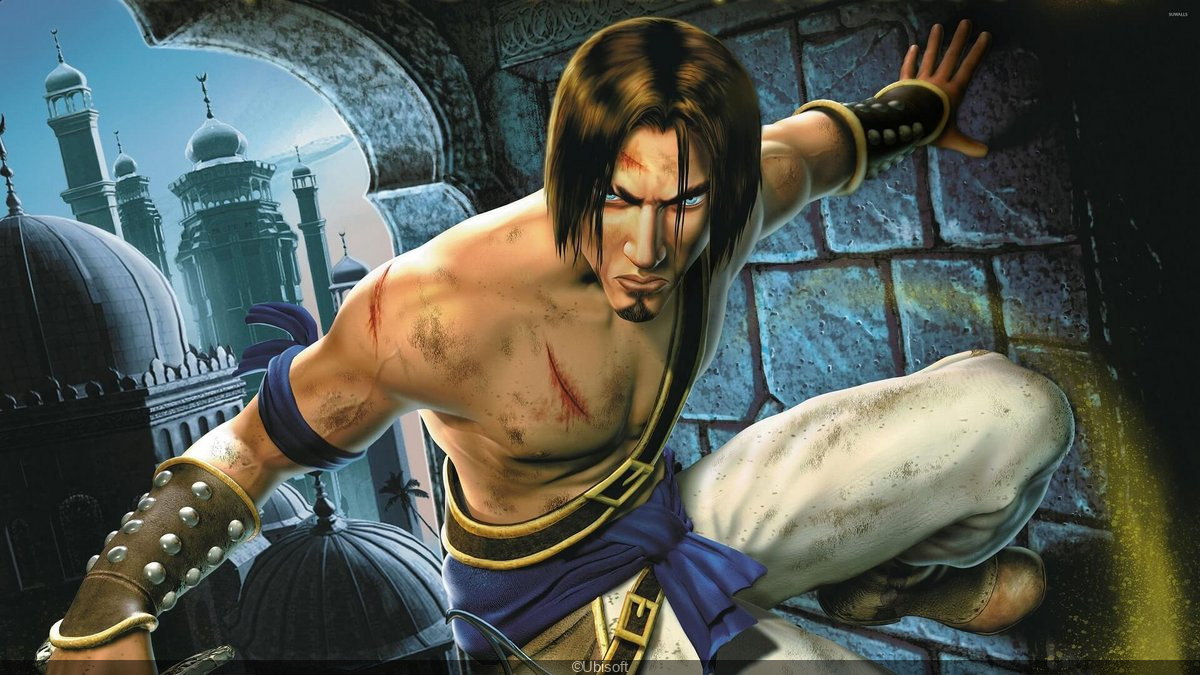
Based in Saint-Mandé, the studio is clearly shifting gears. The publisher has announced the end of development for six titles, including the remake of Prince of Persia, which had been repeatedly restarted since its announcement in 2020. An additional seven projects have also seen their release dates pushed back, with no new schedule provided. Meanwhile, two studios are shutting down—one in Halifax, the other in Stockholm—as some teams are reorganized elsewhere within the group. Through these moves, Ubisoft aims primarily to tighten its operations and better control costs amid a more uncertain business outlook.
The day after the announcement, Ubisoft's stock plunged more than 30% at the opening of the Paris Stock Exchange. By 9:30 a.m., the share price had dropped to €4.56, hitting its lowest level in over a decade. The company's market value has now fallen to €606 million, down from over €1.5 billion just a year ago. This sharp decline indicates a significant loss of investor confidence, further worsened by the forecast of an €1 billion operational deficit for the 2025-2026 fiscal year.
Internally, Ubisoft estimates that the financial hit from canceled titles, delayed releases, and reduced revenue forecasts amounts to €650 million. The company is freezing recruitment, cutting expenses, and suspending certain partnerships. Among industry analysts, skepticism runs high: the anticipated benefits of the restructuring aren’t expected to materialize until 2027, despite optimistic claims from management regarding a turnaround.
Starting April 2026, Ubisoft will overhaul its internal structure. The company plans to establish five major production hubs, known as "creativity houses." Each of these units will be dedicated to a specific genre of game, from initial concepts all the way through to launch. The goal is to streamline decision-making, improve resource allocation across teams, and make its game portfolio clearer and more accessible both to players and partners.
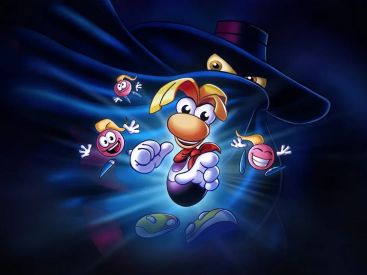
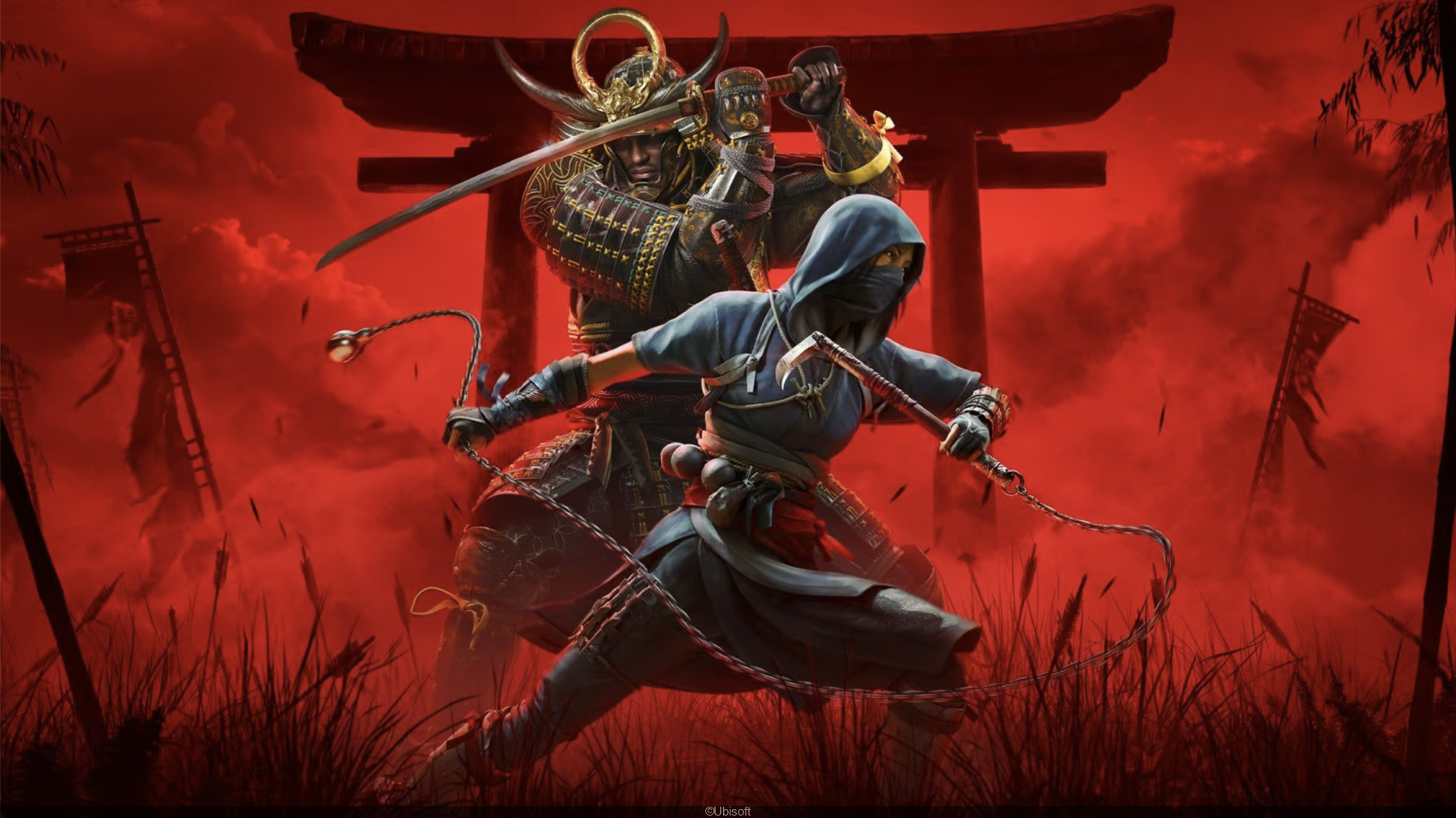
In practical terms, Ubisoft is reorganizing its game portfolio by genre: action-adventure titles like Assassin’s Creed and Far Cry, shooter games such as The Division, multiplayer online games like The Crew and For Honor, narrative and fantasy universes (including Rayman, Beyond Good & Evil, Prince of Persia), and finally, family-friendly games such as Just Dance. This new approach was first tested with the launch of Vantage Studios at the end of 2025, a division dedicated to managing the company's key franchises. The Chinese giant Tencent invested €1.16 billion and now owns over a quarter of this entity.
On the social front, Ubisoft is continuing its workforce reductions that began in 2023. Over 3,000 jobs have already been cut in the past two years, and the company has announced a new cost-saving plan targeting €200 million in savings by 2028. More layoffs could be on the horizon, especially at their international studios. In response, the union Solidaires Informatique has called for a walkout this Thursday to oppose this ongoing wave of restructuring.
Another controversial move: the return to 100% in-person work for all employees. Since the health crisis, some teams have been working remotely. Now, management is pushing to bring everyone back to the office, believing it will boost collaboration. However, this decision has sparked pushback, especially given the tense climate. Strikes had already occurred in 2024 when the company first started restricting remote work to three days a week.
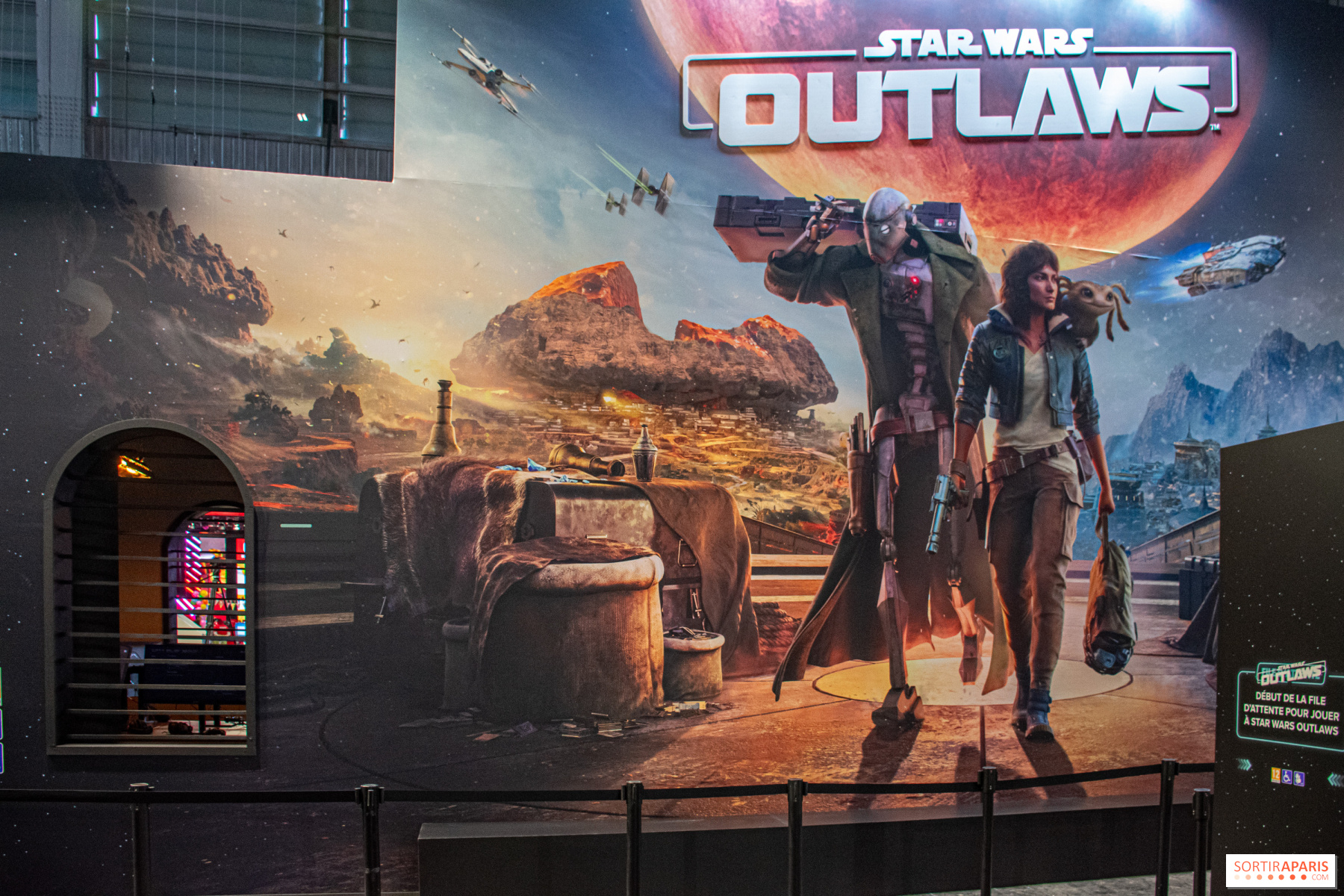
This major overhaul comes on the heels of several recent setbacks for Ubisoft. Titles like XDefiant, which was pulled from shelves shortly after launch, and Skull and Bones, consistently delayed, have disappointed fans. Even Star Wars Outlaws, a highly anticipated title, failed to live up to expectations. The result: the company's reputation has weakened, both with gamers and investors. Some analysts point to a lack of clear vision and difficulties in evolving its long-standing franchises.
Ubisoft is also confronting a major challenge in the industry: the rising cost of game development, with budgets soaring into hundreds of millions of euros. Meanwhile, competitors are shifting towards more profitable models, such as live-service online games and interconnected universes designed for long-term engagement. Ubisoft is still exploring how to adapt to this new landscape of the video game market.
For now, Ubisoft isn’t providing any concrete details about upcoming titles or release schedules. The company’s leadership is primarily focused on emphasizing quality over quantity, aiming to streamline their ongoing projects. CEO Yves Guillemot states in a recent announcement that Ubisoft intends to shift "the company’s operational model to prioritize two core pillars in our strategy: open-world adventure games and long-term live service experiences."
However, many uncertainties remain. The full impact of this reorganization won't be clear for several months or even years. The new "creativity houses" system could serve as a model for other studios if it proves successful, but it also requires a genuine shift in internal workflow. At this stage, there's no guarantee that this move alone will be enough to turn around Ubisoft's trajectory.
This page may contain AI-assisted elements, more information here.