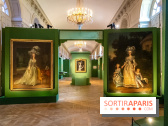
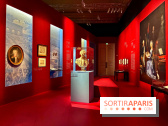
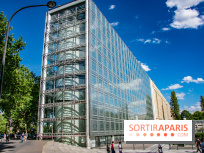
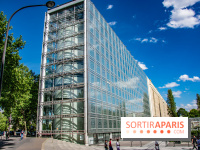
This exhibition takes us back to one of the world's oldest cities. Join us at the Institut du Monde Arabe from March 24 to August 23, 2026 to explore Byblos and its archaeological treasures. The exhibit features priceless artifacts and works of art dating back thousands of years, alongside unique and recent archaeological discoveries from the Middle East.
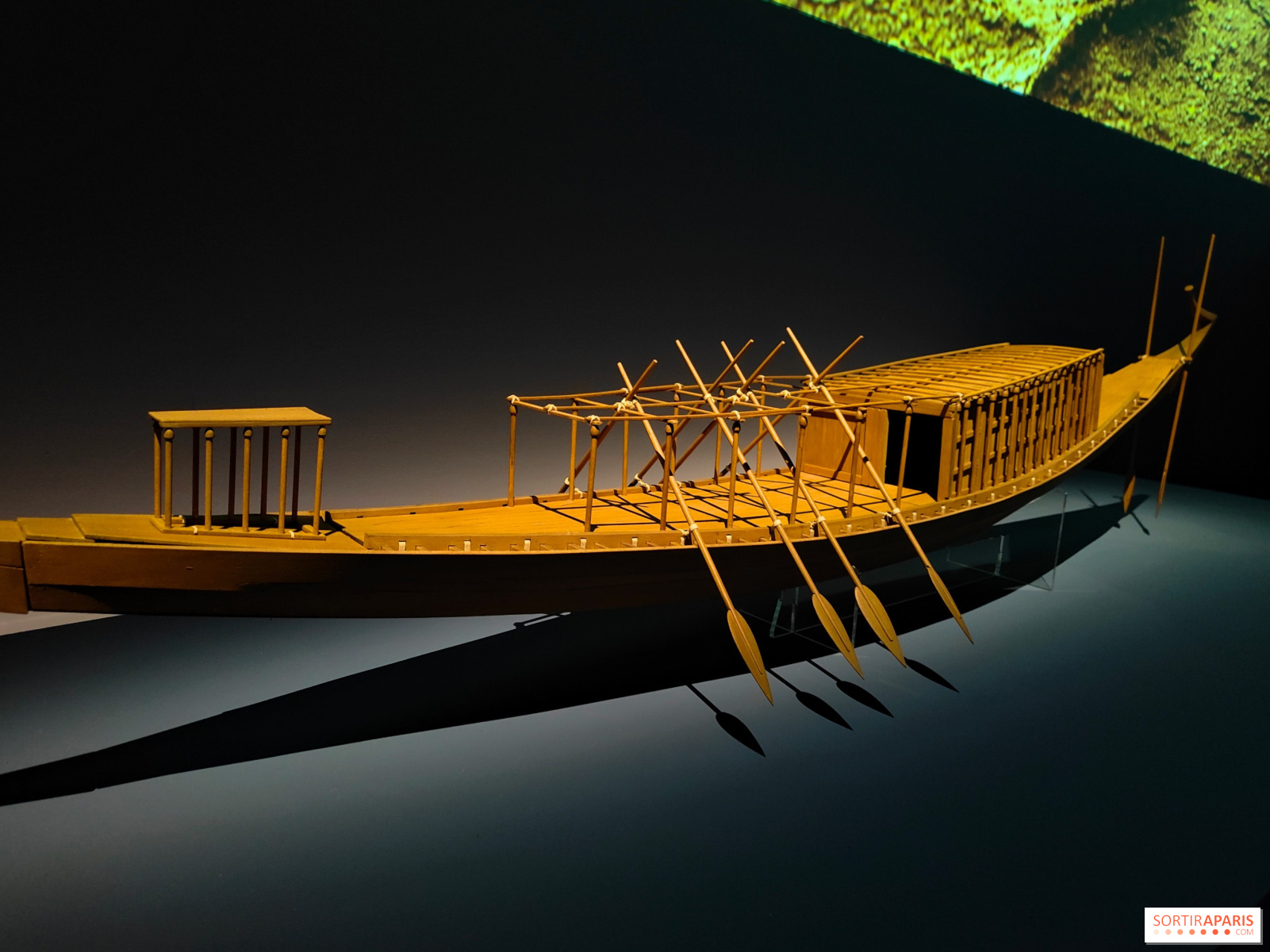
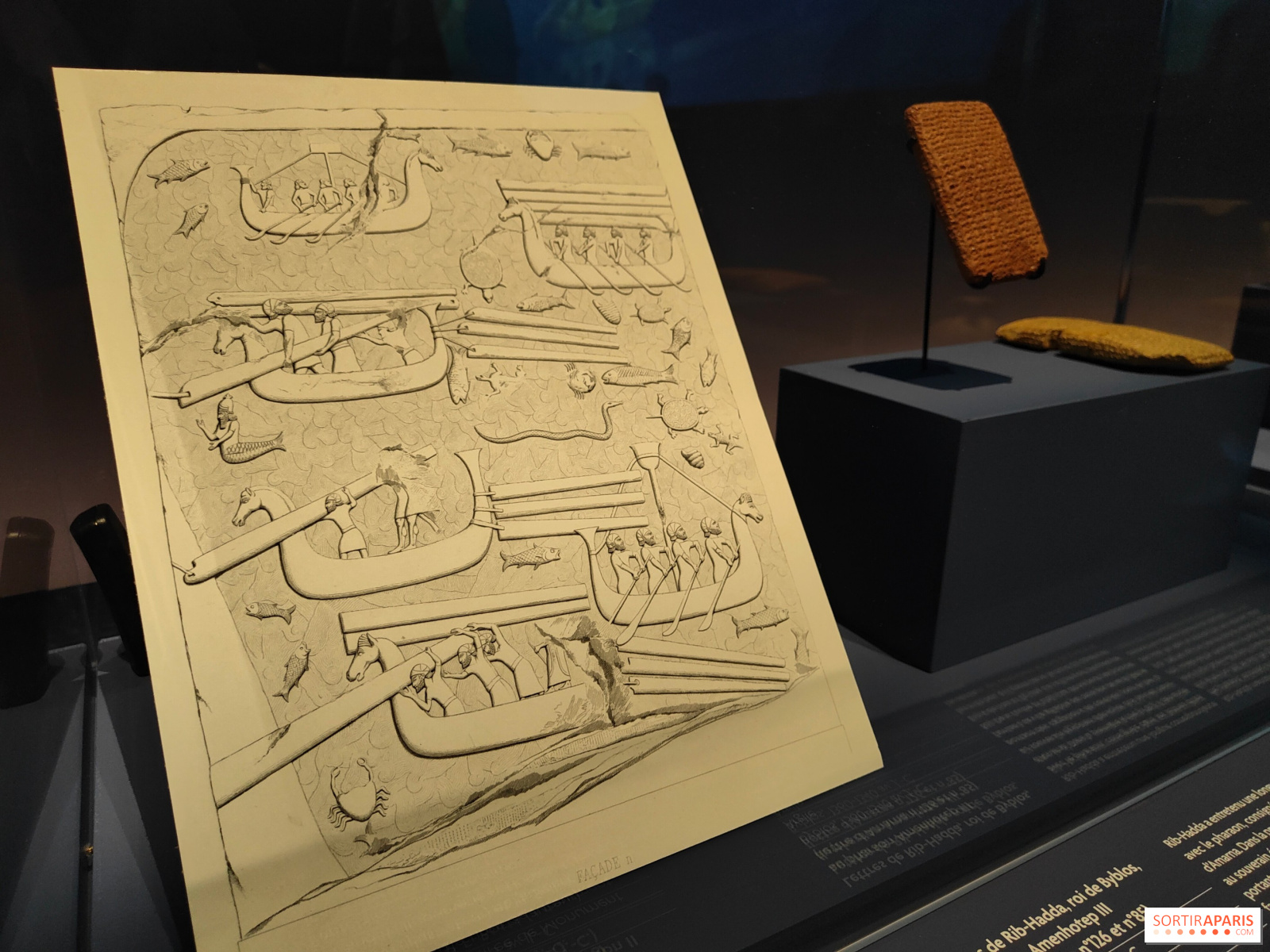
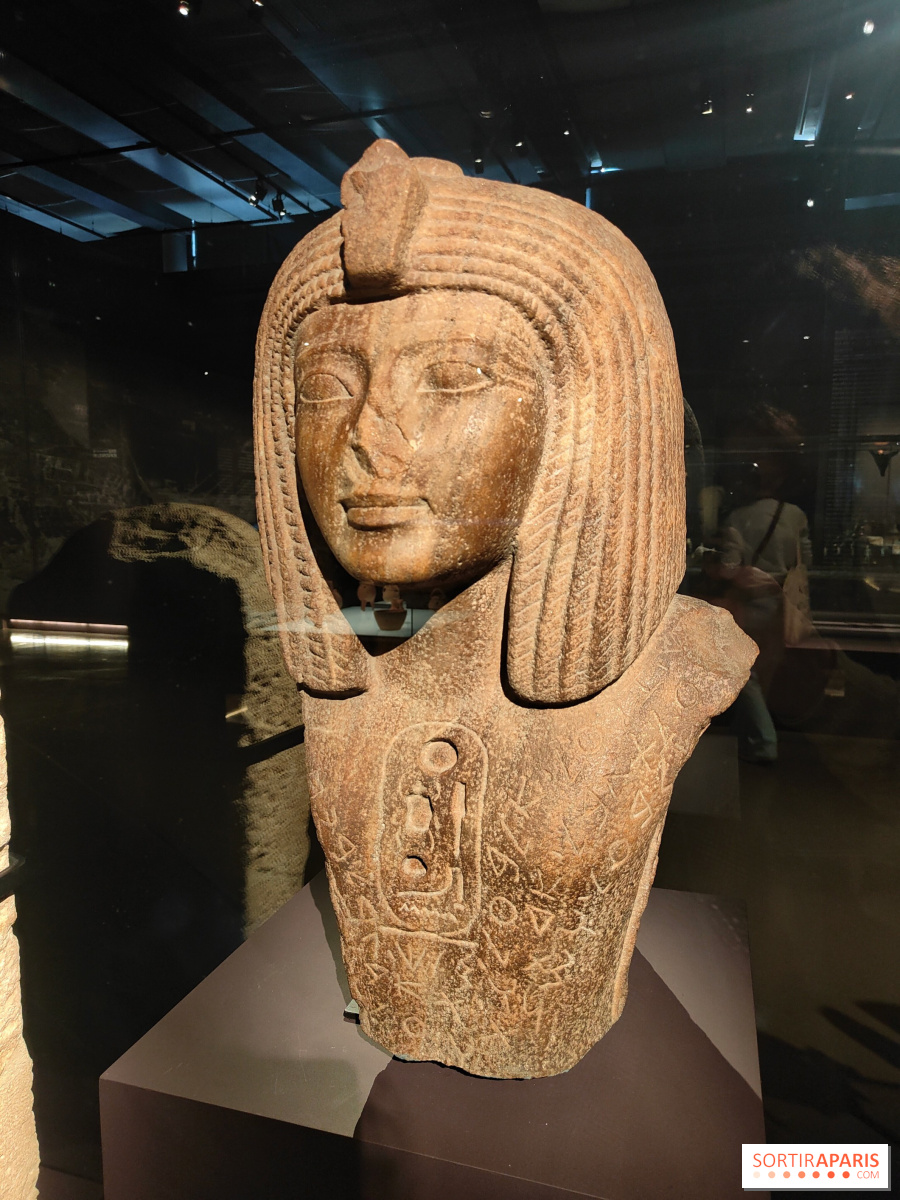
The Institute introduces us to Byblos, the Eternal City of Lebanon, a city that was born over 8,900 years ago in Lebanon. As the world’s first international maritime port, Byblos served as a vital link between Egypt’s pharaohs, Mesopotamia, Aegean civilizations, as well as Roman and Phoenician cultures... Perched above the Mediterranean, this city played a central role in trade—especially in the sale of cedar wood—as well as in the exchange of cultural knowledge and ideas.
During the Bronze Age, 9,000 years ago, this small fishing port gradually grew to become one of the most important city-states of antiquity. For more than 2,000 years, Byblos was one of the Mediterranean's main ports, an essential stopover for traders from the region's great civilizations.
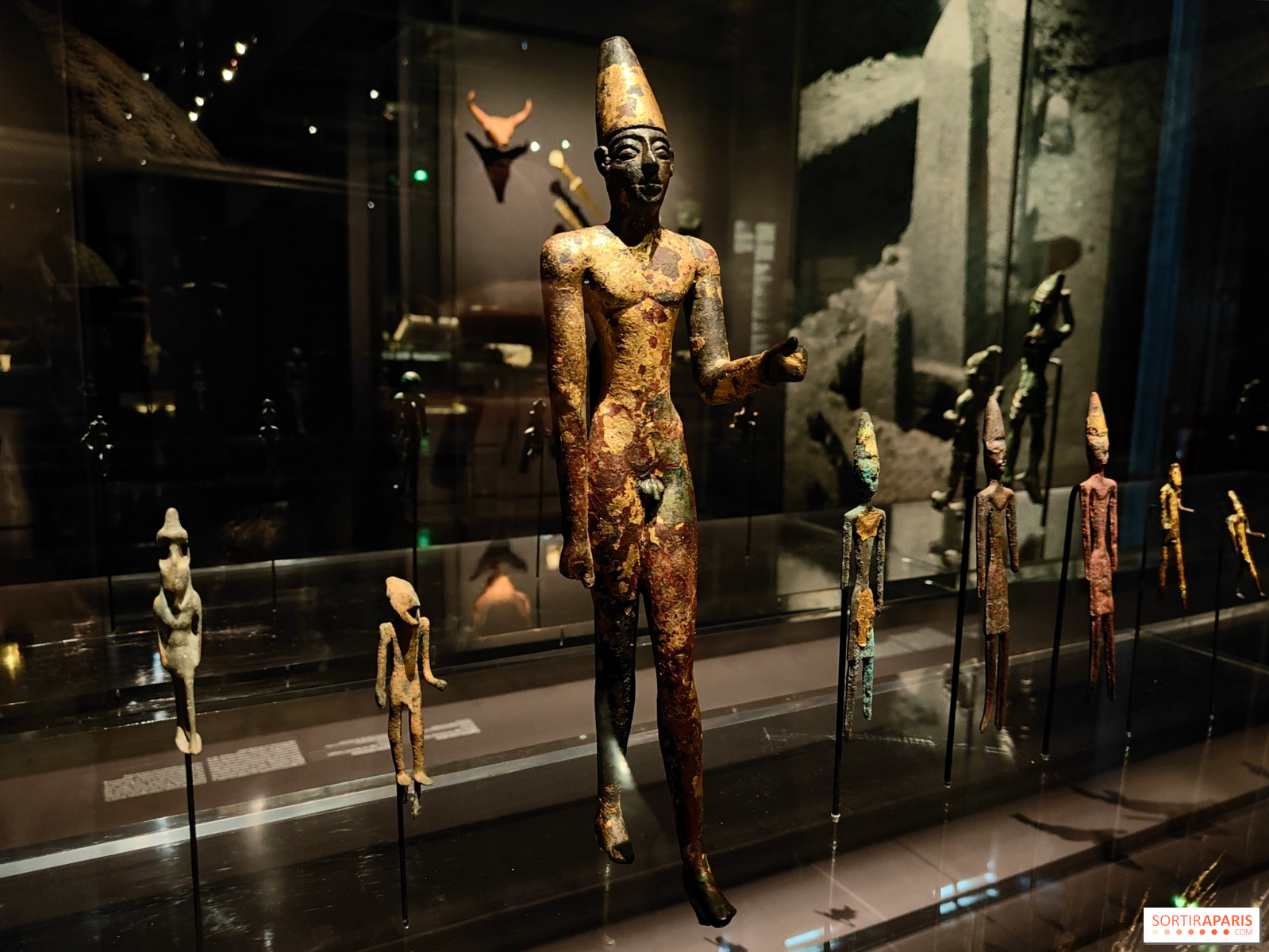
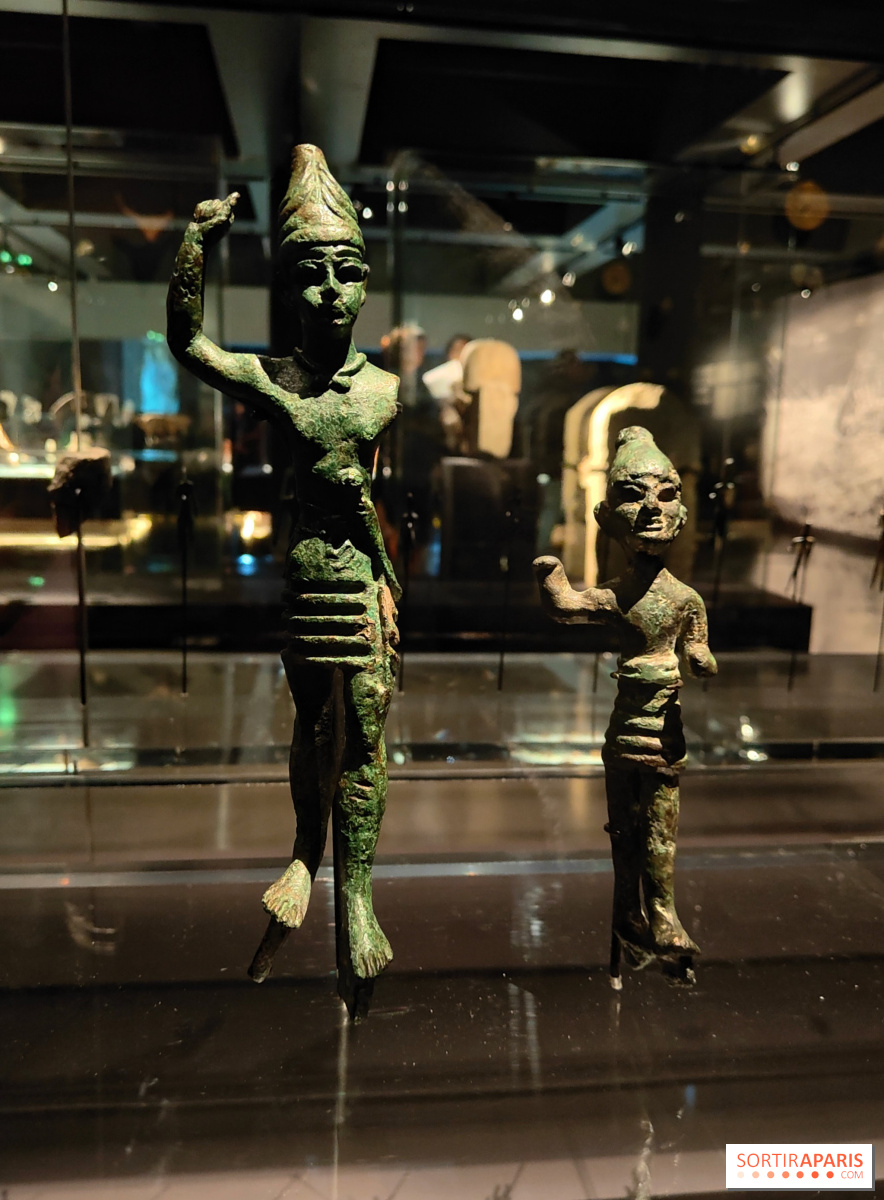
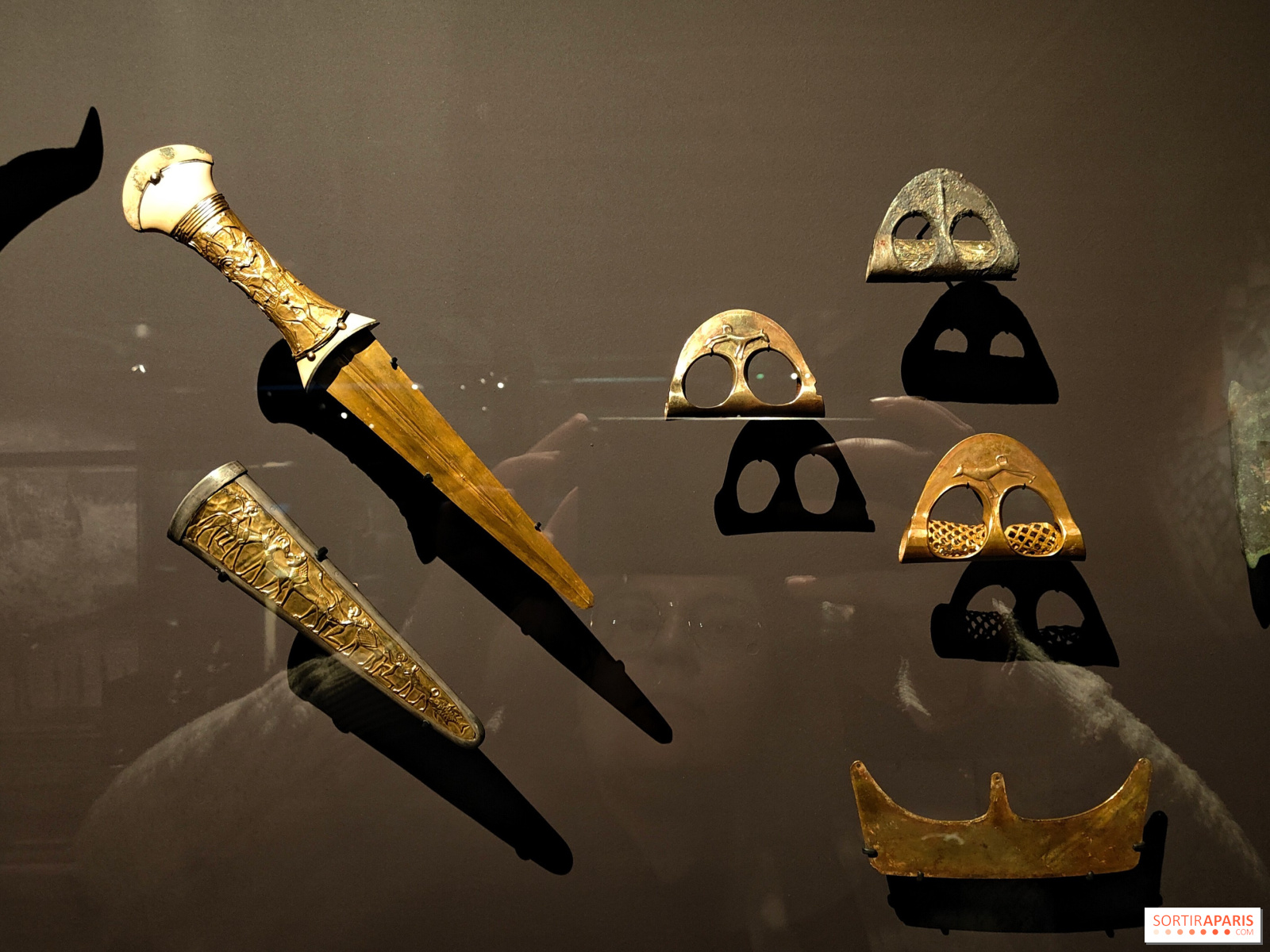
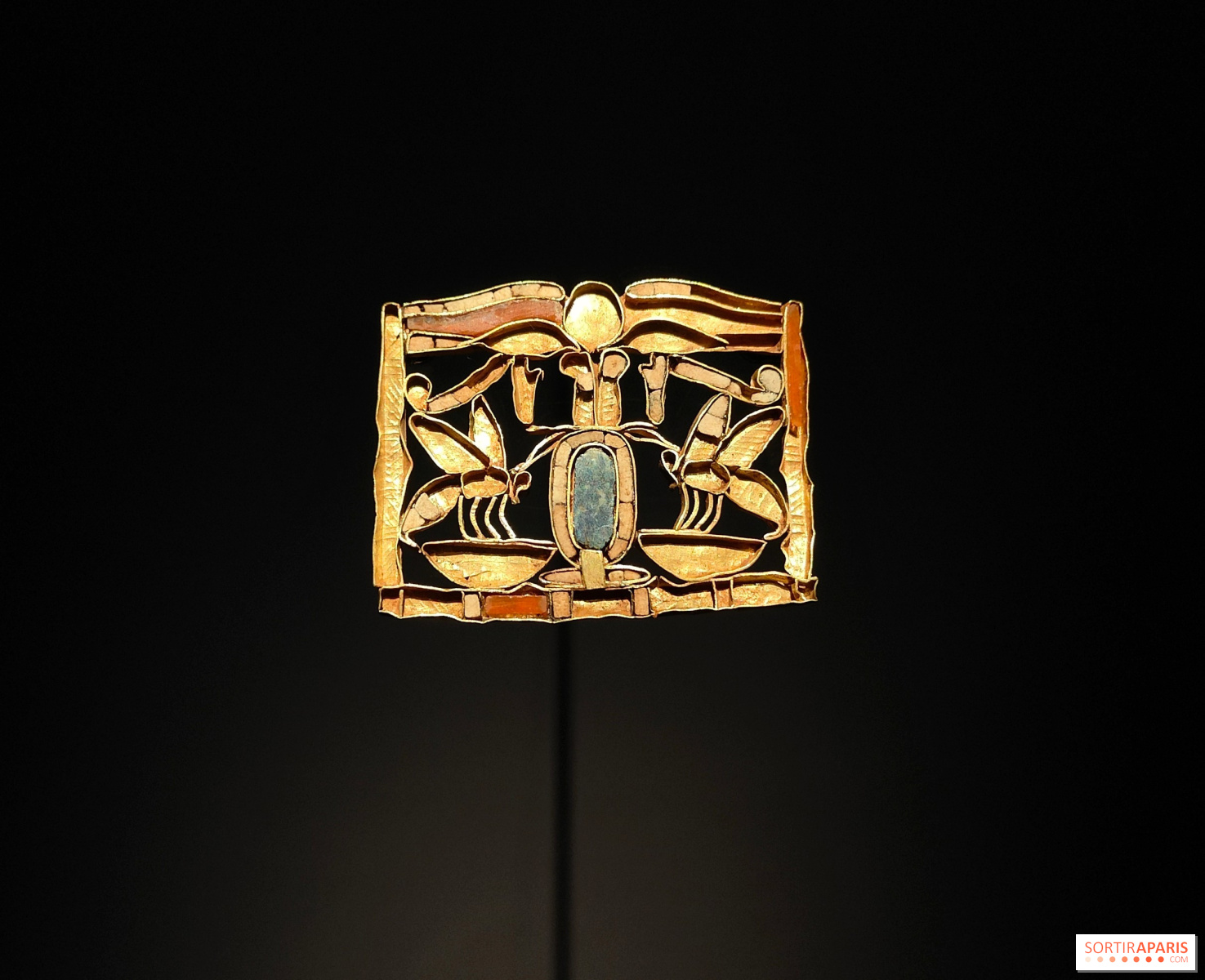
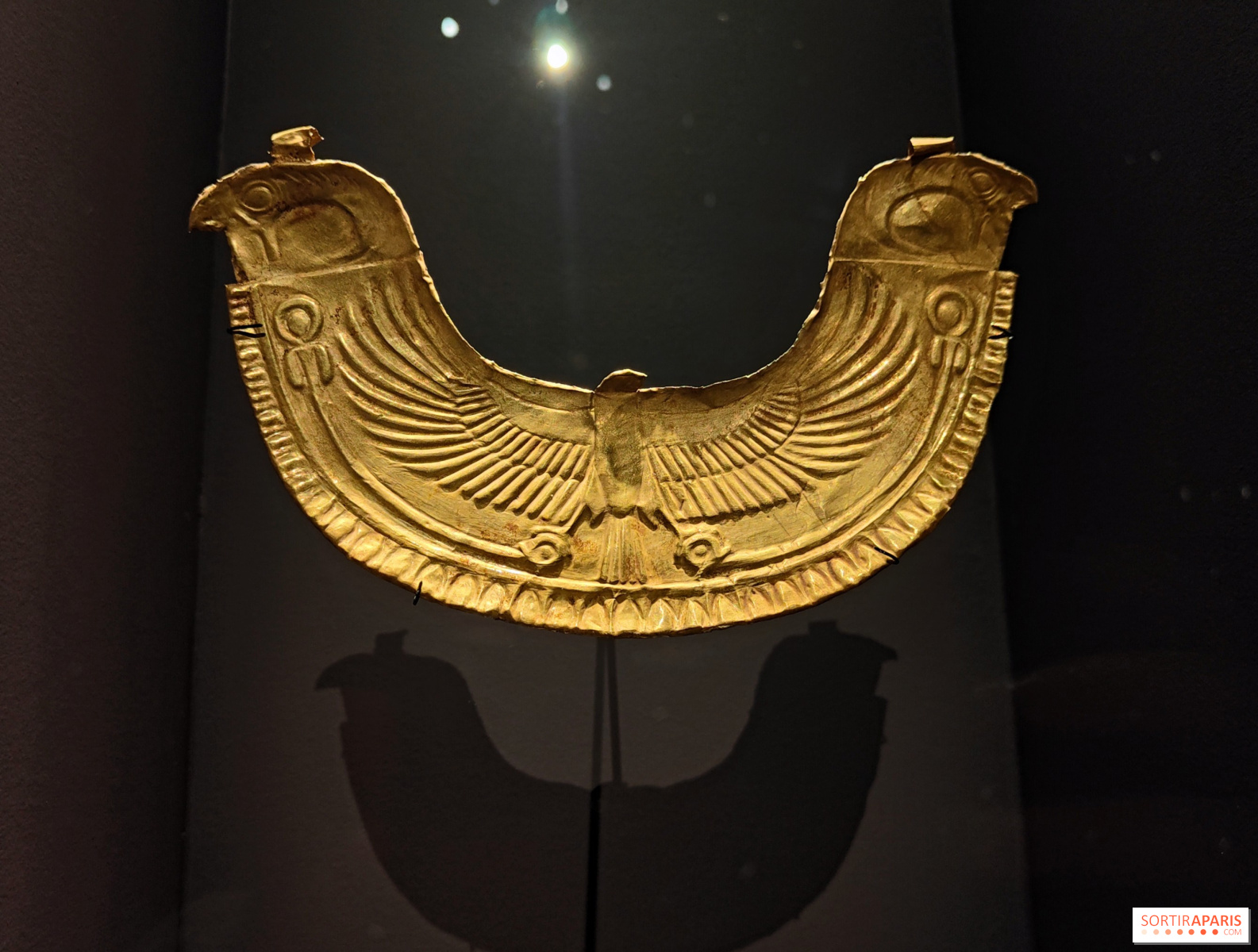
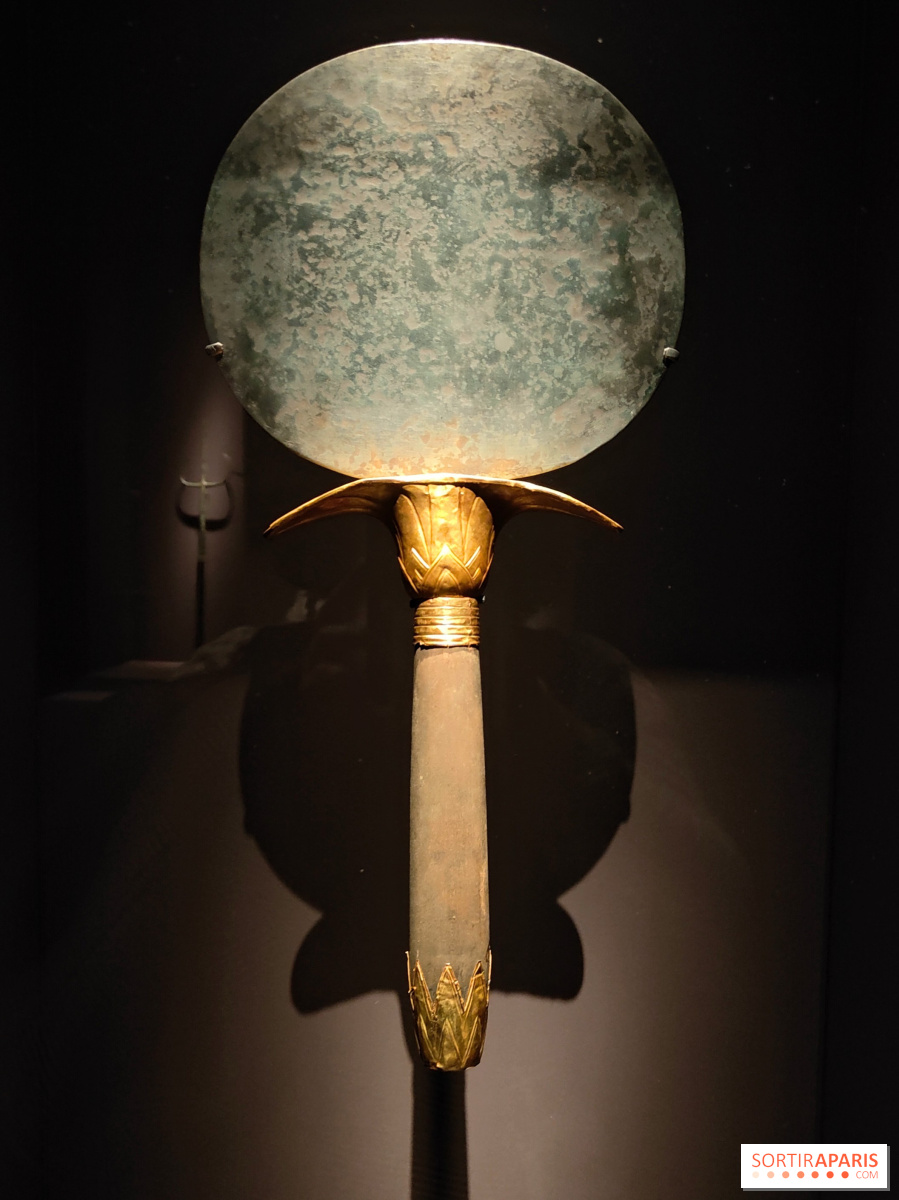
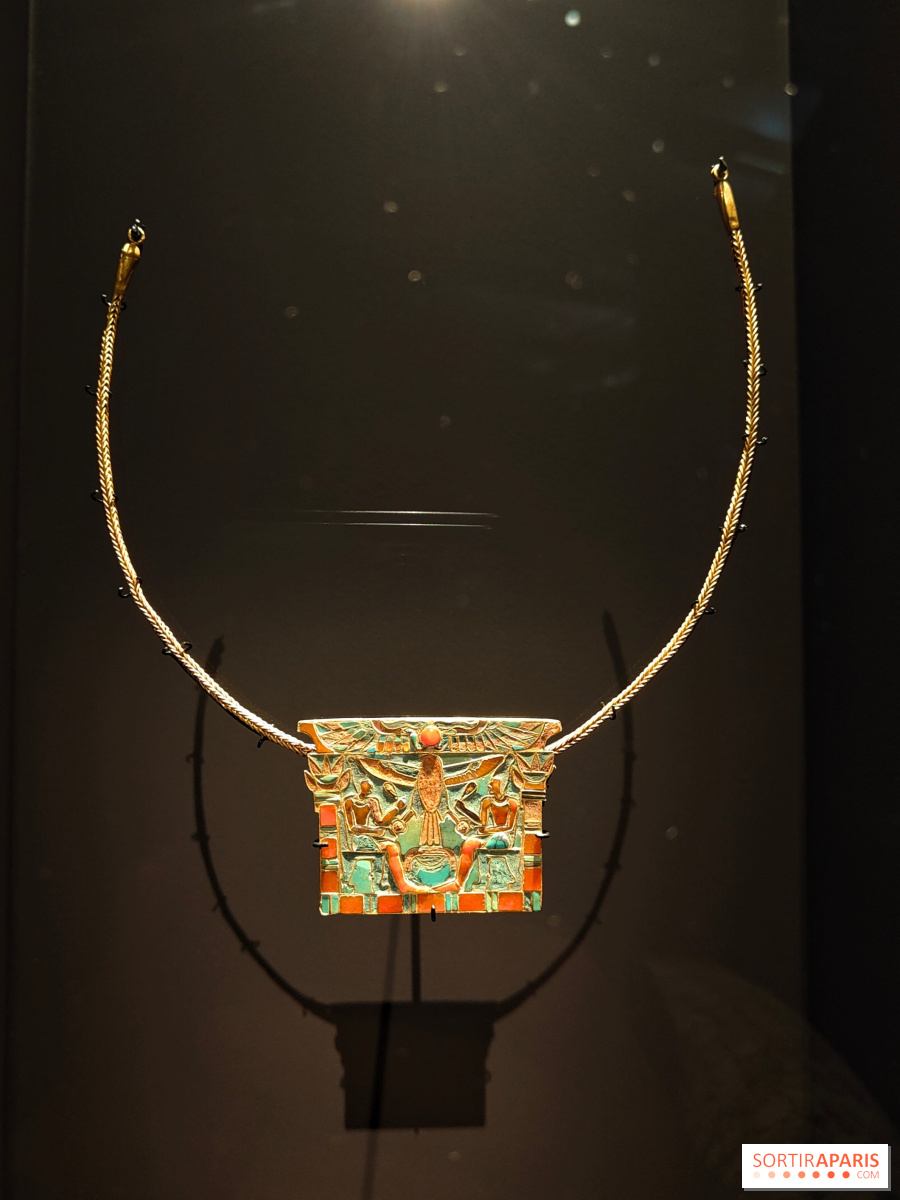
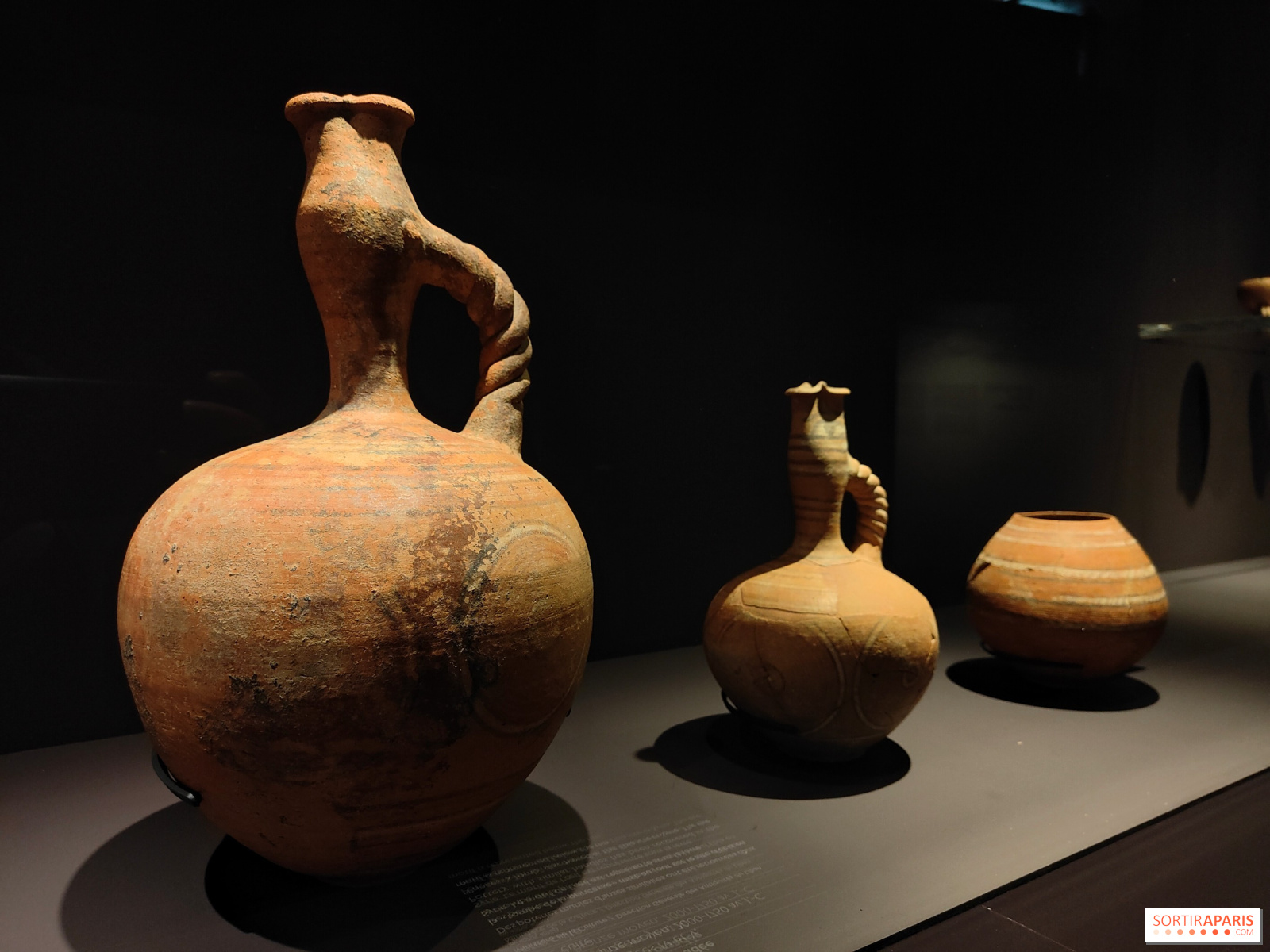
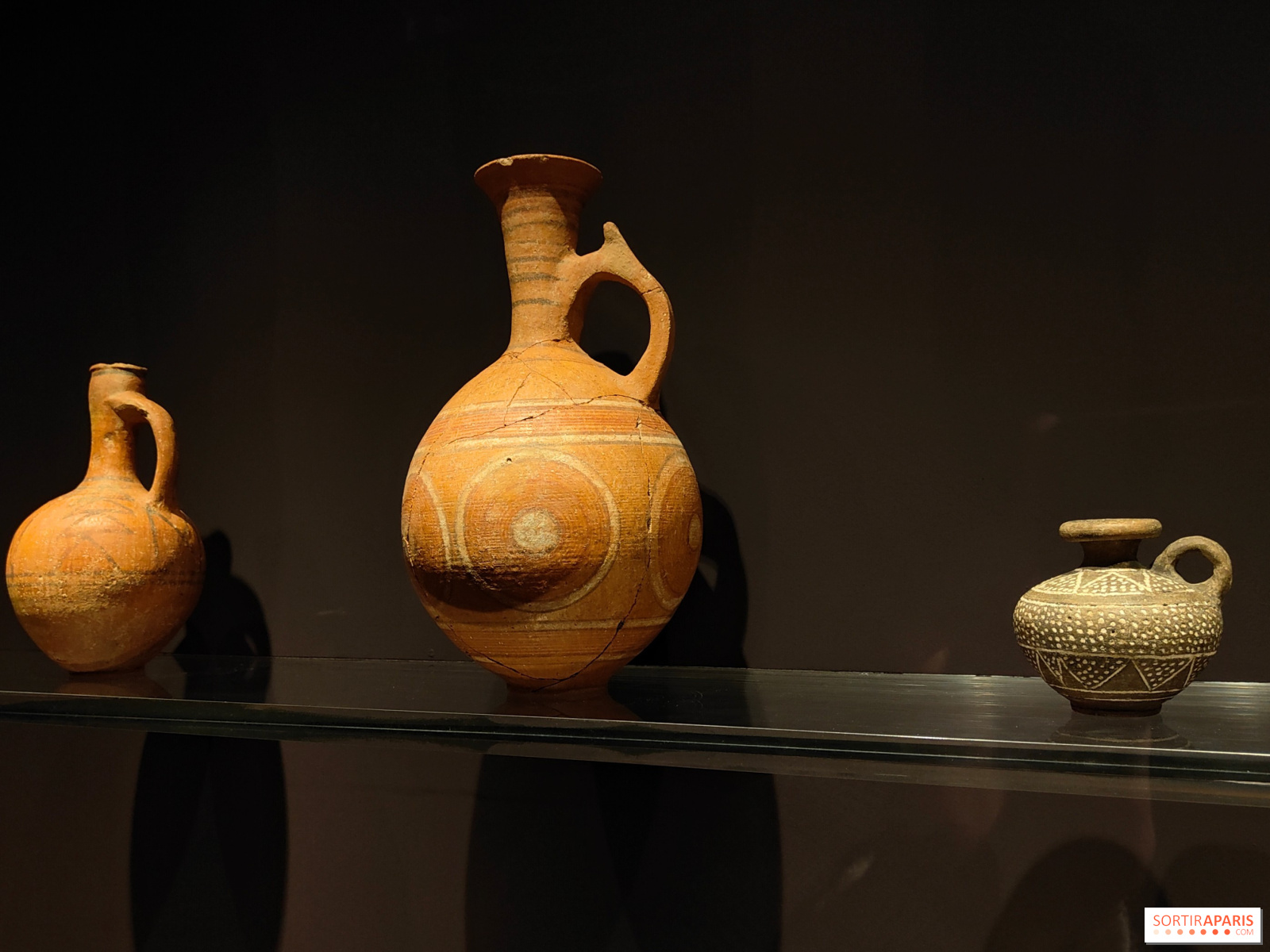
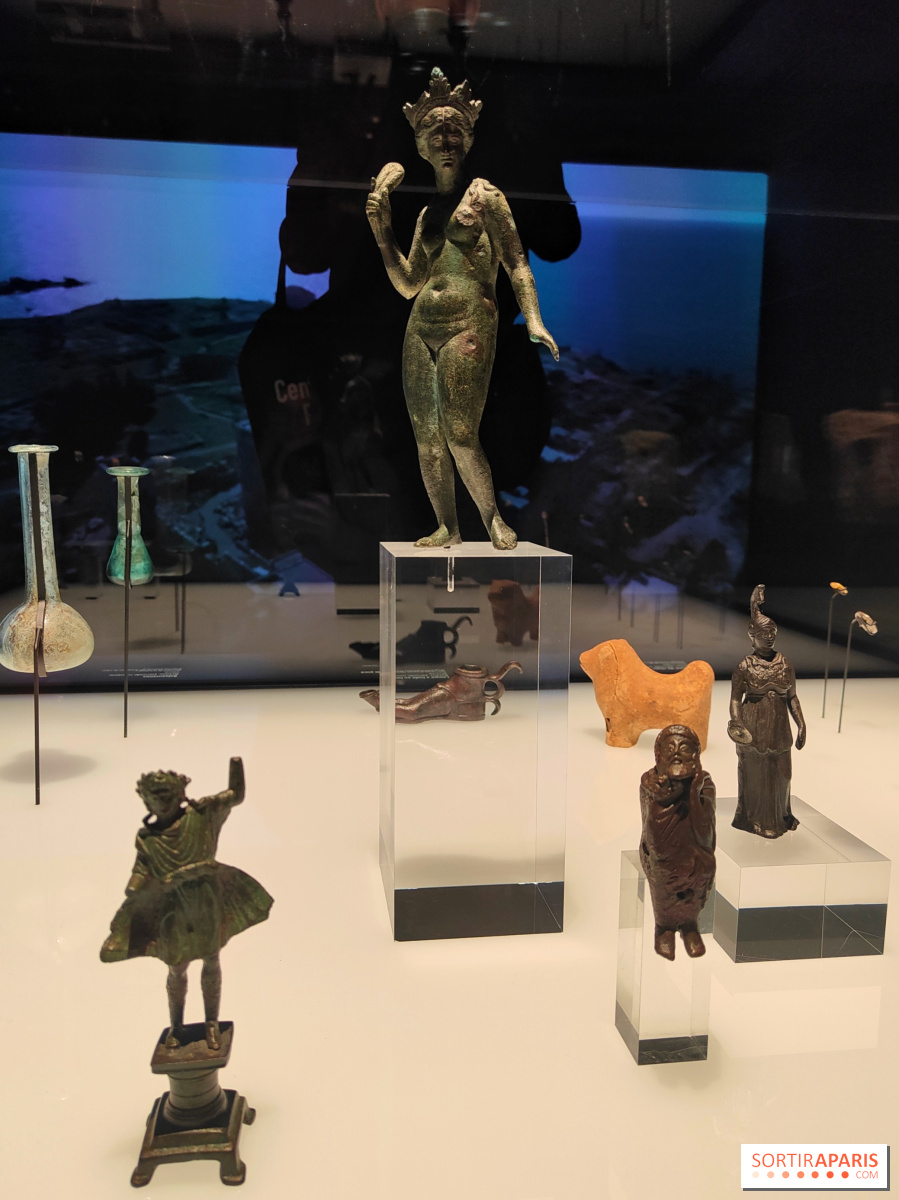
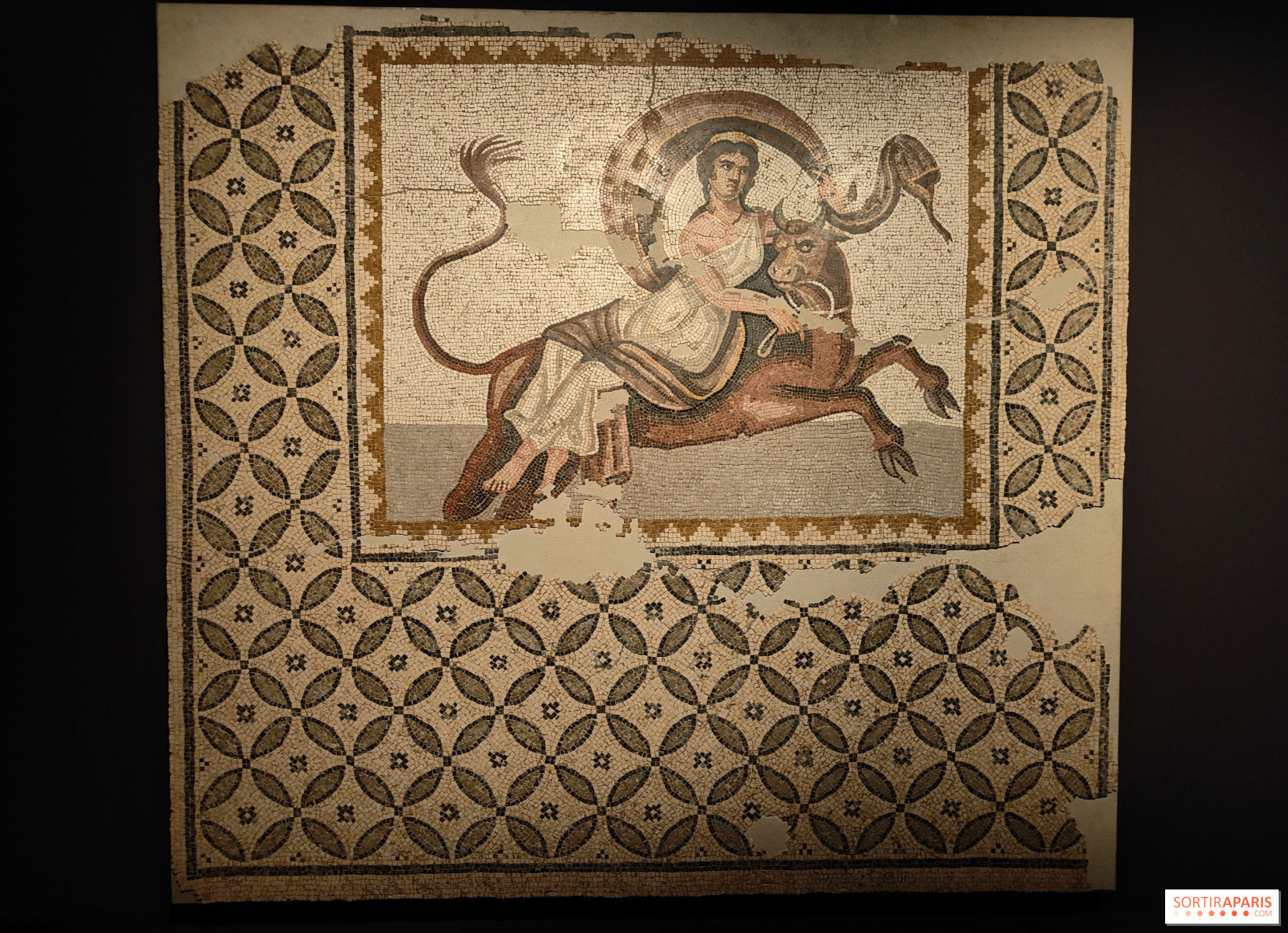
Thousands of years of life, change, and cultural melting pots leave their mark. The exhibition at the IMA showcases over 400 extraordinary objects, many of which have been recently uncovered through archaeological excavations. Among the artifacts are funerary vases and fishing tools, the mosaic depicting the abduction of Europe, treasures from royal cemeteries, items from 2nd millennium BC temples, as well as gold and silver tableware, jewelry adorned with gemstones, weapons, mirrors, and bronze or faience figurines...
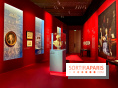
Set against a minimalist backdrop that allows the ancient treasures to shine on their own, the museum tells the story of a city that witnessed both the rise and fall of some of the most influential civilizations in the region. For millennia, Byblos engaged in extensive trade and exchange with the Egyptians, the Phoenicians, the Greeks, and others. These connections are woven throughout the diverse objects and artworks on display. Through decorative motifs, small figurines, or new weaponry, visitors can glimpse the rich tapestry of cultural influences shaped by commerce and conflict alike.
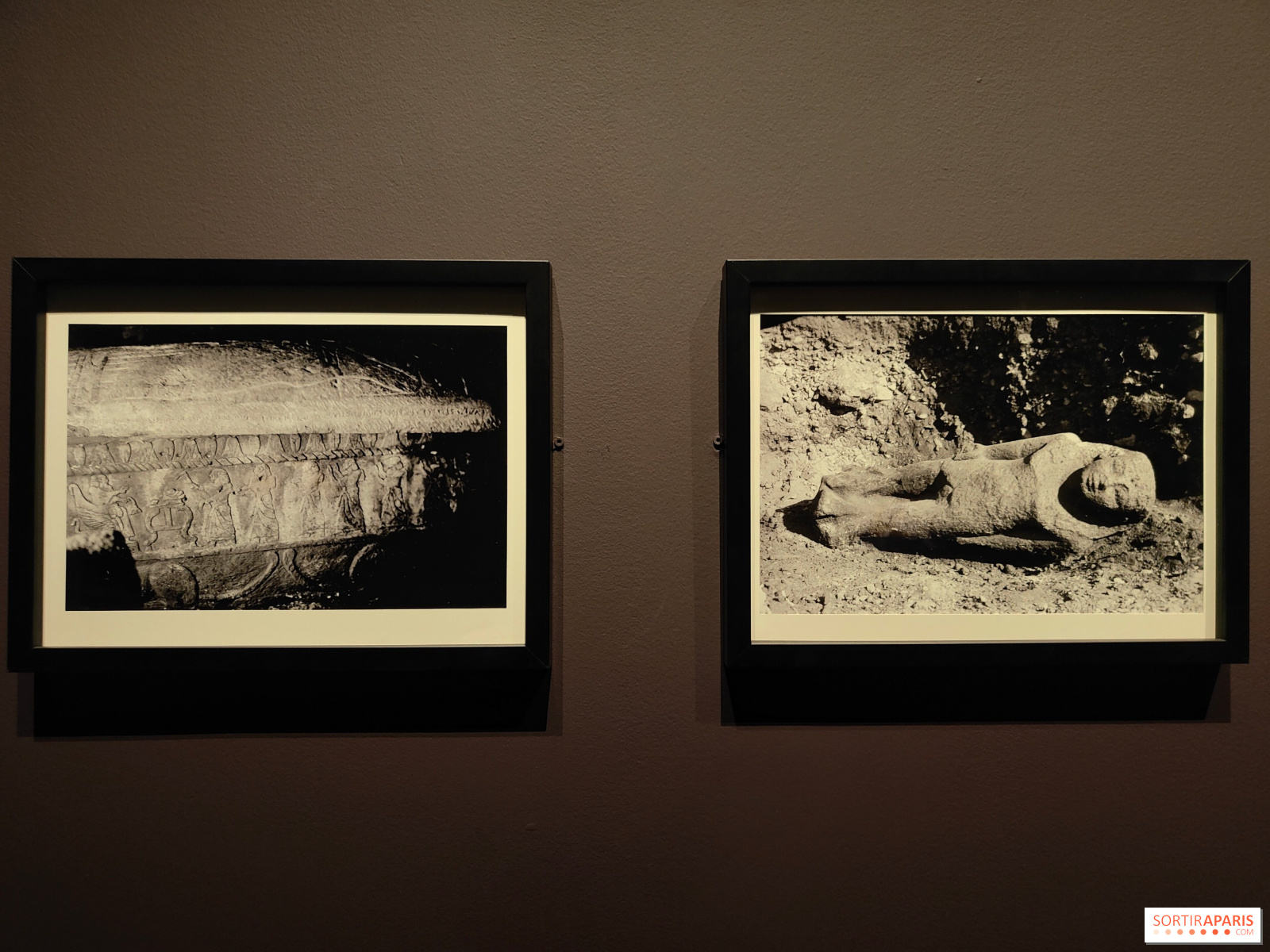
The exhibition also features some very recent and invaluable archaeological discoveries, never before shown to the general public. On display is a miraculously intact Bronze Age necropolis (circa 1800 BC), which housed the tombs of the kings of Byblos, Abi-Shemou and Yapi-Shemou-Abi.
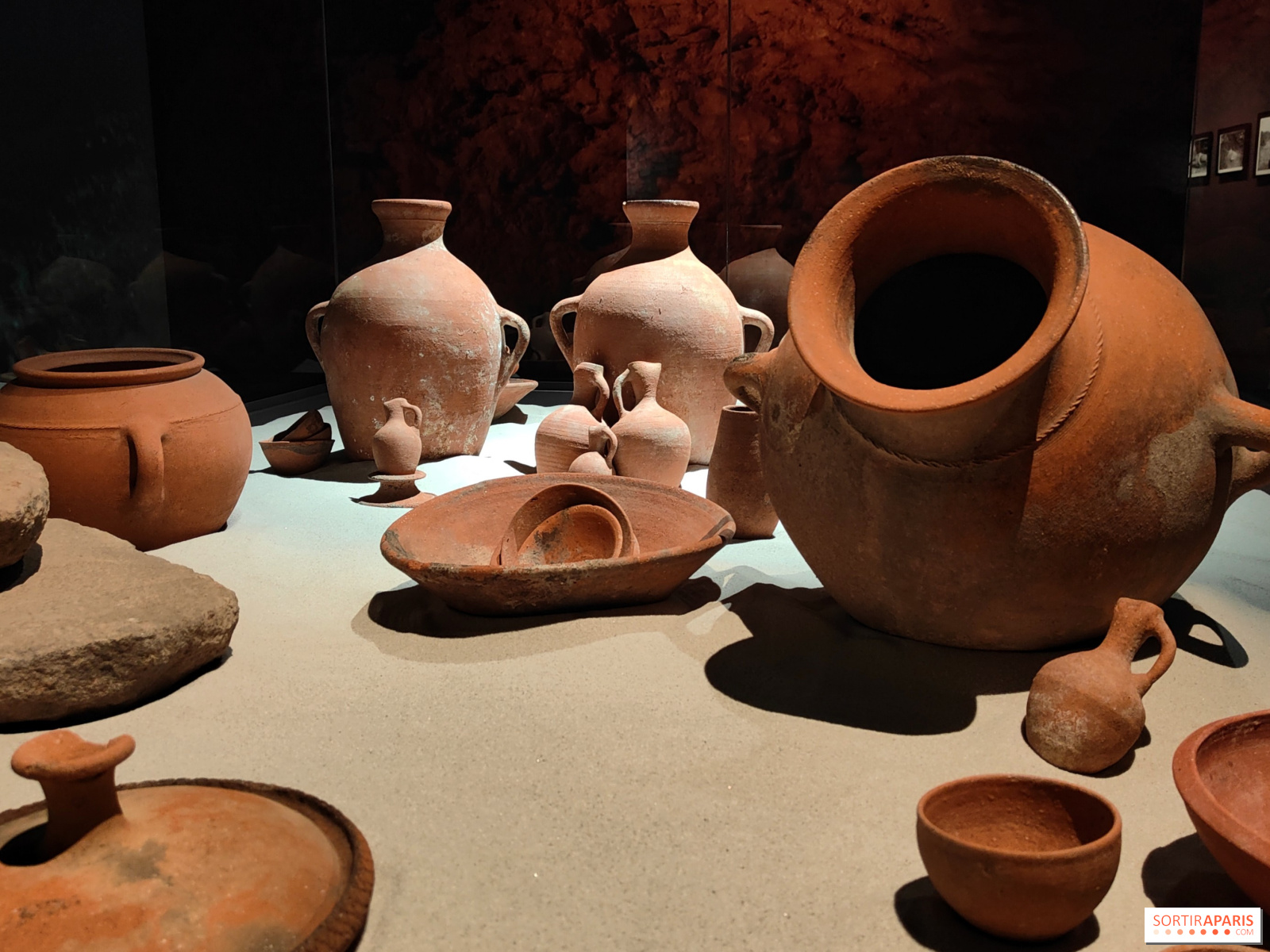
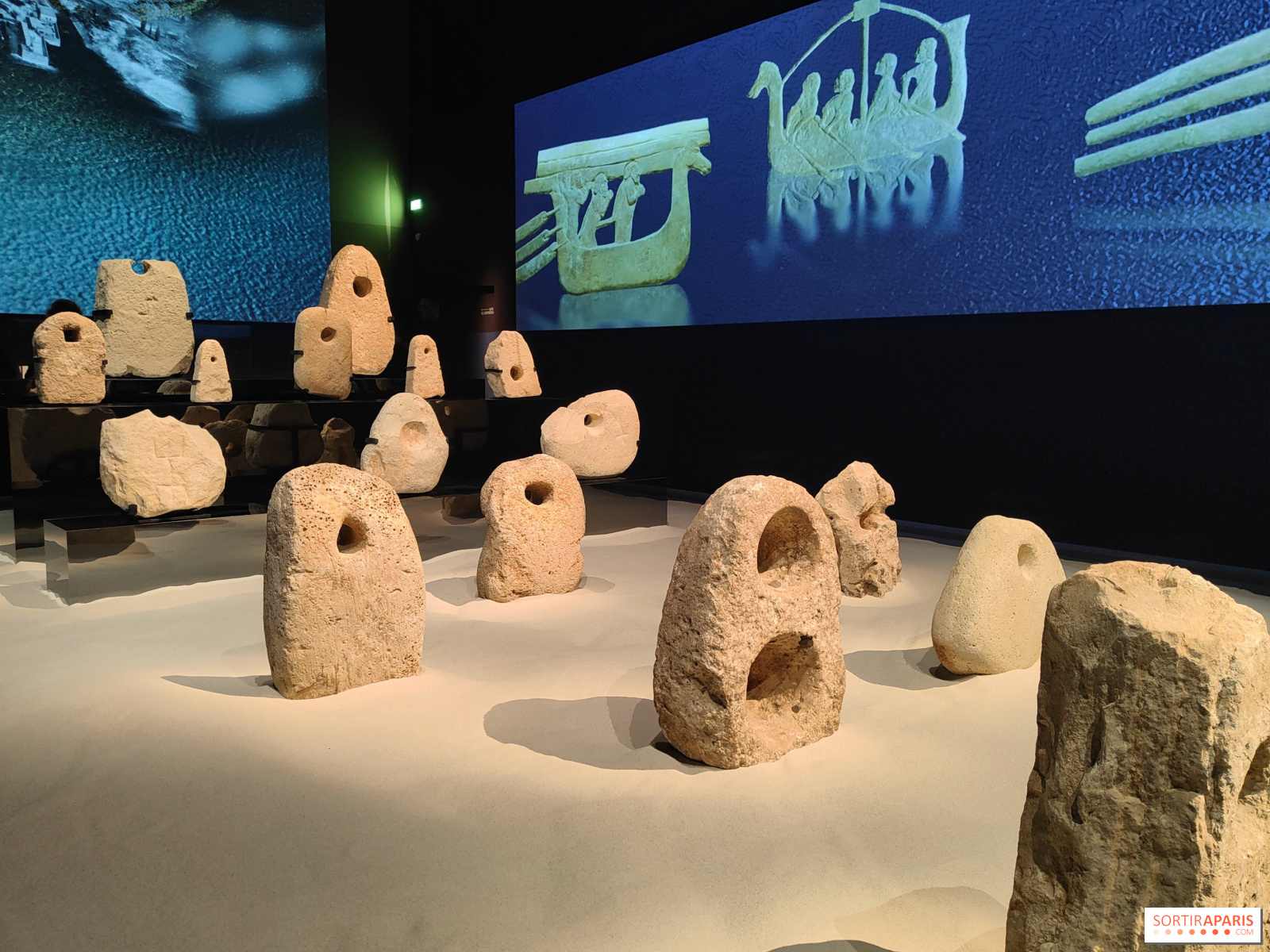
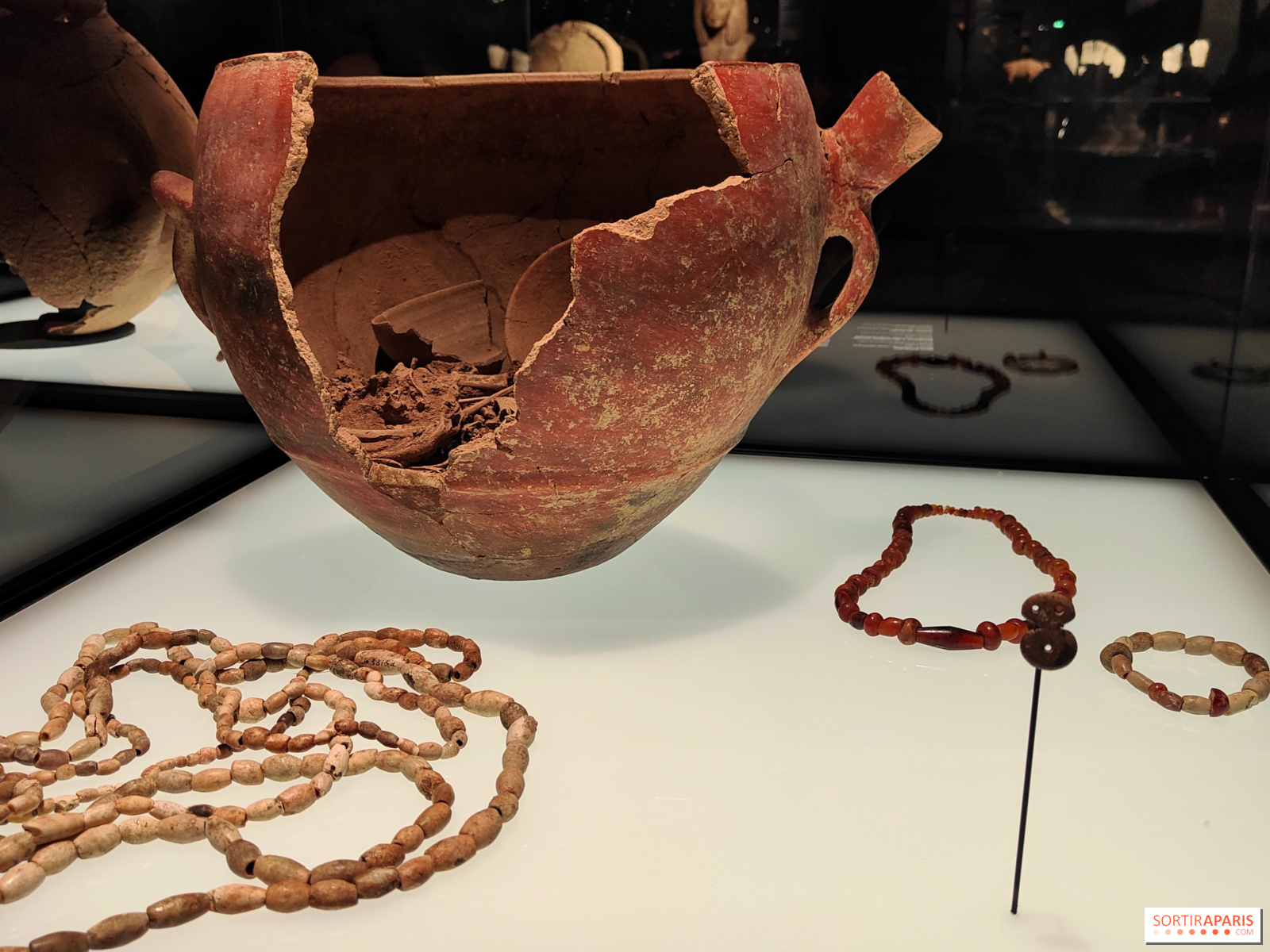
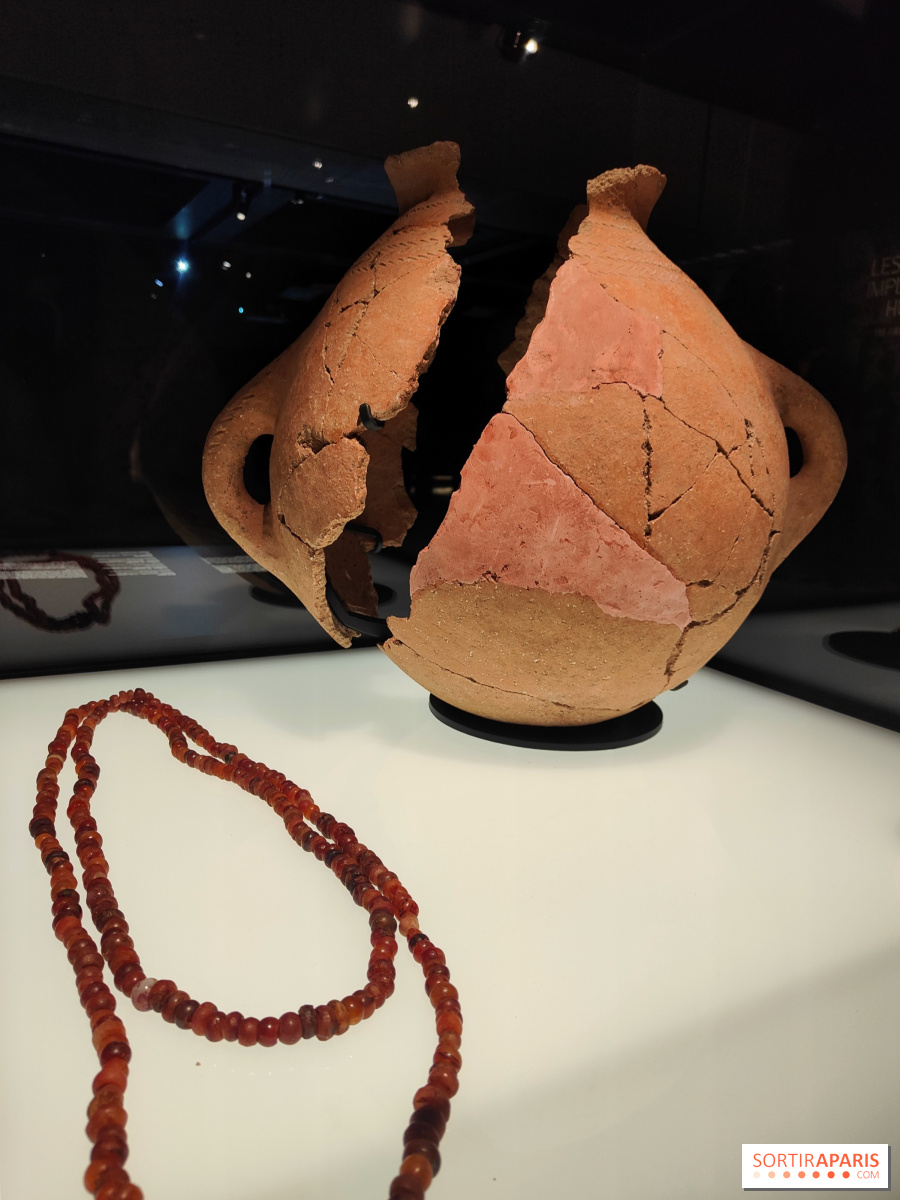
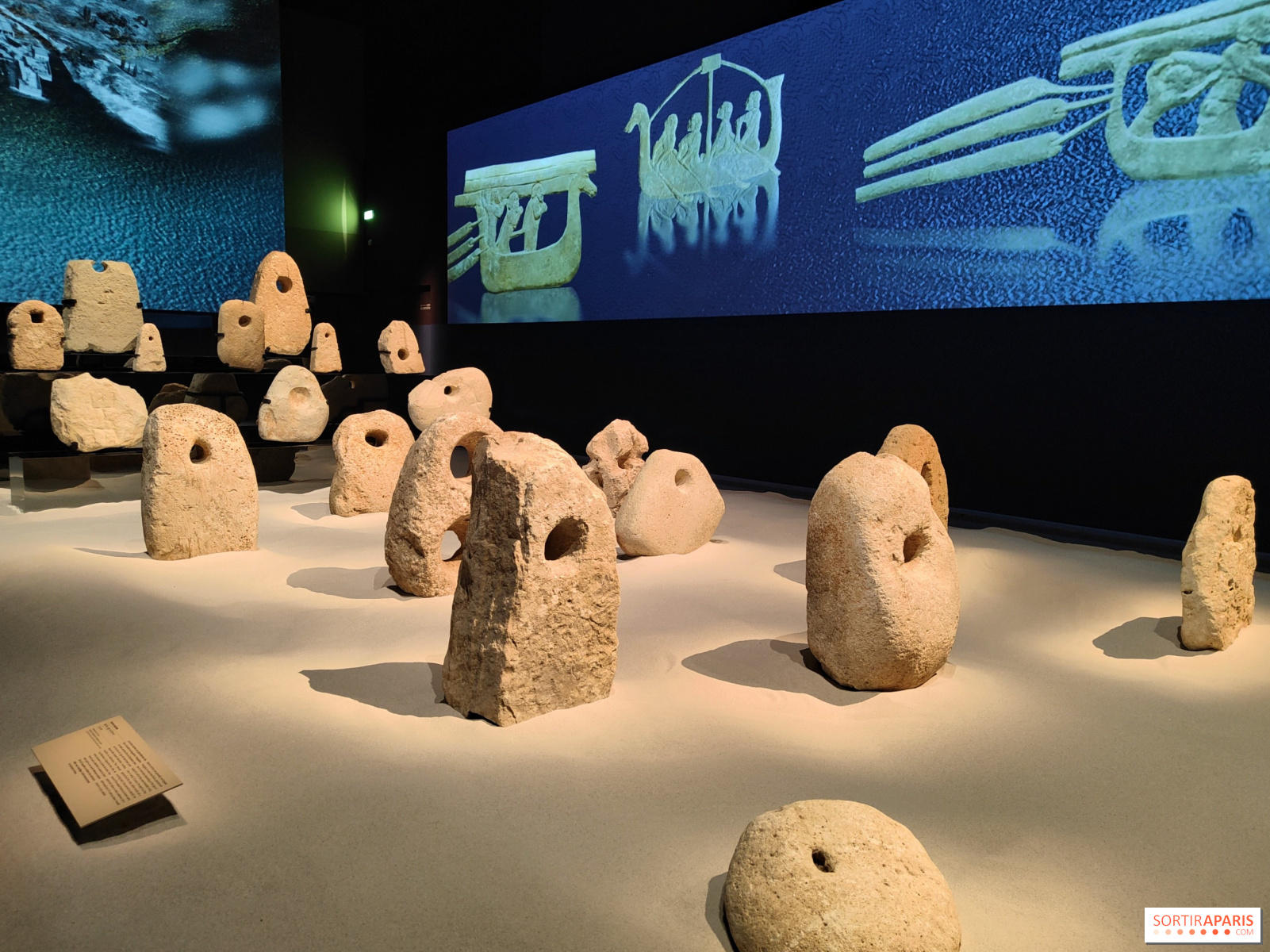
This exhibition displays a collection of archaeological treasures, remnants of history preserved through the ages. Some artifacts are instantly recognizable, while others are more intriguing—like these ancient ship anchors. A few pieces might even be startling, such as these vases that once served as coffins. Sensitive viewers, proceed with caution: several of the displayed vases still contain human bones.
History enthusiasts will find these preserved relics of Lebanese heritage truly fascinating. It's worth noting, however, that the displayed artifacts are not necessarily lavishly decorated or grand in scale. What truly leaves a mark is the opportunity to marvel at human creations that are both ancient and remarkably well-preserved—remnants of a civilization that thrived over 8,000 years before Christ.
Listed as a UNESCO World Heritage Site, Byblos is a millennia-old city that bears witness to the major changes and civilizations that have shaped our history. Discover its rich past through the exhibition at the Arab World Institute!
This test was conducted as part of a professional invitation. If your experience differs from ours, please let us know.
Dates and Opening Time
From March 24, 2026 to August 23, 2026
Location
Arab World Institute
1 Rue des Fossés Saint-Bernard
75005 Paris 5
Access
Metro Jussieu line 7, line 10
Official website
www.imarabe.org