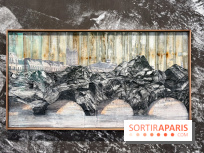
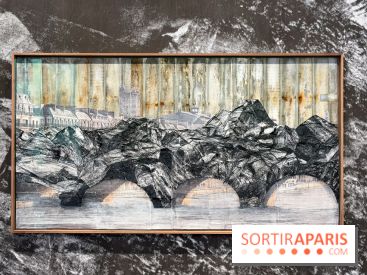
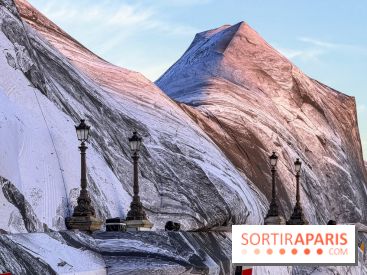
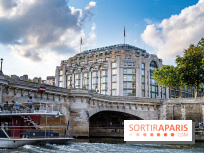
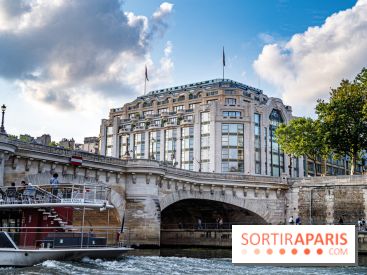
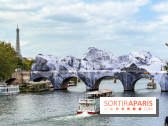
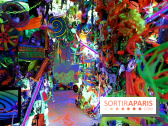
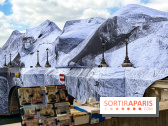
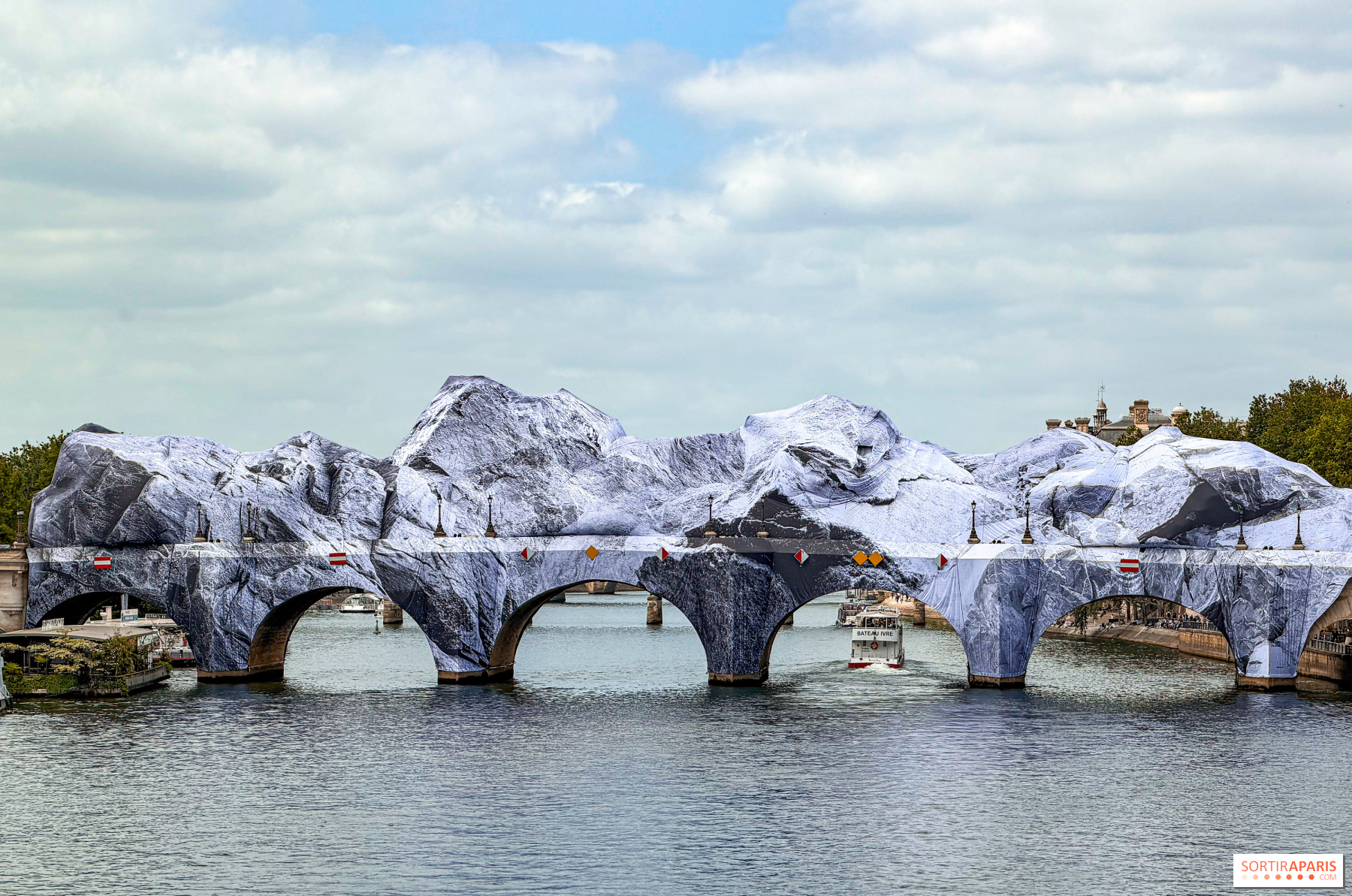
The Pont Neuf is continuing its transformation, but the grotto by JR got a gust of wind before it even opened its doors to the public. Driven by the artist, the oldest bridge in Paris is becoming La Caverne du Pont Neuf, a monumental installation envisioned as an open-air immersive cave. Optical illusions, inflatable structures, lighting effects, soundscape, and scent will reshape the monument into a temporary mineral fault. A spectacular experience planned for the heart of Paris, whose opening, originally scheduled for June 6, 2026, has been postponed.
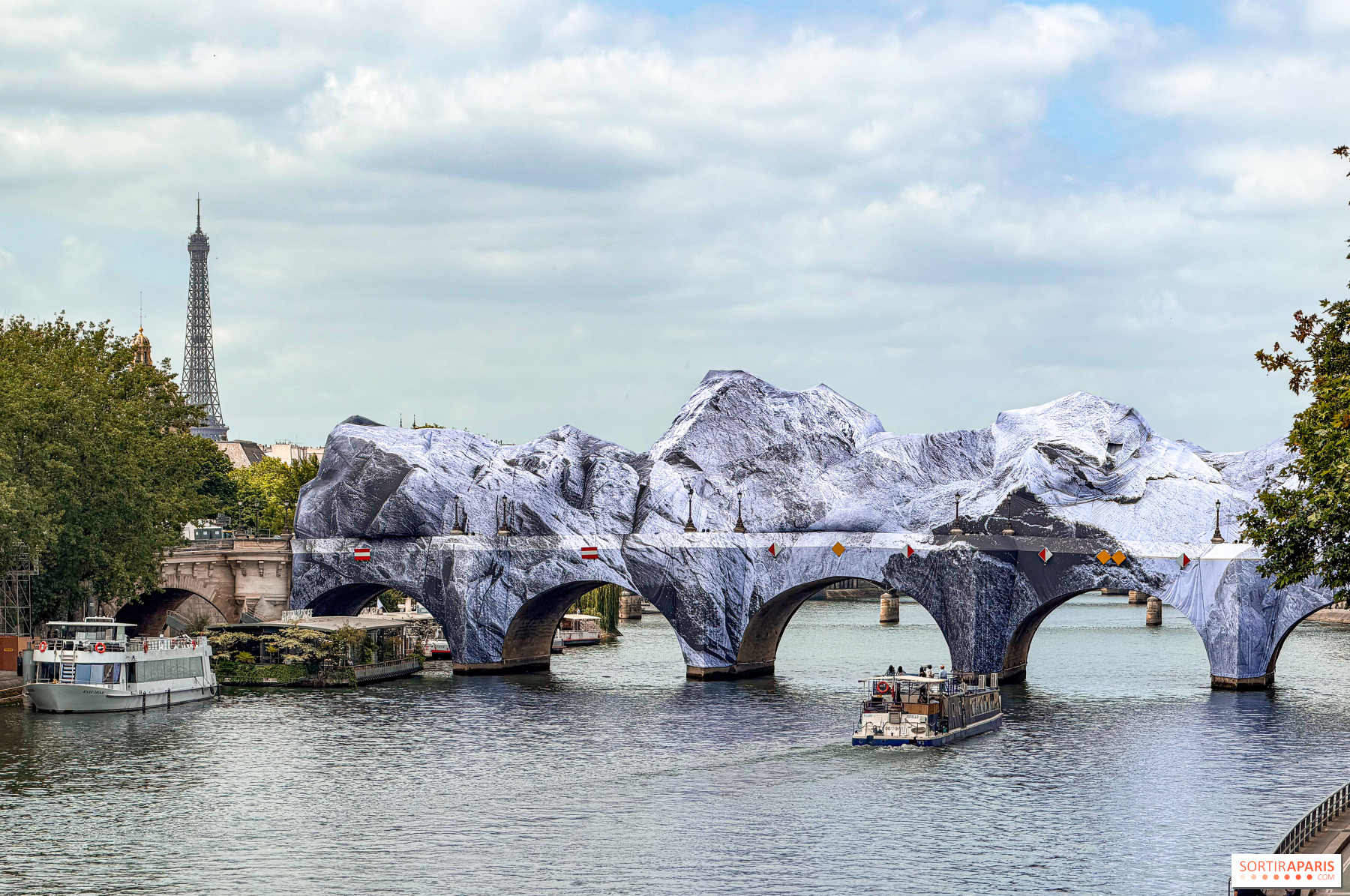
According to a press release from JR’s team, "the work is entering a repair phase over the coming days and week." In other words, you probably shouldn’t expect to walk through The Cave before June 13 at the earliest. The installation remains slated through June 28, 2026, unless an exceptional dispensation is granted. And since the Pont Neuf must reopen to traffic afterward, no extension seems planned at this stage. The Cave could thus, like its renowned predecessor, run to the rhythm of a tight countdown.
For the shadow of Christo and Jeanne-Claude obviously hovering over this new urban theatrical move. In 1985, their iconic The Pont Neuf Wrapped wrapped the bridge for 14 days. According to a dealer at Galerie Perrotin, which is presently showing Les Esquisses de La Caverne de JR, the artist had hoped to open his work to the public longer than his predecessors, before admitting: to the end, he would follow their example.
Financed without public funds, with support from L’Amicale des Ponts de Paris, the sale of JR’s works, and private partners, the installation preserves that total freedom of creation so dear to Christo and Jeanne-Claude.
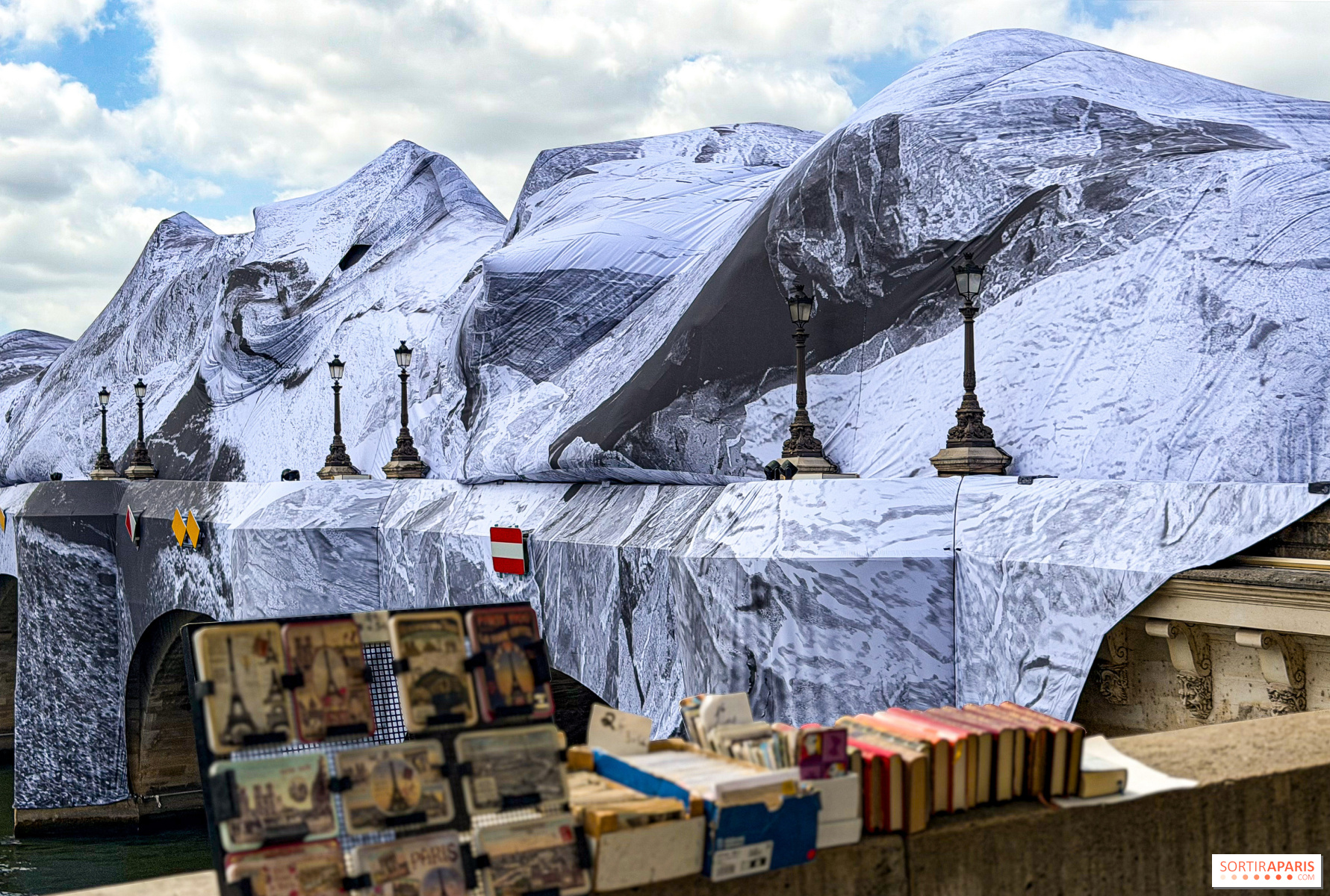
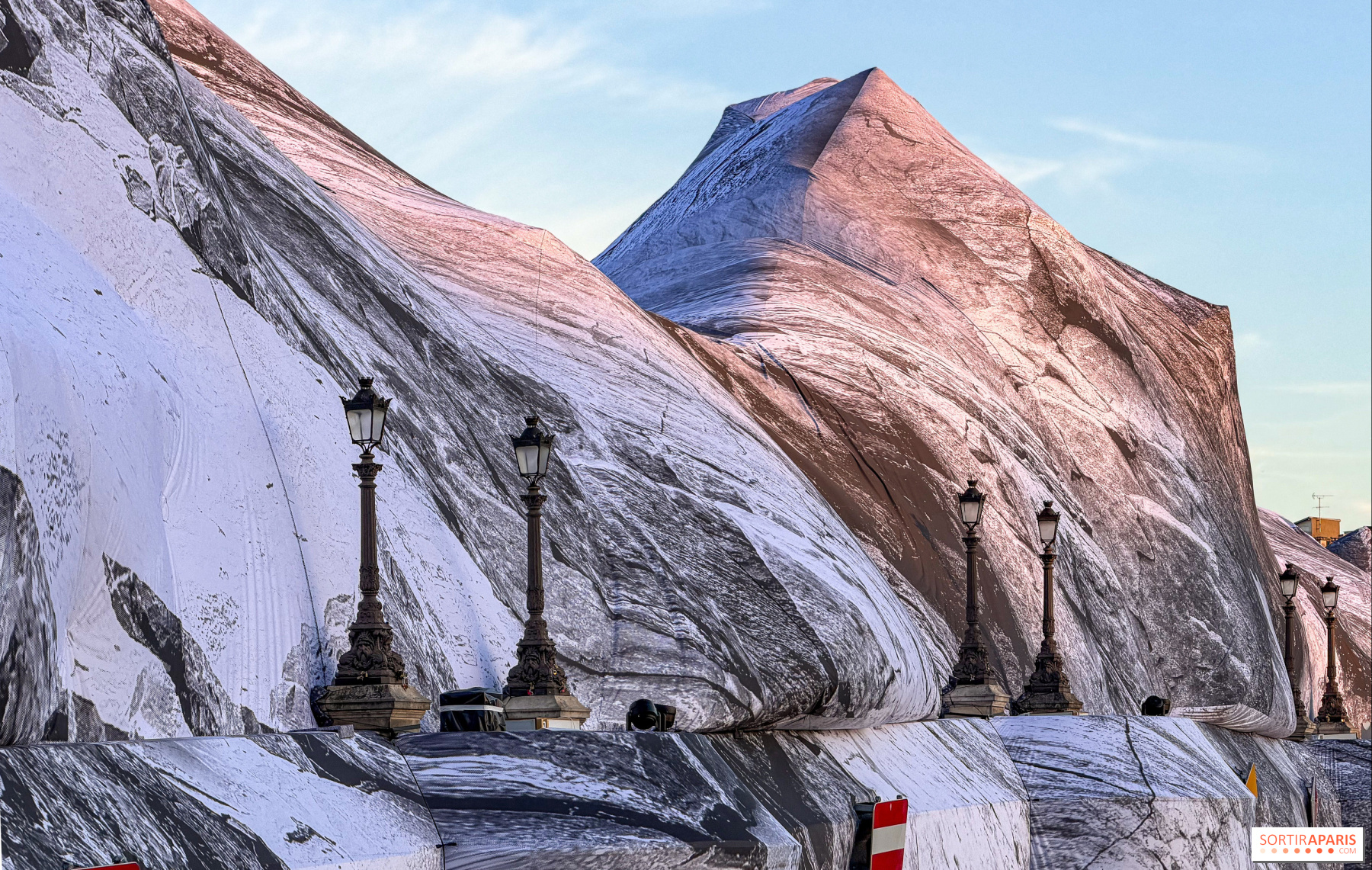
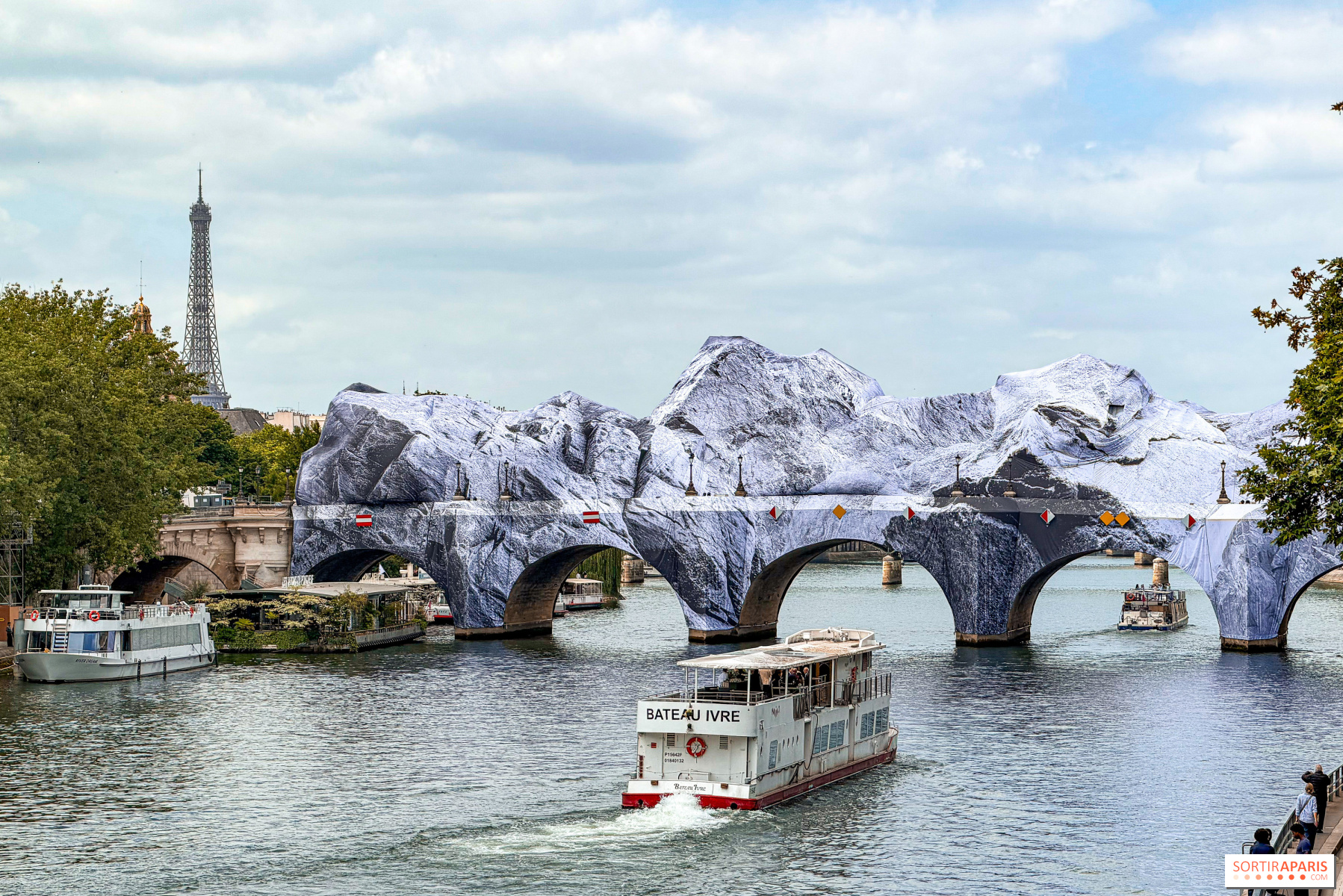
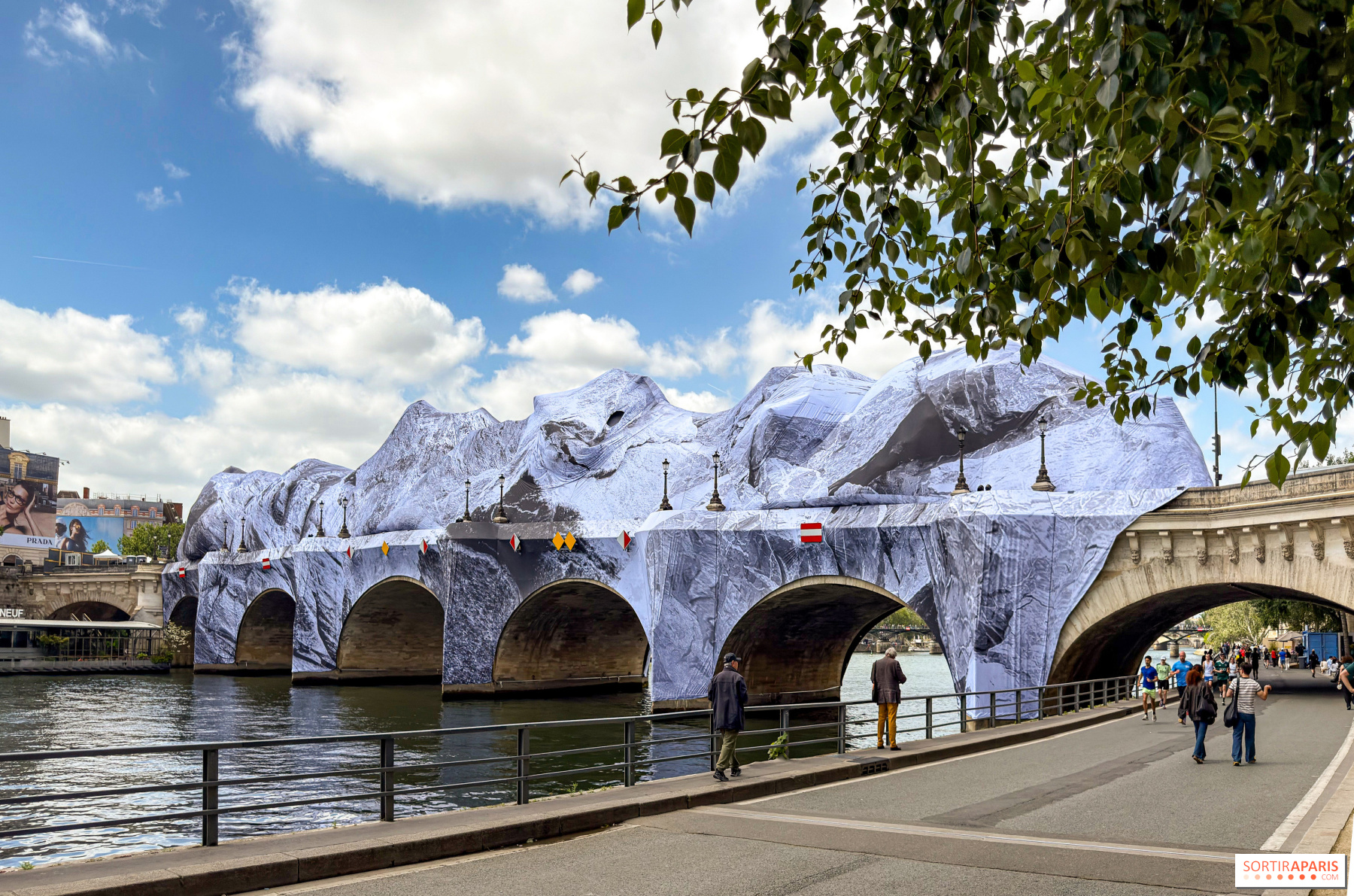
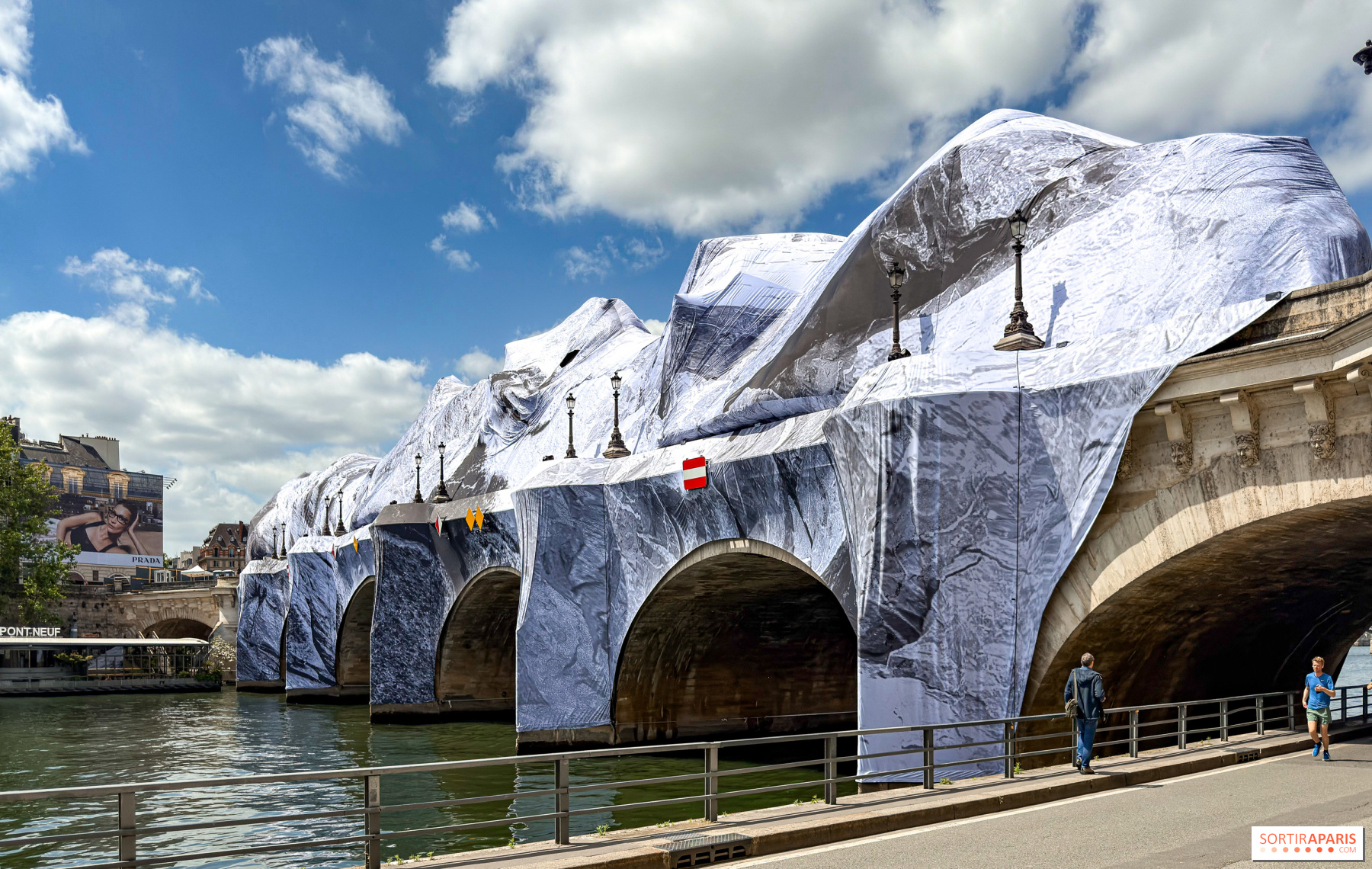
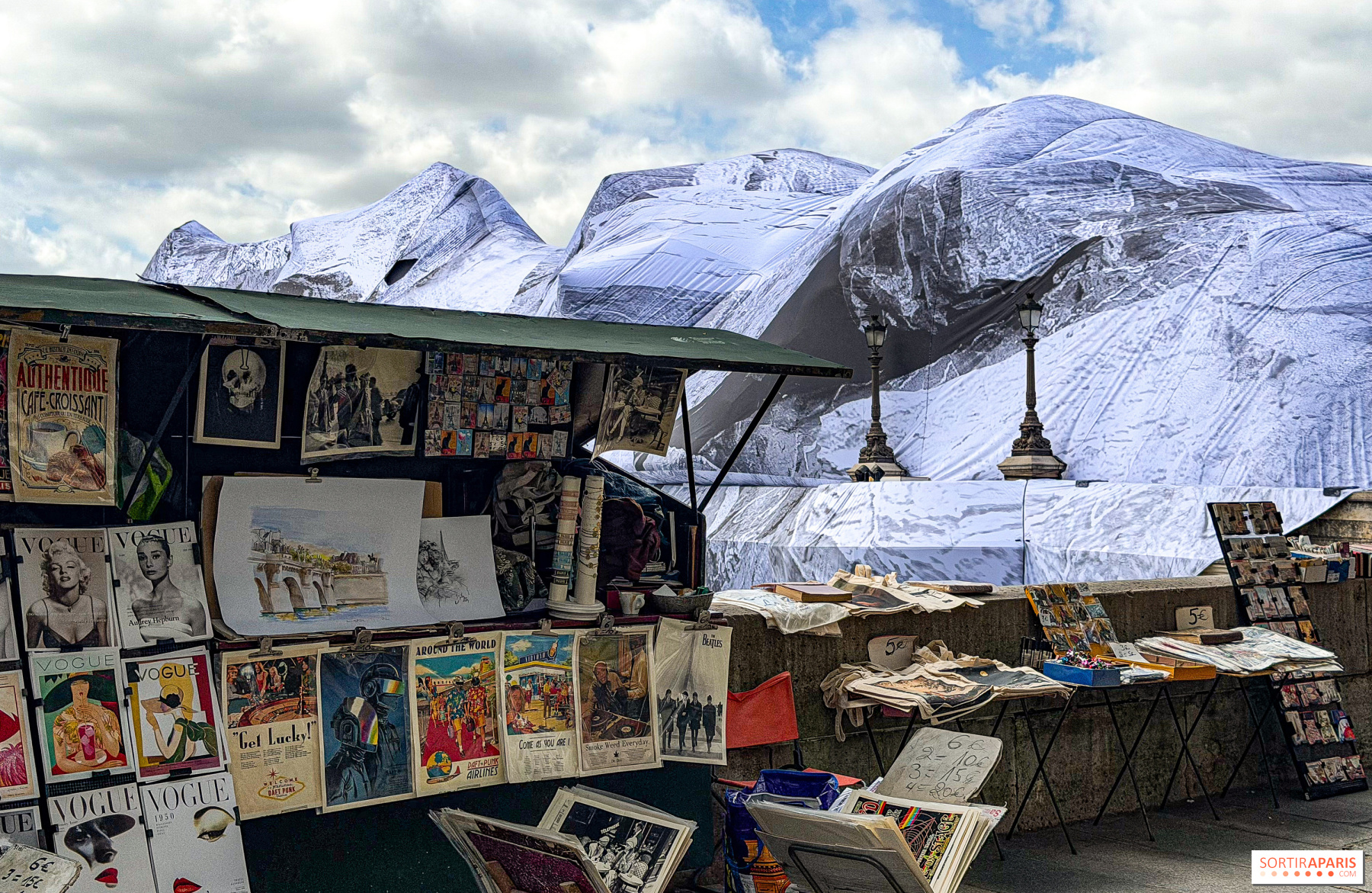
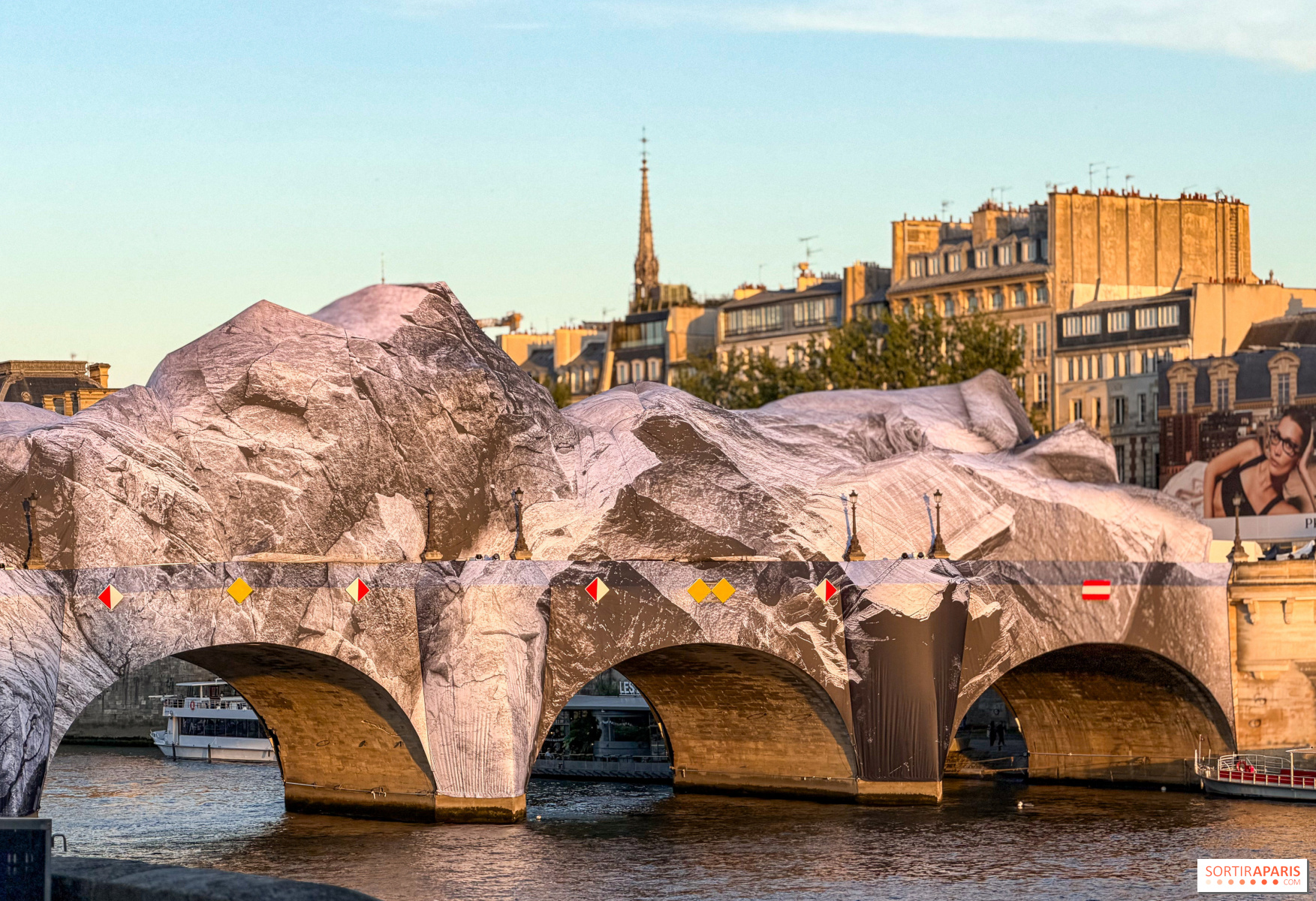
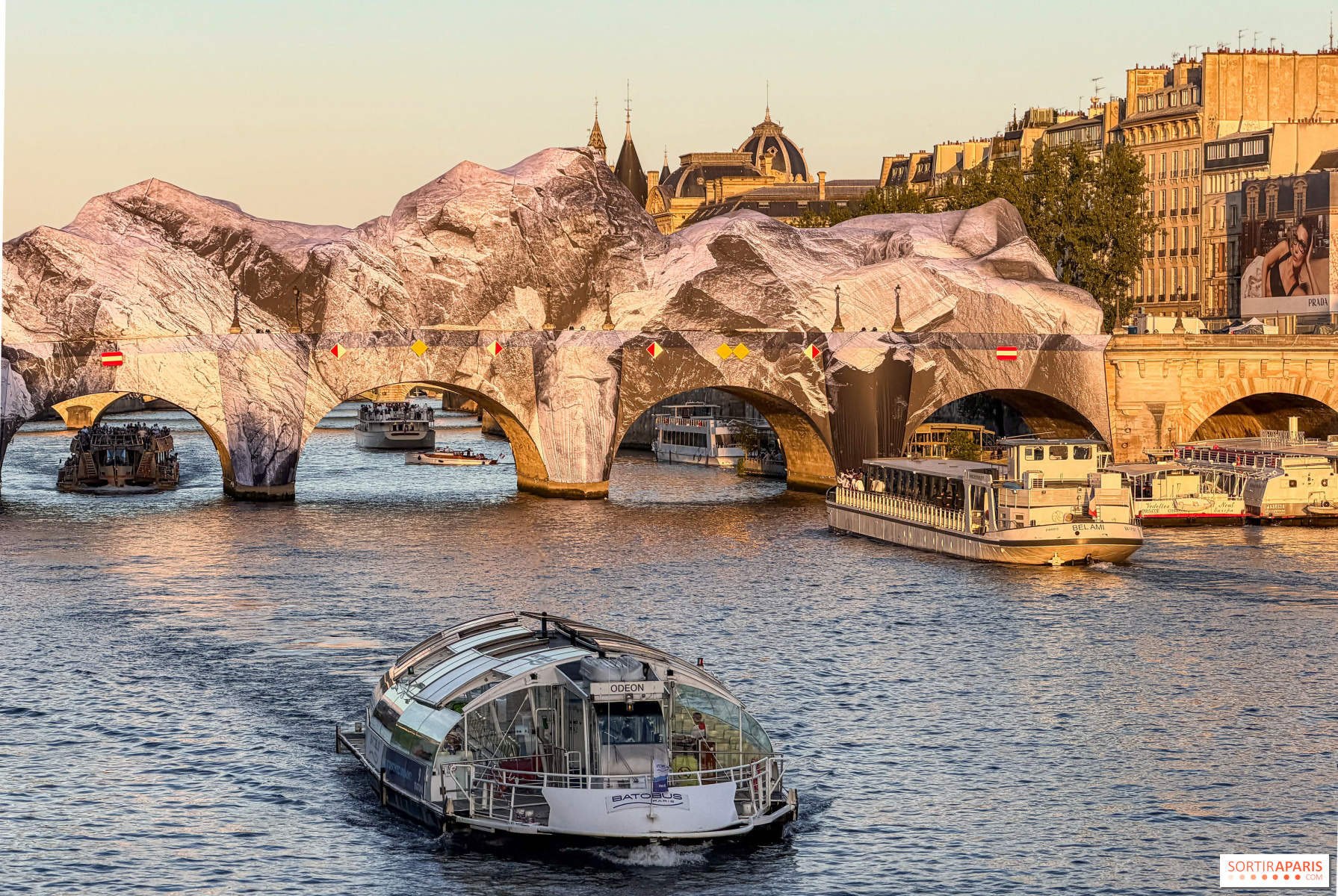
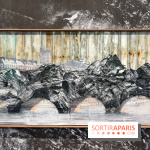
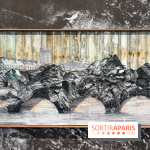
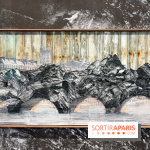
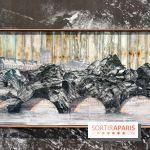
Here, no textile wrapping, but a rocky opening — a life-size trompe-l'œil that evokes the quarries from which the bridge’s stones were quarried. JR digs symbolically beneath the familiar surface to reveal the mineral origin of the capital: a dialogue between heritage and imagination, between a polished city and a raw nature that bursts into the urban flow. The Pont Neuf no longer simply links two banks: it becomes a passage, a passageway, a fictional setting and a fault line in everyday life.
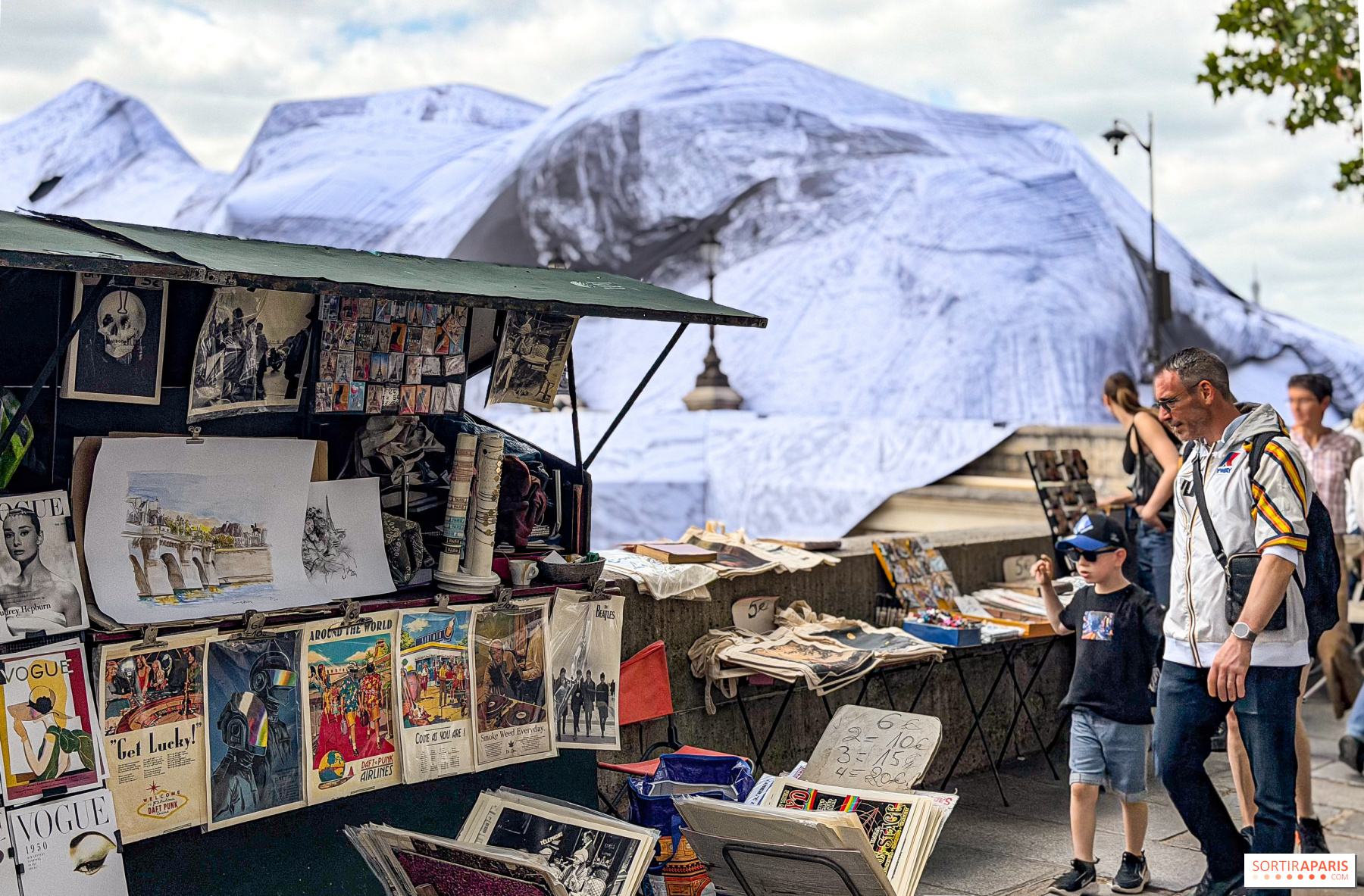
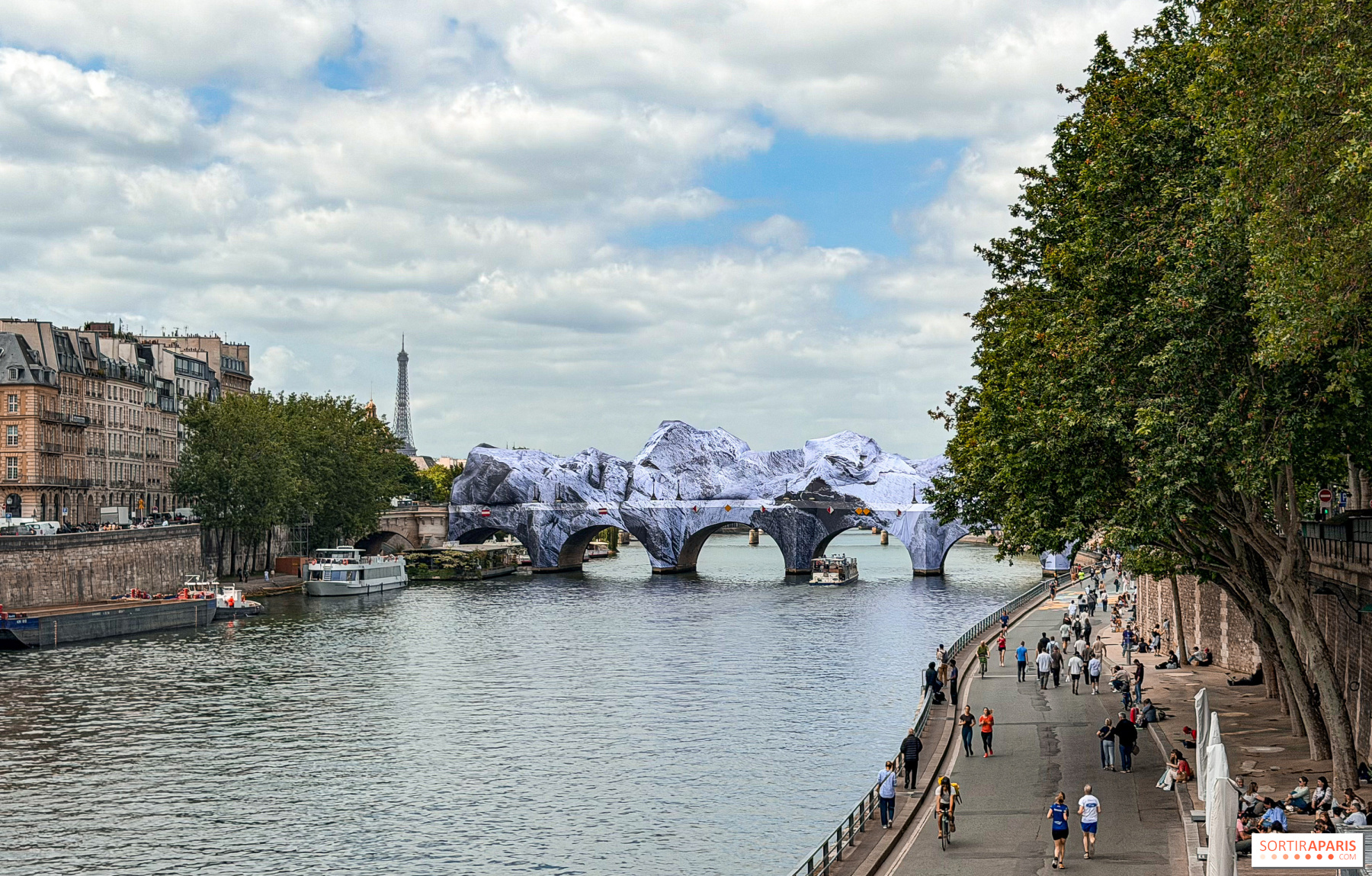
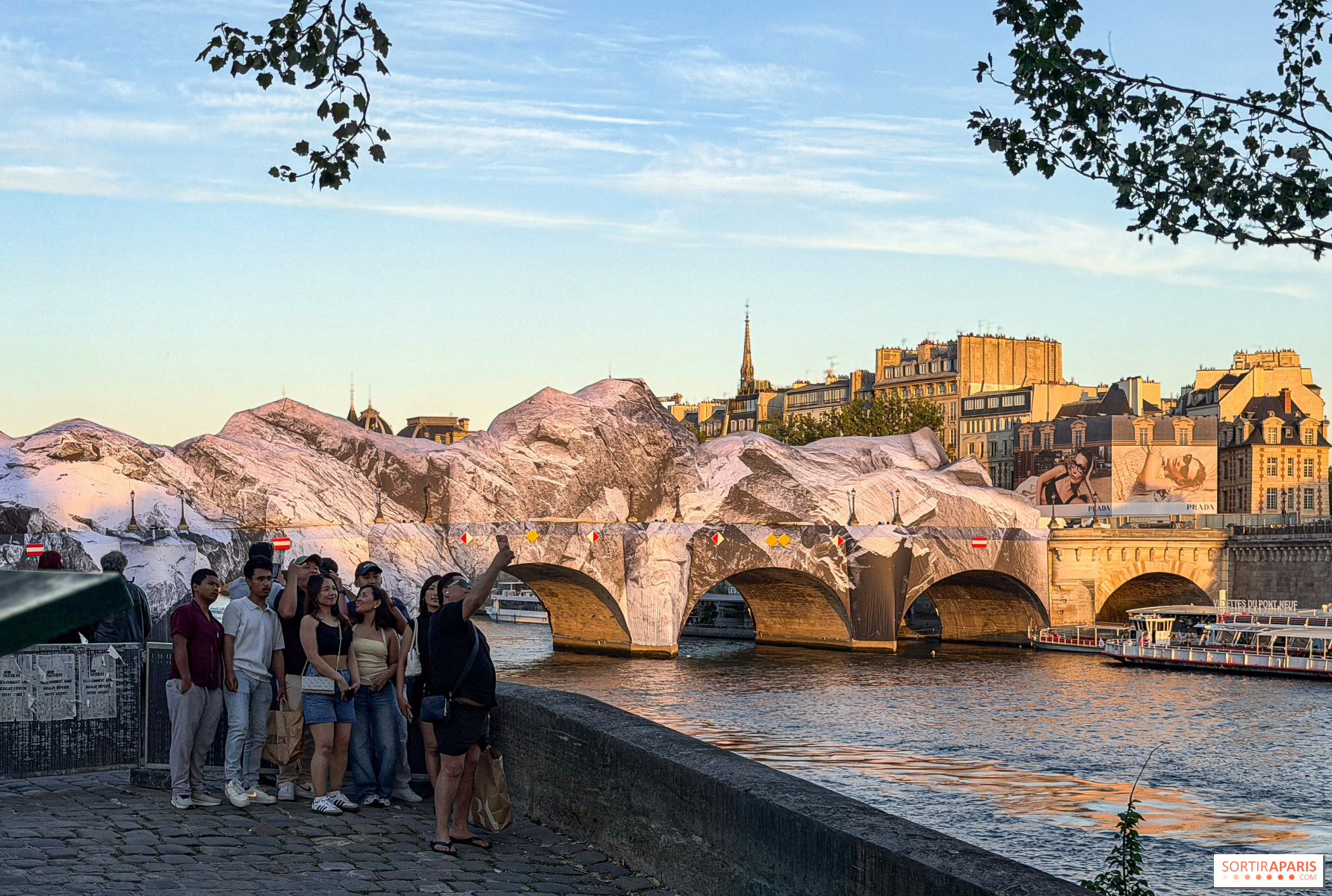
Once opened, La Caverne du Pont Neuf will be accessible for free 24/7. It will be discovered on foot, by bike, from the quays, nearby bridges, the Seine, or riverboats. Its dramatic silhouette already can be seen from a distance, notably from the banks, and it should also be recognizable from the high points of Paris. An urban route will offer multiple viewpoints. For now, curious visitors can mainly approach it from the outside, while the structure heals.
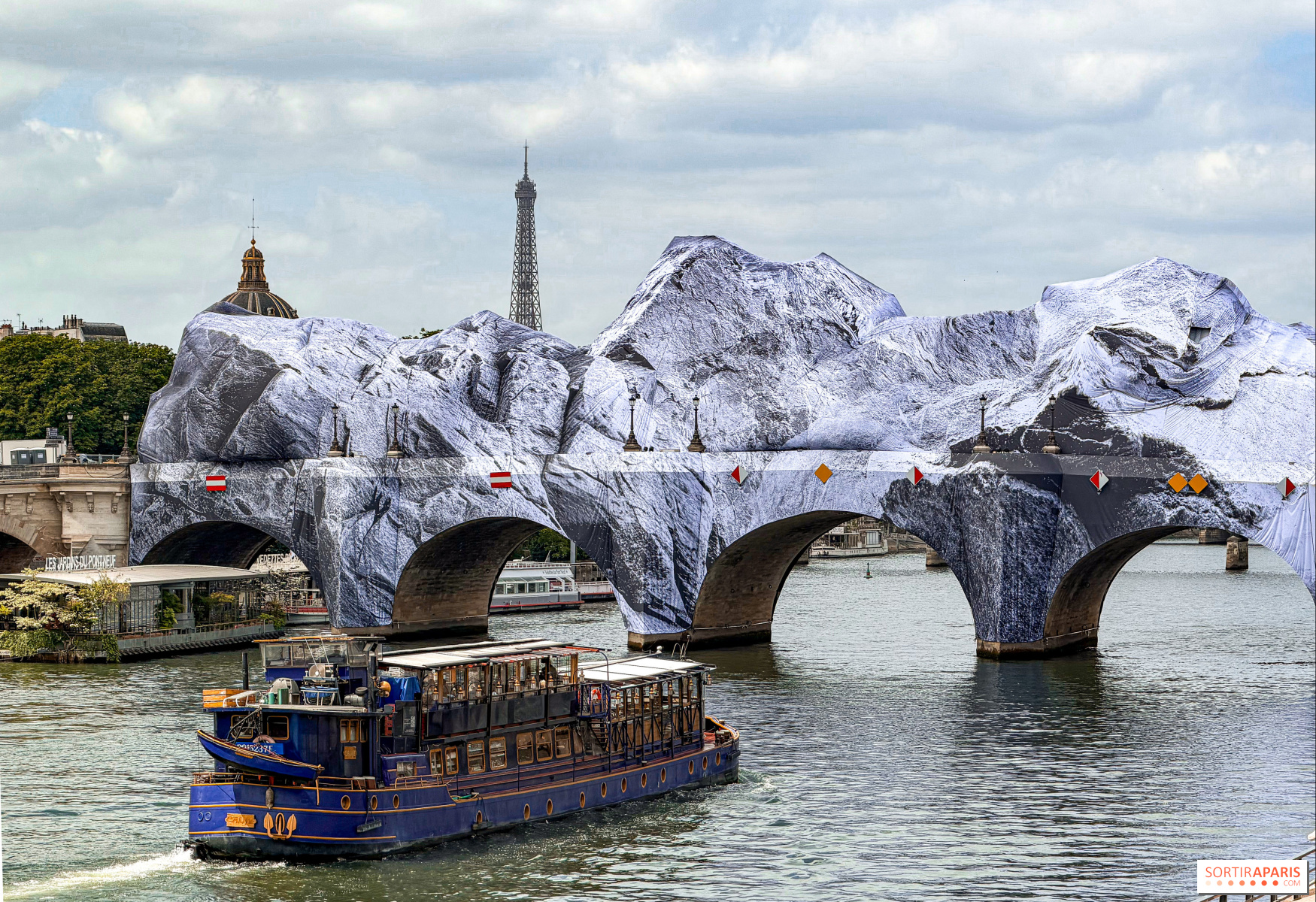
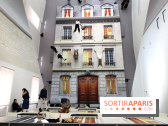
The inner experience is crafted as a physical and sensory journey: advancing through matter, playing with fullness and emptiness, losing your bearings to see the city in a new light. Faithful to his artistic vocabulary of cracks, trompe-l'œil, and impossible perspectives, JR transforms the bridge passage into an underground narrative.
The immersive dimension goes beyond mere scenery. The augmented reality developed with Snap’s AR Studio Paris is designed to push the cave beyond what’s visible, with interactive experiences accessible on mobile and through the Spectacles glasses. Inspired in particular by Étienne-Jules Marey’s chronophotographic research, this setup layers a digital dimension over the geological one.
To envelop the space, JR has tapped Thomas Bangalter, the iconic other half of Daft Punk. The artist imagines an electro-acoustic texture, a “fabric of sound” that threads through the structure. Not a concert, not background music, but a mineral vibration, a subtle rumble, a cave-like resonance that converses with the canvas and the volumes.
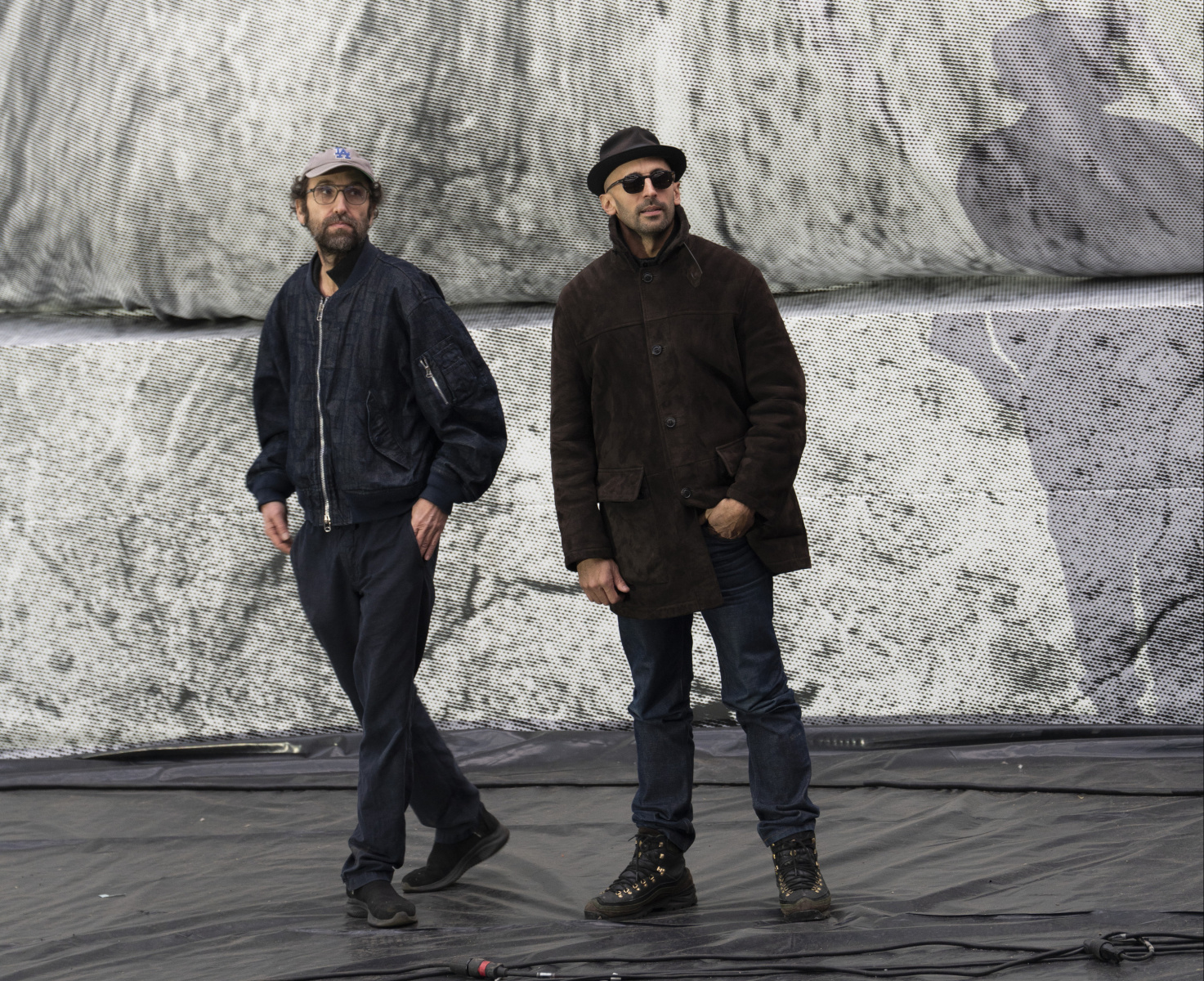
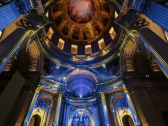
This collaboration extends their joint projects with JR and Thomas Bangalter, already seen around the Opéra Garnier and at Galerie Perrotin. Here, the sound is meant to contribute to the illusion: not just to look good, but to give real depth to this crack in canvas and air.
The installation won't just dazzle your eyes and ears; it will also lead visitors by the nose. The olfactory experience was crafted by Sarah Bouasse, a specialist in scents and perfumery, in collaboration with the perfume house Odore Scola.
And no, it isn’t about expecting a tame, smooth, musky scent. The project instead embraces a smell of cavern, soil, rock, and damp earth. Sarah Bouasse has worked around two molecules, geosmin and isoborneol, linked to this scent we all recognize even if we don’t name it: petrichor, that earthy smell after rain. Two accords should fill the space, with nuances depending on the crossing zones. By adding this vegetal, mineral, familiar yet strange odor, JR pushes the installation a notch further. A cave, then, that you can see, hear and breathe.
Behind the rock illusion, La Caverne hides engineering that is as light as it is monumental: 120 metres long, 20 metres wide, up to 18 metres high, 18,900 m² of printed canvas and an inflatable structure made of 80 textile arches. All of it weighs just five tonnes, with no invasive foundations and no impact on the monument. Inside, a world-first at this scale: a stitched canvas is held aloft by suction and literally floats in mid-air, while the east and west façades of the bridge are draped with printed canvases to create the illusion without touching the stone.
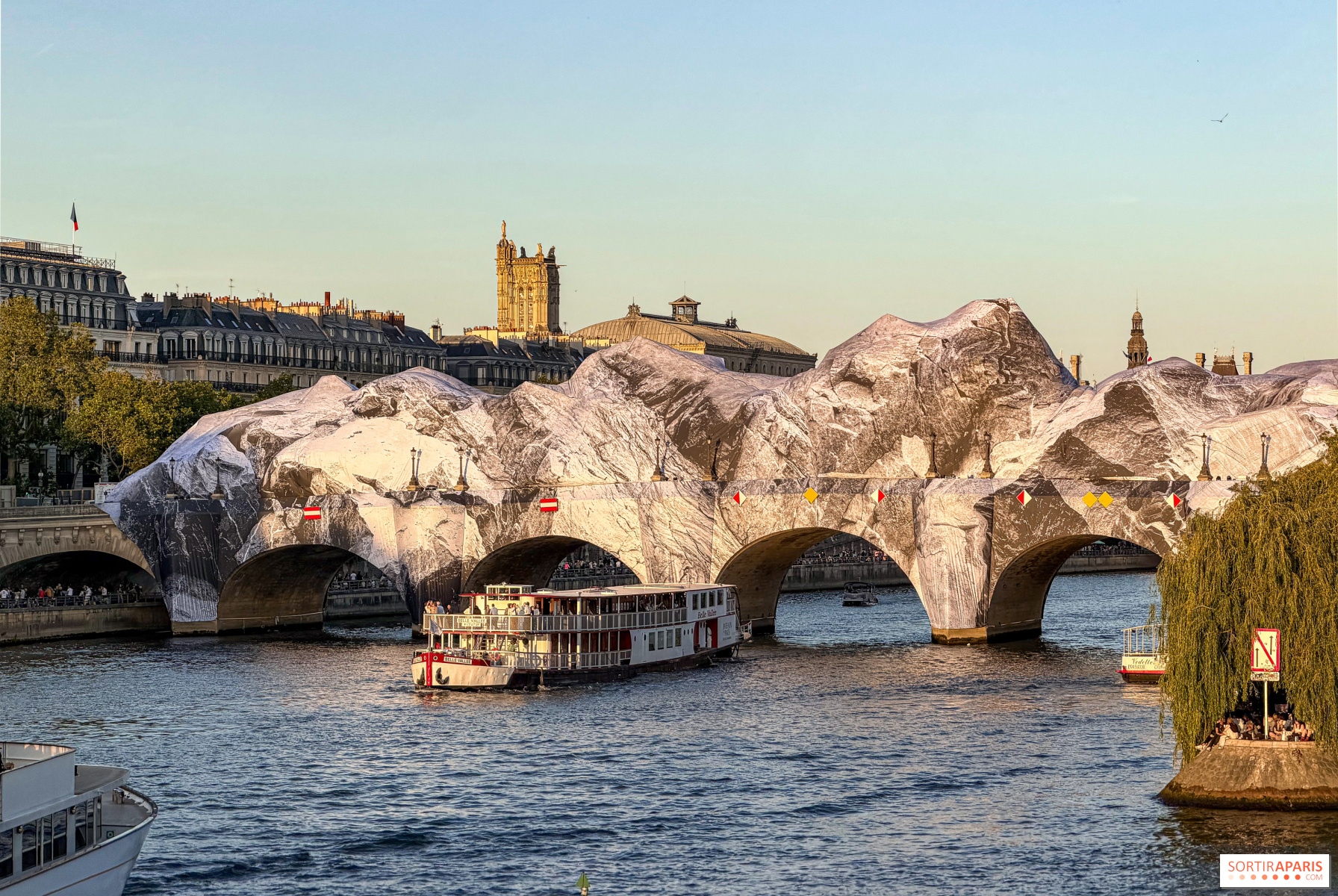
More than a year of preparation, full-scale tests in a historic hangar at Orly, and work carried out with the Christo and Jeanne-Claude Foundation have allowed the project to refine its structure, lighting and sound. Here, air becomes the principal material, reducing mass, transport needs and the impact on heritage. The 18,900 m² of canvas are produced in Europe, printed in France with certified water-based inks, then hand-assembled by 25 artisans with very little waste. Equipment is rented, ballast weights are reused and power comes from the grid. After the dismantling planned for June 28, several avenues are being explored for what comes next: conservation, artistic reuse or textile recycling.
More than a year of preparation, full-scale tests carried out in a historic Orly hangar, and the coordination with the team have allowed us to fine-tune the structure, lighting, and sound.
La Caverne du Pont Neuf is part of JR’s cycle of works that explore urban fault lines and collective reconnection, after his interventions in Florence, Rome and Milan, as well as Return to the Cave at the Palais Garnier. Turning a bridge into a cave becomes a symbolic act: stepping out of isolation, moving through the shadows, and rediscovering light together.
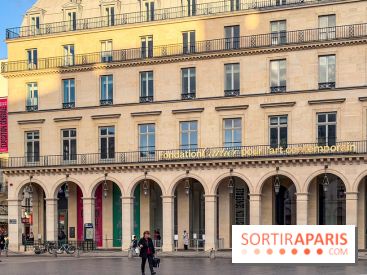
Echoes, JR presents a new exhibition at Galerie Perrotin from June 5 to August 1, 2026, unveiling notably new works from the Dé-compositions series.
The deadline is fixed for June 28, on which date the bridge must, unless an exceptional waiver is granted, reopen to traffic. So don’t count on a miraculous extension: the Cavern may be monumental, but it remains ephemeral.
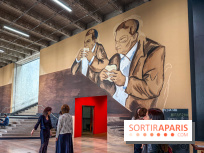
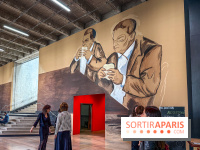
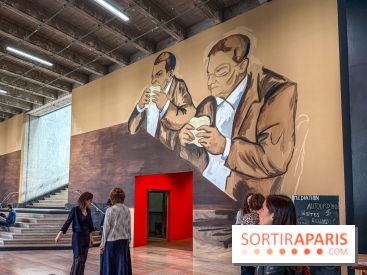
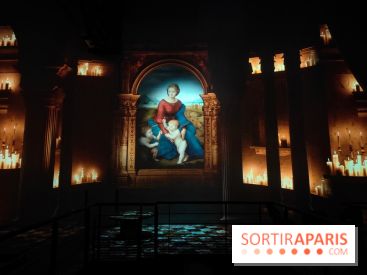
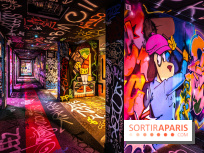
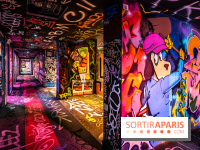
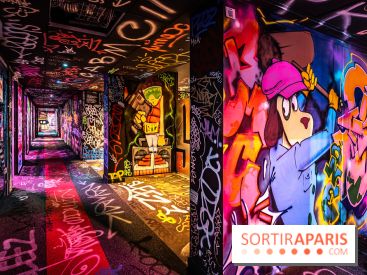
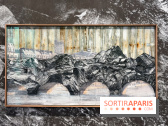
The Cave Sketches: JR's free exhibition at Perrotin Gallery — Our Photos
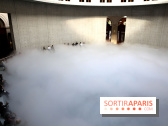
At the Perrotin gallery, JR reveals the making of La Caverne du Pont Neuf through Les Esquisses de la Caverne, a free exhibition running from June 5 to July 25, 2026. Drawings, collages and preparatory studies extend the experience of this monumental installation conceived for Paris’s oldest bridge. [Read more]
Dates and Opening Time
From June 6, 2026 to June 28, 2026
Location
Pont Neuf
Pont Neuf
75001 Paris 1
Prices
Free




 The Cave Sketches: JR's free exhibition at Perrotin Gallery — Our Photos