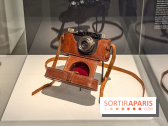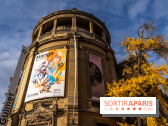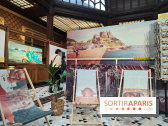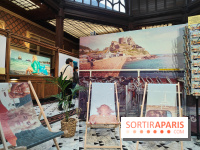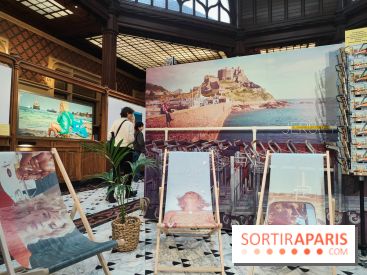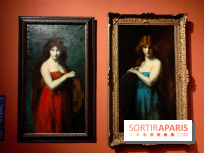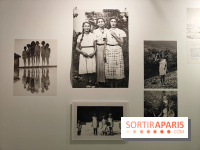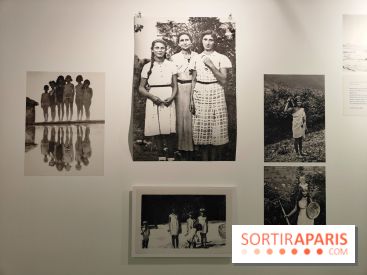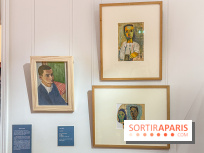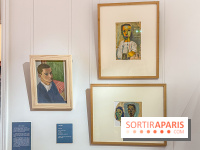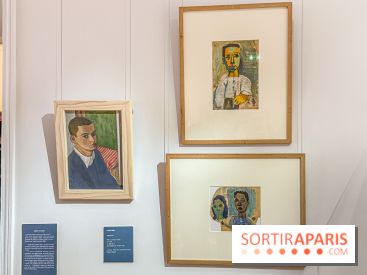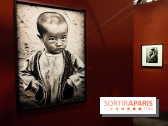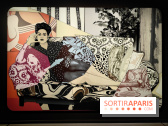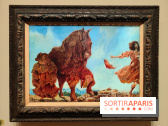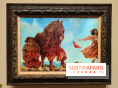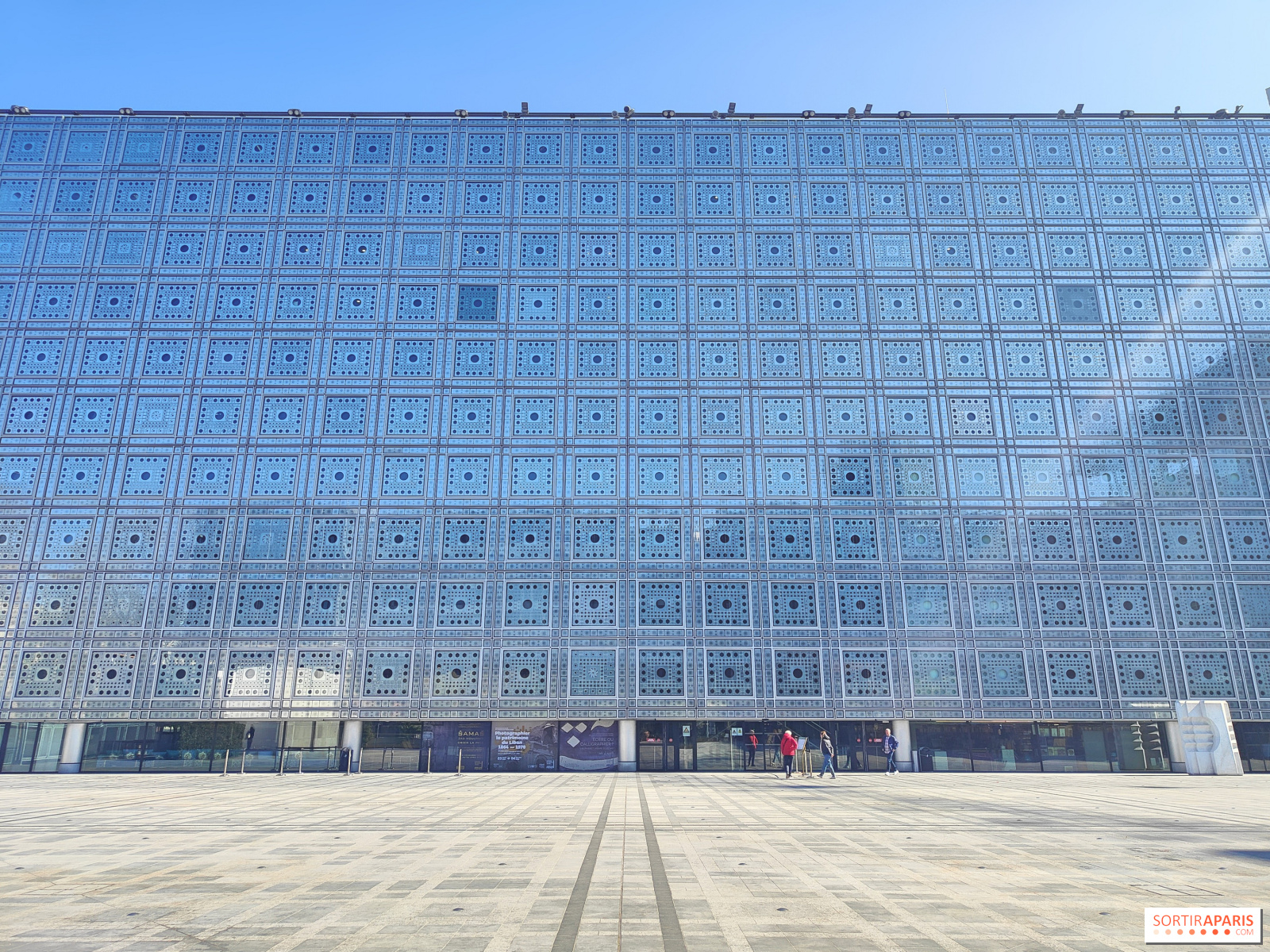
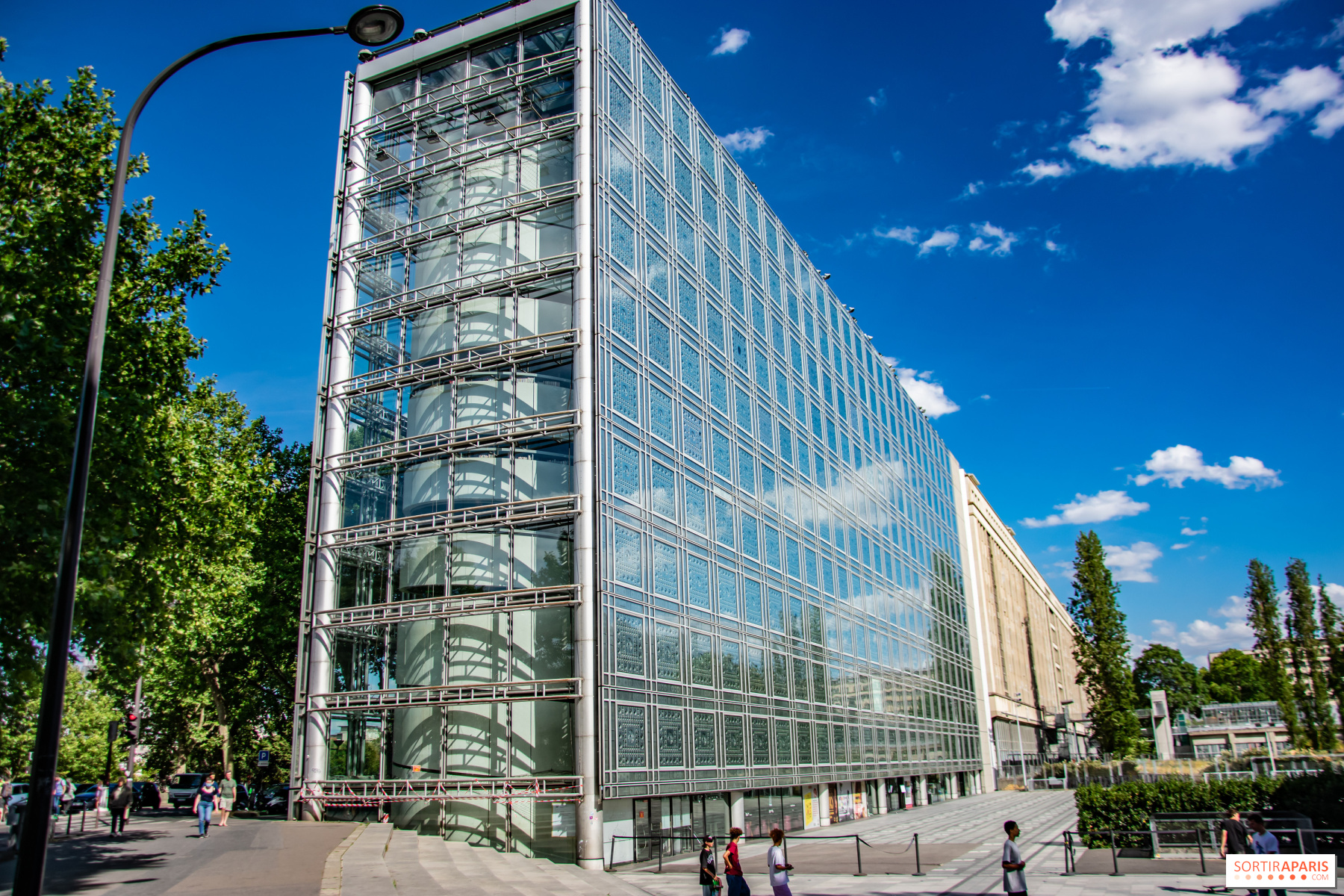
What if the story of slavery in the Mediterranean isn't what you thought it was? In Paris, the Institut du Monde Arabe is hosting an exhibition titled Captives: Art and Slavery in the Modern Mediterranean, running from March 31 to July 19, 2026. Designed as both a historical and artistic investigation, it traces the journeys of men and women enslaved between the 17th century and the 1830s, across southern European ports, including France, Italy, and Malta. The exhibition sheds light on often-overlooked individuals in mainstream historical narratives: Muslim captives taken from North African coasts, West Africans enslaved in Europe, and also Christian captives held in the southern Mediterranean regions.
The exhibit offers a multidimensional exploration of the social and artistic roles occupied by captives. By highlighting their presence as galley slaves, domestic workers, musicians, or artist assistants, the exhibition delves into the various impacts of this form of slavery on European material cultures. By juxtaposing artworks, handwritten documents, and historical artifacts, visitors gain insight into a often-overlooked aspect of Mediterranean history during that period.
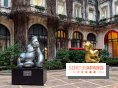
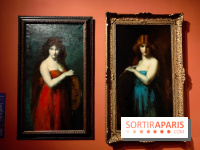
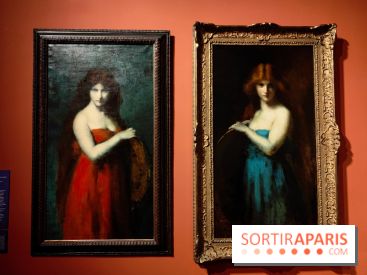
Among the items on display are several pieces rarely accessible to the public. These include a drawing of a Muslim slave by Charles Le Brun, the official painter for Louis XIV, as well as depictions of the iconic Quattro Mori monument by Pietro Tacca, a renowned sculptural ensemble located in Livorno. The sketches by Fabroni, who captured scenes of galley prisoners in their daily life, shed light on the harsh physical conditions endured by captives forcibly taken aboard ships.
Some works highlight specific historical moments, such as the suppression of the slave revolt in Malta in 1749, shedding light on the underlying tensions within these port cities. The exhibition also features letters written by captives—both Christian and Muslim—some of which are read aloud, giving voice to those silenced by the passage of time.
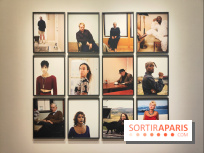
The exhibition concludes with a contemporary installation designed to challenge our understanding of how this history fits into today’s societies. It explores the gradual erasure of these stories following the capture of Algiers in 1830, as well as current debates over artistic representations of slavery, such as the controversy surrounding the Quattro Mori. This modern perspective ultimately links the past to ongoing discussions about memory, representation, and the process of decolonizing the way we view history.
The exhibition doesn’t follow a strict chronological order but instead aims to forge connections between practices of enslavement, artistic representations, and the objects created within this context. Several talismans, maritime weapons, prow sculptures, and ritual objects accompany the main artworks, highlighting the variety of materials and perspectives on display.
Captives. Arts and Slavery in the Modern Mediterranean at the Institut du Monde Arabe offers a museum experience focused on a rarely explored theme in European art exhibitions. Through the richness of its works and the precision of its narrative, it provides a fresh perspective that complements the major historical stories typically told.
This page may contain AI-assisted elements, more information here.
Dates and Opening Time
From March 31, 2026 to July 19, 2026
Location
Arab World Institute
1 Rue des Fossés Saint-Bernard
75005 Paris 5
Access
Metro Jussieu line 7, line 10
Prices
Tarif réduit: €7
Plein tarif: €10
Official website
www.imarabe.org
Booking
Book your tickets with Paris je t'aime here
More information
Open Tuesday through Friday from 10 a.m. to 6 p.m., and on weekends and public holidays from 10 a.m. to 7 p.m.