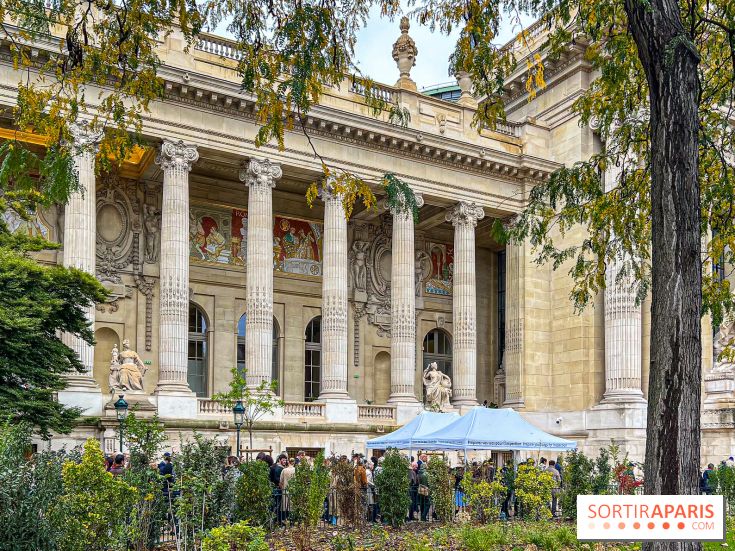
In France, the art of trompe-l'œil is widely recognized as work that plays with our perceptions and our senses. These creations manipulate reality, and viewers enjoy trying to tell the real from the fake in paintings, photographs, and sculptures... In other cultures, trompe-l'œil can carry a very different meaning.
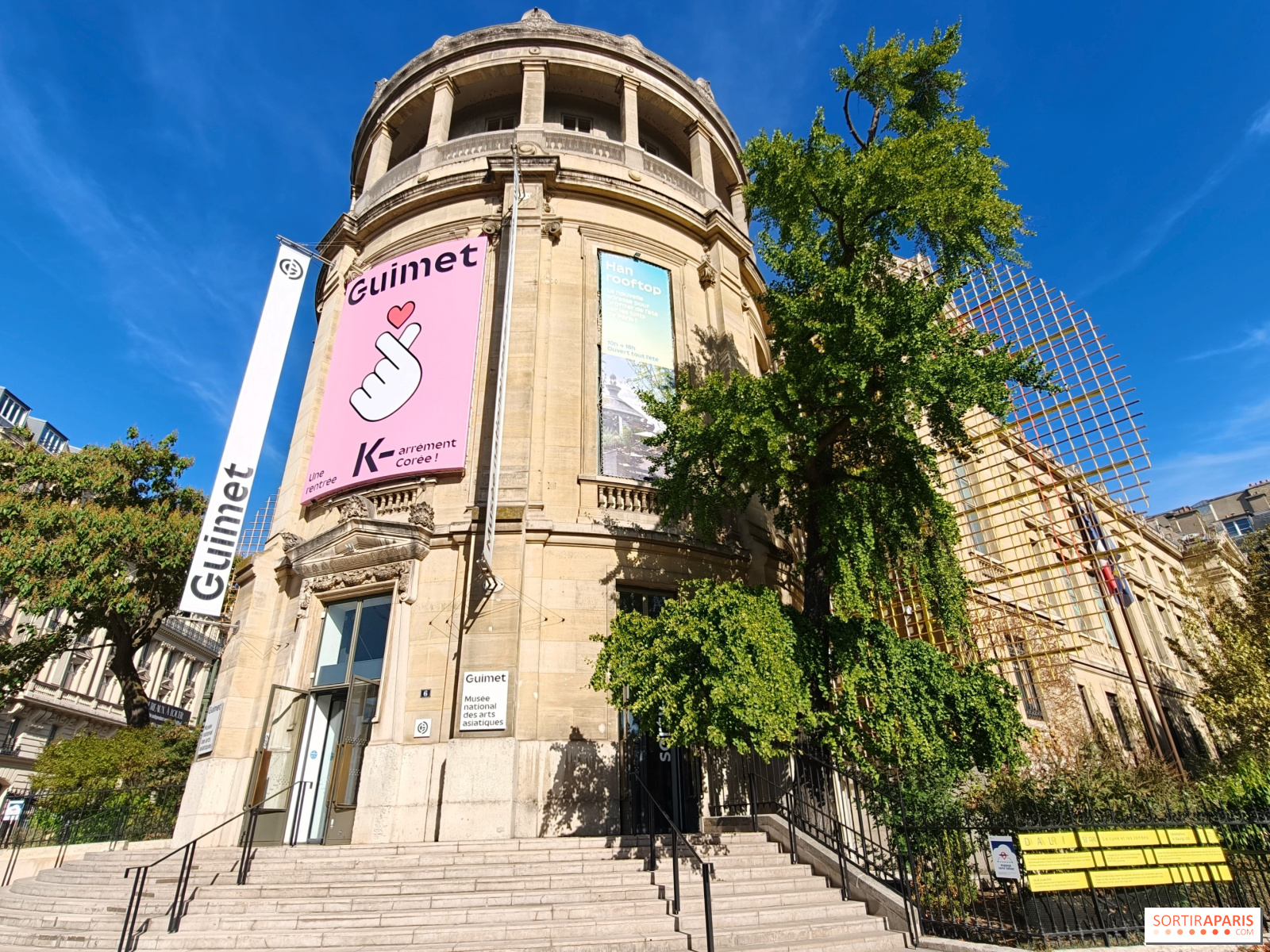
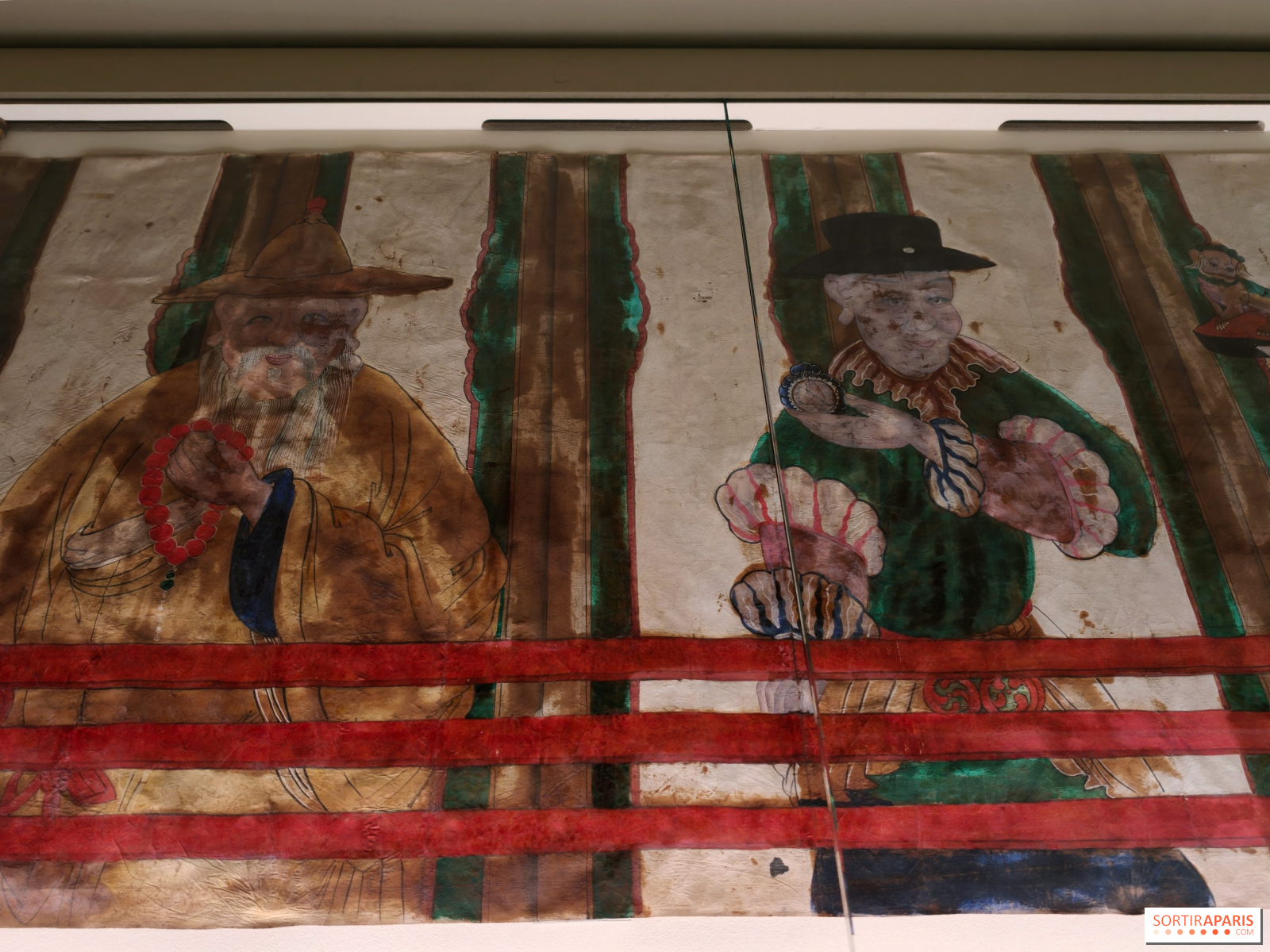
In South Korea, during the Joseon era, trompe-l'oeil was a distinctly shaped art, full of codes and meanings. The Guimet Museum invites us to discover this movement, with the exhibition The Knowledge in Trompe-l'œil, running from 16 September 2026 to 4 January 2027.
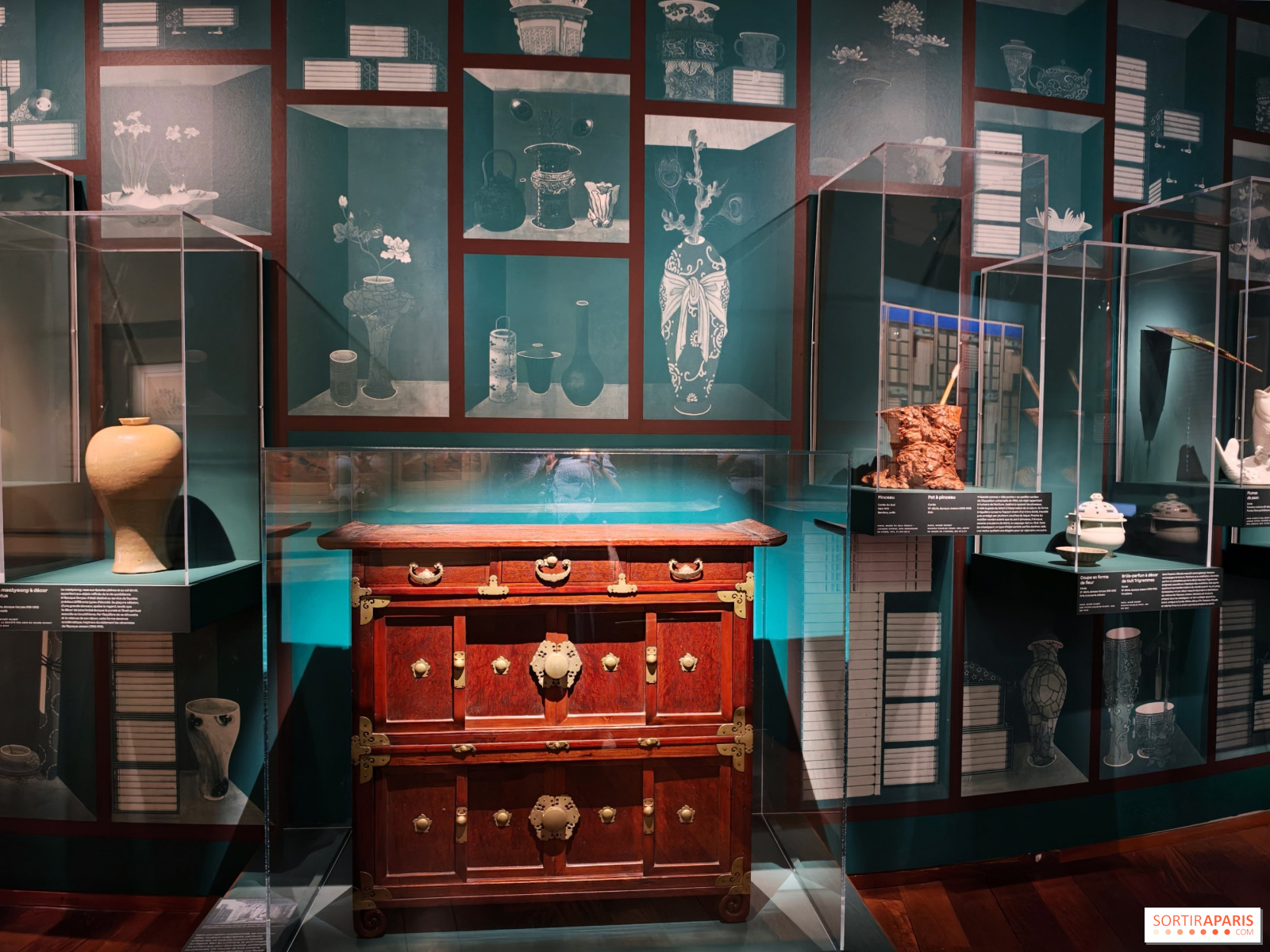
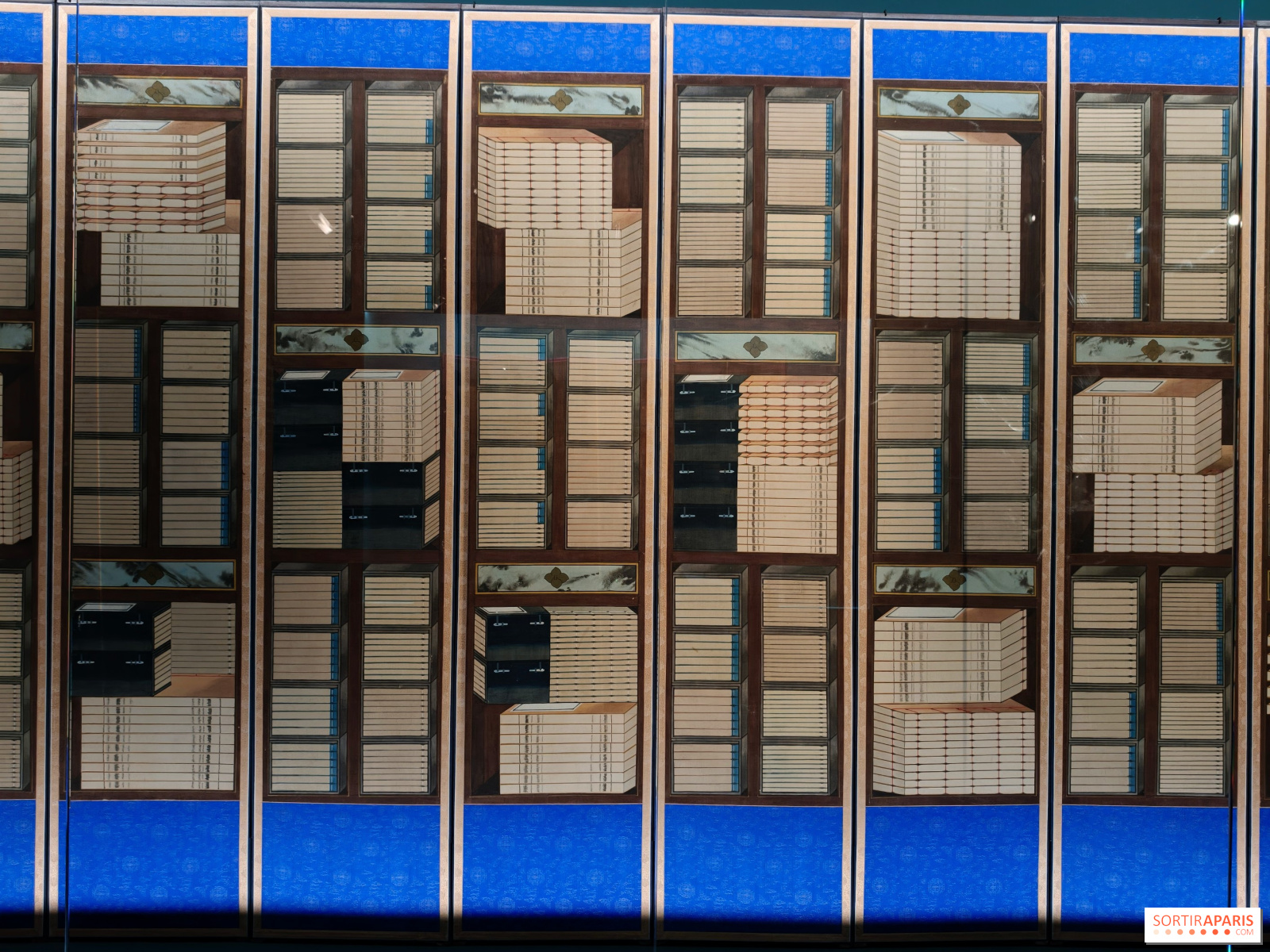
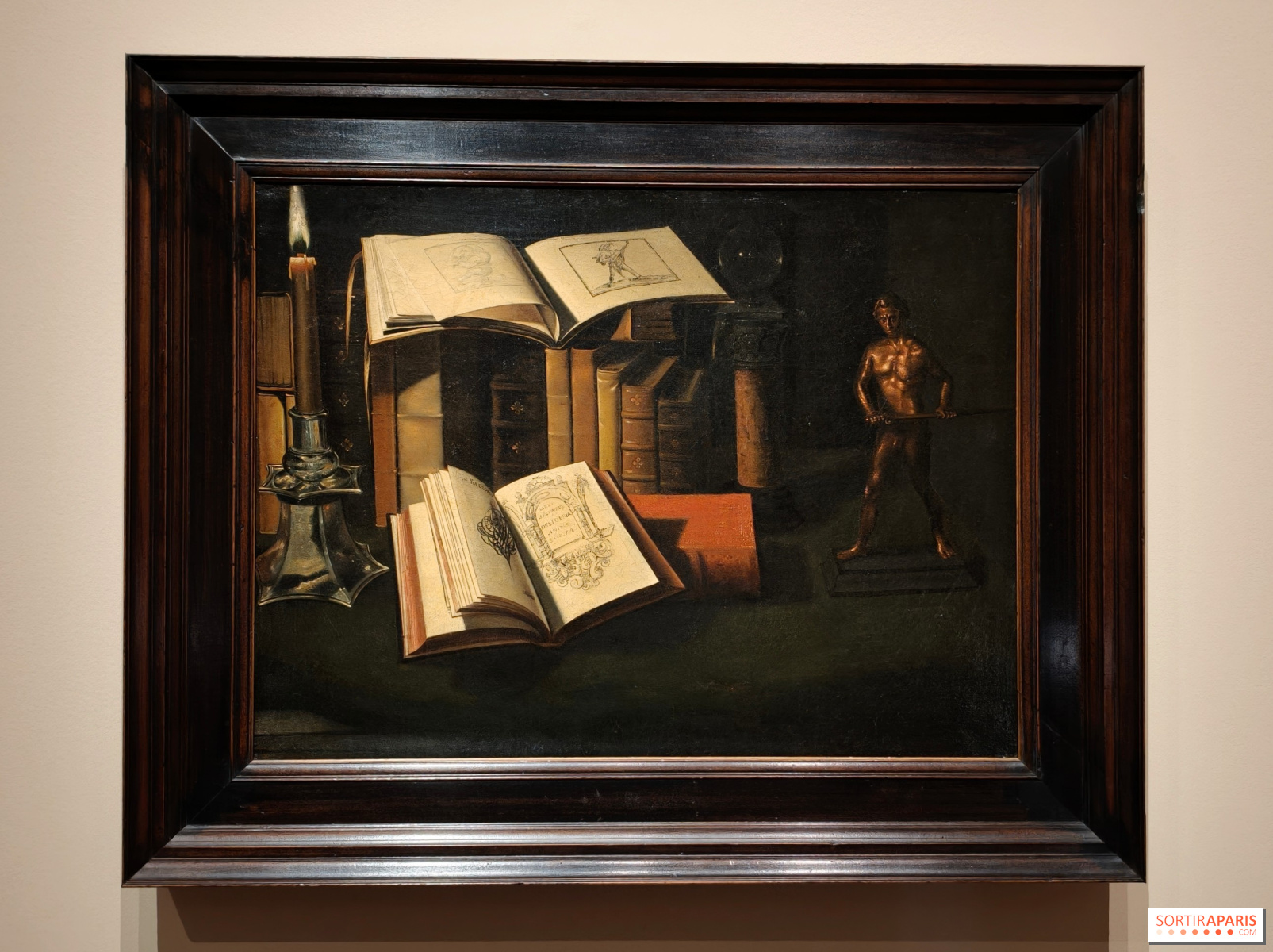
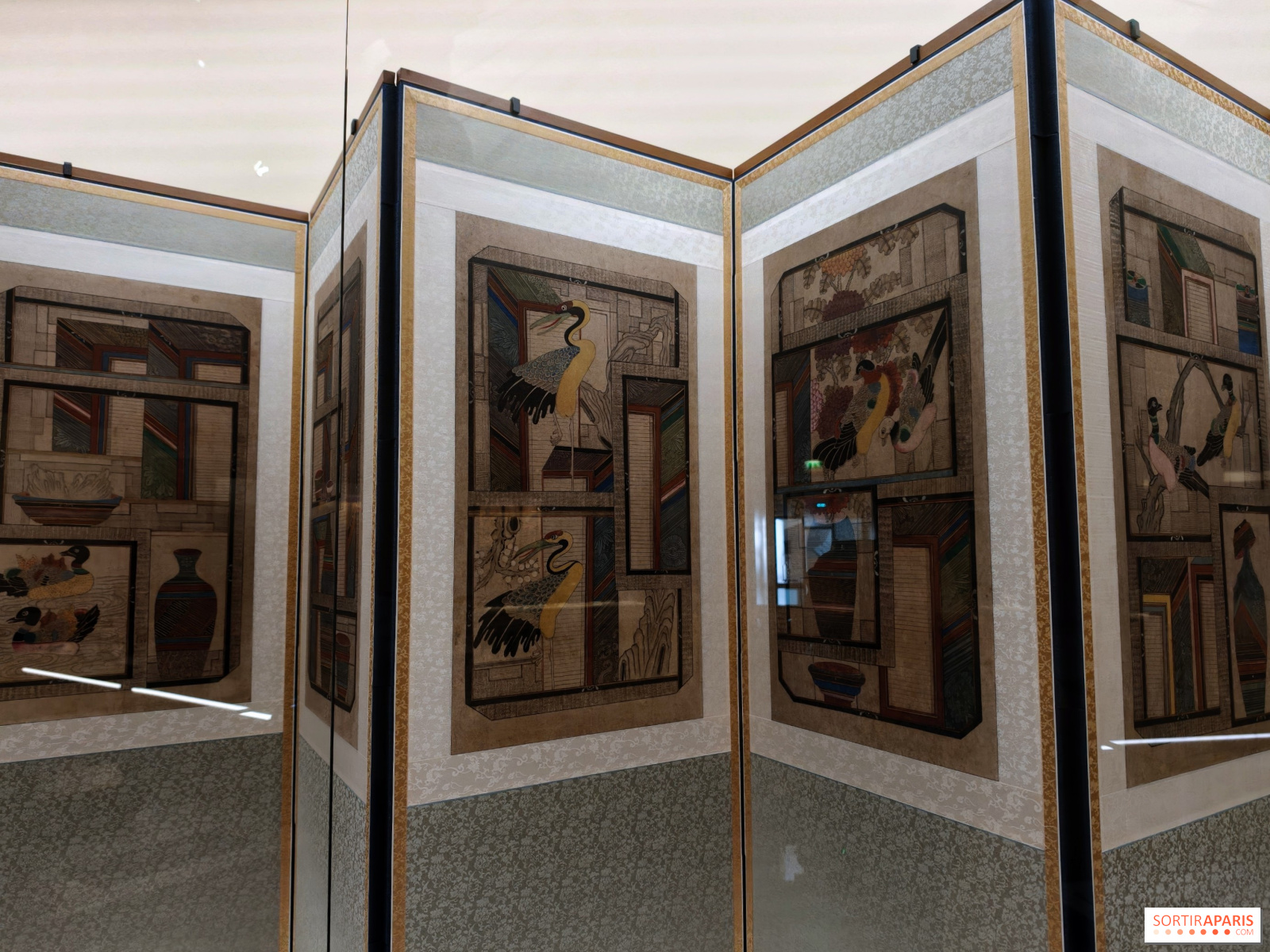
This exhibition traces two centuries of artistic creation in Korea, two centuries of culture and exchange. Trompe-l'œil began as an art suited to developing the mind and virtue. King Jeongjo asked the painters of the Royal Academy to produce bibliothèques en trompe-l’œil, so he could be surrounded by books and knowledge. Normally, the monarch sits before a painting of the realm and the king’s power. Jeongjo broke with tradition by commissioning a trompe-l'œil library, a symbol of his virtue, erudition, and the wealth of his education.
Because of the cultural and political ties linking the Joseon kingdom with China, Korean artists drew on a range of artistic movements to forge their own approach to trompe-l'œil. Perspective, color and light, and favored subjects: Korean trompe-l'œil quickly found its footing, gradually making its way into palaces, the homes of the aristocracy, and eventually provincial households.
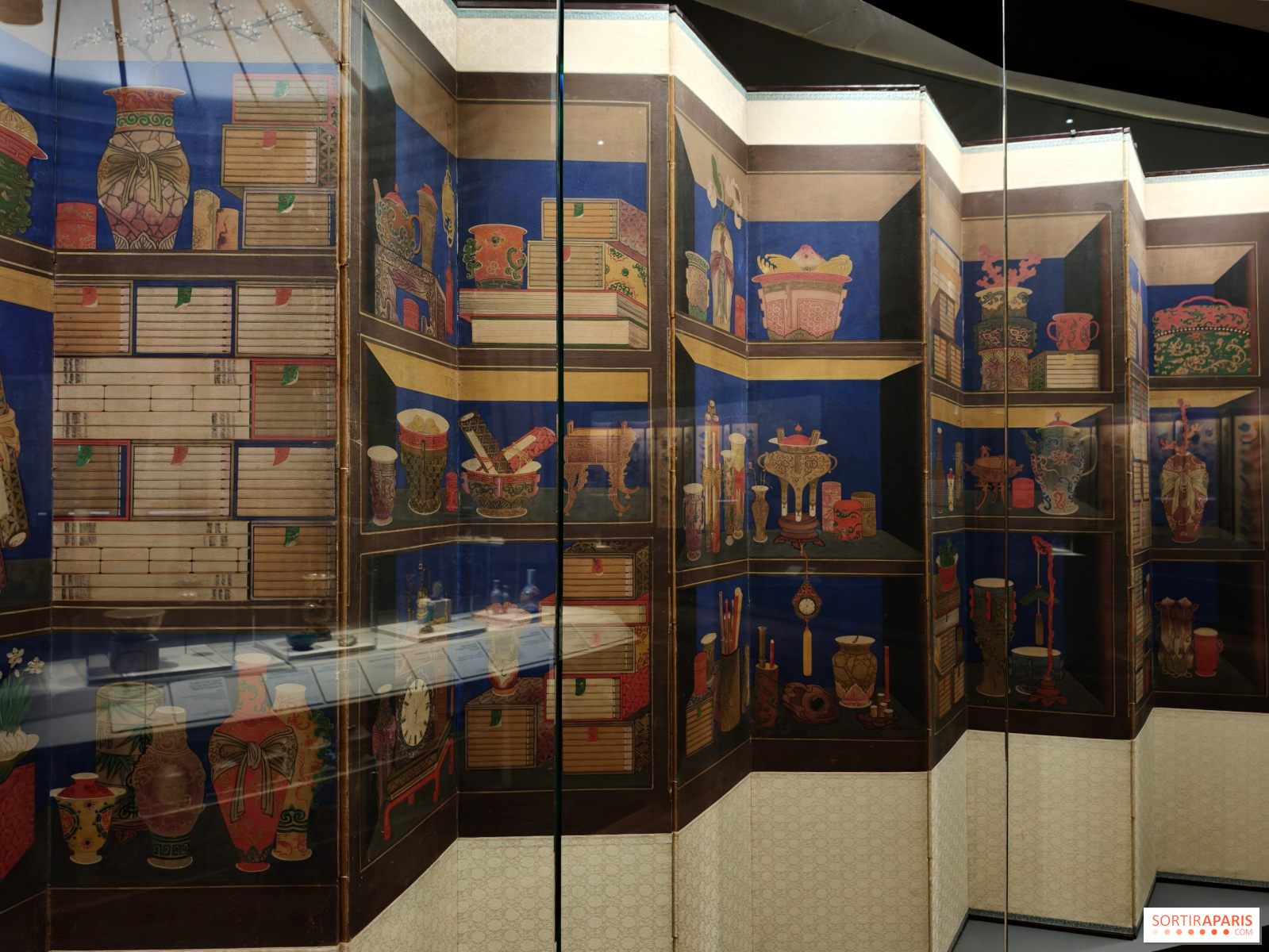
Thanks to these works, one can see the connections and influences that bind Korea to China, Japan, and even the West. The artistic techniques, the objects, the materials used, and the painted elements reveal a genuine cross‑cultural exchange. These trompe‑l’oeil libraries evolve gradually: at first they feature mostly books, then scientific or exotic objects, and later works of art such as vases... These decorative elements mark the country’s growing openness, the globalization of exchanges, new fashions, and the links between cultures.
Thus, over the ages, these illusions have evolved. In the 18th century, trompe-l'œil depicted things people would love to own one day, elements that highlighted a person’s cultural and material heritage. Later, the works changed, opening the door to worlds more surréalistes and oniriques. The book becomes a decorative object more than a symbol of culture and knowledge, and the messages tied to these trompe-l'œil grow more artistic. These works are no longer markers of wealth or learning.

The Guimet Museum's exhibition invites visitors into a rich cultural and artistic realm that remains surprisingly little known in France. It serves as an accessible entry point for everyone into Korean culture, bringing together well-preserved works that are fascinating to behold. The trompe-l'œil here don’t necessarily play with the senses; this isn’t about illusions. These works are most of all of historical interest. Some are more approachable than others: take the time to read the texts that accompany them to understand their meaning and significance.
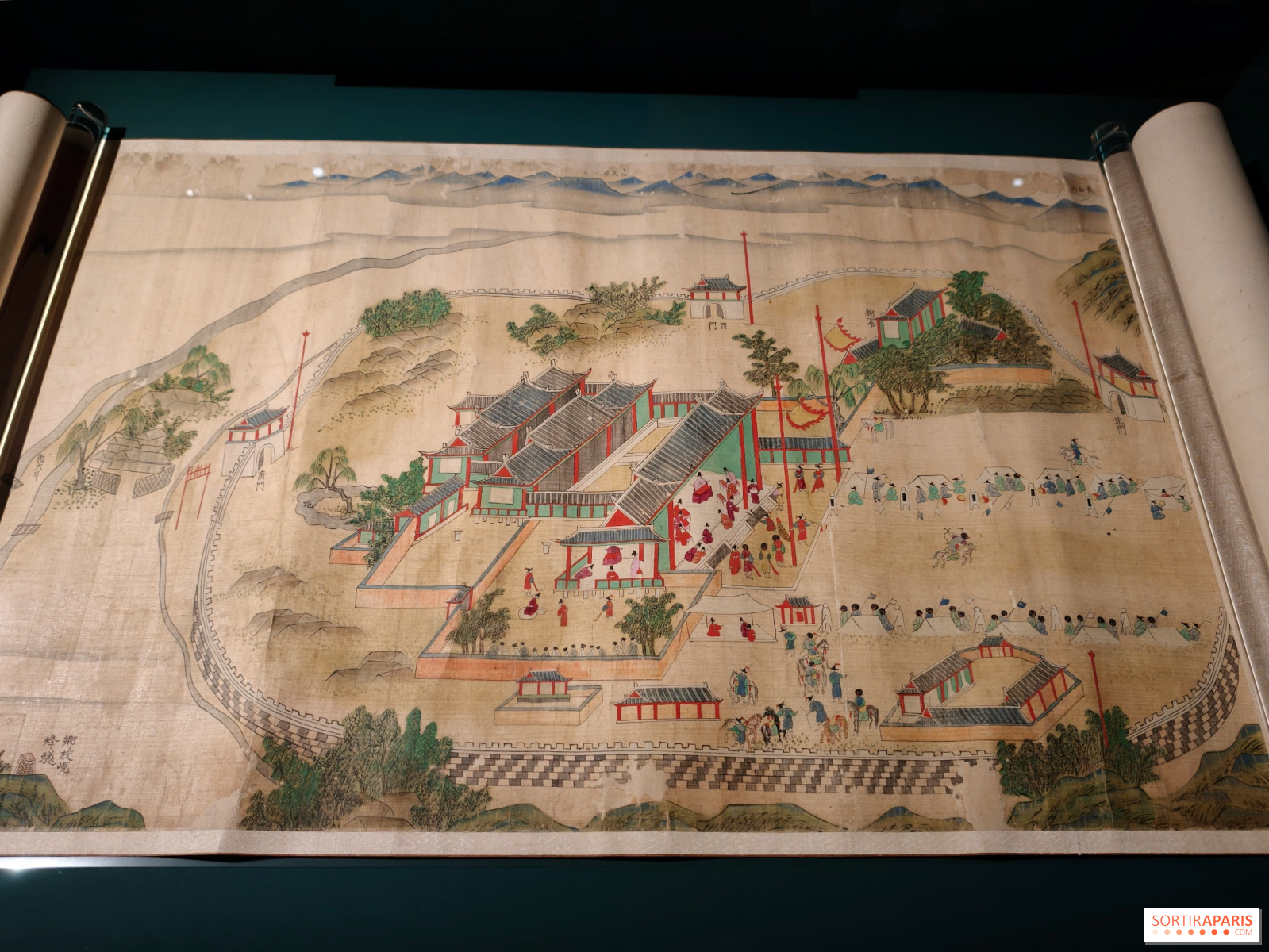
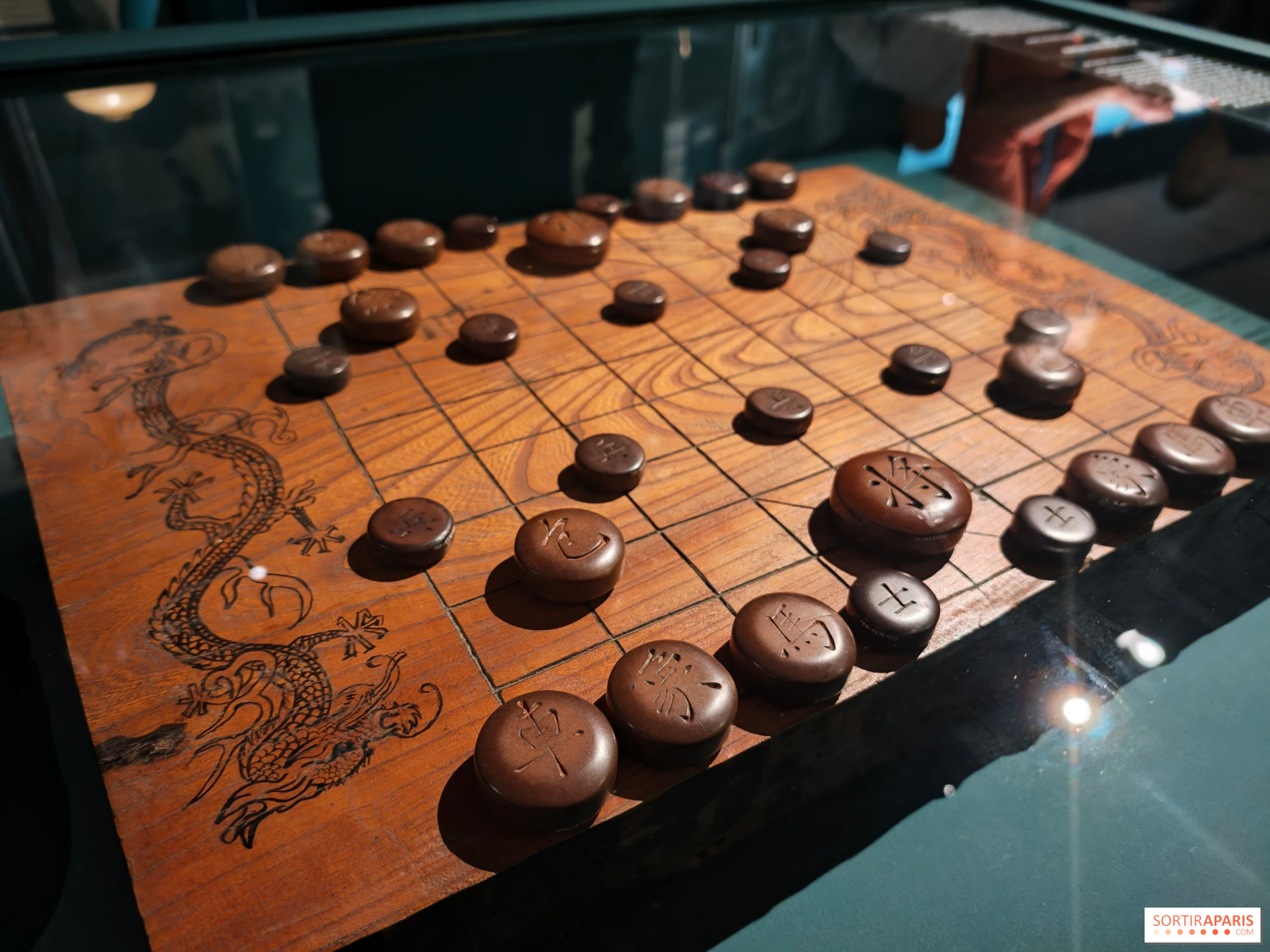
Paintings, folding screens, decorative objects, or everyday items: the Guimet Museum presents a varied selection of works that engage the senses, in a curated journey through Korean art from the 18th to the 20th century.
This test was conducted as part of a professional invitation. If your experience differs from ours, please let us know.
Dates and Opening Time
From September 16, 2026 to January 4, 2027
Location
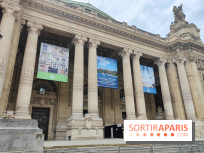
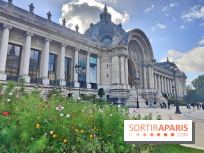
Musée National des Arts Asiatiques Guimet
6, place d´ Iéna - 19, avenue d´ Iéna
75116 Paris 16
Route planner
Accessibility info
Access
Metro line 9 "Iéna" station
Prices
Moins de 26 ans: Free
Tarif réduit: €12
Plein tarif: €15
Official website
www.guimet.fr


![[IN]IMAGINABLE : nos photos de l'expo à Fluctuart - Fluctuart 15](https://cdn.sortiraparis.com/images/18/114756/1309577-imaginable-nos-photos-de-l-expo-a-fluctuart-fluctuart-15.jpg)
![[IN]IMAGINABLE : nos photos de l'expo à Fluctuart - Fluctuart 15](https://cdn.sortiraparis.com/images/19/114756/1309577-imaginable-nos-photos-de-l-expo-a-fluctuart-fluctuart-15.jpg)
![[IN]IMAGINABLE : nos photos de l'expo à Fluctuart - Fluctuart 15](https://cdn.sortiraparis.com/images/20/114756/1309577-imaginable-nos-photos-de-l-expo-a-fluctuart-fluctuart-15.jpg)