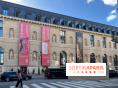
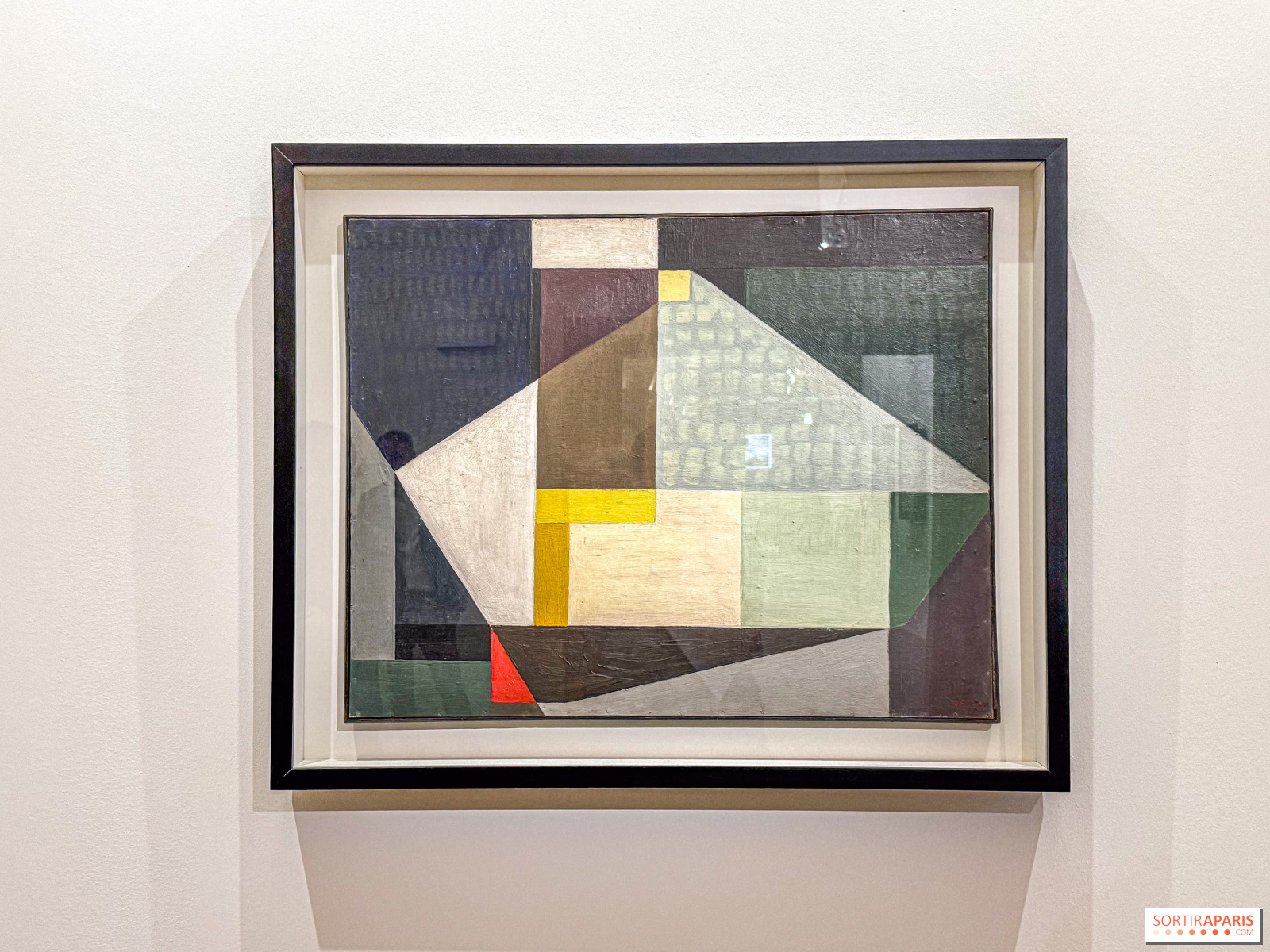
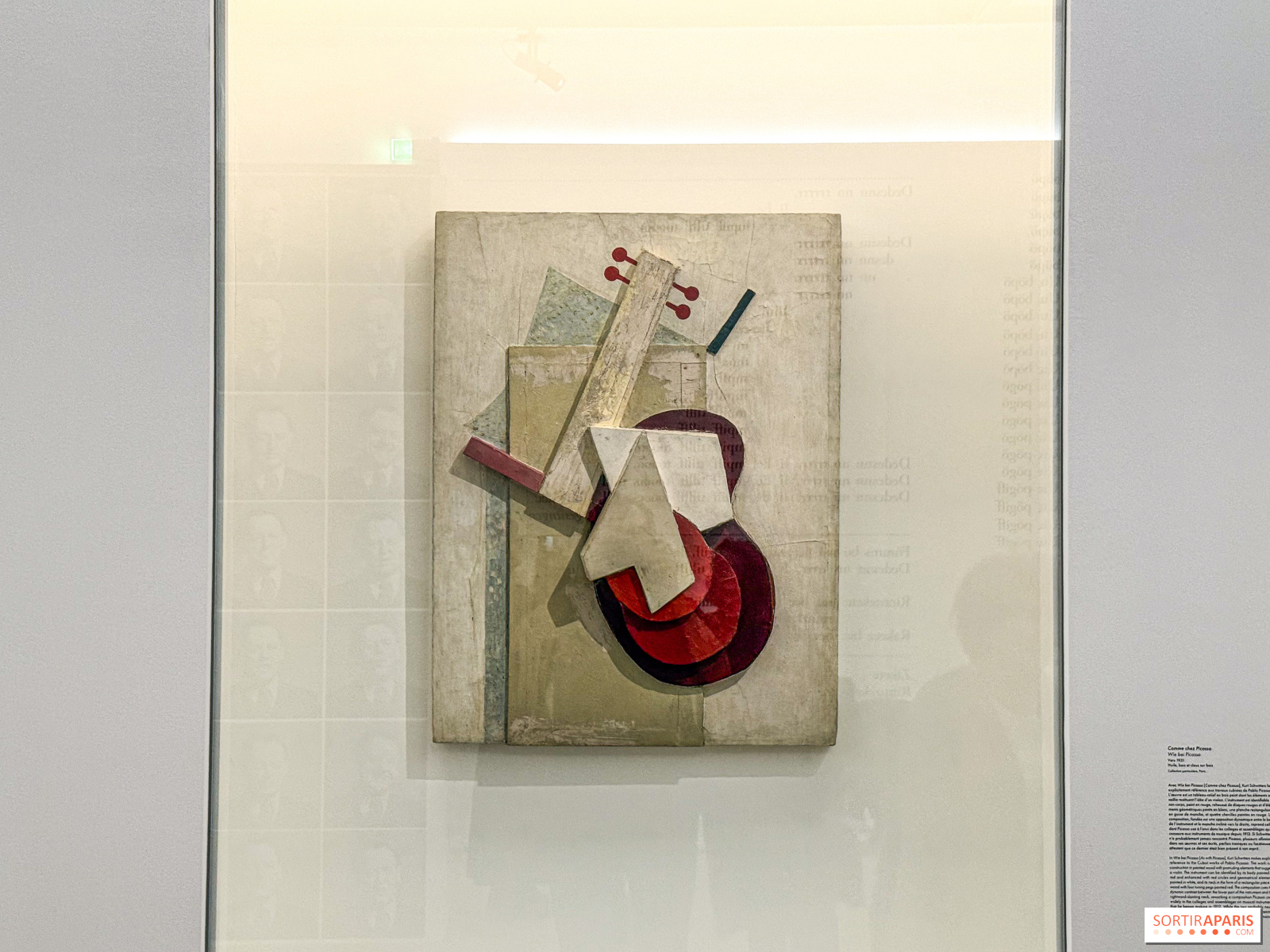
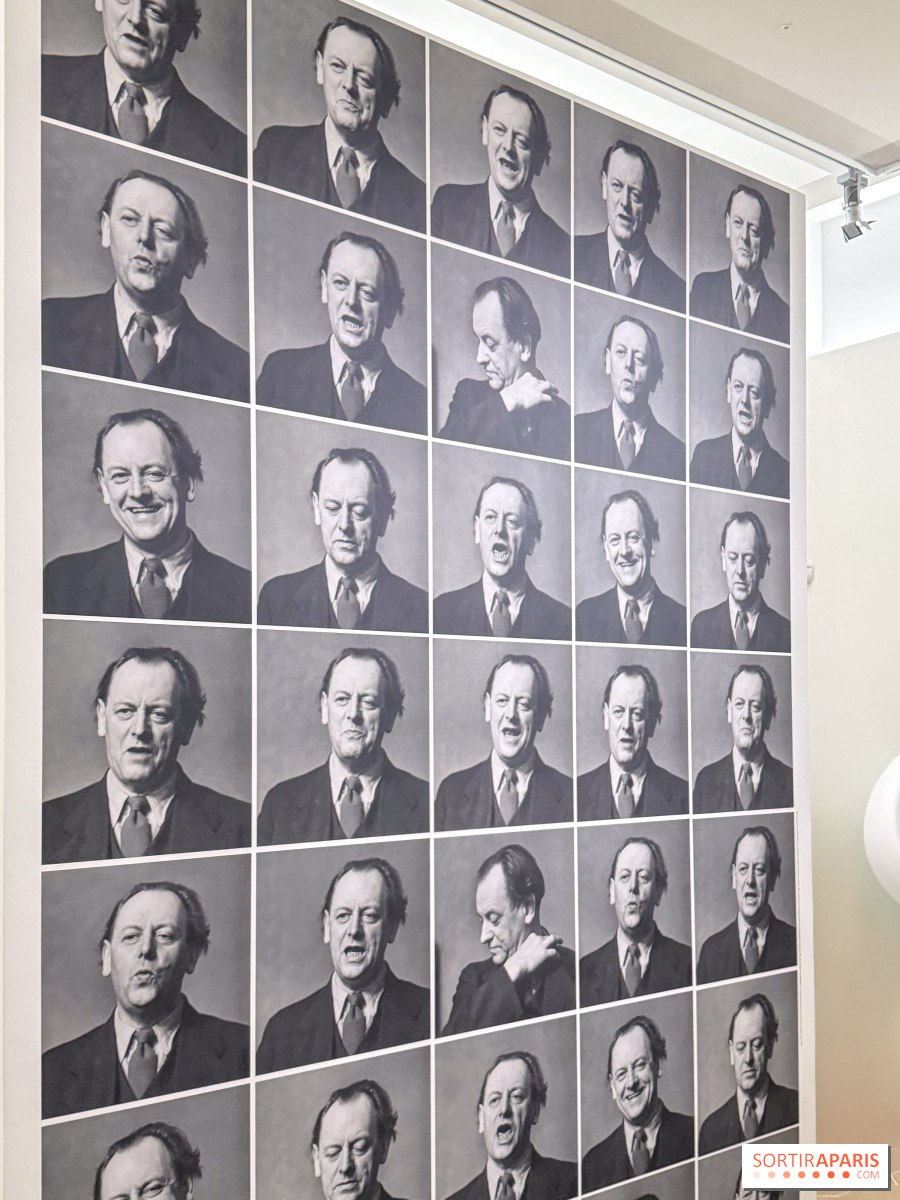
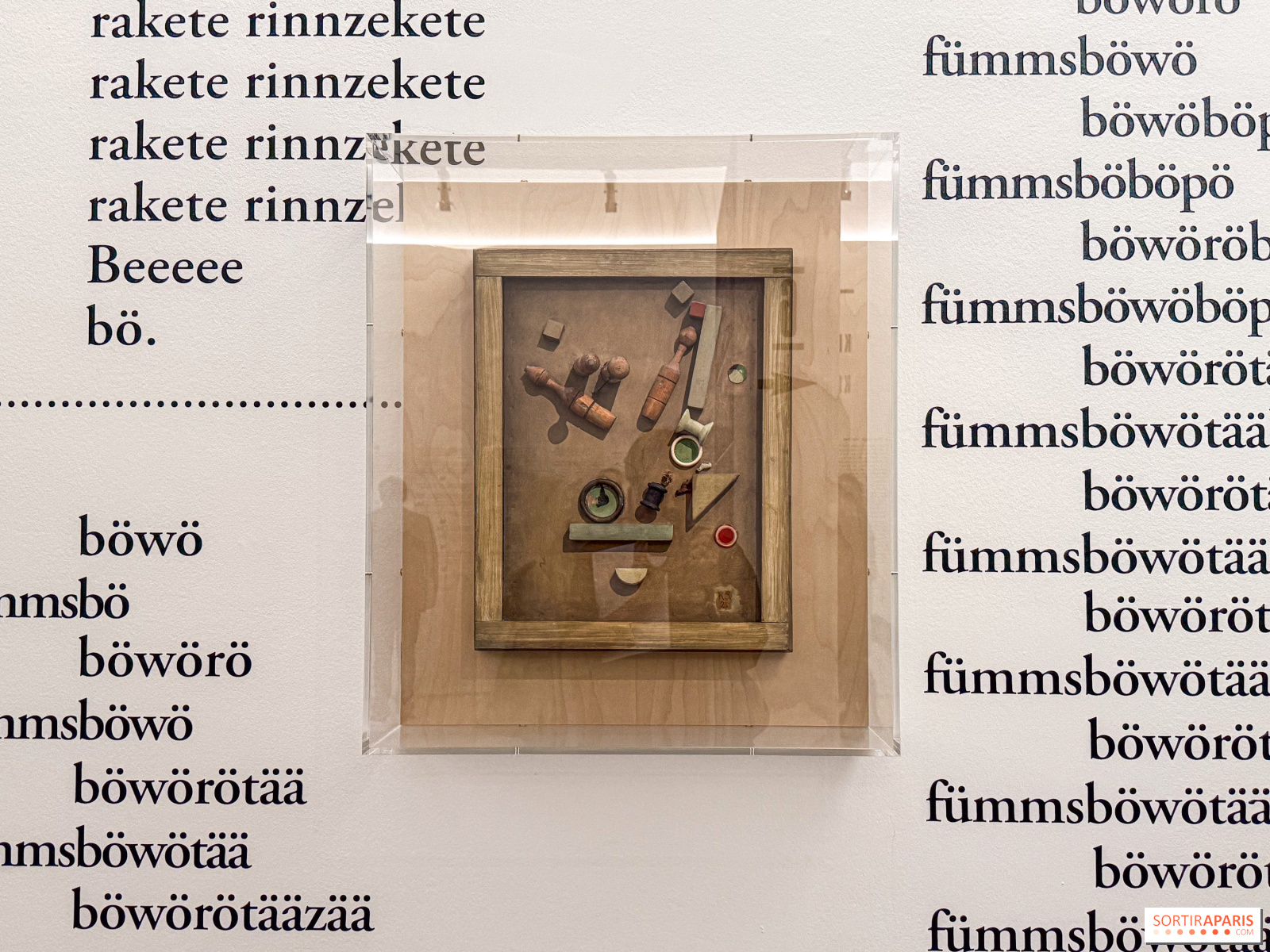
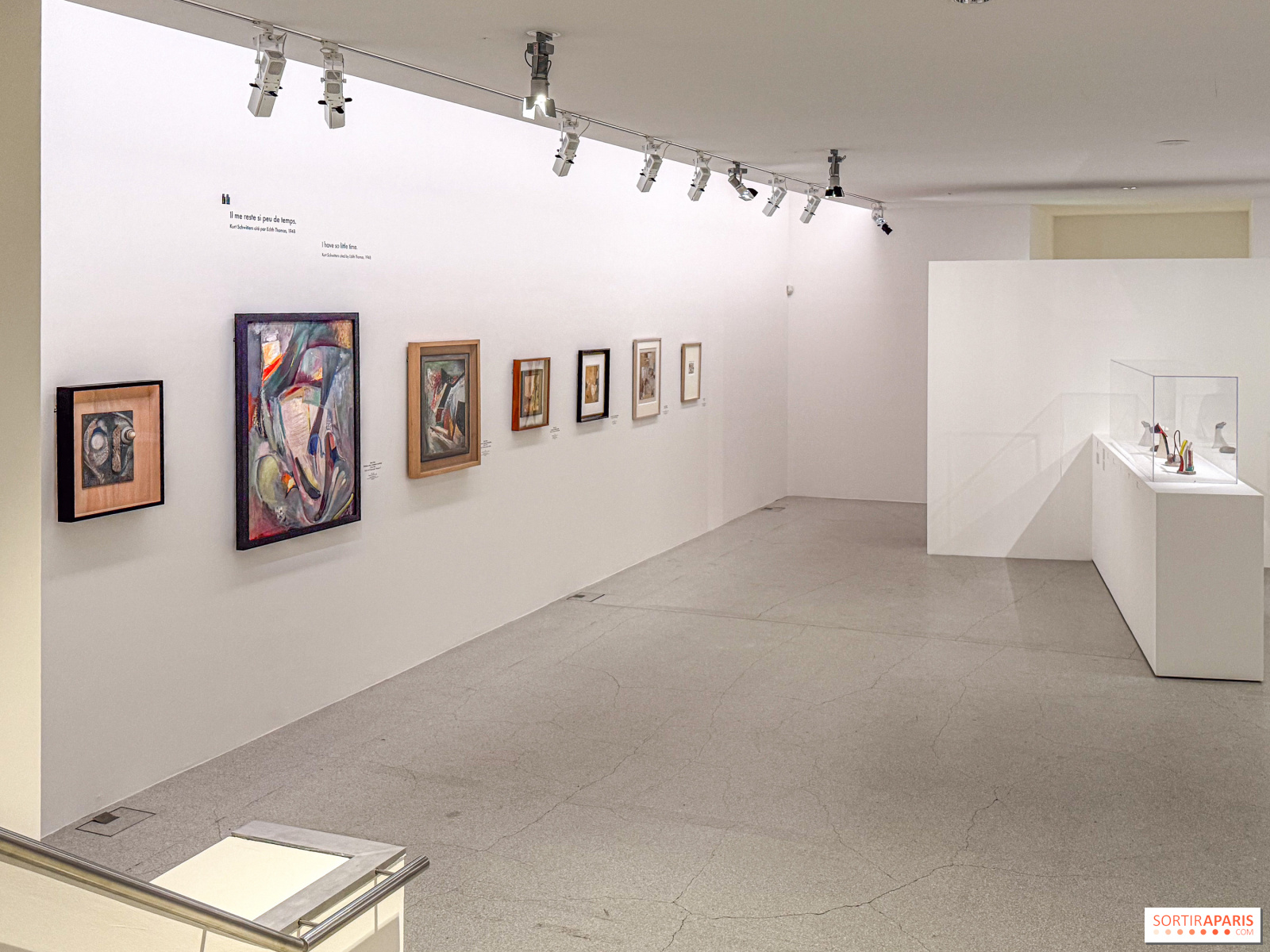
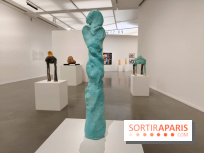
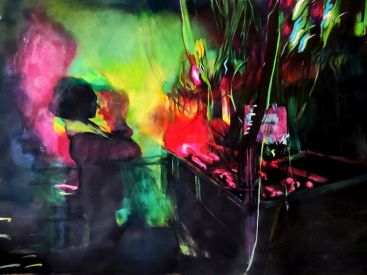
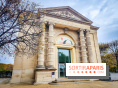
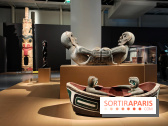
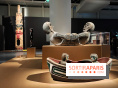
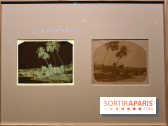
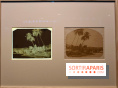
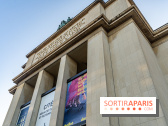
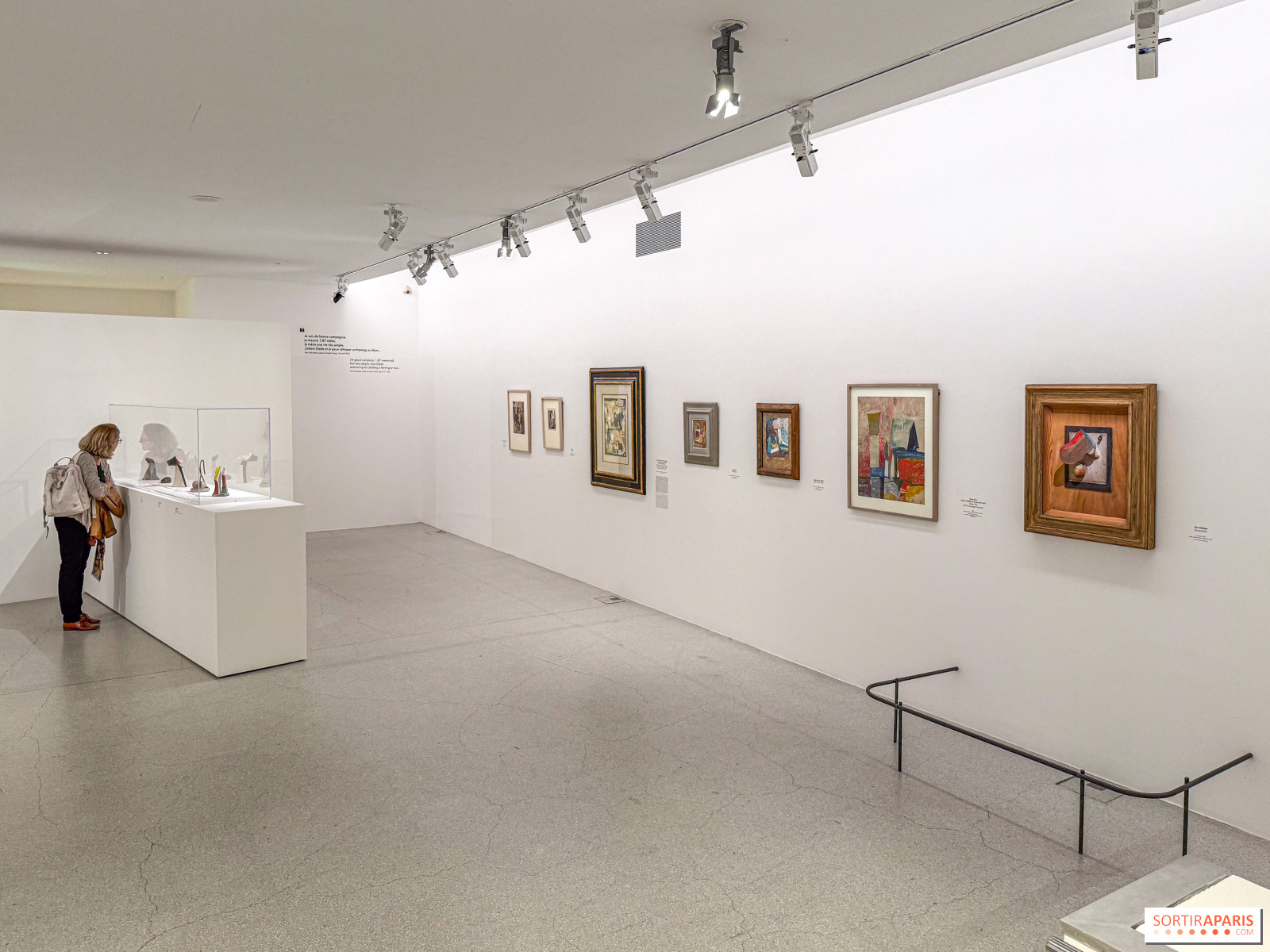
A piece of wood, a torn newspaper, a string: for him, anything can become material for creation. Kurt Schwitters s’expose à Paris with a retrospective bringing together more than 300 works and documents at the Musée national Picasso-Paris, from 6 October 2026 to 7 February 2027. Titled Kurt Schwitters. Le chaos-monde. 1918-1948, this exhibition in the Marais, the first retrospective devoted to the artist in France in more than thirty years, explores his paintings, collages, sculptures and assemblages made from salvaged materials. On the ground floor and in the basement of the Hôtel Salé, in the 3rd arrondissement, the route organized with the Sprengel Museum Hannover and the Kurt und Ernst Schwitters Stiftung traces the myriad innovations of the Merz creator.
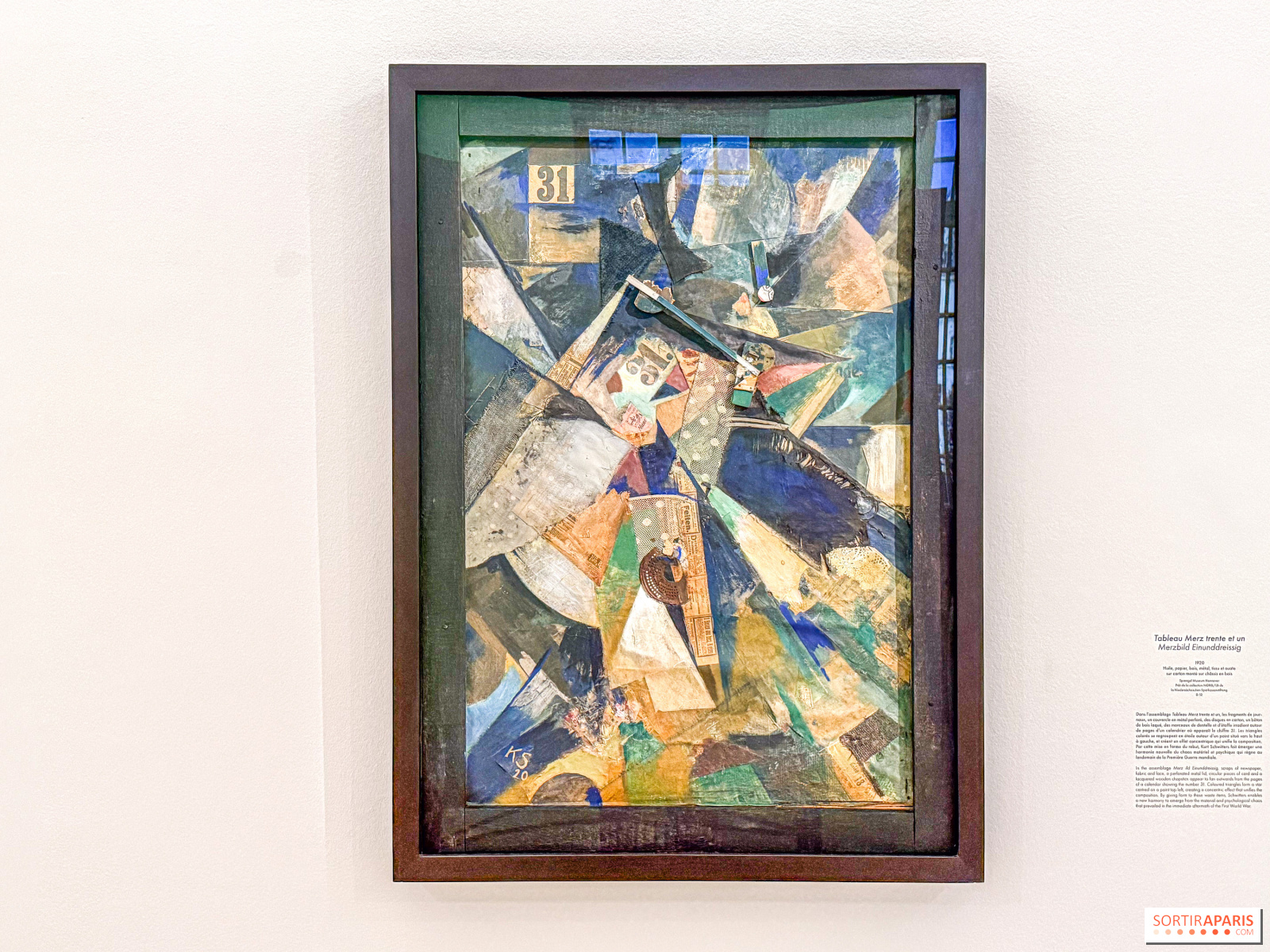
Painter, sculptor, poet, musician, printer and performer, Kurt Schwitters (1887–1948) pursued a multitude of practices without being boxed in by a single discipline. Close to Dada and the constructivists, he developed an approach that bridged his various activities. In his compositions, fragments of everyday life retain their textures, inscriptions and signs of use, while participating in new balances of form, material and color.
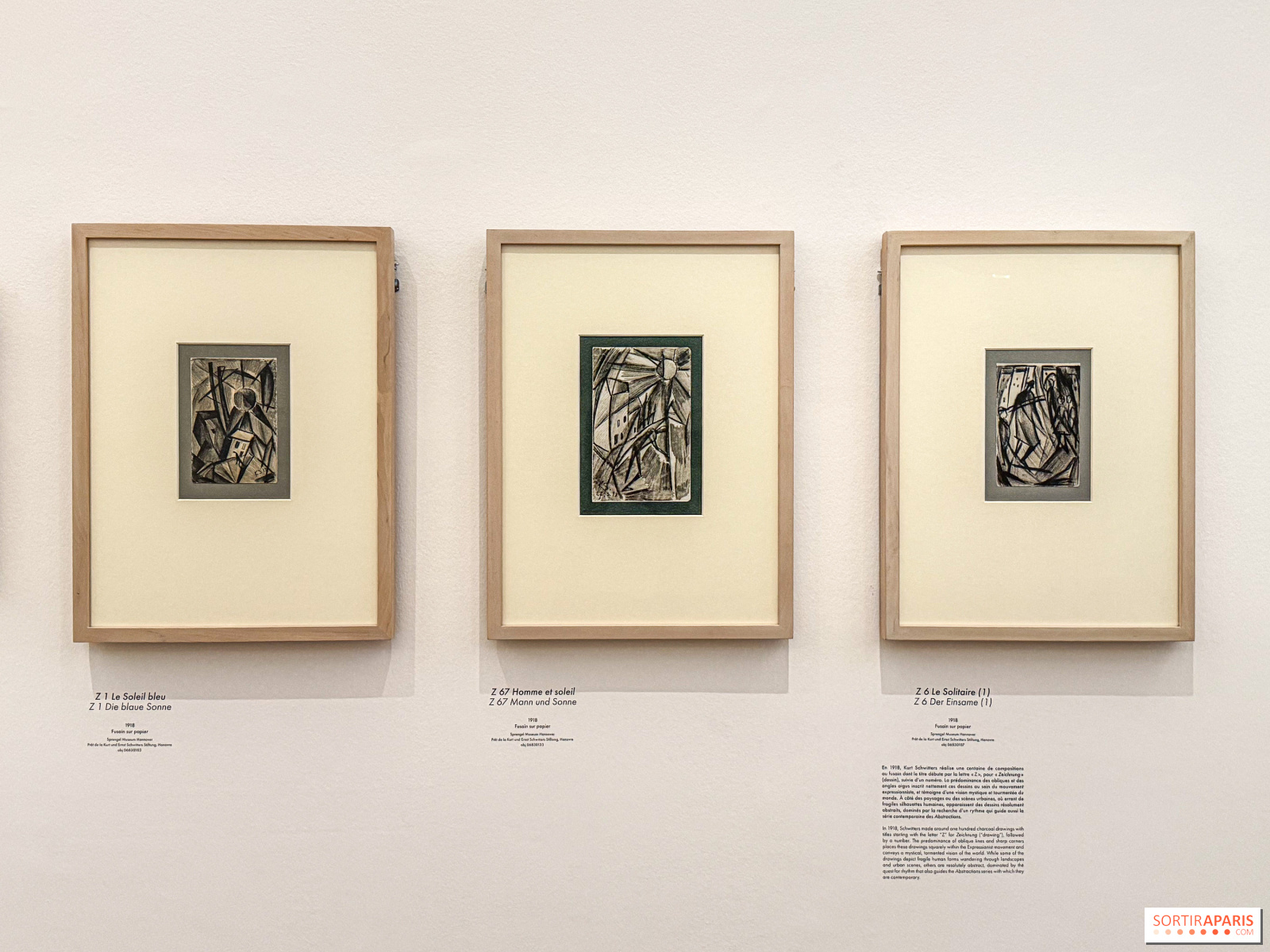
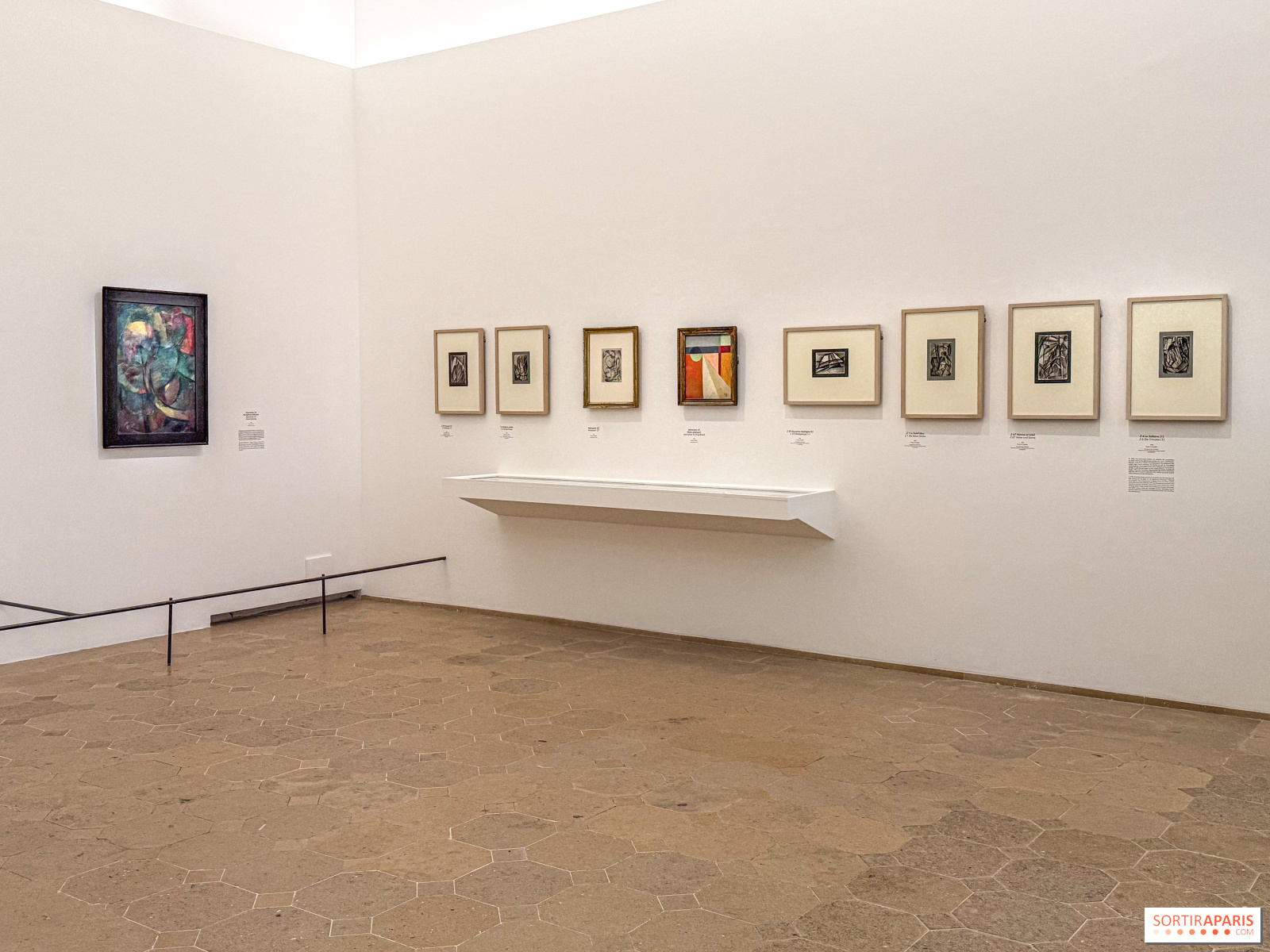
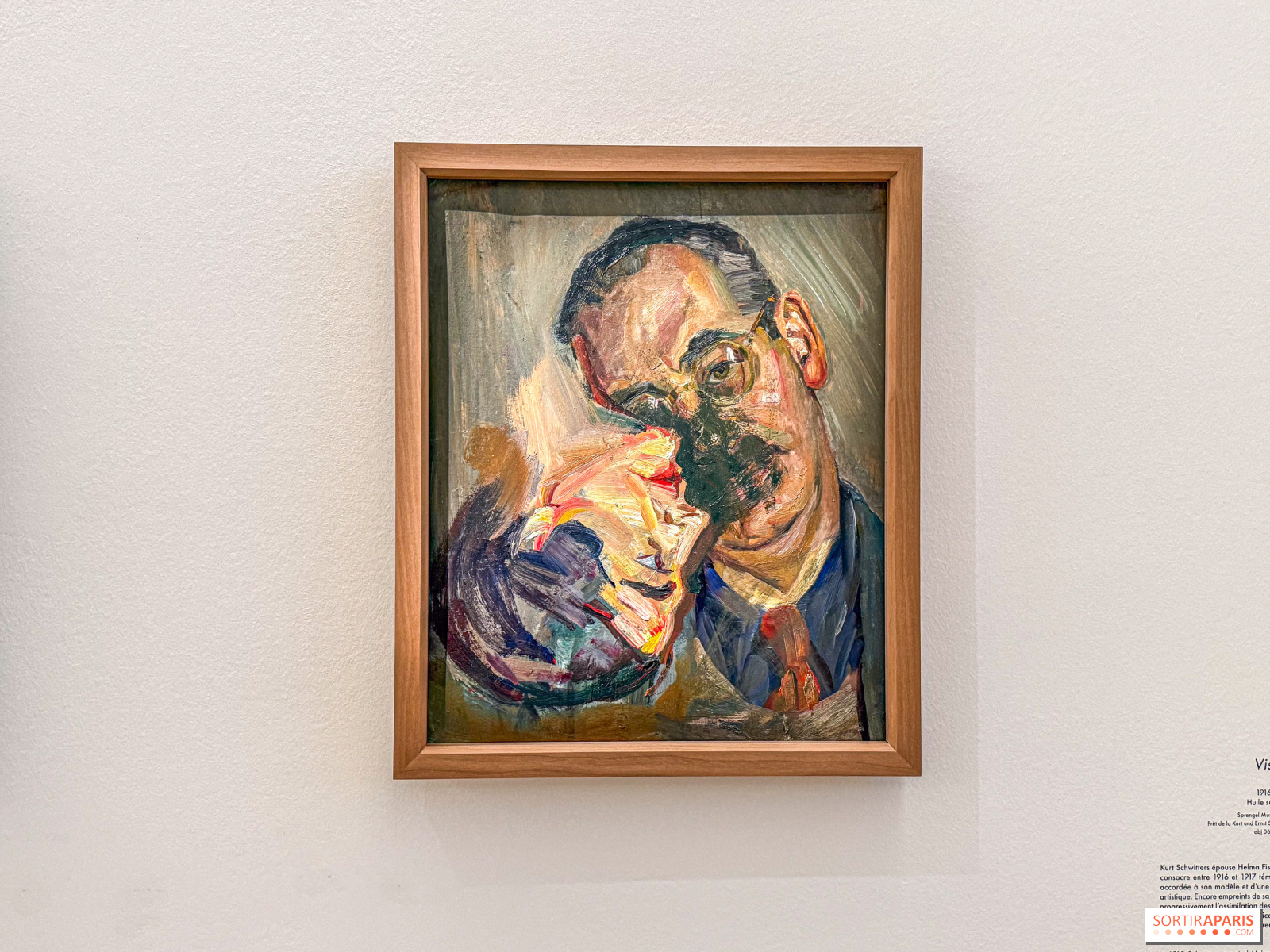
The career begins by revisiting his training and early paintings. A student at the Royal Academy of Dresden, Schwitters produced portraits and still lifes in a classical style, before turning to Expressionism, and then to abstraction. The Berlin-based magazine and gallery Der Sturm accompanied this evolution: from 1918 to 1927 he contributed to more than forty issues and participated in nine solo and group exhibitions.
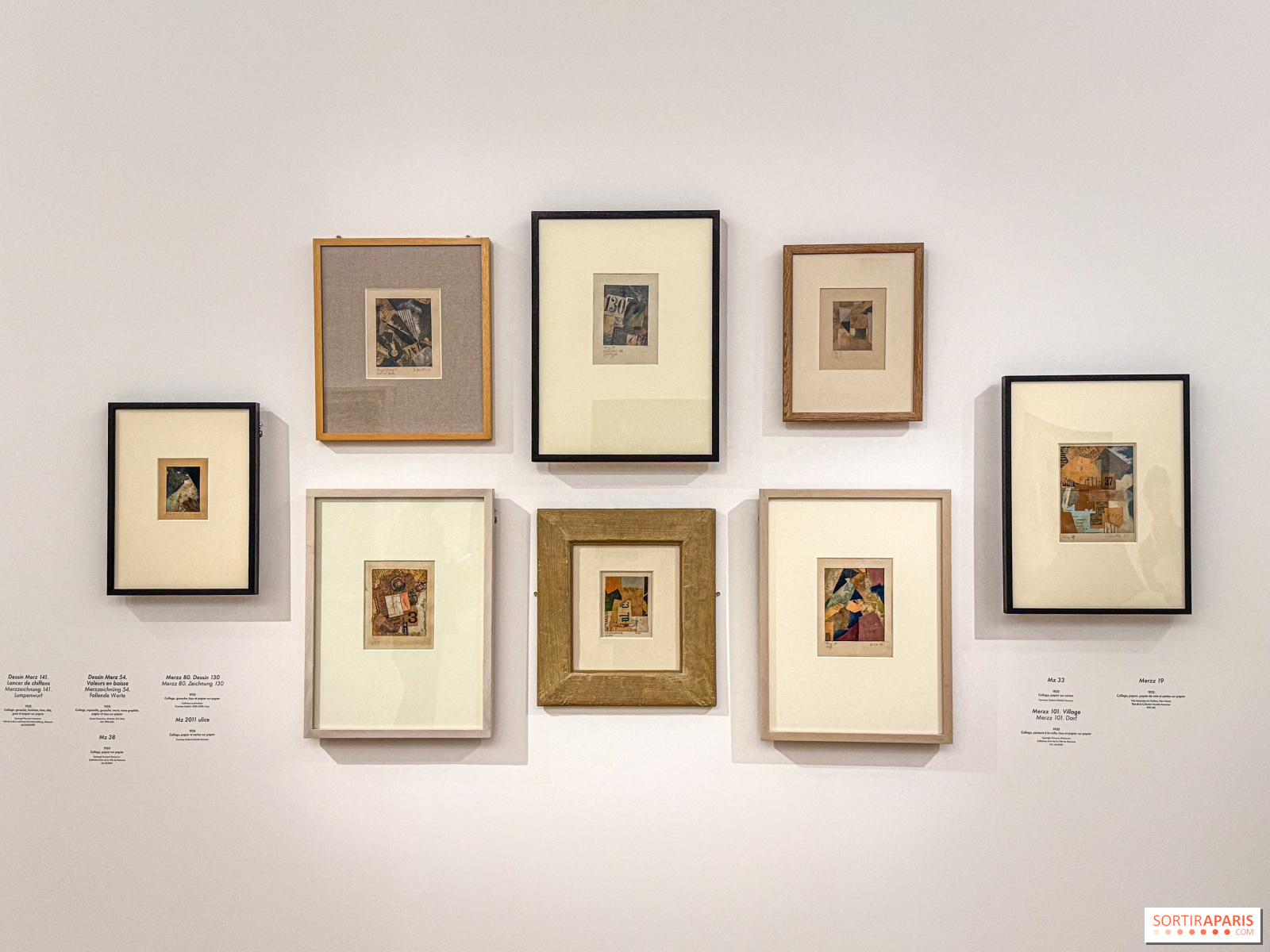
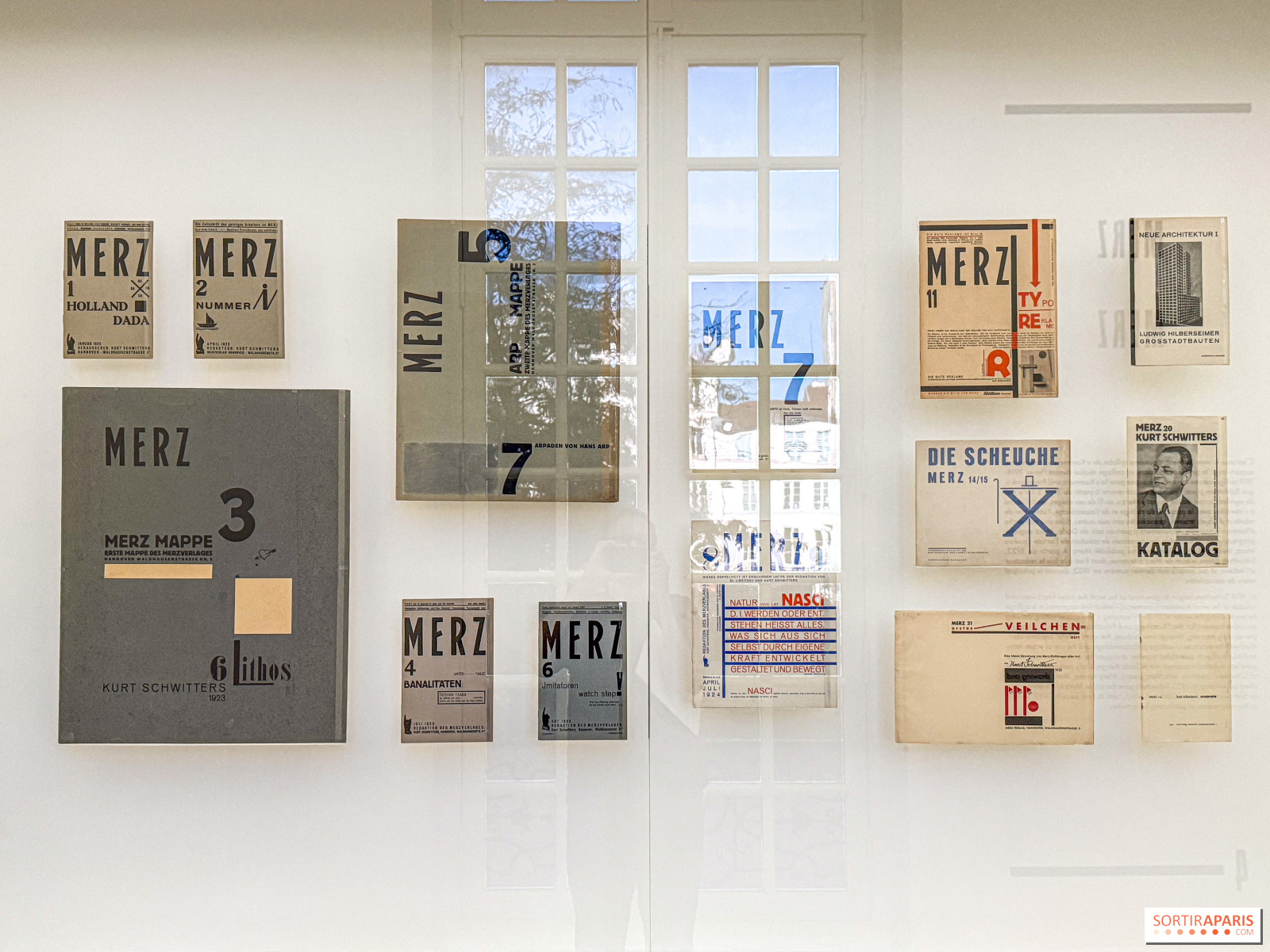
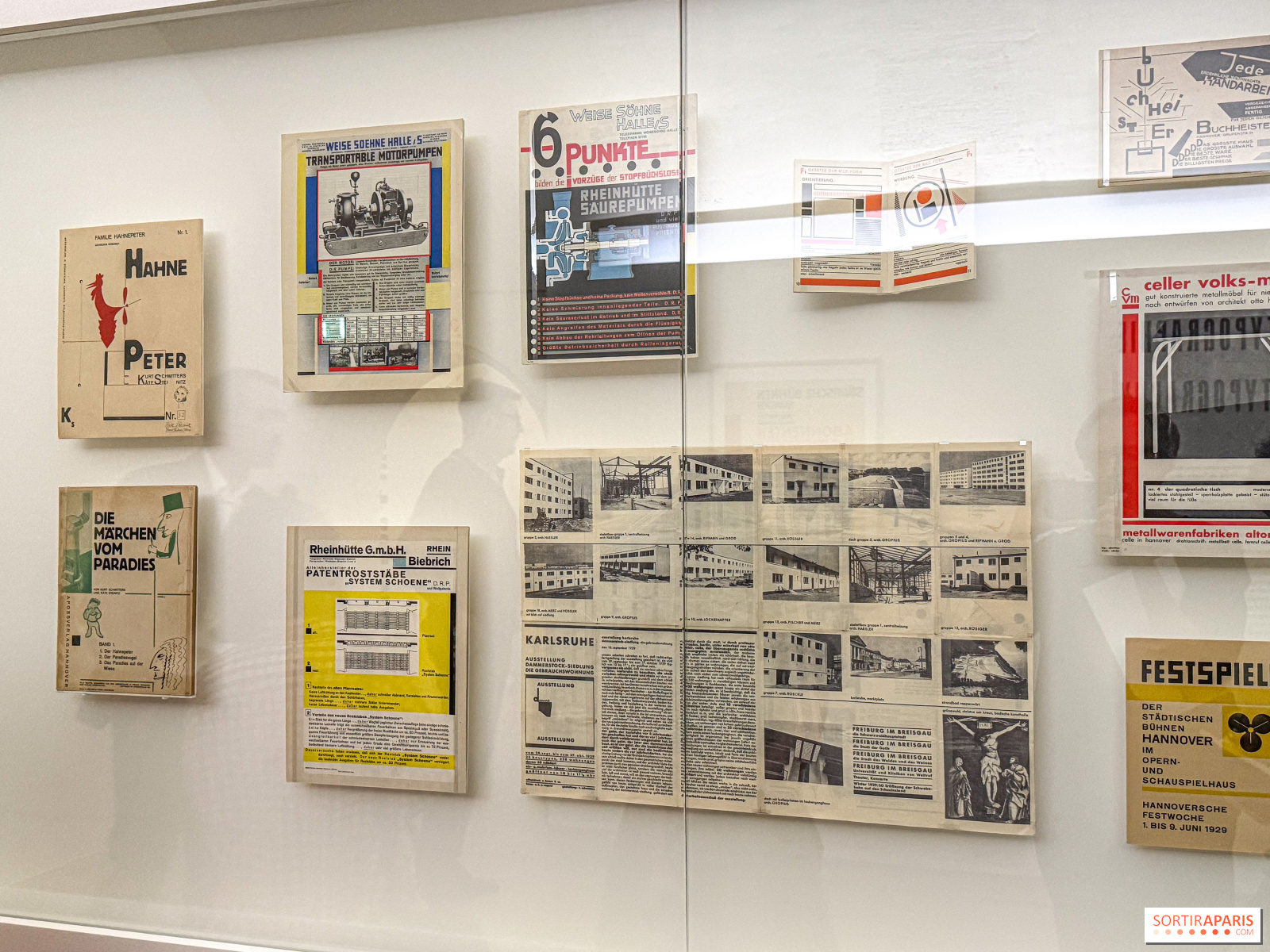
The word Merz appears in a collage from the winter 1918-1919, taken from a cut-out advertisement for the « Kommerz und Privatbank ». This fragment becomes the name of an approach that gradually permeates all his activities, from poetry to theater, and even advertising. Schwitters also adopts it for his revue, which he writes and edits from 1923 until its final issue in 1932.
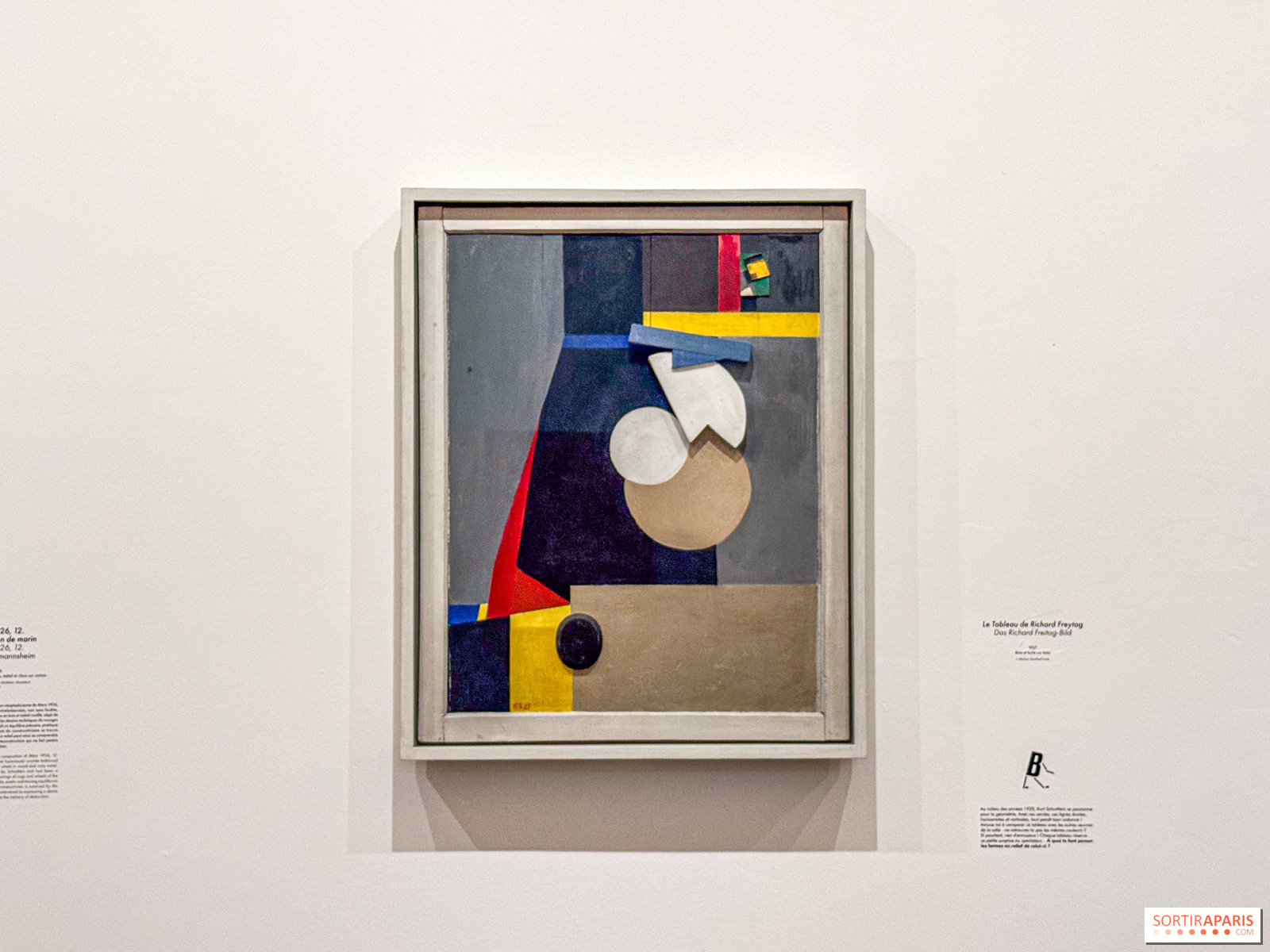
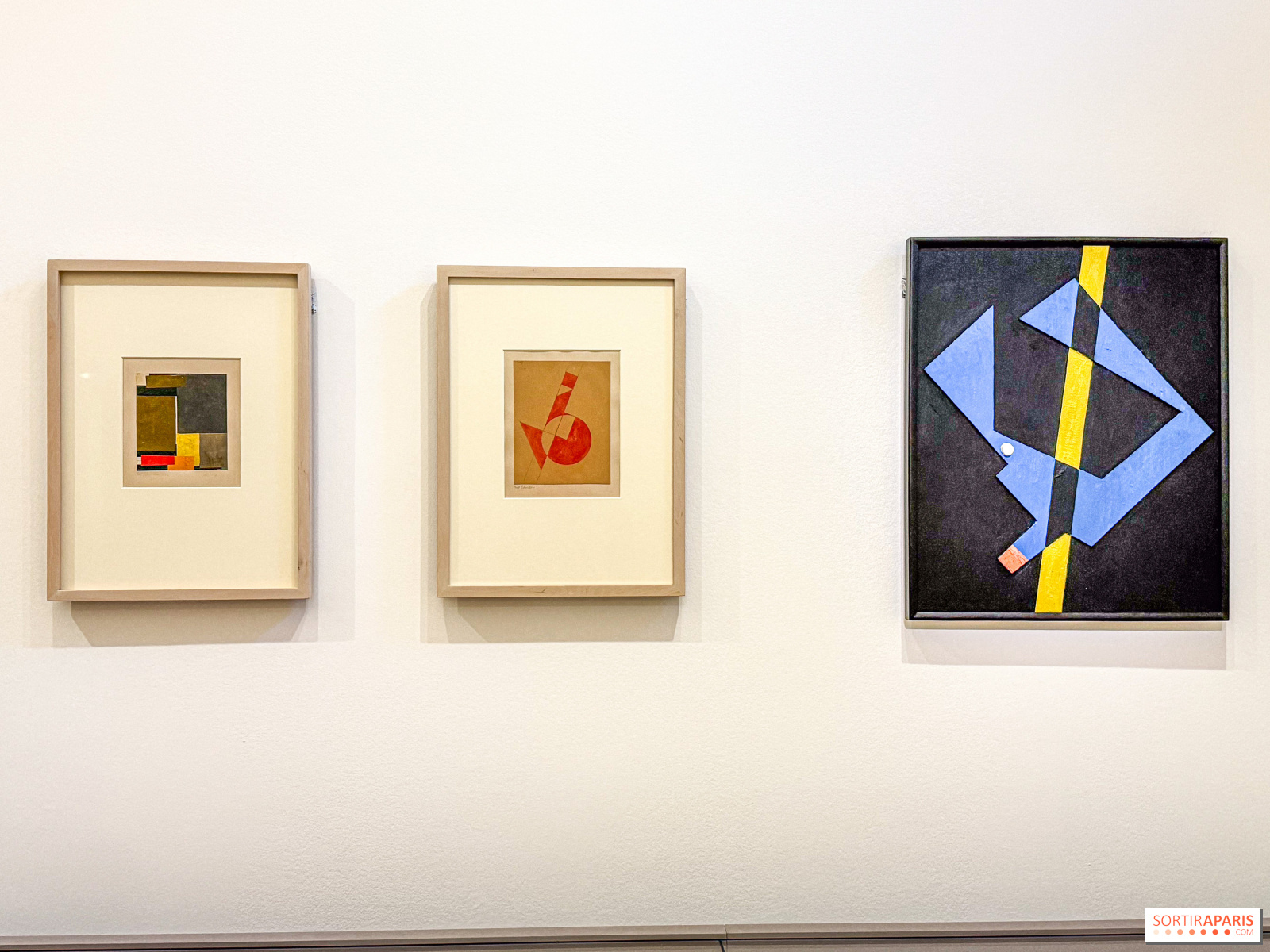
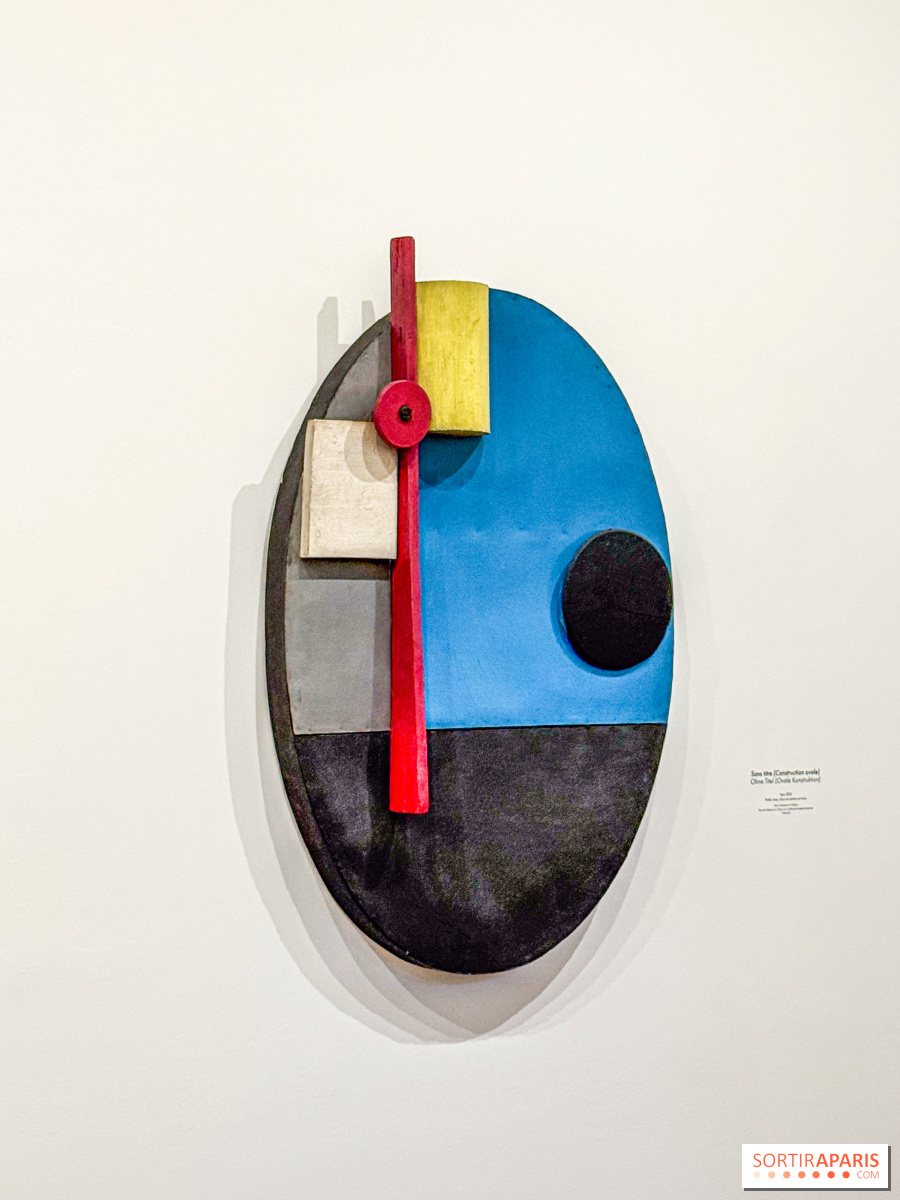
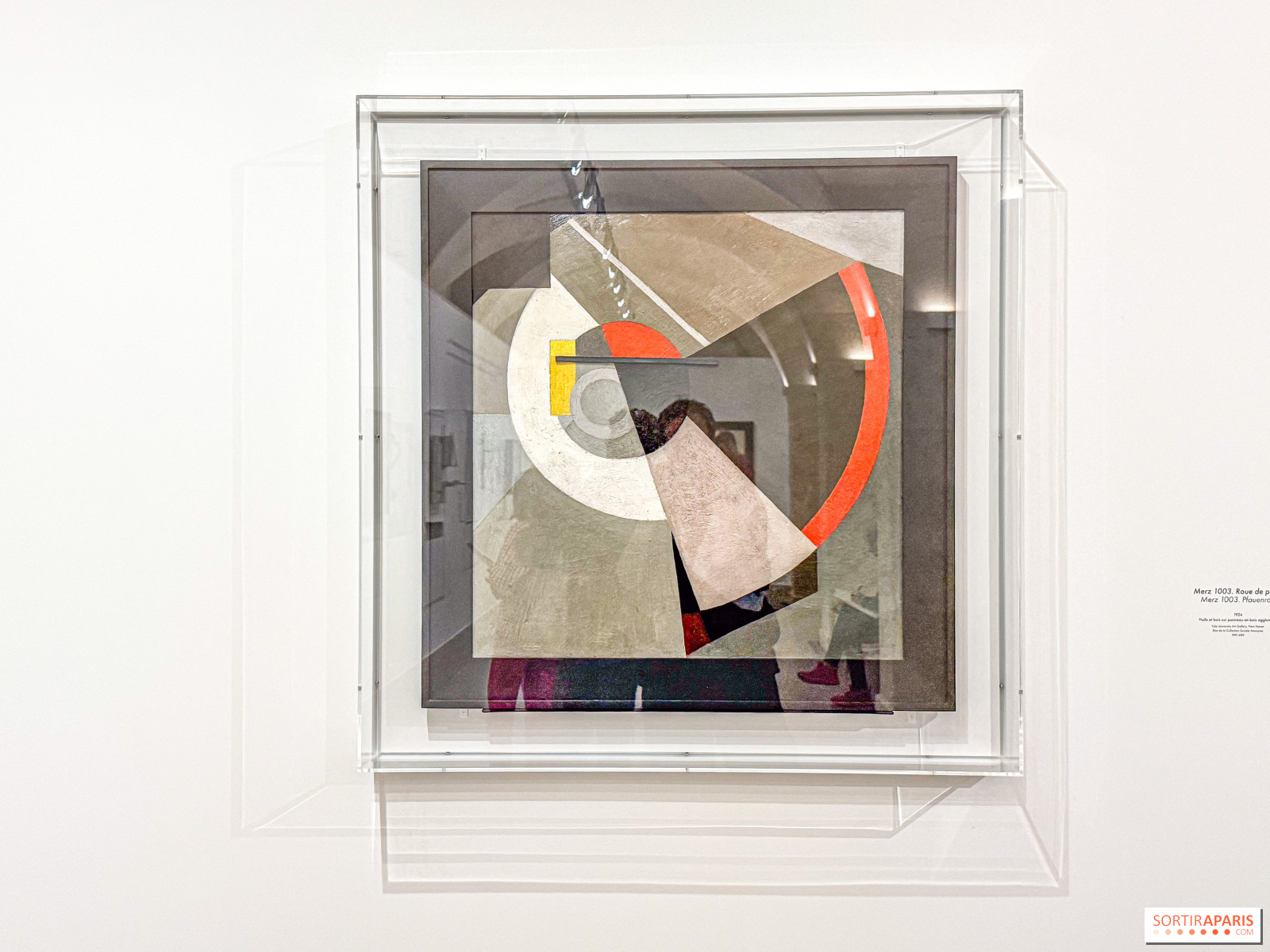
The exhibition highlights the links between Kurt Schwitters and Pablo Picasso, notably their shared approach of weaving real objects into painting and sculpture. It also places the German artist within the fabric of the European avant-garde. Through his contact with Theo van Doesburg and the ideas of the De Stijl group, his works adopt straight lines, geometric shapes, and a more restrained palette, while preserving the irregularities characteristic of his universe.
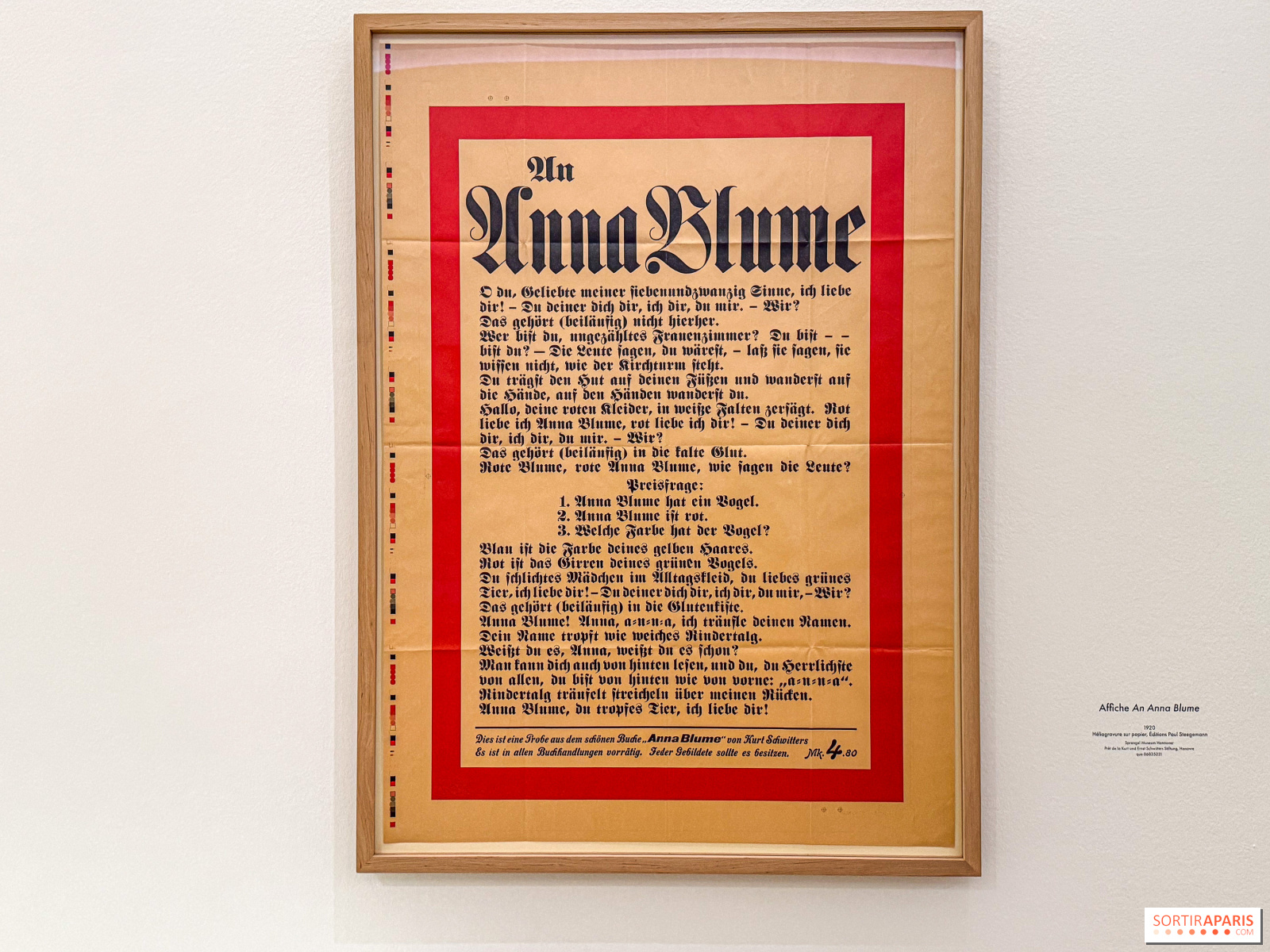
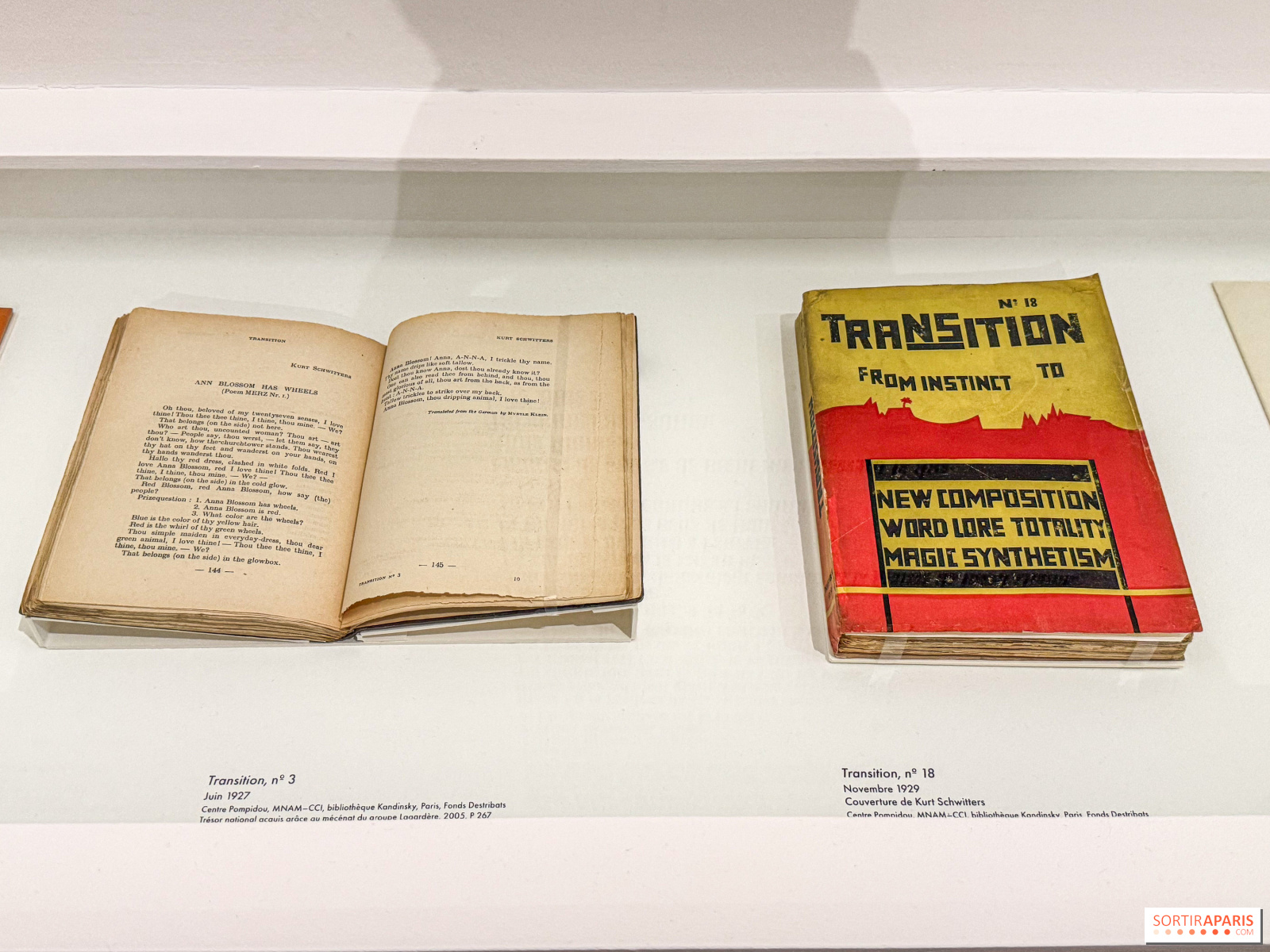
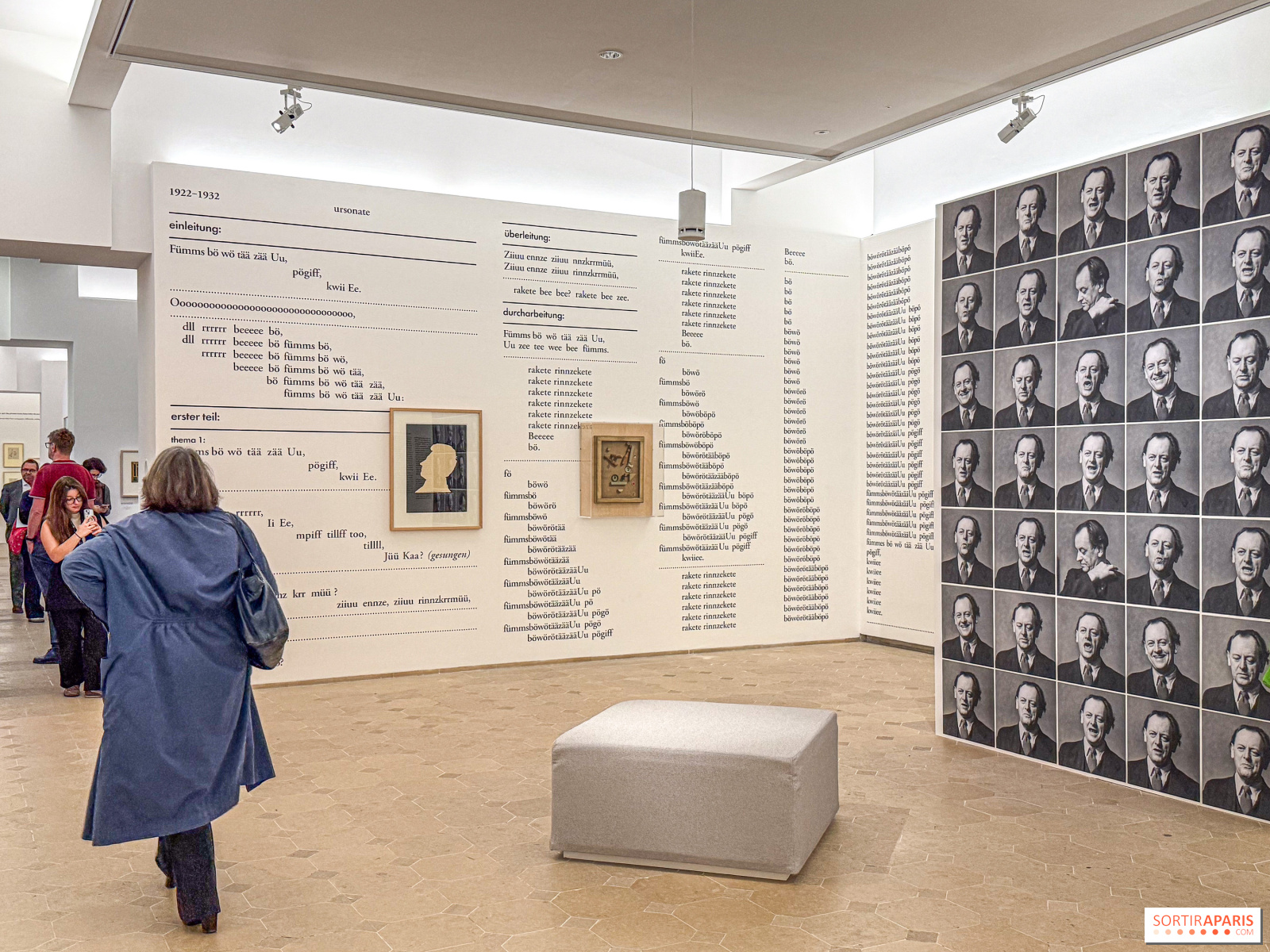
The emphasis on the texts underscores that collage for him extends beyond the visual arts. Published in 1919, the collection Anna Blume. Dichtungen twists the conventions of love poetry. Schwitters toys with letters, expressions, and ways of speaking, assembling them as his materials. As the performer of his own texts, he is also among the pioneers of sound poetry, of which his Ursonate, a sonata built from primitive sounds, stands as a landmark work.
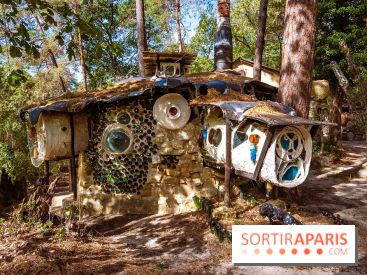
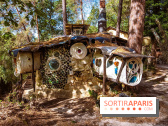
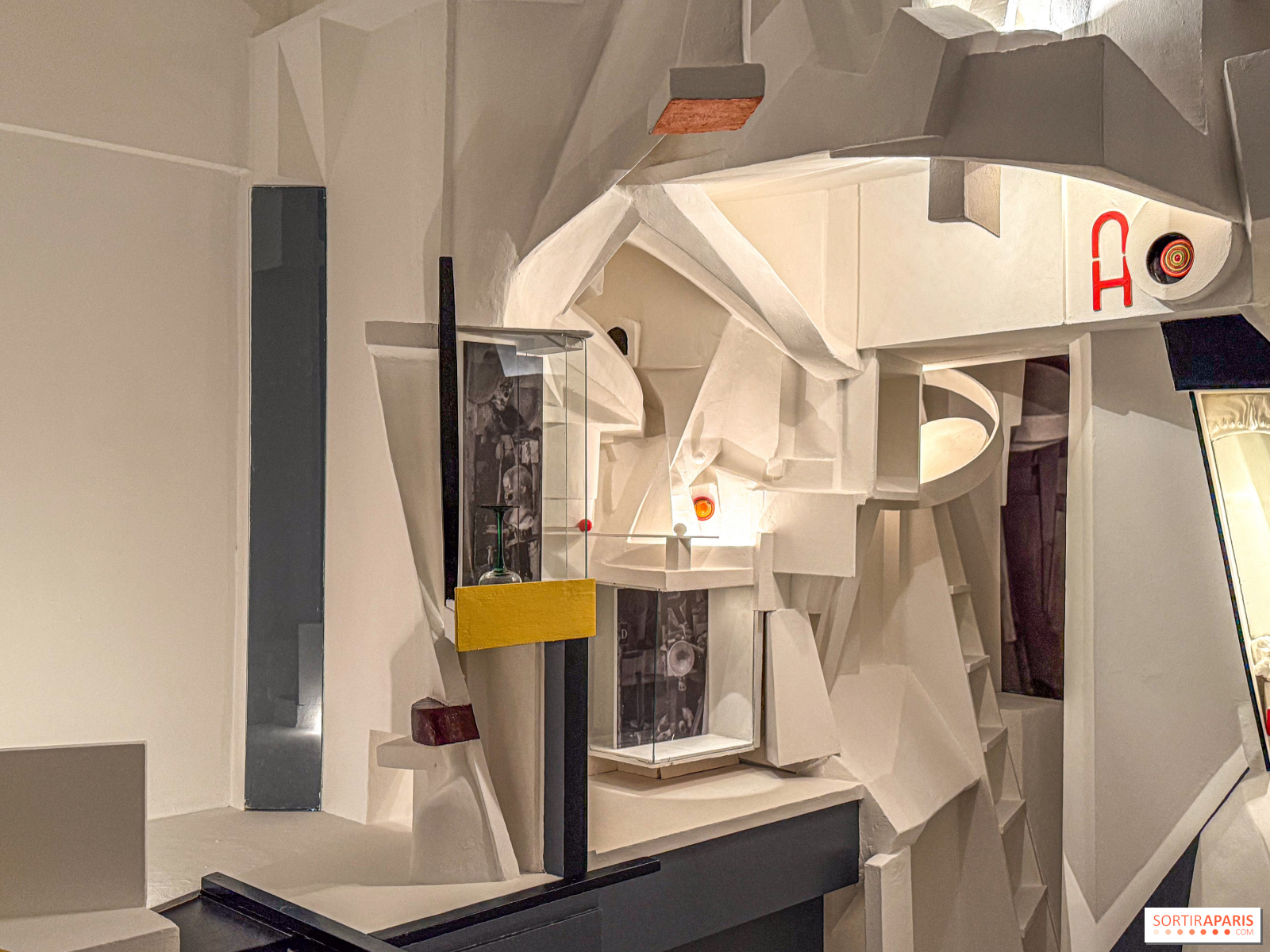
One of the highlights of the journey is the display of a reconstruction of the Merzbau. Developed in Schwitters' house in Hanover, this structure made of white volumes, interlocking planes, angles and hollows occupied several rooms when he left Germany in 1937. It was destroyed during the Allied bombing of 1943.
Between 1981 and 1983, the scenographer Peter Bissegger, with help from the artist’s son, Ernst Schwitters, re-created the main room from preserved photographs that document its condition in the early 1930s. One of the two versions of this reconstruction is on display at the Picasso Museum: it offers a sense of the volumes of a work that extended the assembly to the scale of the inhabited space.
Schwitters' stays in Norway from 1929 onward fuel his painted landscapes, photographs and collages, to which driftwood, seaweed and stones are added. The country then becomes a refuge. Labeled an artist as degenerate by the Nazi regime, he flees Germany in 1937, and must leave Norway in 1940 as the German offensive closes in.
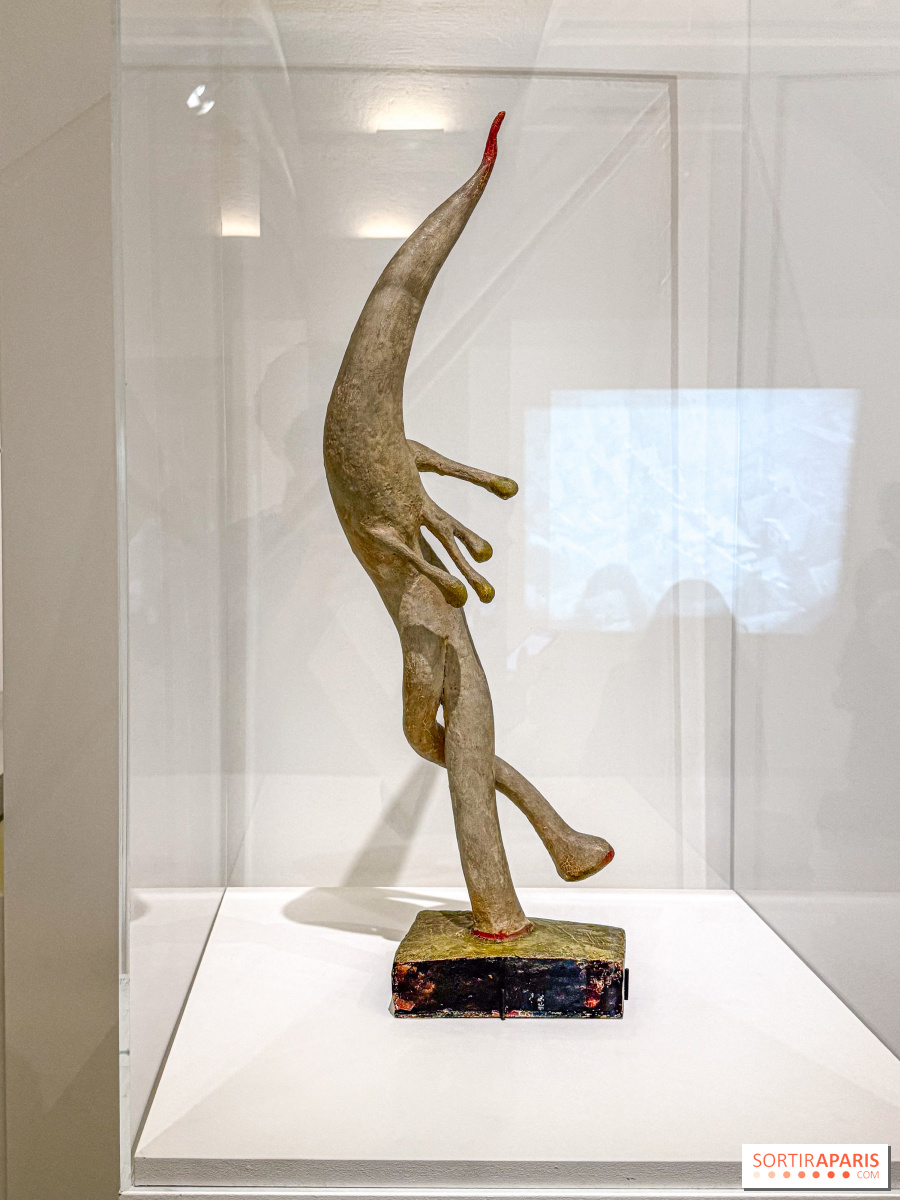
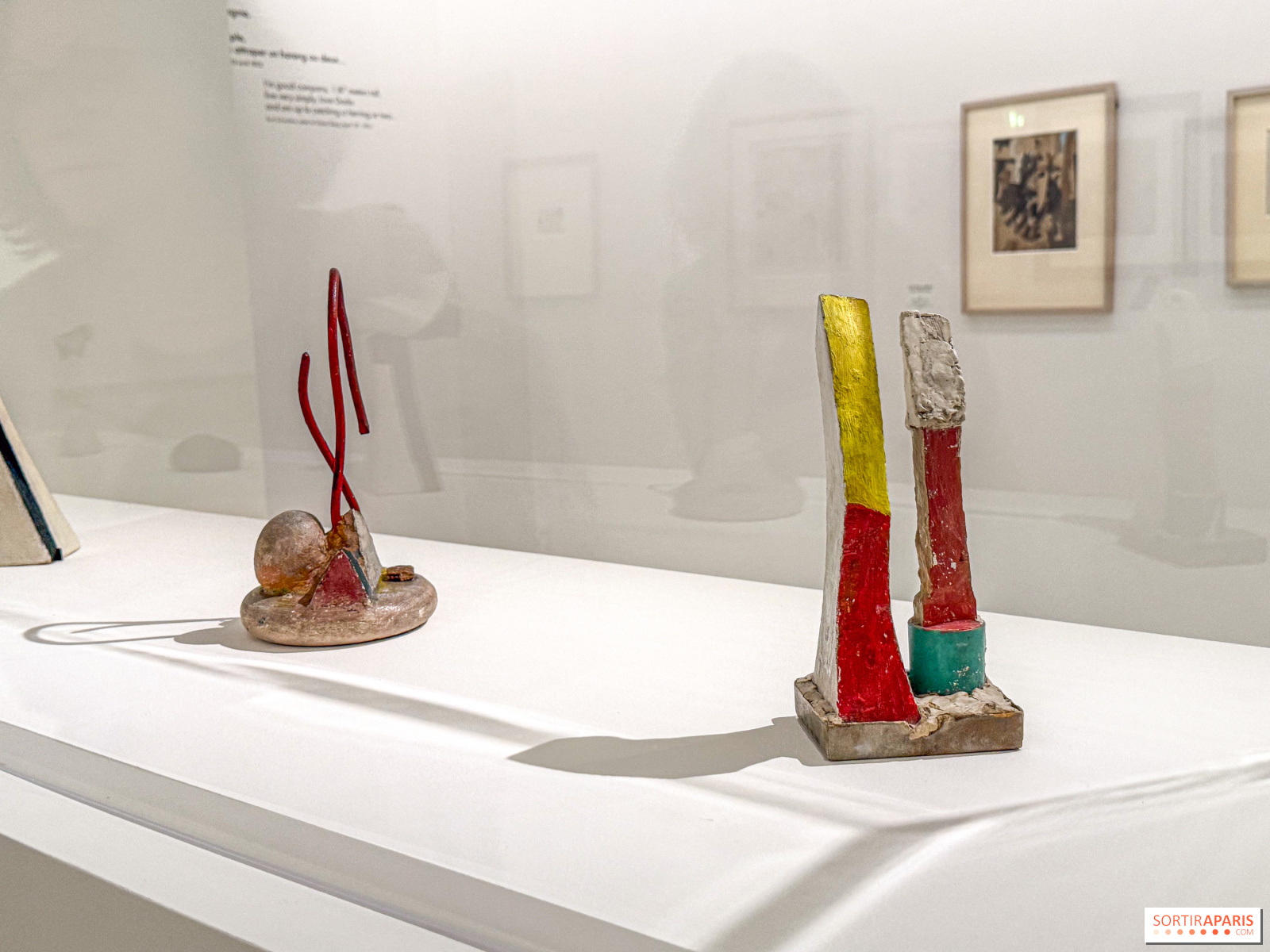
Arrived in the United Kingdom, he was interned on the Isle of Man, before being released in 1941. He then lived in London, and from 1945 in the Lake District. Despite precarious circumstances, he continued his collages, wrote in English and created small portable sculptures from simple materials. In 1947, he undertook in a barn the Merzbarn, a new version of his architectural project, left unfinished at his death, on 8 January 1948. His work would exert a major influence on the American neo-Dadaists, notably Robert Rauschenberg and his Combine Paintings.
To extend the visit, the Picasso Museum organizes, in partnership with the Université Paris 1 Panthéon-Sorbonne and with the Sprengel Museum of Hanover, the international conference Kurt Schwitters, Singular and Plural, on 12 and 13 November 2026 at the Sorbonne.
The program also includes, on October 10, 2026, the performance Étourneaux by Denis Savary, an ornithological transposition of the Ursonate performed by Jean Boucault and Johnny Rasse in the museum garden. An evening of sound poetry, with Jérôme Game and Michèle Métail, is slated for January 14, 2027 at the auditorium: another way of approaching a work that is as much to be looked at as to be heard.
This page may contain AI-assisted elements, more information here.
Dates and Opening Time
From October 6, 2026 to February 7, 2027
Location
Picasso National Museum
5, rue de Thorigny
75003 Paris 3
Route planner
Accessibility info
Prices
Tarif réduit: €12
Plein tarif: €16
Official website
www.museepicassoparis.fr
Booking
View the prices of this ticketing service
More information
Open Tuesday through Sunday, from 9:30 a.m. to 6 p.m.