Do you know the First Nations who inhabited the northwest coast of America? Films, books, and Western imagery have distorted our understanding of these peoples with a rich, vibrant culture, who were victims of colonization and globalization. From September 29, 2026 to January 17, 2027, the Quai Branly - Jacques Chirac Museum puts these peoples back in the spotlight, living between the Pacific Ocean and the rainforests.
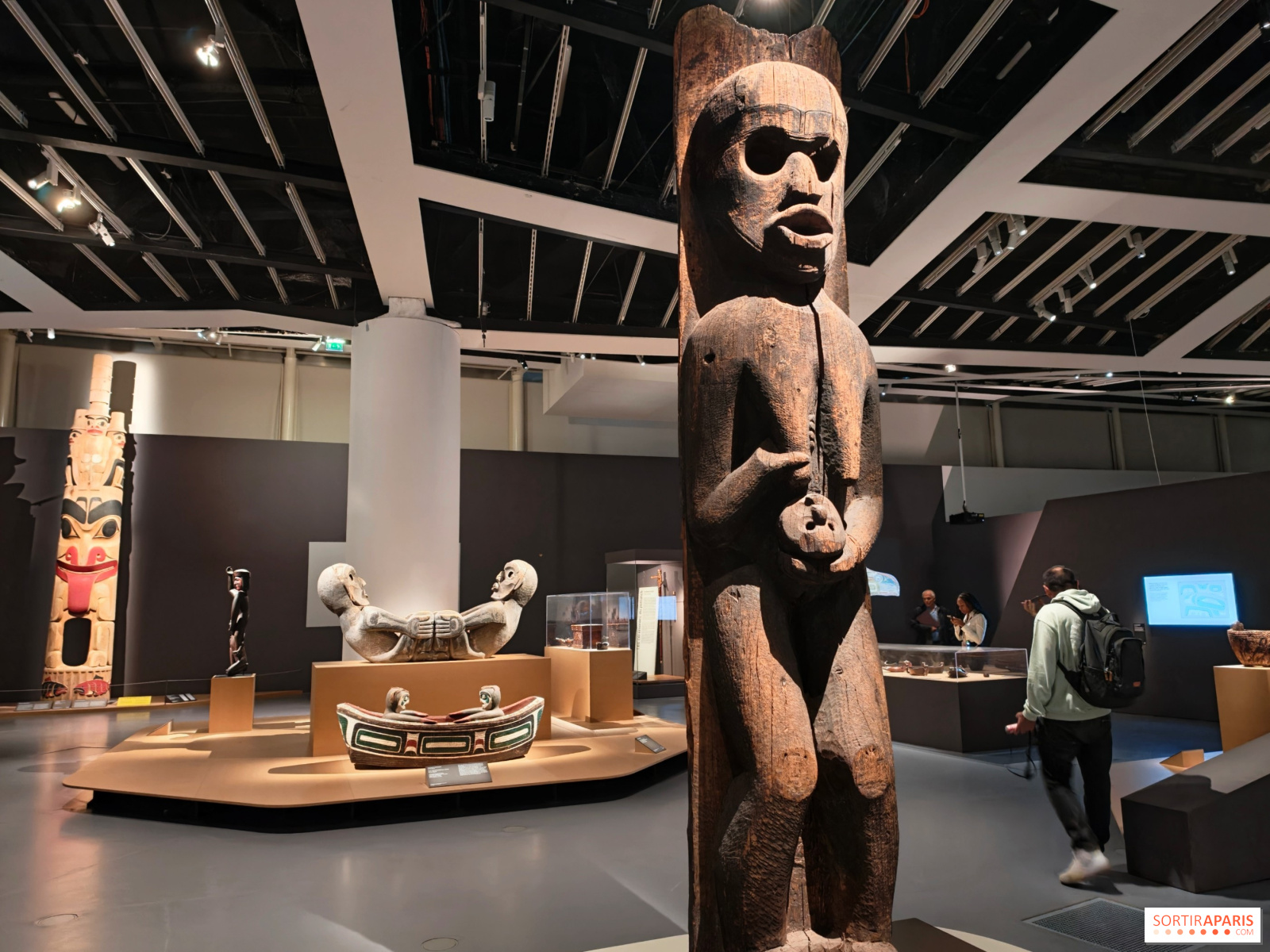
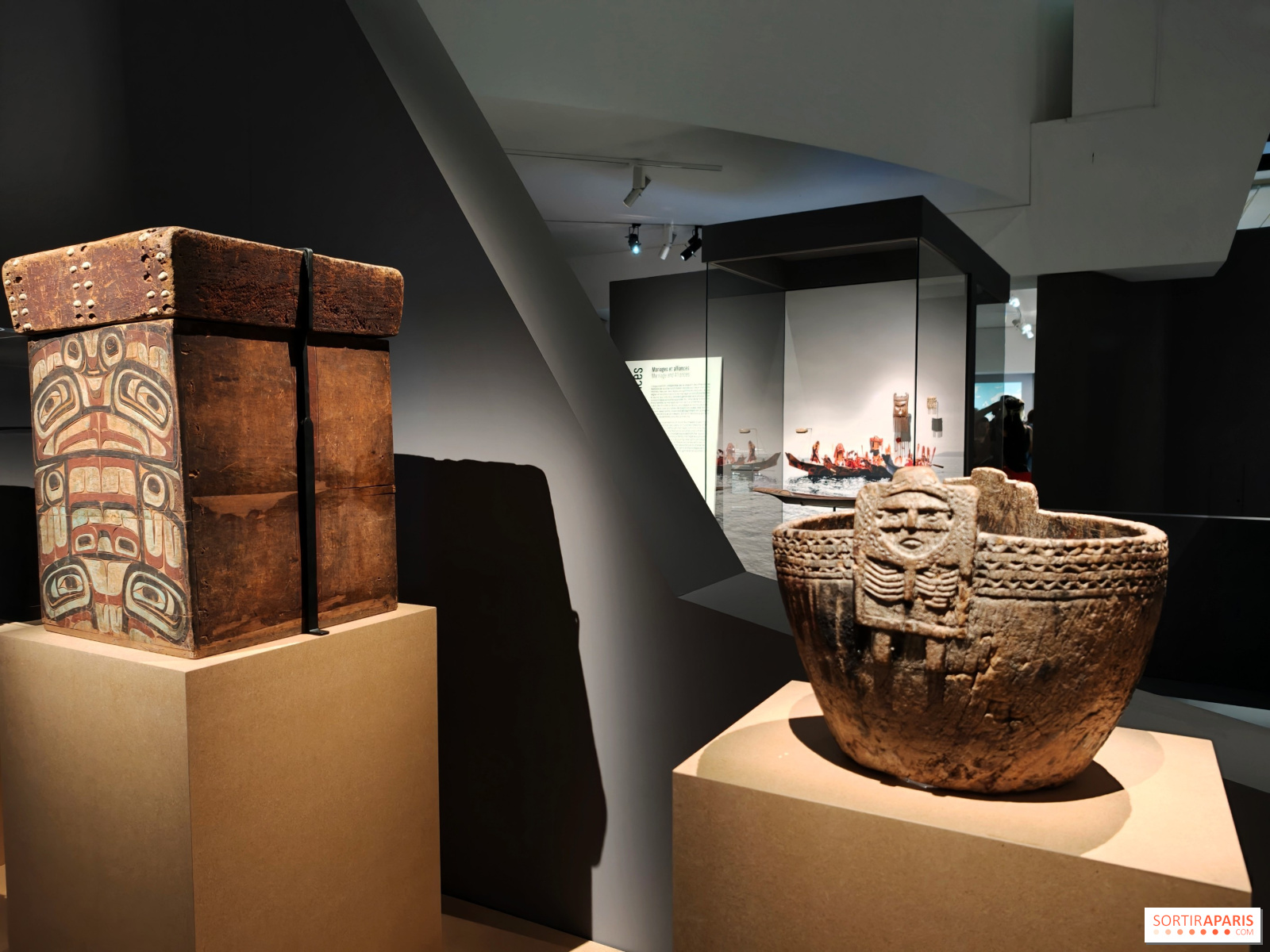
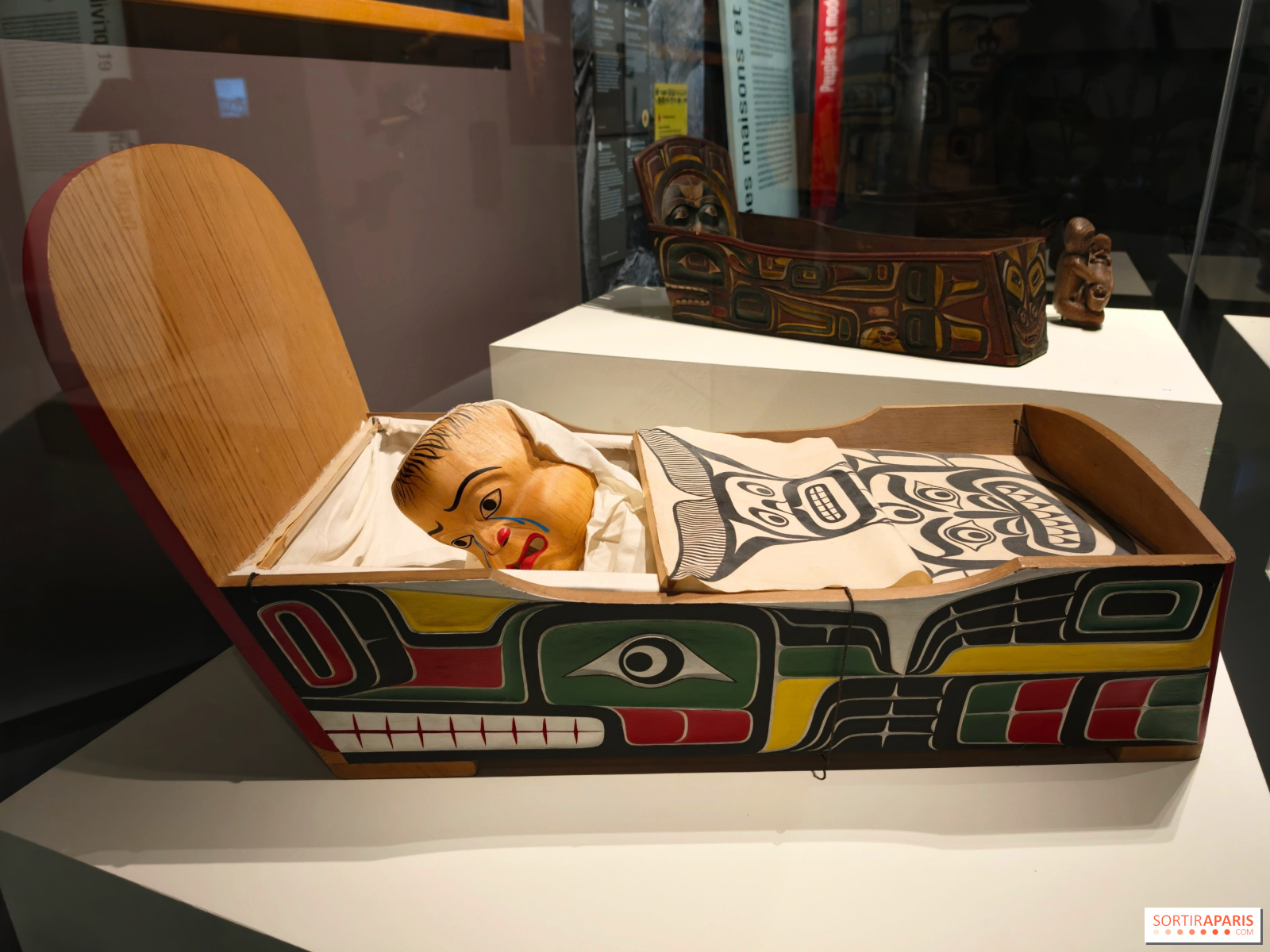
The exhibition Premières Nations. Arts et cultures du nord-ouest de l'Amérique brings together works of art, objects, spiritual items and everyday objects that illuminate the cultural, political and spiritual life of these peoples. As you progress through the show, you gain insight into the communities’ relationship with nature, the significance of the spiritual world, the encounters and upheavals sparked by travelers and European and Asian colonists, and how these early societies were organized and traded. The exhibition also foregrounds the art and, more broadly, how these diverse communities communicated and shared their traditions.
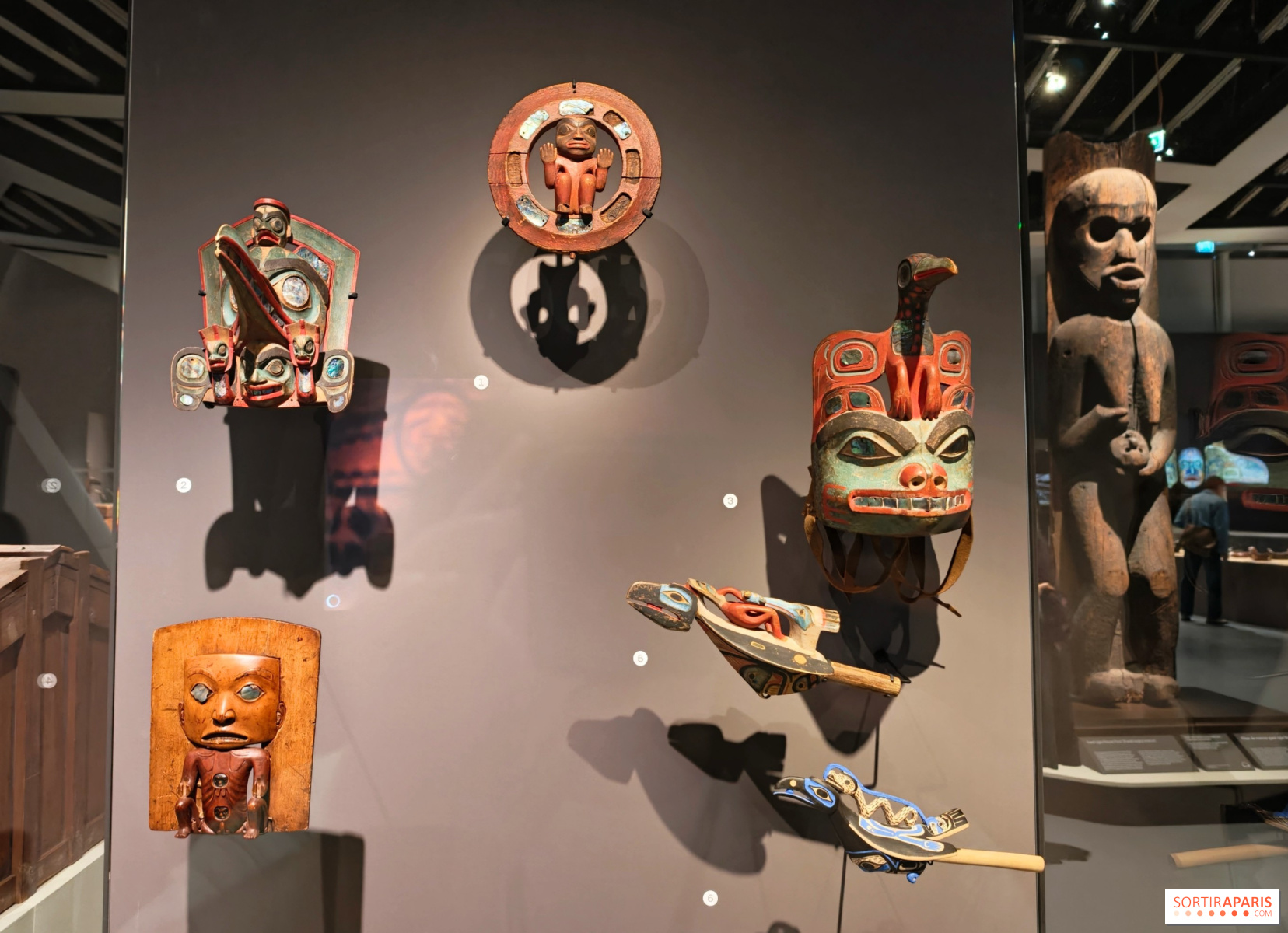
The Quai Branly Museum thus invites us to discover and appreciate the history and traditions of these developed societies. Visitors dive into a structured world, meeting clans and villages that had built their own systems of exchange and alliances, long before colonists arrived in the eighteenth century.
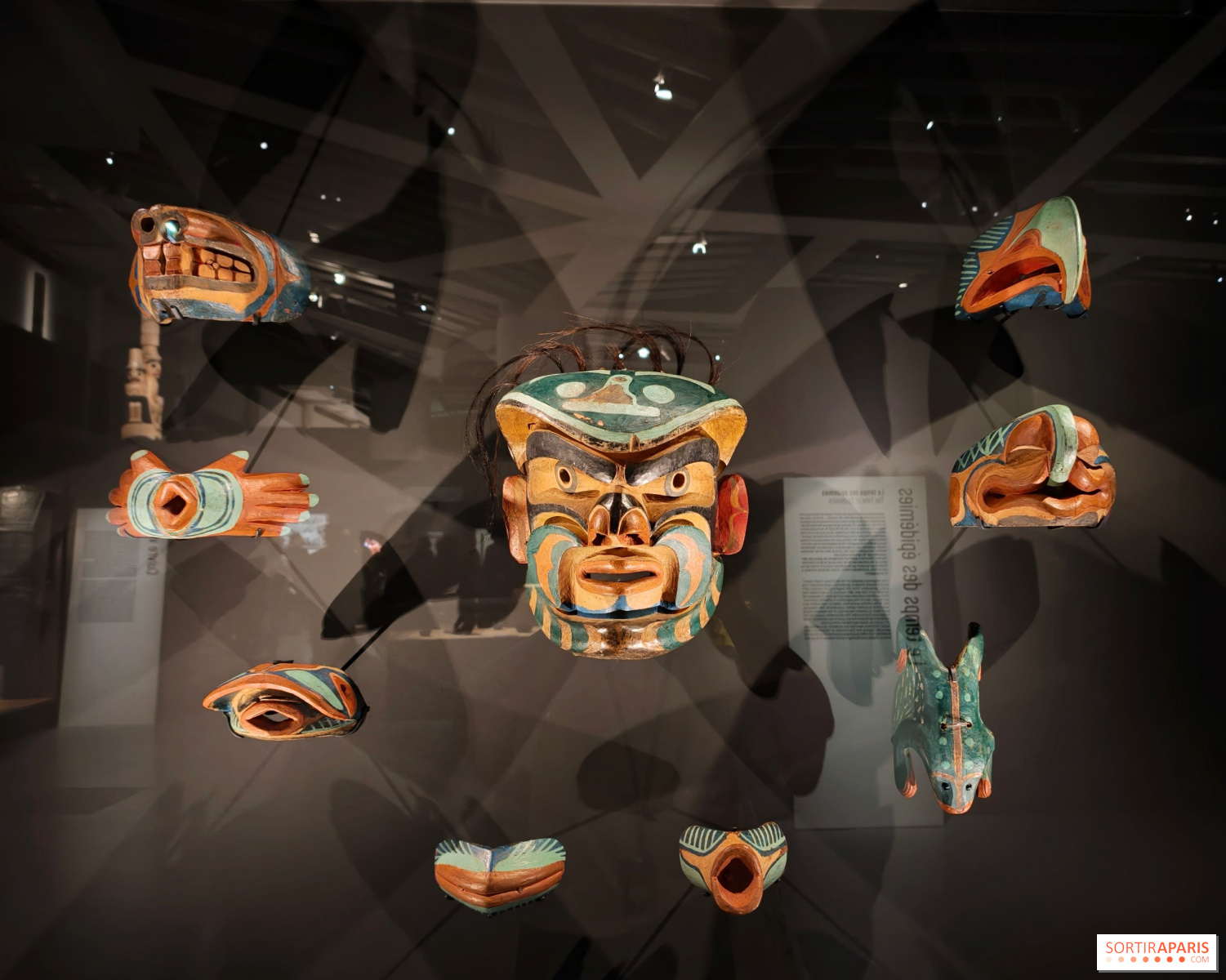
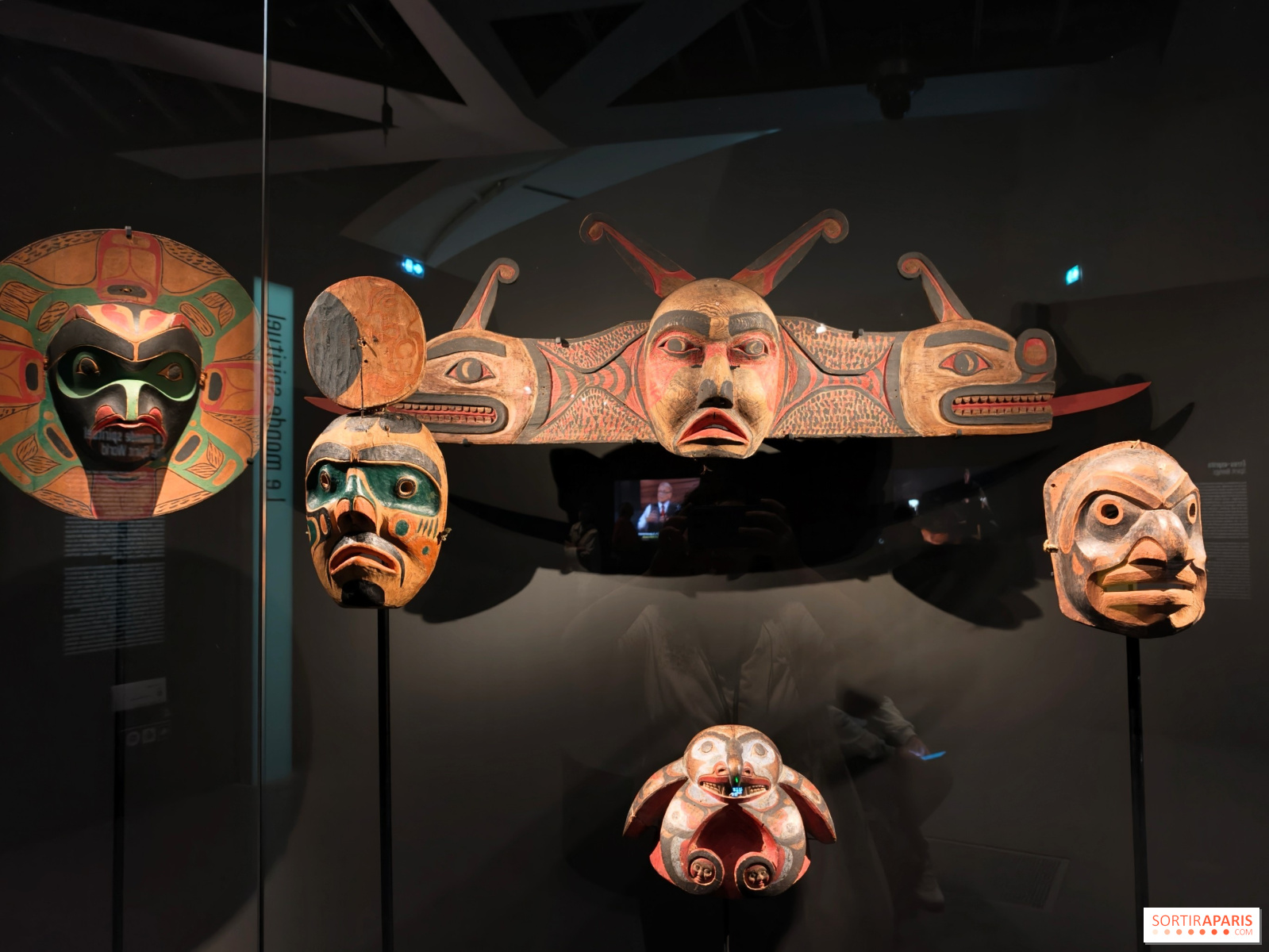
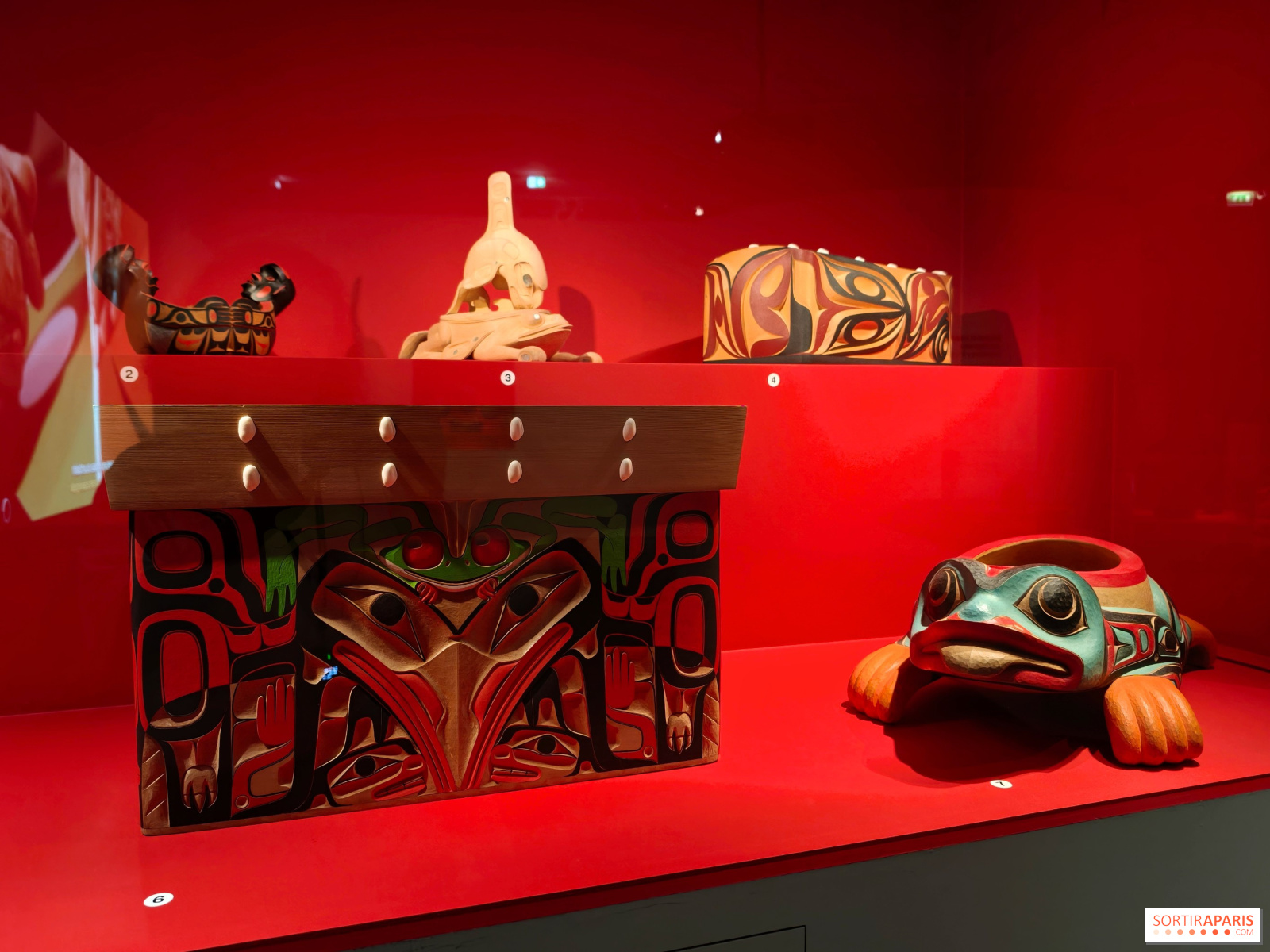
These First Nations lived in a world of grandeur: on one side, an almost endless expanse of water, a strong and capricious ocean. On the other, forests of towering trees, brimming with life and resources. A world between sea and land, where people move with the seasons. Nature was then a source of life. It was also the source of many spirits and deities. That spiritual world shows up everywhere: on clothes, headdresses, the walls of houses, the sides of canoes, everyday objects... The First Nations have shaped a highly precise imaginary around these spirit-beings who share their daily lives.
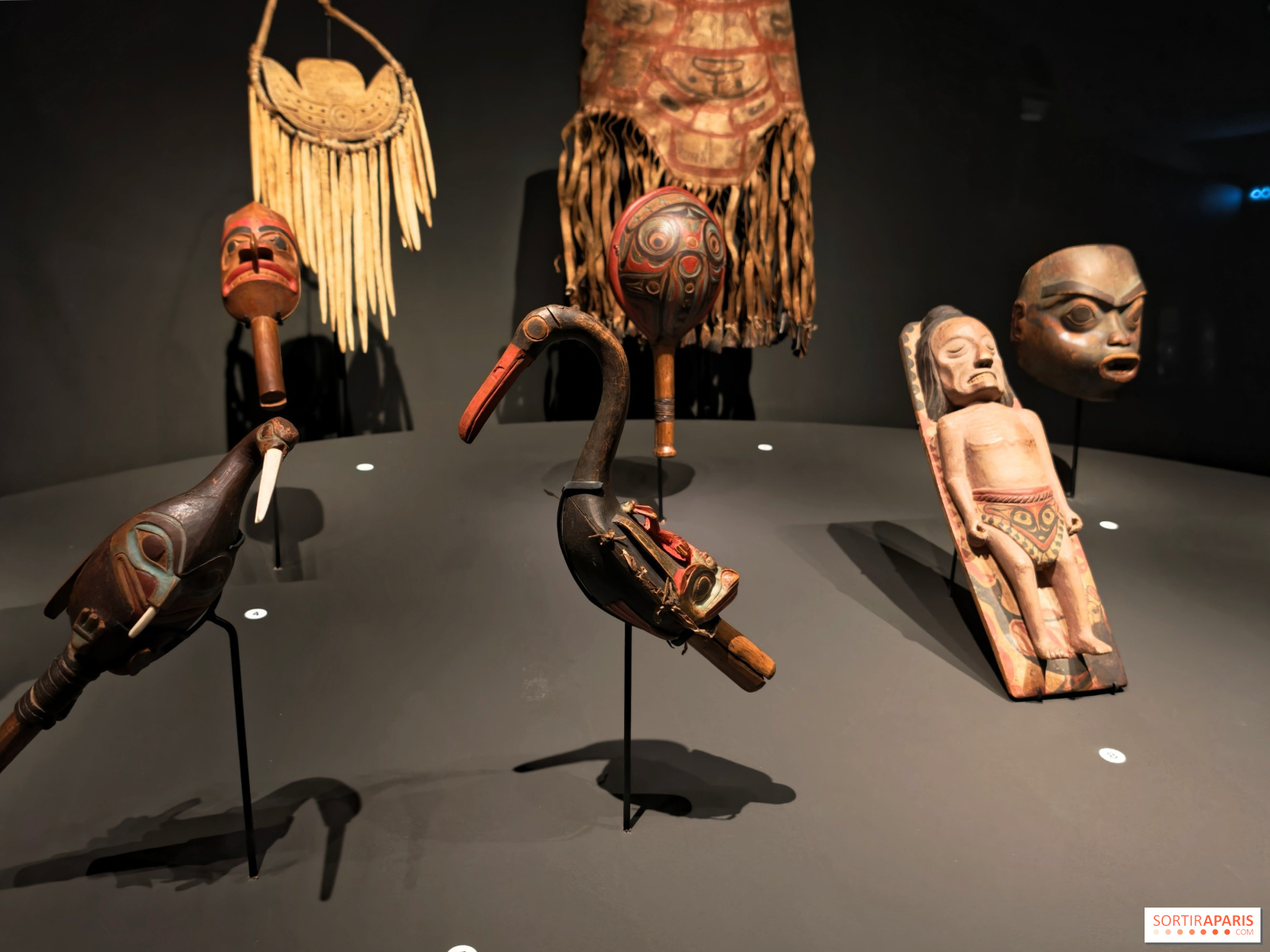
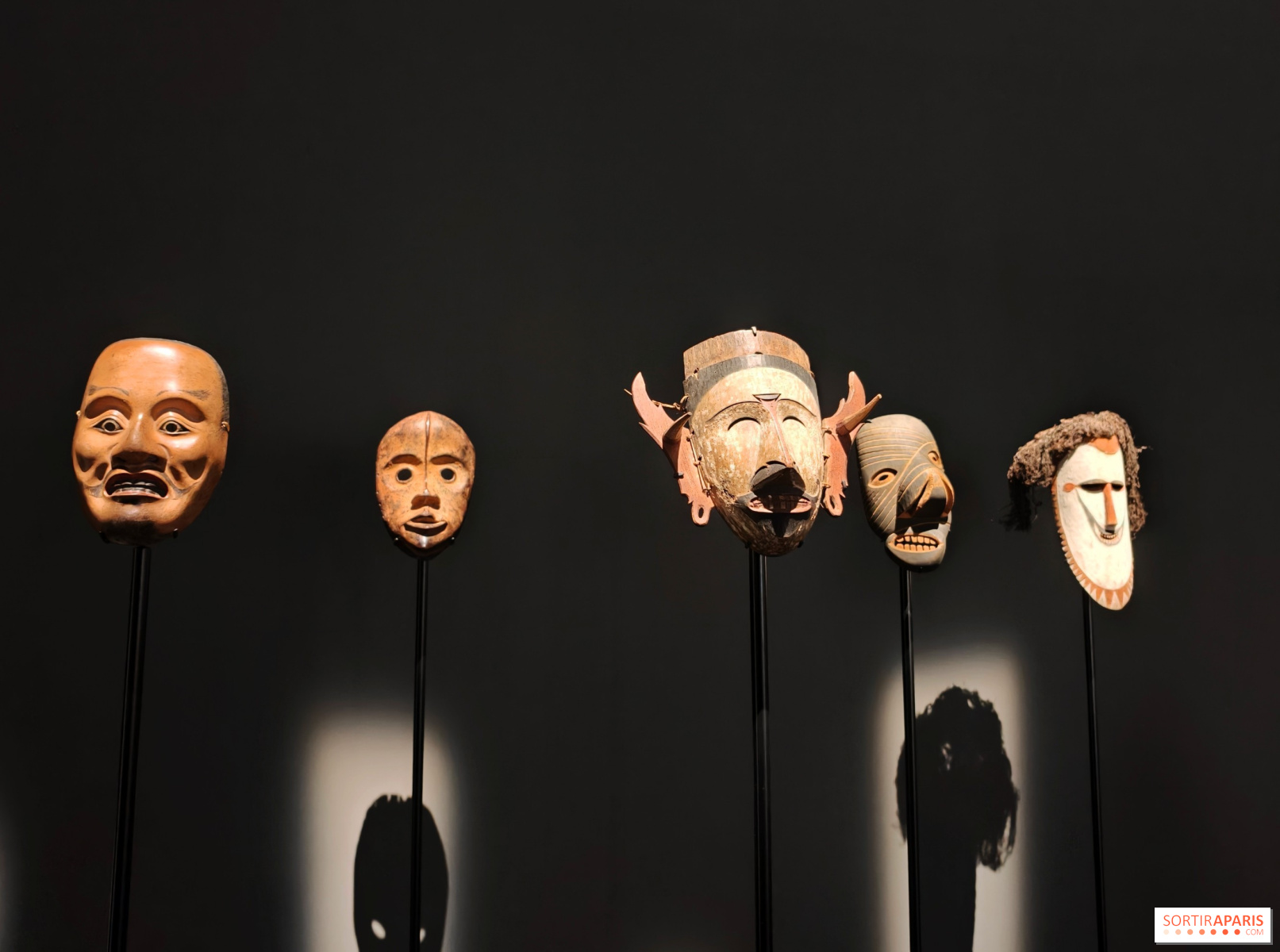
The spiritual world is central to many First Nations communities. The sacred realm is closely tied to the power and the clan’s hierarchy. Each community is connected to an ancestral spirit, and the cycles of nature are linked to the spiritual world. Masks, carvings and sacred objects are symbols of those who bridge the gap between humans and the spirits.
This unique culture, or the ties shared among communities and the relationships these nations managed to forge and sustain, was all but upended by the arrival of Europeans. Christopher Columbus wasn’t the first to reach the Americas. Archaeological finds show that Japanese voyagers landed on North American shores centuries earlier. There is also evidence of British privateers, Russians, Spaniards, and then the French making their mark. These early stages of colonisation opened the door to international trade on these lands, notably through the fur trade.

But these exchanges have had, above all, devastating consequences for Indigenous peoples. Diseases from the Old World, culture clashes and wars, up to the colonial bans and the seizure of Indigenous lands and artefacts. The old clans are broken, their relationships severed, their traditions proscribed.
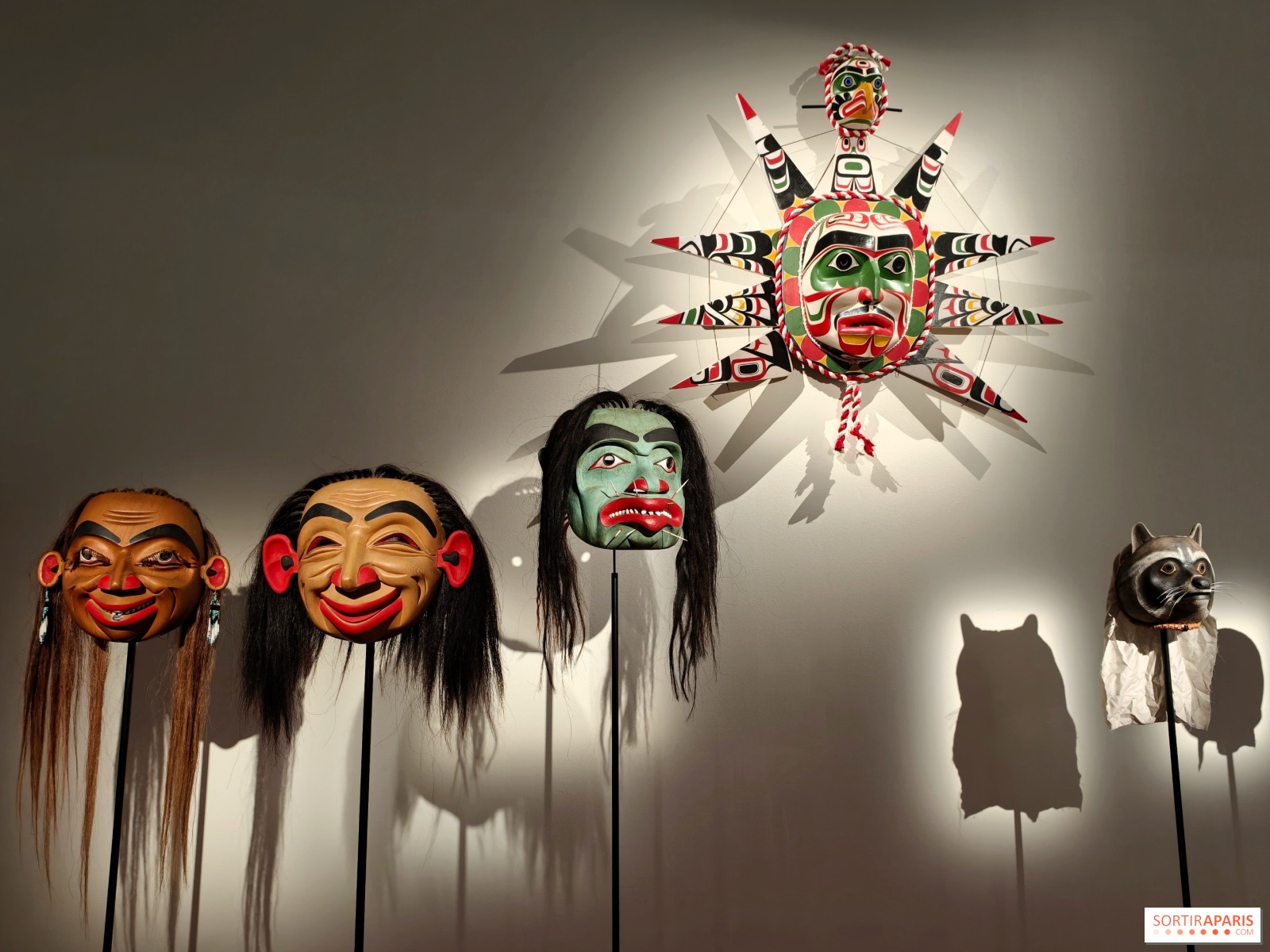
Although the culture of the First Nations is often overlooked, it has not been entirely erased. Contemporary artists continue to keep alive ancient knowledge and creative techniques. The exhibition presents several contemporary artists who sustain these cultures, or who reinterpret traditional crafts in a modern world.
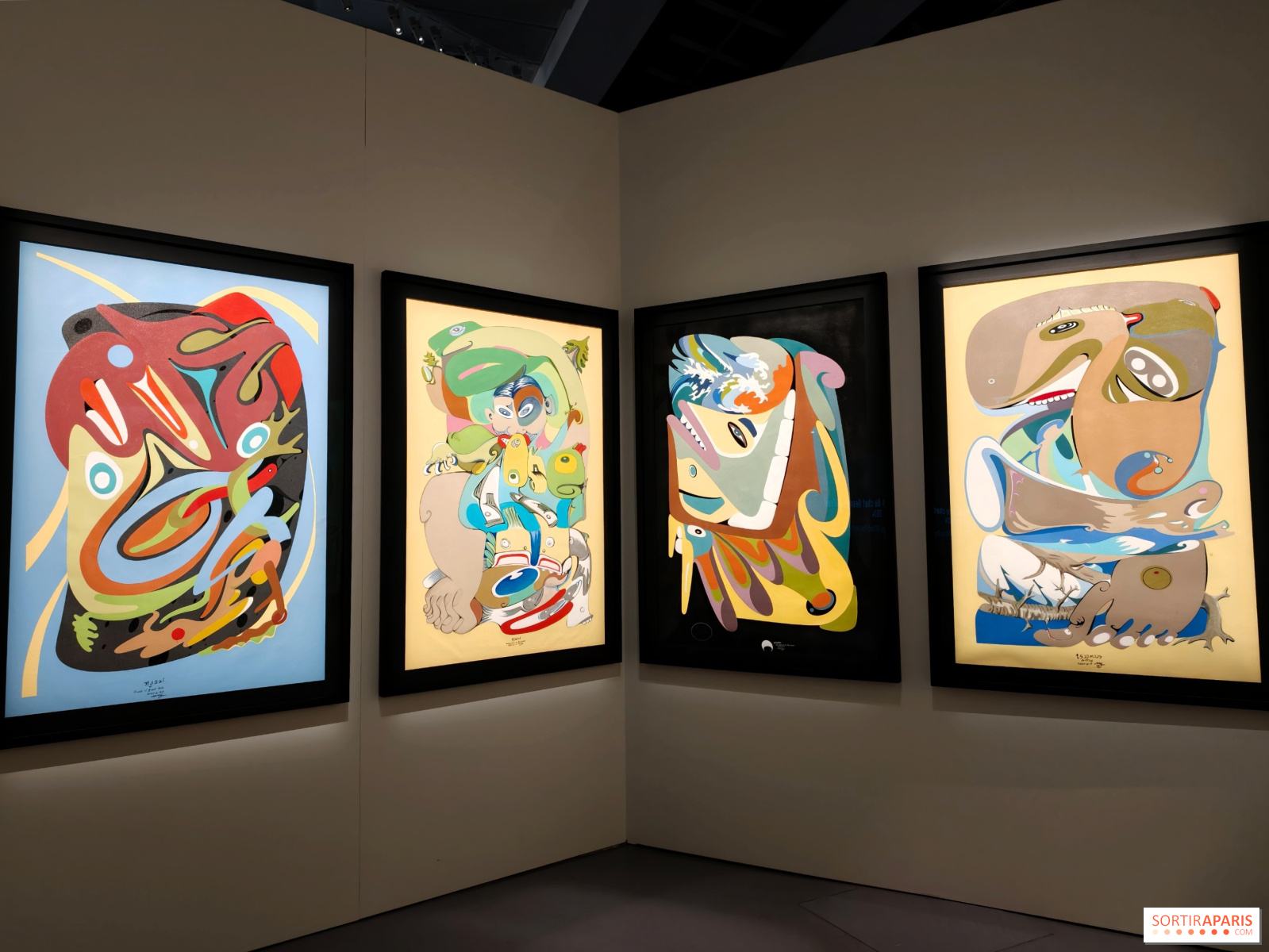
The exhibition is split into two main parts: a historical side and a highly diverse contemporary side that shines a spotlight on prominent First Nations artists. The historical section showcases very well-preserved objects that symbolize an entire way of life. Religion, social gatherings, marriages, hunting, war: the various facets of society are depicted through a carefully chosen set of objects. The chapters on colonization can be harsh: you encounter laws designed to erase Aboriginal culture, diseases that afflicted the tribes, government inaction, and the forced removal of children...
The contemporary section is brighter and more hopeful: culture and traditions endure, passed down from generation to generation, evolving to fit into the modern world. We encounter a diverse range of works that offer us an entry point into the Northwest peoples of North America.
Meet these First Nations up close through the Quai Branly Museum’s unprecedented new exhibition in Paris.
This test was conducted as part of a professional invitation. If your experience differs from ours, please let us know.
Dates and Opening Time
From September 29, 2026 to January 17, 2027
Location
Musée du quai Branly Jacques Chirac
37 Quai Jacques Chirac
75007 Paris 7
Route planner
Accessibility info
Access
Metro line 9 "Iéna" station RER C "Pont de l'Alma" station
Prices
Tarif réduit: €11
Plein tarif: €14
Official website
www.quaibranly.fr





































![[IN]IMAGINABLE : nos photos de l'expo à Fluctuart - Fluctuart 15](https://cdn.sortiraparis.com/images/1021/114756/1309577-imaginable-nos-photos-de-l-expo-a-fluctuart-fluctuart-15.jpg)
![[IN]IMAGINABLE : nos photos de l'expo à Fluctuart - Fluctuart 15](https://cdn.sortiraparis.com/images/1022/114756/1309577-imaginable-nos-photos-de-l-expo-a-fluctuart-fluctuart-15.jpg)
![[IN]IMAGINABLE : nos photos de l'expo à Fluctuart - Fluctuart 15](https://cdn.sortiraparis.com/images/1023/114756/1309577-imaginable-nos-photos-de-l-expo-a-fluctuart-fluctuart-15.jpg)
![[IN]IMAGINABLE : nos photos de l'expo à Fluctuart - Fluctuart 15](https://cdn.sortiraparis.com/images/1024/114756/1309577-imaginable-nos-photos-de-l-expo-a-fluctuart-fluctuart-15.jpg)













![[IN]IMAGINABLE : nos photos de l'expo à Fluctuart - Fluctuart 19](https://cdn.sortiraparis.com/images/25/114756/1309589-imaginable-nos-photos-de-l-expo-a-fluctuart-fluctuart-19.jpg)
![[IN]IMAGINABLE : nos photos de l'expo à Fluctuart - Fluctuart 19](https://cdn.sortiraparis.com/images/30/114756/1309589-imaginable-nos-photos-de-l-expo-a-fluctuart-fluctuart-19.jpg)
![[IN]IMAGINABLE : nos photos de l'expo à Fluctuart - Fluctuart 19](https://cdn.sortiraparis.com/images/31/114756/1309589-imaginable-nos-photos-de-l-expo-a-fluctuart-fluctuart-19.jpg)
![[IN]IMAGINABLE : nos photos de l'expo à Fluctuart - Fluctuart 19](https://cdn.sortiraparis.com/images/32/114756/1309589-imaginable-nos-photos-de-l-expo-a-fluctuart-fluctuart-19.jpg)