On Tuesday, October 17, 1961, a peaceful nighttime demonstration in Paris organized by the National Liberation Front in support of Algerian independence was brutally suppressed by the police, acting on orders from Paris police chief Maurice Papon. Between 30 and 200 Algerian migrants, according to historians, were killed and thrown into the Seine.
October 1961. Five months have passed since the Evian Accords in April, and negotiations between the National Liberation Front and the French government are making solid progress on the question of the independence of Algeria, a French colony since 1830, and seem poised to yield a ceasefire and the establishment of an independent Algerian State.
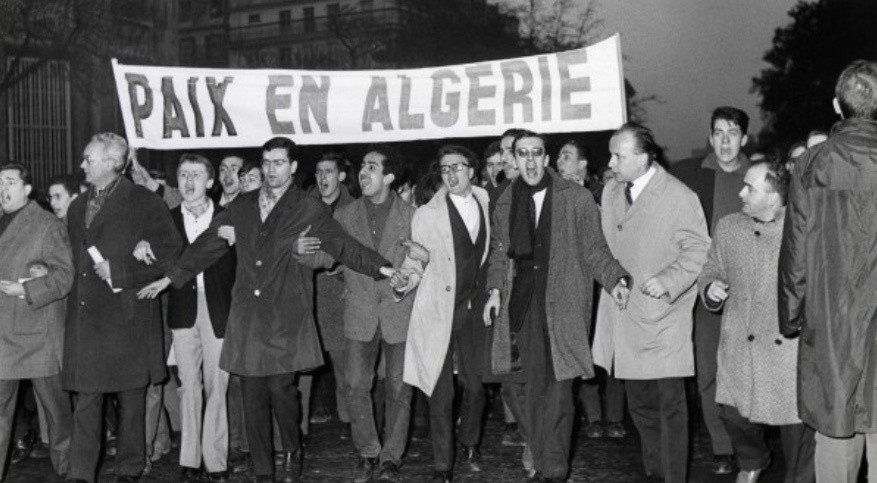
But in Paris, the atmosphere is deleterious and the affrontements between police and immigrants are almost daily. Appointed prefet de police de Paris in March 1958, Maurice Papon, formerly the prefect of Constantine where he created the operational protection detachments whose specialty was none other than torture, he aims to fight more boldly and violently against the fédération de France du Front de Libération Nationale and brings to Paris the tortures already used in Algeria.
Searches and arrests within the Algerian community of Paris intensify in August 1961. In response, the FLN launches a series of attacks that claim the lives of 11 French police officers. The violence on both sides escalates, and Maurice Papon declares that "for one blow received, the police are to give ten in return."
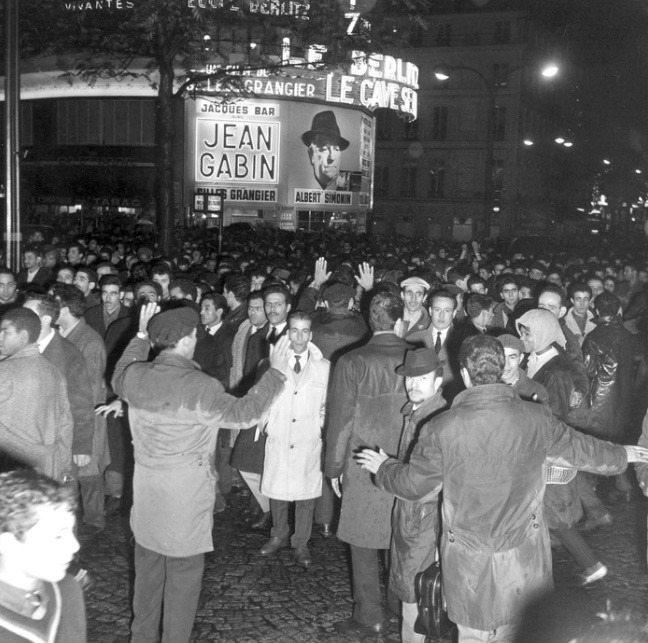
On 5 October 1961, yet another confrontation with the instauration d'un couvre-feu à Paris for the "Français musulmans d’Algérie" who were ordered not to leave their homes each night between 20:30 and 5:30. The decree reads as follows: "Algerian workers are urged in the strongest possible terms to refrain from moving about at night in the streets of Paris and the Paris suburbs, and more particularly between 20:30 and 5:30 in the morning."
But the National Liberation Front does not see it that way. Rightly viewing this ban as racist, discriminatory and arbitrary, the FLN calls Algerian immigrants, men, women, and children, to peacefully demonstrate on the night of October 17, 1961, against the curfew imposed ten days earlier and to demand independence for their homeland.
They are more than 20,000 Algerians answering the FLN's call to march and defy the curfew. The silent, peaceful demonstration—the FLN having ordered protesters not to respond to any provocation—kicks off at 8 p.m. Gathered in public squares, the demonstrators chant their slogans: “No to the curfew!”; “Negotiate with the Interim Government of the Algerian Republic”; “Independence for Algeria!”; “Long live the Front de Libération.”
But the orders from the Ministry of the Interior are clear: stop such gatherings at all costs. What follows is a night of horror, the culmination of the Algerian revolution in France; a genuine massacre carried out by the French authorities against Algerian demonstrators.
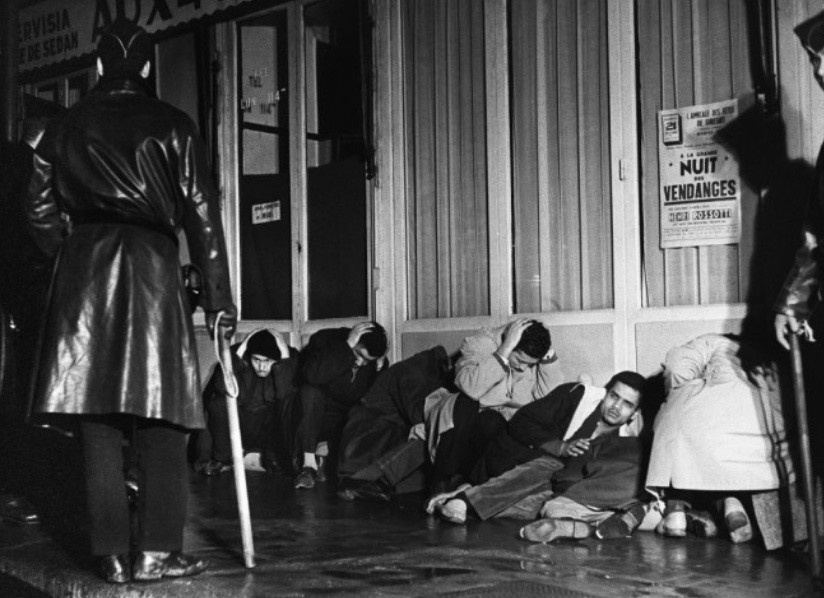
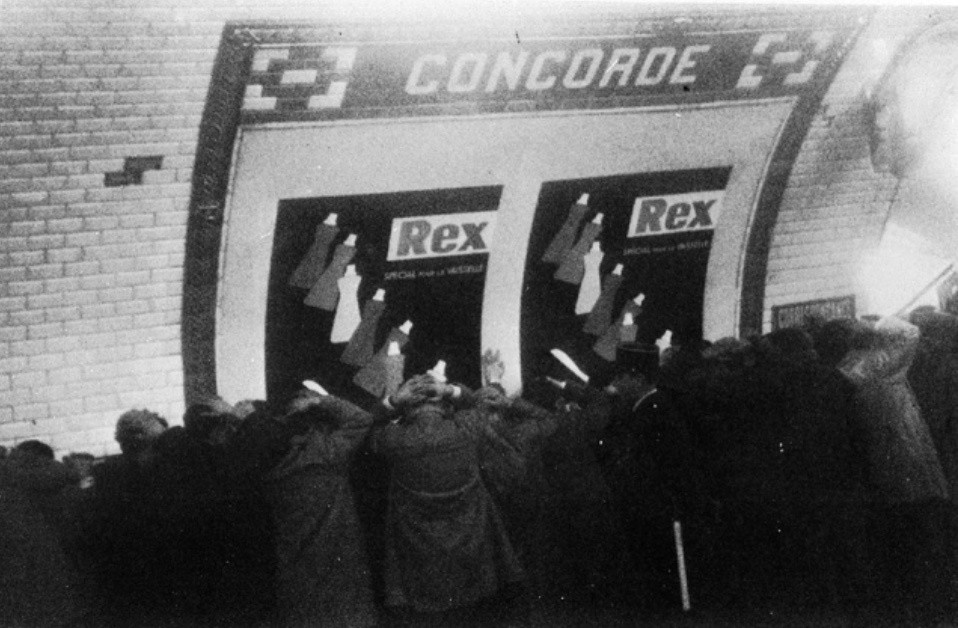
In one night, out of 22,000 demonstrators, 11,538 Algerians were arrested in a wholly arbitrary manner and transported, on requisitioned Parisian buses, to several internment camps in Paris, such as the Palais des Sports, the Parc des Expositions de la Porte de Versailles, the Stade Pierre de Coubertin, or the Vincennes identification center, where they were beaten, tortured and subjected to interrogations for several days by the authorities. Some would lose their lives.
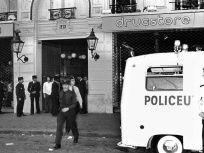
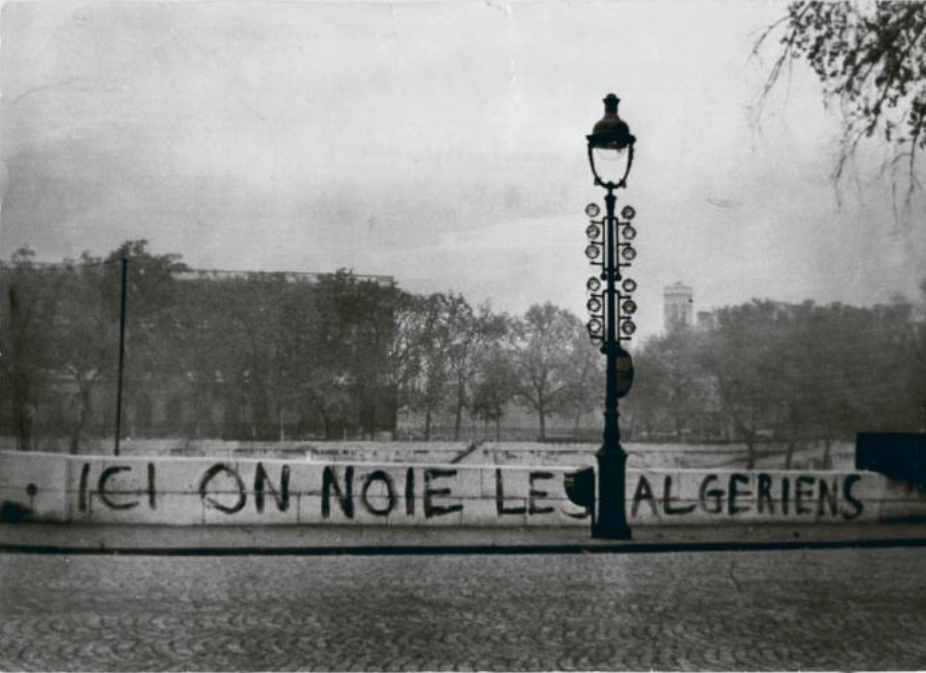
As people spill out of the metro entrances, blows and insults rain down on immigrants with extreme brutality; a hunt based on appearance has begun, and the beatings run all night. In the streets, in the metro stations, the police assault and deliberately kill dozens of demonstrators and throw their bodies into the Seine.
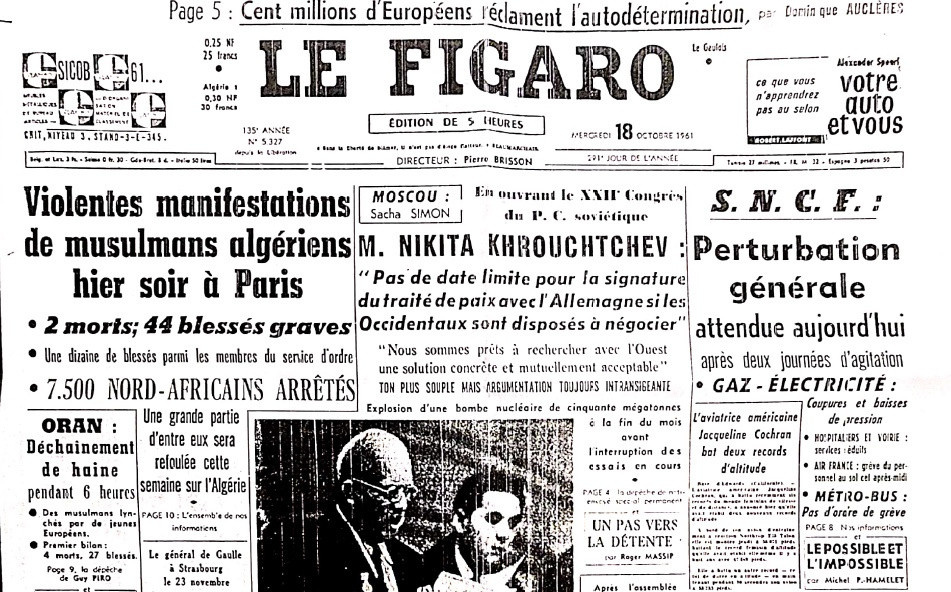
In the early hours of 18 October 1961, the papers reported only 2 to 3 deaths according to the police and between 44 and 64 wounded . We would learn later that many journalists and photographers on the scene that evening of the protest were muzzled by the police prefecture; only Libération and L'Humanité dared to denounce the massacre. But in the days that followed, dozens of bodies were retrieved, drifting on the Seine. According to historians, between 30 and 200 Algerians died that night.
Amid the outrage of many parliamentarians, including Gaston Defferre and Eugène Claudius-Petit, who quickly called for a commission of inquiry, Maurice Papon reiterated his backing of the French police, insisting they had done their duty.
For a long time, France kept silent about this exceptionally violent incident, considered by British historians Jim House and Neil MacMaster as the most brutal contemporary state repression ever inflicted on a street protest in Western Europe.
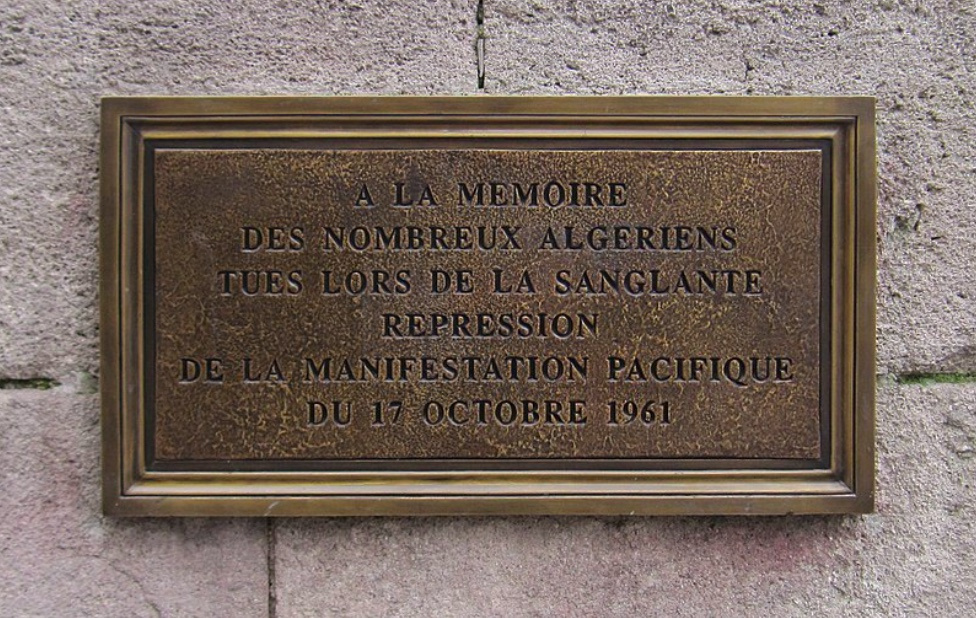
It wasn’t until 2001 that a commemorative plaque bearing the inscription "To the memory of the many Algerians killed during the bloody repression of the peaceful demonstration of October 17, 1961" was installed by the then-mayor, Bertrand Delanoë, on the Saint-Michel Bridge, just steps from the Police Prefecture from which so many Algerians were thrown into the Seine.
In 2012, the French president, François Hollande, for the first time acknowledged France’s involvement in the massacre, hinting openly: "On October 17, 1961, Algerians demonstrating for the right to independence were killed in a bloody crackdown. The Republic recognizes, with lucidity, these facts. Fifty-one years after this tragedy, I pay tribute to the memory of the victims."
October 17, 1961: The Algerian War Comes to Paris
October 17, 1961 in Paris: an Algerian demonstration, a colonial massacre
Dates and Opening Time
On October 17, 2026
Location
Pierre de Coubertin Stadium
82 avenue Georges Lafont
75116 Paris 16
Route planner
Accessibility info
More information
Iconography: Header: Jean Texier/Mémoires d'Humanité - Archives départementales de la Seine-Saint-Denis Photo no. 2: Algerian workers' demonstration. Paris, October 17, 1961 © Roger-Viollet Photo n°3: October 17, 1961. Métro Concorde © Elie Kagan/Bibliothèque de documentation internationale contemporaine Photo no. 4: Algerian demonstrators apprehended in Puteaux, October 17, 1961 - ©AFP Photo no. 5: Front page of Le Figaro, October 18, 1961 Photo no. 6: Plaque in memory of the Algerians killed, FSouici