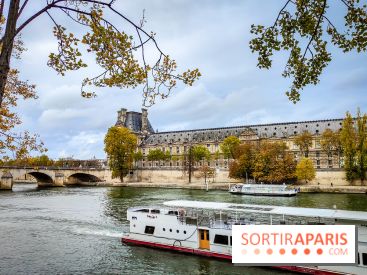
Every Francilien knows the Bièvre valley, but do you know the 36-kilometer stretch of river that still winds its way under Paris? It rises in Guyancourt and flows through five départements: Yvelines, Essonne, Hauts-de-Seine, Val-de-Marne and the 5th and 13th arrondissements of Paris, entering the capital via the Poterne des Peupliers, before meandering for five kilometers and emptying, formerly into the Seine at the Gare d'Austerlitz, now into the main Paris sewer system.
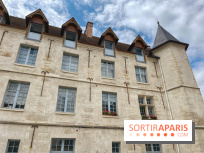
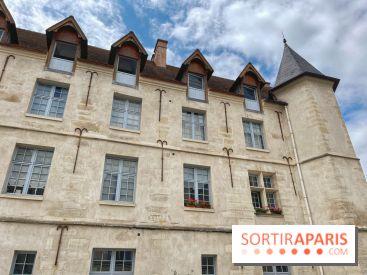
When you walk along rue Berbier du Mets, for example, the Bièvre flows beneath your feet, behind the Manufacture des Gobelins, a name also linked to the river. In 1443, Jean Gobelin set up his dyeing business here, producing his famous rouge écarlate, a success which led his competitors to claim that his success was due solely to the exceptional qualities of the river's waters! The river began to be knownas the "Gobelin stream", and other dyers set up on its banks in the hope of profiting from it.
In Neolithic times, the course of the Bièvre in Paris, between the Pont d'Austerlitz and the Pont de l'Alma, corresponded to that of today's Seine. As early as the 12th century, the monks of Saint-Victor Abbey in Paris diverted the course of the Bièvre to bring water into their domain and power their flour mill, digging the Victorins canal.
Repeatedly diverted and divided into living and dead branches, it is used for irrigation and to create waterfalls to drive mill wheels. Thanks to its low limestone content, the river has been widely used by dyers, tanners and washerwomen since the late 17th century.

Over the centuries, human activity has polluted the river and made it malodorous, as individuals and craftsmen dump their waste, toxic products, animal remains and other bits and bobs. The Bièvre became an open-airsewer, and as hygienism developed, the unhealthy quality of the water began to constitute a health hazard.
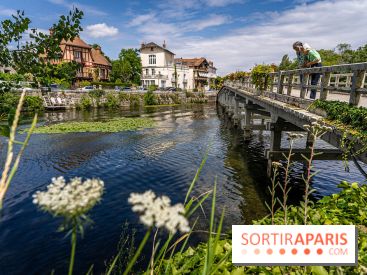
For some years now, people have been hoping to revive sections of the Bièvre, such as in Fresnes and L'Haÿ-les-Roses, where the river is once again flowing in the open air thanks to landscaping work, as well as in Arcueil and Gentilly. In Paris, the area around Parc Kellermann, Square René-Le-Gall and the Muséum National d'Histoire Naturelle are all being considered for a possible reopening of the Bièvre in the capital.
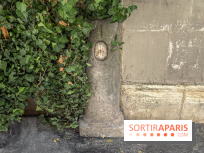
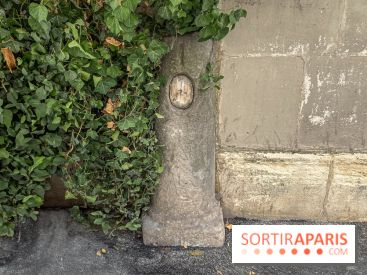
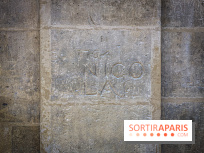
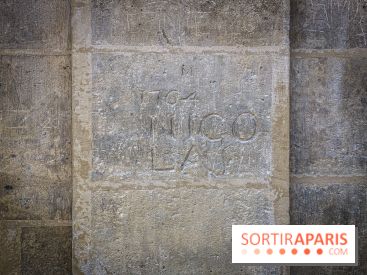
Today, the Bièvre still flows in some places, but its course has been integrated into the sewer system or has disappeared altogether due to urbanization. But you can still follow its course on beautiful walks, looking for plaques and medallions indicating the locations of the old windmills! Don't miss rue de la Glacière, whose name is also linked to the river, whose stagnant waters froze in winter, and whose inhabitants stored the ice in refrigerated pits for sorbets in summer!