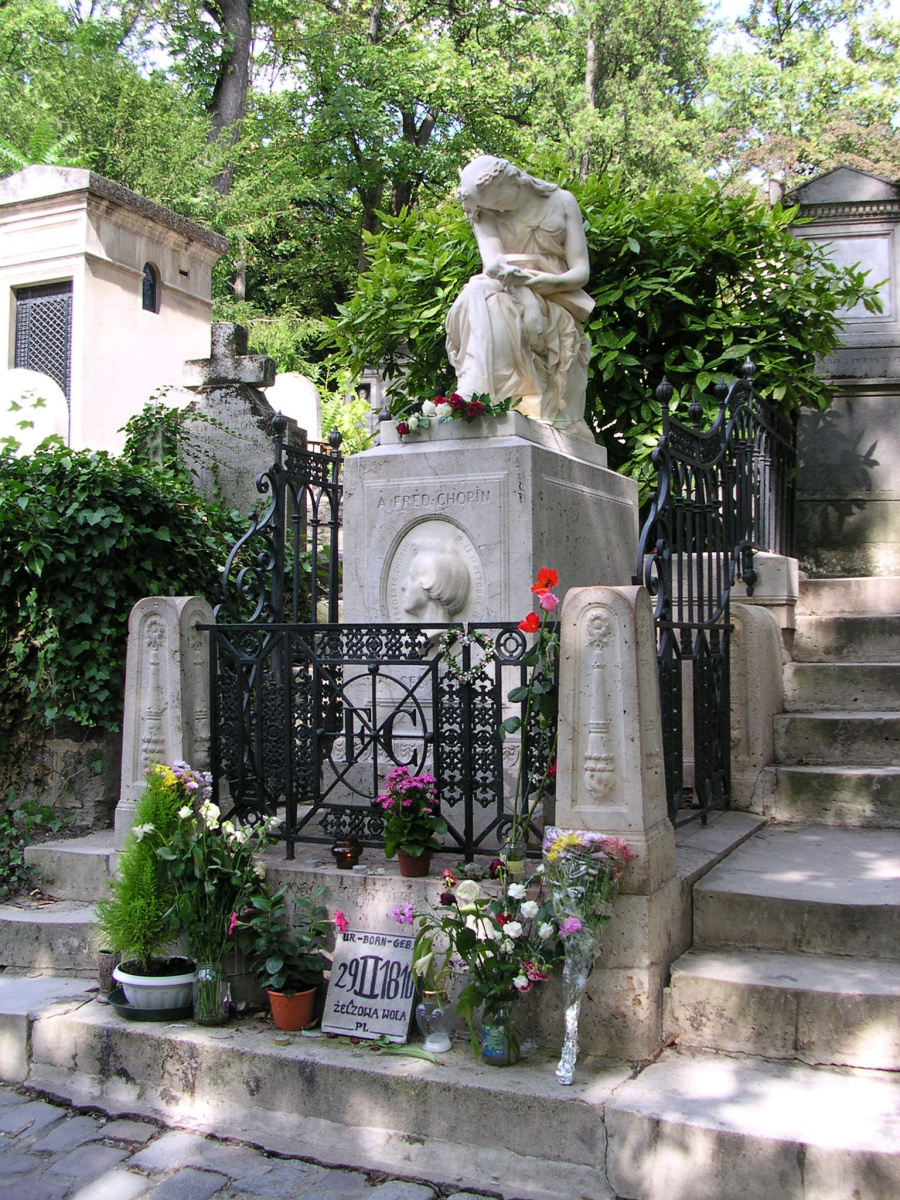
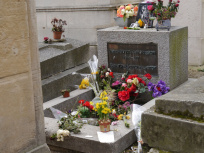
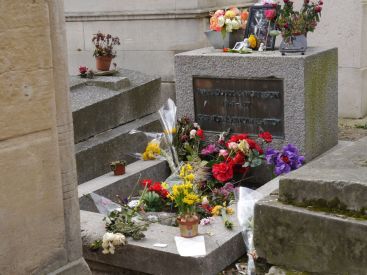
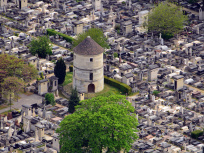
The great Frédéric Chopin, virtuoso composer of the 19th century, famous for his Nocturnes, Preludes, Ballades, Polonaises and Mazurkas, is buried in Paris, in the famous Père-Lachaise cemetery. But what is less well known is that his heart does not lie in Paris, but in Poland. We tell you this unusual anecdote, between fact and legend.
One last wish: patriotism or fear of being buried alive?
Born in Żelazowa Wola, near Warsaw, Chopinnever forgot his native Poland. Exiled to Paris, where he found fame and love, he expressed in his works a deep nostalgia for his homeland, notably in his mazurkas and polonaises. However, there is no authenticated document to confirm that he explicitly requested, during his lifetime, that his heart be repatriated to Poland out of pure patriotism.
According to a legend that emerged decades after his death, he begged his sister Ludwika to bring his heart back to Poland, lest it rest "under enemy soil". This version remains unverifiable, but it has become part of Polish collective memory.
On the other hand, Chopin was known to have a sickly fear of being buried alive, a common anxiety in the 19th century. He would therefore have requested an autopsy to confirm his death, which would have facilitated the removal of his heart. This gesture can thus be explained as much by this anguish as by an emotional symbolism - which, after his death, was elevated to the status of a patriotic gesture.
On October 17, 1849, in Paris, Chopin died at the age of 39. Before his death, convinced that he was suffering from tuberculosis, he expressly asked his doctor, Professor Jean Cruveilhier, to carry out an autopsy to ensure that he was really dead - the result of his fear of being buried alive (taphophobia). It was during this autopsy that Dr. Jean Cruveilhier extracted his heart, then immersed it in an alcoholic solution to preserve it.
Then her sister Ludwika Jędrzejewicz took over: she smuggled the heart into Poland in early 1850, concealed in a jar, bypassing Austrian and Russian customs and depositing it first in the family home before having it transferred to Warsaw's Holy Cross Church, where it rests today in a sealed pillar.
Today, Chopin's heart rests in a pillar of Warsaw's Holy Cross Church. This symbolic remains was long kept secret, especially during the occupations and the Second World War, when Polish patriots did everything in their power to protect it. Over time, the heart has become a national relic, a symbol of Polish identity and resistance.
While the facts are generally true, some details are the stuff of oral tradition. The heart was indeed analyzed in 2014 by Polish scientists, confirming deterioration consistent with tuberculosis. Even without his heart, Chopin continues to keep the hearts of music-lovers between Paris and Warsaw beating.
This page may contain AI-assisted elements, more information here.