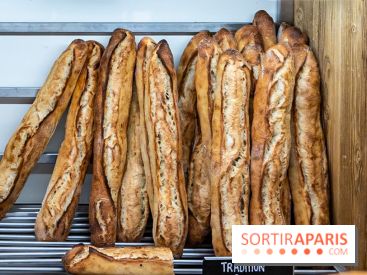
France is also famous for its bread, and we're proud of this savoir-faire. It's no joke when it comes to baguettes, and to prove just how serious we are about them, we invite you to delve into the history of the famous "Bread Decree " of 1993 - a text that (perhaps?) restored the traditional baguette to its rightful place, protecting it from industrial additives and rehabilitating the artisan baker. Find out how this decree shaped our daily bread , saving it from the industrial steamroller!
In September 1993, under the government of Édouard Balladur, a text was promulgated - decree no. 93-1074 of September 13, 1993 - aimed at protecting the baguette or "traditional French bread" from industrial drift. It would have prohibited the use of frozen doughs, additives and chemical processes, imposing artisanal manufacture from A to Z on site: flour, water, leaven or yeast, and salt... nothing else (except for a few authorized additives in small percentages).
This initiative would have been a reaction to the rise of standardized production, where the baguette - a national symbol - was losing its flavor and soul. The decree aimed to restore prestige to bakers' expertise, while redefining the designations "home-made bread" and "traditional French bread". Since then, the decree has also served as the basis for other regulations, such as the professionalization of the bakery profession (1998 law, articles in the consumer code, etc.) - a genuine recognition of craftsmen's know-how.
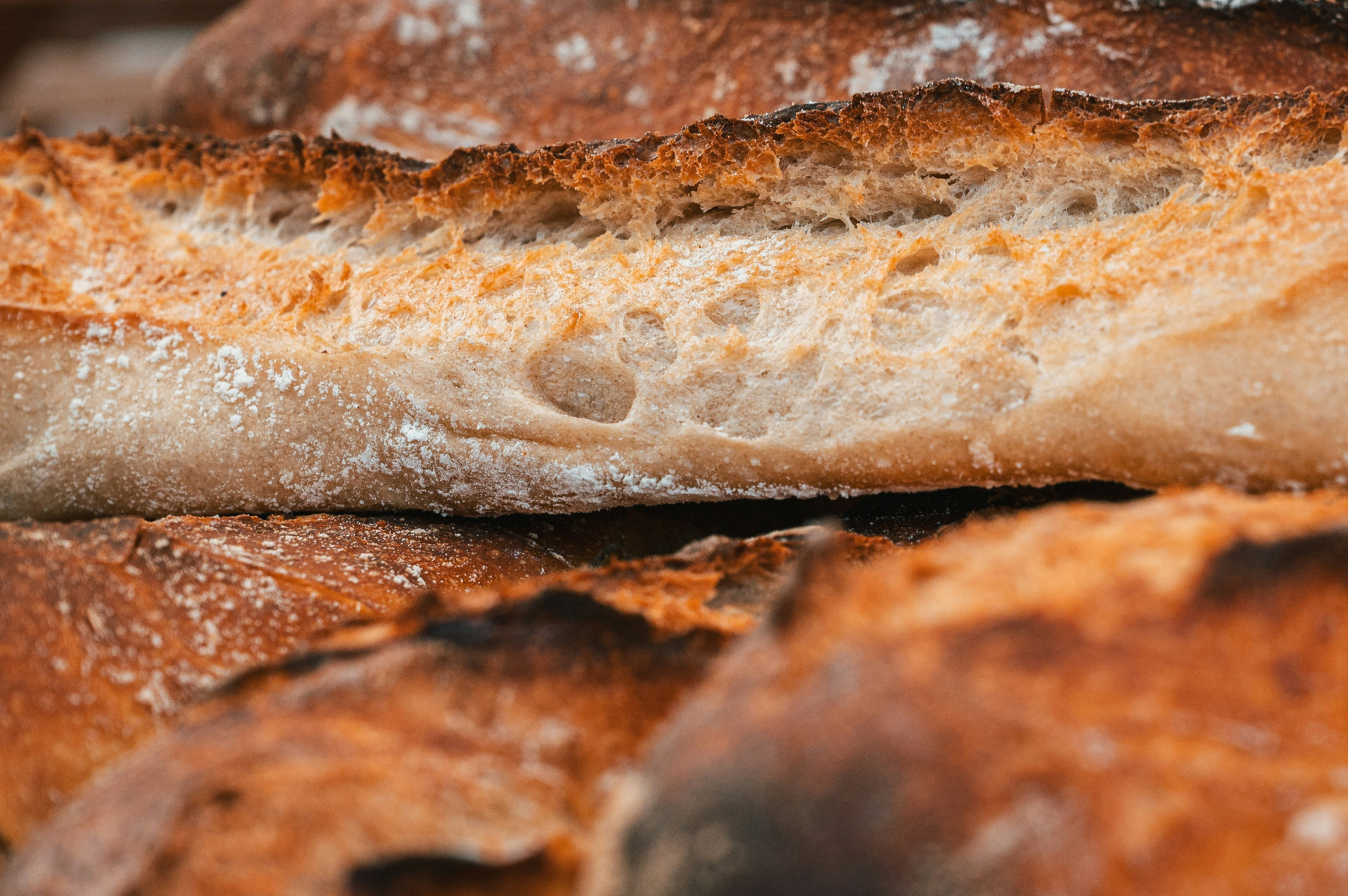
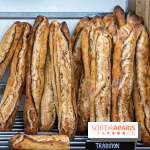
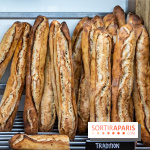
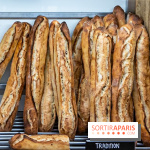
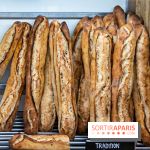
The baguette, the history of this Parisian bread that has become a French tradition and a national symbol
A timeless emblem of everyday life in France, the baguette was born in Paris in the early 20ᵉ century, shaped by history, craftsmanship and a few legends. Discover its origins, myths and rise to become a symbol in the eyes of the world. [Read more]
This page may contain AI-assisted elements, more information here.































 The baguette, the history of this Parisian bread that has become a French tradition and a national symbol