The Polish community in Paris was established through several major waves of migration, notably political exiles following the uprisings of the 19th century, followed by the arrival of workers in the early 20th century. The capital provided refuge for this diverse Polish community, ranging from exiled intellectuals to workers and miners in the interwar period.
The first significant wave of Polish settlement in Paris dates back to the 1830s and 1850s, after the failure of the November 1830 uprising against Russian rule. These emigrants of the "Great Emigration" settled in Paris, where they founded historical and literary societies, including the Polish Historical and Literary Society in 1832, and created the Polish Library of Paris onÎle Saint-Louis in 1838, a veritable intellectual refuge for Polish culture in exile.
Several famous Polish intellectuals lived and worked in Paris. This was the case for the Polish poet Adam Mickiewicz, who moved to Paris in 1832, published his works there, was politically active, and considered the city a refuge, as well as the composer Frédéric Chopin.
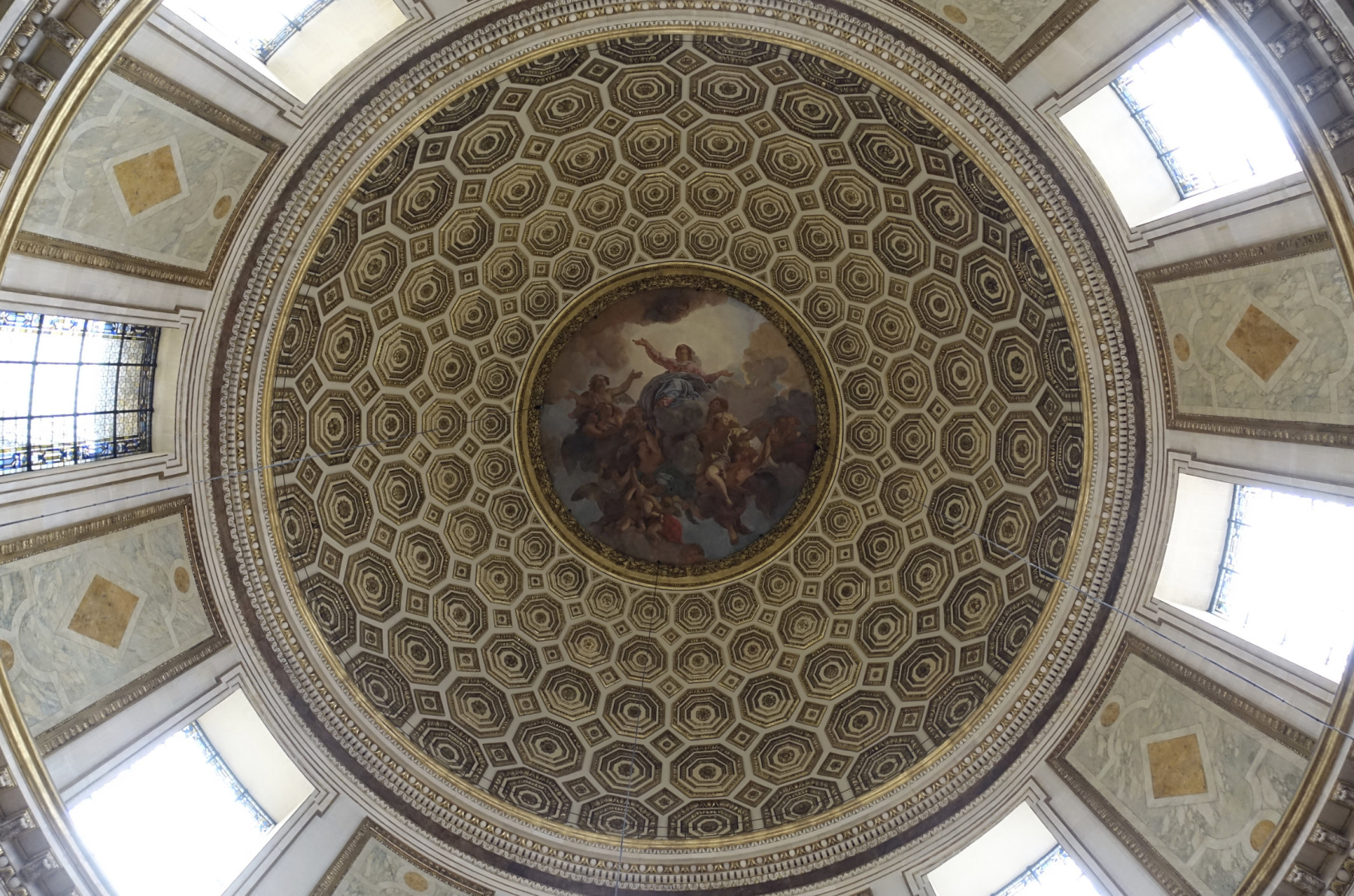
On the very Parisian Rue Saint-Honoré, in the 1st arrondissement, standsthe Church of Notre-Dame de l'Assomption, a building constructed between 1670 and 1676 according to the plans ofarchitect Charles Errard. In 1844, faced with an influx of Polish refugees, the Archbishop of Paris assigned this building to the Polish Catholic community, which found in it a place of worship and welcome.
From the outside, the church features a porch with Corinthian columns and an imposing dome, inspired by the Roman Pantheon, which can be seen from the street. Inside, visitors will discover a vast rotunda 24 meters in diameter, topped by a dome with tall windows and surroundedby Baroque works of art such asVan Loo'sAdoration of the Magi. Today, this church offers Mass in Polish.
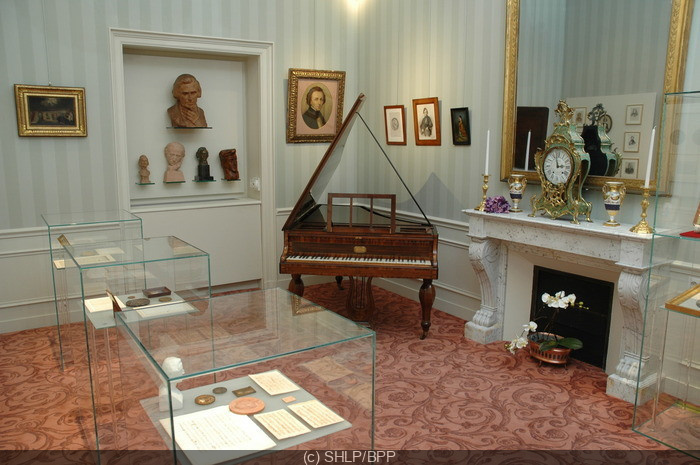
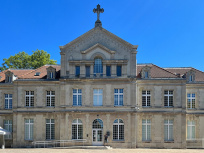
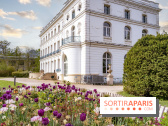
In the heart of Paris onÎle Saint-Louis, the Polish Library in Paris is a discreet but symbolic monument to the Polish community and its desire to preserve its culture. Founded in 1838 by Poles from the Great Emigration, it moved into a former 17th-century mansion in 1853.
The sober façade of the mansion does not immediately reveal the riches it houses: a cozy reading room with shelves laden with rare volumes, manuscripts, and archives. Among the treasures are first editions of Copernicus's works and manuscripts by Adam Mickiewicz, as well as collections of Polish art.
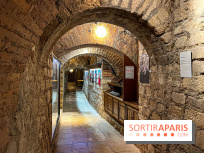
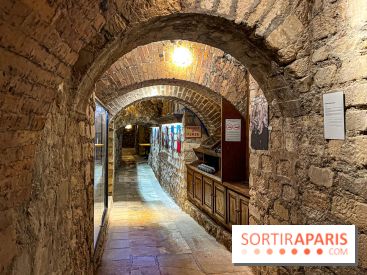
A true center for the preservation of Polish heritage outside Poland, it is also a cultural space open to researchers, students, and members of the public interested in Polish history. The Polish Library in Paris also houses two museums: the Adam Mickiewicz Museum, founded in 1903, and the Boleslas Biegas Museum, dedicated to the work of the Polish artist.
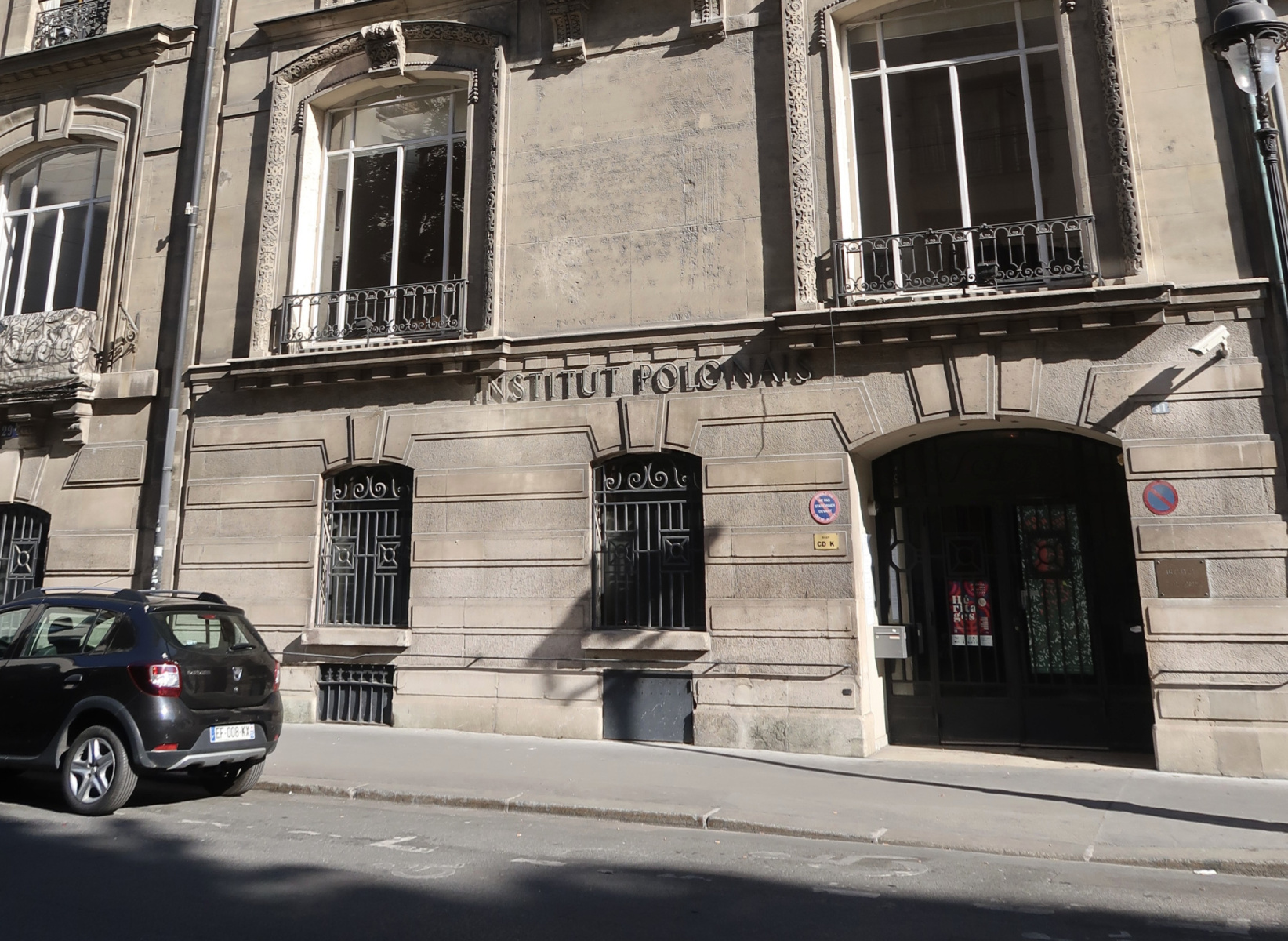
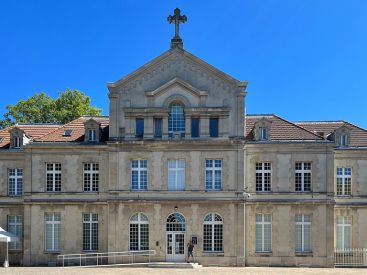
The Polish Institute in Paris is a cultural institution founded to promote Polish culture, arts, and sciences in France. Located in the Champs-Élysées district, it organizes a multitude of events such as visual art exhibitions, Polish film series, language workshops, and history lectures.
With exhibition halls, an auditorium, and reference libraries, the Polish Institute plays an essential role in maintaining the living link between Poland and France.
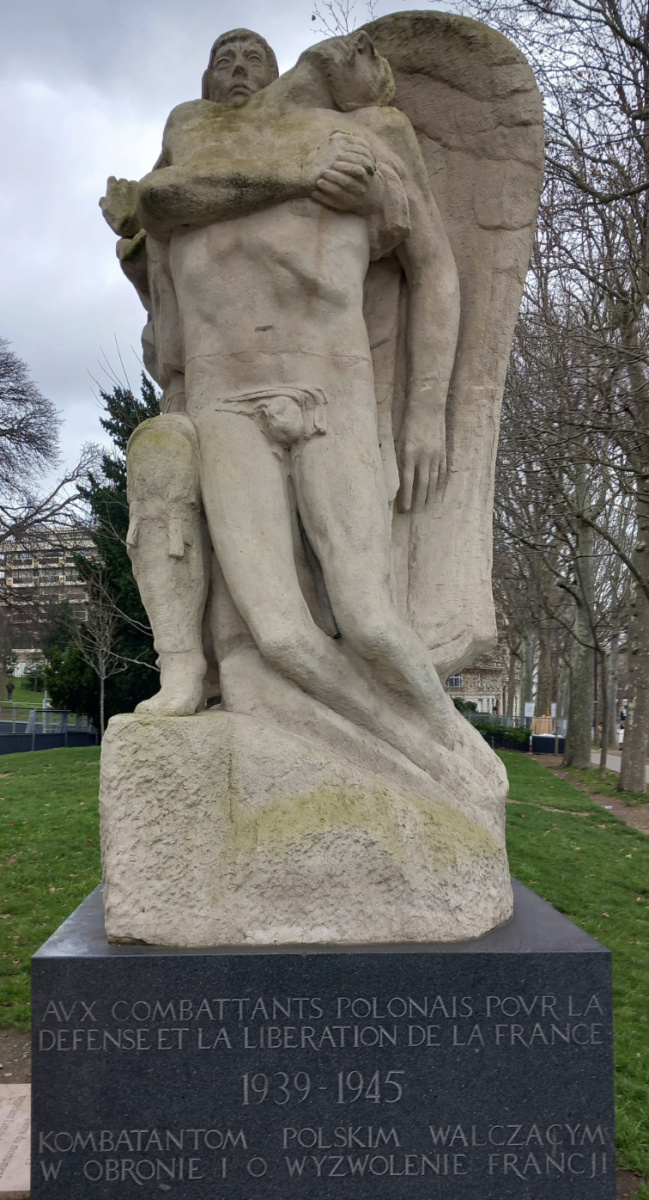
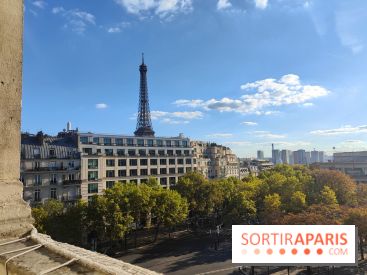
Place de Varsovie, at the junction of Avenue de New York and the Trocadéro gardens, was inaugurated on April 20, 1928, in tribute to the Polish capital. On this vast esplanade overlooking the Seine, a monument entitled Monument to Polish Soldiers Who Died for France (1939-1945) pays tribute to the Polish soldiers who fought alongside France during World War II.
Chopin Square, located at the intersection of Singer, Lekain, Duban, and Alfred-Bruneau streets, has been named after the famous Polish composer Frédéric Chopin since June 10, 1897.
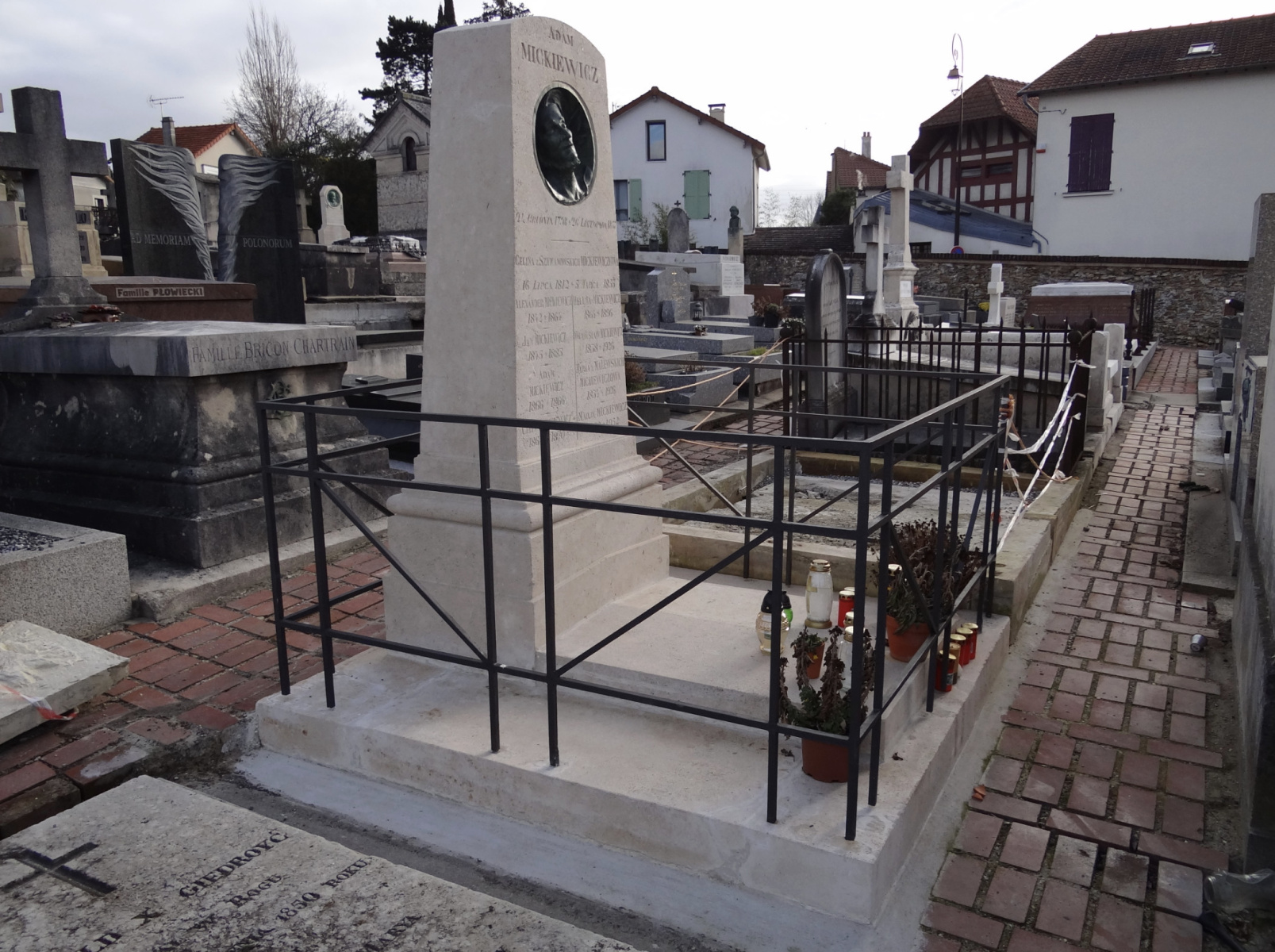
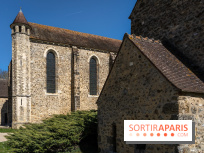
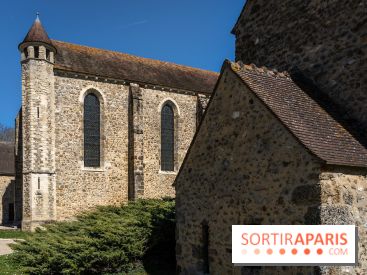
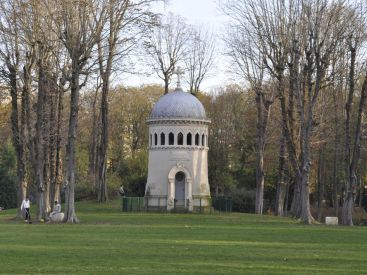
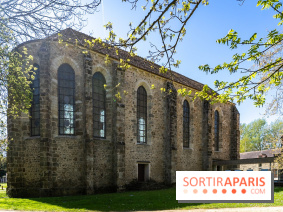
Located in Montmorency in the Val-d'Oise, the Champeaux cemetery is known as the Polish necropolis or the Pantheon of Polish emigration. Created at the beginning of the 17th century, from the 1840s onwards it became a preferred burial place for Polish exiles and a place of homage to soldiers on the Wall of Remembrance.
Among the graves are those of great figures of the Polish diaspora, such as the poet Adam Mickiewicz,the writer Cyprian Norwid, and General Karol Kniaziewicz.
Central, Eastern European and Balkan restaurants, our best addresses
Austria, Poland, Hungary, Ukraine, Romania, Bulgaria, Serbia, Croatia... Head for the Central European, Eastern European and Balkan restaurants of Paris to discover specialities rarely tasted elsewhere. [Read more]
Explore the Parisian landmarks associated with Frédéric Chopin, from his modest apartment to the salons of society and the historic tributes he paid. The composer left his mark on the capital. [Read more]







 Central, Eastern European and Balkan restaurants, our best addresses
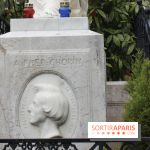 Following in Frédéric Chopin's footsteps in Paris, from the salons to the Polish library