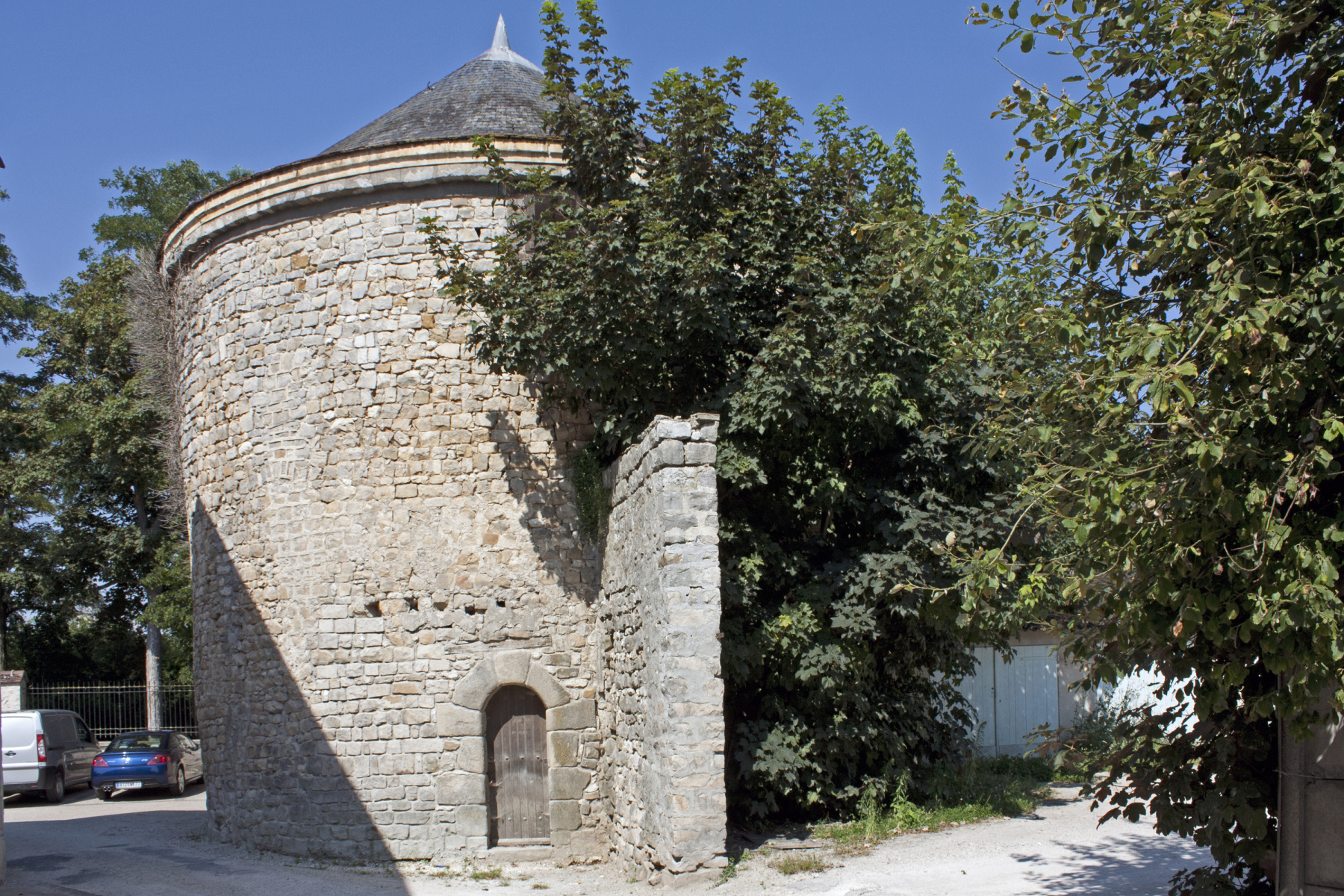
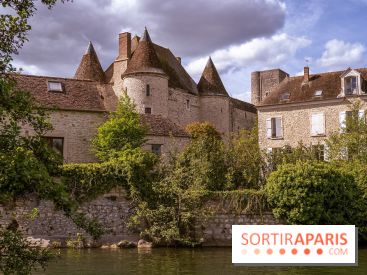
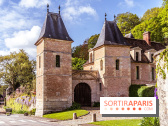
During a stroll through the historic center of Milly-La-Forêt, a charming village in Essonne nestled at the edge of the Gâtinais French Regional Nature Park, one structure immediately catches the eye. It’s neither a tower nor a lookout post, but a dovecote, locally known as the dovecote of Moustier. Recognized as a regional heritage site on September 25, 2025, this building stands as one of the few genuine examples of medieval rural architecture in Île-de-France.
In the past, dovecotes— sometimes called pigeon towers — were essential structures in both noble and peasant life. They served to raise domesticated pigeons, whose meat was consumed, and whose droppings, rich in nutrients, were used as natural fertilizer for the farmland. For a long time, the right to build a dovecote was reserved for the lord or major abbeys, and the number of nesting boxes inside reflected one’s social status and the extent of their landholdings.
The Moustier dovecote most likely dates back to the 15th century. It was probably rebuilt after the original structure was destroyed during the Hundred Years’ War, a period when Milly-La-Forêt faced frequent upheaval and destruction.
The dovecote is situated on the site of the former Moustier estate, a large property once owned by Lord Fulbert of Milly. This estate was part of a sprawling monastic complex that surrounded the town. The existence of the dovecote highlights the medieval lords’ agricultural and social strategies, as they sought to demonstrate their prosperity through prominent productive structures.
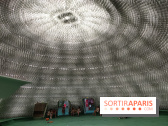
Architecturally, it stands out with its circular shape, built with evenly laid small stones and topped with a cornice. The restoration carried out between 2021 and 2023 has allowed for the refurbishment of both the exterior and interior facades, the reinstallation of the flooring, and even the rotating ladders that served the dove niches, restoring the building’s original appearance.
This dovecote holds considerable significance for several reasons. Firstly, it stands as a rare example of vernacular architecture from the late Middle Ages, a style scarcely represented around Paris, where urban development has often led to the disappearance of such rural structures. Secondly, it highlights the economic and symbolic importance of dovecotes—far from being mere farm buildings, they were integral components of the lordly power system and territorial management.
At a time when grand castles and Gothic cathedrals capture most of the spotlight, structures like the dovecote at Moustier serve as a reminder that medieval heritage isn’t confined to the most impressive monuments. It also lives in these humble yet meaningful buildings that dot the landscape and tell the stories of everyday life during the Middle Ages.
This page may contain AI-assisted elements, more information here.
Dates and Opening Time
Next days
Saturday:
from 12:00 a.m. to 11:59 p.m.
Sunday:
from 12:00 a.m. to 11:59 p.m.
Monday:
from 12:00 a.m. to 11:59 p.m.
Tuesday:
from 12:00 a.m. to 11:59 p.m.
Wednesday:
from 12:00 a.m. to 11:59 p.m.
Thursday:
from 12:00 a.m. to 11:59 p.m.
Friday:
from 12:00 a.m. to 11:59 p.m.
Location
Colombier of Moustier
parc du moustier
91490 Milly la Foret
Route planner