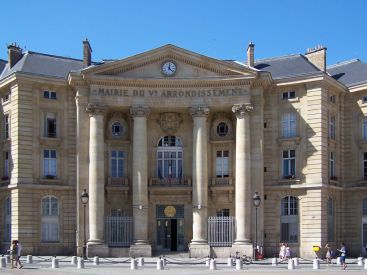
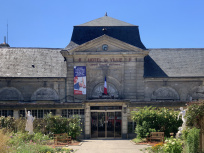
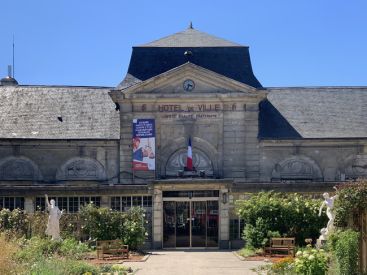
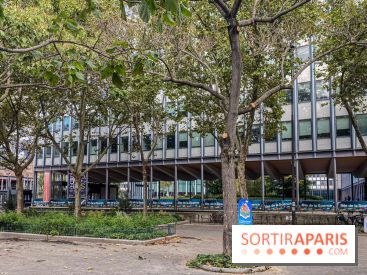
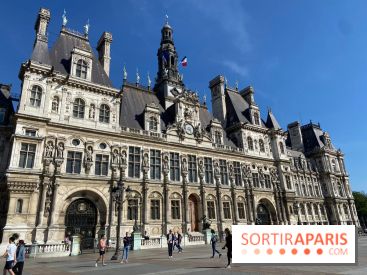
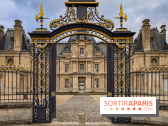
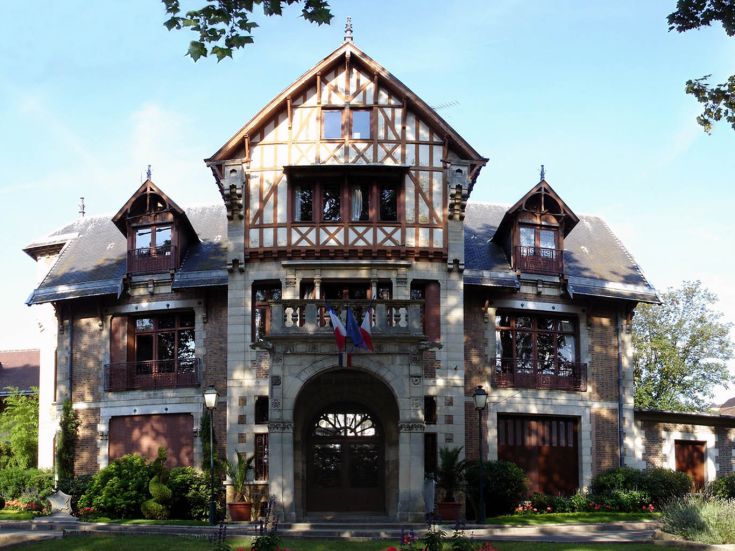
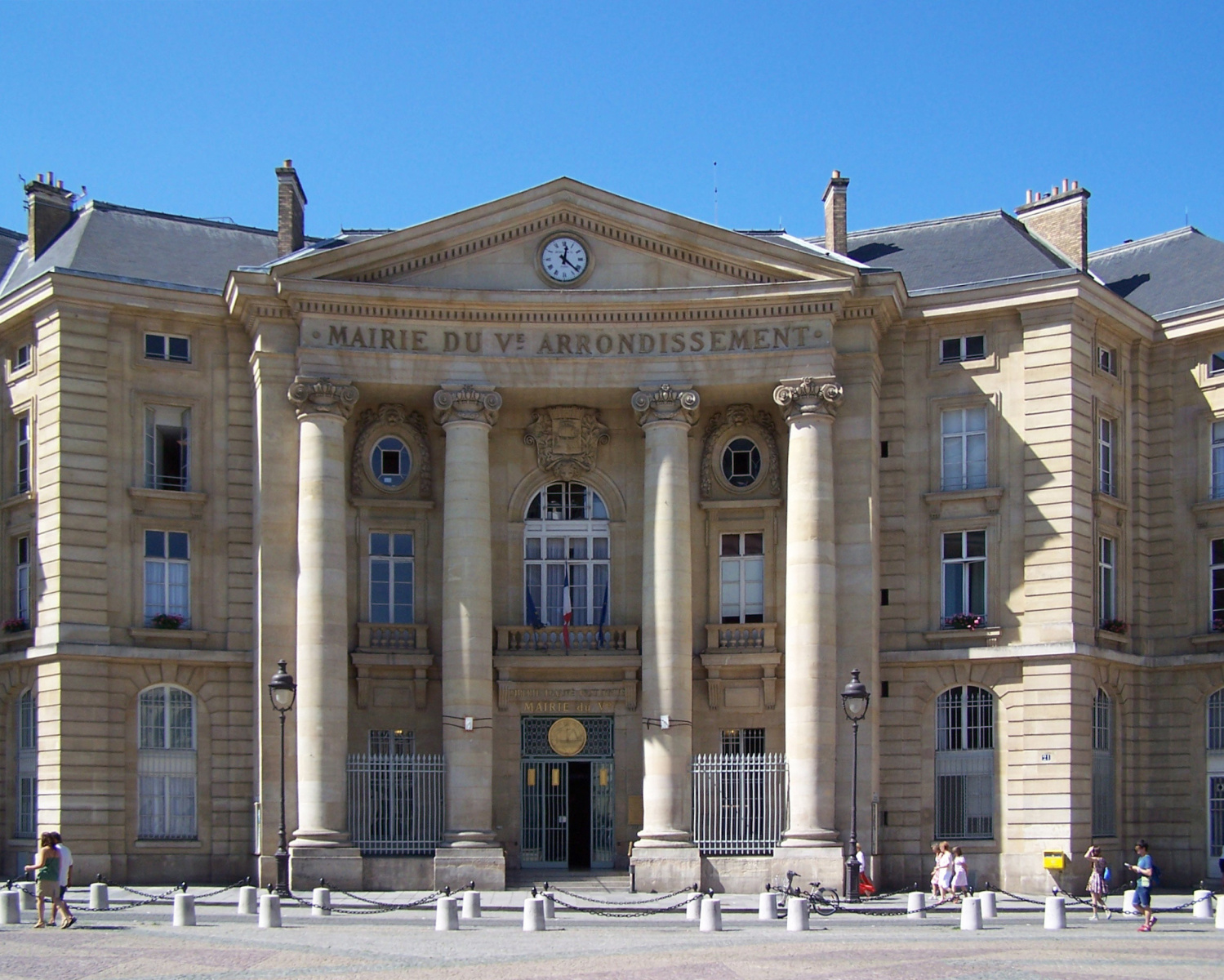
Located on Place du Panthéon, the town hall of the 5th arrondissement doesn’t go completely unnoticed if you take a moment to look up. Its façade features some quite recognizable elements: columns, a symmetrical layout, and a triangular pediment. All these features are direct echoes of ancient Greek and Roman architecture, traditionally associated with temples.
This type of architecture is uncommon for a Parisian district town hall. While many municipal buildings favor a more ornate or republican style, the one in the 5th arrondissement embodies a solemn classicism, drawing inspiration from ancient forms but executed with simplicity and restraint.
The town hall of the 5th arrondissement was built in the mid-19th century, during a period when Paris was undergoing rapid transformation. Its location is highly significant: it faces directly across from the Panthéon, an iconic monument itself inspired by ancient architecture, featuring a colonnaded portico and a grand pediment.
The Pantheon in Paris: prices, opening hours, tour and history of this emblematic monument
The Paris Pantheon, an emblematic monument in the heart of the capital, reveals the history of France's great personalities. Originally a church dedicated to Sainte Geneviève, the Panthéon is open all year round, giving you the chance to discover its rich heritage and architectural secrets. [Read more]
In this context, it would have been difficult to justify an architectural style that was overly flamboyant or excessively ornate. The decision was therefore made to adopt a design language consistent with that of the Pantheon, in order to create a visual harmony across the square.
This architecture takes on a special significance in the 5th arrondissement. The building is closely linked to a neighborhood that has historically been the heart of the Latin Quarter, renowned as a center of learning, education, and humanist thought.
But the connection to antiquity doesn't stop there. The 5th arrondissement is also one of the areas in Paris where the most visible ancient remains can be found, such as the Lutèce Amphitheatre or the Cluny Baths. The architecture of City Hall, inspired by ancient temples, also echoes the neighborhood’s very ancient history, which has been inhabited since Gallo-Roman times.
Before Paris, there was Lutetia. During Antiquity, the capital was part of the Roman Empire, and some of its remains are still visible today... if you know where to look! Here's where to discover the ruins of Lutetia in Paris. Let's take a stroll in the footsteps of the ancient city! [Read more]
This page may contain AI-assisted elements, more information here.
Location
5th arrondissement town hall
21 Place du Panthéon
75005 Paris 5
Official website
mairie05.paris.fr







 The Pantheon in Paris: prices, opening hours, tour and history of this emblematic monument
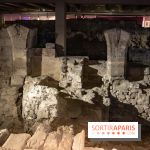 Where can you see the remains of Lutetia, the Paris of antiquity? Walk in the footsteps of the ancient city