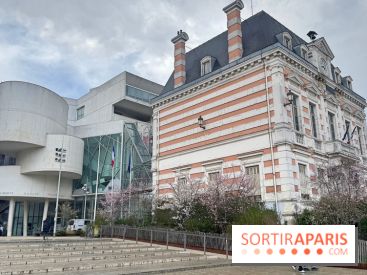
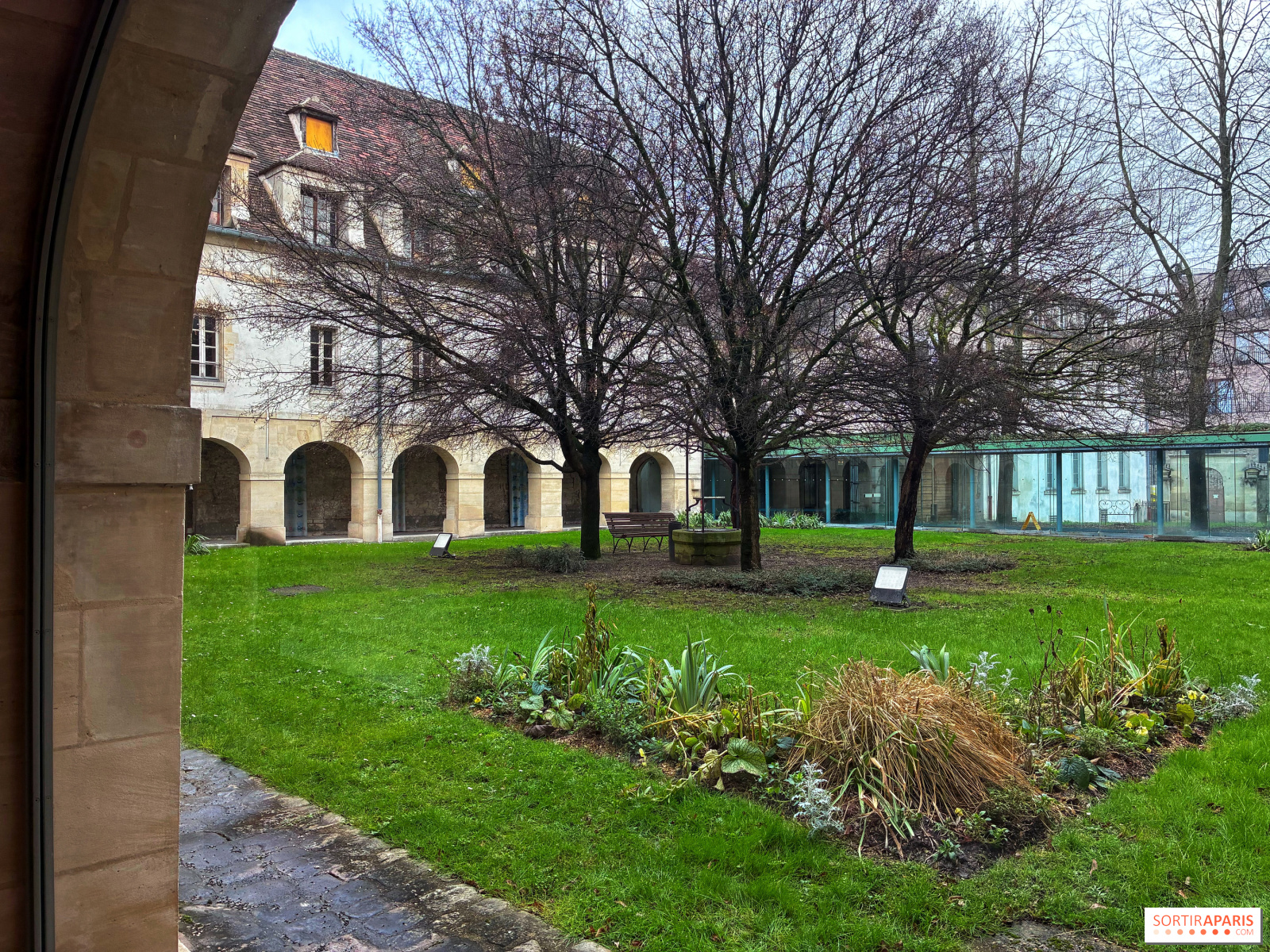
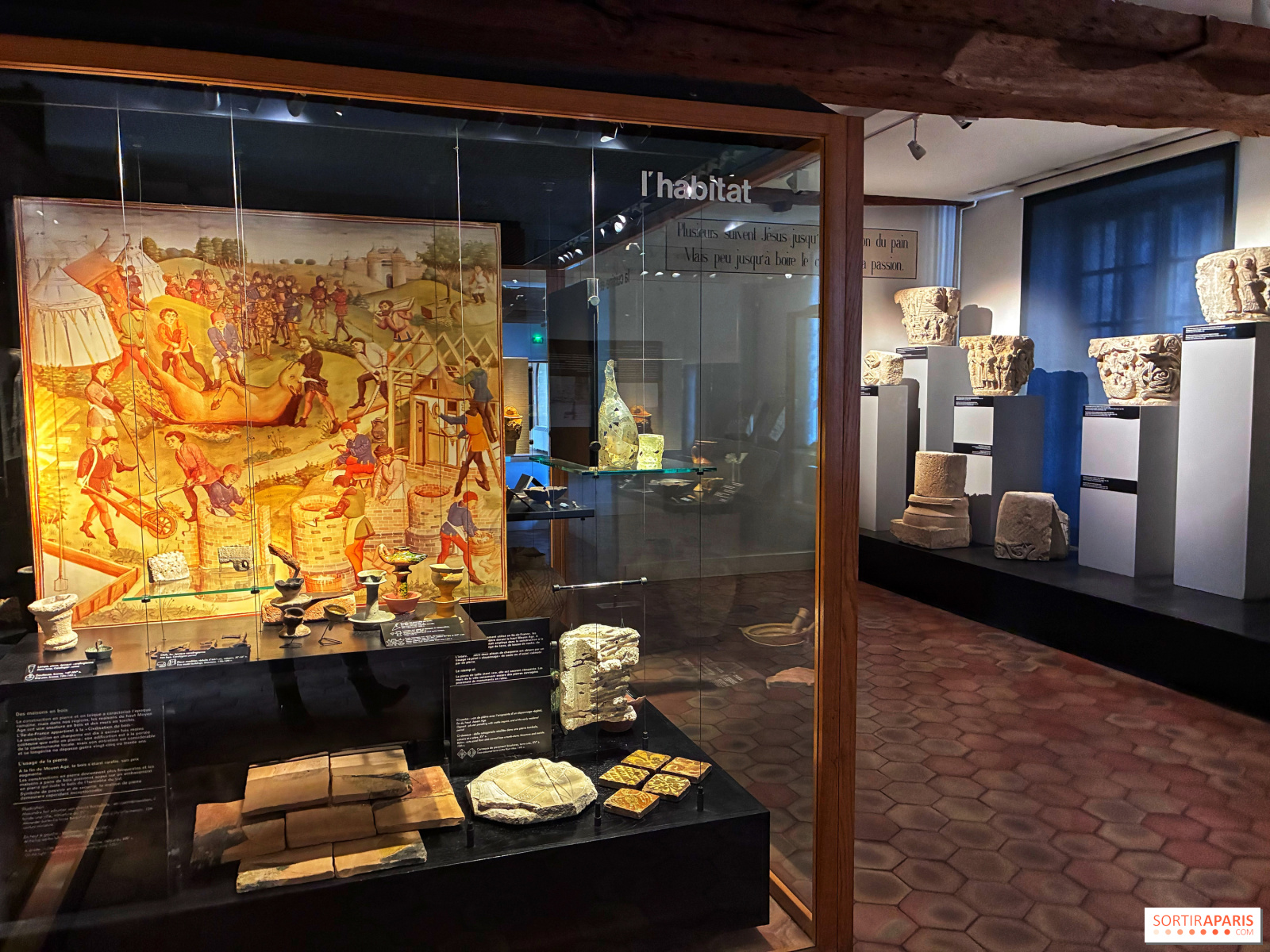
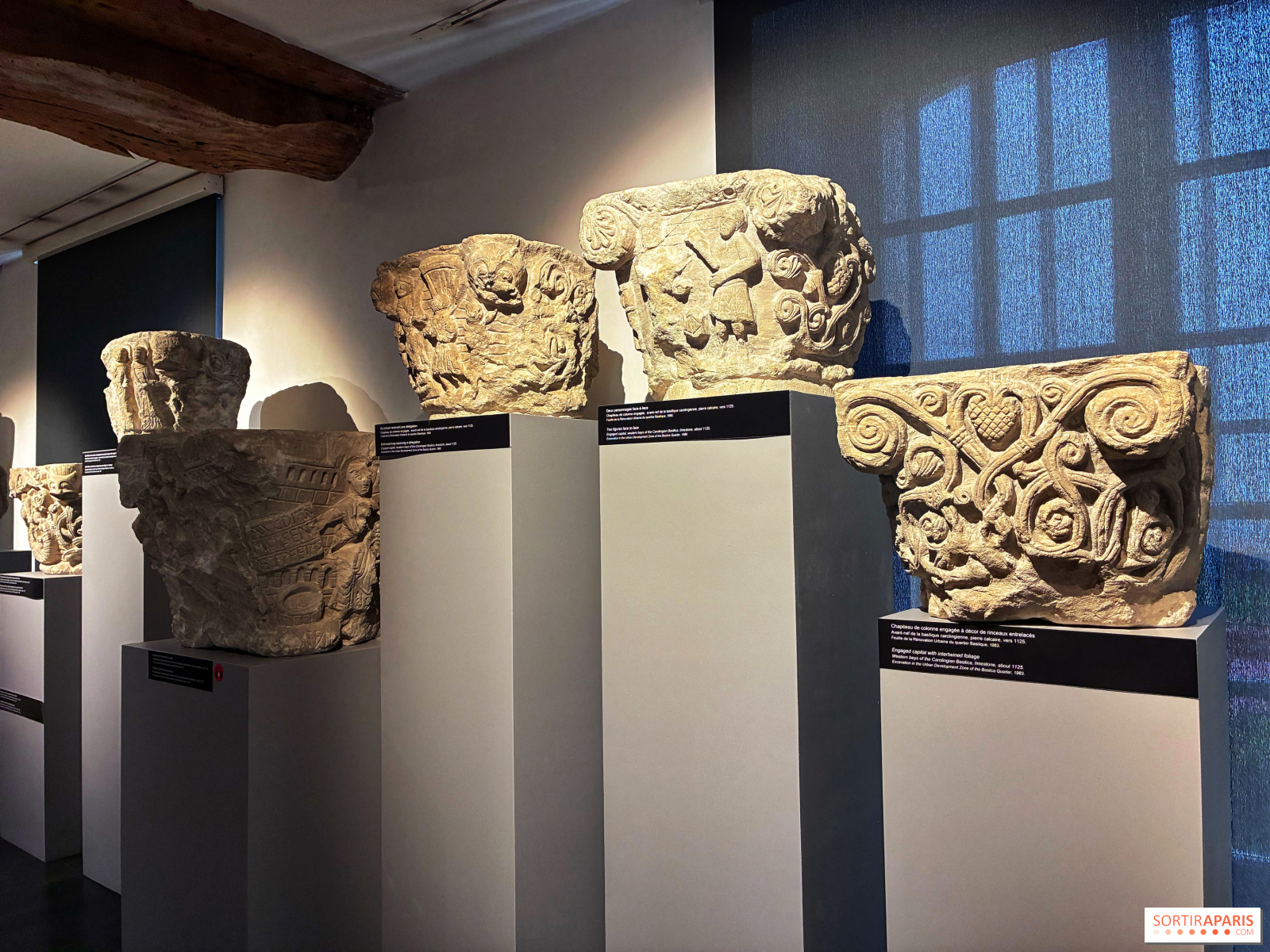
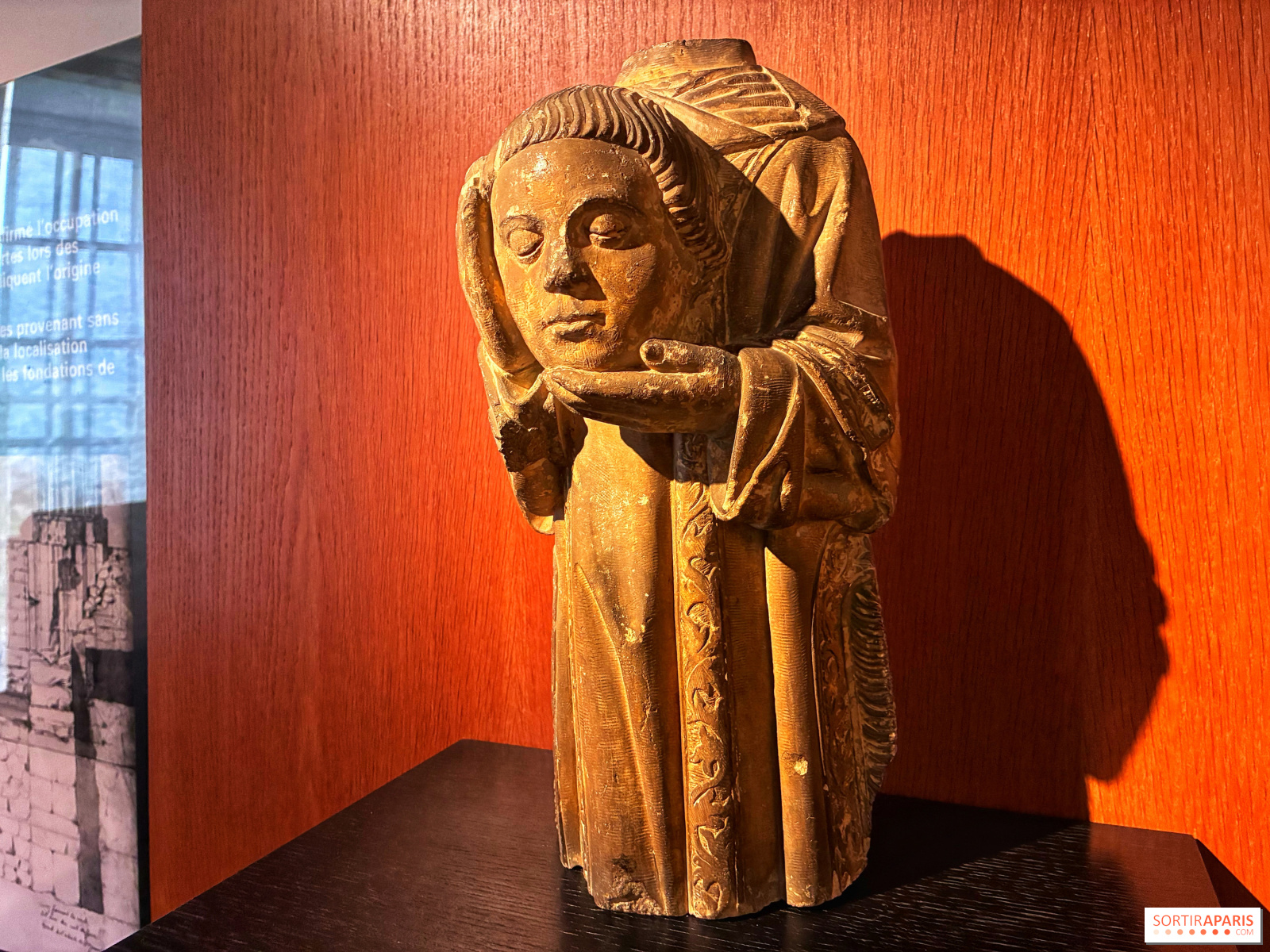
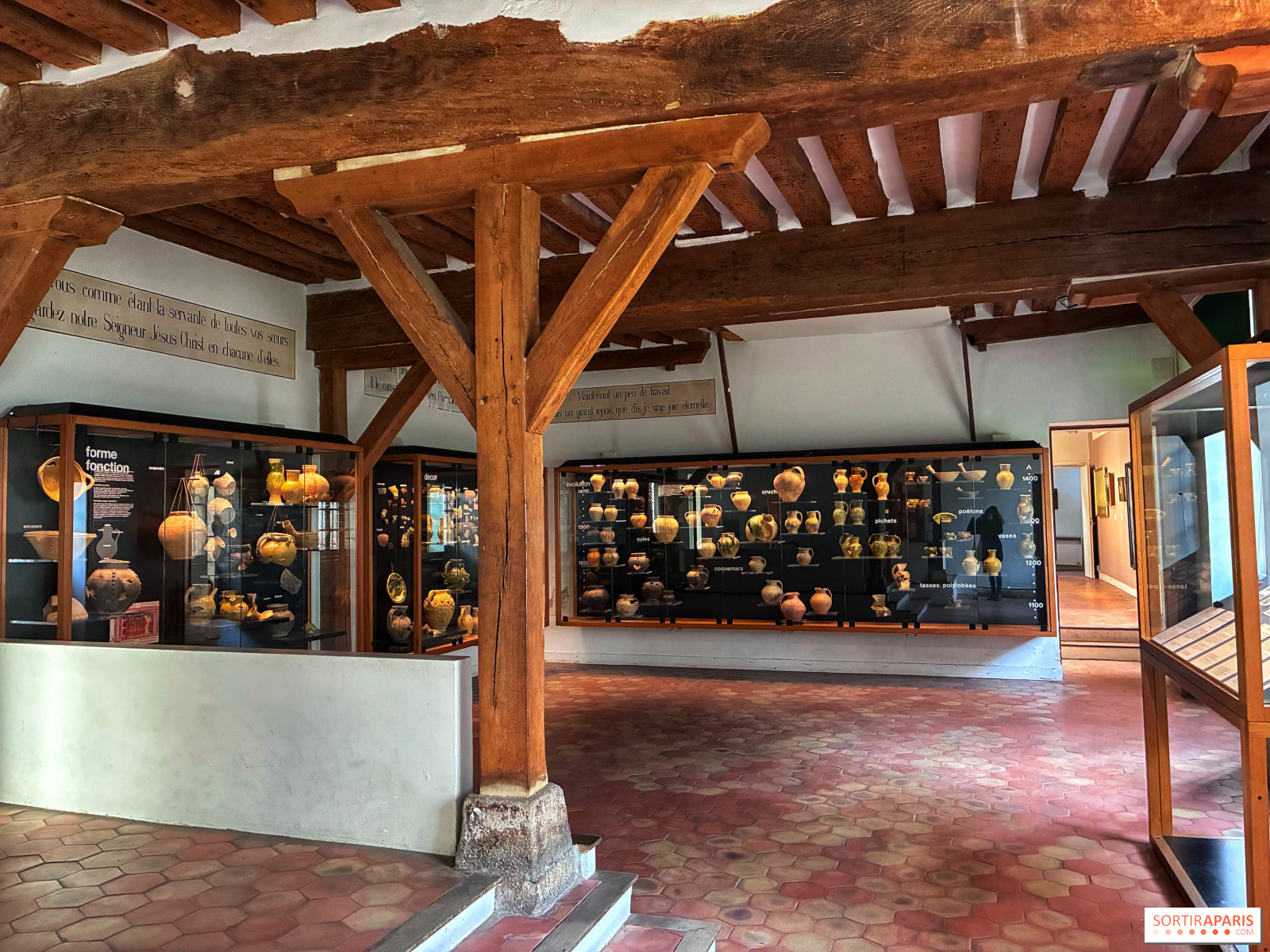
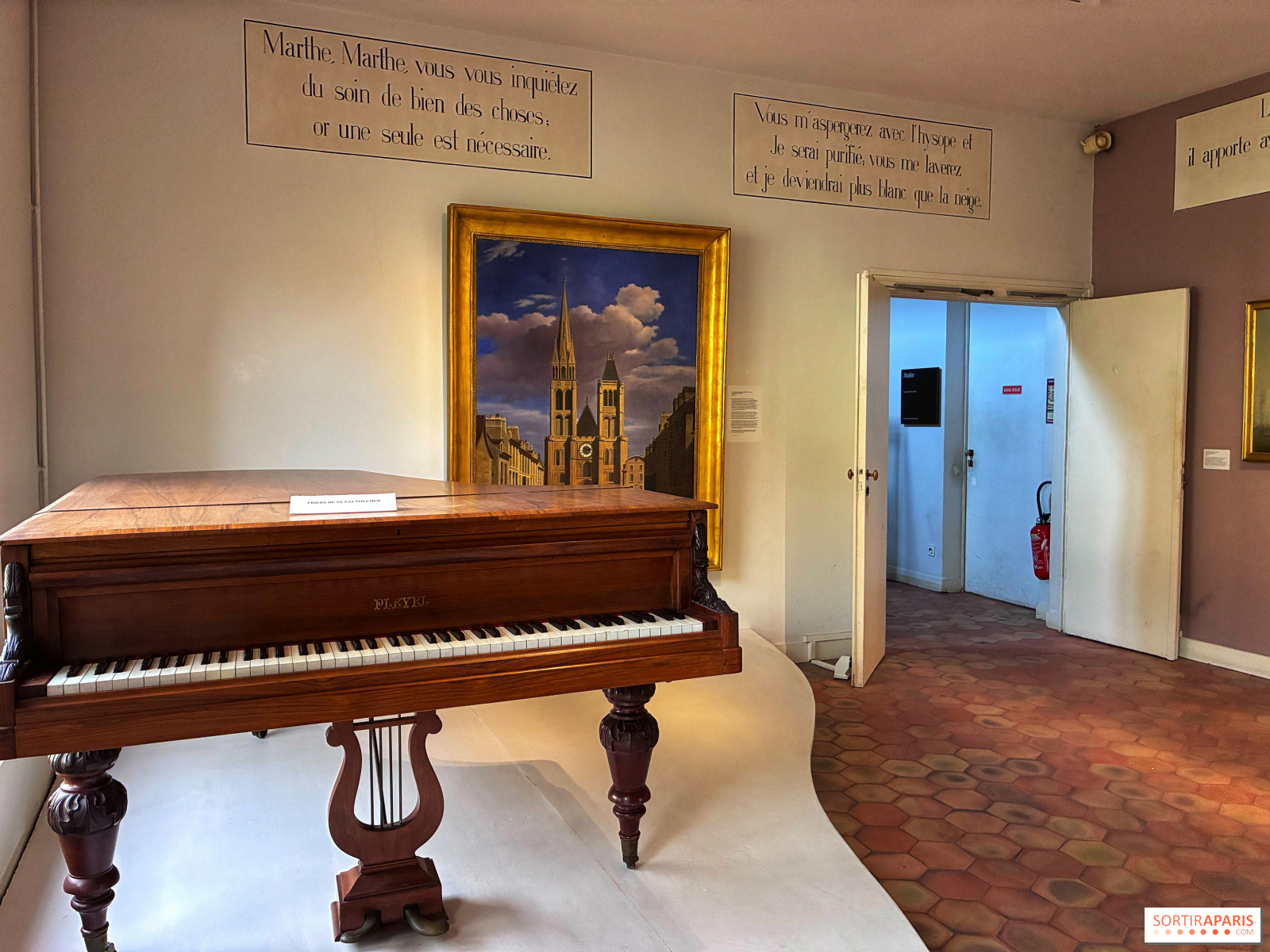
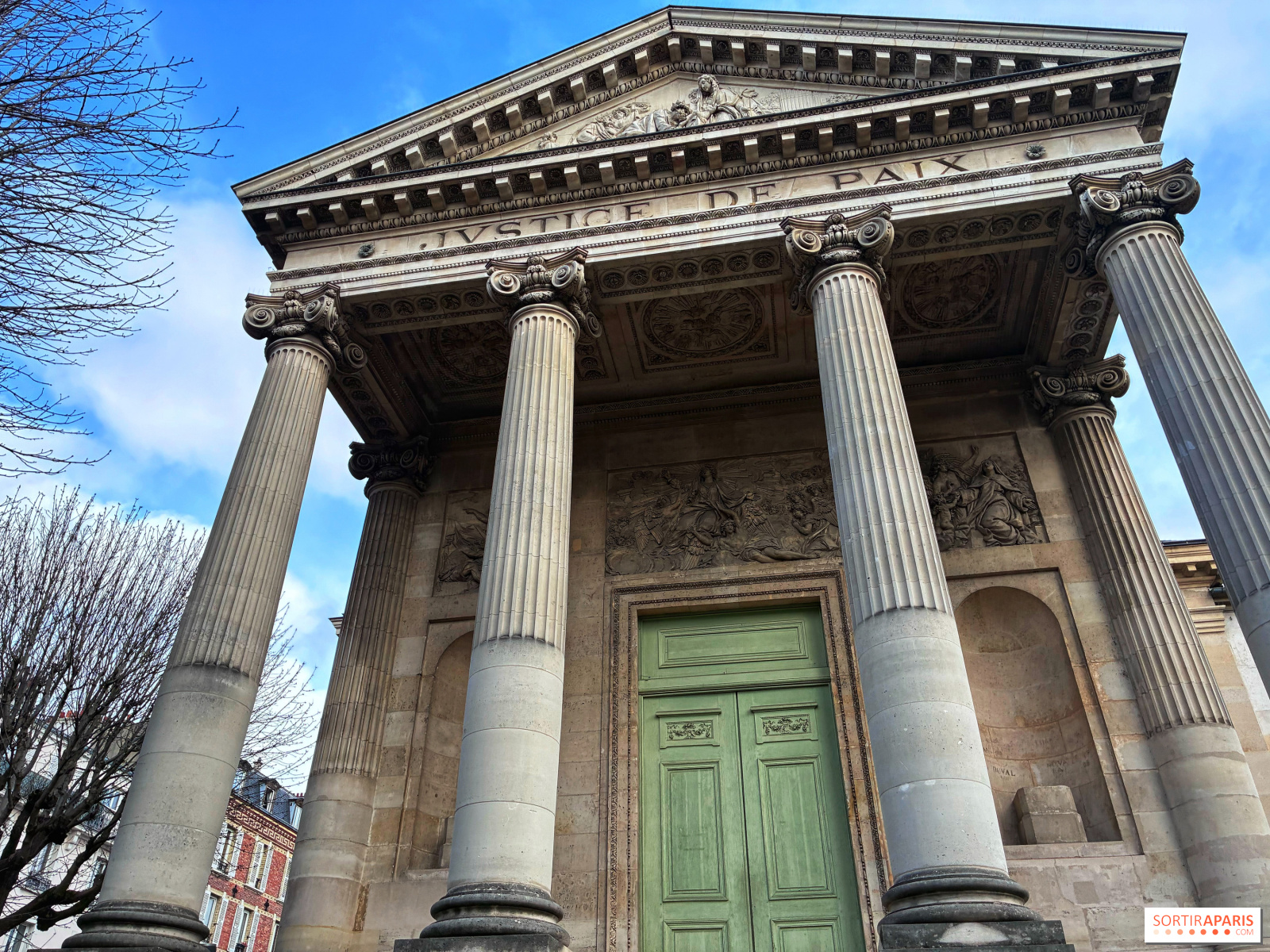
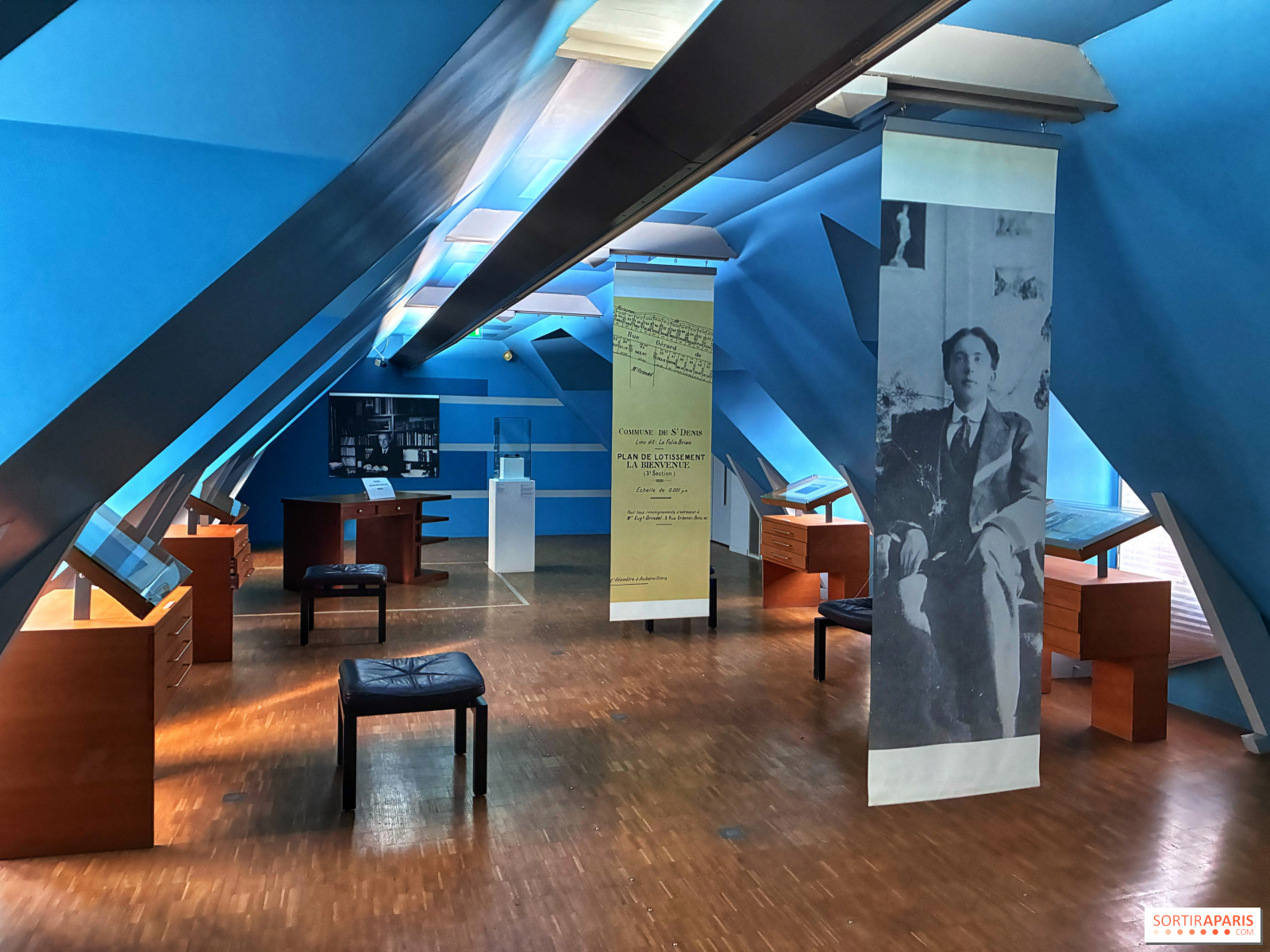
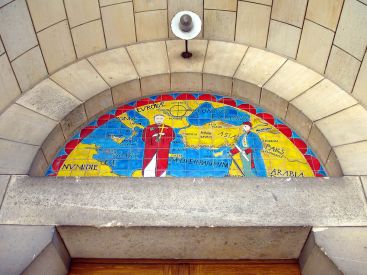
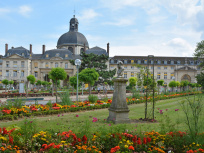
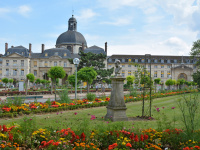
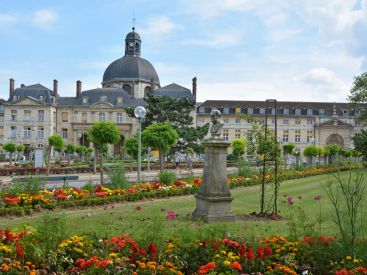
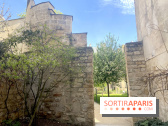
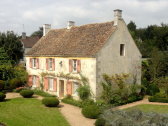
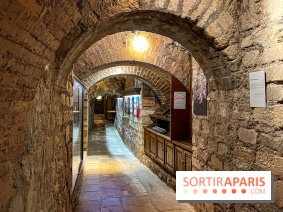
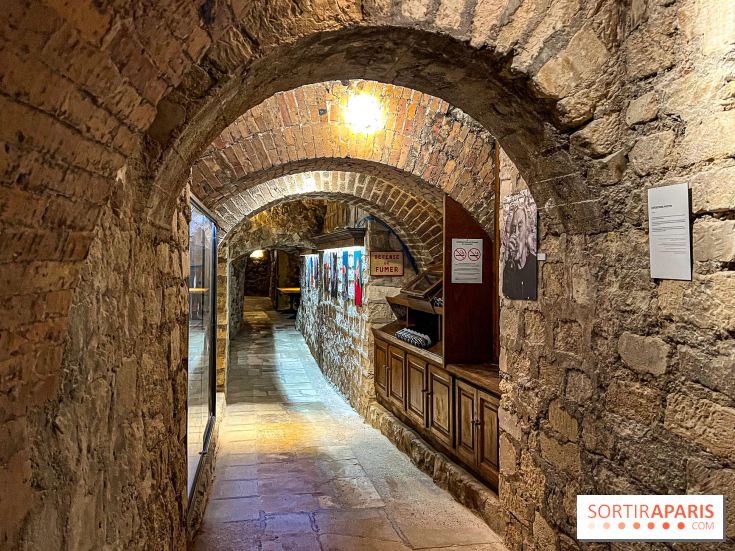
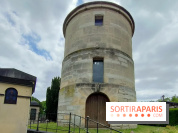
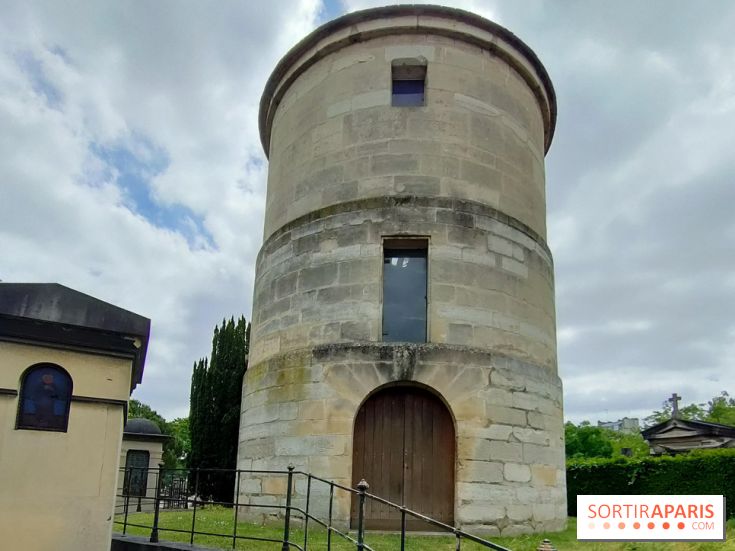
While the Musée d’Art et d’Histoire Paul Éluard in Saint-Denis has become a key cultural landmark in the city, its setting is just as impressive as its collections. Since 1981, the museum has been housed in the former Carmelite convent, an architectural complex founded in the 17th century, whose history is deeply intertwined with the French monarchy. It’s located just a stone’s throw from the Basilica.
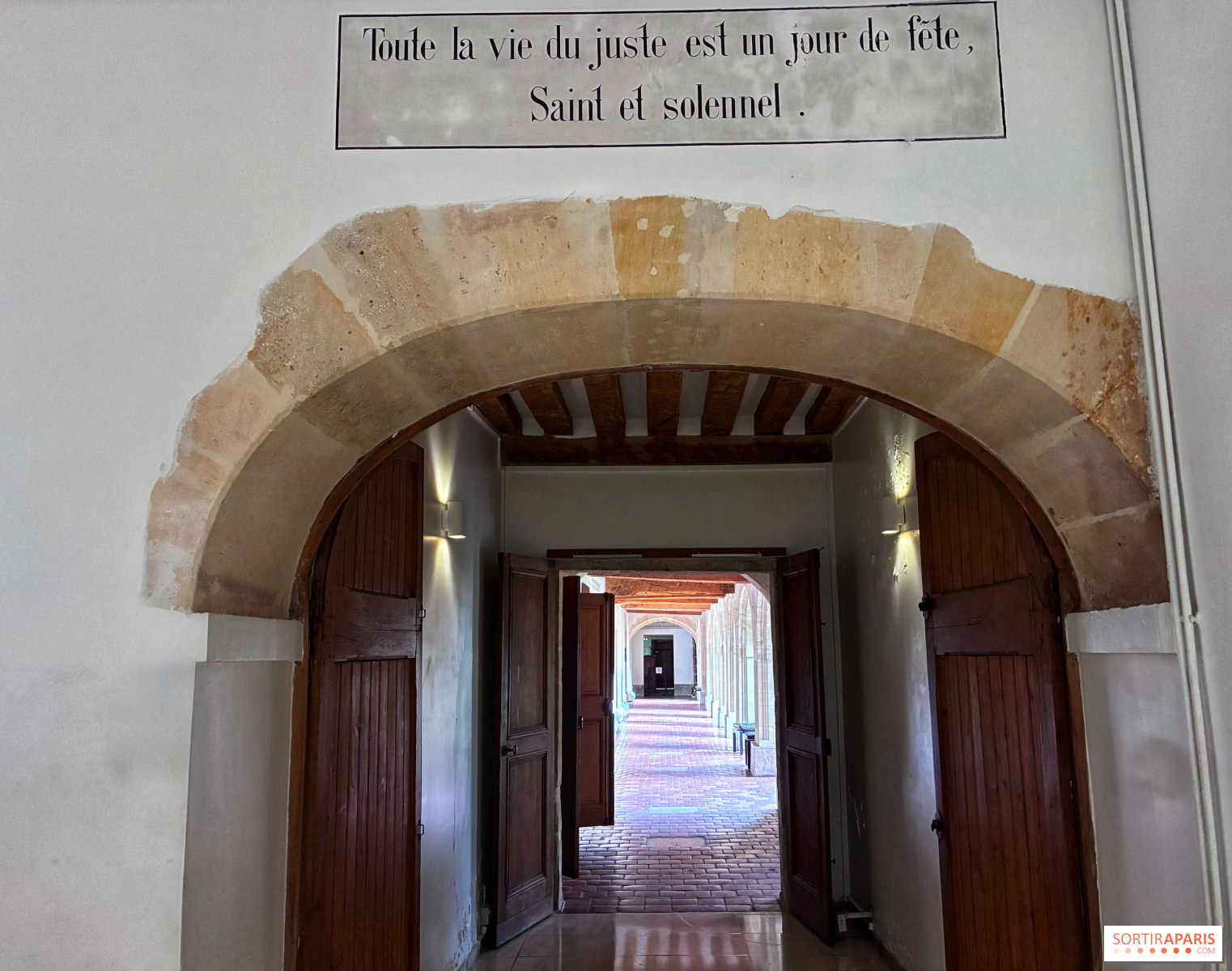
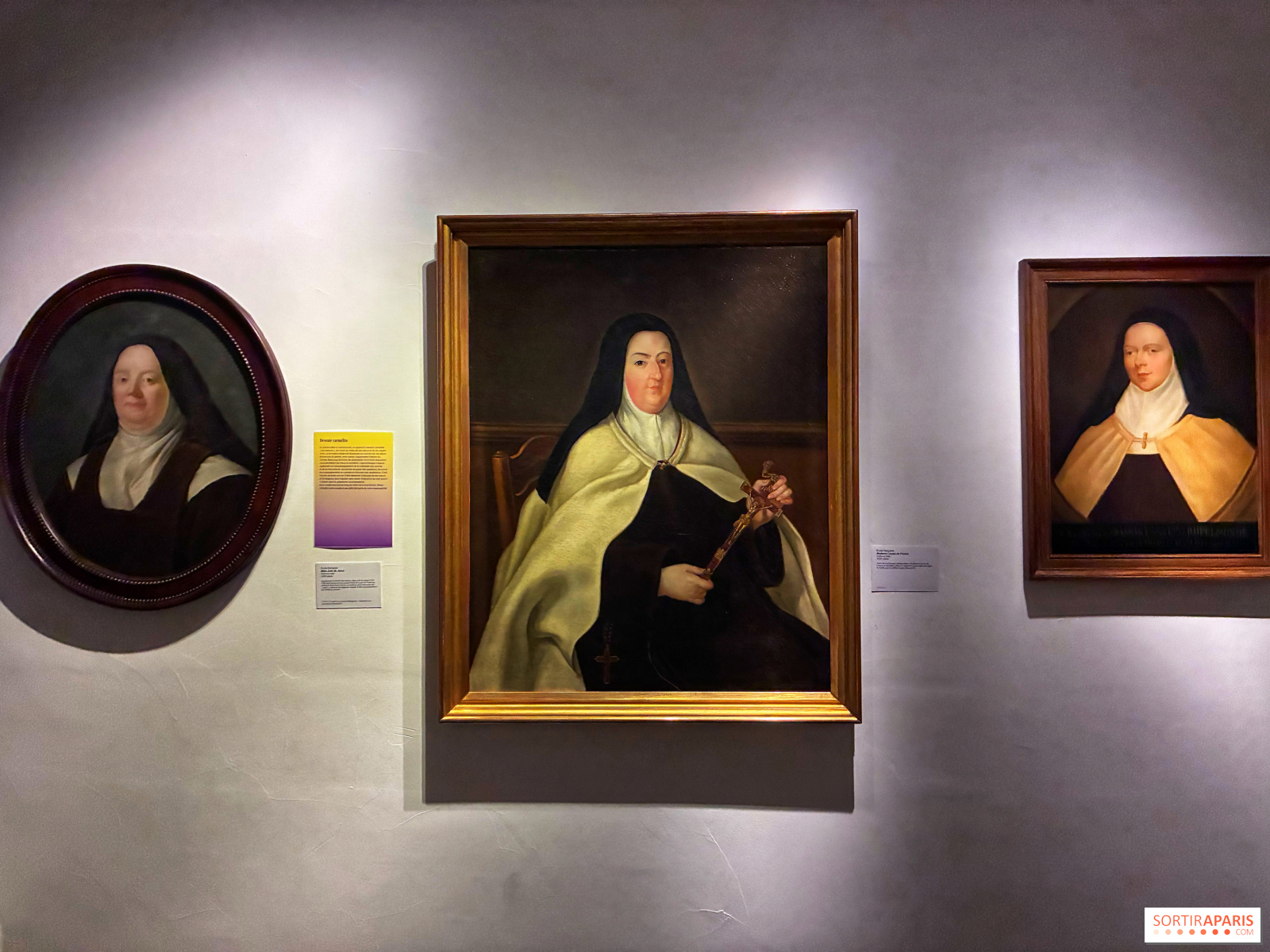
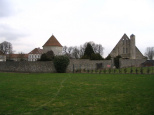
The history of the site begins in 1625, when seven Carmelite sisters without shoes settle in Saint-Denis. This order, reformed by Saint Teresa of Ávila, is one of the strictest within the Church: the nuns live in silence and poverty. For over a century, the convent maintains a quiet existence until 1770, when its fate takes a dramatic turn.
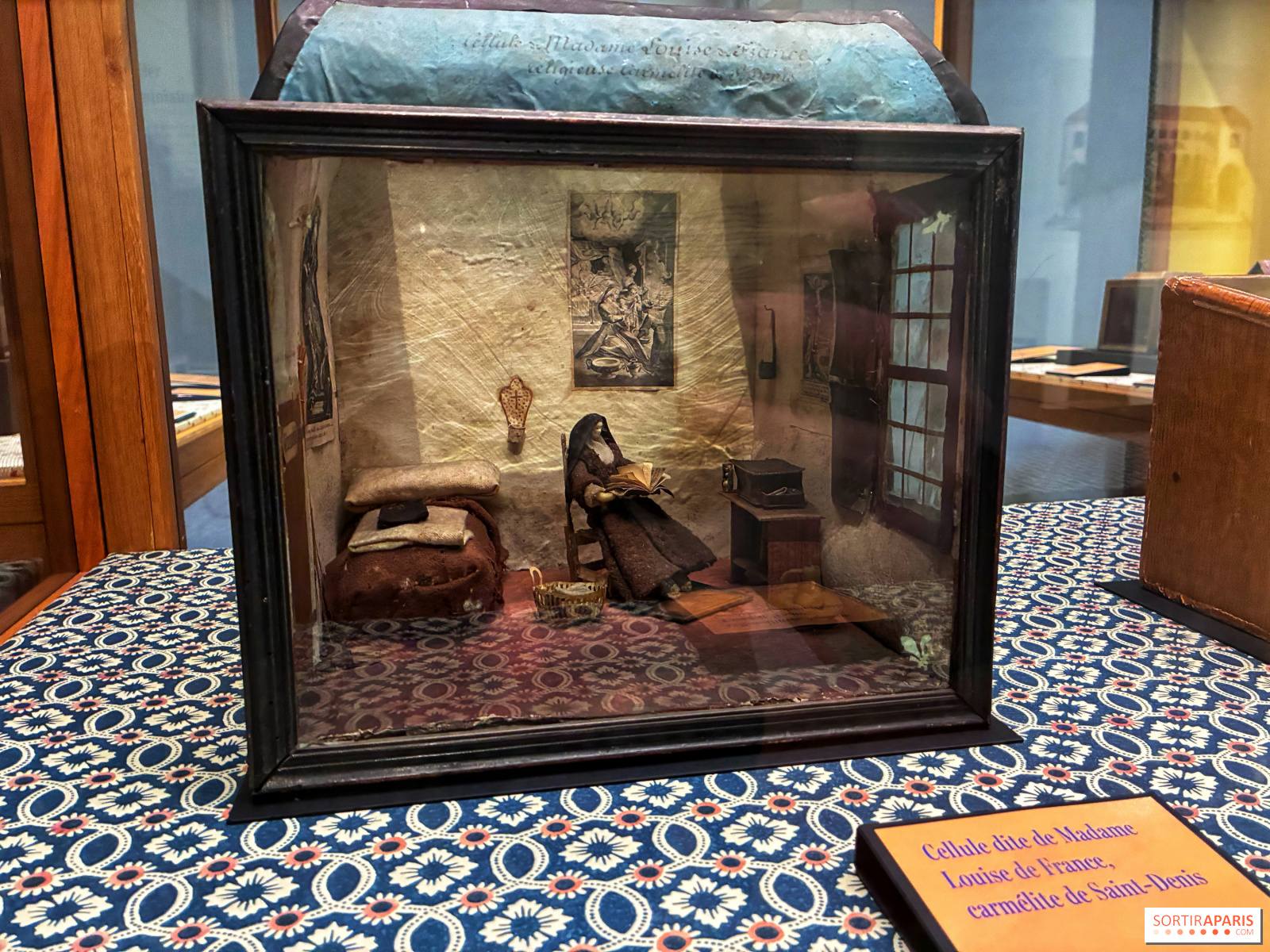
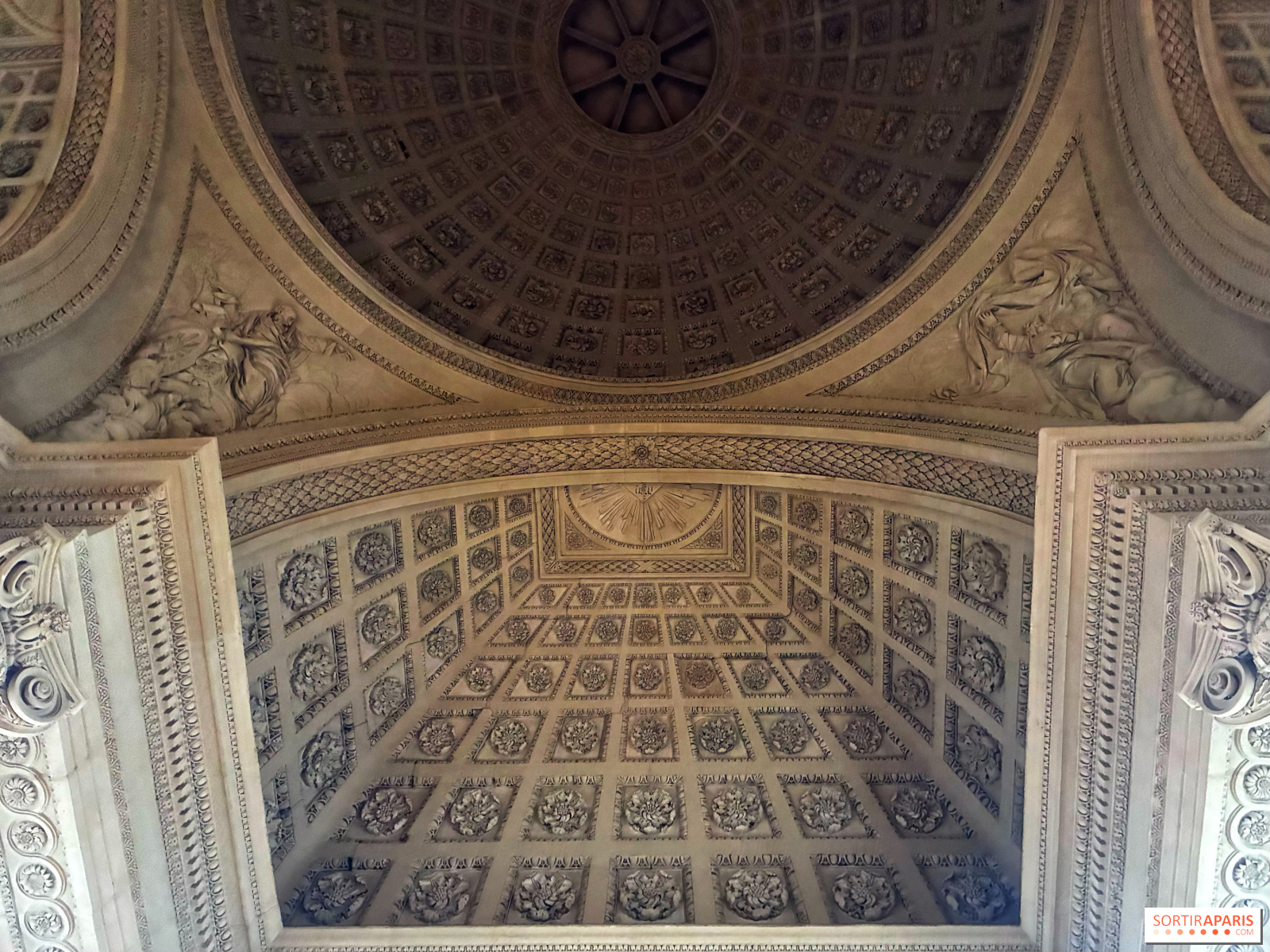
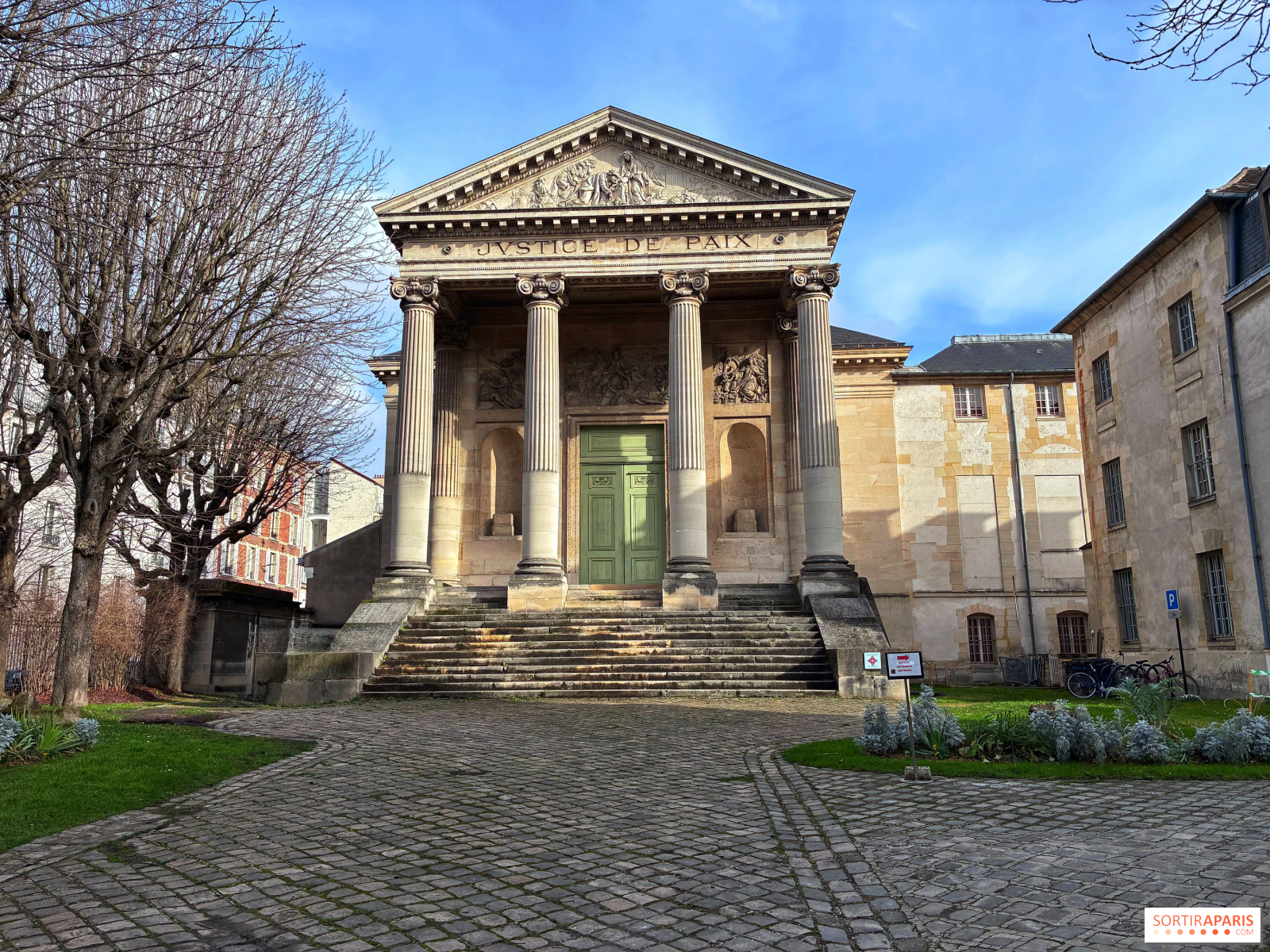
Louise of France, the seventh daughter of King Louis XV, chose to leave Versailles to pursue a religious life. Adopting the name Sister Thérèse of Saint Augustine, she led an austere life dedicated to prayer and used her influence to oversee the rebuilding of monastery buildings. Among her contributions is the neoclassical chapel, designed by the king’s architect Richard Mique, who also crafted the Queen’s Hamlet.
While the French Revolution led to the closure of most religious buildings and the dispersal of their assets, the Saint-Denis convent escaped destruction. In 1792, the Carmelite nuns were expelled, but the building found new purpose: initially as a military hospital, followed by an orphanage and a barracks. These successive uses prevented the convent from being dismantled for its stones, as happened to many abbeys.
Throughout the 20th century, the building gradually faded into obscurity until the city of Saint-Denis acquired it in 1972. Following a comprehensive restoration effort, the Museum of Art and History was opened to the public in 1981.
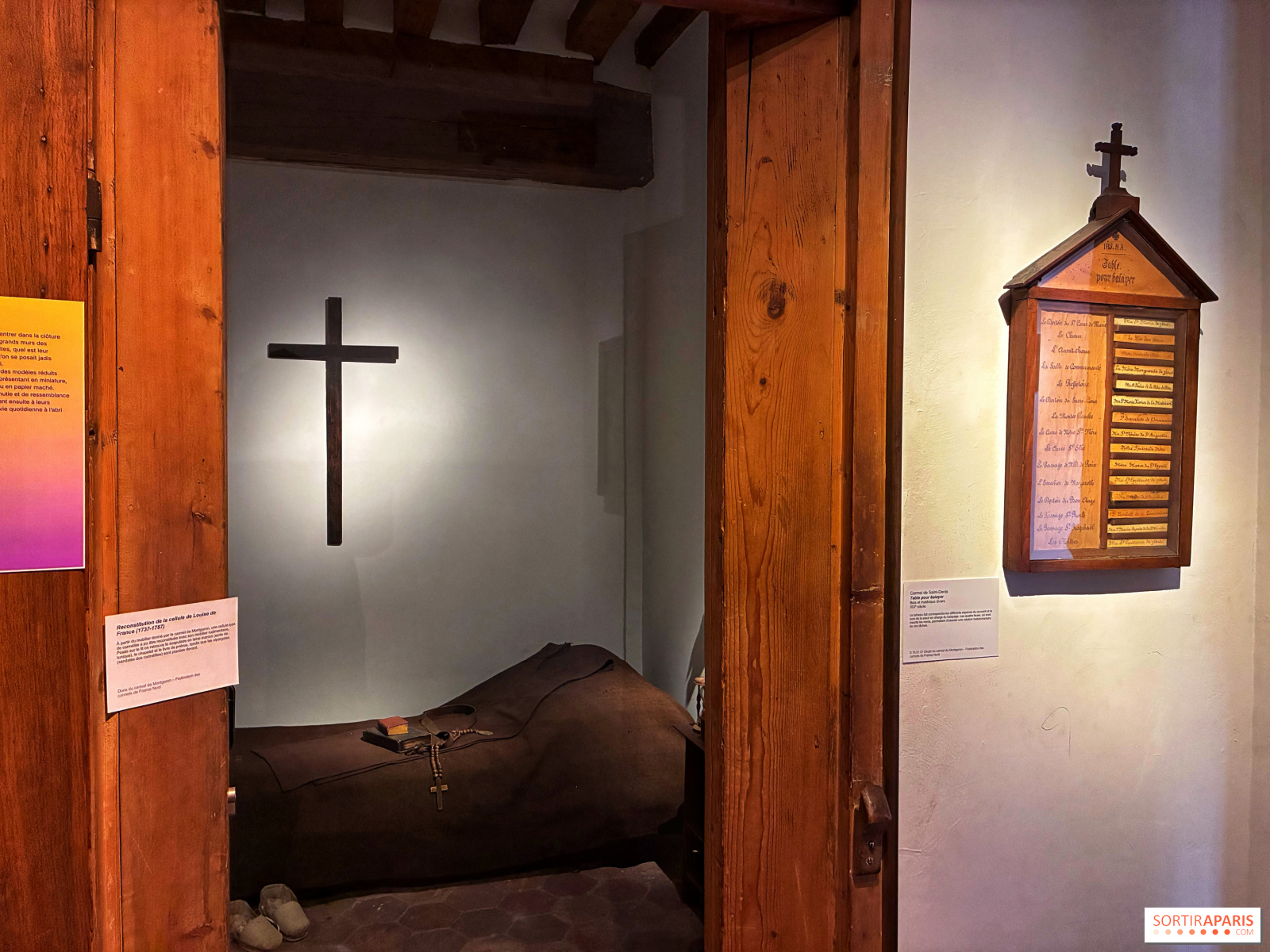
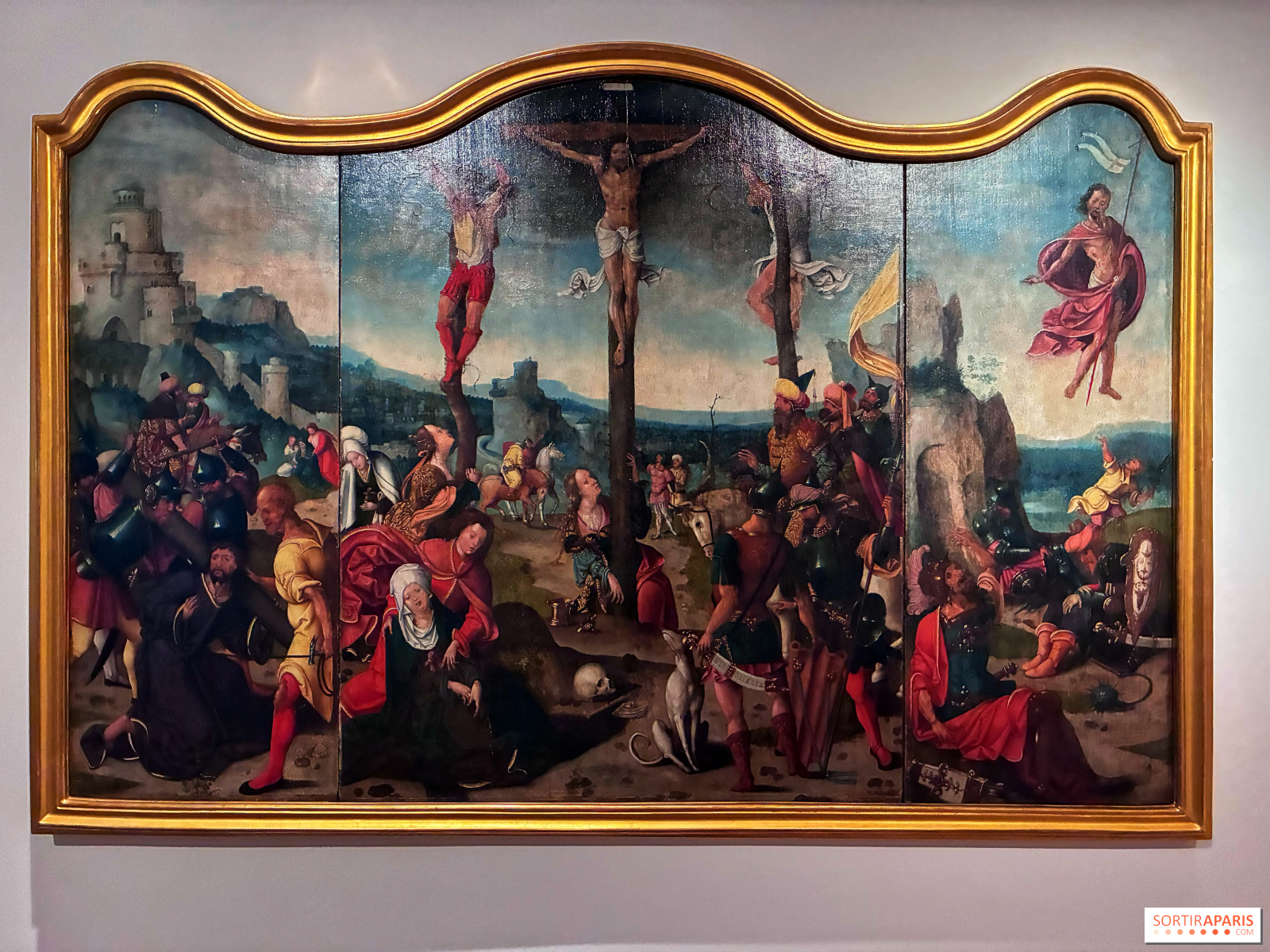
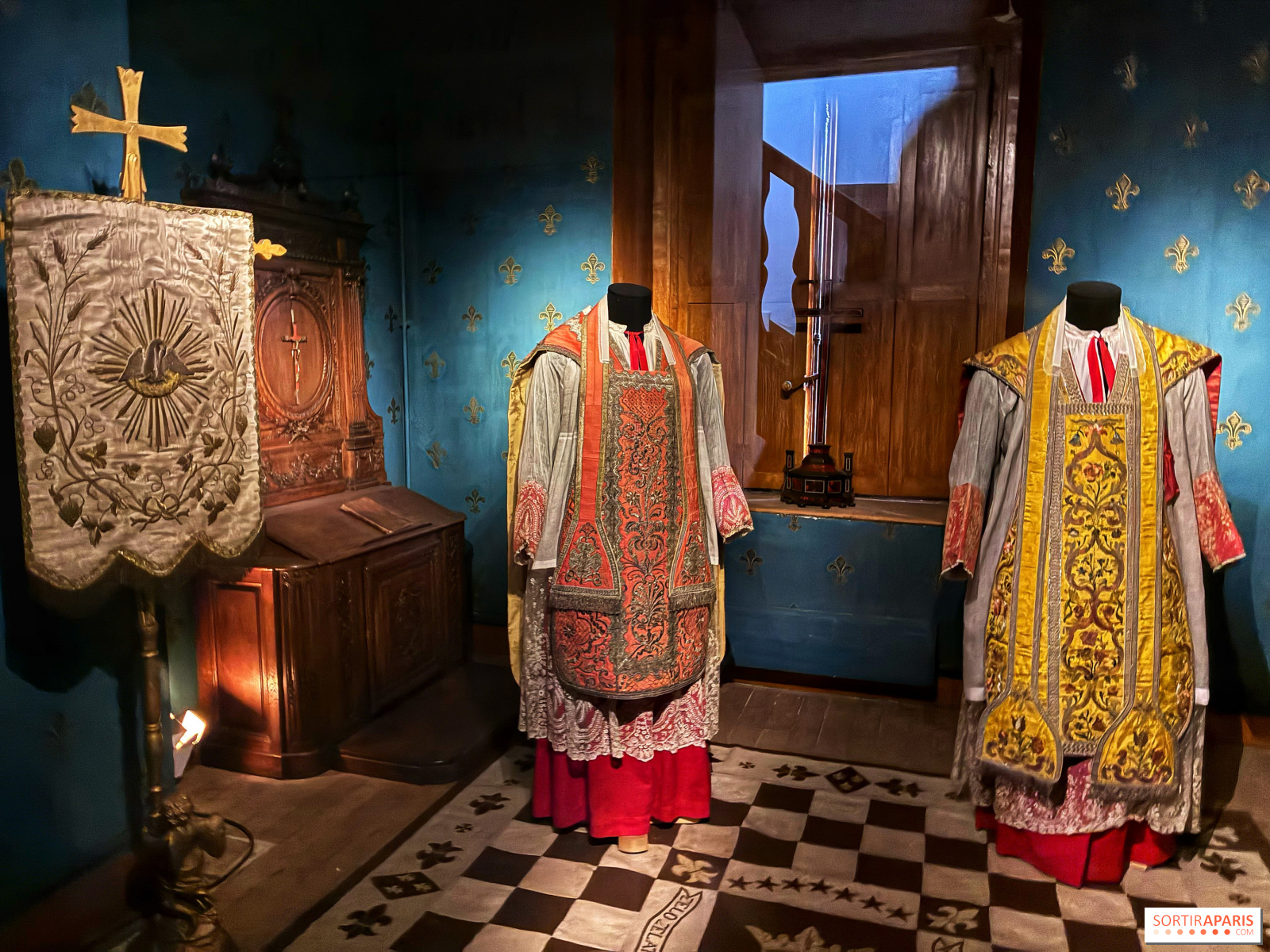
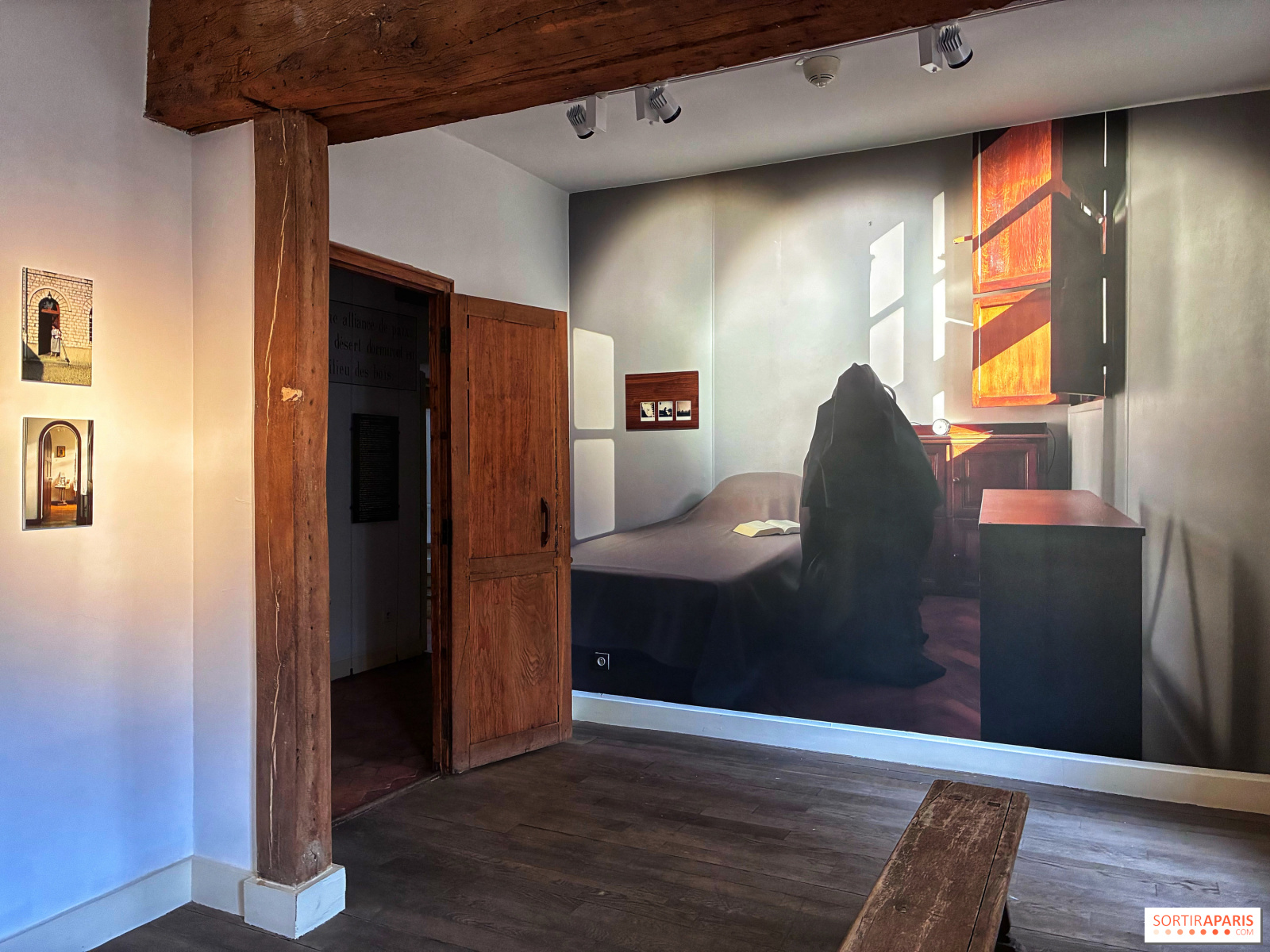
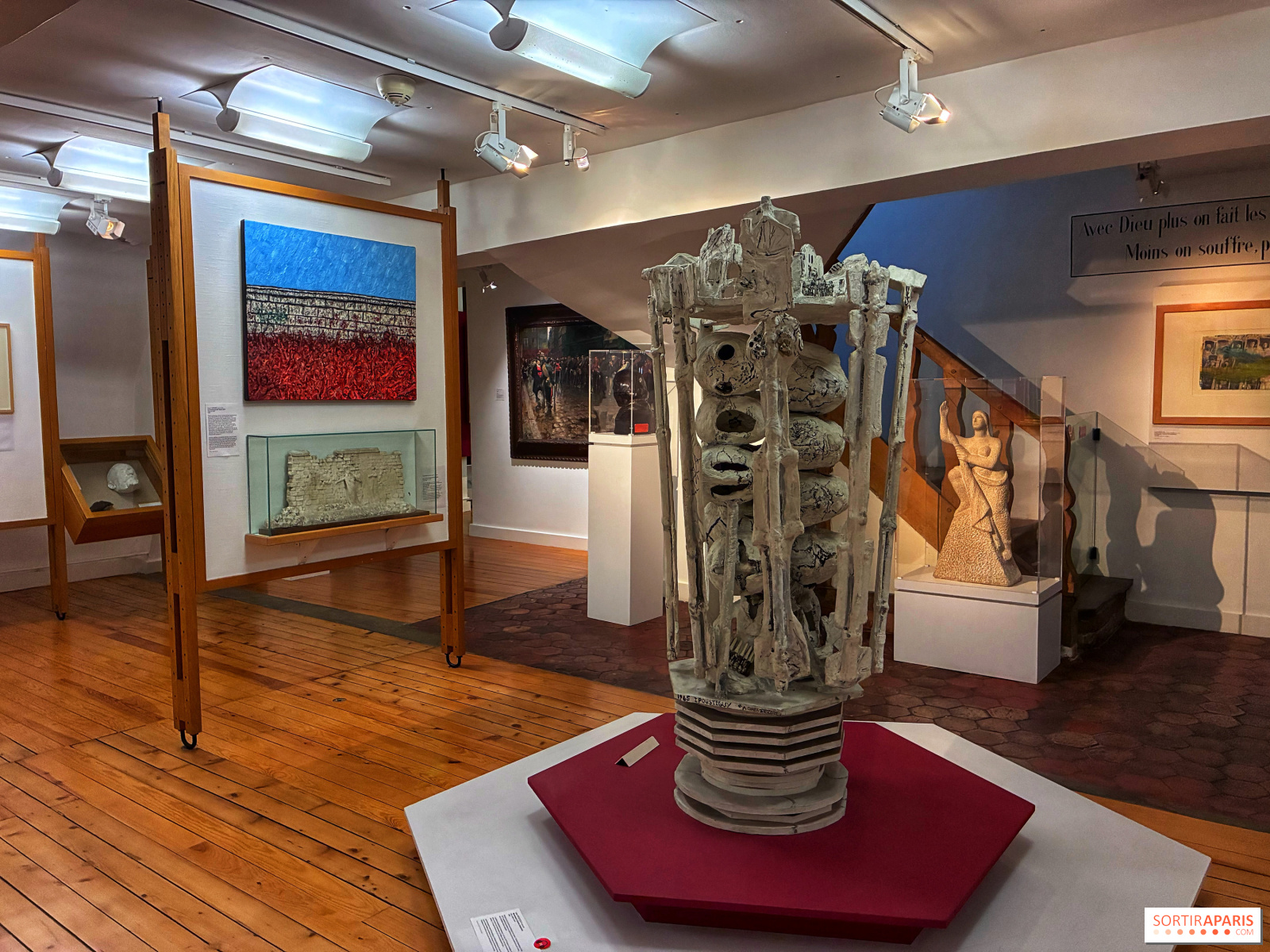
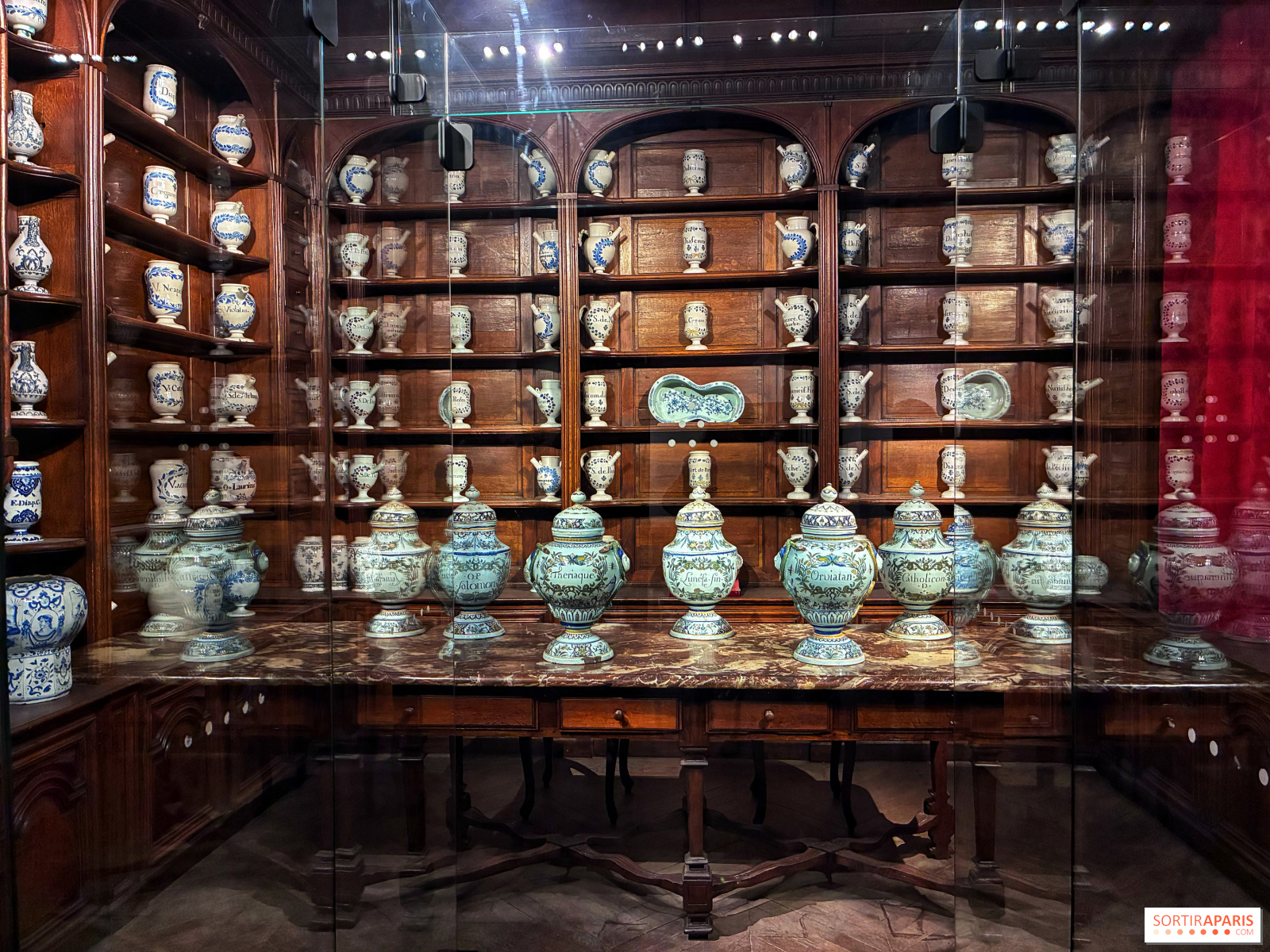
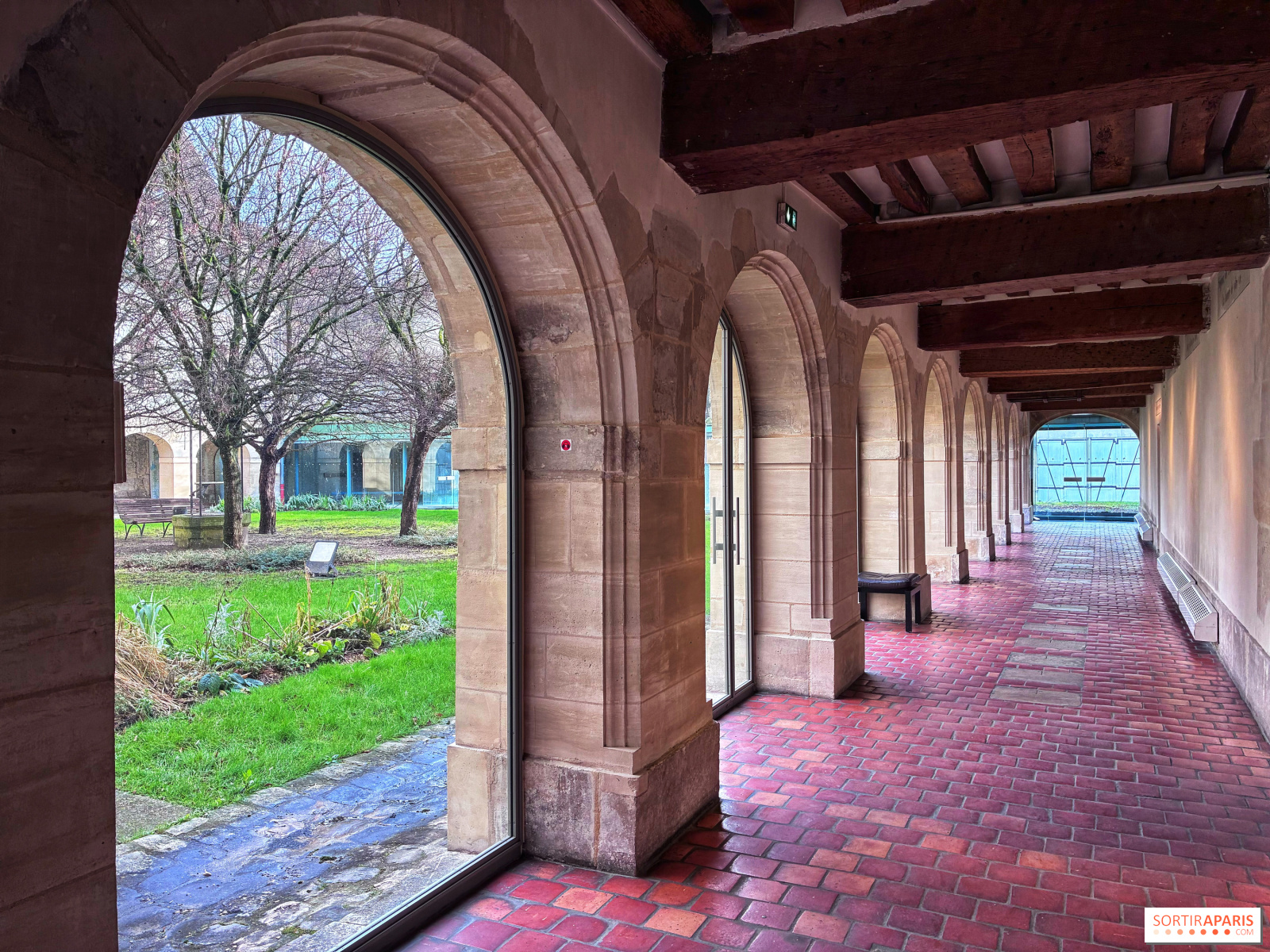
What makes the museum unique is that it preserves the original layout of the convent, centered around its cloister. The exhibits are arranged thematically, forging a link between the building’s religious history and the social story of Saint-Denis:
The tour guides visitors from the former nun’s cells to rooms dedicated to medieval archaeology, all within a building listed as a Historic Monument.
Location
Paul Eluard Museum of Art and History, Saint-Denis
22 Rue Gabriel Péri
93200 Saint Denis