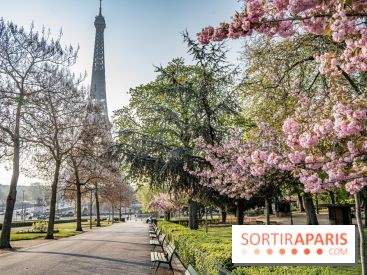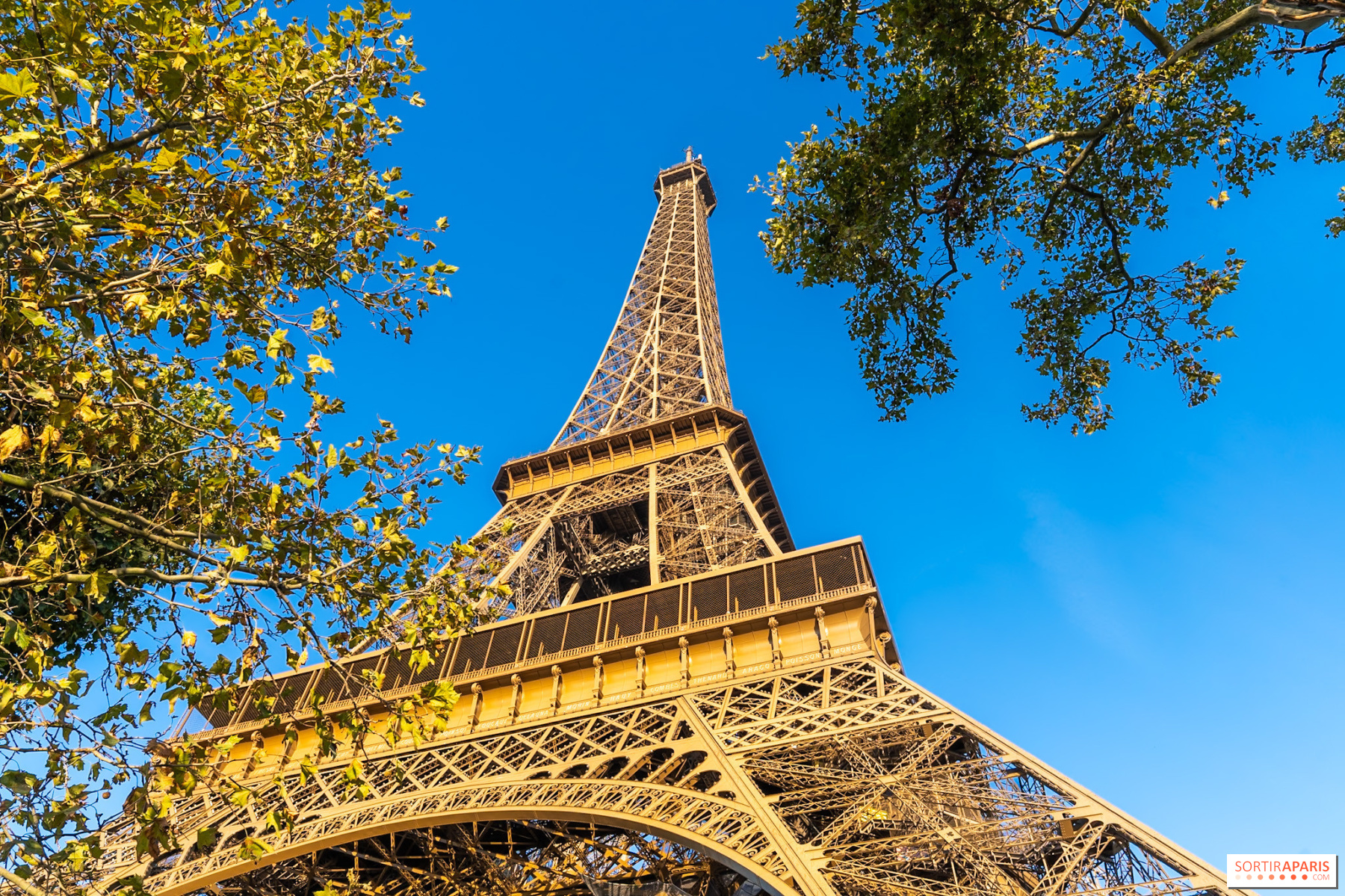
She is the emblem of Paris, an iconic monument recognized around the globe. Even her name is legendary: the Eiffel Tower needs little introduction. Yet, new secrets and stories continue to emerge from this tower that remains endlessly full of surprises...
The Eiffel Tower could have been called something entirely different. That’s right! We’re not referring to its famous nickname, "The Iron Lady", but rather to another name that casts some doubt on Gustave Eiffel’s true role in the creation of this monument. To understand what we mean, let’s go back in time to 1884.
At that time, France was preparing for its upcoming Universal Exposition, scheduled for 1889. Within the Eiffel Company, two engineers collaborated on a project that promised to captivate visitors and serve as a striking attraction. Emile Nouguier, experienced in metalwork, oversaw the construction efforts, while Maurice Koechlin, a recent graduate, brought fresh ideas. Together, they envisioned an ambitious plan: to build a 300-meter tall metal tower. An extraordinary feat that would highlight French ingenuity and strength—especially after the Americans' unsuccessful attempt to construct a similar structure for the 1876 Philadelphia Exposition.
The two French engineers get to work and present an initial sketch to Gustave Eiffel. The design doesn't quite win him over, but he allows his two employees to continue developing the project.
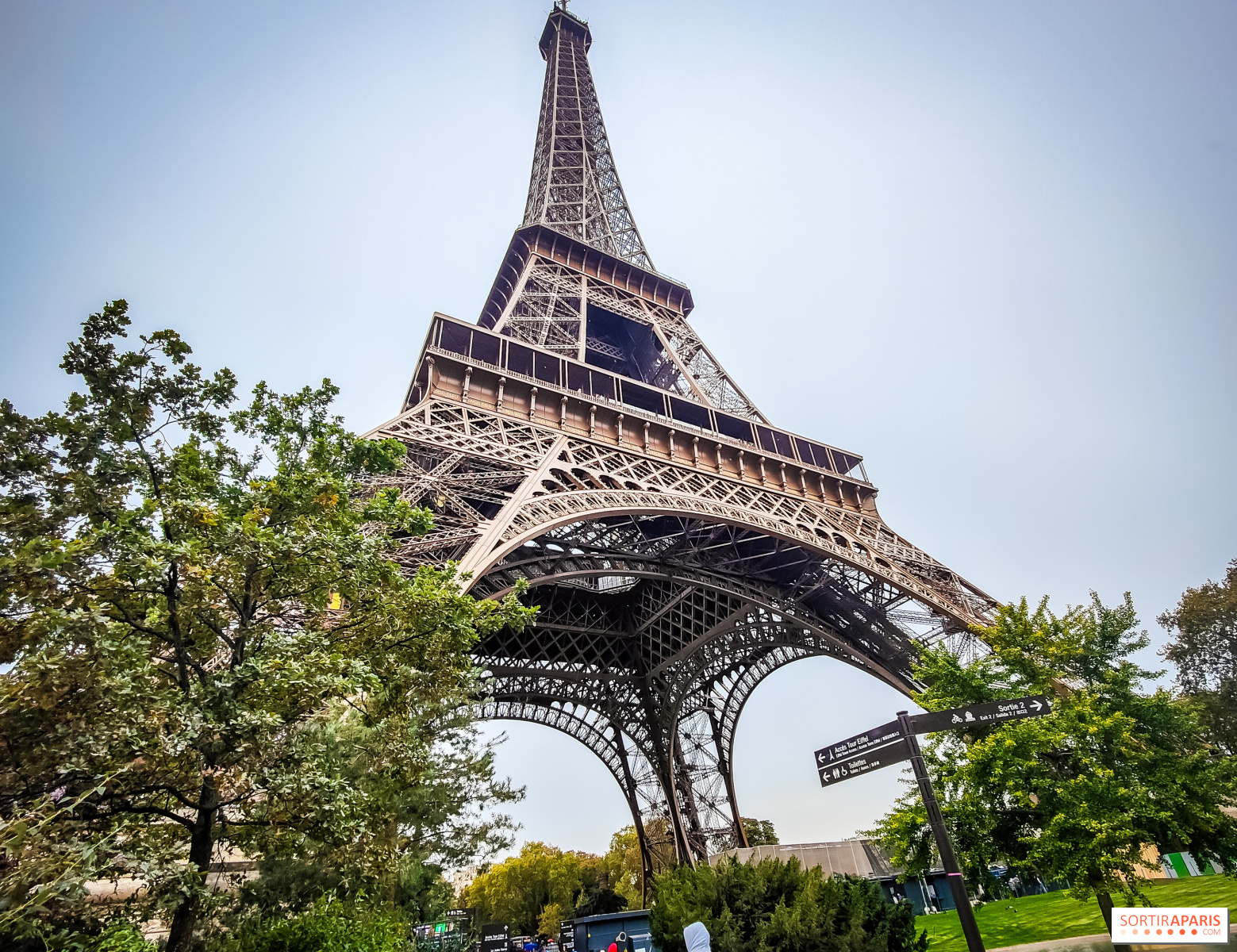
Koechlin and Nouguier then turn to architect Stephen Sauvestre, who redraws the overly simplistic pylon. The architect envisions three tiers that define the tower's structure, including two levels adorned with glass panels to grant visitors a stunning view of Paris. He embellishes the supporting pillars with decorative arches and adds a few ornamental touches... This revised sketch finally wins over Gustave Eiffel, who patents the "300-meter Tower", and takes on the task of bringing this ambitious project to life.
Traditionally, a structure bears the name of its creator. The Eiffel Tower should have been called "Tour Koechlin-Nouguier." It was also known as the "300-meter Tower." In the end, this iconic monument carries the name of the brilliant engineer and businessman who fought tirelessly to bring the Tower to life, despite numerous opposition.
In an interview with La Renaissance magazine in 1939, Maurice Koechlin declared: “The undeniable father of the Eiffel Tower is Eiffel himself […] a tireless perseverer […] He remains its great creator and a figure of enough prestige and boldness to shake up public authorities and push through his vision.”
Location
Eiffel Tower
Avenue Gustave Eiffel
75007 Paris 7
Access
Metro and RER: Line 6 or 9 "Trocadéro" station Line 6 "Bir-Hakeim" station RER C "Champ de Mars - Tour Eiffel" station