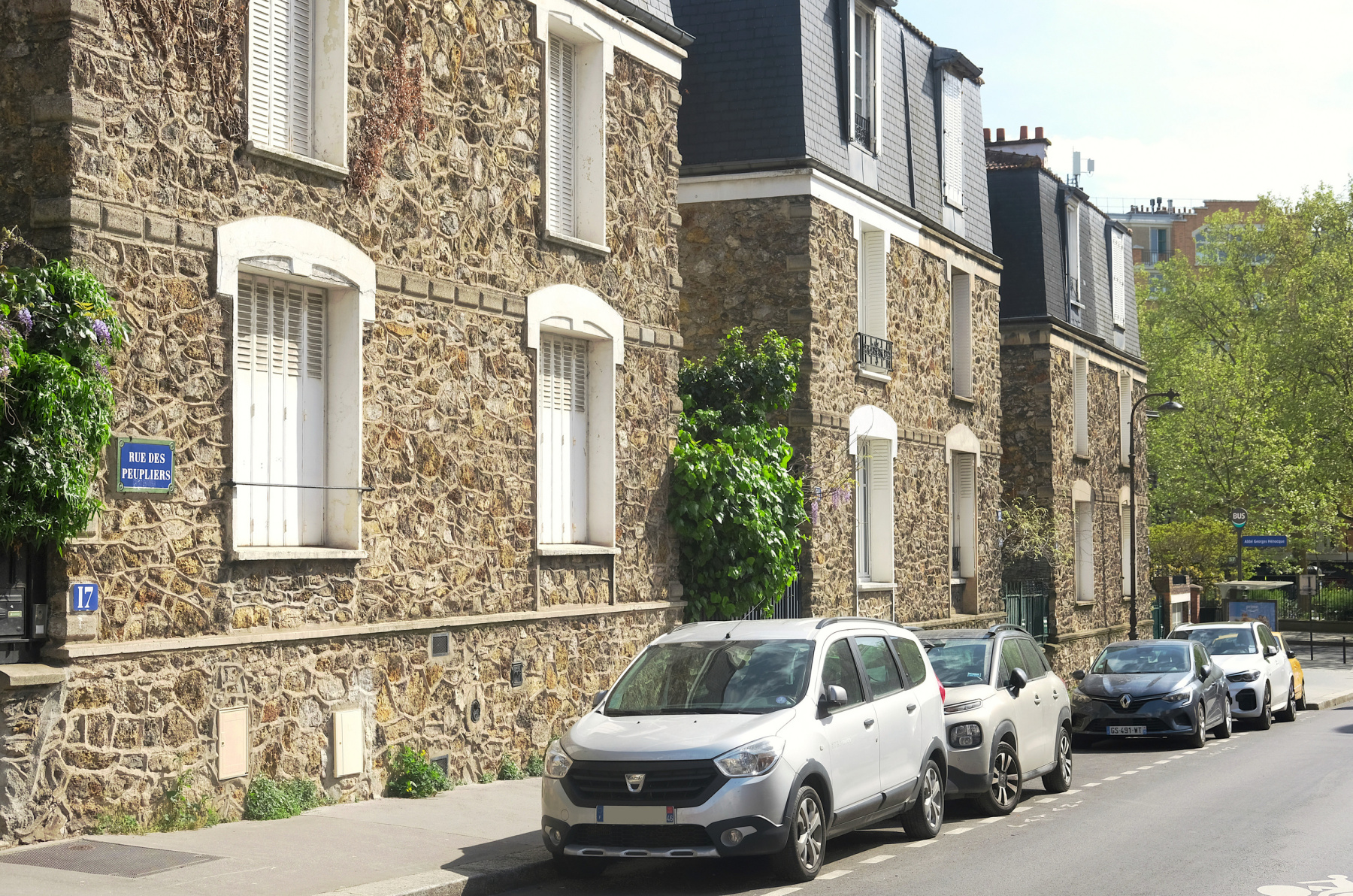
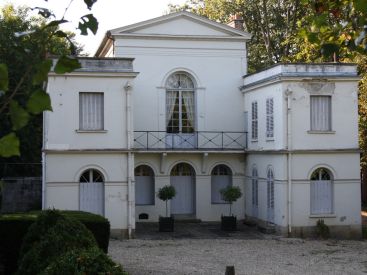
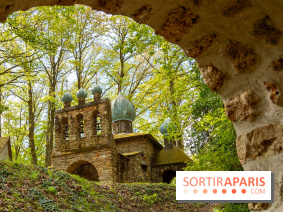
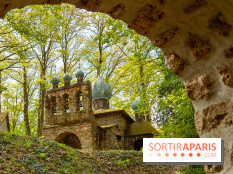
The meulière stone is to the suburbs what the Haussmannian style is to Paris. The key difference is that it didn't arrive suddenly, but gradually through successive layers, adapting to changing needs and urban developments. Today, you can’t take a stroll through Sceaux, Nogent-sur-Marne, Maisons-Alfort, Montreuil, or even Meudon without encountering these homes with speckled façades, symbolic of the suburban residential landscape. But how did this unique stone come to shape the architectural identity of an entire region?
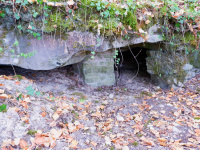
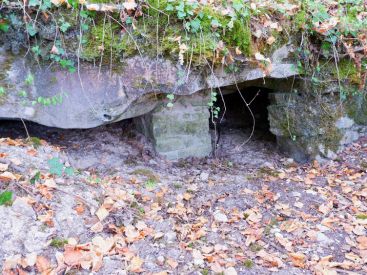
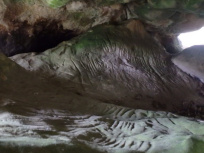
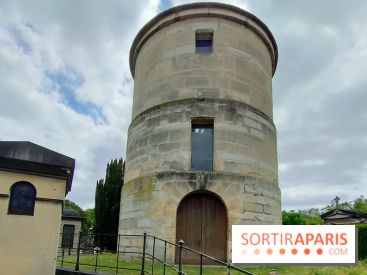
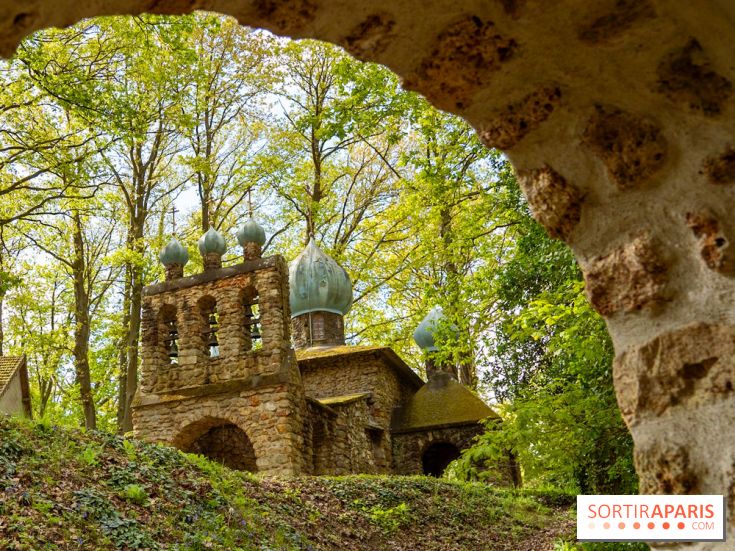
Originally, meulière is a natural stone quarried from the Île-de-France region, particularly in Seine-et-Marne and Essonne. It was originally used to make millstones—hence its name. Coarse, durable, and plentiful, it was initially considered a humble material, far removed from the noble stones used in the finest Parisian districts. Instead, it served primarily for constructing practical buildings: walls, outbuildings, and rural homes.
At that time, these areas weren’t yet considered suburbs in the modern sense, but rather villages, farmland, and market gardening zones. The meulière stone was chosen primarily for practical reasons: it was plentiful, durable, and cost-effective. Its appearance mattered little; it was sometimes covered with a plaster or mixed with other materials.
It is in the latter half of the 19th century that everything changes. Paris becomes more crowded, transportation expands, and the surrounding suburbs experience a population boom. The demand for housing surges, especially among the middle class seeking more space, fresh air, and greenery.
The millstone grit, already present and well-understood, naturally becomes a defining feature. But its role evolves. It is no longer just a functional material: it begins to serve as a symbol of social status and urban identity. As houses multiply, the stone is left exposed, often paired with brick, ceramics, and wrought ironwork. A distinctive style is starting to emerge.
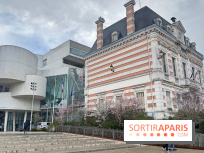
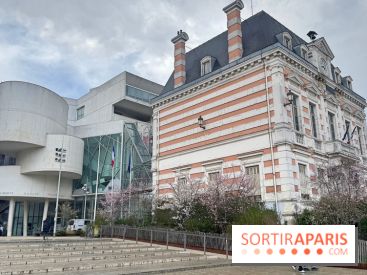
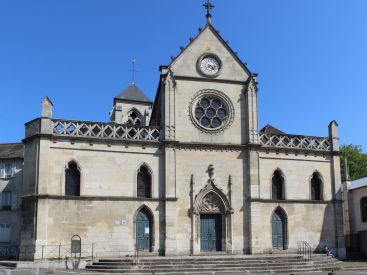
Following this trend, meulière stonework expanded beyond just private homes. Schools, town halls, and public buildings began to adopt this architectural style, especially during the Third Republic. After being largely abandoned post-World War II in favor of other urban models, the meulière is making a comeback today. Some appreciate its distinctive charm, leading to increased efforts to preserve this characteristic architecture of the Île-de-France region, which can occasionally be seen in parts of the capital itself.