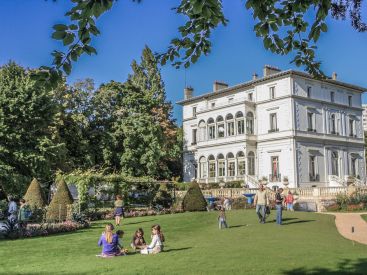
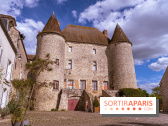
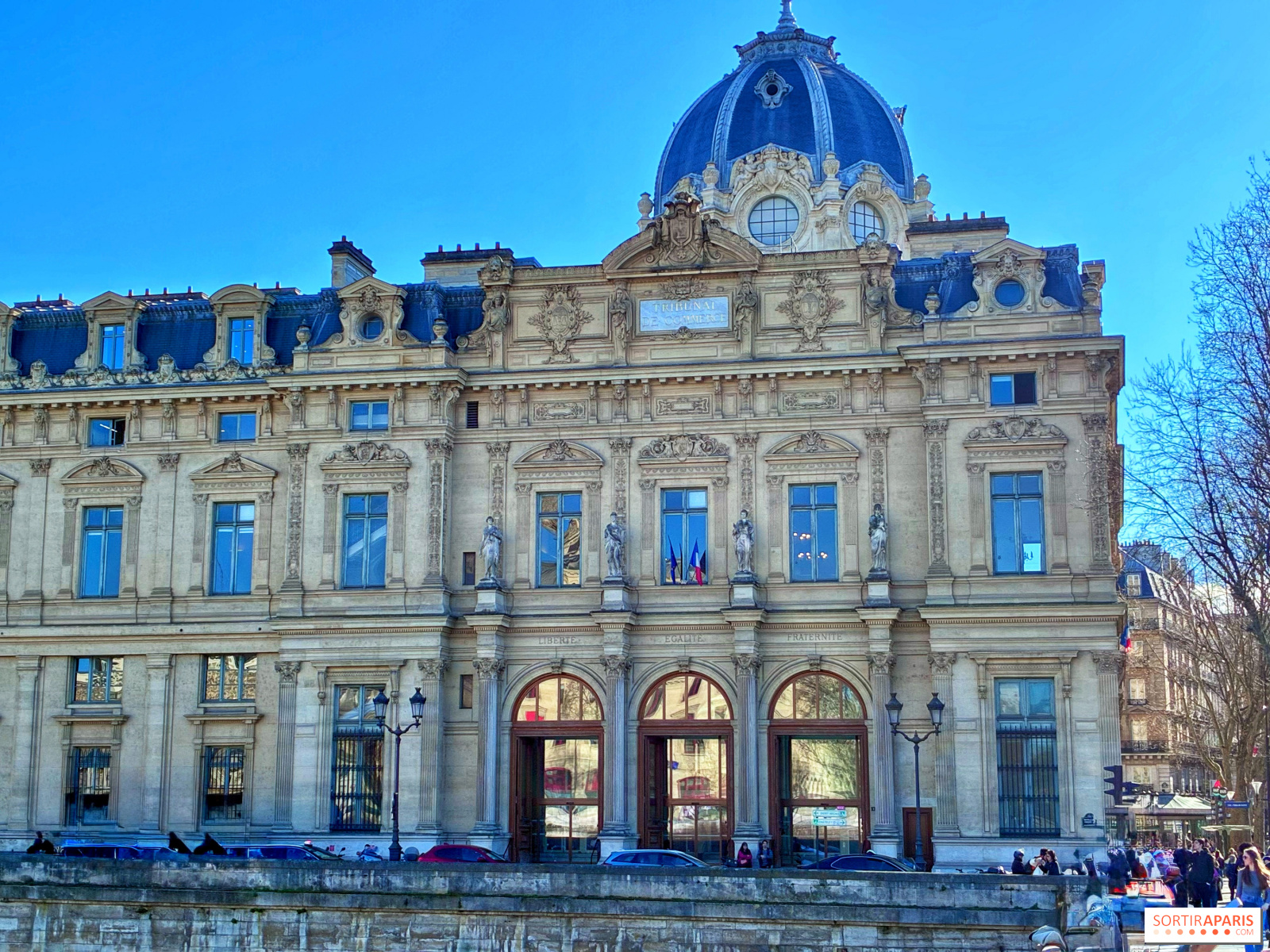
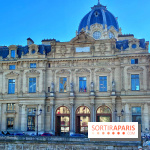
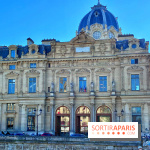
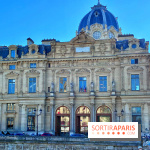
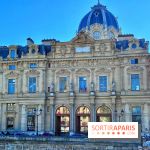
Nestled on Île de la Cité, between the Conciergerie and the Paris Police Prefecture, the Paris Commercial Court stands out with its distinctive silhouette and grand dome.
While the institution of the Commercial Court ranks among France's oldest — dating back to an edict issued by Charles IX in 1563 — the building we admire today is far newer. Erected between 1860 and 1865 under the guidance of architect Antoine-Nicolas Bailly, it reflects the sweeping transformation of Paris carried out under the direction of Baron Haussmann. Napoleon III wanted the heart of Paris commerce to be housed in a building that matched its growing prestige.
The chosen style is that of the Italian Renaissance. But don't be fooled by its classical appearance: beneath the traditional façade, the building showcases technological innovations for its time, featuring a steel framework to support its enormous dome.
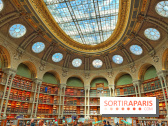
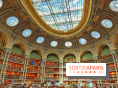
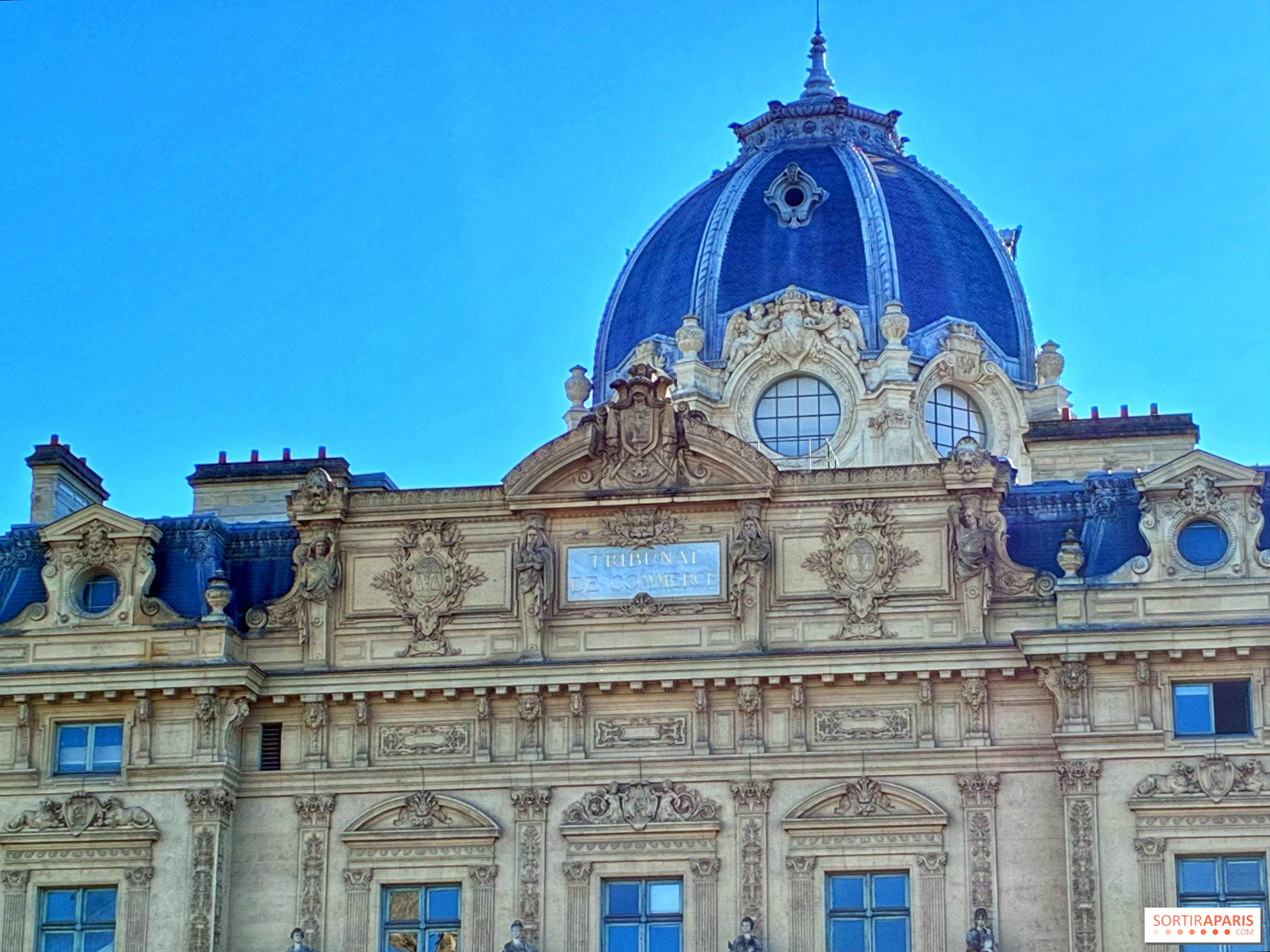
The most captivating feature of the building is undoubtedly its dome, soaring to a height of 45 meters. In designing it, Bailly drew inspiration from the small Santa Maria della Pace church in Brescia, Italy, a favorite of the Emperor. However, this dome hides a subtle detail that often goes unnoticed: it is completely off-center.
This stunning monument on the Île de la Cité exhibits an asymmetry, the result of a whimsical decision by Haussmann.
Located on the Île de la Cité, at the very heart of Paris's historic judiciary district, the Commercial Court building stands as an often-overlooked masterpiece of the Second Empire era. With its imposing dome and lavish interior, this architectural gem conceals a bold design choice: a deliberately offset dome crafted to accommodate the urban planning visions of Baron Haussmann. [Read more]
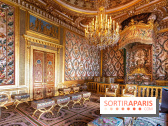
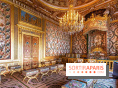
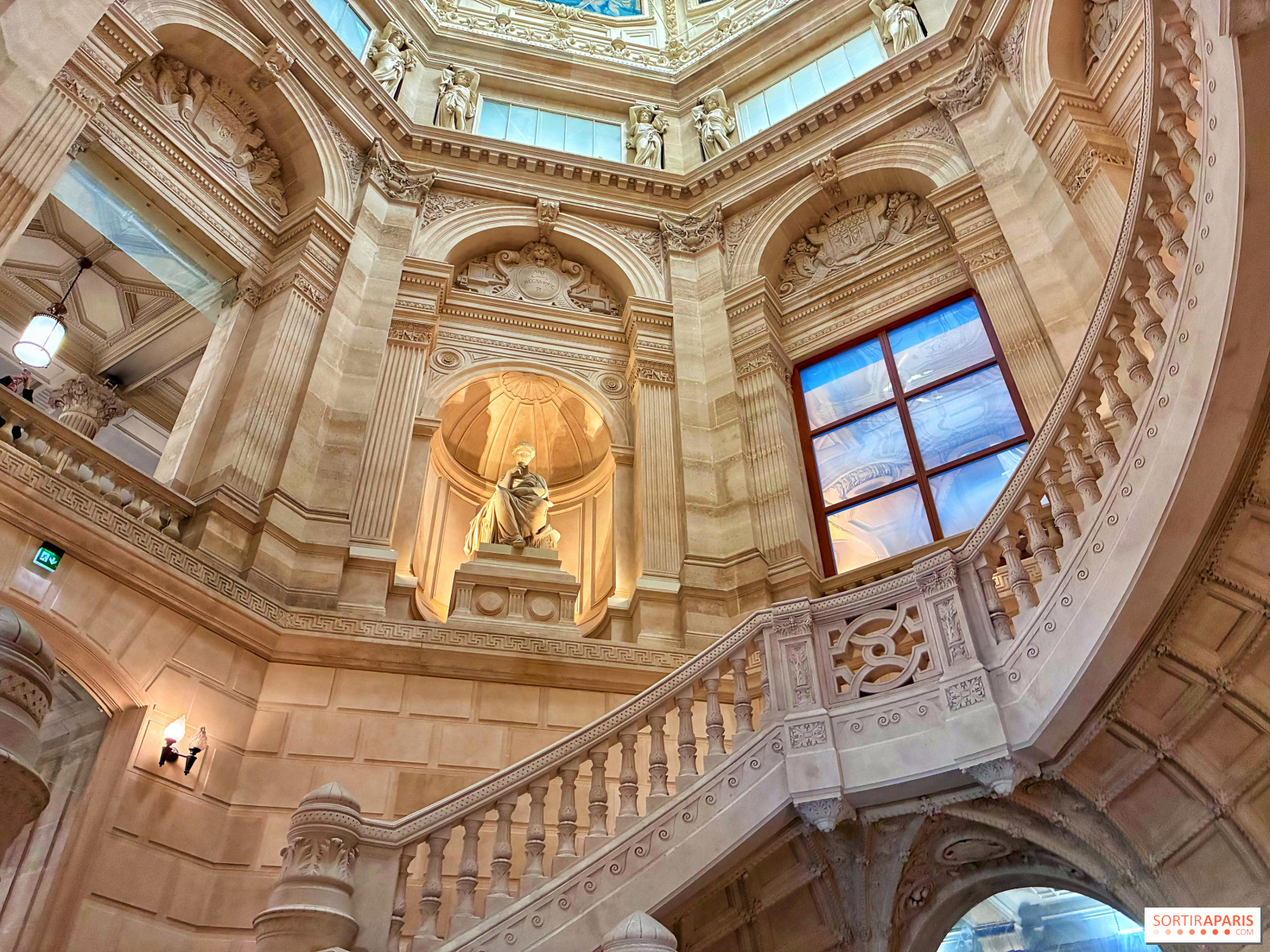
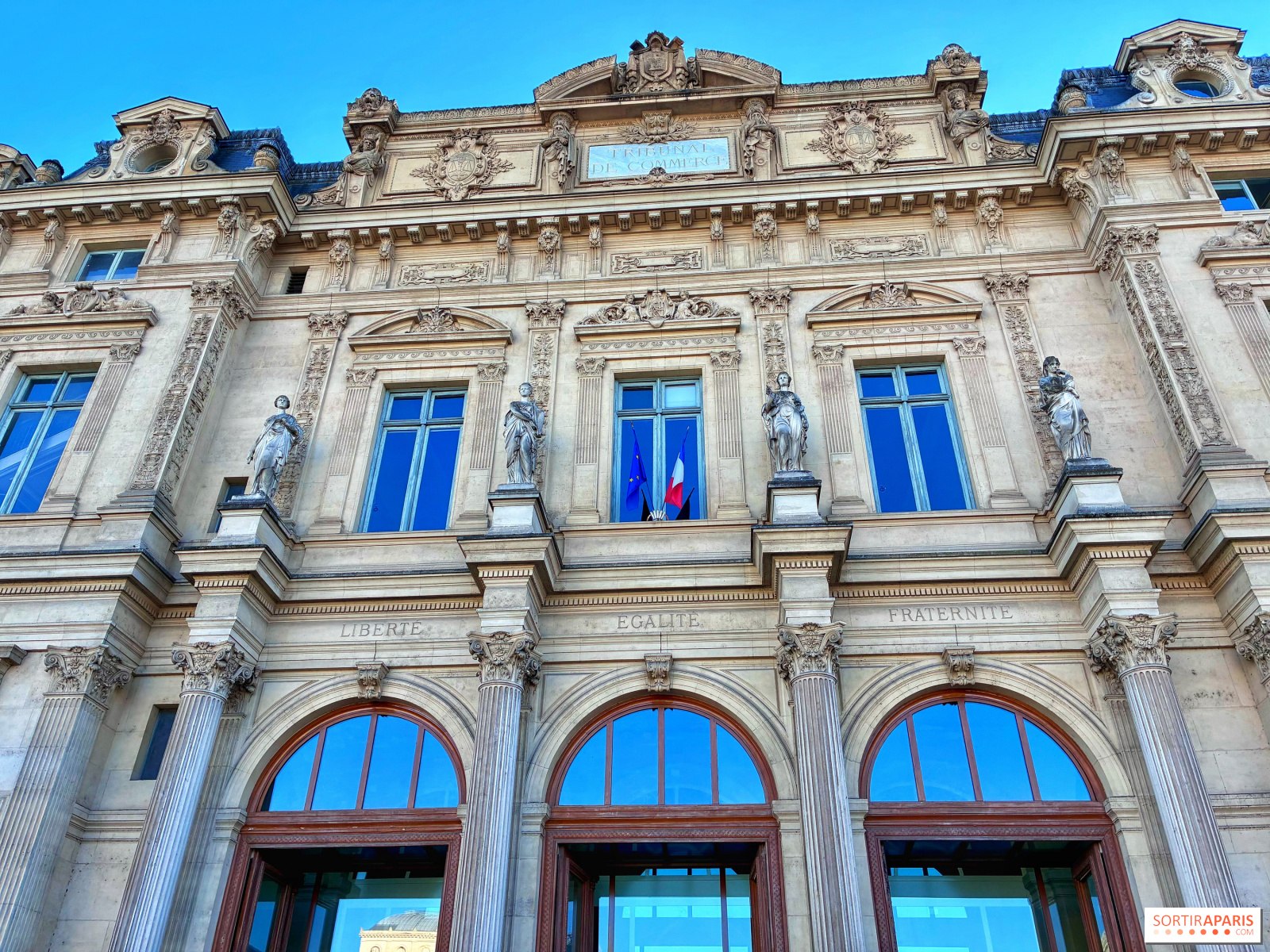
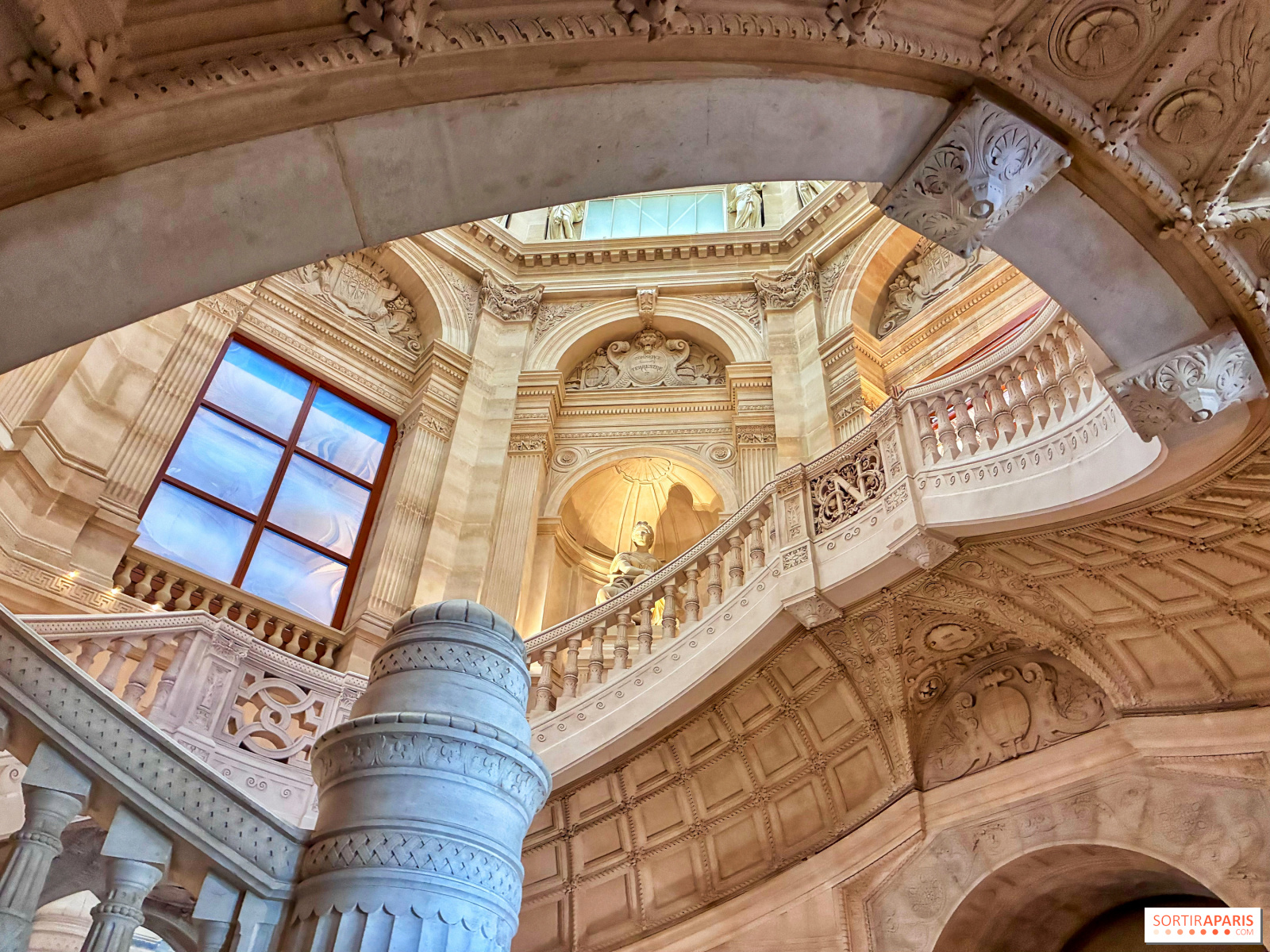
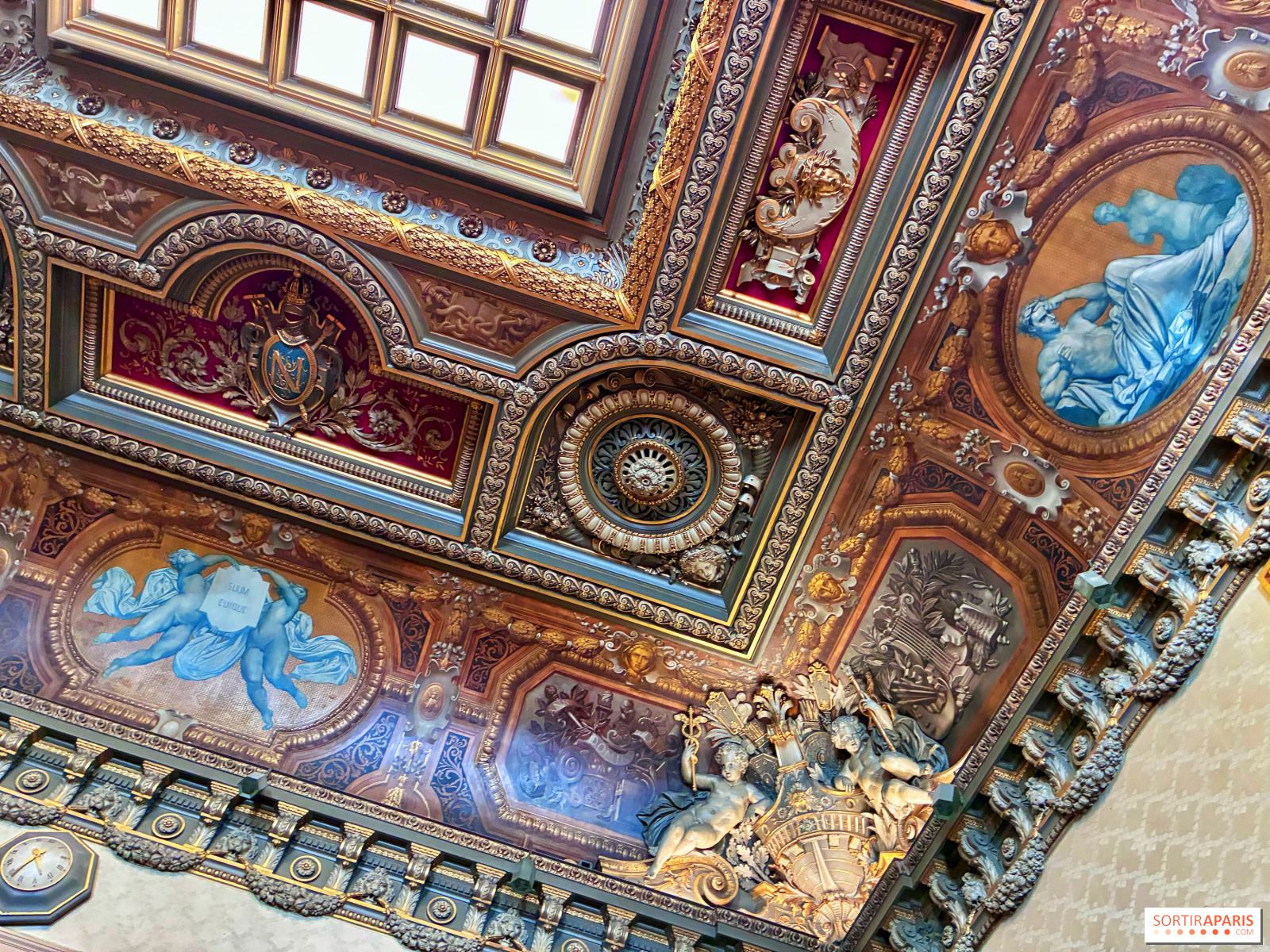
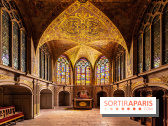
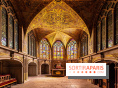
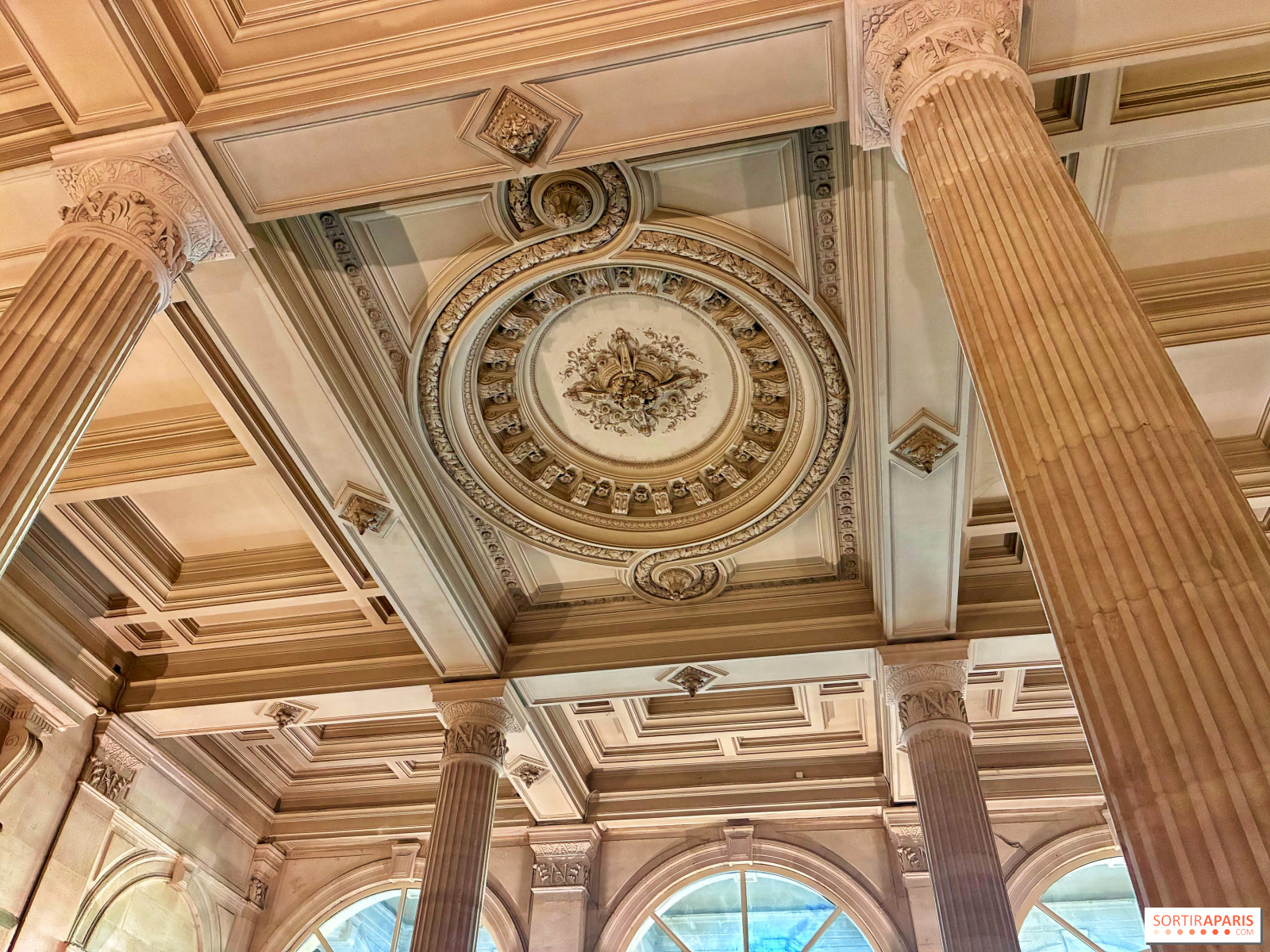
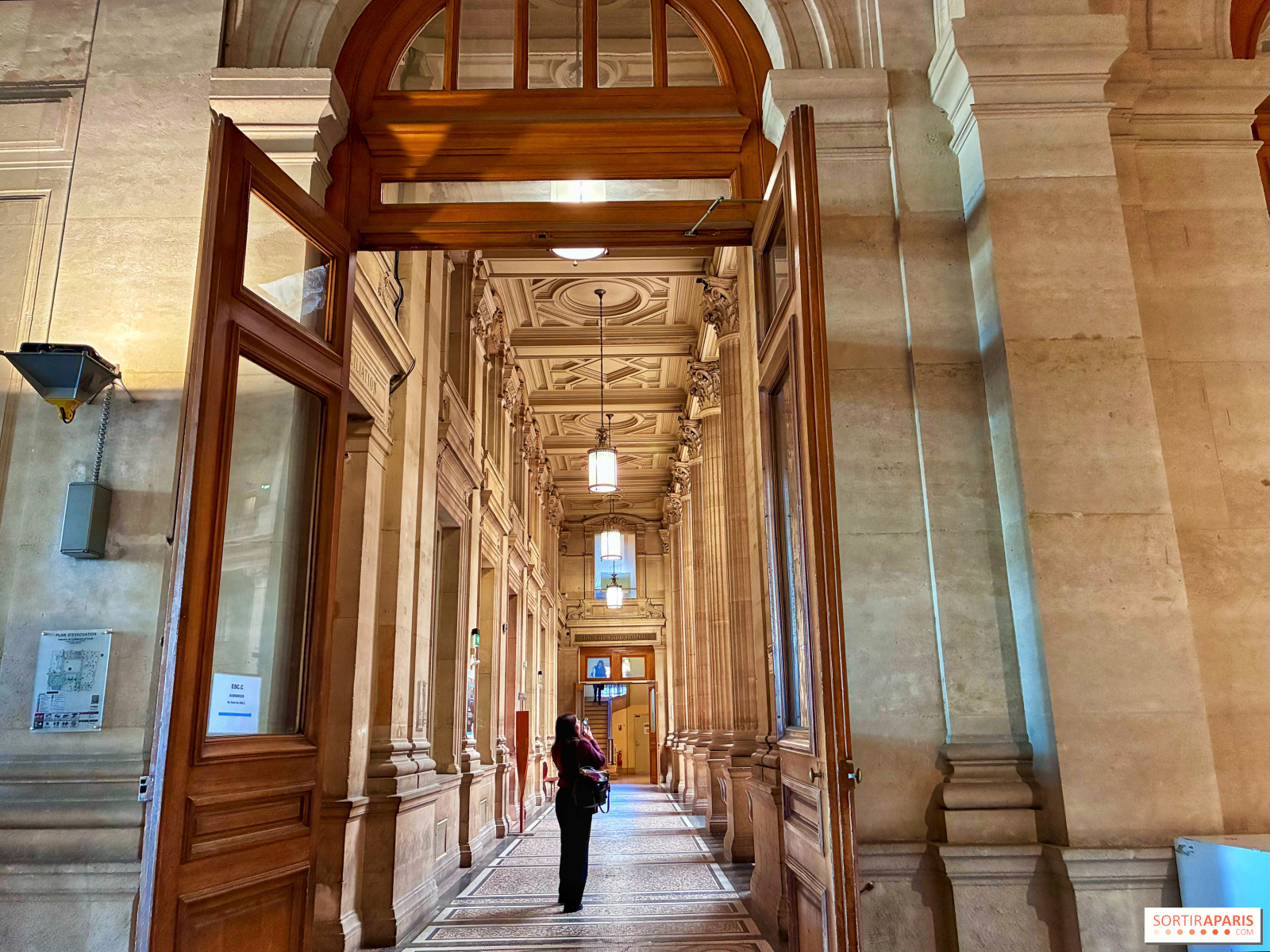
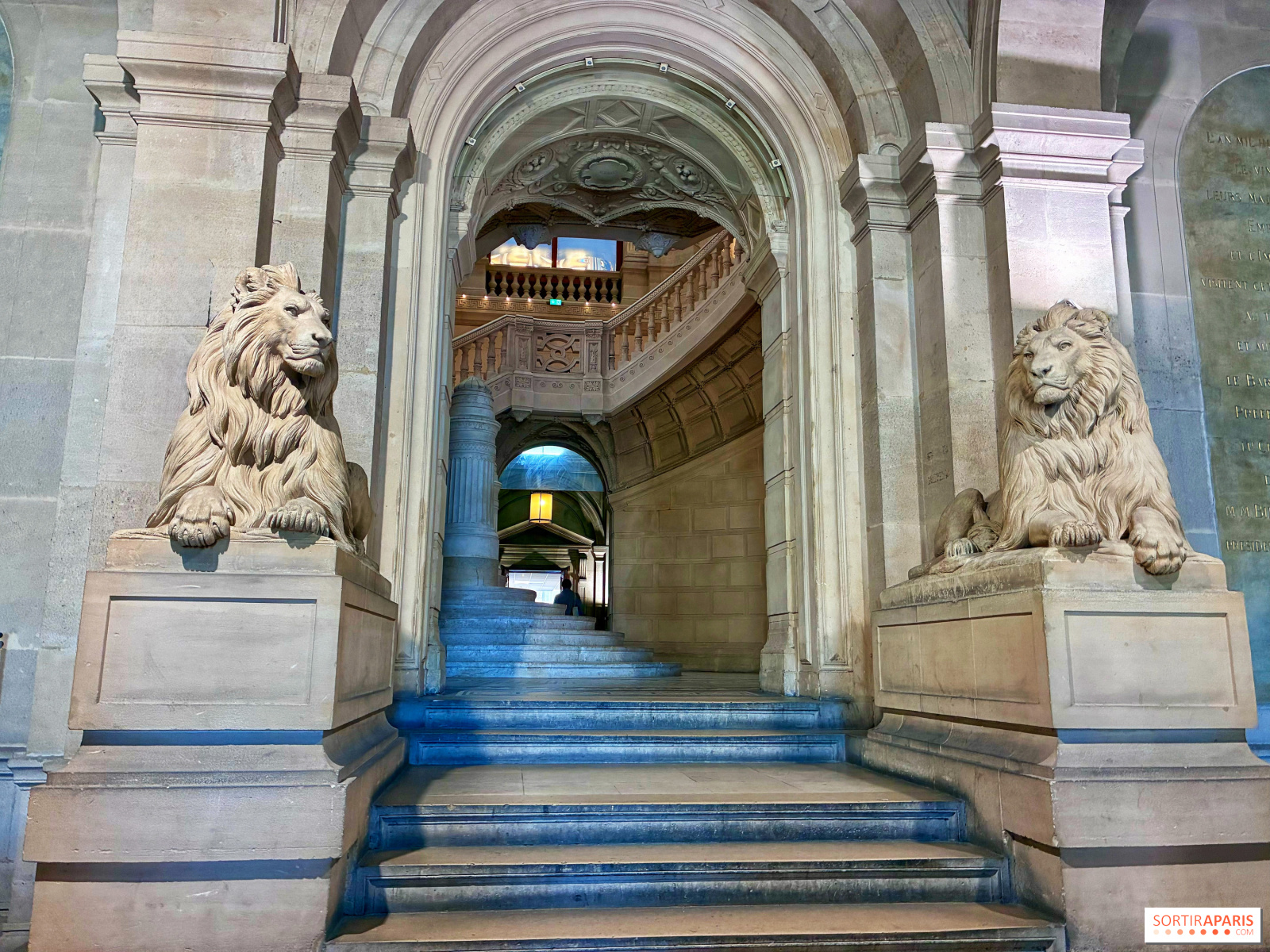
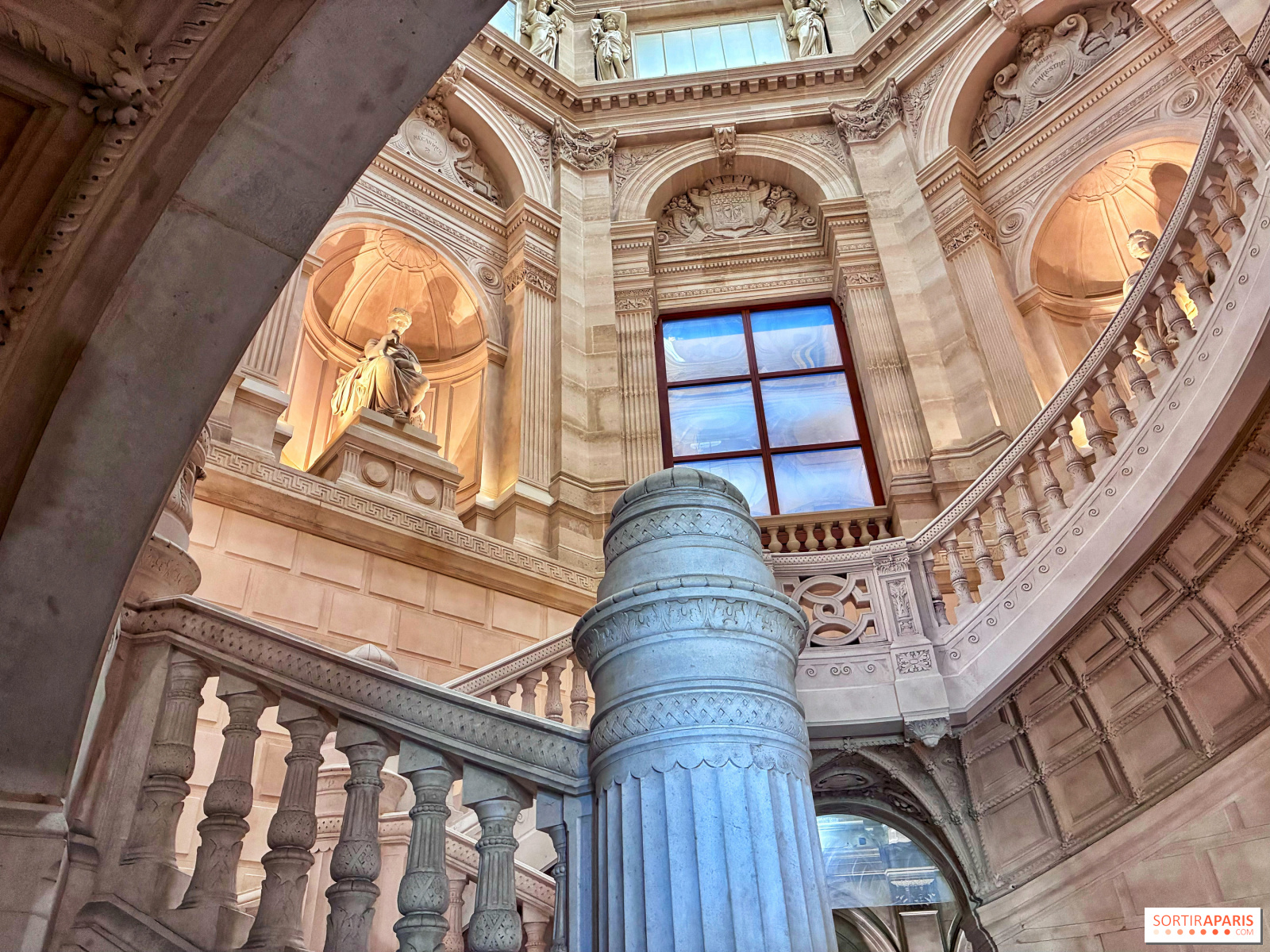
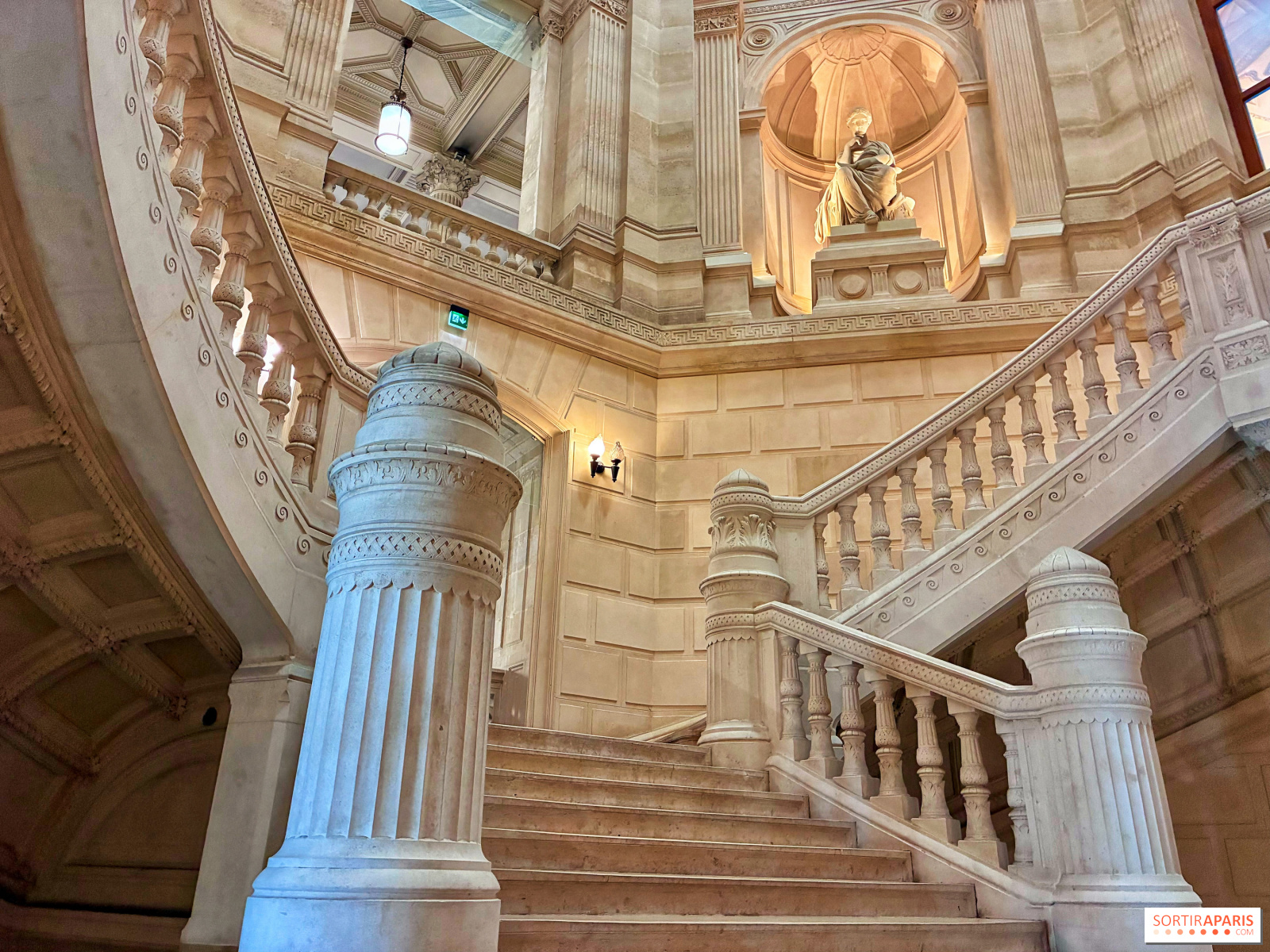
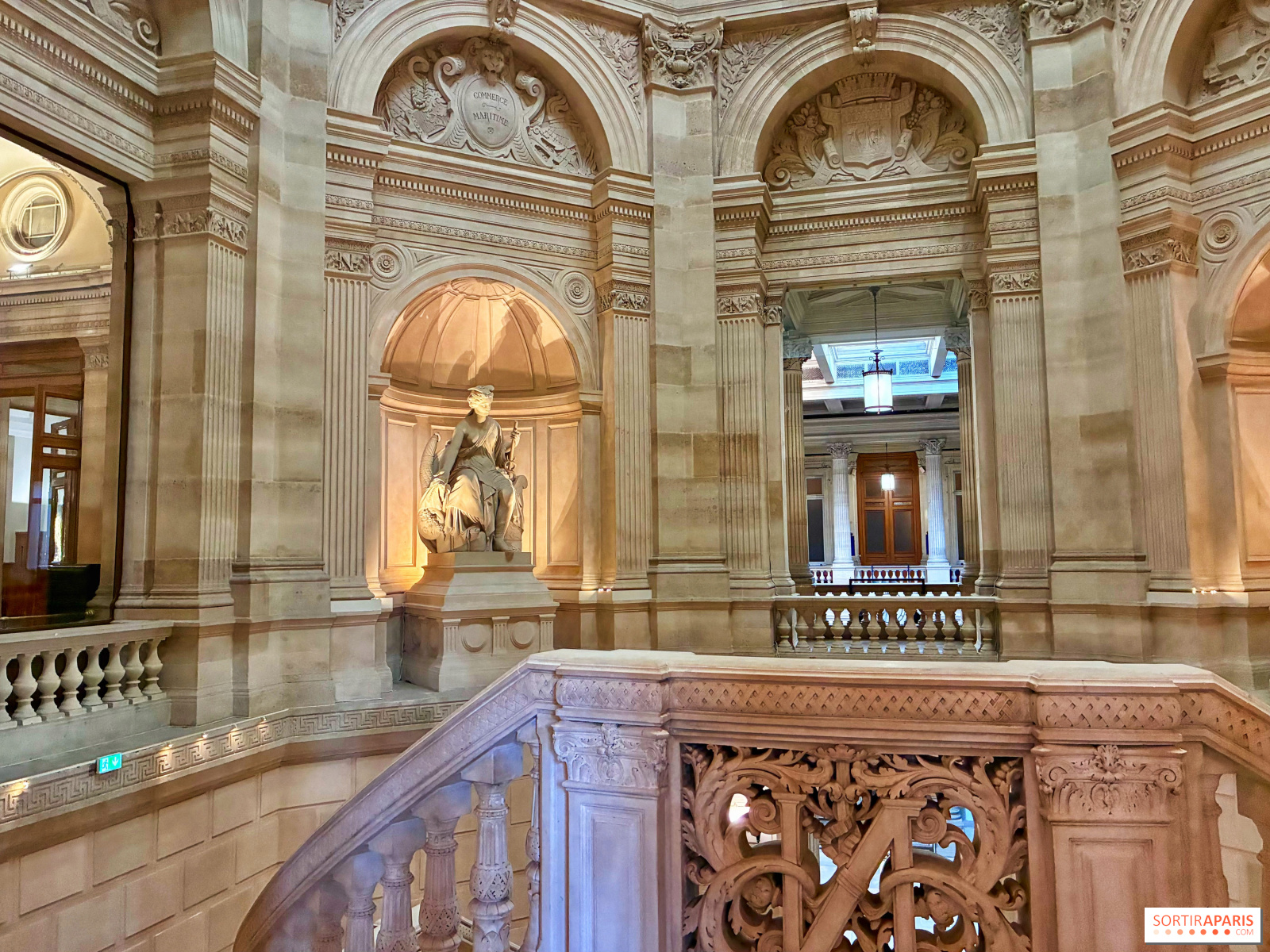
The façade along the Quai de Seine is adorned with statues representing Law, Justice, Firmness, and Prudence, a common feature among many courthouses. Beyond the imposing doors, visitors are greeted by a lavish interior where the carved « N » of Napoleon can be seen here and there, and massive lions stand guard at the entrance. The grand staircase, grand and with a double spiral, is decorated with four statues symbolizing maritime and land trade, as well as mechanical and industrial arts.
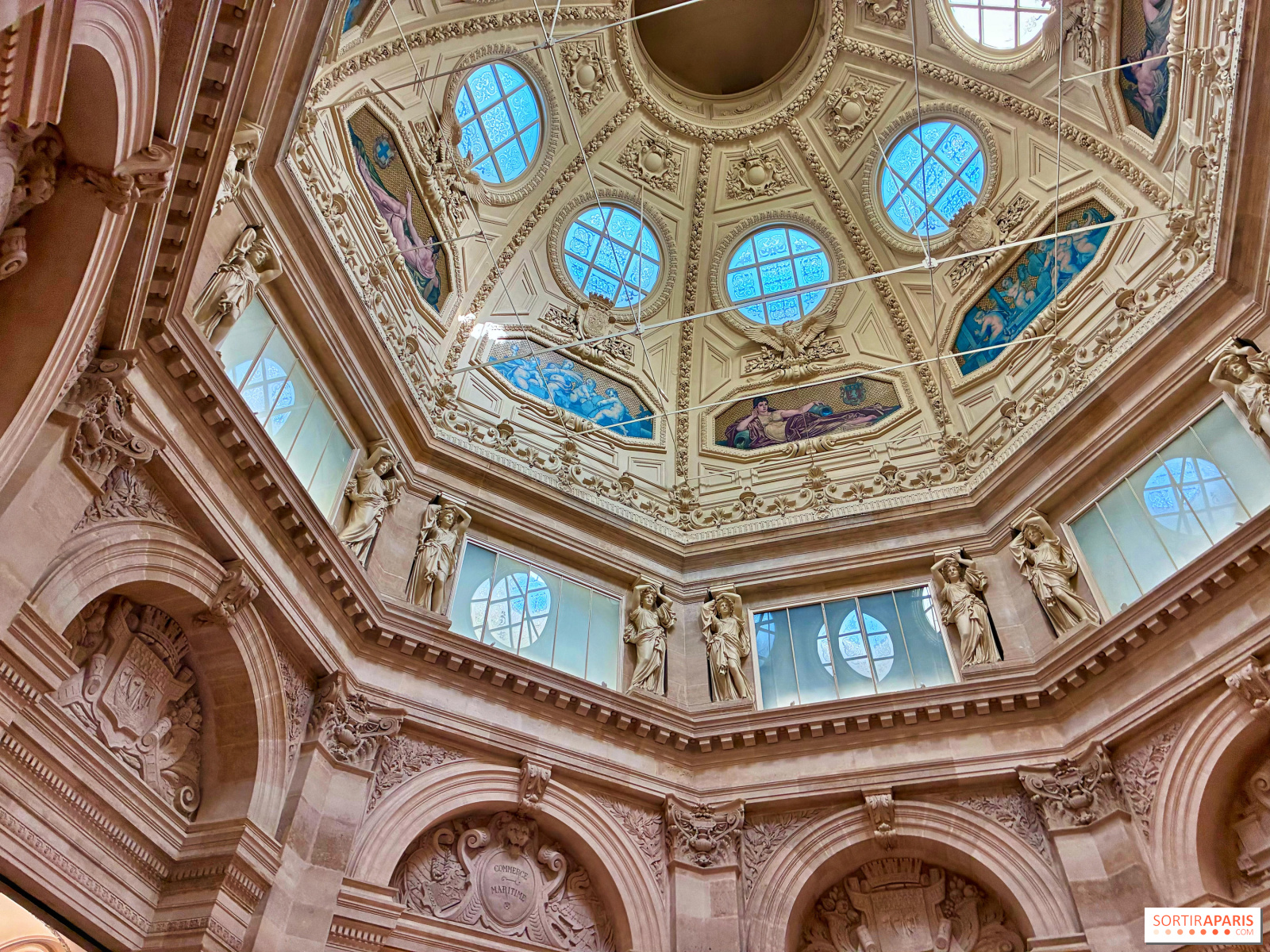
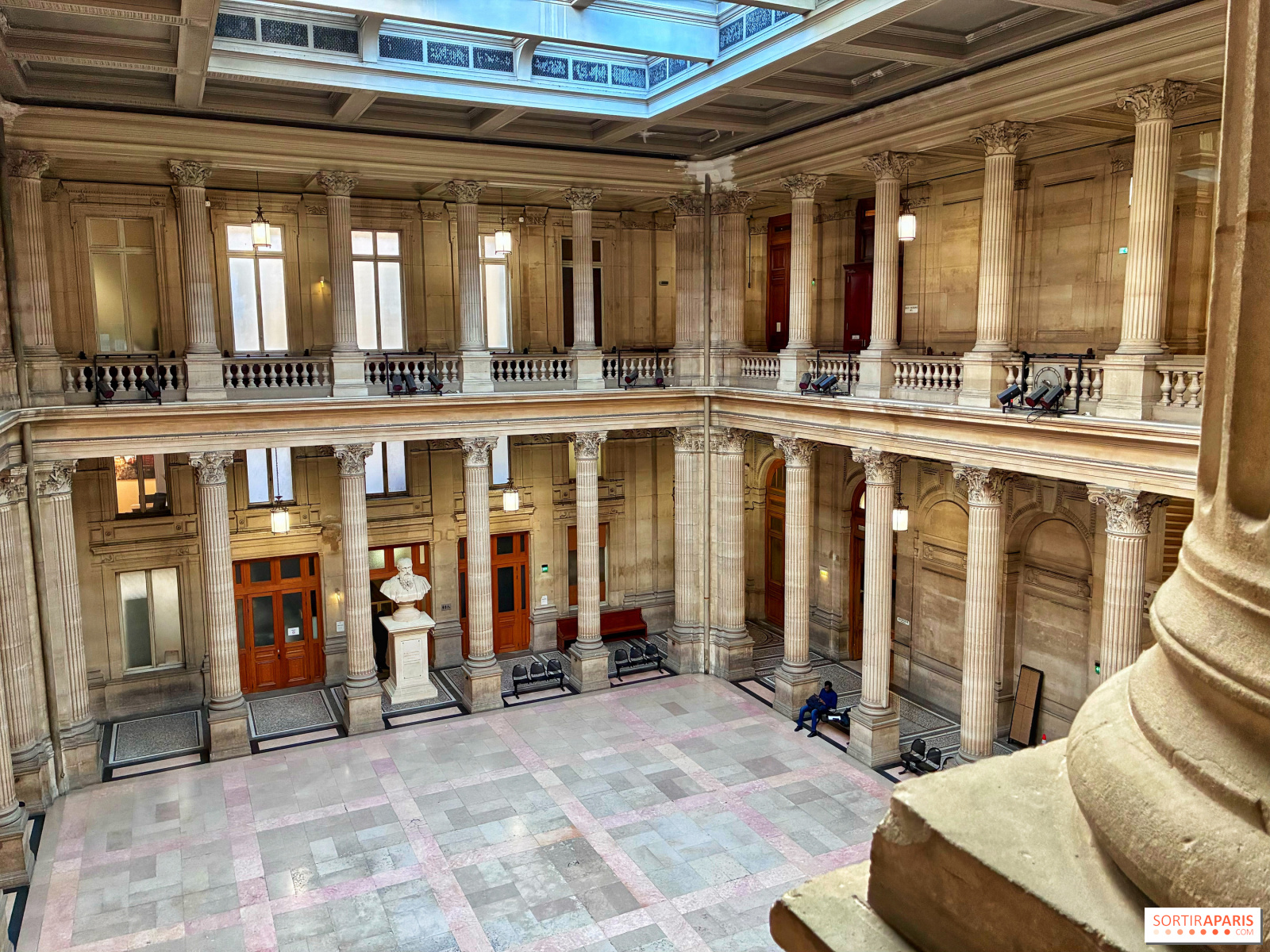
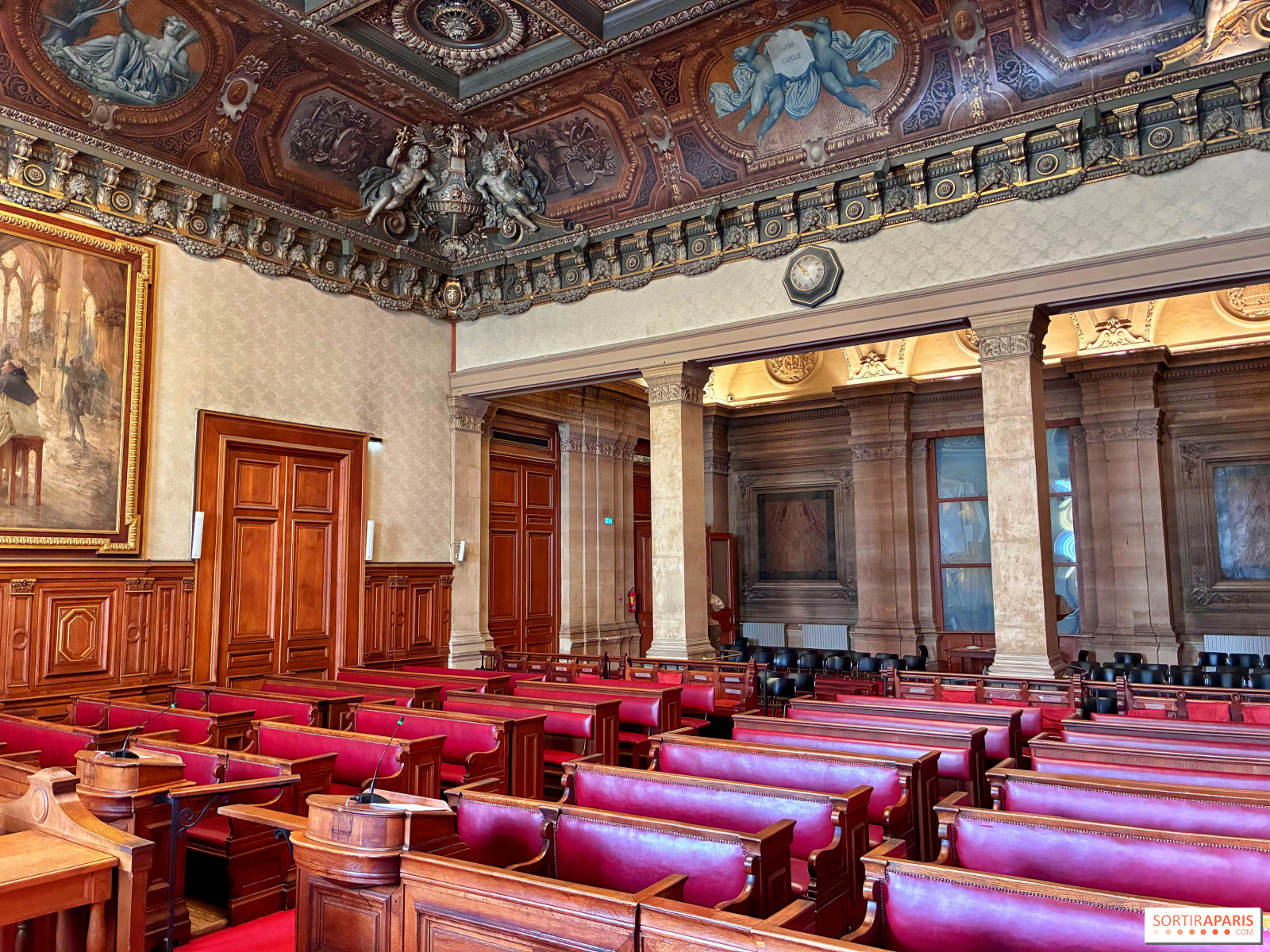
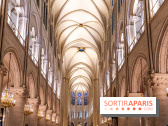
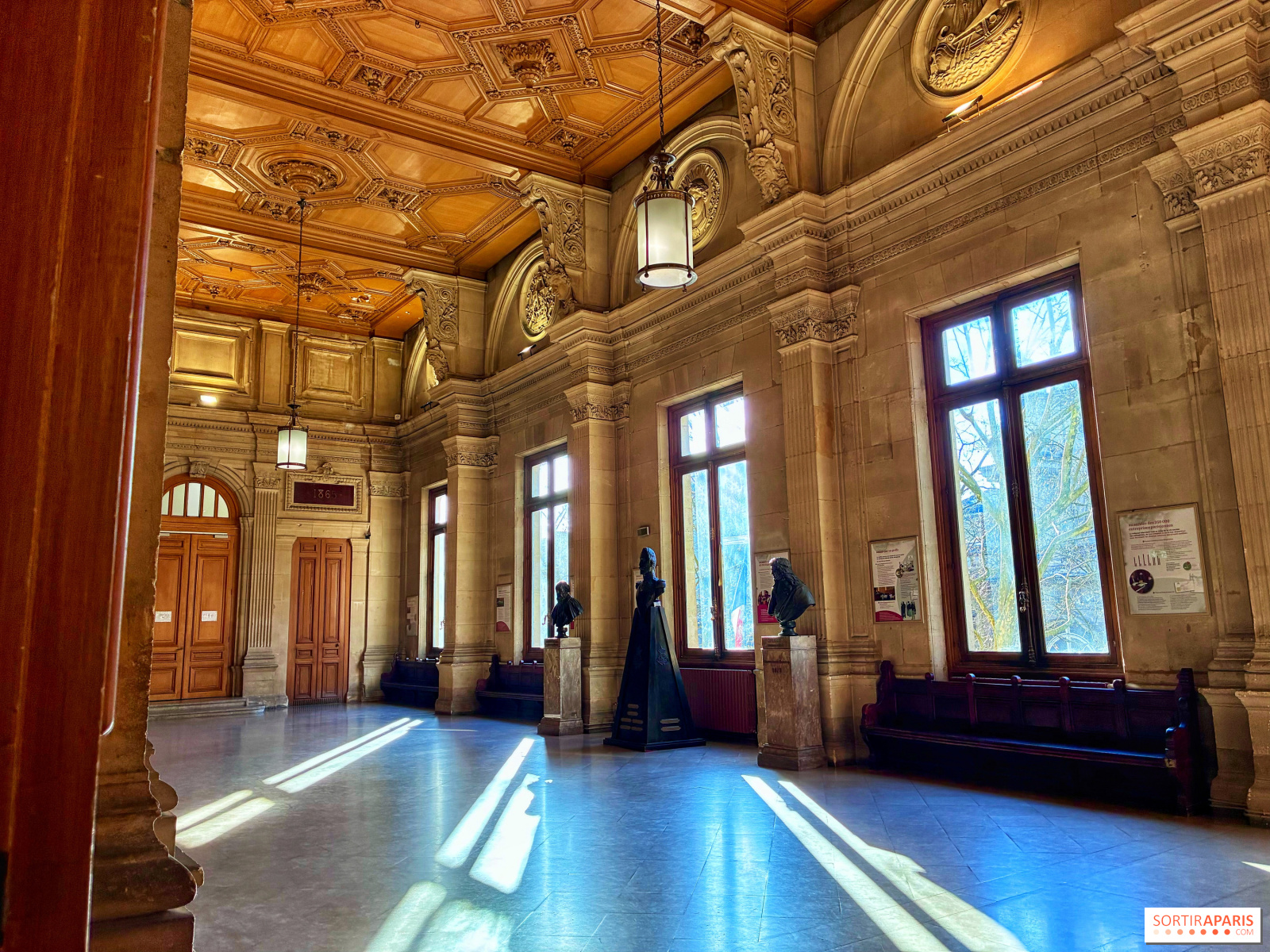
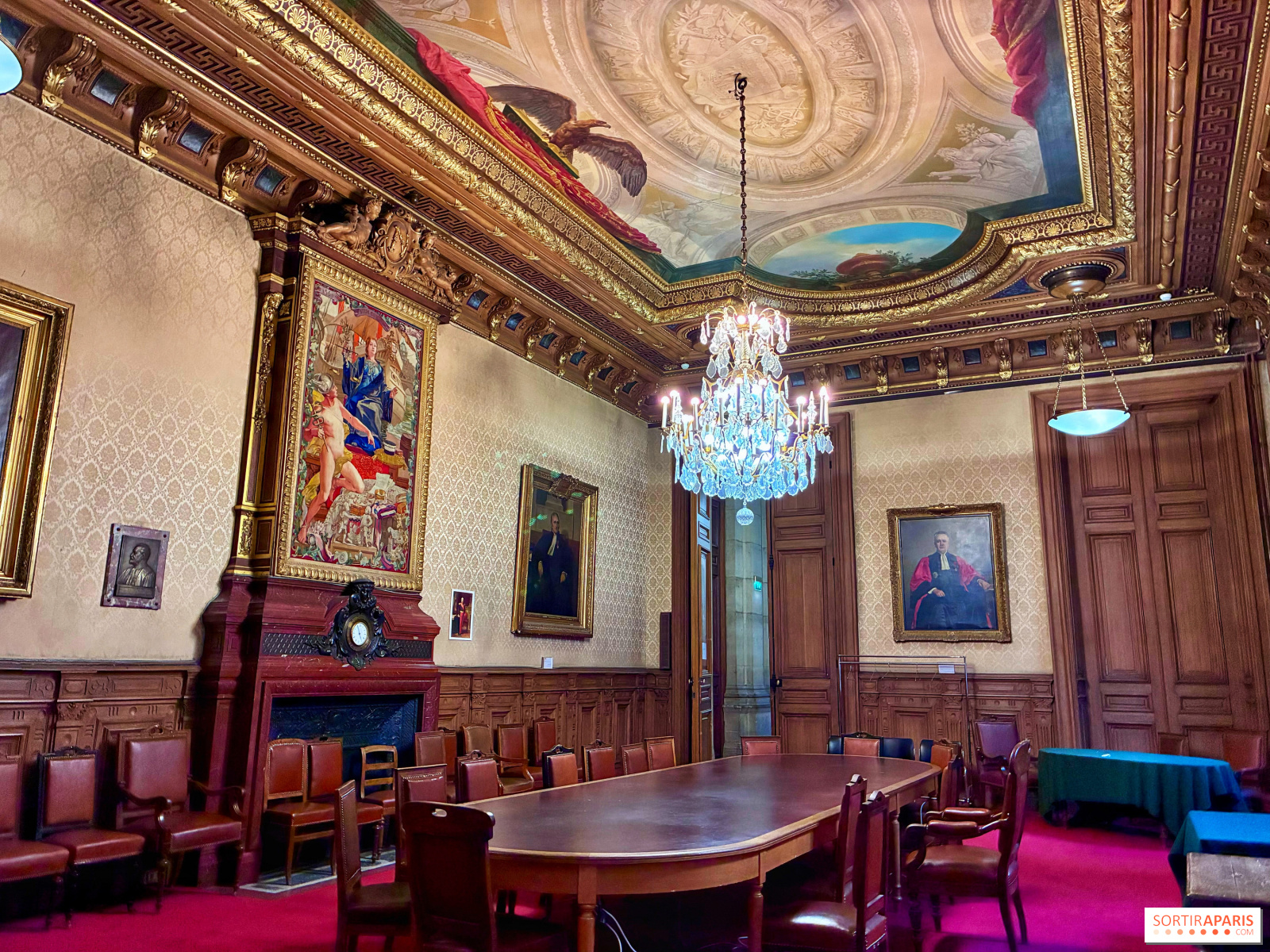
The Hall of Lost Steps and the courtrooms, with their decorated ceilings and intricate woodwork, evoke the solemnity of the space. The Grand Hall stands out due to its impressive size and rich detailing. The Chamber of the Council, where closed-door hearings are held, features a stunning Gobelins tapestry above the fireplace, depicting symbols of justice and its various attributes.
However, this is not a palace open for casual visits like the nearby Sainte-Chapelle. As an active court, the atmosphere is focused and disciplined, and access is not granted freely. Outside of the Heritage Days, visiting the Court is challenging, but occasionally, exclusive guided tours are organized by Ivan Denat. Expect to pay 17 euros per person for around two hours of exploring the building—just keep in mind that places fill up quickly!
We had the chance to attend one of these tours, venturing into areas normally off-limits to visitors. It was an opportunity to discover this historic monument, often overlooked amidst its surrounding beauty, and to gain a deeper understanding of how the tribunal operates. The grand staircase left a particularly strong impression — truly a work of art!
Please note that this visit isn't necessarily suitable for young children, as visitors are expected to maintain a quiet environment so as not to disturb the ongoing proceedings, judges, or lawyers working inside. As a result, some rooms might be off-limits during your visit, but there may be opportunities to observe a court session live.
Dates and Opening Time
Next days
Monday:
open
Location
Paris Commercial Court
1 Quai de la Corse
75004 Paris 4
Prices
€17
Official website
exploreparis.com





















 This stunning monument on the Île de la Cité exhibits an asymmetry, the result of a whimsical decision by Haussmann.