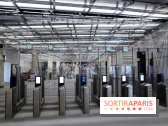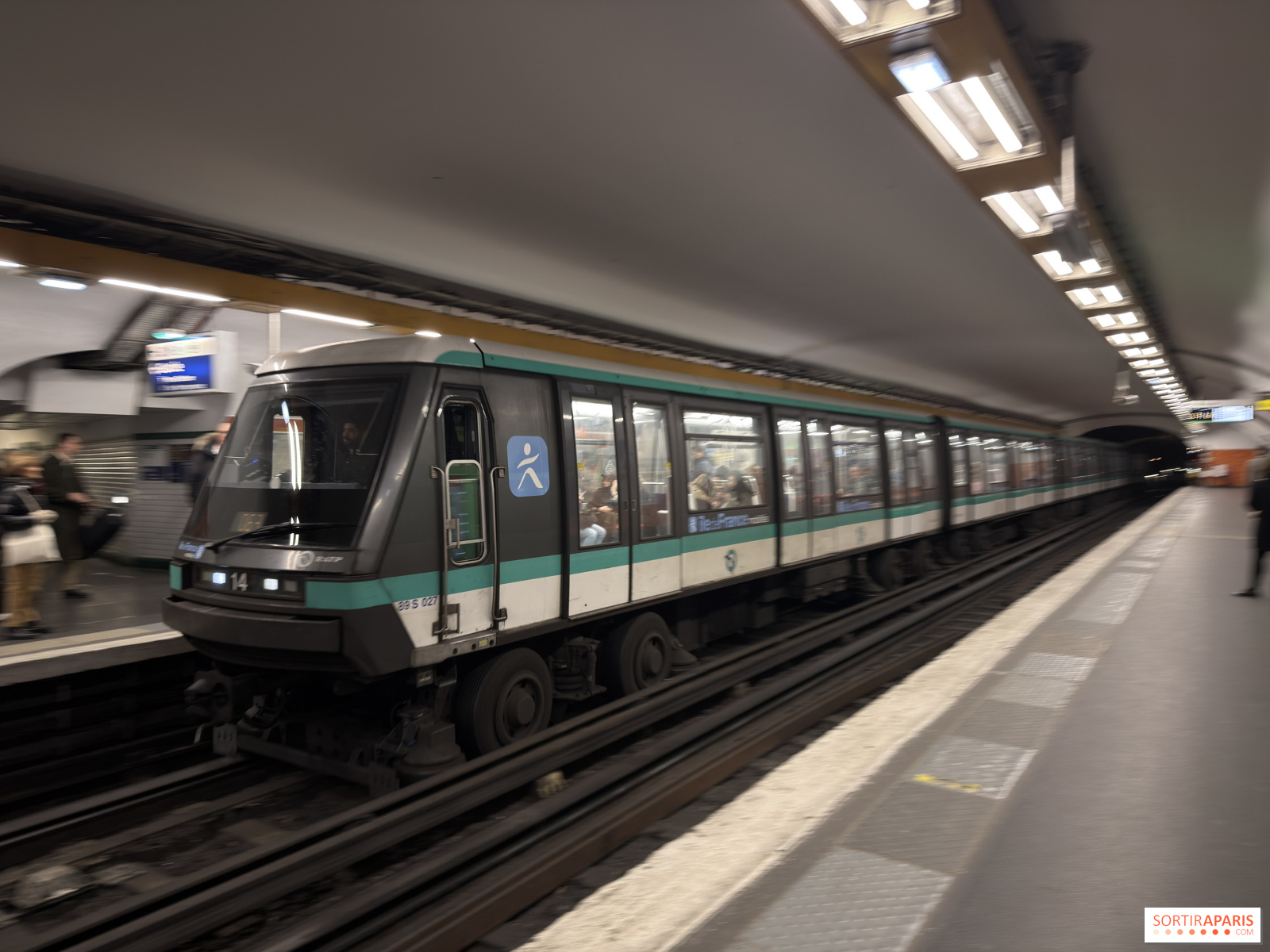
When a breakdown, a passenger on the tracks, or an operational incident occurs, every second counts in the centralized command and control centers (PCC) of the RATP. Spanned across several sites in Île-de-France, these operational hubs monitor, regulate, and coordinate the traffic on the metro lines and part of the RER network.
Usually closed to the public, they nonetheless rank among the most fascinating places in the behind the scenes of Parisian transport.
Contrary to what one might think, there isn’t a single command post for the entire network. The RATP runs several centralized command and control posts, typically one per metro line or per group of lines depending on their technical setup. Each monitors train movement, signaling, station equipment, and the information broadcast to passengers.
The idea of centralising traffic management dates back to the 1960s, with the gradual arrival of the first modern PCCs. Their rollout paralleled the growing automation of the Paris Metro and gave control-room operators a holistic view of their line, enabling swift intervention in the event of an incident.
Today, these rooms are equipped with large video walls displaying train movements, the CCTV footage, the status of technical installations, and information relayed by field teams. Among the most modern is notably the PCC of Line 12, inaugurated in 2011 in the 15ᵉ arrondissement on the occasion of the line’s extension.
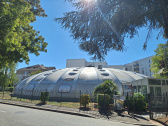
The PCC do not work alone. They stay in constant contact with the General Permanence, based at the Maison de la RATP in the 12th arrondissement. A true nerve center for the company, this hub operates around the clock, 24/7. The General Permanence aggregates information from control rooms, the RER surveillance centers, the bus and tram networks, and also from safety, emergency services, the Prefecture of Police, ministries, and Île-de-France Mobilités.
Its role is to coordinate responses when a major incident strikes the network—whether it's an accident, a major outage, a social upheaval, or an extreme weather event. This networked operation approach enables rapid adjustments to transport services and real-time information sharing with travelers in real time.
Over the decades, the postes de commandement have undergone a profound evolution. The old control panels and electromechanical consoles gave way to digital systems capable of overseeing simultanément des centaines d'équipements.
This modernization goes hand in hand with the automation of several Paris Métro lines, notably lines 1 and 4, as well as the network’s recent extensions. Today, controllers have tools that continuously monitor train positions in real time, remotely control certain equipment, and anticipate disruptions before they ripple across an entire line.
Yes, but only on exceptional occasions. Each year, the RATP opens part of its facilities for the European Heritage Days. Some editions offer a glimpse of a centralized command and control post (PCC), alongside tours of maintenance centers, historic stations, and the RATP House. Outside of these events, PCCs are not open to visitors due to security and operational continuity requirements!
These Paris spots people think are closed… but you can actually visit them (and here’s how).
Discover these iconic Parisian sites that many assume are off-limits to the public, reserved for institutions or officials, yet they actually open their doors to visitors. The Élysée Palace, the Hôtel de Matignon, the Senate, religious monuments… Here’s when and how to visit. [Read more]
This page may contain AI-assisted elements, more information here.
Dates and Opening Time
Next days
Wednesday:
from 12:00 a.m. to 11:59 p.m.
Thursday:
from 12:00 a.m. to 11:59 p.m.
Friday:
from 12:00 a.m. to 11:59 p.m.
Saturday:
from 12:00 a.m. to 11:59 p.m.
Sunday:
from 12:00 a.m. to 11:59 p.m.
Monday:
from 12:00 a.m. to 11:59 p.m.
Tuesday:
from 12:00 a.m. to 11:59 p.m.
Location
Maison de la RATP
189 Rue de Bercy
75012 Paris 12
Route planner
































 These Paris spots people think are closed… but you can actually visit them (and here’s how).