Every day, more than a million passengers ride the Transilien trains and the RER lines operated by SNCF Voyageurs. To keep these thousands of trains moving, a discreet operation runs around the clock across several Transilien Operation Centers (COT).
These control rooms, spread along the lines, coordinate traffic, manage incidents and organise passenger information. Far from the platforms and stations, they are the true brain of the Île-de-France rail network.
Contrary to what one might imagine, there isn’t a single central control for the entire Transilien network. Each group of lines has its own Transilien Operations Center (COT), located near the main Paris stations and the operation centers.
These centers bring under one roof a range of roles that used to operate separately: transport-planning managers, passenger-information leads, managers of drivers and rolling stock, and the teams charged with coordinating decisions taken in the event of a disruption.
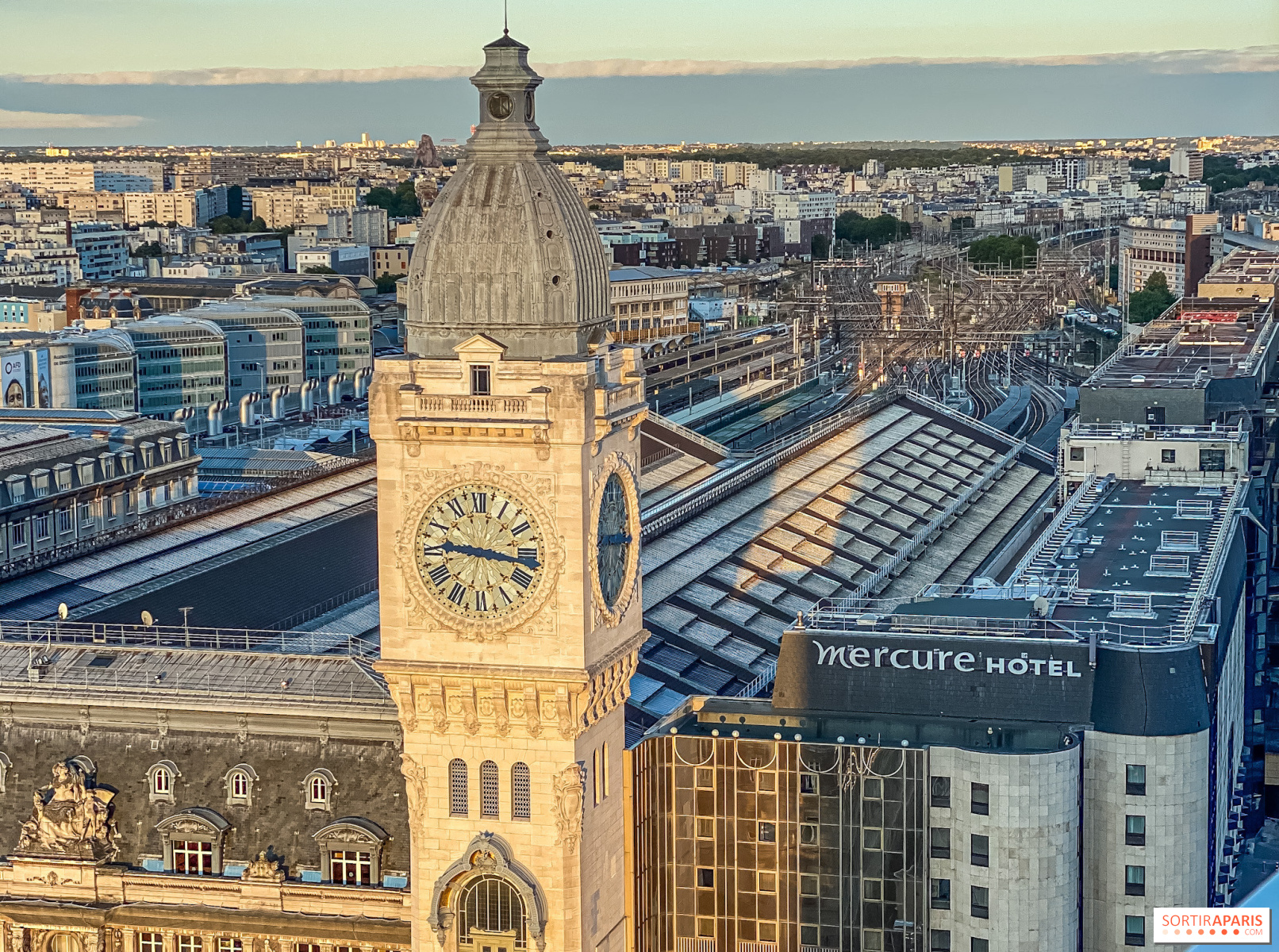
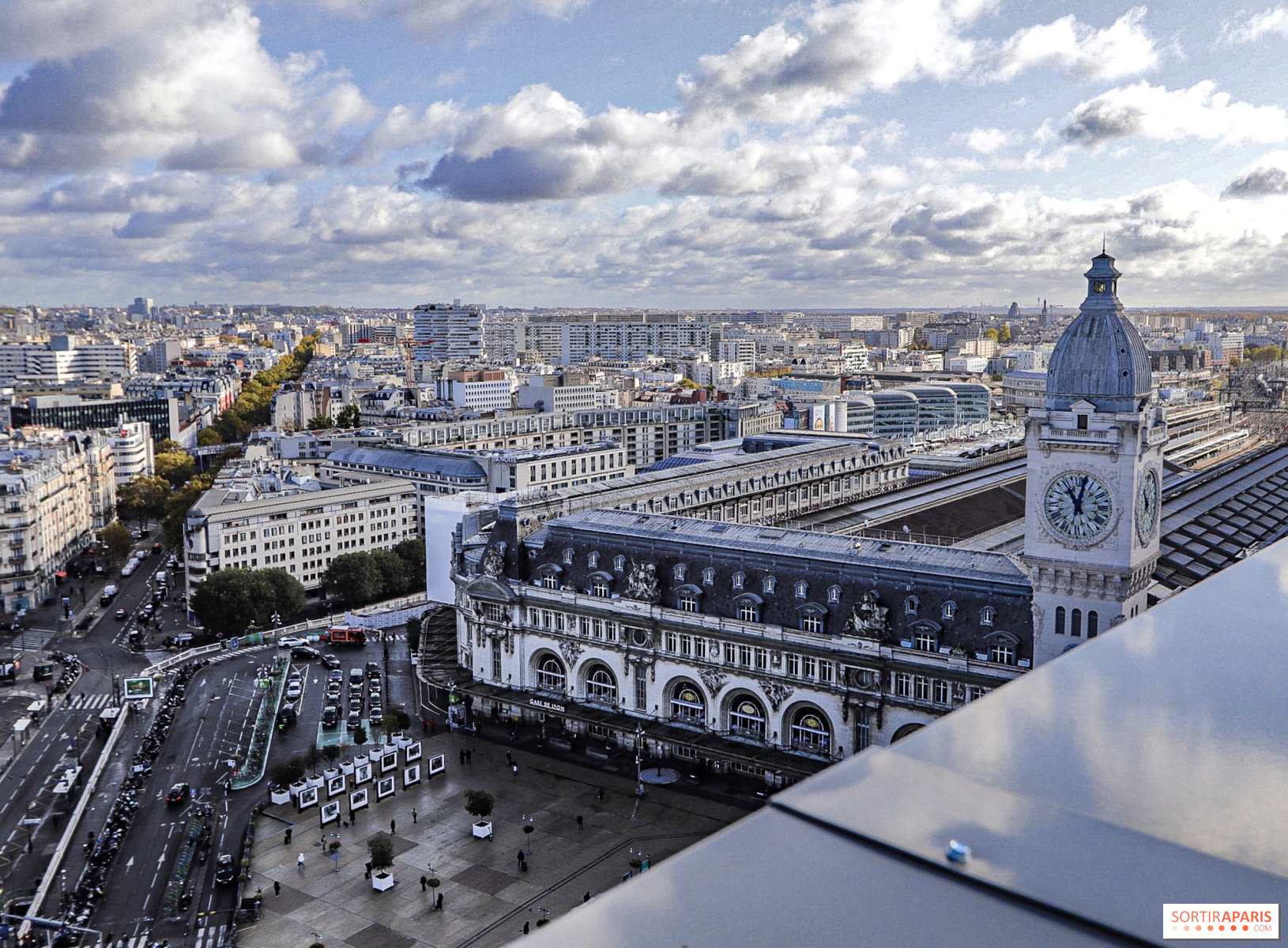
Their aim is straightforward: keep trains moving while limiting the ripple effects of an incident on the rest of the network. For example, the COT for the lines D and R is located near the Gare de Lyon, while that for the lines N and U sits in the Paris-Montparnasse area. There are other centers for the various Transilien lines and the RER services operated by SNCF Voyageurs.

The COT operates every day, from the departure of the first train until the last one returns to the depot. In the face of a delay, a signalling failure, a passenger in distress, an obstruction on the tracks, or difficult weather conditions, the teams quickly make the necessary decisions to adapt the transport plan.
Massive screens let operators track train movements in near real time. The staff also use software that shows where trains are, the availability of drivers, the condition of rolling stock, and passenger information.
They work in close liaison with SNCF Réseau, which manages the railway infrastructure, traffic control centers, stations, maintenance teams and emergency services when the situation requires. This arrangement explains why decisions taken during a disruption are often visible almost immediately on information screens, SNCF apps and the lines' social networks.
Over the years, the centres de contrôle have undergone a profound transformation. The old illuminated boards and communications that were largely telephone-based have given way to digital tools capable of analyser en temps réel l'ensemble du trafic. The different professions are now grouped in the same space to facilitate coordination.
This organization enables faster decision‑making when an incident affects several lines or several major stations. The centers also collaborate with the SNCF Réseau Supervisory Centers, charged with monitoring the railway infrastructure of Île-de-France around the clock.
Yes, but only on exceptionally rare occasions. On the occasion of the European Heritage Days, SNCF Voyageurs regularly opens the doors of certain Transilien Operational Centers (COT) or other railway control rooms. Visitors can then see the walls of screens, meet the agents who coordinate the traffic, and understand how decisions are made during a disruption.
Aside from these exceptional operations, the COT are not open to the public, for safety and to ensure continuity of operations.
These Paris spots people think are closed… but you can actually visit them (and here’s how).
Discover these iconic Parisian sites that many assume are off-limits to the public, reserved for institutions or officials, yet they actually open their doors to visitors. The Élysée Palace, the Hôtel de Matignon, the Senate, religious monuments… Here’s when and how to visit. [Read more]
This page may contain AI-assisted elements, more information here.
Dates and Opening Time
Next days
Monday:
from 12:00 a.m. to 11:59 p.m.
Tuesday:
from 12:00 a.m. to 11:59 p.m.
Wednesday:
from 12:00 a.m. to 11:59 p.m.
Thursday:
from 12:00 a.m. to 11:59 p.m.
Friday:
from 12:00 a.m. to 11:59 p.m.
Saturday:
from 12:00 a.m. to 11:59 p.m.
Sunday:
from 12:00 a.m. to 11:59 p.m.
Location
Gare de Lyon
Place Louis Armand
75012 Paris 12
Route planner




























 These Paris spots people think are closed… but you can actually visit them (and here’s how).