On 22 September 1900, the Tuileries Garden hardly resembles a garden anymore. Under vast tents spread hundreds of tables where nearly 23,000 mayors from all over France take their seats. Salmon, beef, ducklings, capons, pheasants, wines from Bordeaux and Burgundy, champagne... Paris hosts that day one of the largest banquets ever staged in the capital.
The date was not chosen by chance. September 22, 1792 marks the first day of the Republic in the revolutionary calendar, the day after the abolition of the monarchy by the National Convention. 108 years later, the republican regime is established, but its more recent history has been particularly turbulent, notably the Dreyfus Affair. By bringing together the local elected officials around the President Émile Loubet, the Troisième République seeks to demonstrate its power and its deep roots even in the country’s smallest communes.
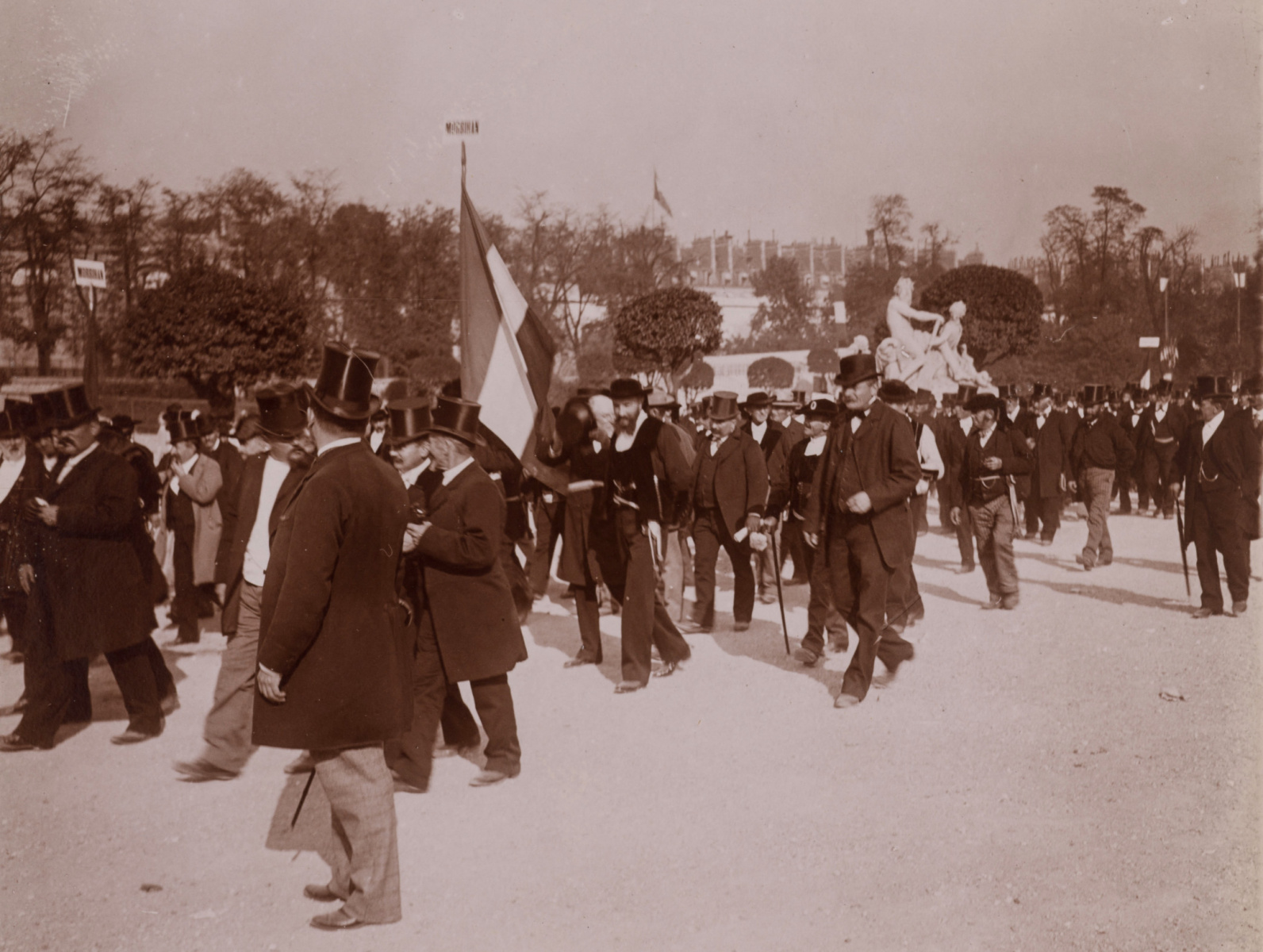
In this context, mayors are indeed a vital linchpin of the Republic. Since the 1884 municipal law, municipal councils elect their mayors in most French communes, and behind every tricolor sash lies a fragment of this local Republic that the Parisian authorities seek to celebrate.
The setting chosen for this banquet could hardly be more spectacular: Paris was then flashing to the pace of the Exposition universelle de 1900, which would draw more than 50 million visitors. The Grand Palais and the Petit Palais had just risen from the ground, the Pont Alexandre III was inaugurated, the metro was carrying its first passengers since July, and an immense ferris wheel crowned the capital. In this Paris keen to showcase its modernity to the world, even an official luncheon had to assume monumental proportions.
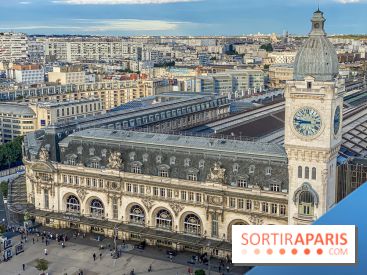
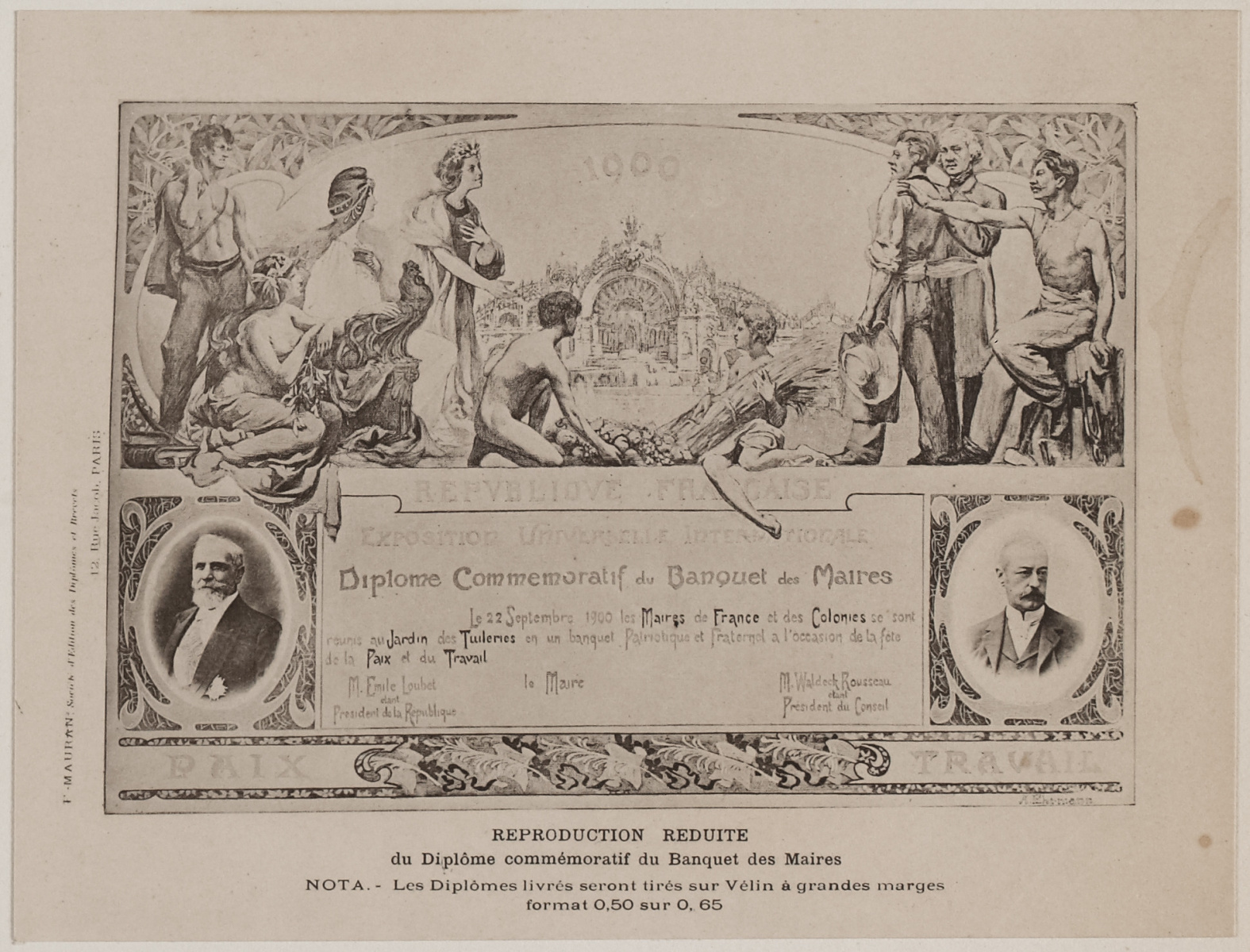
The invitation issued by Émile Loubet and Pierre Waldeck-Rousseau, the Prime Minister, meets with enormous success. Mayors arrive from the metropole as well as from the French territories of Algeria, notably from Algiers, Oran, and Constantine. The Parisian stations are buzzing with delegations coming from all over the country. The challenge is very real: how to feed more than 20,000 people simultaneously in the heart of Paris?
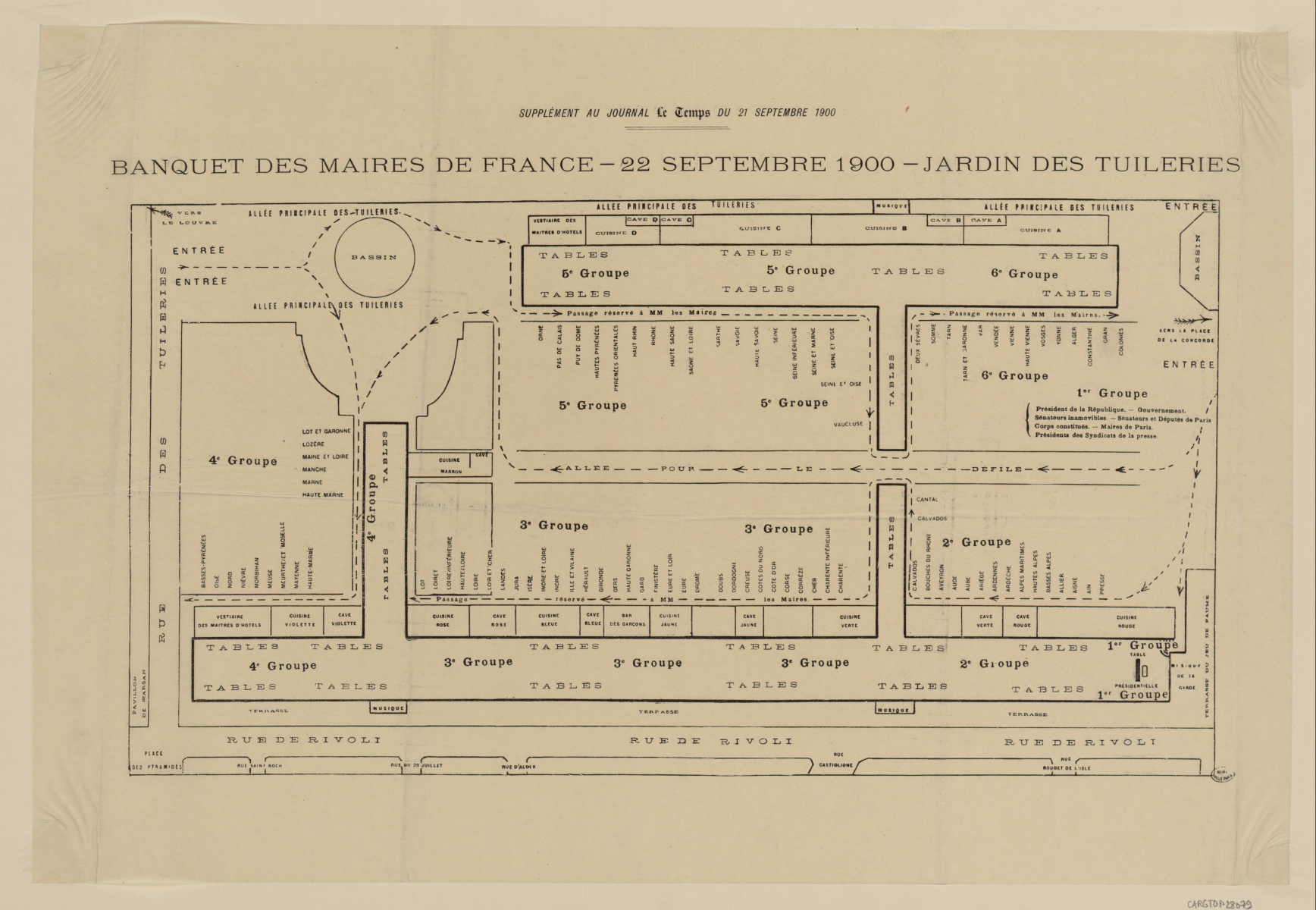
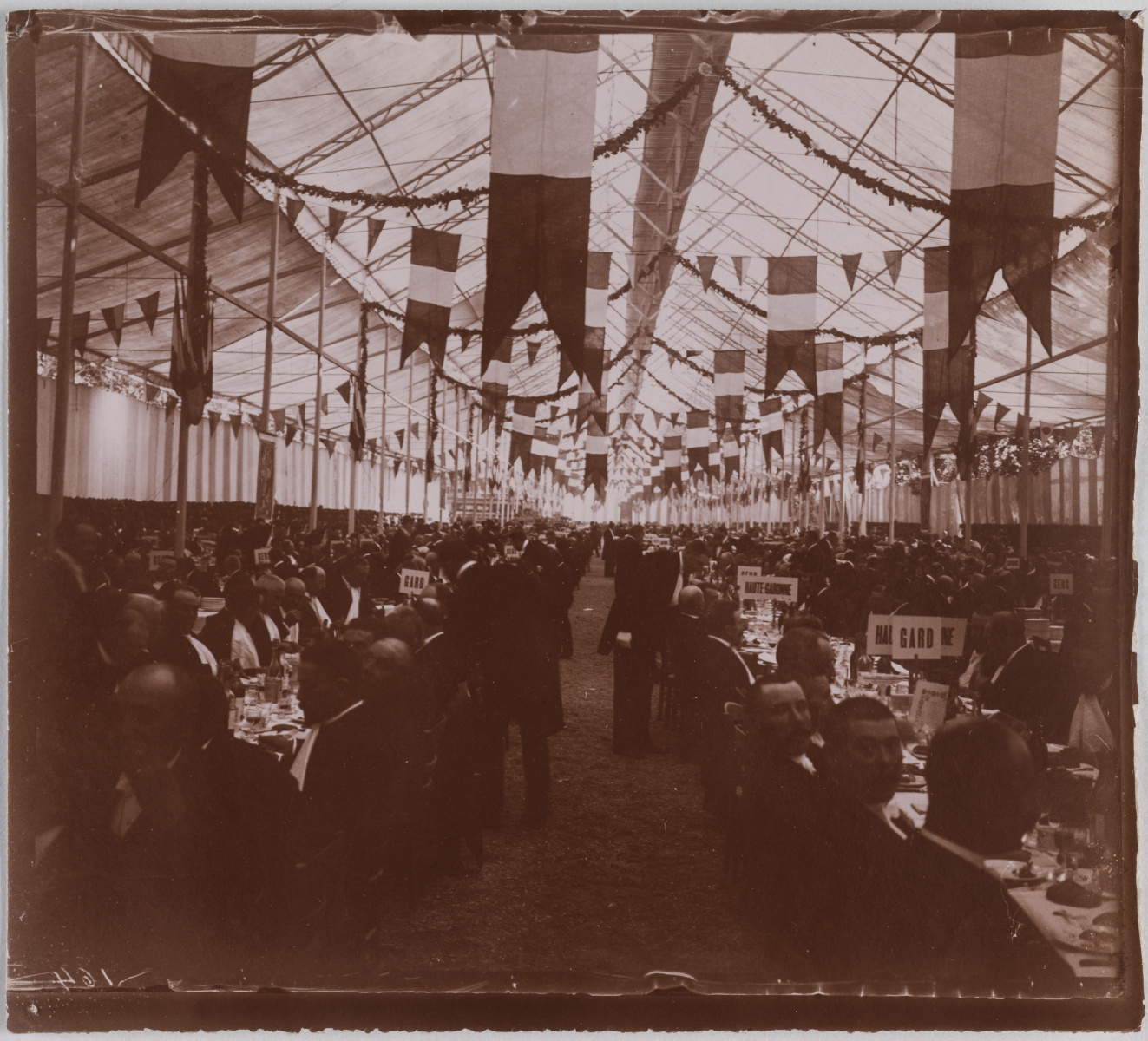
The Tuileries Garden is transformed for the occasion. Under vast temporary structures, the tables are laid out methodically and the guests grouped by their departments. The plan above, published on the eve of the banquet, reveals the astonishing grid-like layout of the garden and the distribution of the various delegations: the reception takes on almost the appearance of a small provisional town placed between the Louvre and the Place de la Concorde.
The catering is entrusted to the Maison parisienne Potel & Chabot, already renowned for organizing very large-scale receptions. Obviously it would be impossible to whip up hot dishes to order for such a crowd: the menu is therefore designed around preparations that can be served cold while preserving the ceremonial of a grand official meal.
After the hors d'oeuvres come glazed Parisian-style salmon fillets, beef fillet in Bellevue, Rouen duck loaves, roasted Bresse poulardes, ballottines of pheasants Saint-Hubert, and a Potel salad. Then ice creams, cordials and desserts, as the wines line up Preignac, Saint-Julien, Haut-Sauternes, Beaune, Margaux 1887 and champagne Montebello.
The quantities required are, quite simply, dizzying. Sources cite roughly 2,000 kilos of salmon, 2,500 poulardes and around 1,500 pheasants, plus fruit, desserts, coffee and tens of thousands of bottles. Hundreds of cooks and about 2,000 head waiters take part in the service. Bicycles are even used to relay instructions quickly between the different sections of the banquet, given how vast the space to cover is!
At the heart of this setup sits the presidential table. Émile Loubet is flanked by the regime’s top political figures, while deputies, senators, and mayors take the sections allotted to them. The defining moment, in fact, remains Loubet’s speech, which ties the Republic of 1900 to the one born in September 1792.
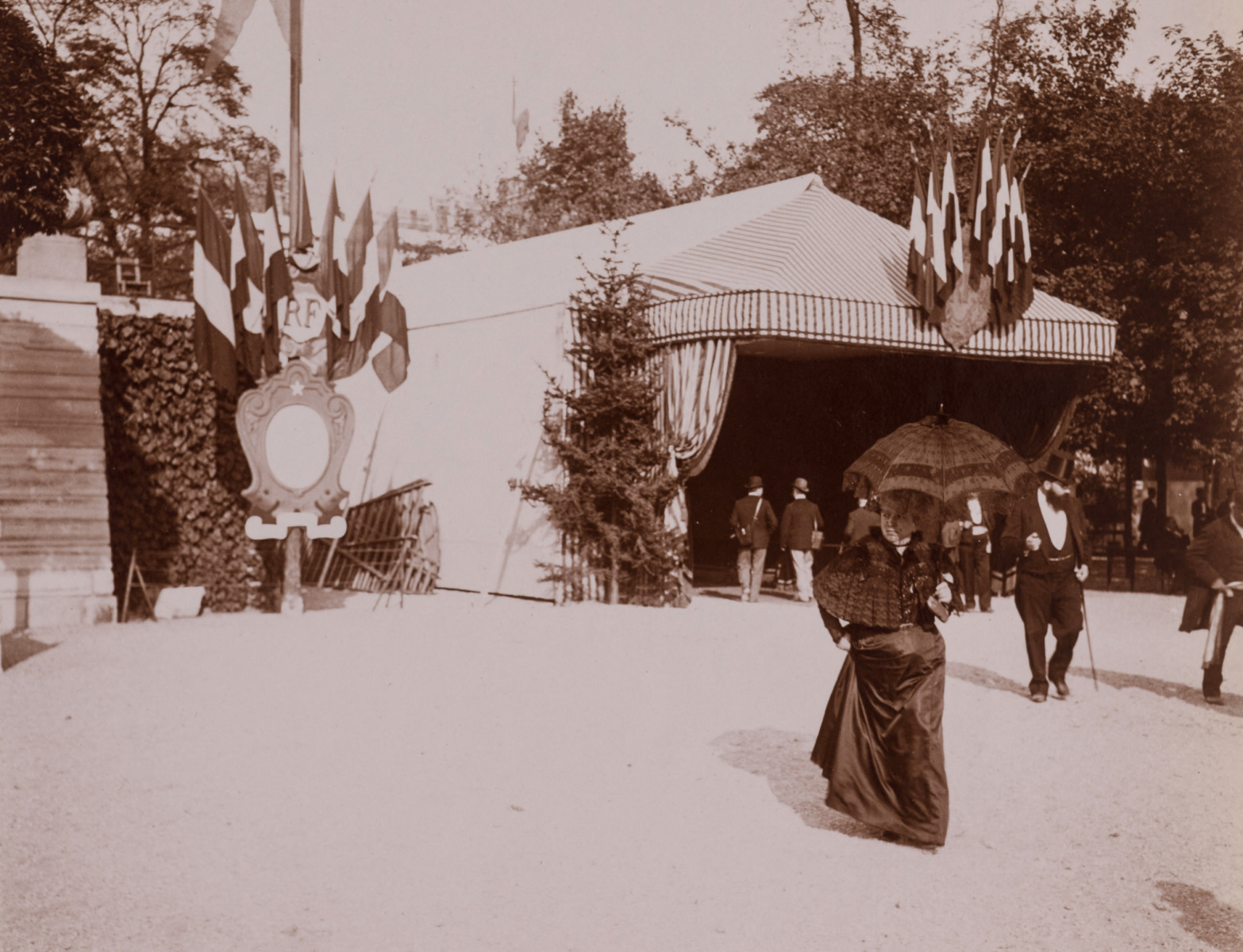
That's what sets apart the banquet from a mere extravagance at the World's Fair. The Third Republic loves collective ceremonies: inaugurations, national holidays, monuments, banquets, and grand demonstrations give the regime a tangible, visible form.
Here, the symbol works especially well. The Republic doesn't just gather ministers, lawmakers and senior officials; it brings to Paris the representatives of France's villages and towns, and then seats them together at the Tuileries.
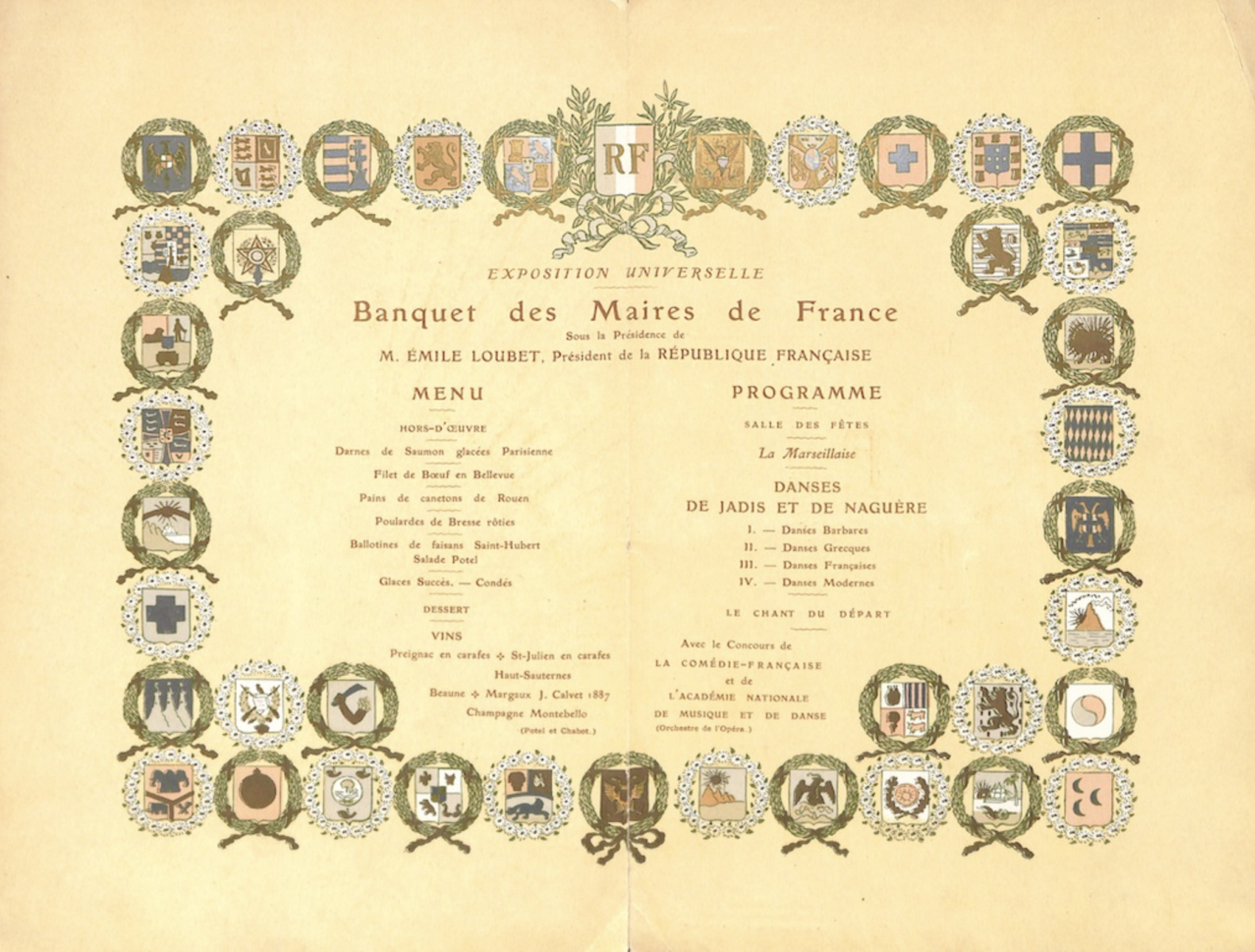
The press immediately underscored the event's exceptional character. La Revue des Deux Mondes, in its column of September 30, 1900, spoke of a monster banquet, noting that nothing of this scale had ever been seen before. It also observed that two thirds of French municipalities were represented there, and that the reception took place in a notably cordial atmosphere.
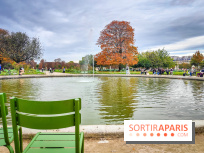
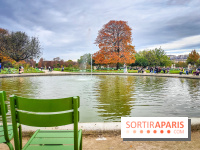
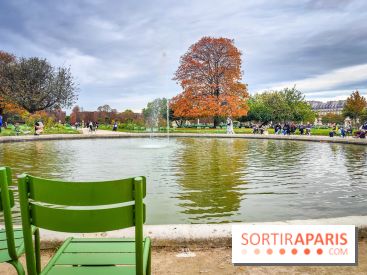
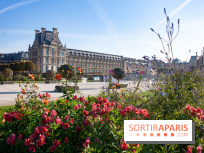
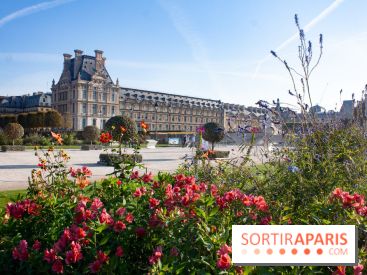
In fact, the image is almost surreal when you know the Tuileries today! Where there used to be walkers, ponds, and green chairs, there are now endless rows of white tablecloths. The officials are seated by department, the maître d'hôtels circulate between the tables, and an entire catering machine runs for a few hours in the middle of the garden... Then the scene vanishes!
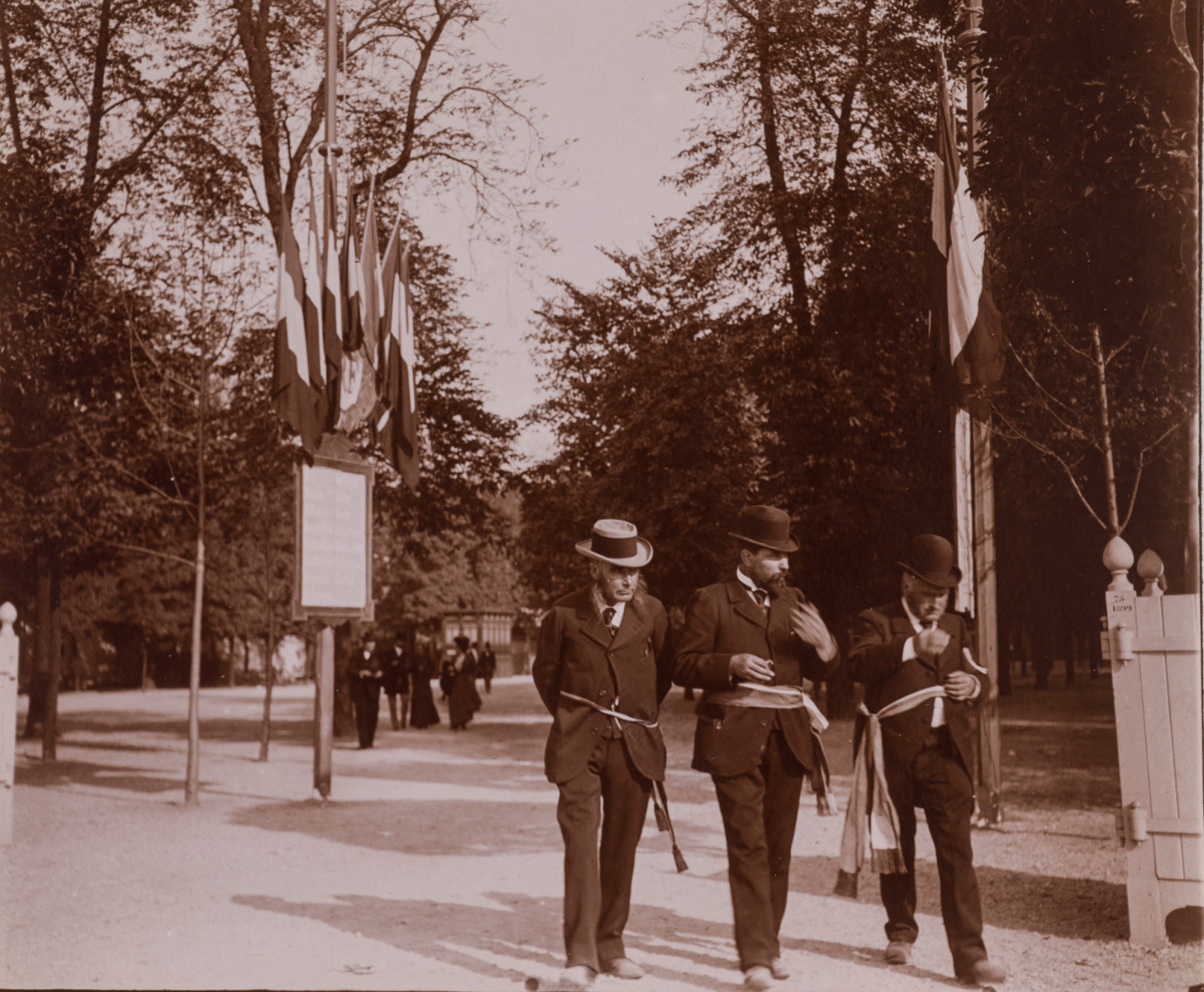
At the height of the 1900 World Fair, the Third Republic turns a lunch into a political demonstration and Paris into an open-air banquet. The 23,000 mayors then return to their towns with their menu, their agenda, and the memory of taking part in a ceremony whose excess, more than a century later, still seems hard to replicate.
More photos from the grand mayors’ banquet of 1900
Further reading:
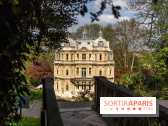
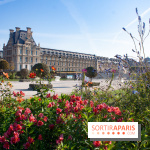
The Tuileries Gardens, the ideal place in Paris to go green
The Tuileries Gardens are a must-see in Paris! This 23-hectare green space runs alongside the Rue de Rivoli and the Seine, linking the Louvre Museum and the Place de la Concorde. Classified as a historic monument in 1914, it has also been a UNESCO World Heritage Site since 1991. It features magnificent historical statues, accompanied by works of art. [Read more]
This page may contain AI-assisted elements, more information here.
Dates and Opening Time
On September 22, 2026
Location
Tuileries Gardens
Jardin des Tuileries
75001 Paris 1
Route planner
Accessibility info






















 The Tuileries Gardens, the ideal place in Paris to go green