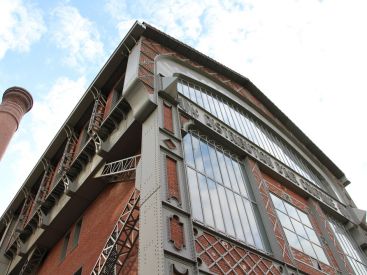
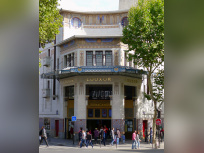
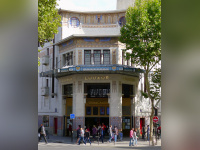
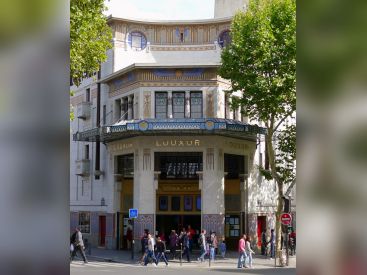
On the eve of its 60th anniversary, Le Louxor wins protection that will spare it from disappearing, on October 5, 1981. By order of the Ministry of Culture, the façades and roofs of the cinéma are inscrites à l’inventaire supplémentaire des Monuments historiques. The building isn’t abandoned yet and even continues screening films for two more years, but its future is already uncertain enough for this measure to prove decisive.
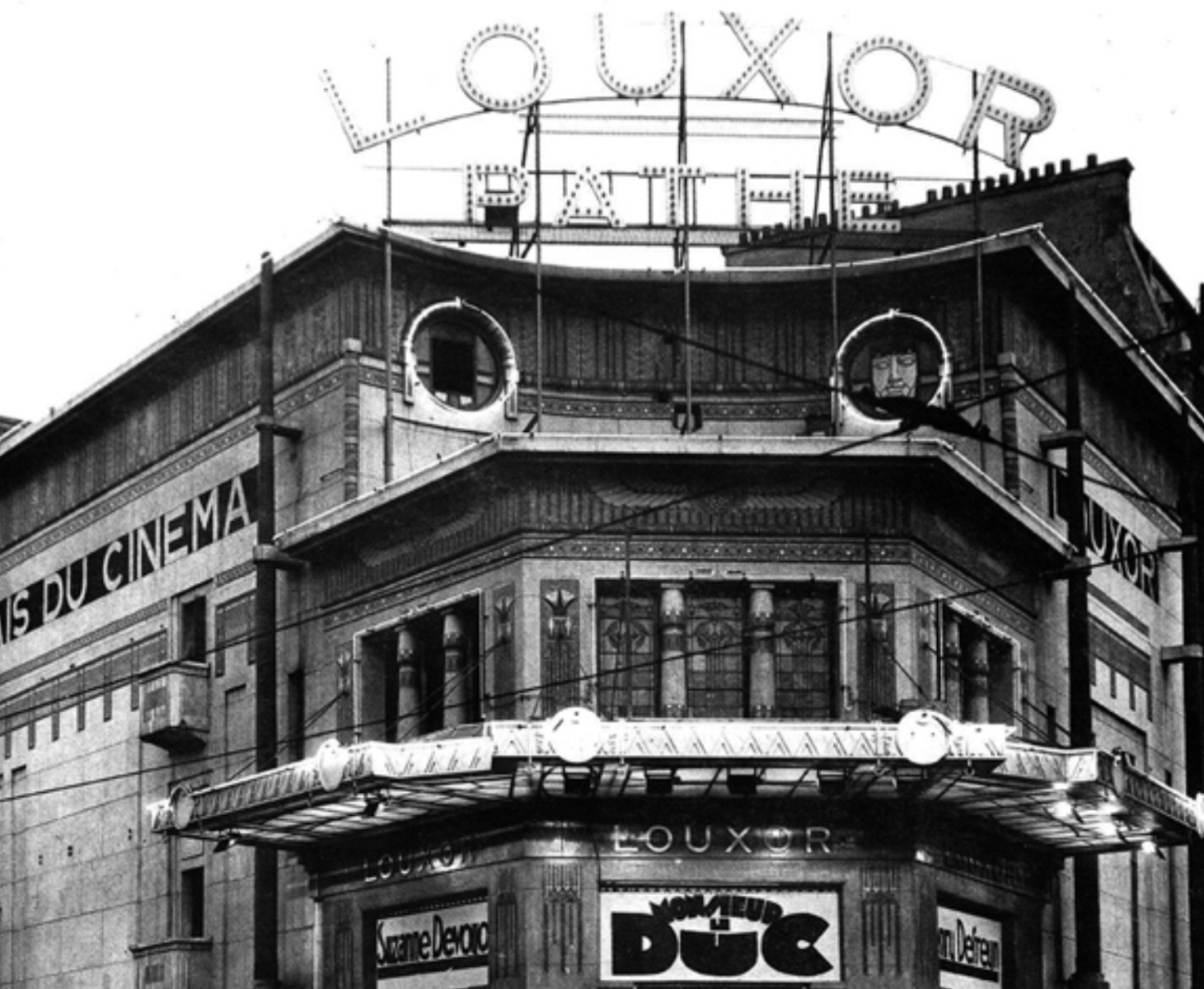
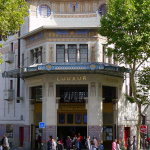
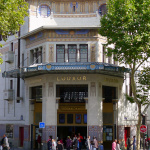
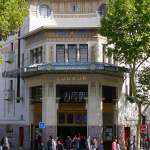
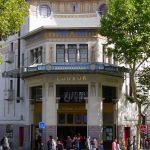
Le Louxor had been inaugurated on October 6, 1921, exactly sixty years earlier, to the day. At the corner of Boulevard Magenta and Boulevard de la Chapelle, the building stands out from its neighbors. Its architect, Henri Zipcy, designed for businessman Henry Silberberg a hall specifically intended for cinema, still far from the norm in the early 1920s. Nearly 1200 spectators could then take their seats in this "Palace of Cinema".
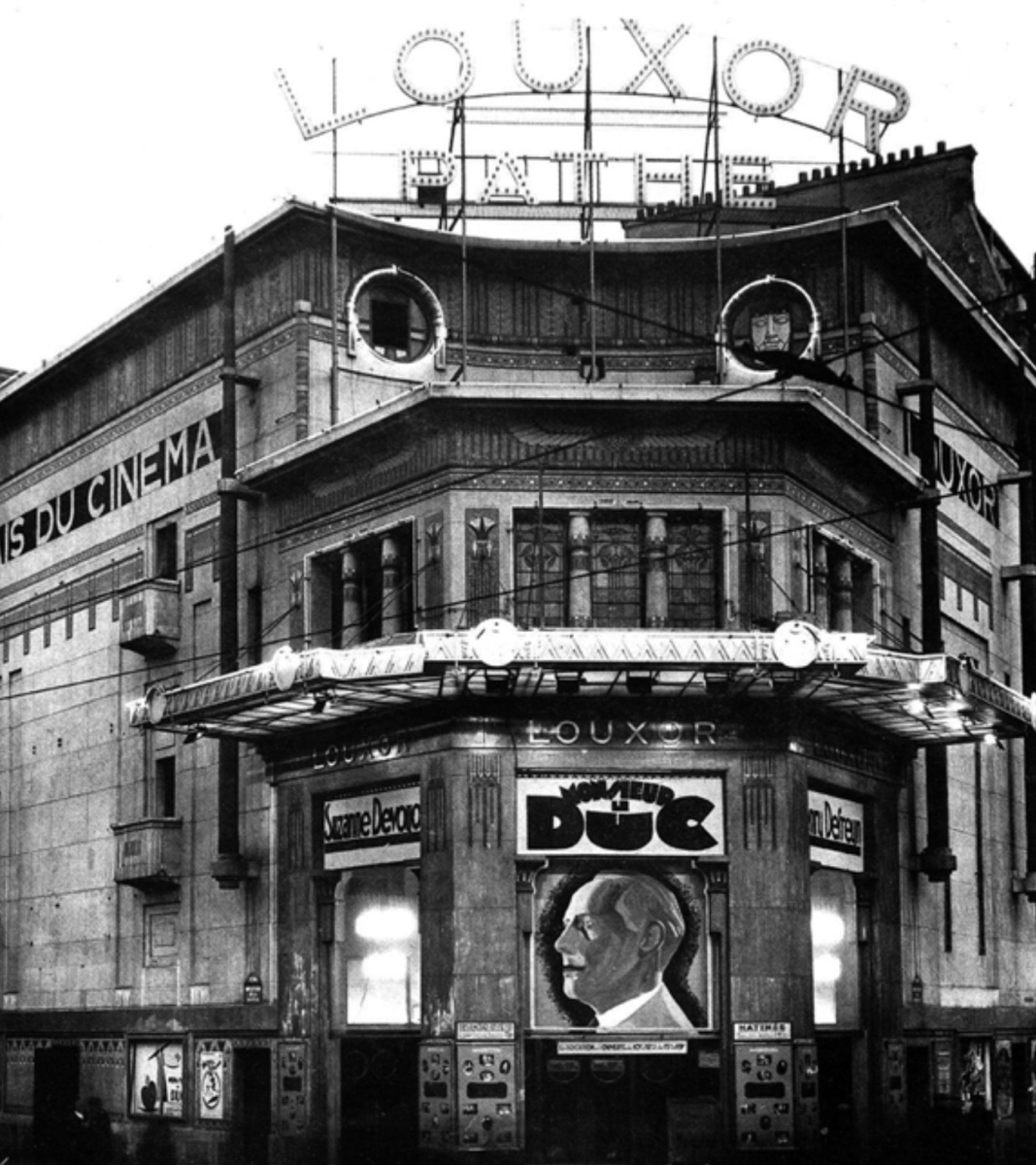
Colorful mosaics, scarabs, cobras, lotus, papyrus and winged disks transform the Parisian building into a phantasmagorical temple of ancient Egypt. The mosaics were crafted by Gentil and Bourdet, while Amédée Tiberti produced much of the Egyptianizing interior decor.
A clarification, by the way, corrects a widespread notion: this set design has nothing to do with the discovery of Tutankhamun’s tomb, which did not occur until November 1922, more than a year after the cinema opened. The Louxor is, in fact, part of a European Egyptomania that was already well established, a craze that the archaeological find would go on to amplify.
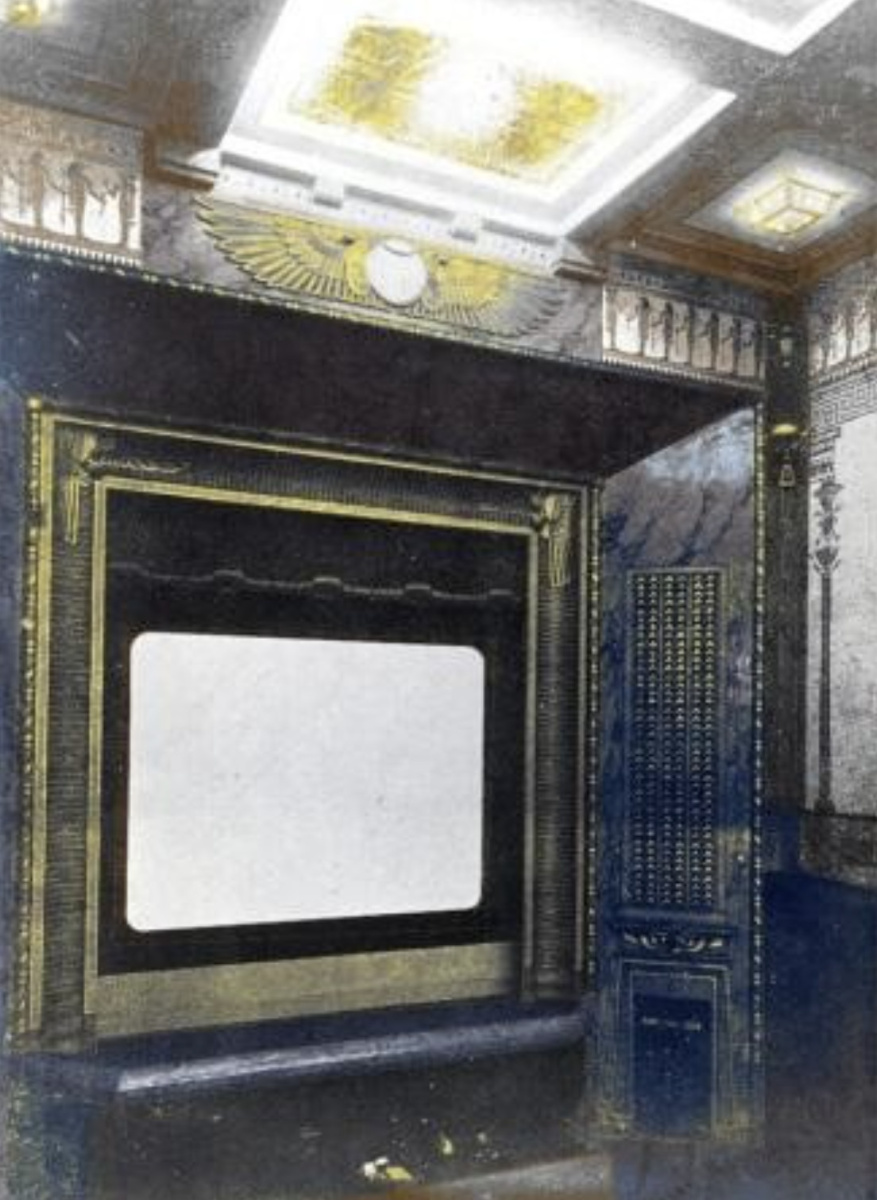
The venture gets off to a rough start for its promoter. Silberberg goes bankrupt and dies in November 1921, just a few weeks after the premiere. The cinema changes hands in 1922, and later comes under the Pathé group management by the late 1920s. With the arrival of sound, the venue is modernized and part of its original interior decor disappears under new fittings. The façade, for its part, retains much of its spectacular Egyptian-inspired styling.
For decades, the Louxor remained a popular cinema in the Barbès neighborhood. Newsreels, documentaries, musical interludes, and attractions (singers, acrobats and jugglers)… Film screenings from the 1920s could sometimes last more than three hours! After the war, like many neighborhood venues, the establishment had to face a gradual decline in attendance and the competition of new leisure options.
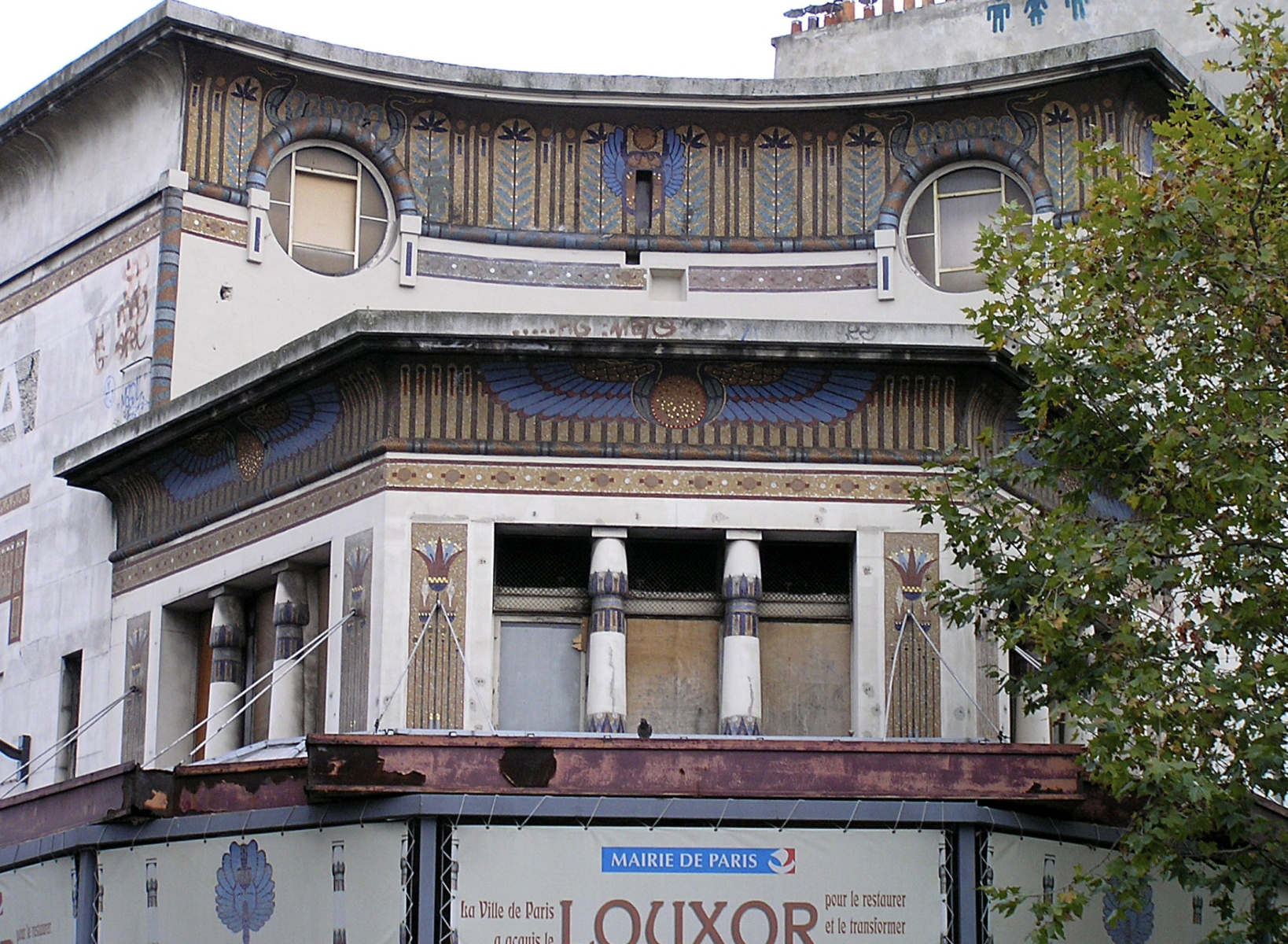
From the 1970s, its programming stands out by welcoming notably Egyptian, Arab and Indian films, in step with a segment of the neighborhood’s audience. This specialization gives the Louxor a distinctive identity but it does not suffice to stem its financial woes. At the start of the 1980s, as many major Parisian cinemas are transformed, divided or demolished, its fate becomes a matter of concern.
It is in this context that the order of October 5, 1981 comes into play. The mobilization of heritage defenders, including Francis Lacloche and his Eldorado association, as well as the Egyptologists Jean Leclant and Jean-Marcel Humbert, helps to have the building's architectural value recognized. Le Louxor is protected alongside several other Parisian venues, including the Rex, Eldorado and La Cigale.
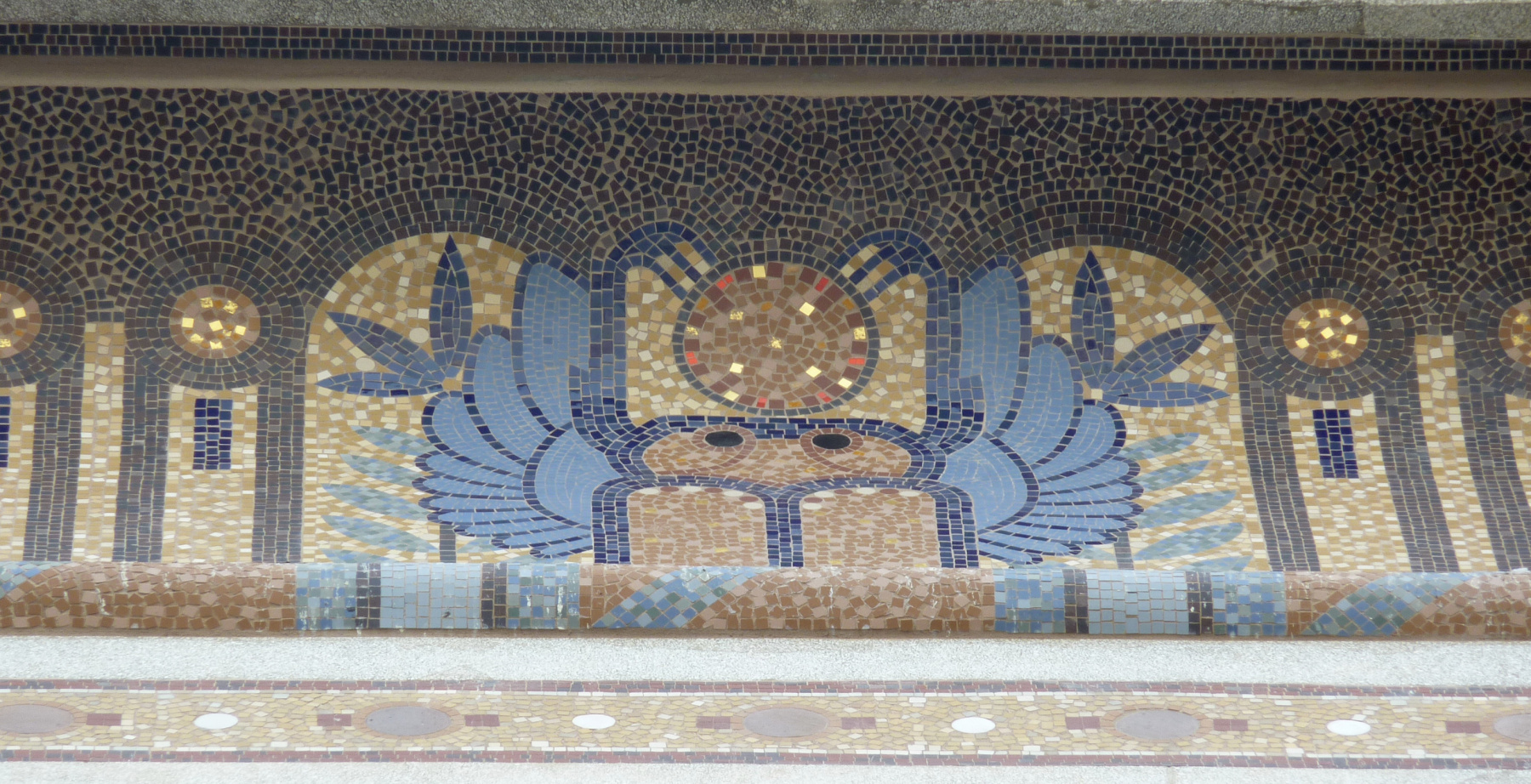
The protection remains partial nevertheless: legally, it is the facades and the roofs that are listed. It does not, therefore, prevent the cinema from closing or the interior transformations. It does, however, make the pure and simple disappearance of the building much harder. The proof comes a few years later: a demolition permit was refused in 1985. Without the 1981 decree, the Barbès crossroads could have lost its astonishing Egyptian palace!
Cinema operations cease at the end of 1983. The building then enters a second life that is far less about cinema: first La Dérobade, a Caribbean nightclub, then Megatown, a large gay nightclub. After the failure of these revivals, Louxor is closed and gradually abandoned by the end of the 1980s. Its protected façade remains, but behind it the building falls into disrepair. A new battle begins.
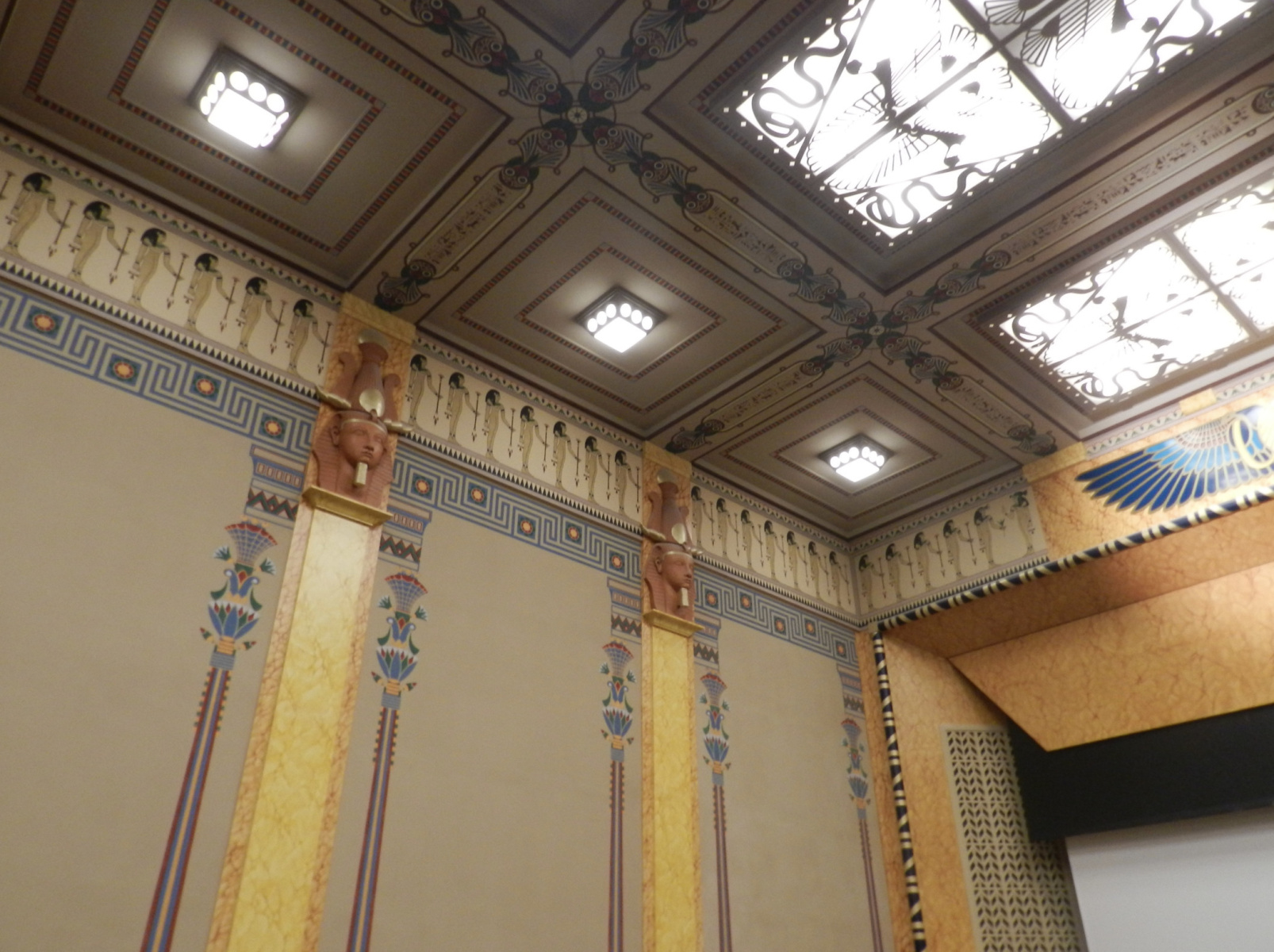
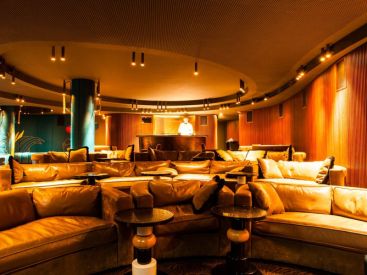
Neighborhood associations and heritage advocates are calling for the return of the cinema. After several years of mobilization, the City of Paris buys back the Louxor in July 2003. Heritage studies are undertaken, then a rehabilitation project entrusted to architect Philippe Pumain. The work aims in particular to recapture the spirit of the 1921 décor while creating three screening rooms suited to contemporary cinema operations.
On April 17, 2013, nearly three decades after it closed as a cinema, the Louxor reopened to audiences. Its main auditorium now bears the name of Egyptian filmmaker Youssef Chahine, while its façades restaurées continue to impose their cobras, lotus and mosaics above the Barbès crossroads!
Further reading:
Le Louxor - Palais du Cinéma: a temple to the 7th art in a unique setting
Renovated and inaugurated in 2013, Le Louxor cinéma shines in the middle of Paris's 10th arrondissement with its atypical architecture, listed as a historic monument. [Read more]
The Goutte d'Or and Chapelle neighborhoods, like Barbès-Rochechouart, suffer from a bad reputation. However, they are home to some great places and activities, so here are some tips for the 9th and 18th arrondissements of Paris! [Read more]
This page may contain AI-assisted elements, more information here.
Dates and Opening Time
On October 5, 2026
Location
Le Louxor
170 Boulevard de Magenta
75010 Paris 10
Route planner
Accessibility info
Access
Metro Barbès - Rochechouart
Official website
www.cinemalouxor.fr


















 Le Louxor - Palais du Cinéma: a temple to the 7th art in a unique setting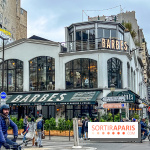
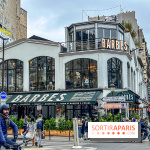
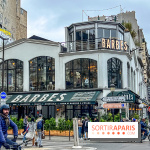
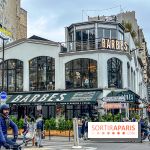 Things to do in the Goutte d'Or, La Chapelle, and Barbès-Rochechouart neighborhoods: Ideas for outings and places to visit