Flamboyant and visionary, Catherine and Marie de Medici embodied the Italian dynasty that shaped the face of Paris from the 16th to the 17th century. Catherine, born in Florence in 1519, arrived in Paris at the age of fourteen to marry the future Henry II. A widowed queen and mother of ten children, she exercised discreet but formidable power over her sons and the French monarchy. Passionate about architecture, art, and astrology, she introduced Italian-style gardens and palaces to the capital and transformed the Louvre and the Tuileries into symbols of prestige and modernity.
Marie de Medici, from the same family but not directly related, continued this legacy in the early 17th century. Wife of Henry IV and regent for Louis XIII, she continued to enrich the city with iconic monuments such as the Medici Fountain in the Luxembourg Gardens and the Medici Aqueduct, which illustrates the desire to combine beauty with practical infrastructure. Together, Catherine and Marie de Medici left a lasting legacyin Paris and the Île-de-France region ,which continues to bear their royal mark on the capital.
Whether you are passionate about history, love gardens, or are curious about royal secrets, this walk through the capital plunges you into the heart of the lives of queens who transformed Paris into a theater of power and beauty.
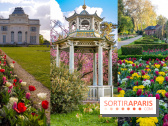
Arriving from Italy at the age of 14 to marry Henry II, Catherine de Medici first settled in the Louvre, which she enlarged and embellished. But it was the construction of the Tuileries Palace in 1564 that revealed her full ambition: a modern, luminous residence opening onto gardens inspired by Florence. Of this palace, which no longer exists, only the Tuileries Garden (1st arrondissement) remains as a reminder. Redesigned by Le Nôtre in the 17th century, it remains the most beautiful vestige of his taste for perspective and the staging of power.
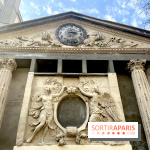
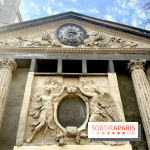
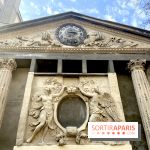 In the footsteps of vanished monuments: Where can you see the remains of the Tuileries Palace in Paris?
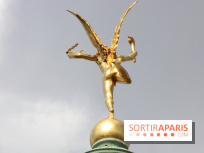
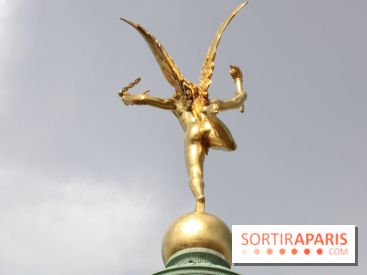
Did you know? The famous Tuileries Gardens once housed a palace. It was the Palais des Tuileries. Remnants of this now defunct royal residence are now scattered around the world. Here's where to find them in Paris. Ready to explore the capital's past? [Read more]

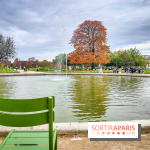
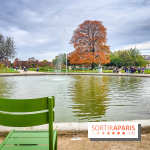
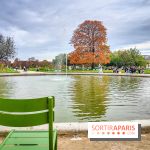 Did you know? The Jardin des Tuileries is open to the public thanks to... Charles Perrault!
Opened to the public thanks to the tenacity of a certain Charles Perrault, the Tuileries Gardens owe a great deal to this storyteller. Behind his work, he is also the defender of a Paris where art and nature are shared by all. [Read more]
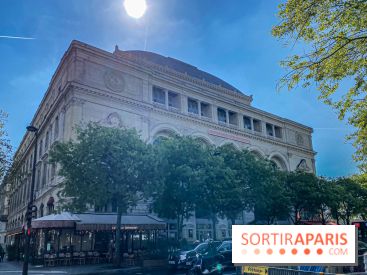
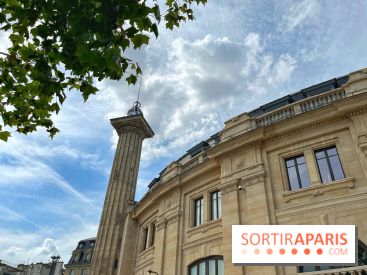
Not far from the Louvre, Catherine hadthe Hôtel de la Reine built (around 1570) on the site of the current Bourse de Commerce. She added a column, still known as the Medici Column, which may have been an astrological observation tower, intended for her Florentine advisor Cosimo Ruggieri, to contemplate the stars and read the future of the kingdom in the sky.
Catherine de Medici was crowned queen at the Basilica of Saint-Denis in 1549 and is also buried there alongside her children, symbolizing her influence on the Valois dynasty and her central role in royal history. Upon her death in 1589, she was buried in Blois before her body was moved to join her husband Henry II in the Basilica of Saint-Denis. Their marble tomb, sculpted by Germain Pilon, reflects the queen's Italian refinement and religious sensibility.



 Saint-Denis Basilica, the necropolis of the Kings of France in Saint-Denis (93), discover its history
How about (re)discovering the Basilique Saint-Denis? Classified as a historical monument, this religious edifice in Saint-Denis (93) is home to the necropolis of the Kings of France, and is a must-see for history buffs and those curious about the region's heritage. We tell you all about it! [Read more]
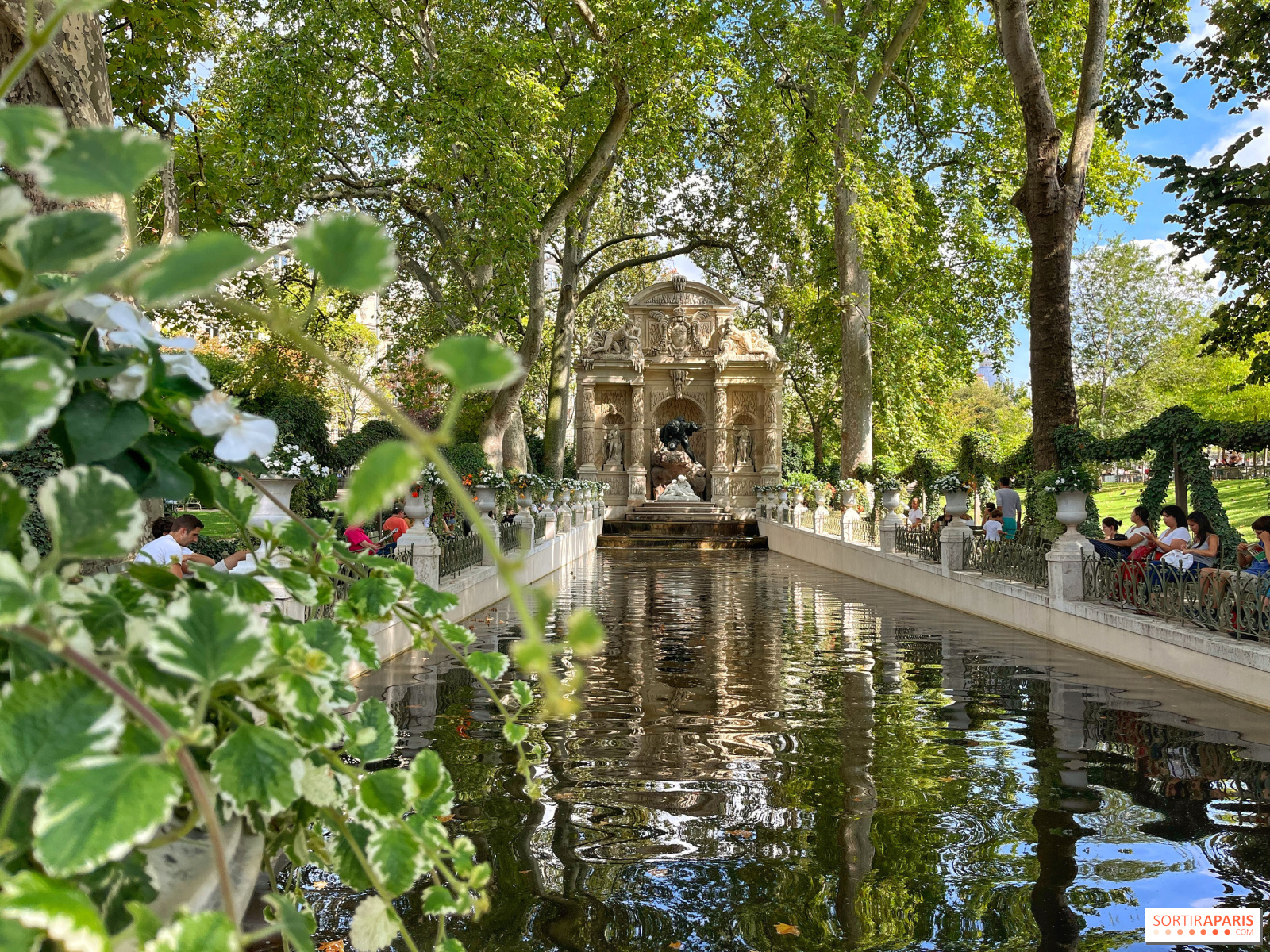
Commissioned around 1630 by Marie de Medici, the Medici Fountain was designed by Tommaso Francini, a hydraulic engineer from Florence. Its Baroque style, grotto decorated with mascarons, and shaded basin are reminiscent of Tuscan gardens. Located on the east side of the Luxembourg Palace (6th arrondissement), the fountain remains one of the most romantic spots in Paris.
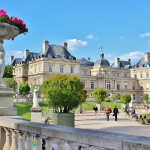
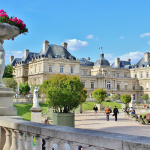
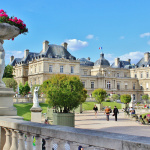
 The Jardin du Luxembourg, an exotic setting in the heart of Paris
The Jardin du Luxembourg in Paris is a popular park with Parisians, who call it "le luco", and tourists alike. A bucolic and lively garden, it's a delight for those who choose to stroll here, especially with the arrival of fine weather! [Read more]
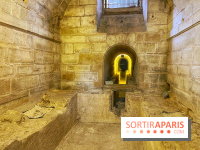
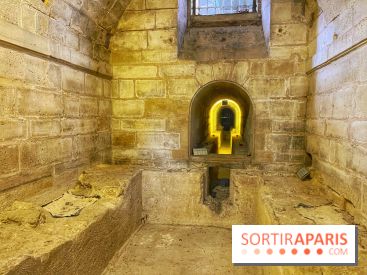
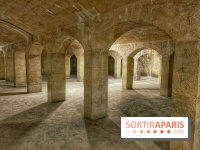
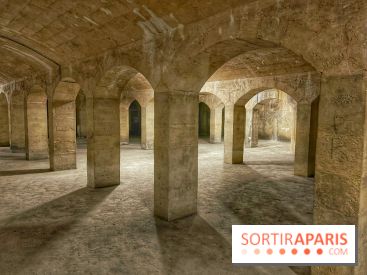
Based on an idea by Henry IV, taken up by Marie de Medici, an infrastructure was set up following the route ofthe old Roman aqueduct to supply water to Parisian fountains from 1623 onwards.
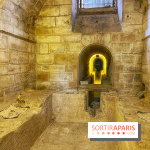
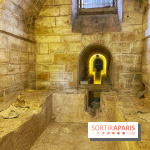
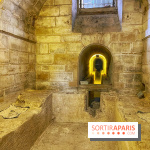
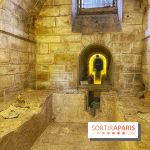 Following in the footsteps of the Aqueduc Médicis, where can you find the last remains in the 14th arrondissement?
Today, water flows easily beneath our feet, but there was a time when an aqueduct, the Médicis, carried water from Rungis with greater difficulty. Although it is less useful today than it was in the 17th century, there are still a few remnants to be discovered when strolling through the 14th arrondissement. [Read more]
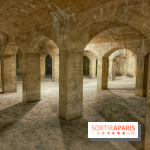

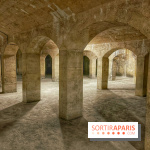
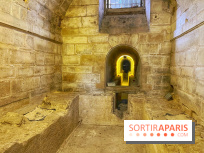
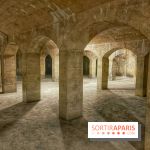 La Maison du Fontainier: one of the last underground remains of the Aqueduc Médicis in Paris
In the heart of the 14th arrondissement, the Maison du Fontainier is home to the last glimpse of the Médicis aqueduct. Listed as a historic monument, this underground vestige opens its doors only on guided tours, to discover the history of water in the capital. [Read more]
Prices
Free