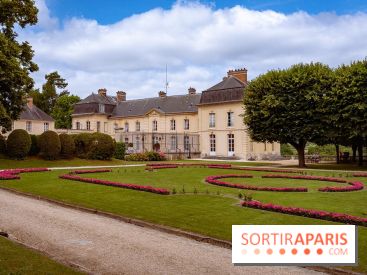
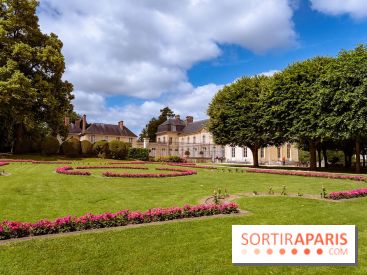
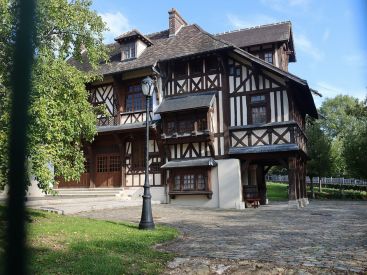
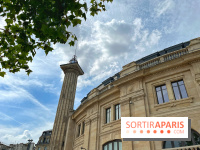
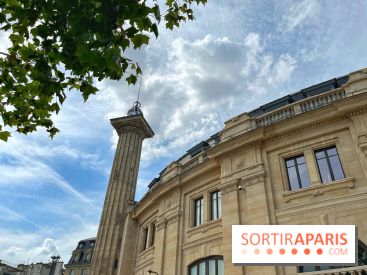
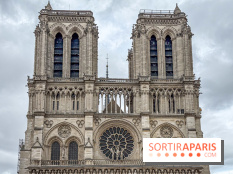
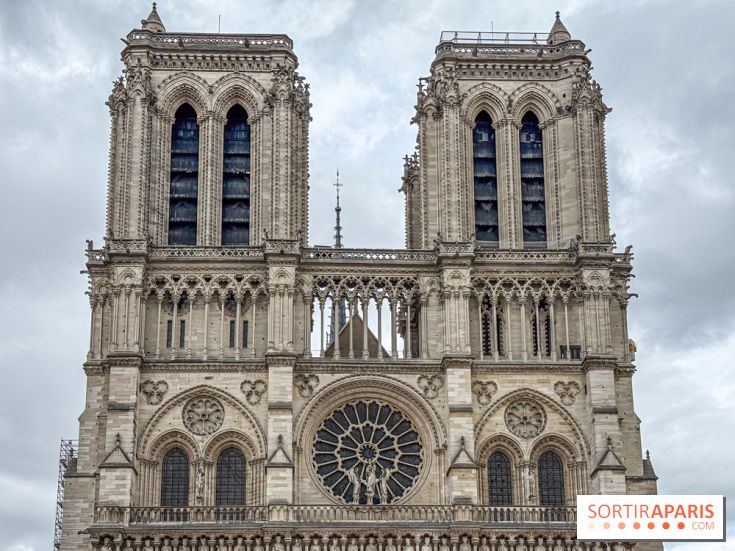
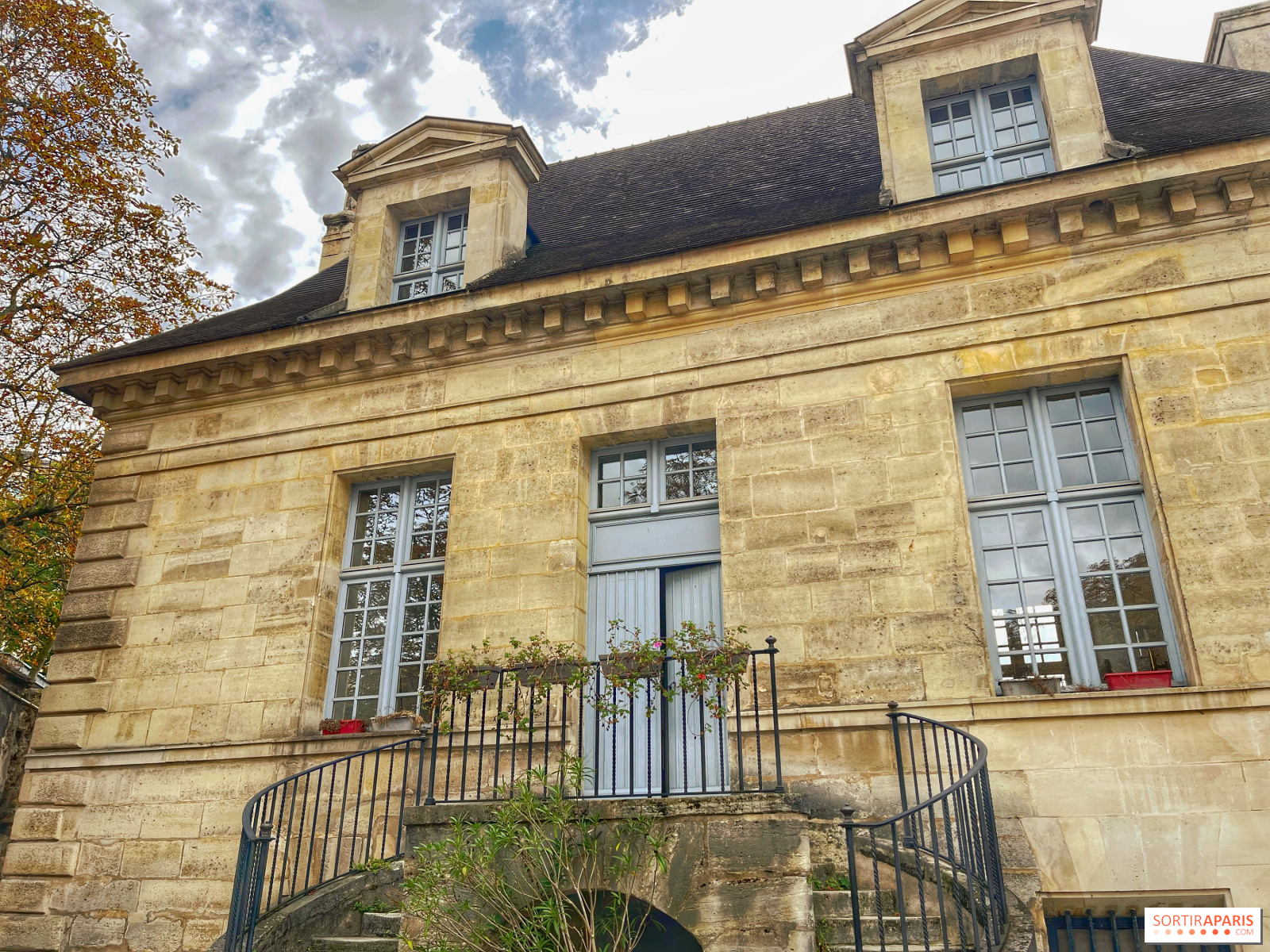
The mysterious Maison du Fontainier, located not far from the Jardin du Luxembourg, is virtually inaccessible to the general public today. Yet, a few centuries ago, it was a neuralgic point for the capital, since it simply enabled water to be distributed throughout Paris. One of the last remaining vestiges of theAqueduc Médicis, the monument can only be seen on guided tours organized by the Paris historique association, several times a year and during the Journées du Patrimoine.
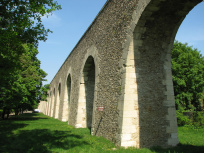
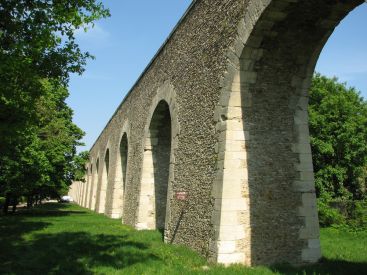
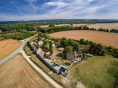
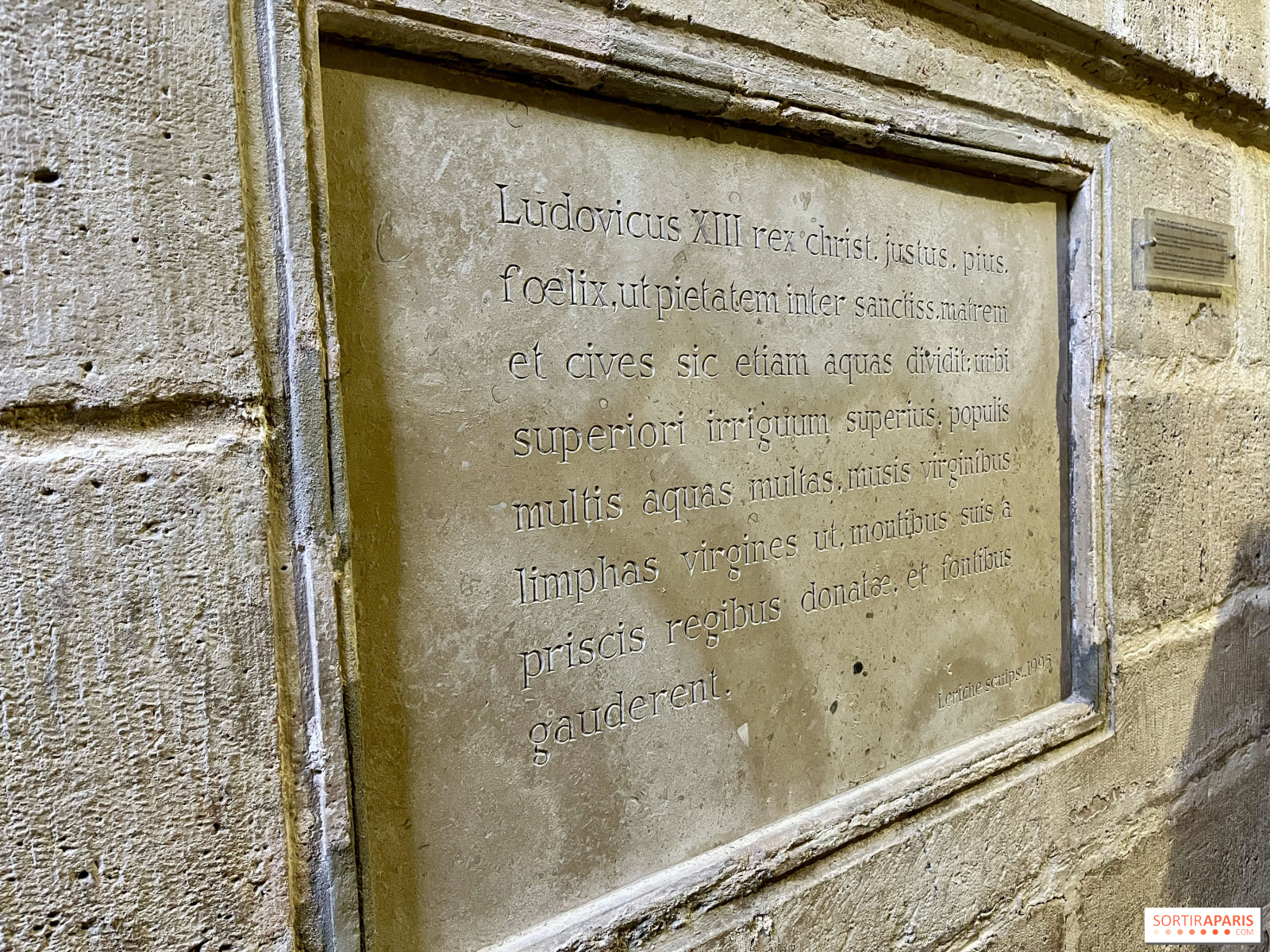
Queen Marie de Médicis decided to have an aqueduct built from Rungis to Paris, over a distance of 13 kilometers, to bring water to the garden of the Palais du Luxembourg and to the Left Bank in general, which lacked water at the time, unlike the other bank. Many remains of the aqueduct can still be found outside the capital, notably in Arcueil and L'Haÿ-les-Roses, but very few in Paris, where the aqueduct was mostly underground.
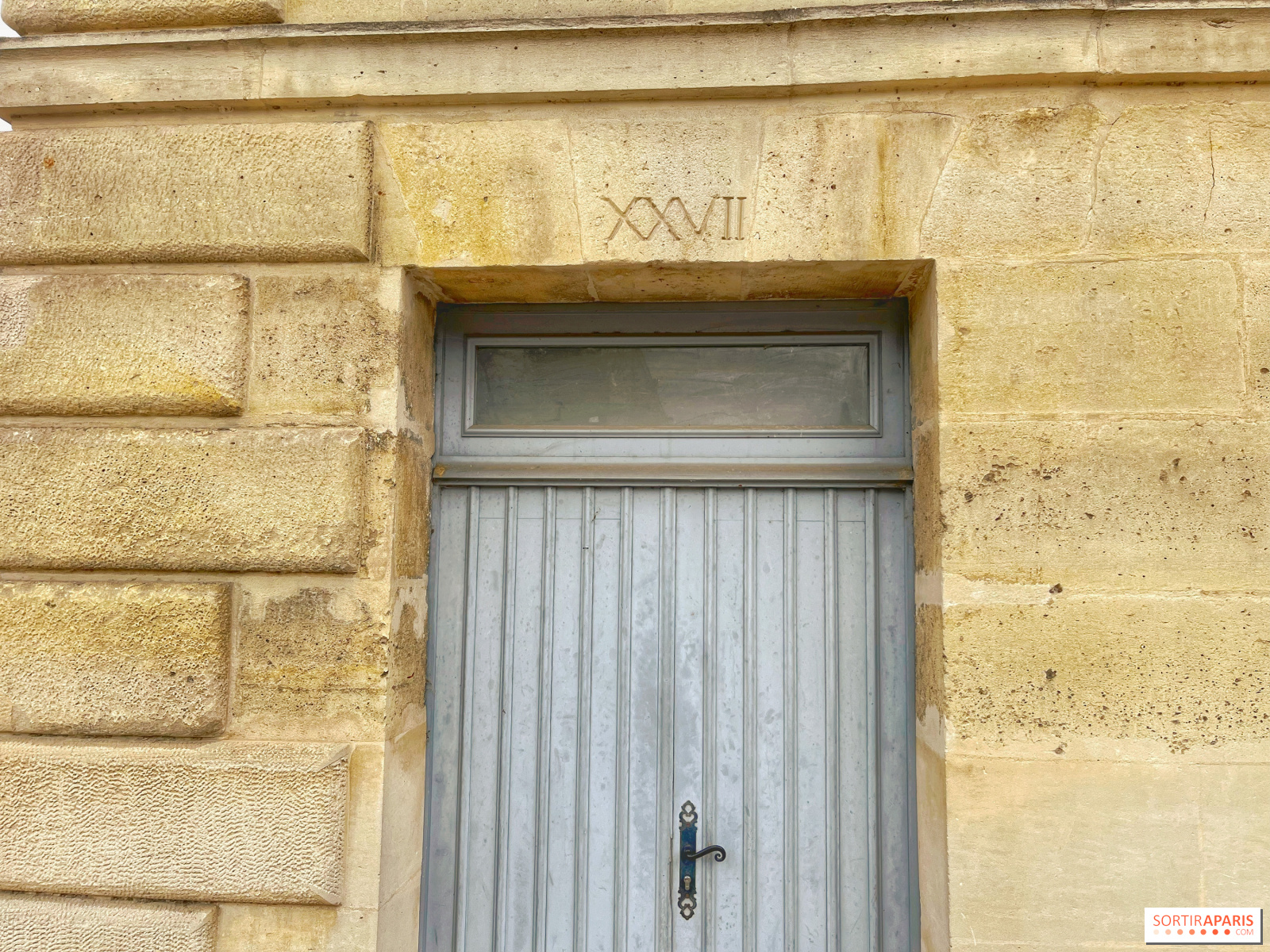
The Maison du Fontainier, an imposing ashlar building in the Louis XIII style, was built between 1619 and 1623 in the 14th arrondissement, on the 27th and last manhole (a masonry device used to inspect an underground pipe) of the aqueduct, which was put into service in the 17th century. The upper floors were occupied by Thomas Francine, the King's Fontainier, and his descendants, who oversaw the distribution of the capital's precious water.

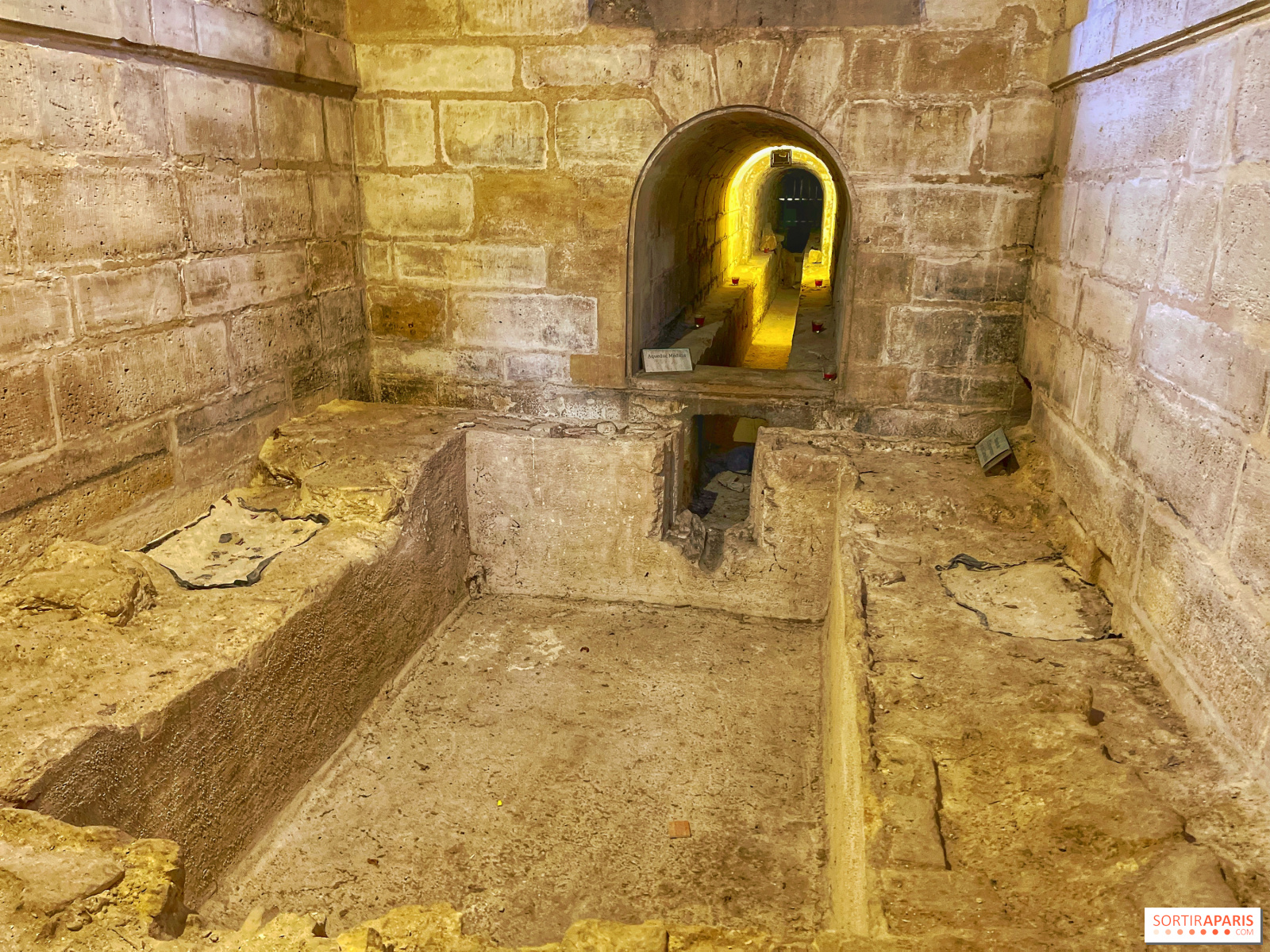
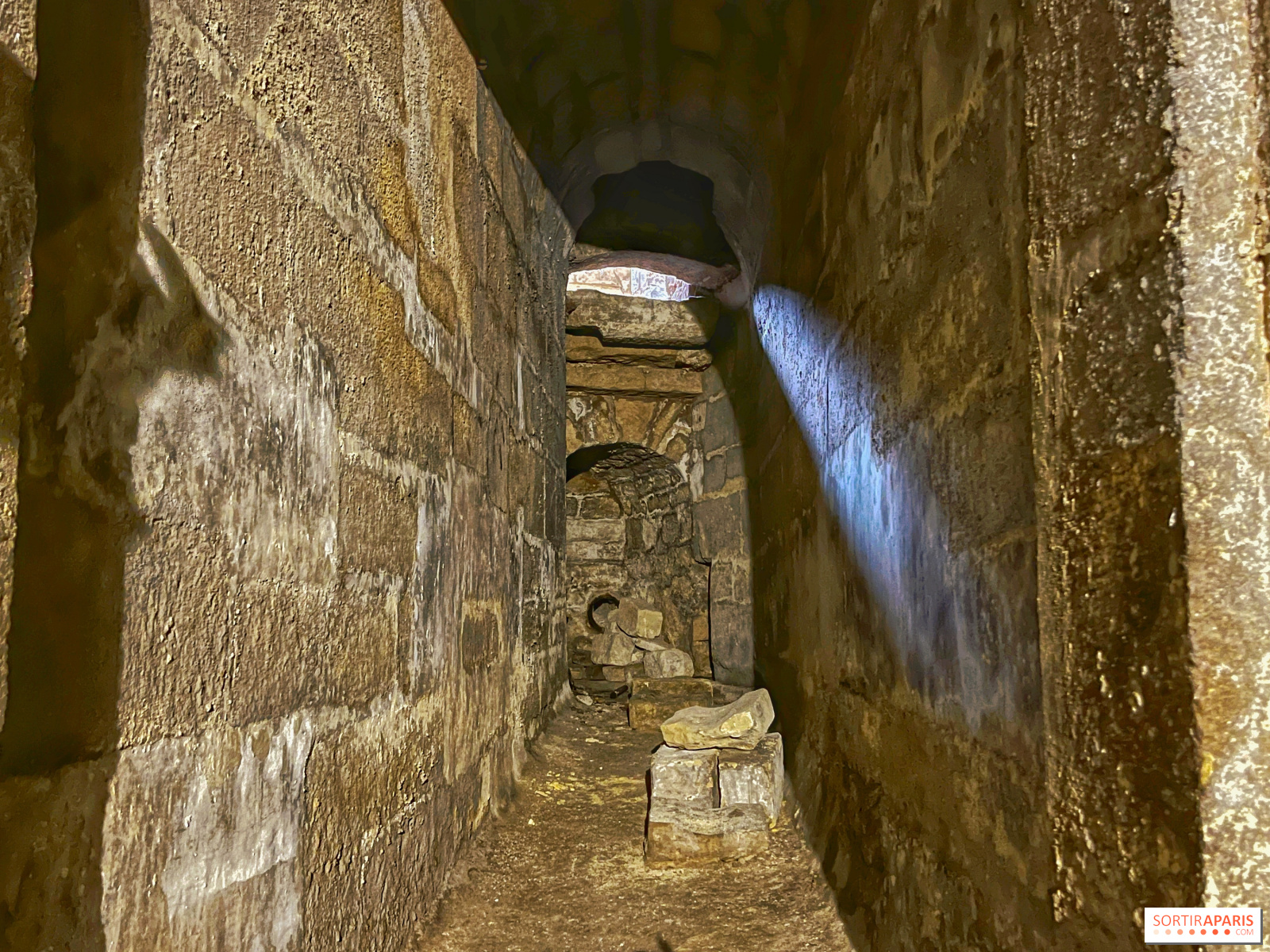
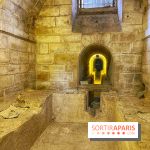
The water supplied by the aqueduct arrives in the basement and is divided into three basins: in the center, the bassin des Carmélites et des Entrepreneurs, whose water is used by the clergy; on the right, the bassin du Roi, which supplies palaces and fountains; and on the left, the bassin de la Ville, for public fountains, which accounts for only 28% of the water.

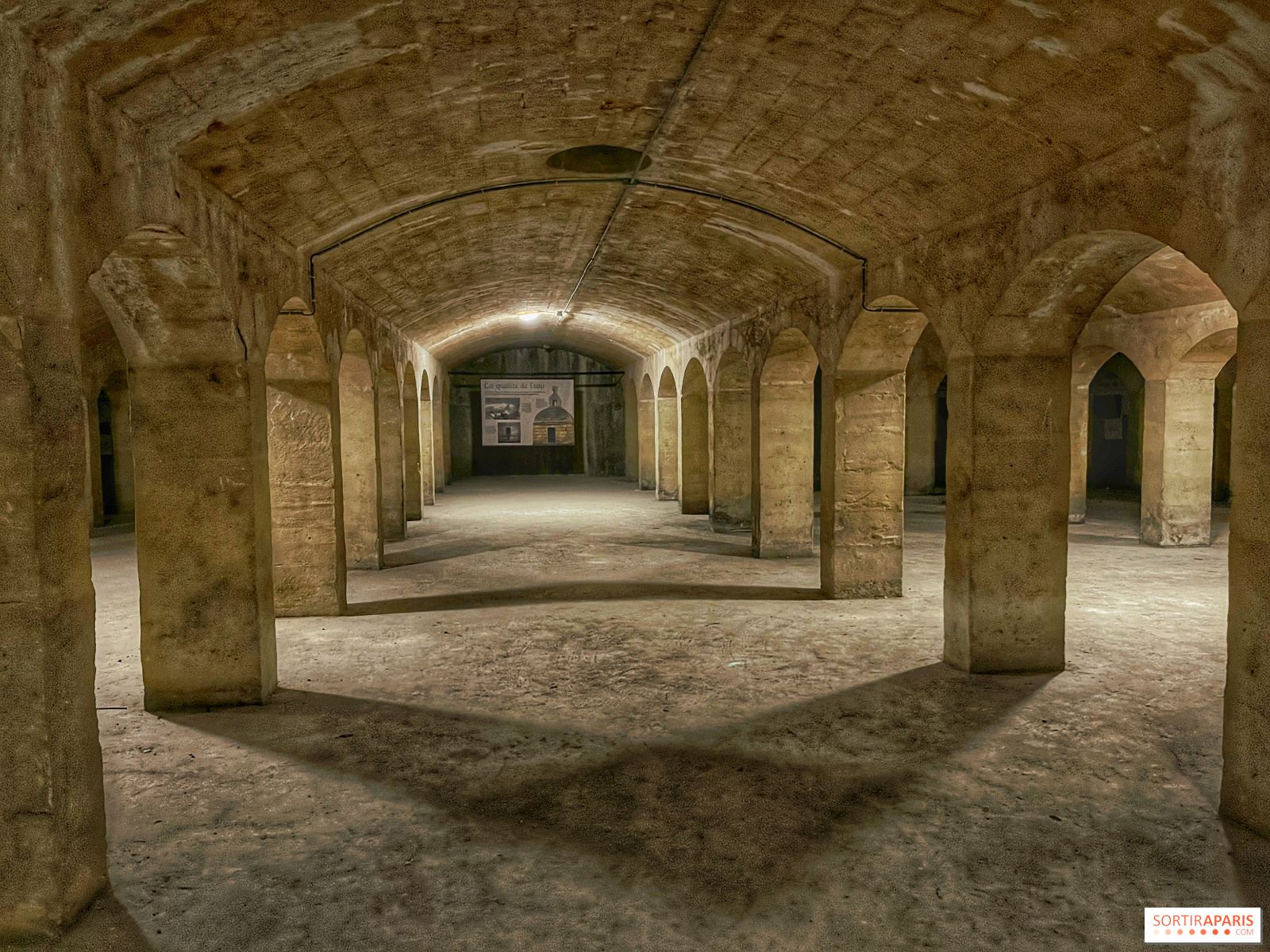
In 1845, a cathedral-vaulted underground reservoir with double rows of columns was added on the other side of the Bassin du Roi to store around 1,000 cubic meters of water. It was not used for long, however, as the house lost its function in 1874 when Eugène Belgrand, under the direction of Baron Haussmann, built the Paris water and sewerage system. The house was listed as a historic monument in March 1994.
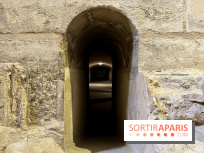
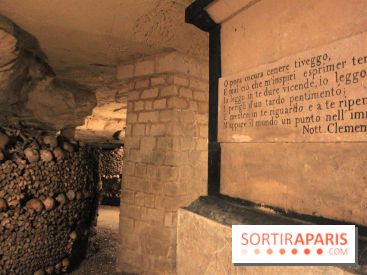
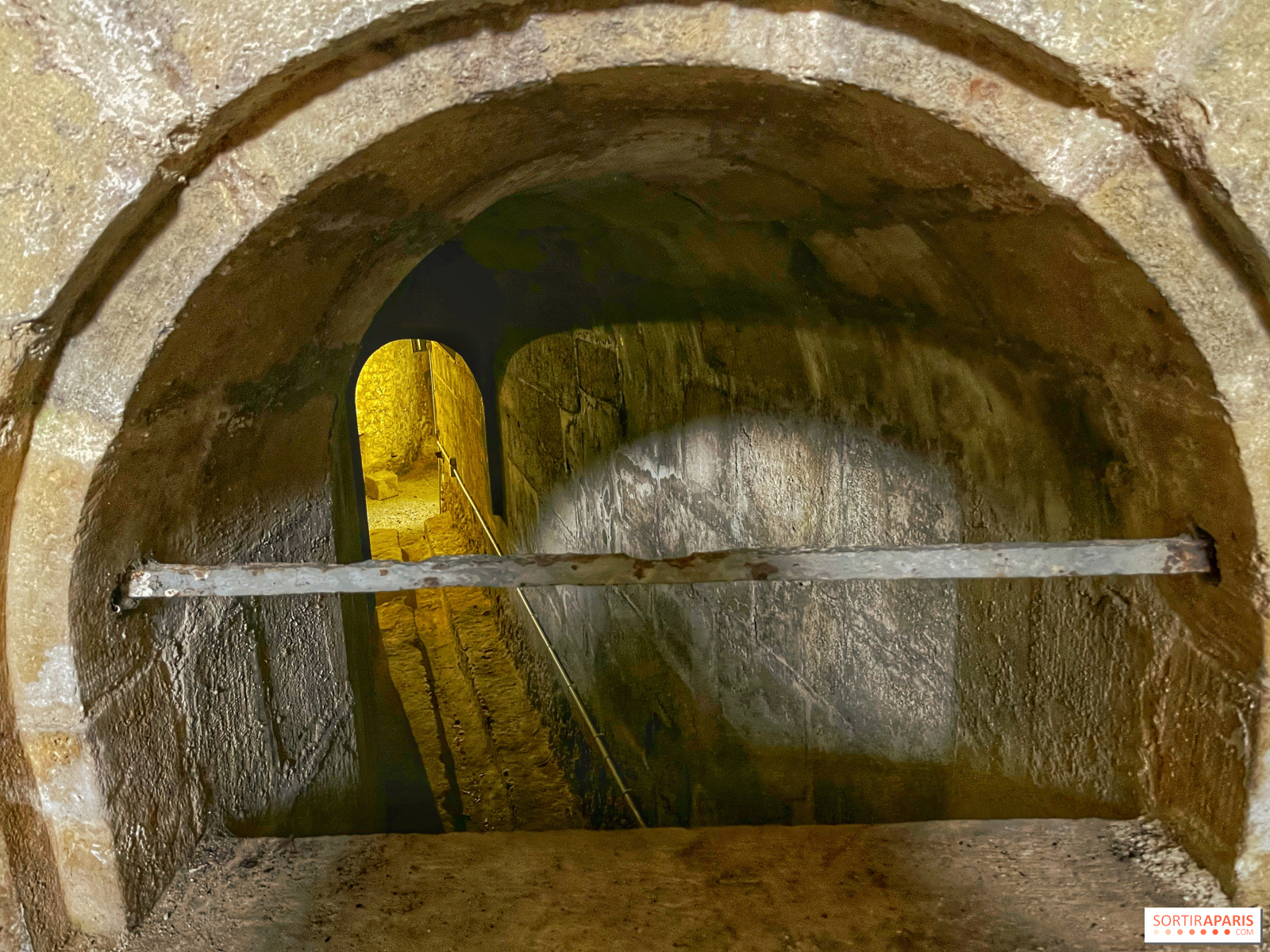
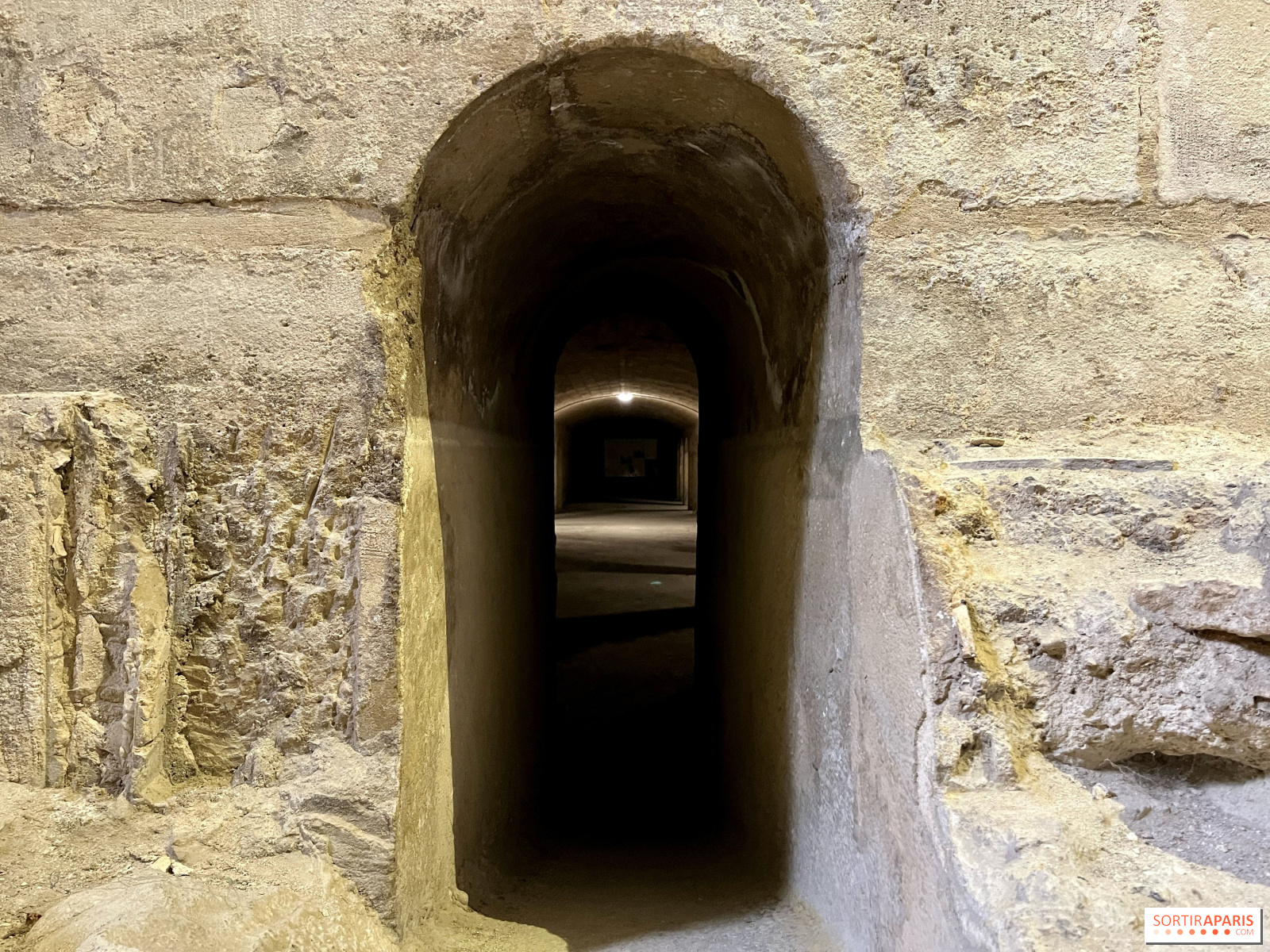
During our visit, we took a staircase down into the depths of the building and discovered an underground Paris that you'd never suspect from above, not far from the Catacombs.
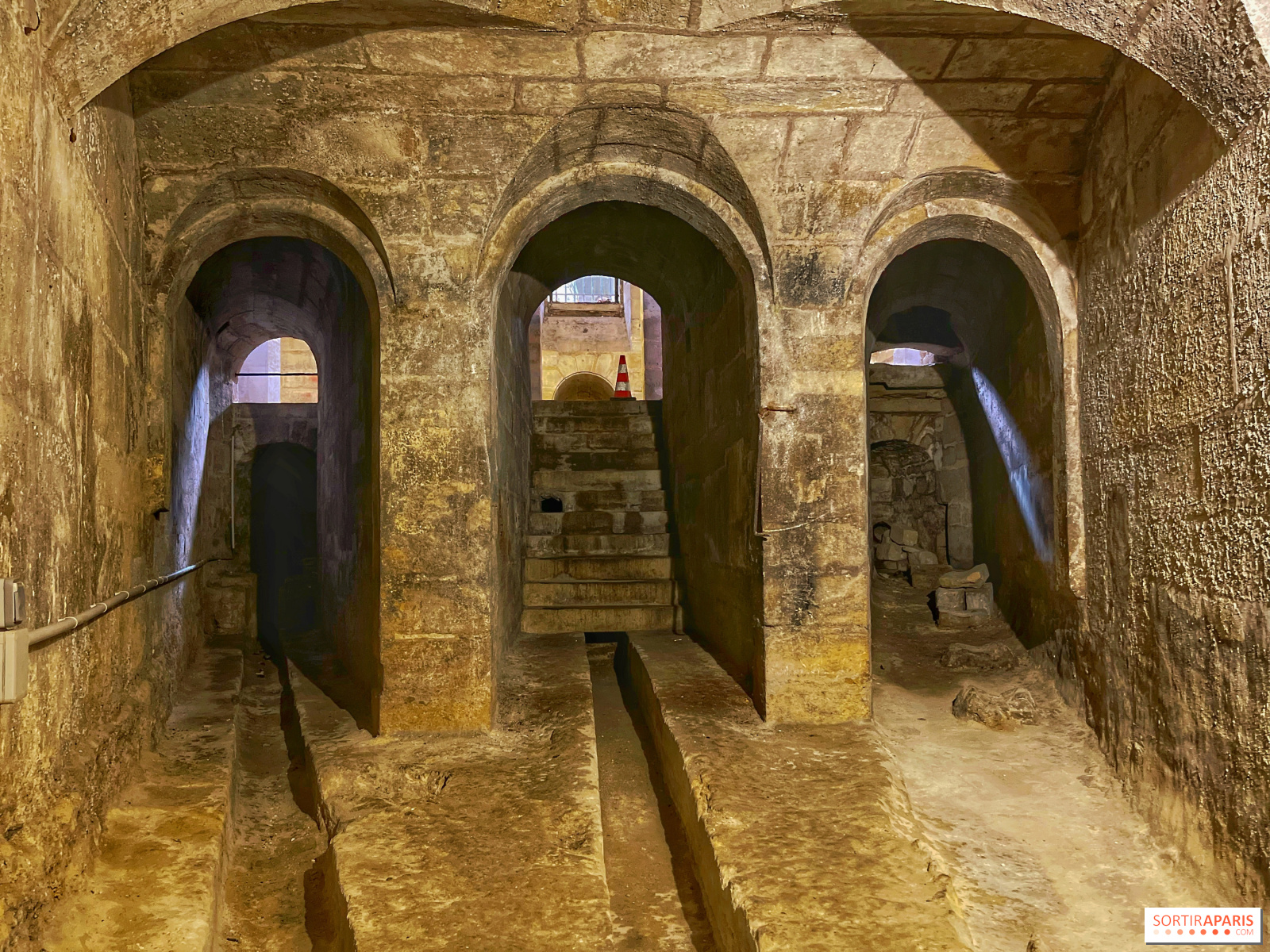
In this slightly chilly atmosphere, Dominique, our passionate guide, told us all about the history of the site and the history of water in the capital, an epic story that begs the question of how easy it is to get water from the tap today. An impressive building, with beautiful arches that have stood the test of time, we wandered around admiring the work of the past, through small, sometimes narrow passages, discovering here and there ancient pipes and tunnels.
An educational tour that lets you learn more about our city's underground world! Please bring sneakers or comfortable shoes, as the ground can be a little uneven and dirty. Next date: October 15!
Following in the footsteps of the Aqueduc Médicis, where can you find the last remains in the 14th arrondissement?
Today, water flows easily beneath our feet, but there was a time when an aqueduct, the Médicis, carried water from Rungis with greater difficulty. Although it is less useful today than it was in the 17th century, there are still a few remnants to be discovered when strolling through the 14th arrondissement. [Read more]
Dates and Opening Time
On October 15, 2025
Prices
- 26 ans: €7
Adultes: €15
Official website
www.paris-historique.org































 Following in the footsteps of the Aqueduc Médicis, where can you find the last remains in the 14th arrondissement?