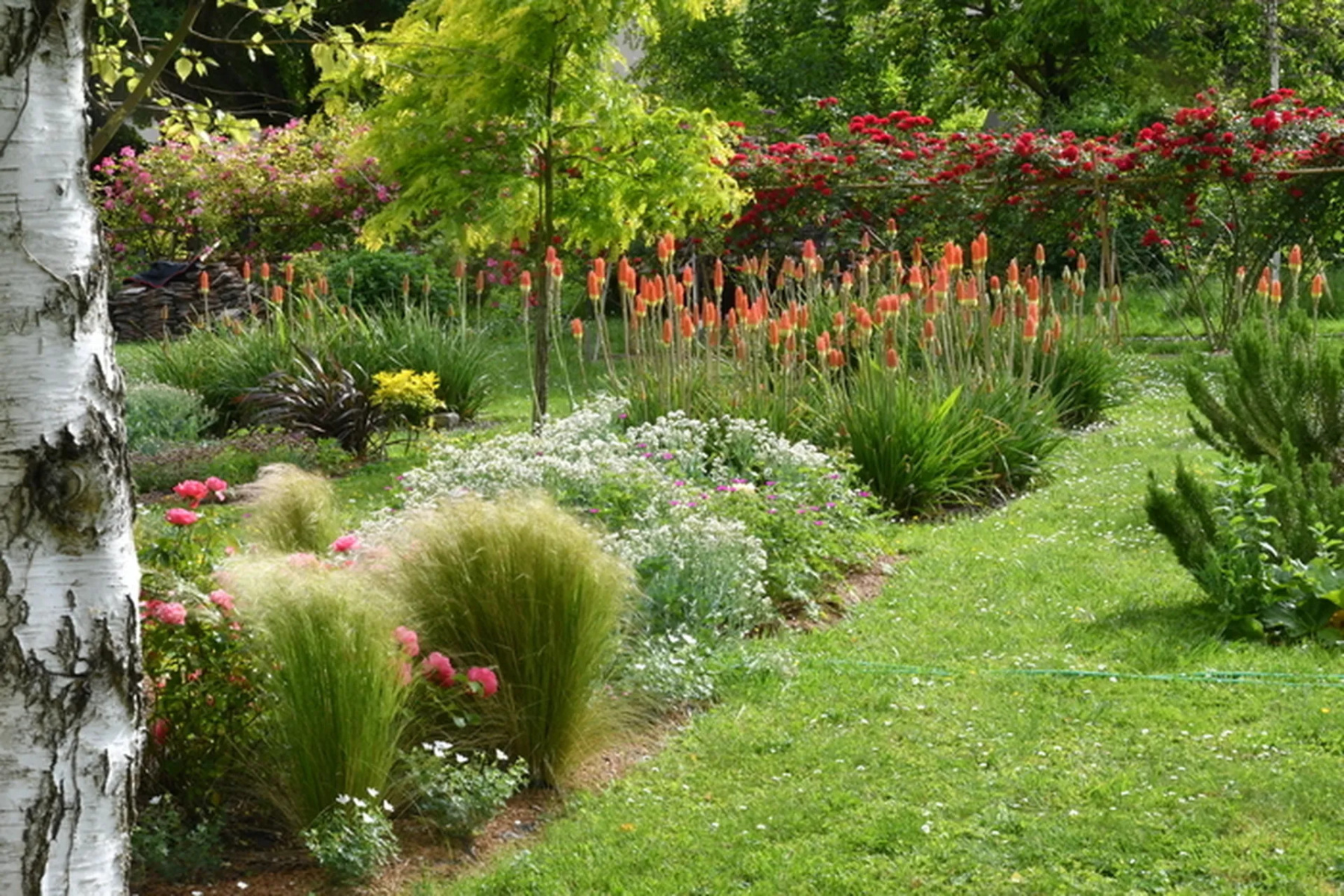
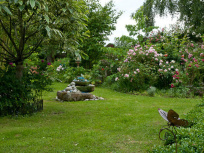
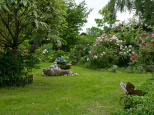
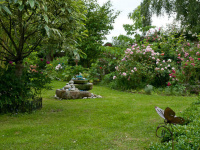
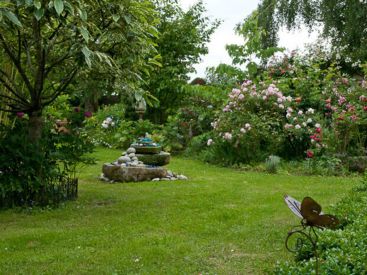
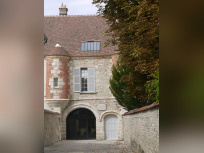
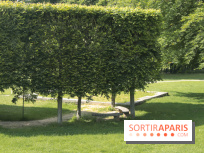
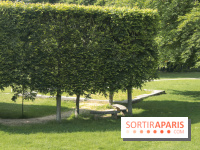
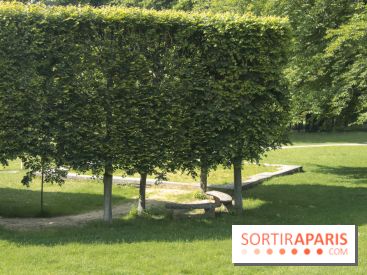
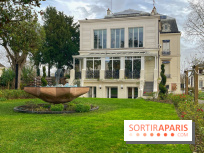
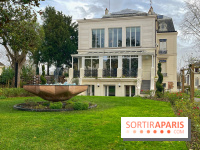
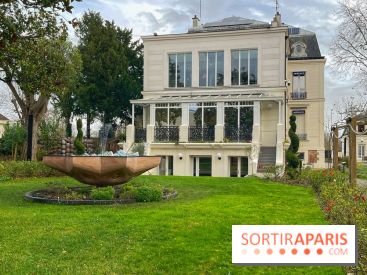
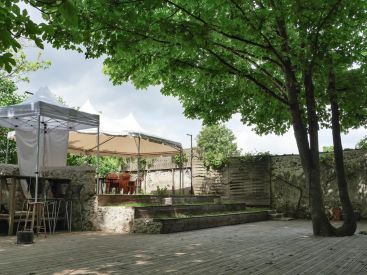
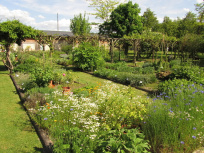
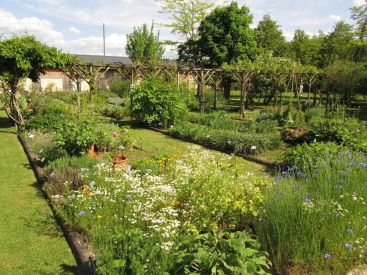
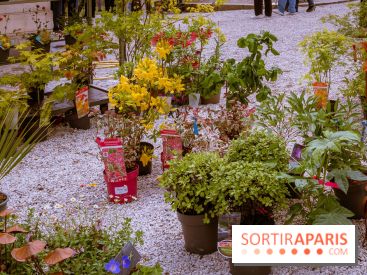
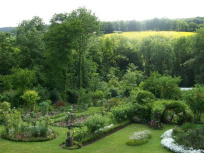
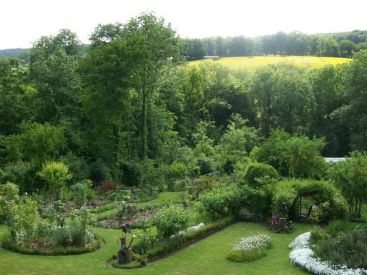
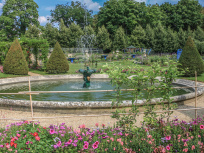
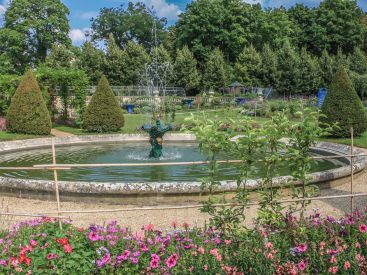
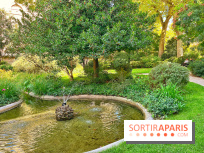
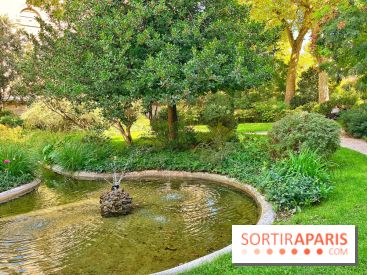
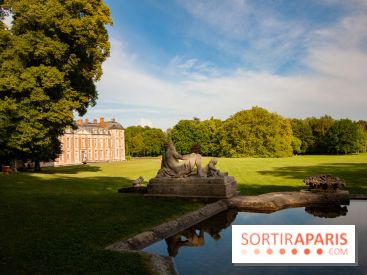
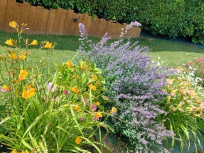
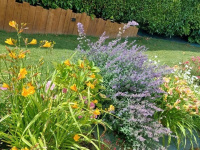
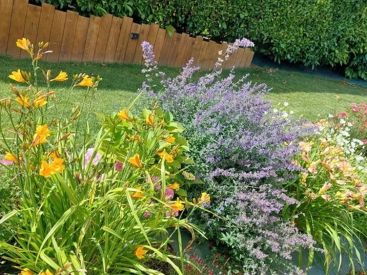
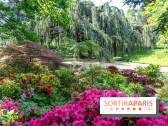
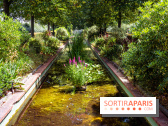
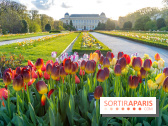
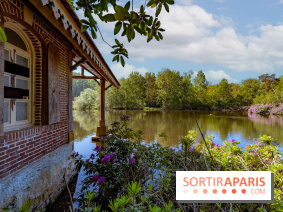
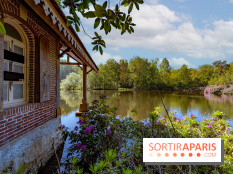
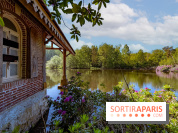
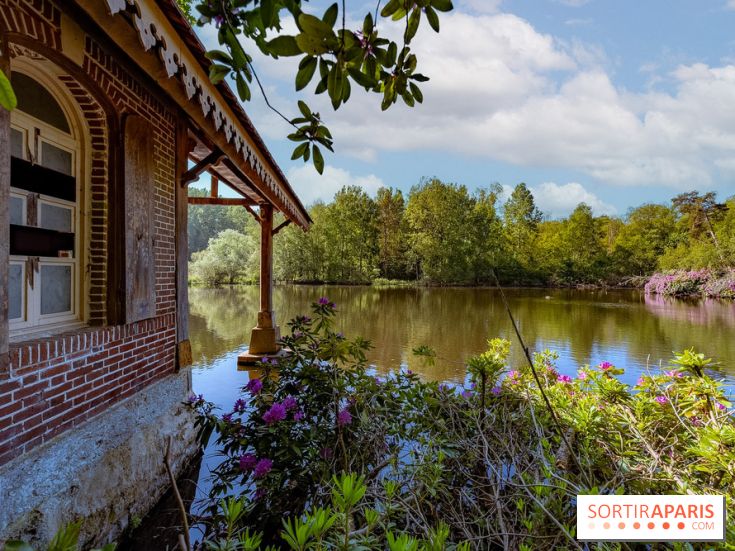
At Bressault Gardens in Étampes, visitors discover more than just a decorative park—it's a thoughtfully designed biodiversity refuge nestled in the heart of the city. Built on a former vegetable farm, the site has been carefully arranged to recreated, on a small scale, several natural habitats typical of the South-Essonnois region. The gardens feature a mosaic of biotopes: native grasslands, wastelands, orchards, hedgerows, nectar-rich flowerbeds, and horticultural areas, all linked by winding paths of blooming lawn. This variety of landscapes is what makes the location unique—encouraging wildlife movement, supporting diverse plant life, and giving the garden a lively, ever-changing, almost experimental vibe. Its eco-friendly management also contributes to its charm, with maintenance carried out without chemical treatments or fertilizers, and invasive plants removed manually.
This setting is especially well suited for Rendez-vous aux jardins, the national event led by the Ministry of Culture to showcase parks and gardens—highlighting their history, their uses, and the skills that keep them alive. The goal of this event is simple: to encourage visitors to see these green spaces in a new light, to better appreciate their richness, and to turn them into captivating destinations for discovery. In 2026, the Rendez-vous aux jardins will take place from June 5 to 7, and the Jardins de Bressault are ready to join the celebration. Here’s what you can look forward to during the event!
Rehabilitation of Plant and Animal Biodiversity in South-Essonne
--------------------------------------------------------------------
### A Look at a Restoration Attempt
The assessment
As in many regions, the number of plant and animal species in South-Essonne and their populations have markedly declined over the past four decades. The main drivers of this decline, in order of importance, are habitat modification and loss, pollution (including agrochemicals), the arrival of invasive species, and climate change.
Site characteristics
The restoration attempt (ongoing since 2019) takes place on a portion of land (4,000 m²) of a former market-garden farm dating back to the 17th century, at the confluence of two rivers, within an aesthetically pleasing setting surrounded by plots that are either undeveloped, wooded, or treated as green zones.
This particular location helps support local fauna and flora while also allowing the arrival of regional species not originally present.
Project methodology
The restoration approach aims to correct the issues noted in the assessment and to encourage the return of native plants and insects. This choice rests on the premise that plants and insects are key drivers of natural ecosystem functioning. Their resurgence and growth on site should naturally accompany the recovery of other animal groups (mammals, birds, reptiles, amphibians, etc.) that were once present but have faded or become episodic today.
1- Diversify the plots to recreate natural habitat types typical of South-Essonne and compatible with the land’s character: restored riverbanks, natural meadows, fallow areas, orchards, hedgerows, and flowering beds composed exclusively of nectar-rich plants.
2- Ecological management through annual mowing of meadows; no agrochemicals or fertilizers.
3- Manual control of undesirable or invasive plants. Reintroduction by planting or seeding of certain regional species. Creation of refuges, shelters, and breeding sites for pollinators and decomposers.
4- While climate changes cannot be controlled, the site is being adapted to the arrival of new species by monitoring those that appear naturally and may catalyze a natural shift in the local species composition. Water use is minimized, with mulch installed in cultivated flowering beds to reduce irrigation needs.
Results since the start of the restoration
Since 2019, focusing on readily observable organisms, the following have been recorded:
- 227 species of wild flowering plants (including 6 orchids), of which 11 are protected and 28 of patrimonial interest (ZNIEFF determinations). An additional hundred cultivated varieties are present (including 43 varieties of roses).
- 157 insect species (including 26 butterfly species), of which 3 are protected and 16 of patrimonial interest.
- 40 bird species (including 2 raptors), of which 29 are protected and 38 of patrimonial interest.
- 11 mammal species, including 3 protected and 2 of patrimonial interest.
- 2 protected reptile species of patrimonial interest.
- 1 protected amphibian species of patrimonial interest.
Visiting a Garden that Preserves Biodiversity
---------------------------------------------
### The Situation
As in many regions, the variety and population of plant and animal species in South-Essonne have dramatically declined over the past 40 years. The main factors behind this decline, in order of importance, include habitat loss and alteration, pollution (including phytosanitary treatments), the arrival of invasive species, and climate change.
### Site Features
The restoration effort, undertaken since 2019, takes place on a 5,000 m² section of land from a former 16th-century market garden farm, located at the confluence of two rivers. The site is set in an aesthetically pleasing area, surrounded by undeveloped plots that are either lightly wooded or designated as green zones.
This unique location allows for the preservation of local flora and fauna, while also enabling the introduction of regional species not originally present.
### Project Methodology
The chosen approach to restoration focuses on addressing the issues identified in the initial assessment and encouraging the return of native plants and insects. This strategy is based on the fact that plants and insects are vital components of natural ecosystems. Their resurgence and growth on-site are expected to naturally support the revival of other animal groups—mammals, birds, reptiles, amphibians—that were once common but are now scarce or episodic.
1- Diversifying the plots to mimic natural habitats compatible with the terrain, including restored riverbanks, wild meadows, fallow lands, orchards, hedgerows, and cultivated flowerbeds featuring only nectar-rich plants.
2 - Implementing ecological management through annual mowing of the meadows, without applying phytosanitary treatments or fertilizers.
3- Manually removing undesirable or invasive plant species, reintroducing regional species through planting or seeding, and creating habitats, shelters, and breeding sites for pollinating and decomposer insects.
4- Given that climate change cannot be fully controlled, efforts are made to adapt the site by respecting—and monitoring—the newly arriving species that may be naturally evolving the local flora composition. Water conservation measures, such as mulching cultivated flowerbeds with biodegradable material, are also implemented.
### Results Since the Restoration Started
Since 2019, focusing on easily observable organisms, the following have been recorded:
- 227 wild flowering plant species (including 6 orchids), of which 11 are protected and 28 are of patrimonial interest (as identified in ZNIEFF areas). An additional hundred cultivated varieties, including 43 types of roses.
- 157 insect species (including 26 butterflies), with 3 protected and 16 of patrimonial interest.
- 40 bird species (including 2 raptors), 29 of which are protected and 38 of patrimonial interest.
- 11 mammal species, including 3 protected and 2 of patrimonial interest.
- 2 protected reptile species with patrimonial significance.
- 1 protected amphibian species of patrimonial interest.
Rehabilitation of the South-Essonne biodiversity, flora and fauna
--------------------------------------------------------------------
### A tour of a restoration attempt
The assessment
As in many regions, the number of plant and animal species in South-Essonne and their populations have declined markedly over the past four decades. The main factors driving this decline, in order of importance, are habitat modification and loss of favorable habitats, pollution (including plant protection products), the arrival of invasive species, and climate change.
Site characteristics
The restoration attempt (ongoing since 2019) takes place on a portion of land (5,000 m²) of a former market-garden farm dating back to the 17th century, at the confluence of two rivers, in a visually appealing setting surrounded by unbuilt plots that are partly wooded or treated as green zones.
This particular location helps maintain local fauna and flora while also allowing the arrival of regional species not originally present.
Project methodology
The approach adopted for the restoration aims to correct the phenomena noted in the assessment and to promote the return of regional plants and insects. This choice rests on the view that plants and insects are key components of natural ecosystem functioning. Their return and local development should naturally be accompanied by other animal groups (mammals, birds, reptiles, amphibians, etc.) that were once present but are now absent or sporadic.
1- Diversification of parcels to reproduce natural habitat types in the South-Essonne compatible with the land’s characteristics: restored riverbanks, natural meadows, fallow lands, orchards, hedges, and flower beds composed solely of nectar-rich plants.
2- Ecological management through annual mowing of meadows; no pesticide treatments or fertilizers.
3- Manual control of undesired or potentially invasive plants. Reintroduction through planting or sowing of certain regional species. Creation of habitats, shelters, and breeding sites for pollinating insects and decomposers.
4- Given that climate change cannot be controlled, the site is being adapted to accommodate newly arrived species that may naturally initiate a shift in the local species composition, while monitoring these arrivals. Water loss is limited and irrigation minimized in cultivated flowering beds by installing biodegradable mulch.
Results since the start of the restoration attempt
Since 2019, focusing on easily observable organisms, the following have been counted:
- 227 species of wild flowering plants (including 6 orchids), of which 11 are protected and 28 of patrimonial interest (ZNIEFF determinants). Additionally, around a hundred cultivated varieties (43 of roses).
- 157 insect species (including 26 butterfly species), of which 3 are protected and 16 of patrimonial interest.
- 40 bird species (including 2 raptors), of which 29 are protected and 38 of patrimonial interest).
- 11 mammal species, including 3 protected and 2 of patrimonial interest.
- 2 reptile species that are protected and of patrimonial interest.
- 1 amphibian species that is protected and of patrimonial interest
Restoring the Plant and Animal Biodiversity of Southern Essonne
--------------------------------------------------------------------
### A Visit to a Restoration Trial
The Situation
As in many regions, the variety and numbers of plant and animal species in Southern Essonne have seen a sharp decline over the past four decades. The main factors behind this decline, in order of importance, include habitat loss and alteration, pollution (including pesticides), the arrival of invasive species, and climate change.
Site Overview
The restoration project, underway since 2019, takes place on a 5,000-square-meter section of an old 17th-century farm located where two rivers meet. Set in a picturesque environment, the site is surrounded by parcels of land that are either wooded, undeveloped, or maintained as green zones.
This unique location supports local flora and fauna while also allowing regional species not originally present to migrate in.
Project Methodology
The approach aims to address the issues identified and to encourage the return of native plants and insects. This strategy is based on the understanding that plants and insects are fundamental to the functioning of natural ecosystems. Their reintegration is expected to bring back other animal groups—mammals, birds, reptiles, amphibians—that were once common but have since become scarce or episodic.
1- Creating a mosaic of diverse plots that mimic natural habitats compatible with the site’s terrain, including restored riverbanks, natural meadows, fallow land, orchards, hedgerows, and flowerbeds cultivated solely with nectar-producing plants.
2- Employing eco-friendly management: annual mowing of meadows; no pesticides or fertilizers used.
3- Manually removing invasive or undesirable plants; reintroducing native species through planting or seeding; creating nesting sites, shelters, and breeding grounds for pollinating and decomposing insects.
4- Given that climate change cannot be directly controlled, adaptations are made to the site to accommodate new species arriving naturally, thereby supporting potential natural shifts in local biodiversity. Water conservation measures, such as using biodegradable mulch in cultivated flowerbeds, are also implemented.
Results Since the Project’s Inception
Since 2019, based on primarily easily observable organisms, the team has recorded:
- 227 wild flowering plant species (including 6 orchids), of which 11 are protected and 28 are of particular conservation interest (as identified in ZNIEFF studies). Additionally, around 100 cultivated varieties have been documented, including 43 types of roses.
- 157 insect species (including 26 butterfly species), with 3 protected and 16 of conservation interest.
- 40 bird species (including 2 raptor species), with 29 protected and 38 of conservation interest.
- 11 mammal species, three of which are protected, and two of conservation interest.
- Two protected reptile species of conservation concern.
- One protected amphibian species of conservation interest.
This page may contain AI-assisted elements, more information here.
Dates and Opening Time
From June 5, 2026 to June 7, 2026
Location
The Gardens of Bressault
les jardins de bressault
91150 Etampes