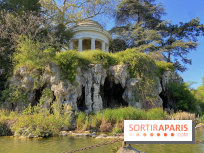
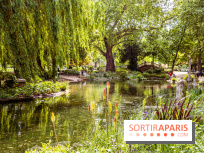
For a bit of history, Parc Monceau is a former property of the Duke of Chartres who commissioned the painter Carmontelle to design it as a land of illusion.
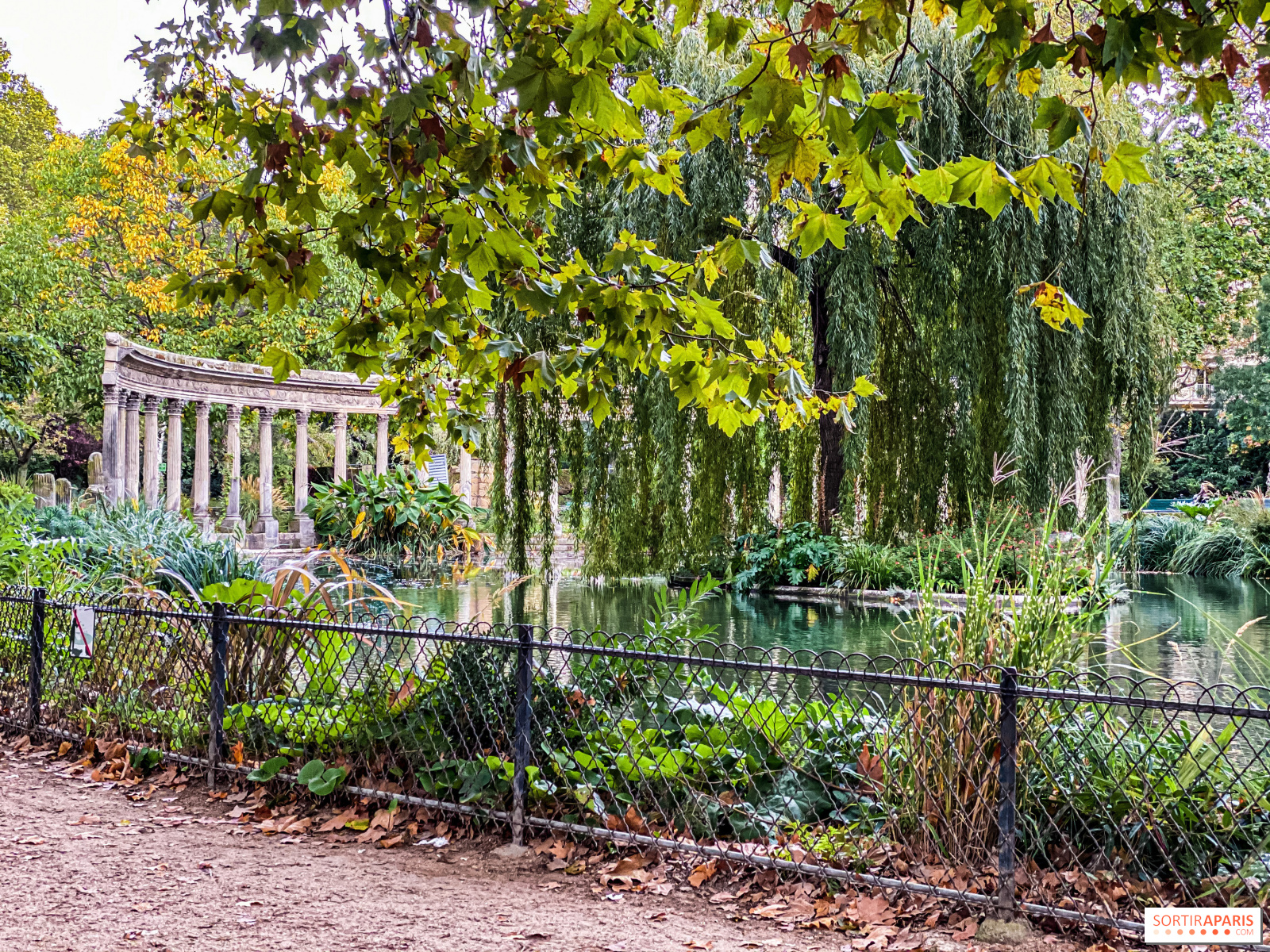
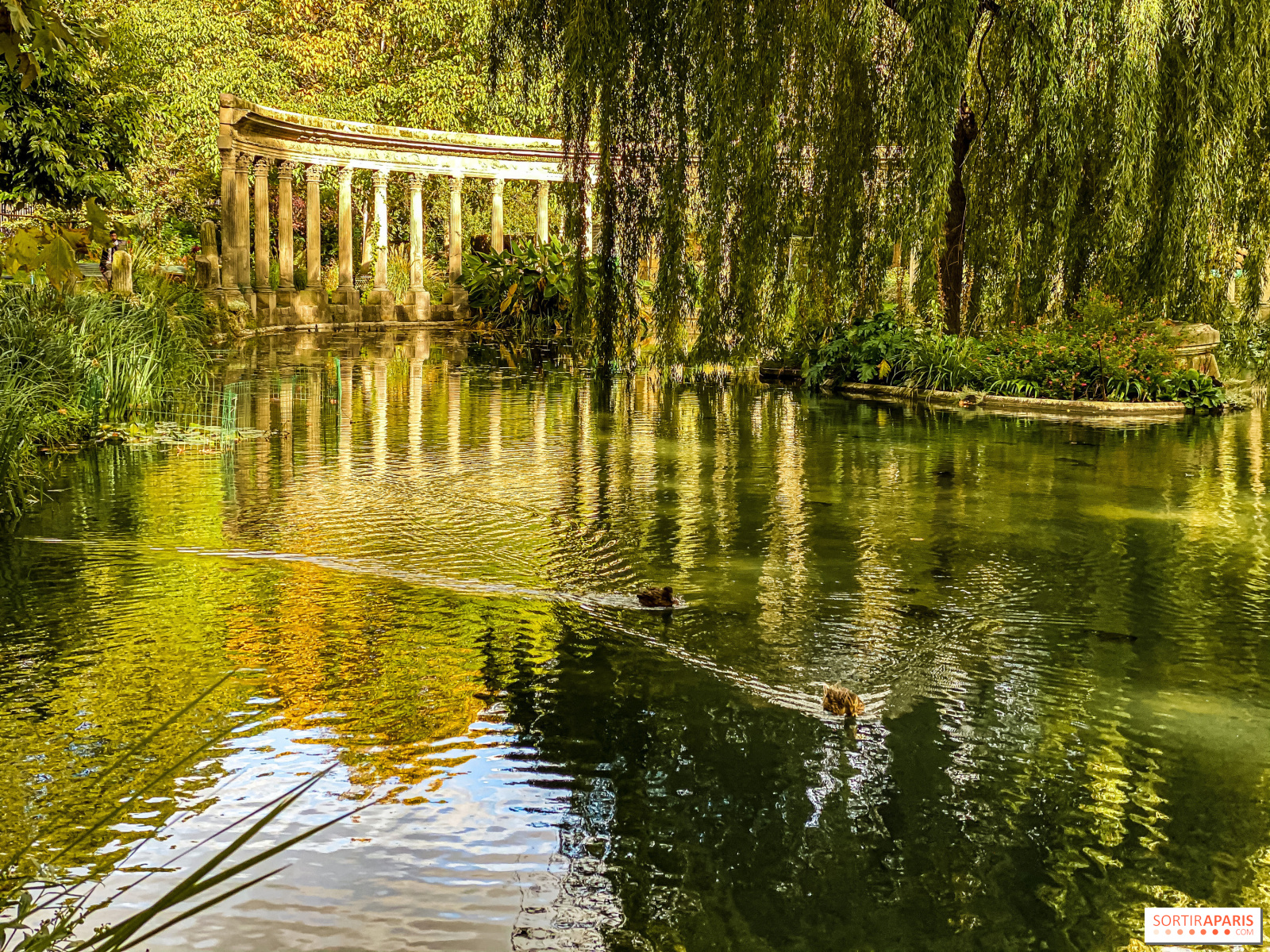
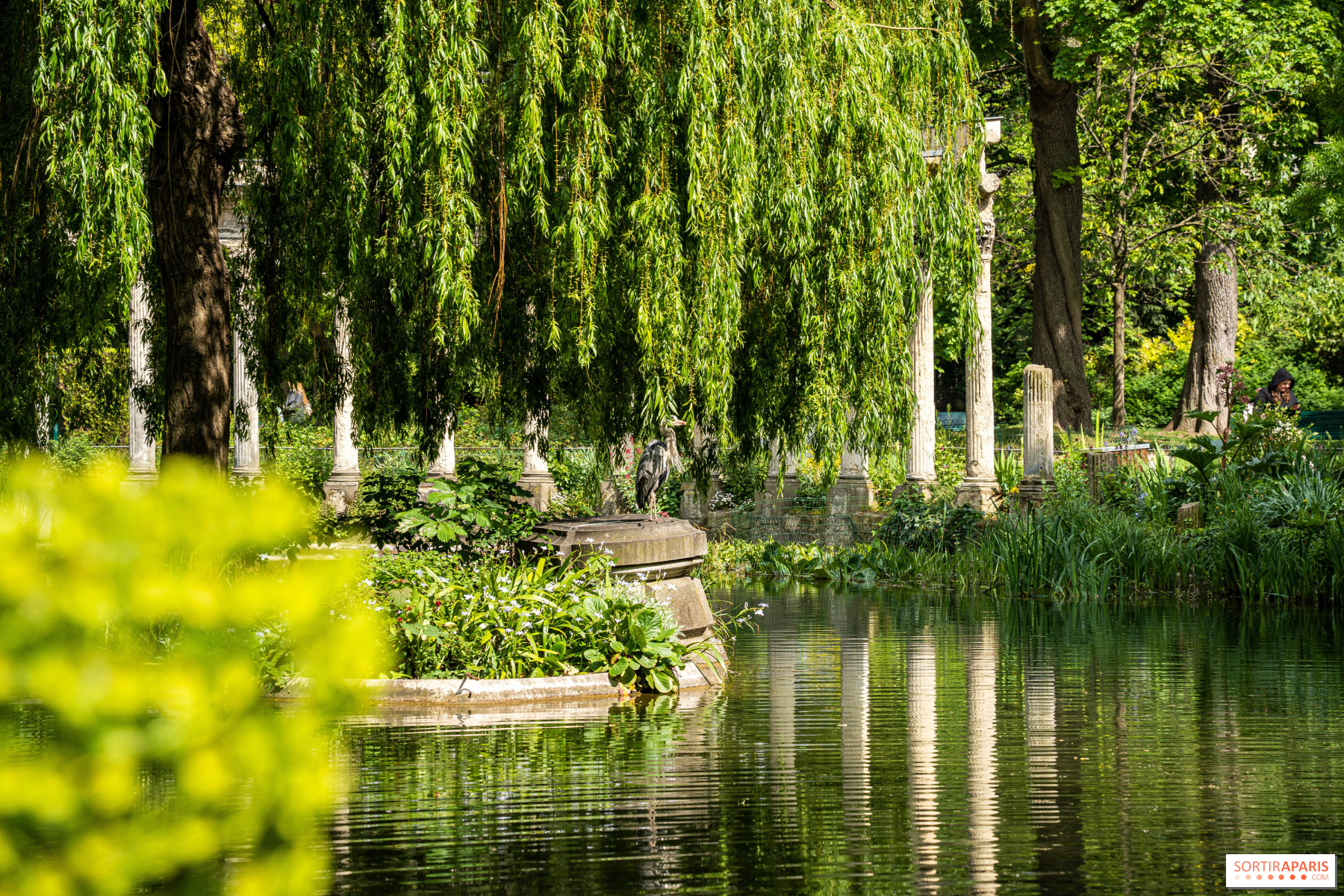
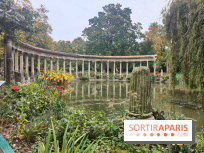
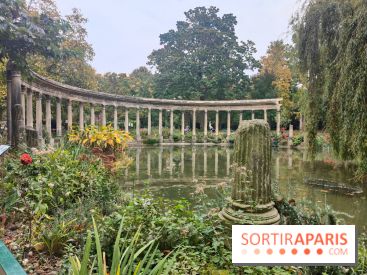
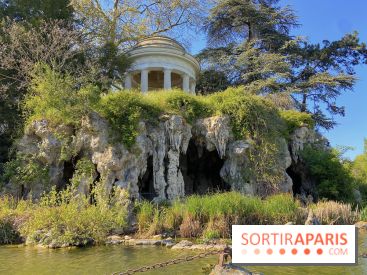
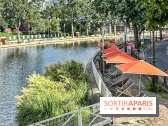
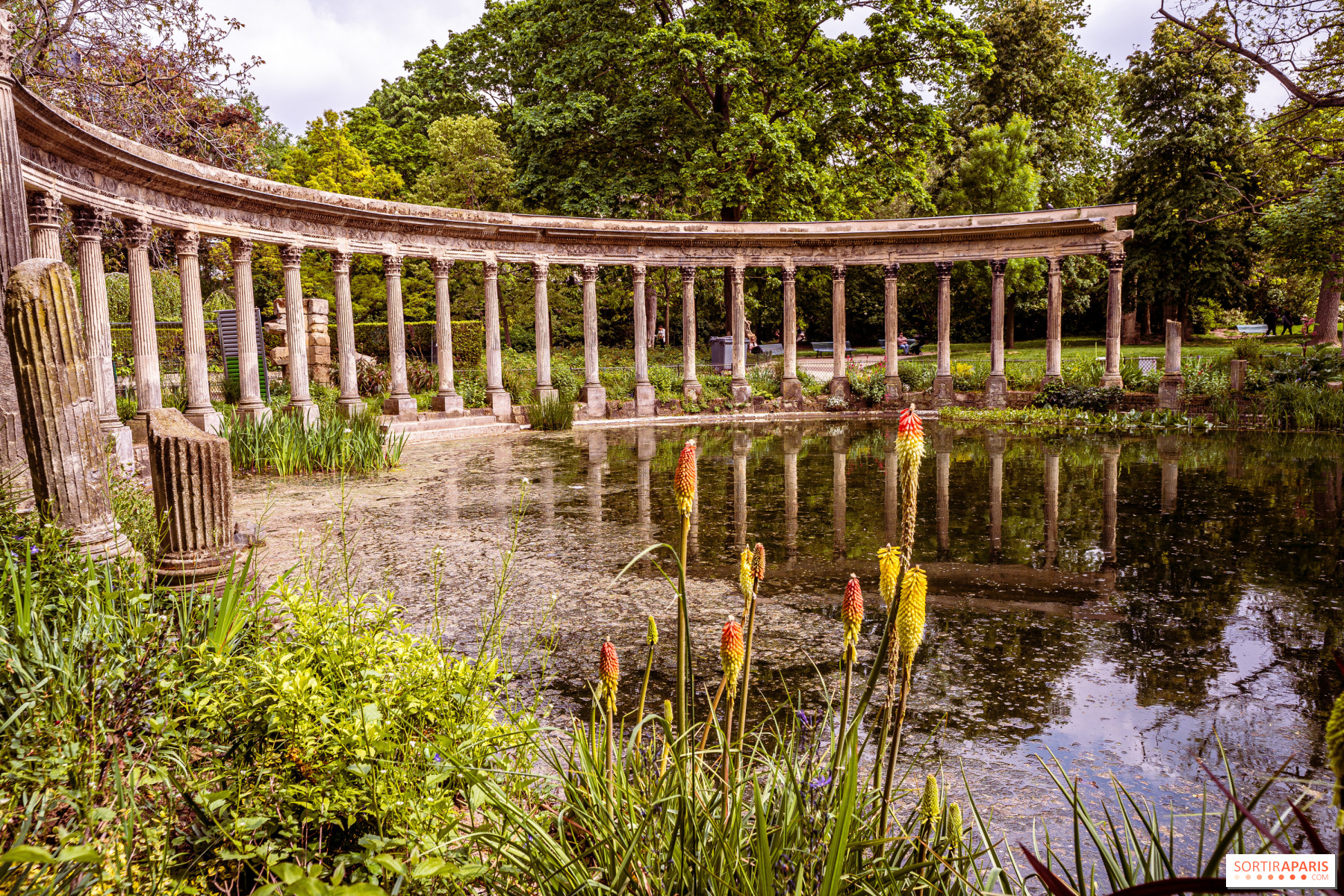
Inaugurated in 1775, this park was initially a pavilion surrounded by a French-style garden (which no longer exists today). It was conceived as a pleasure garden blending antiquity, exotism and the Middle Ages, as seen in the replica of a pyramid Egyptian and the Naumachie with its basin ringed by Corinthian columns, evoking depictions of naval battles in ancient Rome. The famous columns come from a Saint-Denis church demolished in 1719.
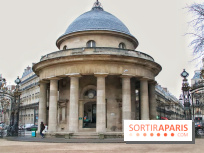
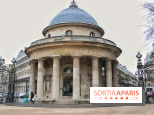
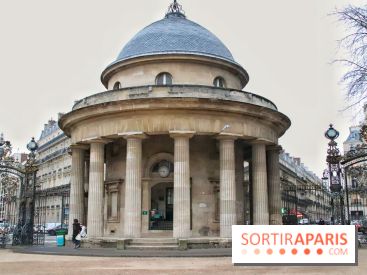
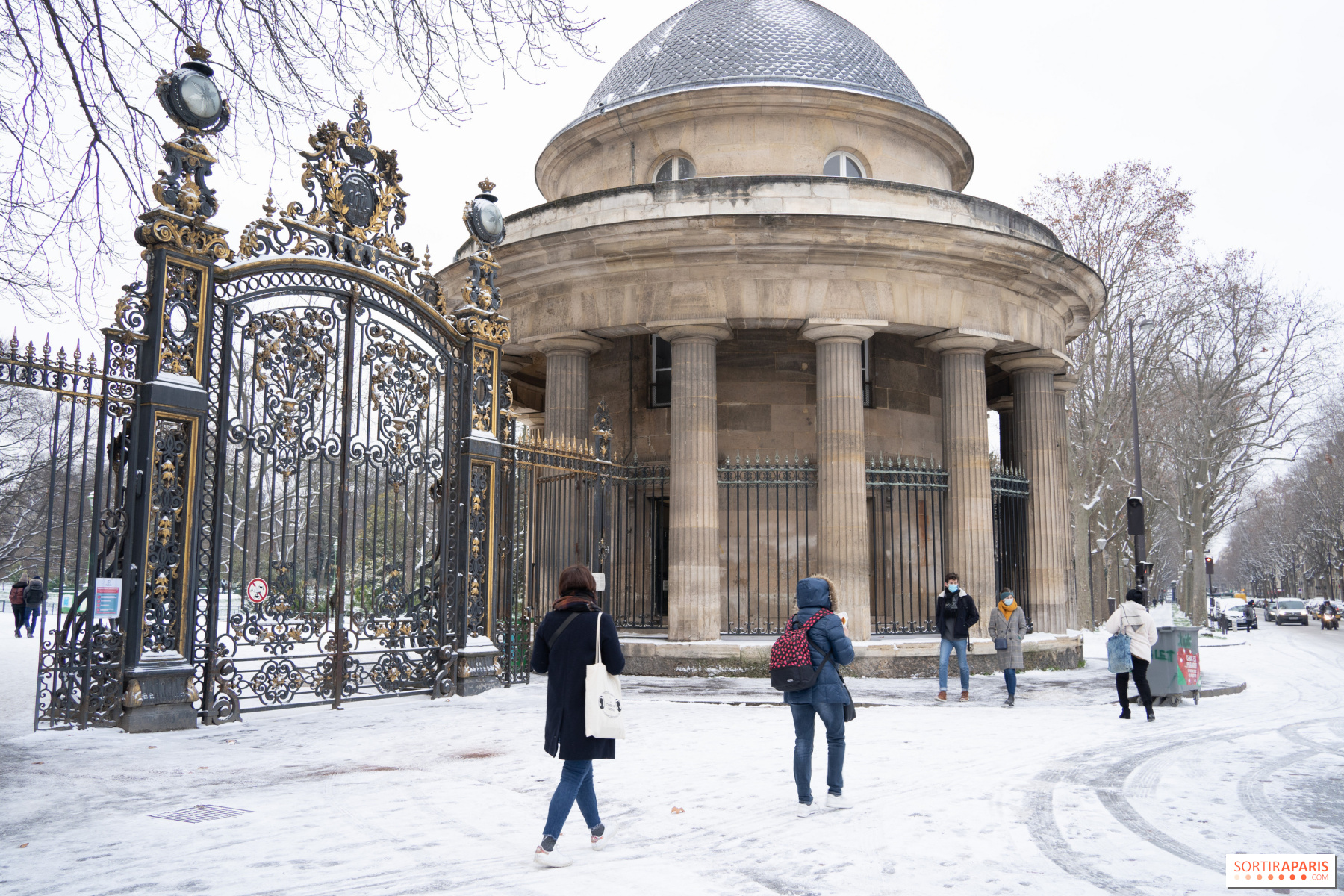
In 1785, Finance Minister Charles-Alexandre de Calonne ordered the construction of the Fermiers Généraux Wall, a barrier designed to define the edge of Paris and curb smuggling. These walls were paired with Rotondes, such as the one we know today, crafted by Claude-Nicolas Ledoux. Back then, Paris reached only to the city’s outskirts.
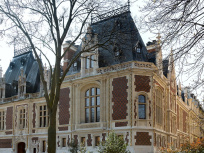
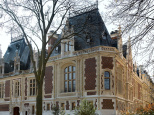
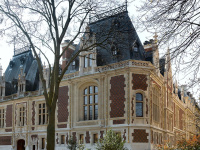
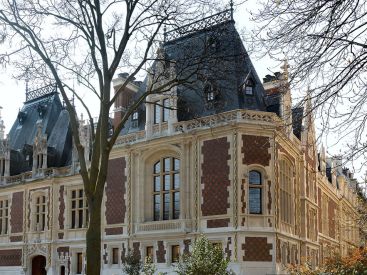
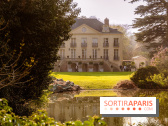
Having become national property during the Revolution, it was returned to the Orléans family, but not for long. The State acquired it in 1852. The park’s layout had been drastically altered. The financier Pereire had erected numerous hôtels particuliers along the East, South and West sides, notably the Cernuschi (Asian art) and Nissim de Camondo (18th century). They are now part of the district’s prestige around the Plaine-Monceau, but the park was then halved, shrinking from 20 to 8 hectares today.
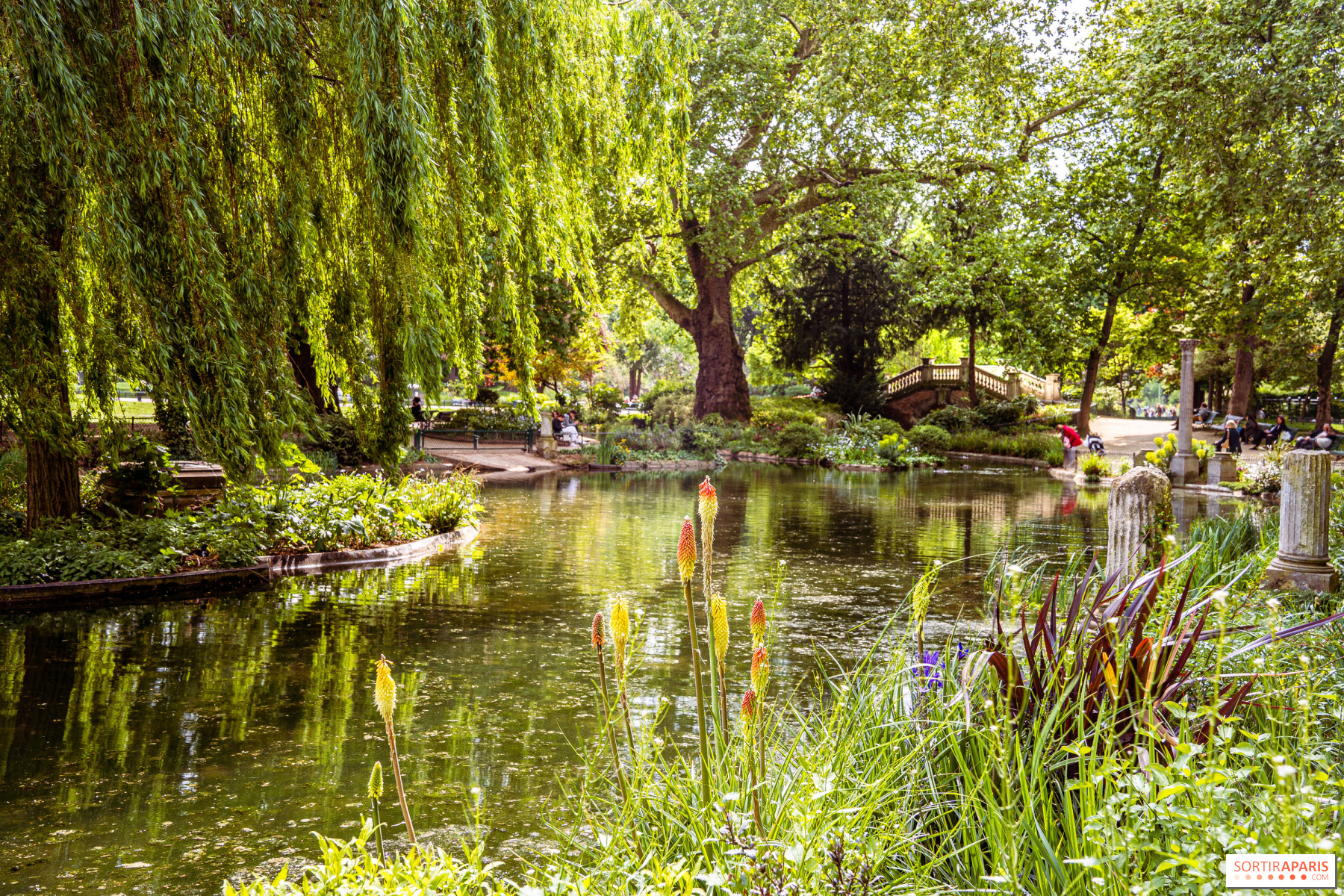
The park’s layout received its final tweaks from engineer Alphand, architect Davioud, and the horticulturist Barillet-Deschamps, who worked under Baron Haussmann. In 1861, Napoleon III finally opened the park as we know it today.
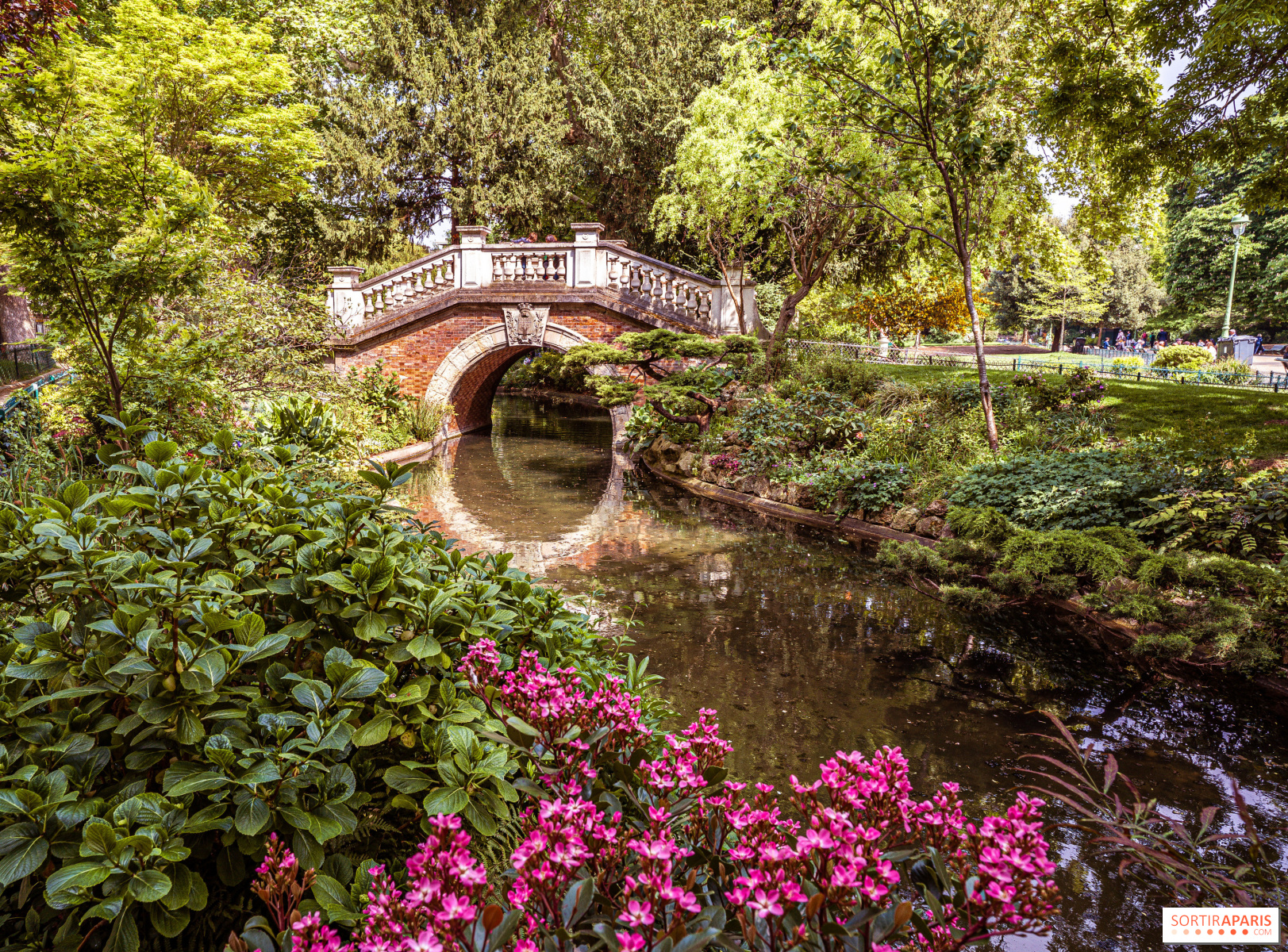
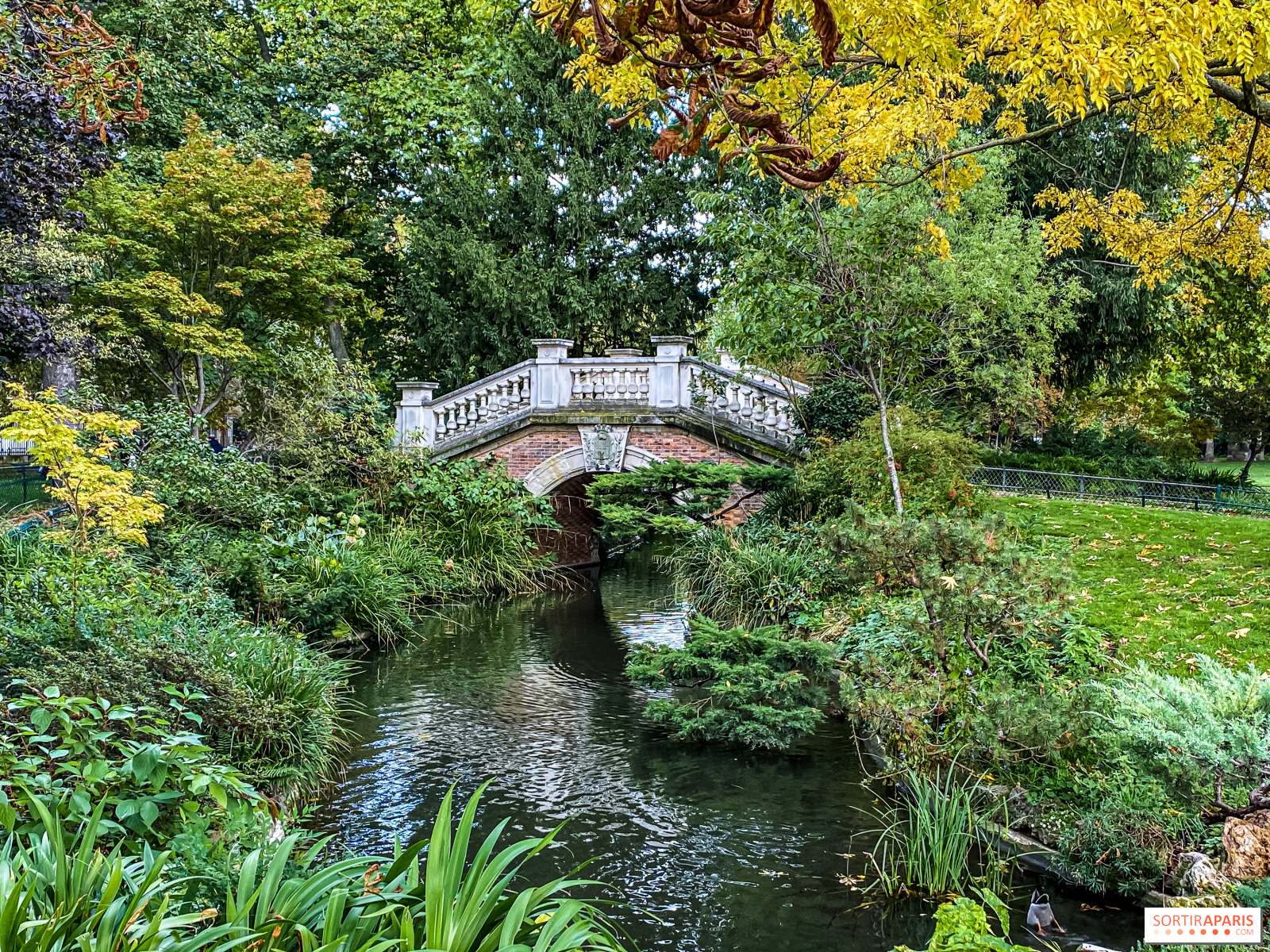
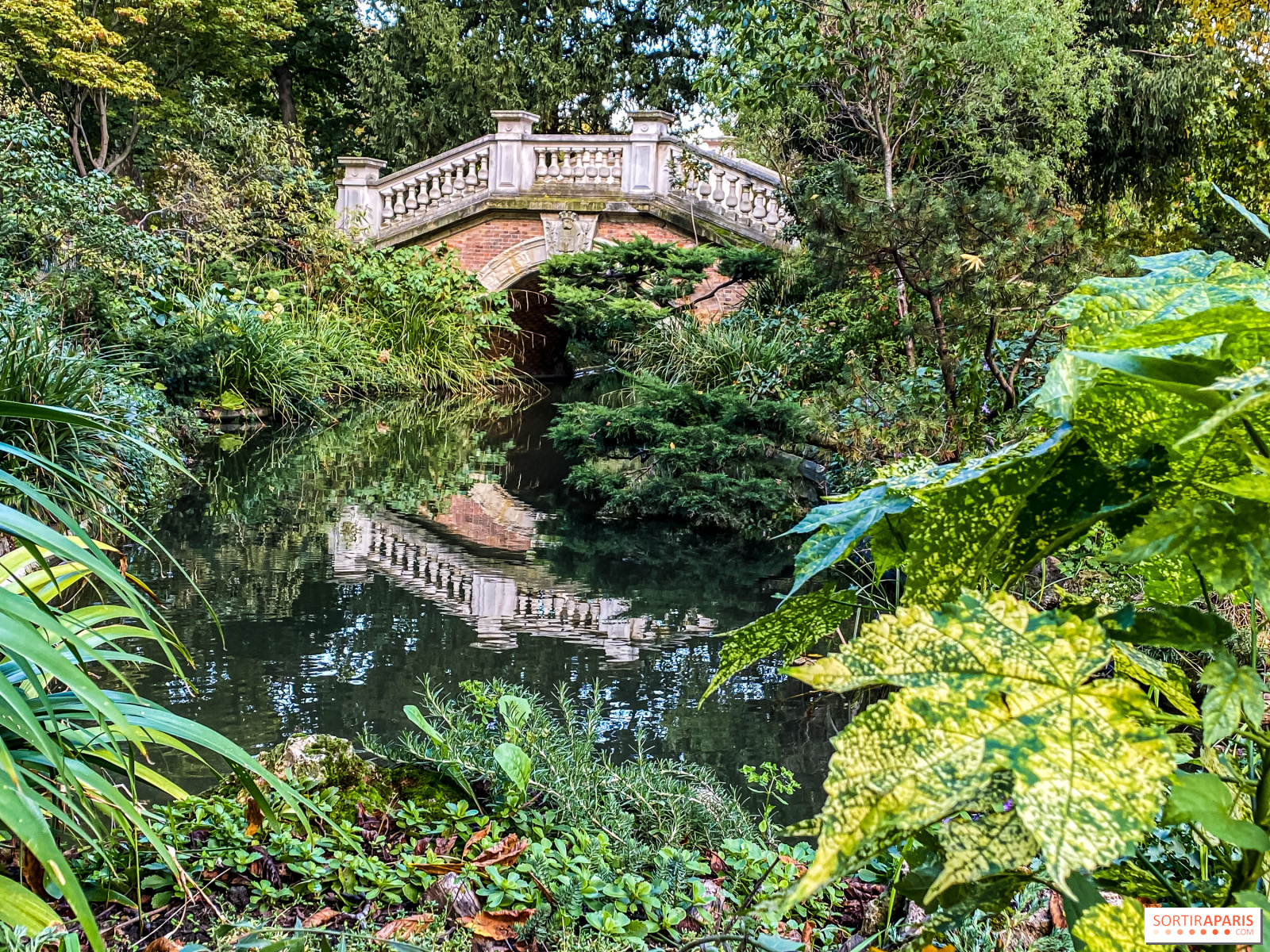
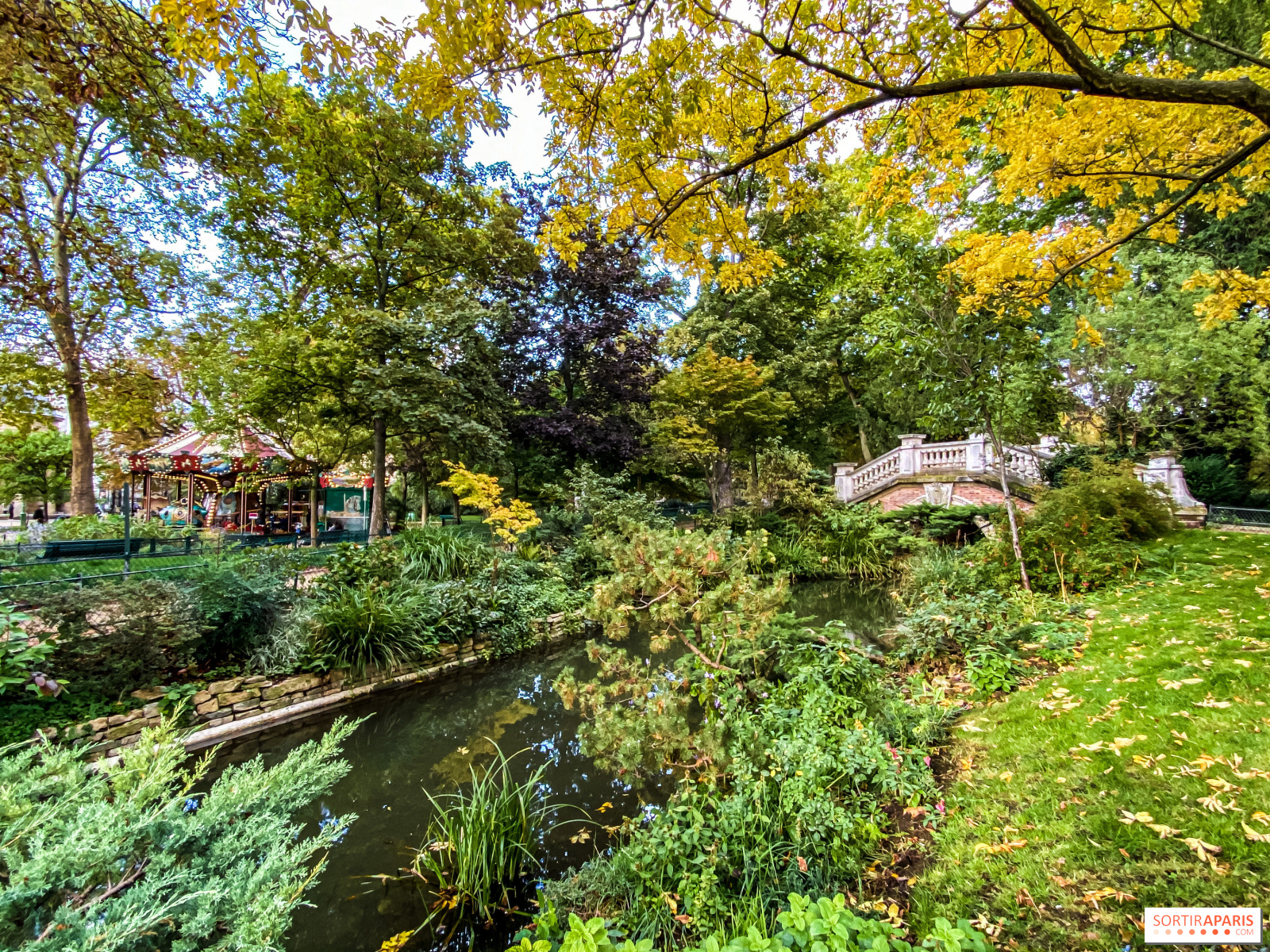
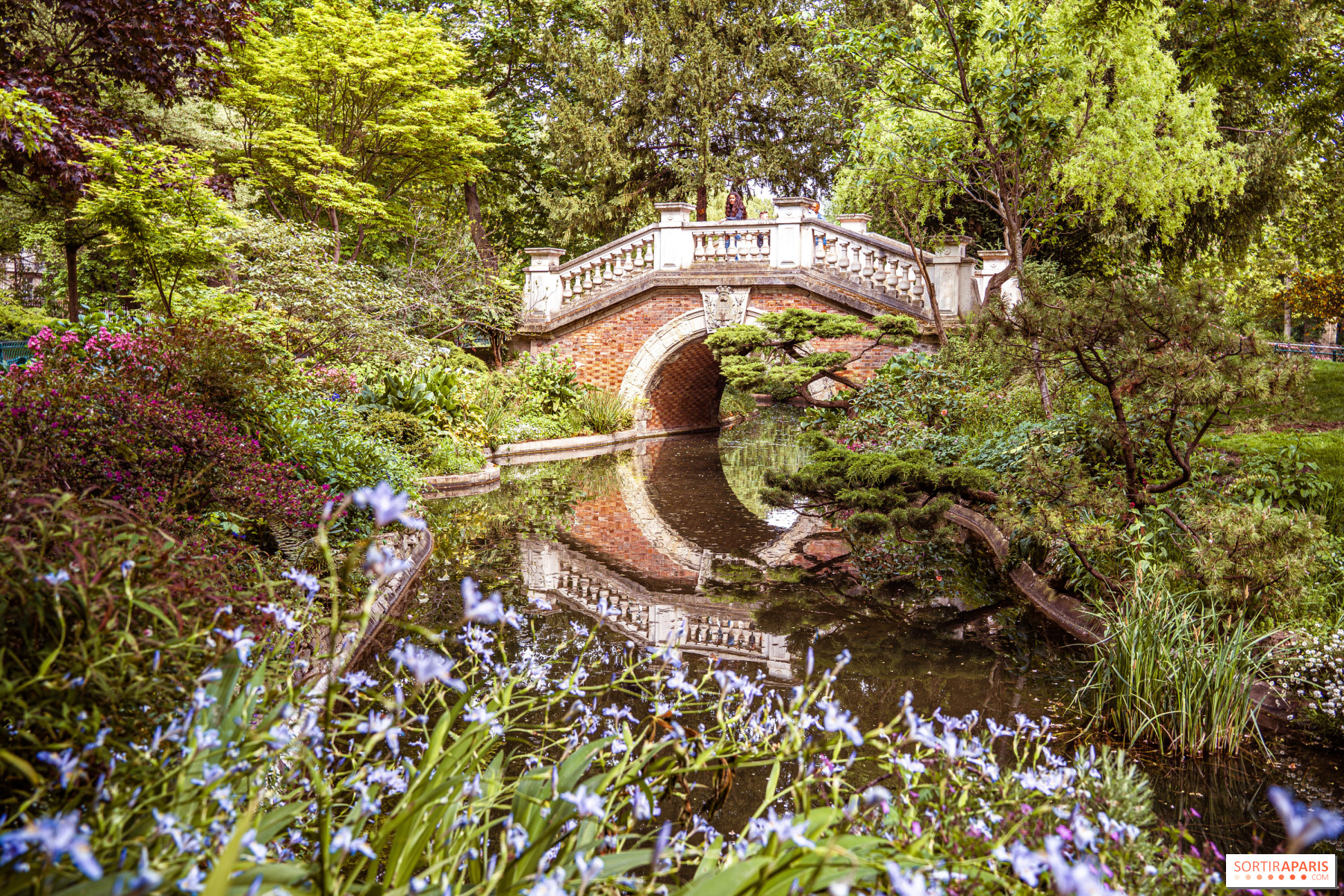
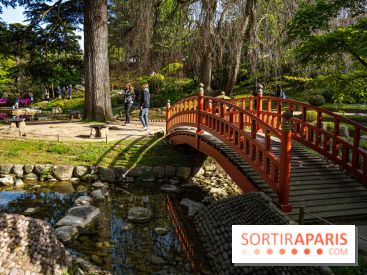
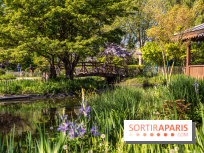
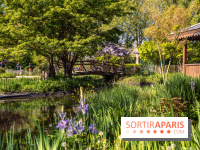
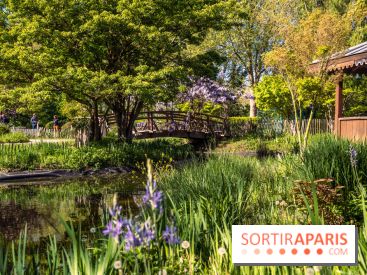
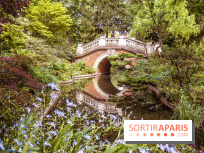
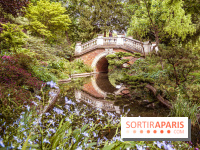
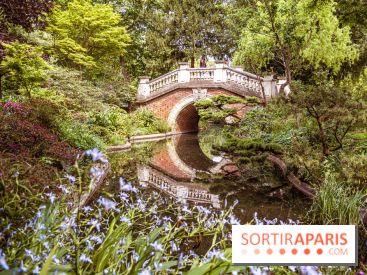
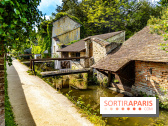
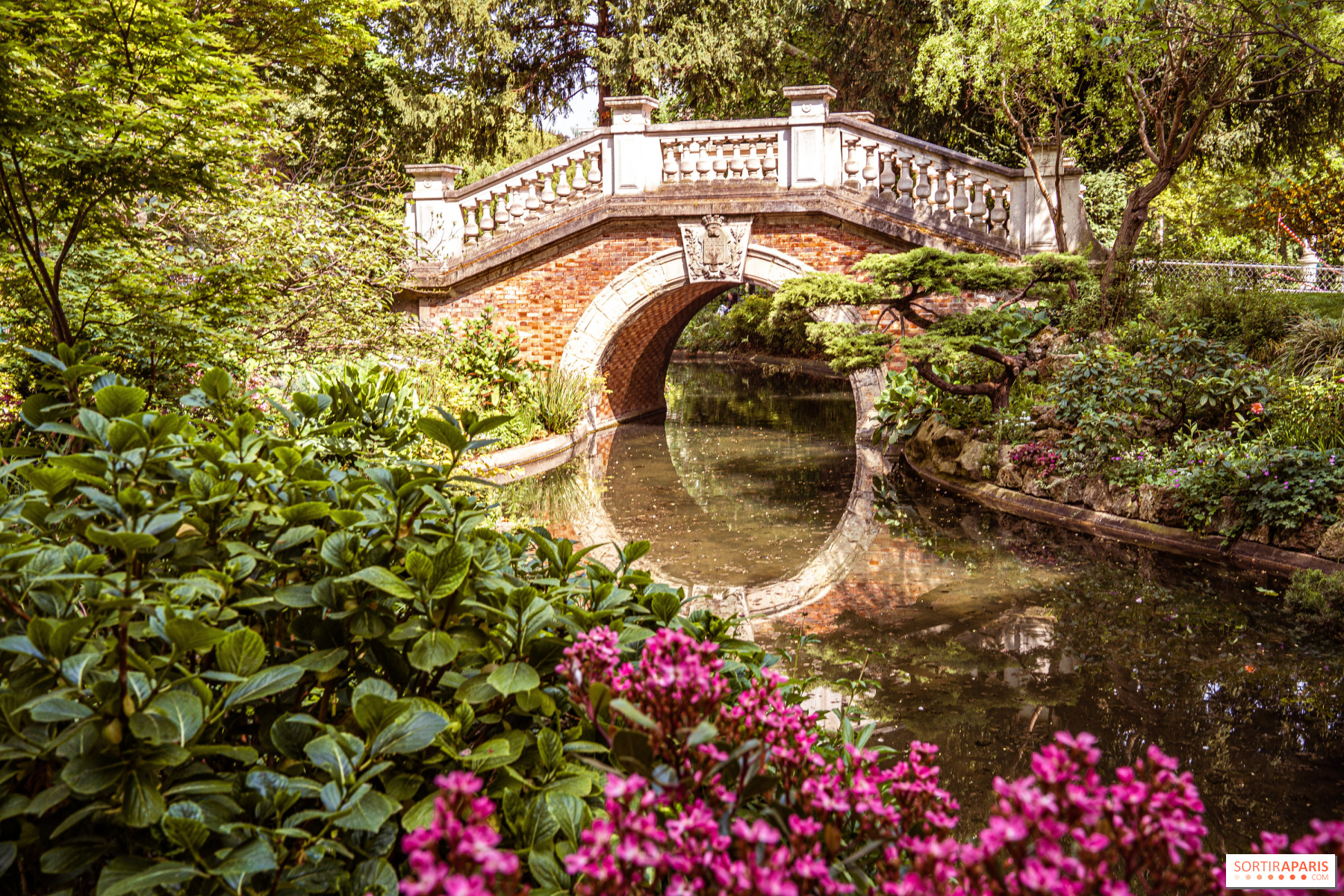
In 1861, a bridge modeled on a Venetian design comes to life. This distinctive structure, with its original styling, is built from stone that imitates marble.
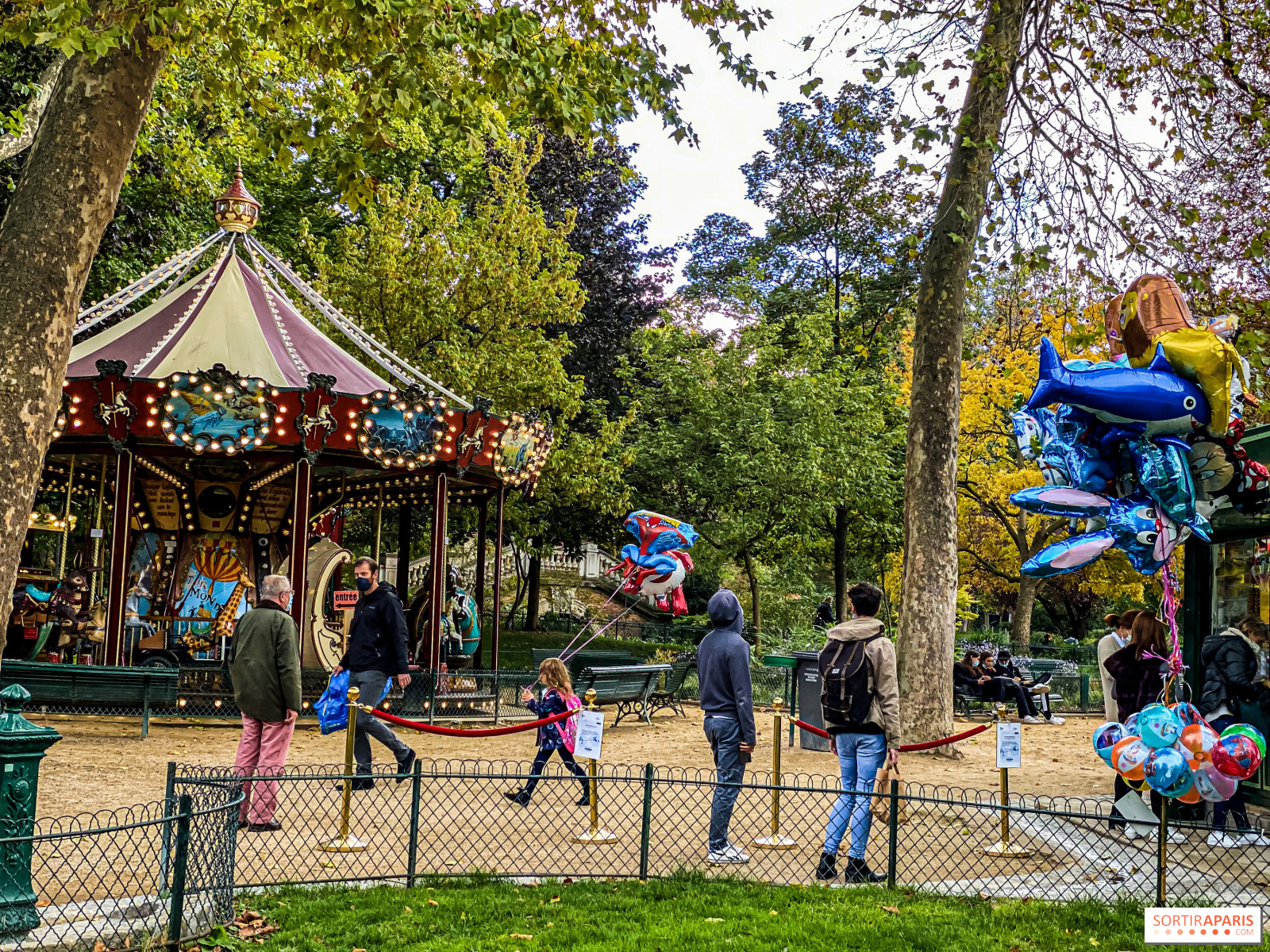
The Parc Monceau is today one of the capital's finest gardens. It draws a very diverse crowd: families with young children, tourists, joggers, and the Russian community that heads to the nearby Saint Alexander Nevsky Russian Orthodox Cathedral (1861).
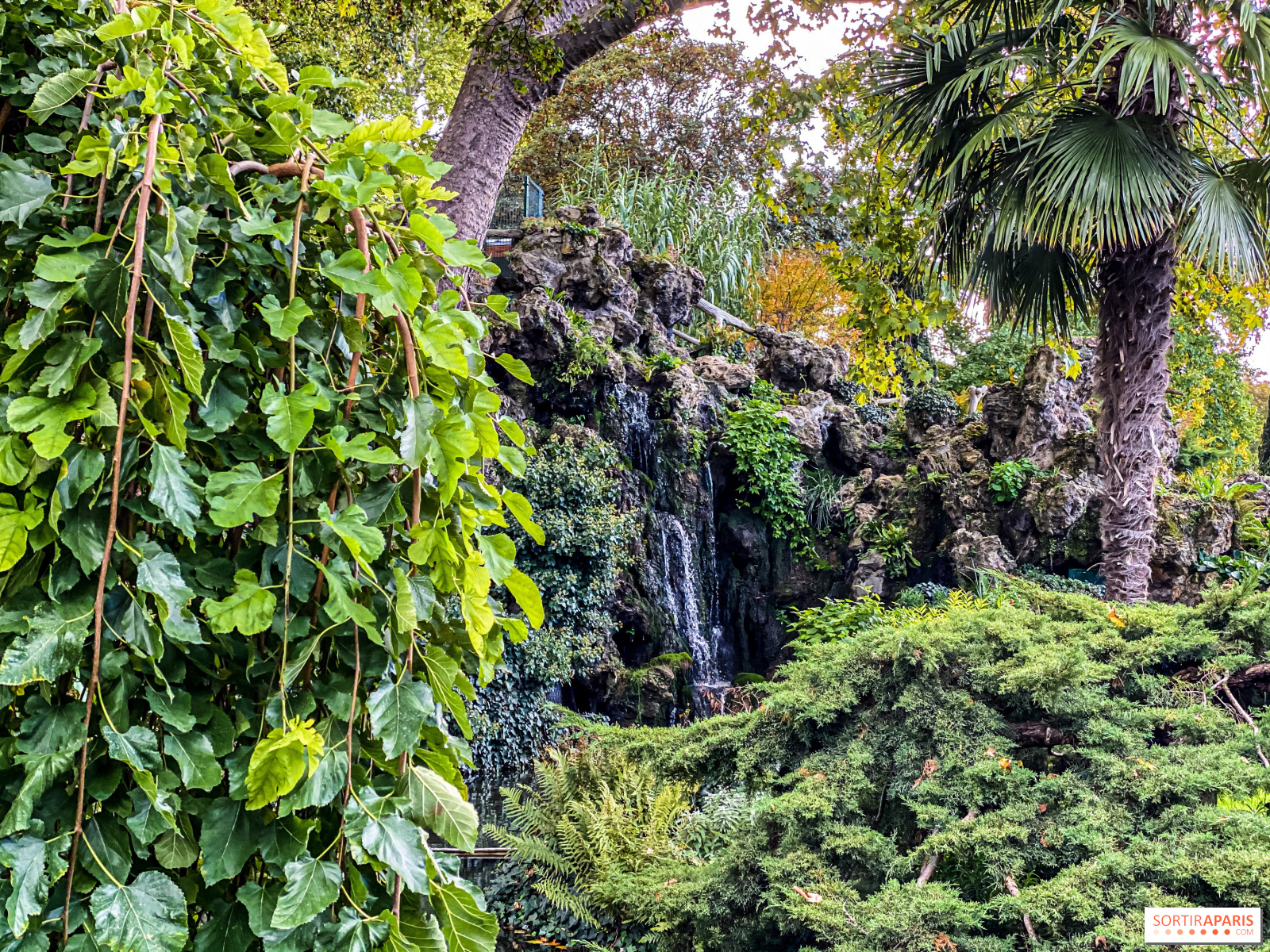
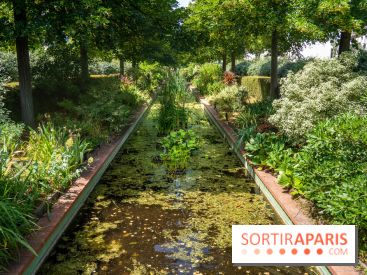
Isolated by a belt of greenery, with sumptuously grand houses and luxury apartment blocks, this is the calm at the heart of a large park adorned with numerous marble statues of famous writers and composers of the era. Here you can spot, notably, a historic plane tree planted in 1814 with a 7-meter girth and a 30-meter-tall sycamore that is today the oldest tree in the arrondissement (since 1853).
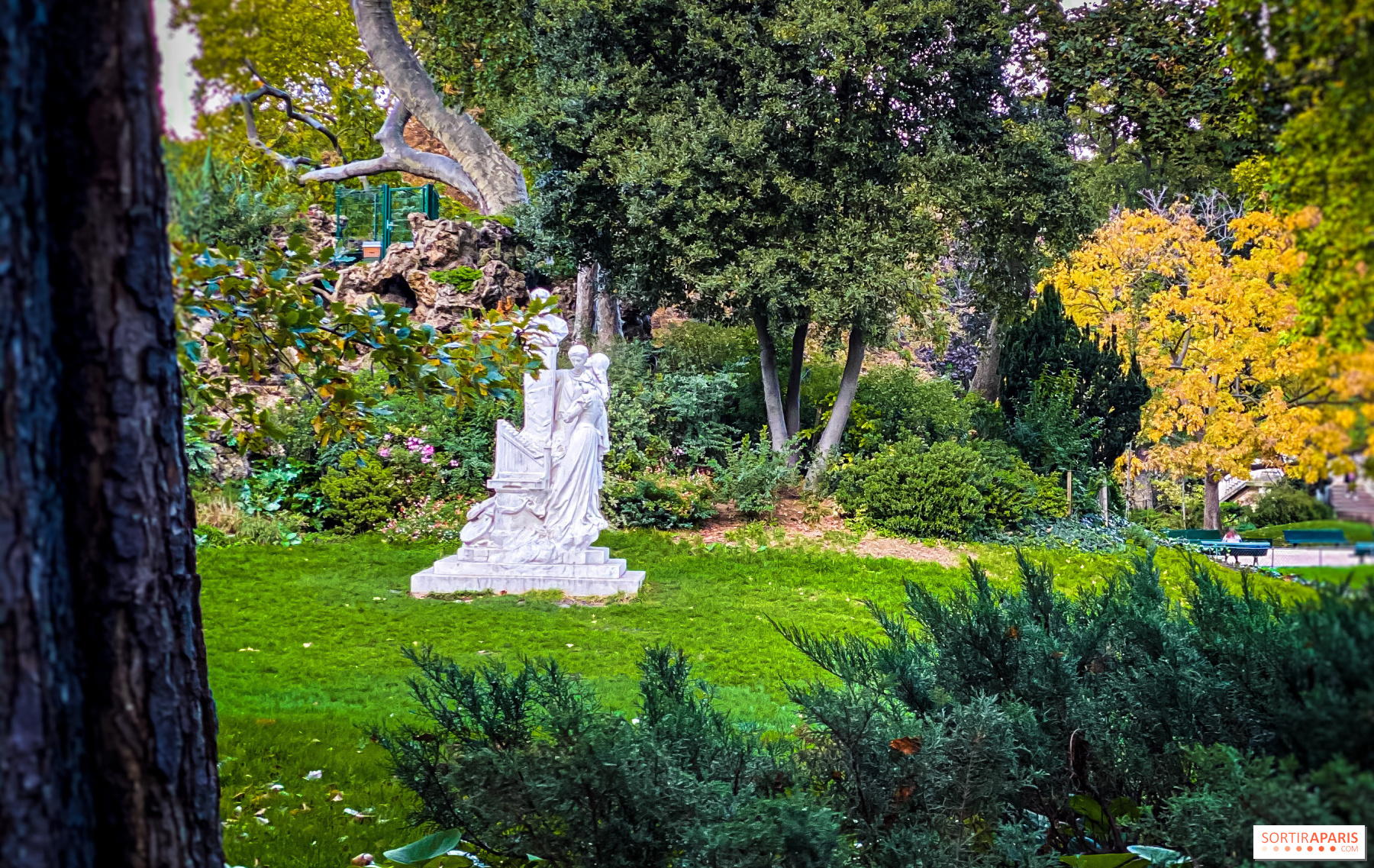
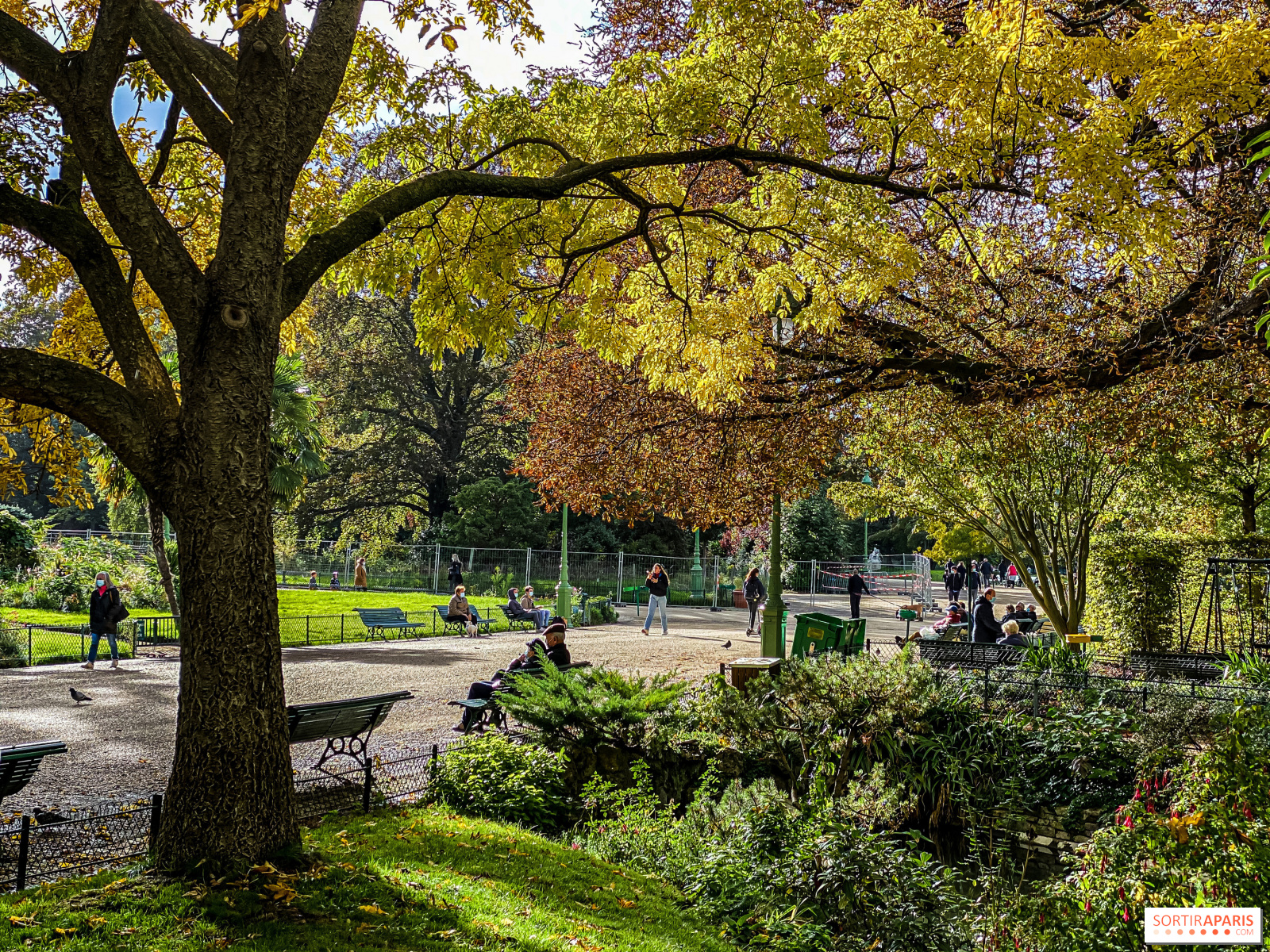
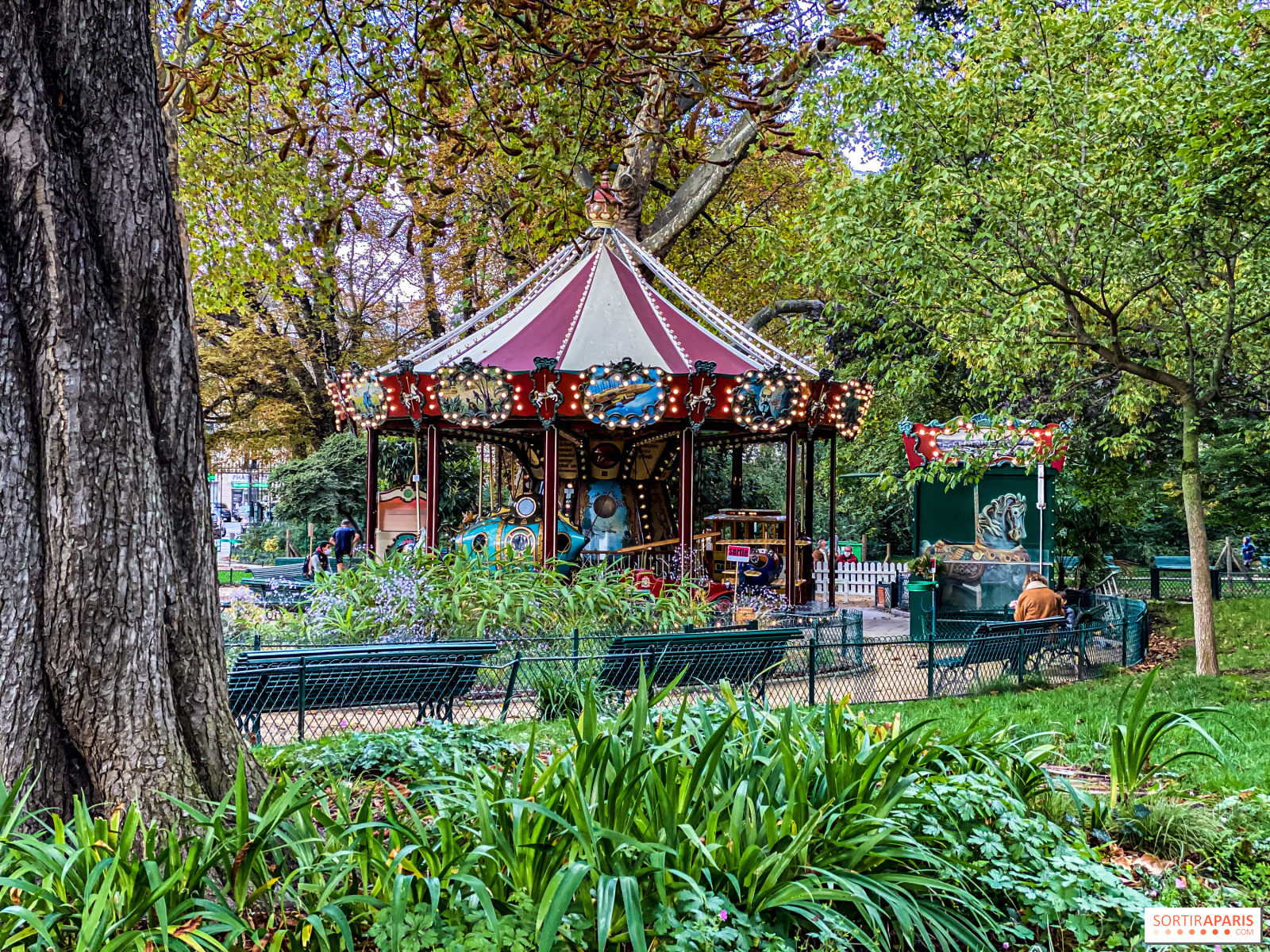
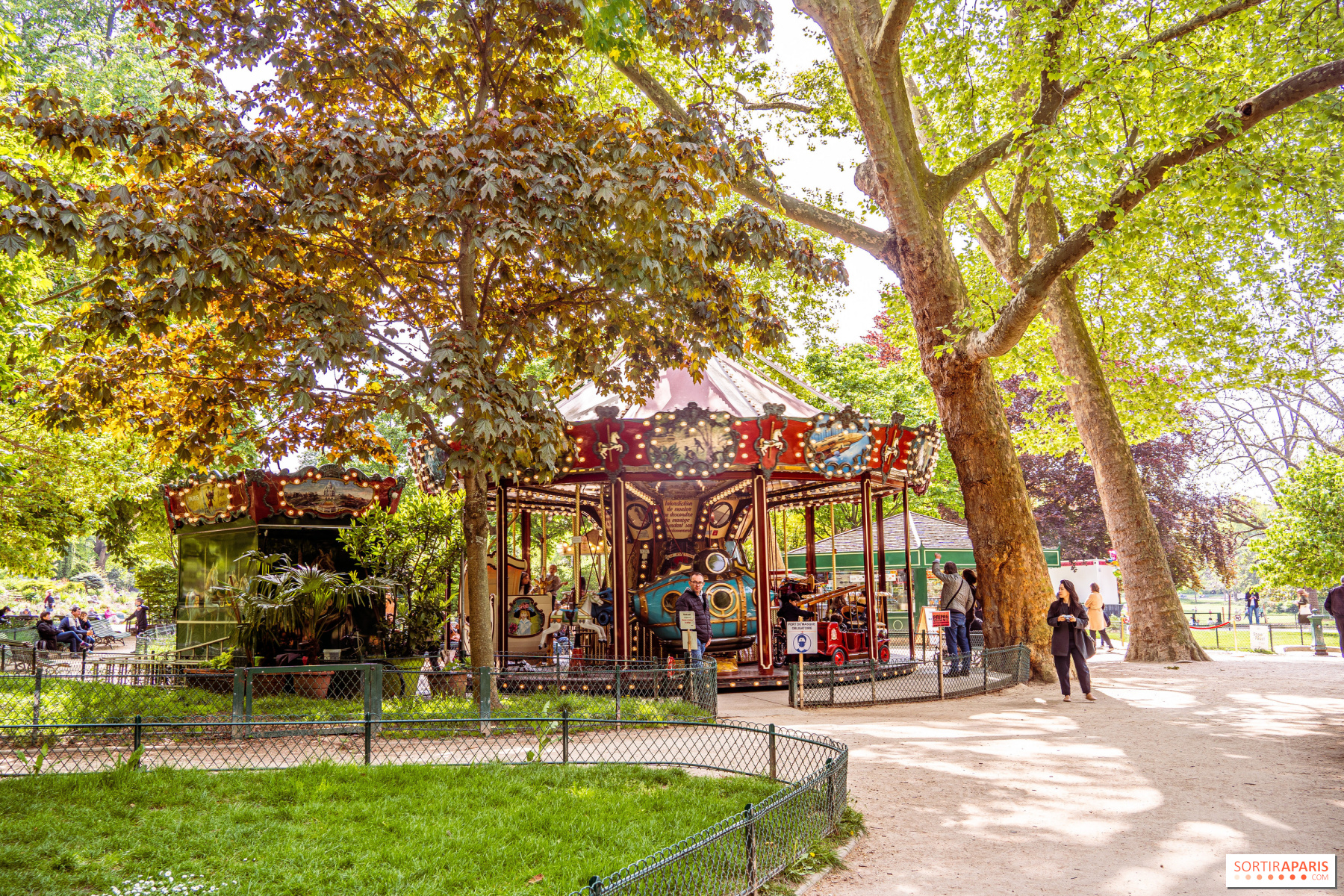
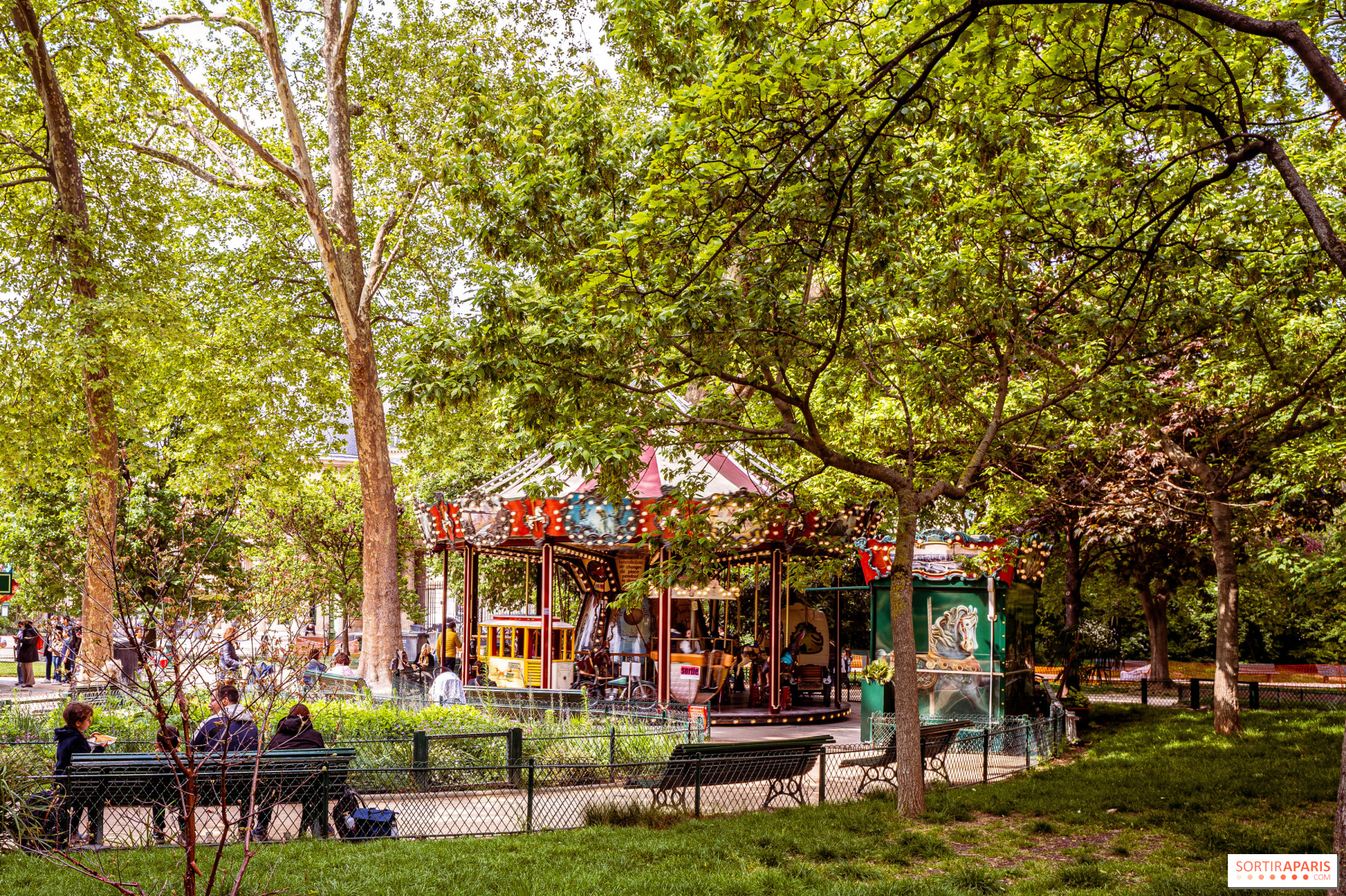
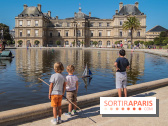
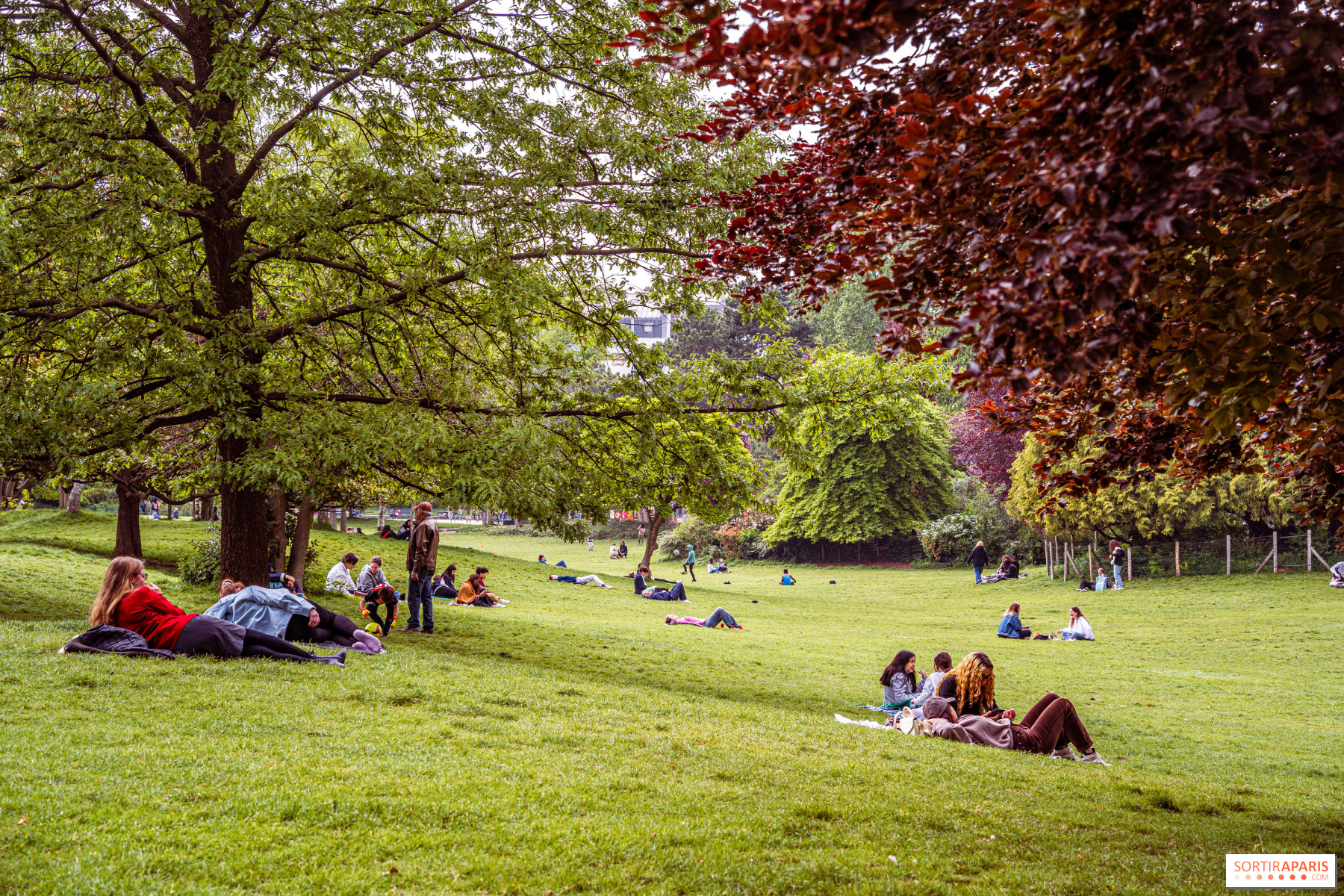
Perfect for a romantic stroll or a family outing, this park offers plenty of places to sit, enjoy the sunshine, and soak up the upbeat vibe. That said, some critics argue it’s a victim of its own popularity, and it’s getting harder to keep the different crowds — picnickers, casual walkers, or a quick game of football — from one another.
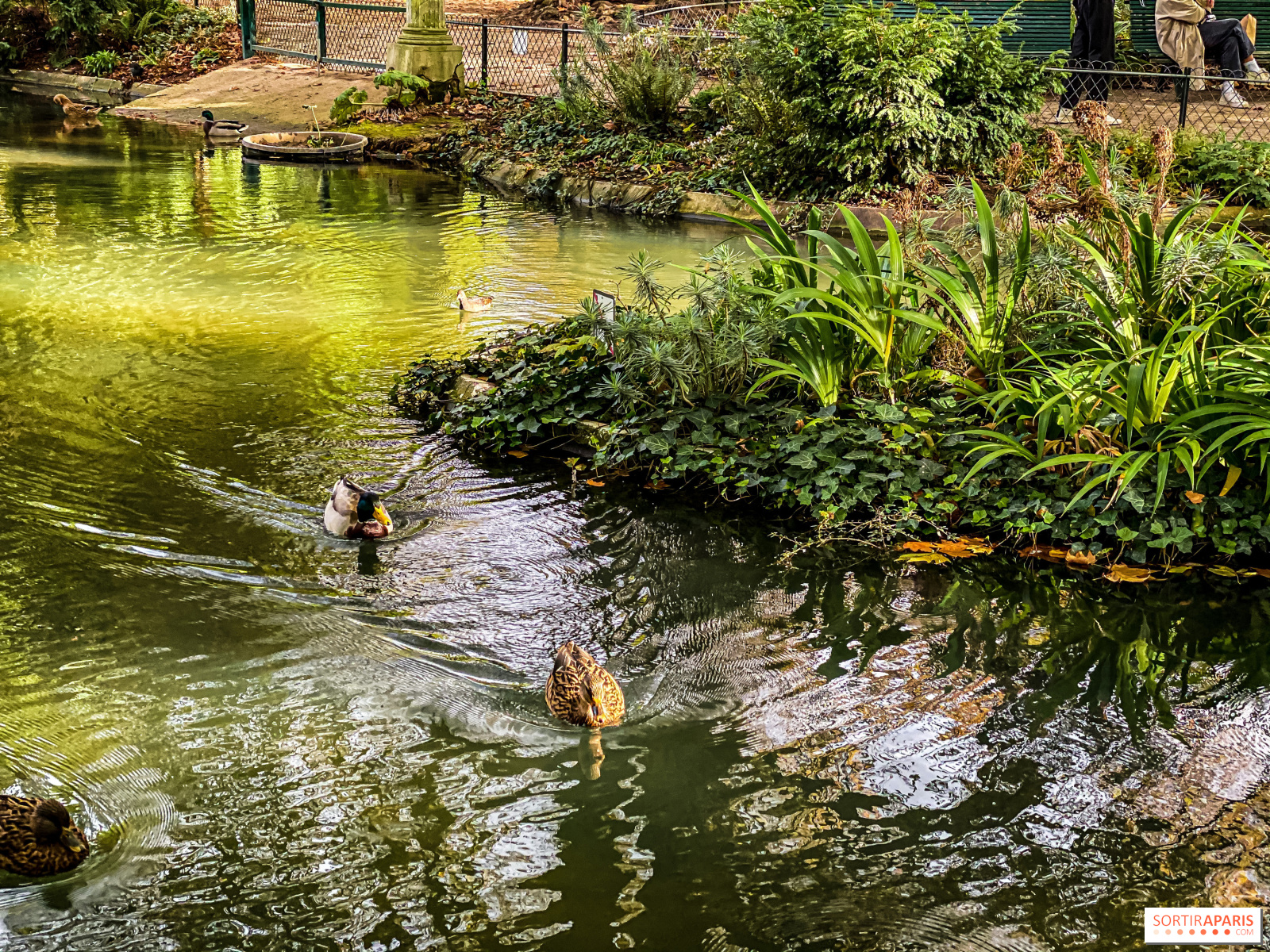
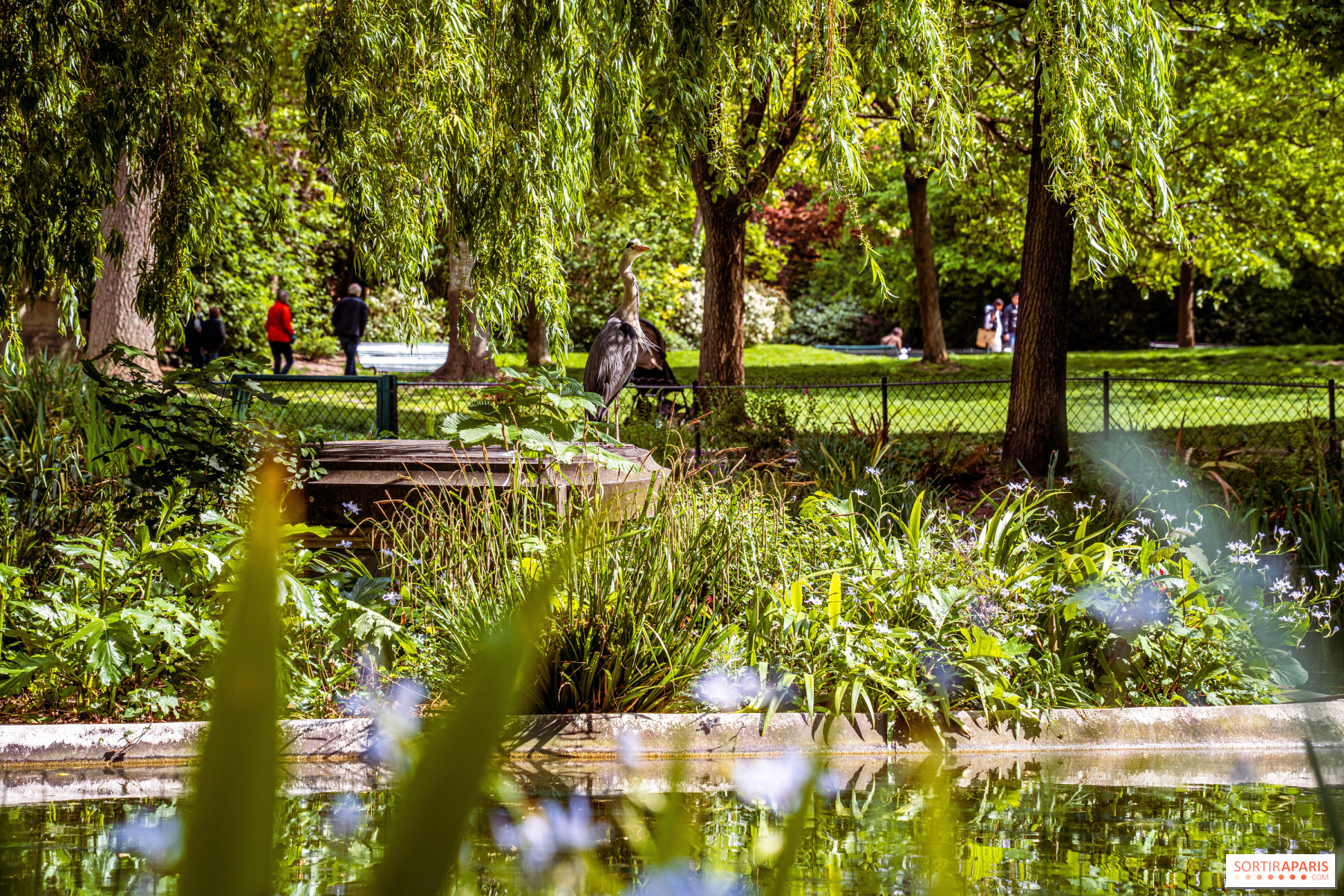
To wrap things up, we can’t discuss Parc Monceau without spotlighting its remarkable animal and plant life. This green space in the district boasts the greatest variety of birds, drawn to the tall trees and the cooling calm of the pond where carp and other goldfish swim.

As for opening hours, note that Parc Monceau opens from March 27 to April 30, 2022, daily from 7 a.m. to 8 p.m.; from May 1 to August 31, 2022, from 7 a.m. to 10 p.m., with extended hours to 9 p.m. in September and back to 8 p.m. in October. The park has multiple entrances: Boulevard de Courcelles, Avenue Velázquez, Avenue Van Dyck and Avenue Ruysdael.
Please note that it's been over 4 years since our last visit, so the place and experience may have changed.
Dates and Opening Time
Next days
Wednesday:
closed
Thursday:
closed
Friday:
closed
Saturday:
closed
Sunday:
closed
Monday:
closed
Tuesday:
closed
Location
Parc Monceau
35 boulevard Courcelles
75008 Paris 8
Route planner
Prices
Free
Recommended age
For all
More information
Parc Monceau opens from March 27 to April 30, 2022, daily from 7am to 8pm, from May 1 to August 31, 2022, from 7am to 10pm, until 9pm in September and again until 8pm in October.
Entrance to the park is via various access roads: boulevard de Courcelles, avenue Vélasquez, avenue Van Dyck and avenue Ruysdael.